Table of Contents
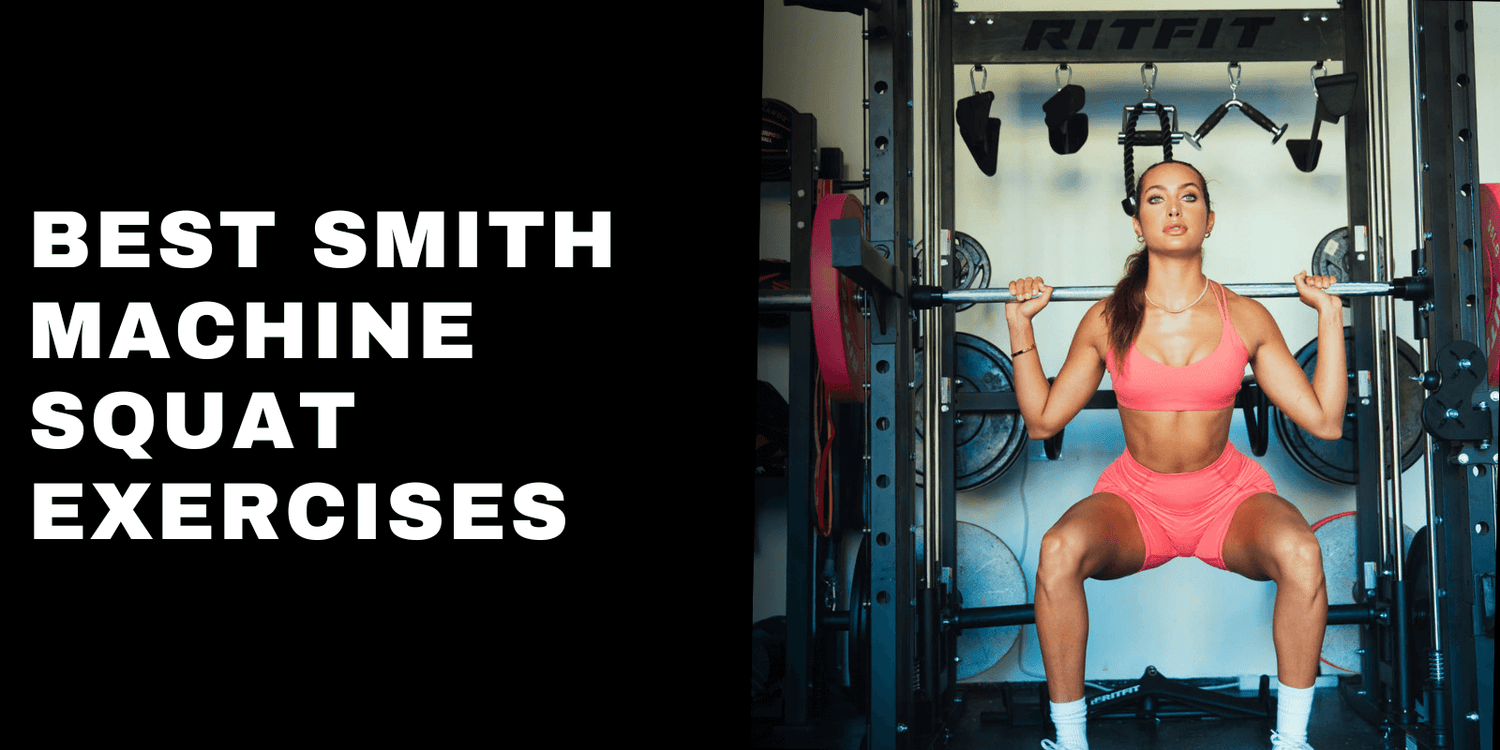
Smith machine squat exercises are a practical way to train your quads, glutes, and adductors with a repeatable bar path and clear safety stops. They work best when you adjust foot position, torso angle, and depth to your goal instead of copying one universal setup.
If you are still learning what a Smith machine is, or deciding whether it is a good option for beginners, this guide will show you which squat variation fits your training goal and how to perform it well.
Key Takeaways
- Smith machine squat exercises can build muscle effectively when you use the machine as a setup tool, not a shortcut.
- Foot position changes the feel of the squat more than most lifters expect, so setup should match your goal.
- A more upright torso usually feels more quad biased, while more forward torso lean usually feels more hip biased.
- Safety stops are one of the machine’s biggest advantages, especially for solo training.
- Progress comes from clean reps, stable depth, and small load jumps, not from forcing the heaviest variation first.
Who These Exercises Are For
- Beginners who want a repeatable squat pattern with less balance demand.
- Lifters training alone who want safer hard sets with built in safeties.
- People chasing more quad or glute bias through stance and torso changes.
- Home gym users training on a Smith machine setup who want more lower body variety.
Who Should Be Cautious
If you have ongoing knee, hip, or low back pain, use conservative depth, lighter loads, and a variation that feels stable and repeatable. If the machine path feels wrong for your body, switch the setup or choose a different squat pattern instead of forcing the rep.
The Benefits of Smith Machine Squat Exercises
Smith machine squat exercises can build leg size and strength while making setup easier to repeat from session to session. They are especially useful when you want controlled reps, solo training, or a lower body pattern that is easier to progress consistently.
Enhances Safety and Stability
The fixed bar path and safety stops make hard sets more manageable when you train alone. That does not make the lift automatic, but it does reduce the balance demands that often limit newer lifters.
Improves Muscle Targeting
Smith machine squat exercises make it easier to bias quads, glutes, or adductors by changing foot position and torso mechanics. Stance width, foot angle, and experience level all change motion and loading, which is why no single stance works best for everyone.[2]
Supports Progressive Overload
The machine makes loading simple, keeps setup consistent, and lets you repeat the same movement pattern with less setup noise. Smith machine squats can still create high quadriceps demand and high overall effort, which is why many lifters use them as a main machine based squat pattern.[4]
Works Well for Home Gyms
One machine can cover back squats, front squats, split squats, and hack squat style patterns without needing multiple large lower body machines. That makes Smith based leg training a strong fit for compact home gym setups.
Muscles Worked by Smith Machine Squat Exercises
Smith machine squat exercises mainly train the quads and glutes, while the adductors, hamstrings, and trunk help control the descent and finish the rep. The exact emphasis shifts with stance width, shin angle, torso position, and the variation you choose.
Primary Muscles
Your quads and glutes do most of the visible work during Smith machine squat exercises. A more upright torso and more forward knees usually feel more quad biased, while more forward trunk lean usually feels more hip biased.[3]
- Quadriceps: They drive knee extension and usually feel strongest in front squat and hack squat style setups.
- Glutes: They contribute more when you keep tension through the hips, use deeper controlled reps, and choose more hip dominant setups.
- Adductors: They become more important as depth increases and can feel more involved in wider stances.
- Hamstrings: They support hip control and contribute to stability, but they are not the prime driver in most squat patterns.
Supporting Muscles
The trunk, calves, and upper back help keep you stacked and stable so the legs can produce force cleanly. Even on a Smith machine, poor bracing or loose foot pressure can make the rep feel unstable and inefficient.
- Core: Keeps the torso organized and limits unnecessary spinal movement.
- Calves: Help control ankle position and pressure through the foot.
- Upper back: Supports bar position and helps you stay tall under the load.
Best Smith Machine Squat Exercises
The best Smith machine squat exercise depends on whether you want more quads, more glutes, more adductor work, or more single leg stability. Start with one main bilateral squat and one single leg variation, then progress the setup that feels strongest and most repeatable.
Smith Machine Front Squat
The Smith machine front squat is a strong option when you want a more upright torso and a clearer quad bias. It usually feels cleaner than a free bar front squat for lifters who want front loaded mechanics without the balance challenge.
- Muscles worked: Quads, glutes, adductors, core.
- How to do it: Set the bar across the front delts, keep the elbows high, brace, and squat straight down with full foot pressure. Drive up by pushing the floor away and keeping the chest tall.
- Beginner routine: 3 sets of 8 to 10 reps, rest 60 to 90 seconds, and stop 1 to 2 reps before form breaks.
- Related guide: See this full Smith machine front squat guide for a more detailed setup breakdown.
Smith Machine Hack Squat
The Smith machine hack squat is useful when you want a knee dominant squat that feels more quad focused than a standard back squat. It often works best with the feet slightly forward so the knees can travel and the torso can stay more organized.
- Muscles worked: Quads, glutes, adductors, core.
- How to do it: Stand with the feet a little in front, brace the torso, descend under control, and let the knees move naturally while the heels stay planted. Stand up by driving through the full foot and keeping the rep smooth.
- Beginner routine: 3 sets of 10 to 12 reps, rest 60 to 90 seconds, and use a load that lets you keep depth honest.
- Related guide: This dedicated Smith machine hack squat guide covers setup details and common errors.
Smith Machine Split Squat
The Smith machine split squat is one of the best choices for unilateral leg work when you want more control than a free standing split squat. It helps expose side to side differences while keeping the load path simple and repeatable.
- Muscles worked: Quads, glutes, adductors, core.
- How to do it: Take a stable split stance, keep the front foot planted, and lower until the front leg does the clear majority of the work. Stand by pushing through the front foot and keeping the pelvis level.
- Beginner routine: 3 sets of 8 to 10 reps per side, rest 60 seconds between sides, and keep the load modest at first.
- Best use: This is a strong accessory after a heavier bilateral squat when you want more balance and control work.
Smith Machine Back Squat
The Smith machine back squat is the most familiar option for lifters who want a general lower body strength pattern with simpler setup than a free bar. It is versatile, but it only feels good when your stance matches the machine path instead of fighting it.
- Muscles worked: Quads, glutes, adductors, core.
- How to do it: Set the bar across the upper traps, brace hard, descend with full foot pressure, and keep the knees tracking in line with the toes. Stand up without bouncing or losing your stacked torso position.
- Beginner routine: 3 sets of 6 to 10 reps, rest 90 seconds, and progress only when depth and bar path stay clean.
- Related guide: For a broader setup comparison, read how to do a Smith machine squat and Smith machine vs power rack.
Smith Machine Bulgarian Split Squat
The Smith machine Bulgarian split squat is excellent when you want high single leg tension and strong glute and quad recruitment with less balance noise. It is demanding, so lighter loads and tighter control usually work better than chasing maximum weight.
- Muscles worked: Quads, glutes, adductors, core.
- How to do it: Place the rear foot on a bench, keep most of your pressure on the front foot, and lower with control until the front leg takes the full load. Rise by driving the front foot down and keeping the torso steady.
- Beginner routine: 2 to 3 sets of 8 reps per side, rest 60 to 90 seconds, and prioritize balance and depth before load.
- Related guide: Use this detailed Smith machine Bulgarian split squat guide if this variation is new to you.
Smith Machine Sumo Squat
The Smith machine sumo squat is a good choice when you want more adductor and glute contribution than a standard shoulder width stance. It usually feels best when the toes are turned out slightly and depth stays controlled instead of rushed.
- Muscles worked: Glutes, adductors, quads, hamstrings, core.
- How to do it: Set a wider stance, let the knees track over the toes, and descend until you can still keep the foot tripod stable. Stand by squeezing through the hips and driving the floor apart.
- Beginner routine: 3 sets of 8 to 12 reps, rest 60 to 90 seconds, and use a range of motion you can repeat cleanly.
- Best use: This fits well when you want a wider stance option without needing a separate adductor focused machine.
How to Choose the Right Smith Squat Variation
Choose your variation by training goal, not by what looks hardest. If you keep one setup stable for 4 to 6 weeks, it becomes much easier to judge progress honestly.
- More quad bias: Front squats, hack squat style setups, and heel elevated back squat patterns usually work best.
- More glute bias: Slightly forward feet, deeper controlled reps, and split squat patterns usually shift more tension to the hips.
- More adductor involvement: Sumo squats and deeper stances usually make the inner thigh contribution easier to feel.
- More single leg stability: Split squats and Bulgarian split squats are better than simply adding more bilateral volume.
- More exercise variety: Pair one main squat with accessories from these Smith machine leg workouts to keep your lower body plan balanced.
Common Mistakes to Avoid in Smith Machine Squat Exercises
Most problems with Smith machine squat exercises come from bad setup, rushed reps, or trying to force one stance on every variation. Fixing those three issues usually improves both comfort and performance fast.
Using One Foot Position for Every Variation
Your feet do not need to sit in the same place for every Smith squat. Test a few light setups, then keep the one that matches your goal and lets you own the rep.
Chasing Load Before Owning Depth
Heavy partial reps hide setup problems and make progression harder to judge. Earn load increases by keeping depth, balance, and tempo consistent first.
Losing Full Foot Pressure
When the heel lifts or pressure rolls to the toes, the rep usually gets unstable and hard to repeat. Think full foot pressure, especially through the heel, big toe, and little toe.
Ignoring the Safety Stops
Safety stops are one of the machine’s biggest advantages, especially for solo training. Set them before every working set so you can push harder without guessing what happens if a rep stalls.
Forcing Painful Depth
Depth should challenge the muscles, not force sharp pain in the joints. Use the deepest range you can control with stable feet, a neutral spine, and no pain spike.
Smith Machine Squat Exercises Tips
Good Smith machine squat training comes from better setup, not from making the movement look fancy. A few simple adjustments usually matter more than adding more exercises.
Warm Up Before Working Sets
A short dynamic warm up can improve readiness before squat work and is a better default than walking straight to your top set.[1] Use 5 to 10 minutes of easy cardio, bodyweight squats, ankle work, and lighter ramp up sets before the first hard set.
Match the Setup to the Goal
If you want more quads, think more upright torso and more knee travel. If you want more glutes, think more hip contribution and a stance that lets you keep tension in the hips.
Track One Setup Before Changing It
Changing stance every session makes progress hard to read. Pick one main variation, keep the setup stable, and judge improvement by reps, load, and control.
Know the Machine and the Bar
Different machines have different starting weights and counterbalance. Before you compare numbers, check how much a Smith machine bar weighs and only compare progress on the same machine.
Use Accessories Smartly
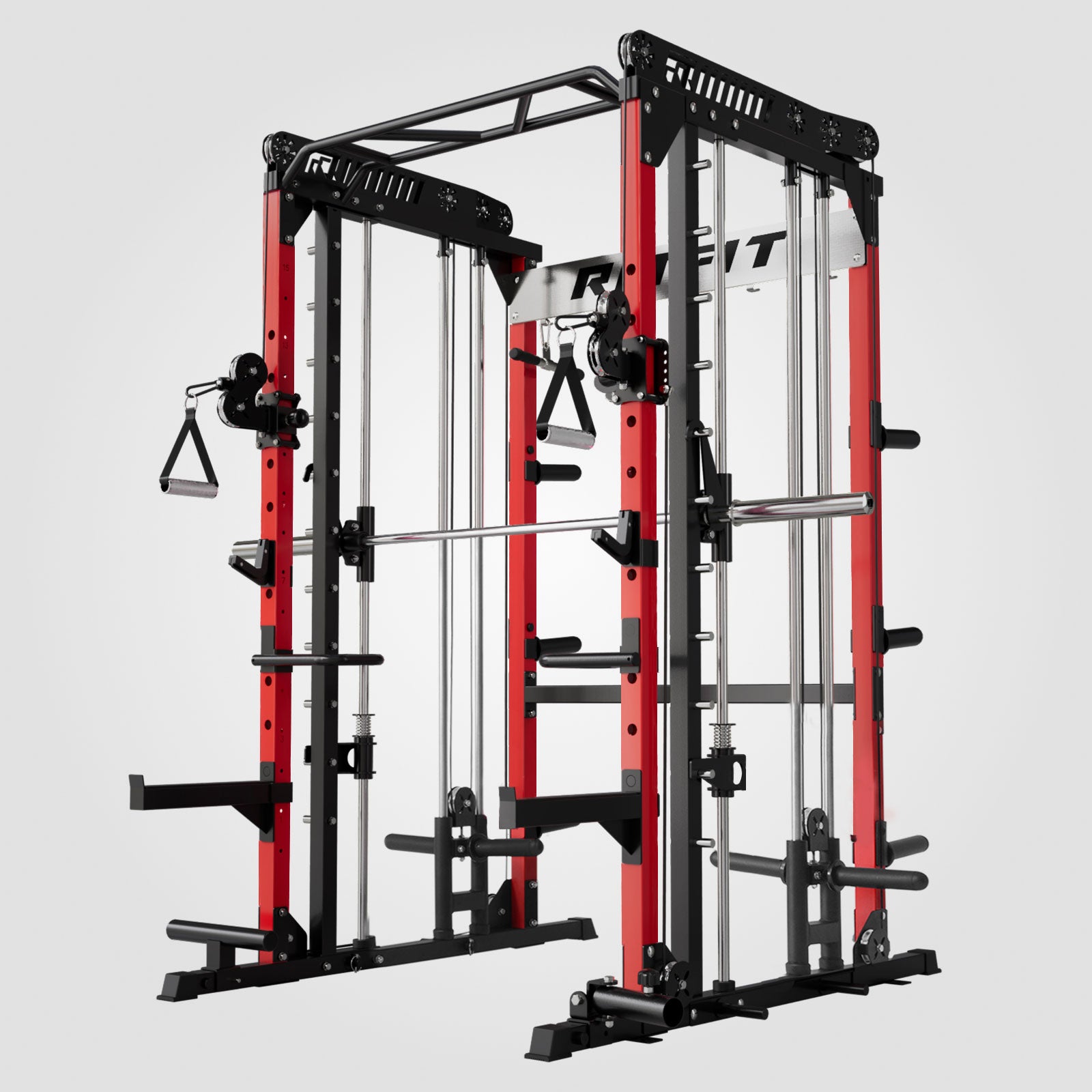
Smith squats pair well with hip hinges, calf raises, leg curls, and machine based glute work. If your home setup allows it, pairing squat work with an adjustable bench can also expand your overall lower and upper body programming, especially on a multi station system such as the RitFit M1 PRO Smith machine package.
FAQ
What muscles do Smith machine squat exercises work?
Smith machine squat exercises mainly train the quads and glutes, with the adductors, hamstrings, and trunk helping stabilize and finish the lift. Your exact emphasis changes with stance width, foot position, torso angle, and depth, so setup matters as much as the variation you choose.
Are Smith machine squat exercises good for beginners?
Yes. Smith machine squat exercises can be beginner friendly because the fixed bar path and safety stops make setup easier to repeat. Beginners still need to learn bracing, full foot pressure, and controlled depth, because the machine does not fix rushed reps or poor positioning.
Should your feet be under the bar or slightly in front for Smith machine squat exercises?
Neither position is automatically best for all Smith machine squat exercises. Feet closer under the bar usually feel more knee dominant and quad focused, while feet slightly forward often feel more hip dominant and glute focused. Start light, then keep the setup that feels strong and repeatable.
How deep should you go on Smith machine squat exercises?
Go as deep as you can during Smith machine squat exercises while keeping balance, foot pressure, and a neutral spine. For many lifters that means around parallel or slightly below, but your best depth is the one you can own without knee pain, lumbar rounding, or bouncing out of the bottom.
Can Smith machine squat exercises replace barbell squats?
No. Smith machine squat exercises do not fully replace free barbell squats if your goal is barbell skill, balance, and coordination under a free load. They can still be excellent for hypertrophy, controlled progression, solo training, and targeted lower body work when that is the main goal.
Why do Smith machine squat exercises bother some knees?
Knee discomfort during Smith machine squat exercises usually comes from a setup that does not match the machine path, not from the machine alone. Adjust stance width, move the feet slightly, reduce load, and slow the descent. If pain stays sharp or persistent, stop that variation and switch patterns.
Which Smith machine squat exercise is best for glutes?
The best Smith machine squat exercise for glutes is usually the one that lets you keep tension in the hips without back or knee irritation. Many lifters do well with feet slightly forward, deeper controlled reps, split squat patterns, or Smith machine sumo squats for a stronger hip driven feel.
Final Thoughts
Smith machine squat exercises are worth using when you want repeatable lower body training, clearer progression, and safer solo sets. Pick the variation that matches your goal, lock in one setup for several weeks, and let clean reps, stable depth, and gradual overload drive your results.
Disclaimer. This article is for general education only and does not replace medical advice, diagnosis, or treatment. If you have ongoing knee, hip, or back pain, a recent injury, numbness, or sharp pain during squats, stop training and speak with a qualified clinician or physical therapist before continuing.
References
- Afonso J, Brito J, Abade E, Rendeiro Pinho G, Baptista I, Figueiredo P, Nakamura FY. Revisiting the whys and hows of the warm up: are we asking the right questions? Sports Med. 2024;54(1):23-30. doi:10.1007/s40279-023-01908-y
- Lorenzetti S, Ostermann M, Zeidler F, Zimmer P, Jentsch L, List R, Taylor WR, Schellenberg F. How to squat? Effects of various stance widths, foot placement angles and level of experience on knee, hip and trunk motion and loading. BMC Sports Sci Med Rehabil. 2018;10:14. doi:10.1186/s13102-018-0103-7
- Straub RK, Powers CM. A biomechanical review of the squat exercise: implications for clinical practice. Int J Sports Phys Ther. 2024;19(4):490-501. doi:10.26603/001c.94600
- Migliaccio GM, Dello Iacono A, Ardigò LP, Samozino P, Iuliano E, Grgantov Z, Padulo J. Leg press vs. Smith machine: quadriceps activation and overall perceived effort profiles. Front Physiol. 2018;9:1481. doi:10.3389/fphys.2018.01481