The FITT principle helps you build a personal fitness program by organizing four key workout variables, frequency, intensity, time, and type. When these variables match your goal, fitness level, schedule, and recovery ability, your routine becomes safer, easier to follow, and more effective over time.
Table of Contents
- What Is the FITT Principle?
- Why the FITT Principle Matters for Program Design
- Frequency, How Often Should You Exercise?
- Intensity, How Hard Should You Train?
- Time, How Long Should Each Workout Last?
- Type, What Exercises Should You Choose?
- FITT Principle Examples by Fitness Goal
- Sample Beginner FITT Workout Plan
- How to Progress Your FITT Program Safely
- Common FITT Principle Mistakes
- When to Adjust Your Fitness Program
Key Takeaways
- FITT stands for frequency, intensity, time, and type: These four variables help turn a general fitness goal into a clear workout structure.
- Beginners should progress gradually: Increasing time or frequency is usually safer than jumping straight to higher intensity.
- Different goals need different FITT settings: Fat loss, muscle gain, endurance, and general health all require different weekly training choices.
- Recovery is part of the plan: Rest days, sleep, soreness, and energy levels should guide how often and how hard you train.
- Review your plan every four to eight weeks: FITT works best when you adjust one variable at a time based on progress and recovery.
What Is the FITT Principle?
The FITT principle is a simple exercise planning framework that stands for frequency, intensity, time, and type. These four variables help you decide how often to train, how hard to train, how long to train, and what exercises to use.
Definition and Components
The FITT principle gives every workout a clear structure instead of relying on random exercise choices. Exercise research commonly uses frequency, intensity, time, and type to describe and compare training programs.[1]
- Frequency: How many days per week you exercise.
- Intensity: How hard your body works during each session.
- Time: How long each workout or exercise block lasts.
- Type: The mode of exercise, such as walking, cycling, strength training, stretching, or balance work.
Why the FITT Principle Matters for Program Design
The FITT principle matters because it connects your daily workouts to your long term fitness goal. It helps you avoid two common mistakes, doing too little to improve or doing too much to recover.
- For beginners: FITT provides a clear starting point and reduces guesswork.
- For busy adults: FITT makes it easier to split exercise into realistic weekly sessions.
- For home gym users: FITT helps match limited space and equipment to a complete training routine.
- For long term progress: FITT supports progressive overload without forcing every workout to feel exhausting.
If you are building a home based routine, start with simple tools that match your main training type. A stable adjustable weight bench, a pair of home gym dumbbells, and open floor space can support many beginner strength workouts.
Frequency, How Often Should You Exercise?
Frequency means how many times you train in a week. The right frequency depends on your goal, current fitness level, recovery ability, and the type of workouts you perform.
How to Choose Training Frequency
Most beginners should start with two to four structured sessions per week. Adults are commonly encouraged to combine weekly aerobic activity with muscle strengthening activities on at least two days per week.[2]
- General health: Aim for three to five moderate activity days per week, including walking, cycling, light strength work, or mobility.
- Strength training: Start with two to three sessions per week, especially if you train full body.
- Cardio fitness: Use three to five sessions per week, with easy and moderate days mixed together.
- Muscle gain: Train each major muscle group about two times per week when recovery allows.
Balancing Frequency and Recovery
More weekly workouts are not automatically better. If sleep, soreness, motivation, or performance declines, your program may need fewer hard days.
- Good recovery signs: Normal soreness resolves within a few days, energy is stable, and performance stays consistent.
- Poor recovery signs: Lingering soreness, sharp pain, unusual fatigue, and repeated performance drops suggest you should reduce frequency or intensity.
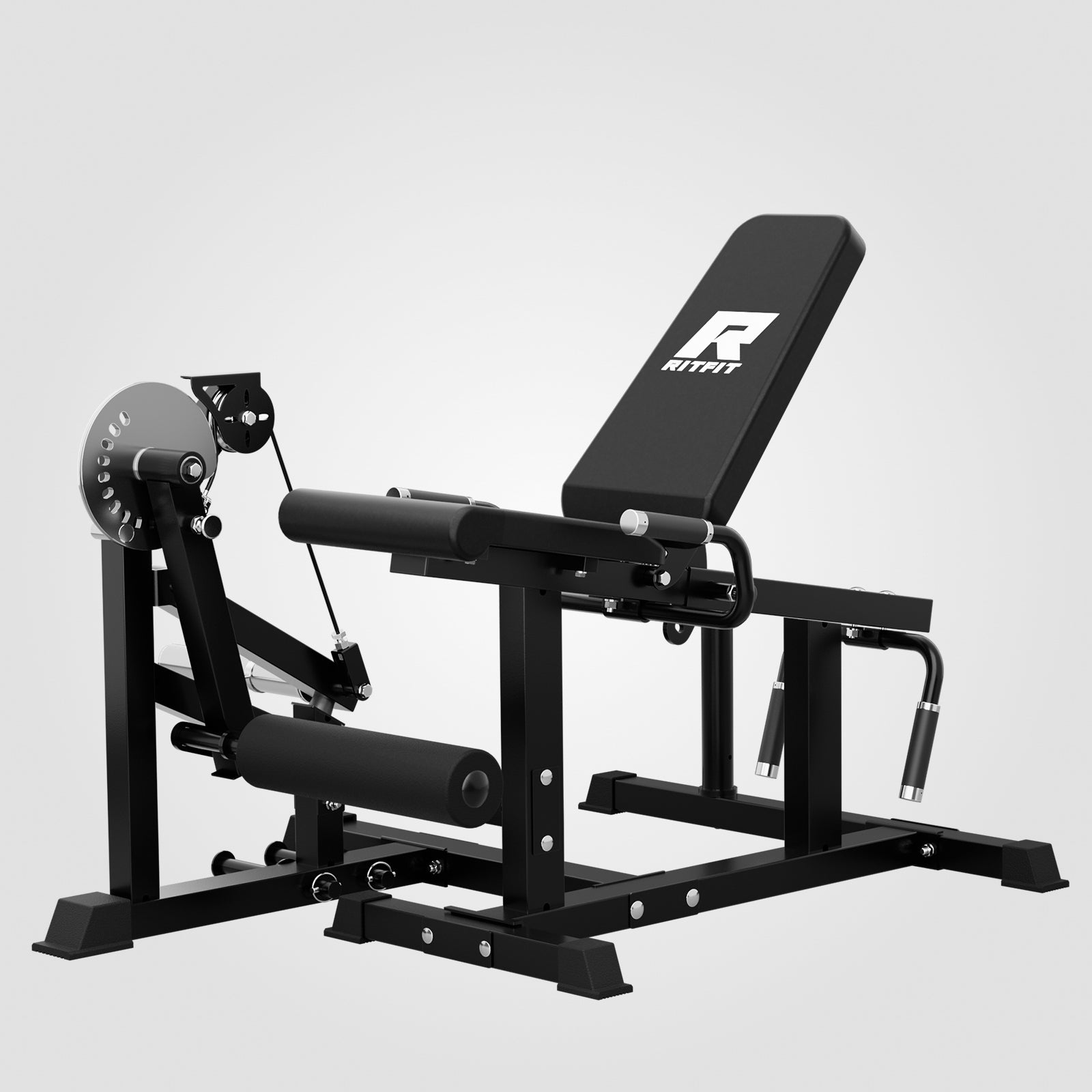
- Home gym tip: Use strength machines for home gyms when you want a more stable setup for repeatable resistance training.
Intensity, How Hard Should You Train?
Intensity means how hard your body works during a workout. It can be measured by heart rate, pace, load, repetitions in reserve, or perceived effort.
Understanding Workout Intensity
Cardio intensity is usually based on breathing, heart rate, speed, or perceived exertion. Strength intensity is usually based on load, repetition difficulty, and how close a set comes to fatigue.
- Low intensity: You can breathe easily and hold a full conversation.
- Moderate intensity: You breathe faster but can still speak in short sentences.
- High intensity: You can only speak a few words and need more recovery afterward.
- Strength training intensity: A practical approach is to stop most working sets with one to three good reps left in reserve.
Matching Intensity to Your Goal
Your intensity should match the result you want and the recovery you can support. Combined aerobic and muscle strengthening activity may provide broader health benefits than relying on only one training type.[3]
- For beginners: Use easy to moderate intensity while learning movement quality.
- For fat loss: Use sustainable moderate intensity cardio plus progressive resistance training.
- For muscle gain: Use challenging resistance sets while keeping form consistent.
- For conditioning: Add short higher effort intervals only after you can complete steady sessions comfortably.
Time, How Long Should Each Workout Last?
Time means the duration of each workout or exercise block. A useful workout can last ten minutes or sixty minutes, as long as it supports the goal and can be repeated consistently.
Choosing Workout Duration
Beginners often do well with twenty to forty minutes per session. Shorter sessions can work when intensity is higher, while lower intensity sessions usually need more total time.
- Short sessions: Ten to twenty minutes can work for brisk walking, mobility, or a quick strength circuit.
- Moderate sessions: Twenty to forty minutes is practical for most beginner and intermediate routines.
- Longer sessions: Forty five to sixty minutes may be useful for full strength workouts or endurance focused cardio.
- Busy schedule option: Two fifteen minute walks can still support consistency when a single longer session is unrealistic.
Allocating Time Within a Session
A complete workout should include preparation, main training, and a cool down. This structure helps you train with better control and less unnecessary stress.
- Warm up: Spend five to ten minutes raising body temperature and practicing easy movement patterns.
- Main workout: Focus on the most important cardio, strength, or mobility goal for that day.
- Cool down: Use easy movement and light stretching to bring intensity down gradually.
Type, What Exercises Should You Choose?
Type means the kind of exercise you include in your program. A complete personal fitness program usually blends cardio, resistance training, mobility, and recovery focused movement.
Choosing the Right Exercise Types
The best exercise type is the one that matches your goal and is realistic to repeat. International physical activity guidance supports aerobic activity, muscle strengthening activity, and reduced sedentary time for broad health benefits.[4]
- Cardiorespiratory training: Walking, rowing, cycling, swimming, and elliptical training improve aerobic fitness.
- Strength training: Dumbbells, barbells, machines, cables, and bodyweight exercises build muscle and strength.
- Mobility training: Dynamic stretching, controlled range of motion work, and yoga can support movement quality.
- Balance and coordination: Single leg work, carries, and controlled tempo drills support functional control.
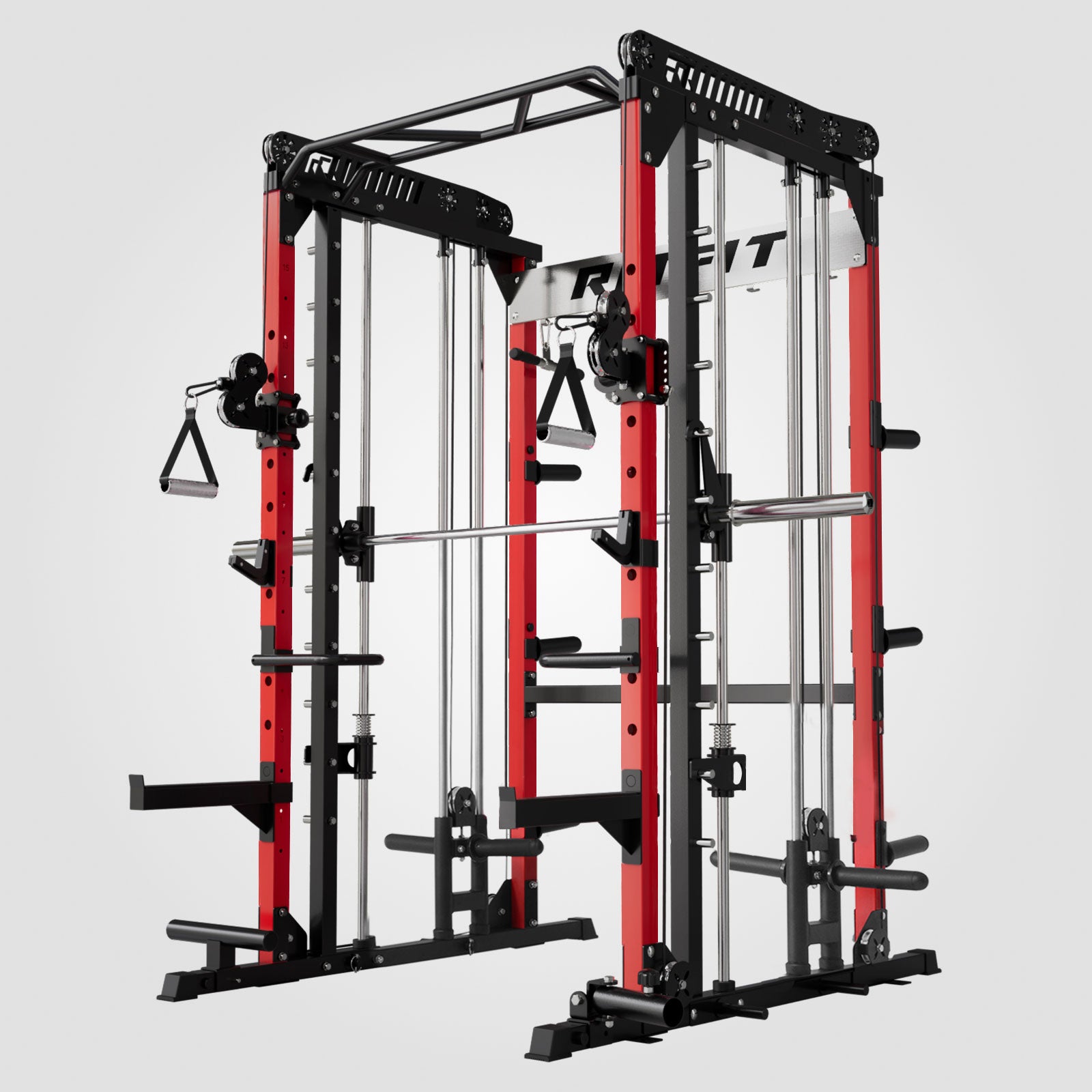
For home strength training, match your exercise type to your available equipment and space. A Smith machine home gym can support guided barbell movements, while barbells and weight plates are useful for progressive strength training.
FITT Principle Examples by Fitness Goal
The FITT principle changes based on the outcome you want. Use the examples below as educational starting points, then adjust based on recovery, ability, and schedule.
For General Health
Train three to five days per week at easy to moderate intensity for twenty to forty minutes per session. Choose walking, cycling, full body resistance training, and mobility work.
For Weight Management
Use a repeatable mix of moderate cardio, full body strength training, and daily movement. The goal is not the hardest possible workout, but a routine you can sustain alongside nutrition and recovery.
For Muscle Gain
Prioritize resistance training two to four days per week and gradually increase load, reps, sets, or exercise control. Equipment such as the RitFit GATOR adjustable weight bench can support pressing, rowing, dumbbell work, and seated strength exercises.
For Endurance
Use longer cardio sessions first, then add harder intervals only after your base fitness improves. This approach helps build aerobic capacity while reducing avoidable overuse stress.
Sample Beginner FITT Workout Plan
A beginner FITT plan should be simple, repeatable, and easy to recover from. The sample below uses moderate training stress so the habit can build before intensity increases.
Weekly Cardio Plan
Start with three cardio sessions per week at a moderate effort for twenty to thirty minutes. Brisk walking, cycling, rowing, or elliptical training are practical low skill options.
- Frequency: Three days per week.
- Intensity: Moderate effort, about five to six out of ten.
- Time: Twenty to thirty minutes per session.
- Type: Brisk walking, cycling, rowing, or elliptical training.
Weekly Strength Plan
Start with two full body strength sessions per week using controlled form and manageable loads. Resistance training studies often use structured progressions in which load increases when the person can complete the target repetitions with good form.[5]
- Frequency: Two days per week.
- Intensity: Stop most sets with two to three reps in reserve.
- Time: Thirty to forty five minutes per session.
- Type: Squats, hinges, presses, rows, carries, and core work.
If your routine includes free weights, keep storage and setup simple so the program is easy to repeat. A dedicated weight storage solution can make home workouts safer and more organized.
How to Progress Your FITT Program Safely
Progress your FITT program by changing only one variable at a time. This makes it easier to know what caused improvement, soreness, fatigue, or a plateau.
- Weeks 1 to 2: Keep intensity easy to moderate and focus on showing up consistently.
- Weeks 3 to 4: Add five to ten minutes to one or two weekly sessions if recovery is good.
- Weeks 5 to 6: Add one extra weekly session only if energy, soreness, and sleep remain stable.
- Weeks 7 to 8: Add slightly harder intervals or heavier resistance while keeping technique clean.
Common FITT Principle Mistakes
The most common FITT mistakes come from changing too much too soon. A successful program should challenge the body without making recovery impossible.
- Training too often too soon: Beginners may feel motivated at first, but excessive frequency can cause fatigue and soreness.
- Making every workout high intensity: Hard sessions are useful, but they need easier days around them.
- Ignoring strength training: Cardio is valuable, but resistance training supports muscle, function, and long term body composition.
- Choosing exercises you dislike: A technically perfect plan fails if you cannot follow it consistently.
- Never reviewing the plan: A program that worked eight weeks ago may need updated time, intensity, or type.
When to Adjust Your Fitness Program
You should adjust your FITT variables when progress stalls, recovery declines, or your goal changes. The safest adjustment is usually small and specific.
- If you feel stronger and recover well: Add a small amount of time, one extra set, or a slightly heavier load.
- If you feel constantly tired: Reduce intensity or frequency before adding more work.
- If weight management stalls: Review nutrition, total daily movement, workout consistency, and weekly activity volume.
- If workouts feel boring: Change exercise type while keeping the same weekly structure.
- If pain appears: Stop the painful movement and seek qualified guidance if pain is sharp, repeated, or worsening.
As your routine becomes more consistent, you can build a more complete home training setup around your preferred exercise types. Many users pair free weights with home gym power racks to support squats, presses, rows, and progressive strength work.
FAQs
What does the FITT principle mean in fitness?
The FITT principle means frequency, intensity, time, and type. These four variables help you decide how often to exercise, how hard to train, how long each session should last, and which activities best match your fitness goal.
How do beginners use the FITT principle?
Beginners should use the FITT principle by starting with low to moderate frequency, moderate intensity, shorter sessions, and simple exercise types. This approach builds consistency first, then allows gradual progress without unnecessary soreness or poor recovery.
Can the FITT principle help with weight loss?
Yes. The FITT principle can support weight loss by helping you organize cardio, strength training, and weekly movement into a repeatable plan. Results still depend on nutrition, recovery, consistency, and total activity across the week.
Is intensity more important than workout time?
No. Intensity and workout time work together, and neither is always more important. Shorter sessions can be effective when intensity is higher, while longer sessions often work better when effort stays moderate and recovery is limited.
How often should I change my FITT workout plan?
You should review your FITT workout plan every four to eight weeks. Adjust it sooner if progress stalls, recovery drops, your schedule changes, or your goal shifts from general health to strength, endurance, muscle gain, or weight management.
What is an example of the FITT principle?
A simple FITT example is walking three days per week at moderate intensity for thirty minutes per session. In this plan, frequency is three days, intensity is moderate, time is thirty minutes, and type is brisk walking.
Should cardio and strength training use different FITT settings?
Yes. Cardio and strength training should usually use different FITT settings because they stress the body differently. Cardio often uses longer continuous time, while strength training uses sets, reps, load, rest periods, and muscle group recovery.
How do I know if my FITT plan is too hard?
Your FITT plan may be too hard if soreness lingers, sleep worsens, motivation drops, or performance declines for several sessions. Reduce intensity, shorten time, or add recovery days before increasing training volume again.
Conclusion
The FITT principle turns a personal fitness goal into a practical workout plan by controlling frequency, intensity, time, and type. Start with a realistic routine, track how your body responds, and adjust one variable at a time so progress stays safe, measurable, and sustainable.
Disclaimer: This article is for general fitness education only and is not medical advice. Speak with a qualified healthcare professional before starting vigorous exercise if you have heart disease, uncontrolled blood pressure, joint pain, recent injury, pregnancy related concerns, chronic illness, or a long period of inactivity.
References
- Bland KA, Neil-Sztramko SE, Zadravec K, Medysky ME, Kong J, Winters-Stone KM, et al. Attention to principles of exercise training: an updated systematic review of randomized controlled trials in cancers other than breast and prostate. BMC Cancer. 2021;21:1179. doi:10.1186/s12885-021-08701-y
- Piercy KL, Troiano RP, Ballard RM, Carlson SA, Fulton JE, Galuska DA, et al. The Physical Activity Guidelines for Americans. JAMA. 2018;320(19):2020-2028. doi:10.1001/jama.2018.14854
- Brellenthin AG, Bennie JA, Lee DC. Aerobic or muscle-strengthening physical activity: Which is better for health? Curr Sports Med Rep. 2022;21(8):272-279. doi:10.1249/JSR.0000000000000981
- Bull FC, Al-Ansari SS, Biddle S, Borodulin K, Buman MP, Cardon G, et al. World Health Organization 2020 guidelines on physical activity and sedentary behaviour. Br J Sports Med. 2020;54(24):1451-1462. doi:10.1136/bjsports-2020-102955
- Yang YJ. An Overview of Current Physical Activity Recommendations in Primary Care. Korean J Fam Med. 2019;40(3):135-142. doi:10.4082/kjfm.19.0038