Table of Contents
MetCon workouts improve conditioning by combining efficient intervals, simple resistance work, and limited rest into one focused session. They work best for people who want better work capacity, smarter calorie burn, and time efficient training without turning every workout into endless cardio.
Key Takeaways
- MetCon is broader than HIIT: MetCon describes metabolic conditioning as a whole, while HIIT is one interval method inside that category.
- Fat loss is possible, not guaranteed: MetCon can support body composition goals, but nutrition, recovery, and consistency still drive the outcome.
- Simple movements work best: Exercises that stay clean under fatigue are usually safer and more repeatable than highly technical lifts.
- Beginners need restraint: Two weekly sessions with scalable movements is usually enough to build fitness without burning out.
- Programming matters: The best MetCon plan fits your strength training, recovery capacity, equipment, and actual goal.
What Is MetCon?
MetCon, short for metabolic conditioning, is a training style built to challenge your aerobic and anaerobic systems with repeated bouts of work and controlled rest. It usually blends resistance exercises, cardio intervals, and circuit structure to improve how efficiently you produce and recover energy.
MetCon vs HIIT
HIIT is one method, while MetCon is the broader training category that can include HIIT, circuits, carries, rowing intervals, and mixed modality conditioning. In practice, many gym users use the terms loosely, which is why a clear definition helps readers choose the right workout structure for their goal.
The energy systems behind MetCon
MetCon sessions stress short burst power, moderate duration anaerobic work, and ongoing aerobic recovery within the same workout. That is one reason they feel demanding, because the body is constantly shifting between producing force, clearing fatigue, and restoring output.
Why MetCon Works
Research reviews show that interval based training can improve cardiorespiratory fitness and support modest body composition improvement in many adults when it is programmed consistently and paired with sensible nutrition.[1][2] MetCon is useful because it packages that training stress into a format that is often easier to complete than long sessions of separate cardio and lifting.
The post workout energy cost
Acute research also shows that circuit style resistance training and high intensity interval training can elevate postexercise oxygen consumption after the session, although the exact size and duration of that effect depend on the workout design and the person doing it.[3] That means MetCon can increase total training demand, but it should not be sold as a magic metabolism hack.
Popular MetCon Formats
MetCon works best when the format matches the movement skill, the available equipment, and the recovery cost of the session. The most practical formats are simple to understand, easy to scale, and hard enough to challenge conditioning without wrecking technique.
- AMRAP: Complete as many rounds as possible in a fixed time window, which is useful for pacing and work capacity.
- EMOM: Start a task every minute, then use the remaining time to recover, which makes fatigue easier to manage.
- Tabata: Use short bursts of hard effort with brief recovery, which works best with low skill exercises.
- Circuit training: Move through several stations with limited rest, which is one of the easiest MetCon styles to use at home.
If you want more ideas for sequencing, see these best circuit training workouts and these full body circuit training workouts for beginners. If your training leans more toward mixed modality conditioning, this guide to best CrossFit WODs for beginners can help you compare formats.
Sample MetCon Workouts for Different Levels
These sessions are designed to be practical, scalable, and easy to understand. The goal is not to chase collapse, the goal is to keep movement quality high while raising effort across the full session.
Beginner MetCon
This version builds confidence and movement control before intensity becomes the main stressor. Use a pace that lets you breathe hard while still keeping every rep clean.
- Format: 5 rounds.
- Work: 30 seconds bodyweight squats, 30 seconds incline push ups, 30 seconds walking lunges.
- Rest: 30 to 45 seconds between rounds.
- Scaling: Swap walking lunges for step ups if balance or knee tolerance is limited.
Intermediate MetCon
This version adds external load and a more structured pace without demanding advanced technical skill. It works well for lifters who already tolerate simple circuits and short intervals.
- Format: 15 minute EMOM.
- Minute 1: 12 dumbbell swings.
- Minute 2: 8 burpees or squat thrusts.
- Minute 3: 12 goblet squats.
Advanced MetCon
This version is for trainees with strong movement quality, established recovery habits, and experience pacing hard efforts. You should not use advanced density just because you can survive it once.
- Format: 20 minute AMRAP.
- Work: 400 meter run, 15 wall ball shots, 12 pull ups, 9 dumbbell clean and presses.
- Scaling: Replace pull ups with ring rows and reduce the run if technique falls apart.
Key Benefits of MetCon
MetCon is popular because it solves a real problem, many people want conditioning, calorie burn, and muscular effort without splitting them into separate long sessions. It is especially useful for busy lifters, home gym users, and general fitness clients who value efficiency.
- Time efficiency: A well built session can challenge multiple fitness qualities in 15 to 30 minutes.
- Improved work capacity: You learn to perform more useful work before fatigue forces you to shut down.
- Cardiorespiratory support: Well programmed intervals can improve fitness without relying only on steady state cardio.
- Training variety: Different formats help reduce boredom and let you rotate stress across the week.
- Practical carryover: Loaded carries, squats, pushes, pulls, and bike intervals all build conditioning that feels useful outside the gym.
Equipment Options for MetCon
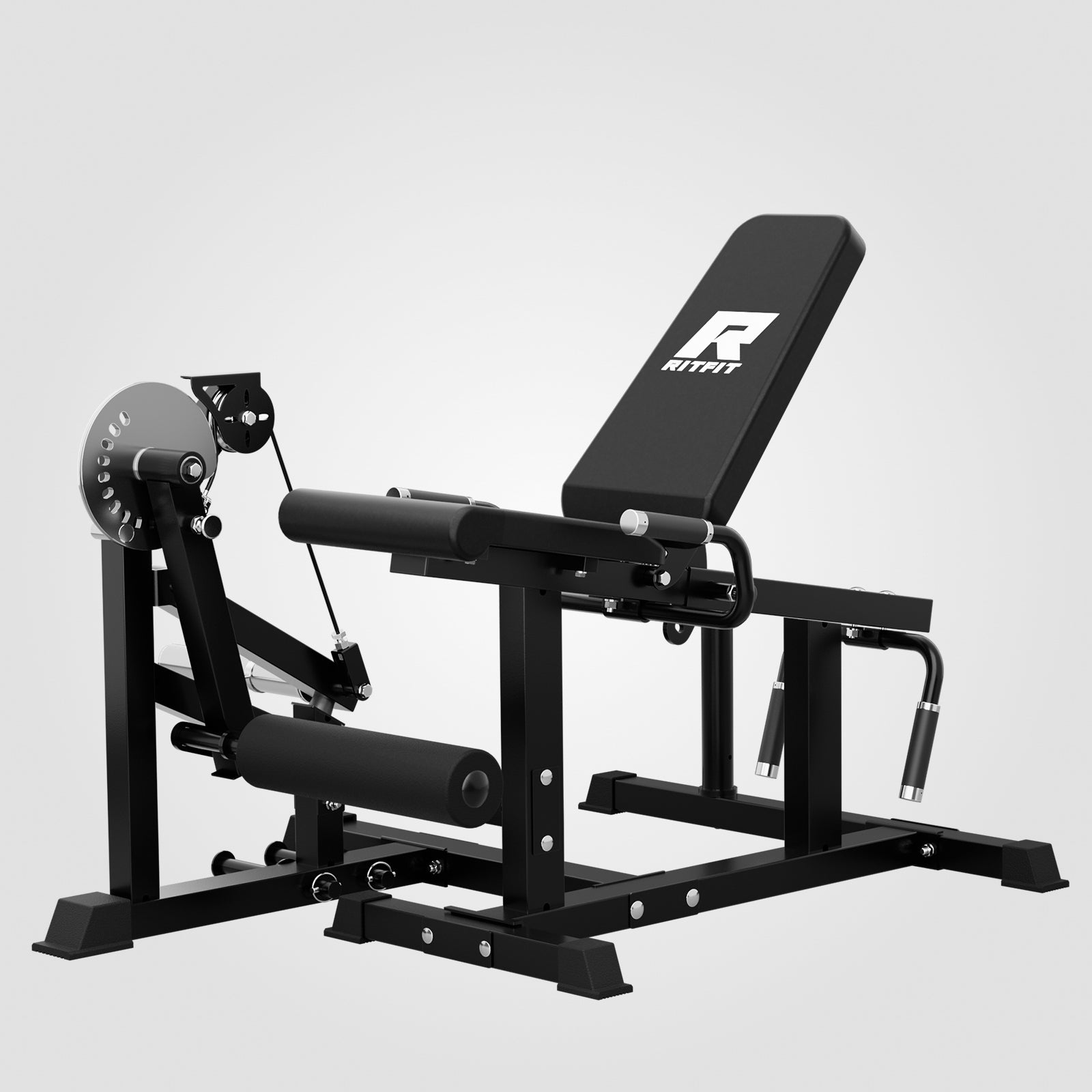
MetCon can be done with almost no equipment, but the right setup makes scaling easier and programming more varied. The best option is the one that lets you train hard with safe movement choices and quick transitions.
- Bodyweight only: Squats, push ups, step ups, mountain climbers, and fast paced carries work well for minimalist sessions.
- Dumbbells: A good set from the RitFit dumbbells collection makes swings, thrusters, rows, carries, and presses easy to program.
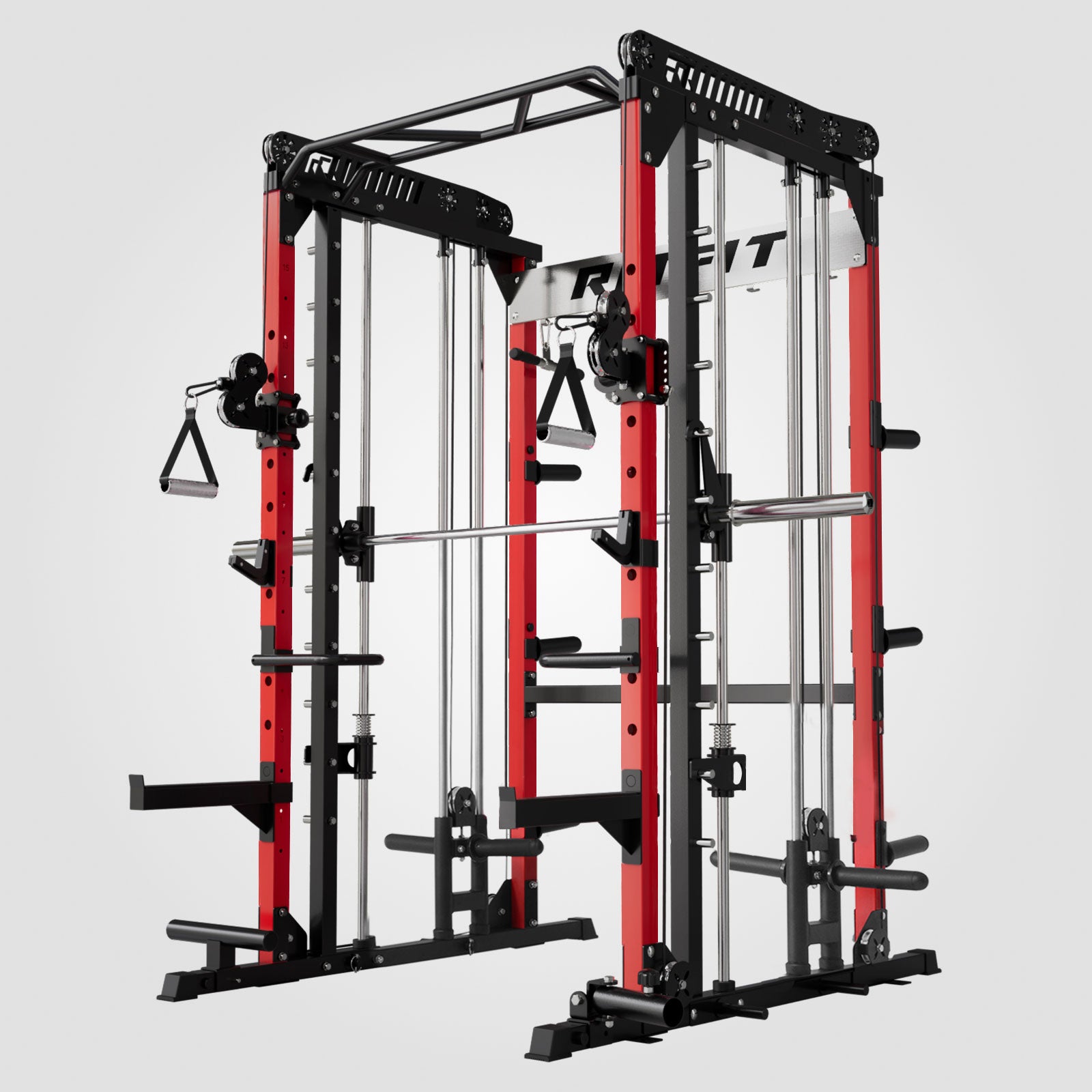
- Cable system: A RitFit cable crossover machine adds rows, chops, presses, and constant tension options with low setup friction.
- All in one setup: If you want one station for strength and conditioning, this Smith machine with cable system guide and this best home gym equipment for beginners article can help you build the right home layout.
Common Mistakes to Avoid
Most MetCon mistakes come from choosing intensity that your movement skill cannot support. The fastest way to ruin a good conditioning plan is to treat every session like a test instead of a repeatable training tool.
- Using technical lifts under fatigue: Save highly technical barbell work for sessions where precision is the priority.
- Going too hard too early: If round one feels like a sprint, the last rounds usually turn into low quality survival work.
- Ignoring impact tolerance: Swap jumps and burpees for lower impact options when joints or recovery say no.
- Skipping warm up: Heart rate, joints, and movement patterning all need preparation before you start pushing pace.
- Copying elite programming blindly: Your recovery, equipment, and training age matter more than internet hype.
Programming Your MetCon Training
Programming matters more than novelty, because acute circuit structure changes metabolic stress and poorly managed high intensity functional training can become harder to recover from than expected.[4][5] The right weekly dose depends on whether your main priority is fat loss, general fitness, sport support, or strength retention.
- General fitness: Use 2 sessions per week, with at least one day between them.
- Strength focused lifters: Use 1 or 2 shorter sessions after lifting or on separate low priority days.
- Fat loss phase: Use 2 or 3 sessions per week, but only if sleep, steps, and food intake are already controlled.
- Sport support: Keep the mode specific and avoid creating soreness that interferes with practice or competition.
If you are building a conditioning friendly home setup, the Smith machine collection and the best home gym equipment for beginners guide can help you match equipment to your space, budget, and training style.
Measuring Progress
Progress in MetCon is not just about feeling destroyed at the end of a workout. The best signs are more rounds at the same effort, cleaner reps under fatigue, faster heart rate recovery, and better repeatability from week to week.
- Work output: More rounds, reps, or meters in the same time frame.
- Recovery: Faster breathing control between intervals and after the workout.
- Movement quality: Better positions late in the session instead of technique breakdown.
- Consistency: More high quality sessions completed across the month.
FAQs
What is a MetCon workout?
A MetCon workout is a structured conditioning session that combines strength style movements and cardio demands to raise overall work capacity. It usually uses short work periods, limited rest, and simple exercises that stay safe under fatigue, which makes it practical for home gyms and busy schedules.
How is MetCon different from HIIT?
MetCon is a broader conditioning category, while HIIT is one specific interval method inside it. A MetCon session may include strength work, circuits, carries, and machine intervals, while HIIT usually focuses more narrowly on repeated high effort intervals and clearly defined recovery periods.
Can MetCon help with fat loss?
Yes. MetCon can support fat loss by raising total energy expenditure, preserving useful training density, and improving conditioning. It works best when paired with a calorie appropriate diet, enough recovery, and progressive programming, because no training style can outwork poor nutrition and chronic fatigue.
How often should beginners do MetCon workouts?
Beginners usually do best with two sessions per week on nonconsecutive days. That schedule gives enough practice to improve movement quality and fitness, while still leaving room for strength work, walking, and recovery, which lowers the risk of burnout and excessively sore, low quality training sessions.
Which exercises work best in a MetCon session?
Exercises that stay technically clean under fatigue work best in MetCon. Good choices include goblet squats, dumbbell swings, loaded carries, step ups, rows, bike intervals, and sled style work, because they are scalable, time efficient, and easier to recover from than highly technical barbell lifts.
Should you do MetCon before or after strength training?
It depends on the goal, but most people should place MetCon after strength work or on a separate day. That order protects force output and technique on heavy lifts, while still letting you use conditioning to build fitness, training density, and calorie burn without compromising the main session.
Conclusion
MetCon is best understood as a flexible conditioning framework, not a magic shortcut. When you match the format, exercise choice, and weekly dose to your goal, it can help you get leaner, fitter, and more time efficient without sacrificing movement quality or long term consistency.
Disclaimer: This article is for general fitness education only and is not medical advice. If you are new to intense exercise, returning after time off, pregnant, managing an injury, or living with a health condition, speak with a qualified clinician or coach before starting a MetCon program.
References
- Khodadadi F, Bagheri R, Negaresh R, Suzuki K. The effect of high intensity interval training type on body fat percentage, fat and fat free mass: a systematic review and meta analysis of randomized clinical trials. J Clin Med. 2023;12(6):2291.
- Atakan MM, Li Y, Koşar ŞN, Turnagöl HH, Yan X. Evidence based effects of high intensity interval training on exercise capacity and health: a review with historical perspective. Int J Environ Res Public Health. 2021;18:7201.
- Greer BK, O'Brien J, Hornbuckle L, Panton LB. EPOC comparison between resistance training and high intensity interval training in aerobically fit women. Int J Exerc Sci. 2021;14(2):1027-1035.
- Nuñez TP, Amorim FT, Beltz NM, Mermier CM, Moriarty TA, Nava RC, VanDusseldorp TA, Kravitz L. Metabolic effects of two high intensity circuit training protocols: does sequence matter. J Exerc Sci Fit. 2020;18(1):14-20.
- Tibana RA, de Sousa NMF. Are extreme conditioning programmes effective and safe? A narrative review of high intensity functional training methods, research paradigms, and findings. BMJ Open Sport Exerc Med. 2018;4:e000435.