The five components of fitness are cardiovascular endurance, muscular strength, muscular endurance, flexibility, and body composition. In physical education, these components help students and adults understand how the body performs, moves, recovers, and adapts over time.
A complete fitness routine should train more than one component. Someone can be strong but lack stamina, flexible but lack strength, or active in sports while still needing better recovery habits.
- What Are the 5 Components of Fitness?
- Why the 5 Components Matter in Physical Education
- 1. Cardiovascular Endurance
- 2. Muscular Strength
- 3. Muscular Endurance
- 4. Flexibility
- 5. Body Composition
- Muscular Strength vs Muscular Endurance
- How the 5 Components Work Together
- Sample Weekly Plan Using the 5 Components
- Common Mistakes When Training the 5 Components
- How to Improve Each Fitness Component at Home
Key Takeaways
- The 5 components of fitness are: Cardiovascular endurance, muscular strength, muscular endurance, flexibility, and body composition.
- Physical education uses them to build balance: A strong PE program develops stamina, strength, movement quality, and healthy habits.
- Each component can be trained and measured: Common examples include step tests, push up tests, plank holds, sit and reach tests, and body composition education.
- Body composition should be handled carefully: It should be explained as a health concept, not as an appearance goal or a single ideal number.
- A complete routine needs variety: Aerobic work, resistance training, mobility, recovery, and safe progression all matter.
What Are the 5 Components of Fitness?
The 5 components of fitness are the main categories used to describe health related physical fitness. They help explain how well the heart, lungs, muscles, joints, and body composition support daily movement and exercise.
- Cardiovascular endurance: The ability of the heart, lungs, and blood vessels to support sustained activity.
- Muscular strength: The ability of a muscle or muscle group to produce force.
- Muscular endurance: The ability of a muscle or muscle group to keep working over time.
- Flexibility: The ability of joints and muscles to move through an effective range of motion.
- Body composition: The relationship between fat mass and fat free mass, including muscle, bone, organs, and body water.
Research on health related fitness commonly separates these areas because they represent different physical qualities and health markers.[1]
Why the 5 Components Matter in Physical Education
The 5 components matter in physical education because they give students a complete way to understand fitness. PE is not only about sports skill, speed, or appearance.
When students learn these components, they can see why a balanced routine includes aerobic games, strength work, muscular endurance drills, stretching, and healthy lifestyle habits.
- Better self awareness: Students can identify strengths and gaps in their own fitness.
- Safer progression: Teachers can match activities to age, ability, and readiness.
- More inclusive instruction: Students with different body types and skill levels can succeed through different fitness goals.
- Lifelong value: The same concepts apply outside school in sports, home workouts, and daily activity.
1. Cardiovascular Endurance
Cardiovascular endurance is the ability to sustain rhythmic activity by using the heart, lungs, and blood vessels efficiently. It supports activities such as jogging, cycling, swimming, rowing, brisk walking, and team games.
What It Means
Cardiovascular endurance shows how well the body delivers oxygen during longer activity. Better endurance usually makes steady movement feel easier and helps people recover between efforts.
Why It Matters
Cardiorespiratory fitness is strongly connected to overall cardiovascular health and exercise tolerance.[2] In PE, it helps students participate longer without early fatigue.
Examples in PE and Daily Life
Common examples include running laps, jump rope intervals, shuttle games, cycling, dancing, and brisk walking. Daily examples include climbing stairs, walking across campus, or playing outside for longer periods.
How It Is Measured
Cardiovascular endurance can be measured with step tests, timed runs, shuttle runs, or heart rate recovery checks. The right test depends on age, setting, and safety guidance.
Beginner Training Tip
Start with short, repeatable sessions instead of maximum effort. A 10 to 20 minute brisk walk is often a better starting point than hard running for beginners.
2. Muscular Strength
Muscular strength is the ability to produce force against resistance. It supports lifting, pushing, pulling, jumping, carrying, and maintaining posture.
What It Means
Strength is often trained with bodyweight exercises, free weights, machines, resistance bands, or loaded carries. The goal is controlled force production, not careless heavy lifting.
Why It Matters
Resistance training can improve muscle strength and performance when it is performed with appropriate technique and progression.[3] In PE, strength supports safer movement and better participation in games and sports.
Examples in PE and Daily Life
Examples include squats, push ups, rows, lunges, deadlift patterns, and medicine ball throws. Daily examples include carrying groceries, lifting a backpack, or moving furniture safely.
How It Is Measured
Muscular strength can be measured with grip strength, controlled repetition tests, or age appropriate strength assessments. Maximal lifting tests should only be used with qualified supervision.
Beginner Training Tip
Learn clean movement before adding load. Beginners can start with bodyweight squats, incline push ups, resistance bands, and light dumbbells.
3. Muscular Endurance
Muscular endurance is the ability of a muscle or muscle group to keep working over repeated contractions or sustained holds. It helps the body resist fatigue during circuits, sports, posture, and longer training sessions.
What It Means
Muscular endurance is not the same as maximum strength. It is about repeated effort, time under tension, and the ability to maintain form as fatigue builds.
Why It Matters
Muscular endurance helps students complete repeated movements safely. It also supports posture, joint control, and performance in sports that require repeated effort.
Examples in PE and Daily Life
Examples include planks, wall sits, step ups, bodyweight squats, curl ups, and repeated push ups. Daily examples include standing for a long time, carrying items, or walking uphill.
How It Is Measured
Muscular endurance is often measured with timed holds or repeated movement tests. Common examples include plank time, push up counts, curl up tests, and wall sit duration.
Beginner Training Tip
Stop the set when technique breaks down. Quality repetitions build better endurance than rushed repetitions with poor control.
4. Flexibility
Flexibility is the ability to move joints through a useful range of motion. It supports comfortable movement, posture, exercise technique, and many sport skills.
What It Means
Flexibility depends on joint structure, muscle length, tissue tolerance, movement control, and training history. It should be developed gradually without forcing painful positions.
Why It Matters
Research comparing strength training and stretching found that both can improve range of motion in studied settings.[4] This supports a practical approach that combines mobility, strength, and controlled stretching.
Examples in PE and Daily Life
Examples include dynamic warm ups, hamstring stretches, shoulder mobility drills, hip mobility work, and yoga based movements. Daily examples include bending, reaching overhead, squatting, and rotating comfortably.
How It Is Measured
Flexibility can be measured with sit and reach tests, shoulder mobility checks, or joint specific range of motion assessments. Tests should be interpreted carefully because flexibility needs differ by activity.
Beginner Training Tip
Use gentle tension and steady breathing instead of bouncing. Dynamic mobility works well before activity, while static stretching usually fits better after activity or during separate flexibility work.
5. Body Composition
Body composition describes the relationship between fat mass and fat free mass. Fat free mass includes muscle, bone, organs, and body water.
What It Means
Body composition is different from body weight because the scale only shows total mass. Two people can weigh the same but have different levels of muscle, fat, bone mass, hydration, and training history.
Why It Matters
Body composition can influence movement efficiency, health education, and long term fitness habits. In PE, it should be taught with care to avoid shame, appearance pressure, or unrealistic body targets.
Examples in PE and Daily Life
Examples include learning about nutrition, activity habits, sleep, recovery, hydration, and strength training. Daily habits often shape body composition more sustainably than short term extreme dieting.
How It Is Measured
Body composition may be estimated with skinfolds, bioelectrical impedance, waist measurements, or more advanced clinical tools. These methods have limitations and should not be treated as perfect judgments of health.
Beginner Training Tip
Focus on consistent movement, balanced meals, sleep, and progressive strength work. Avoid chasing a single body fat number unless a qualified healthcare professional provides individualized guidance.
Muscular Strength vs Muscular Endurance
Muscular strength is about how much force a muscle can produce in one effort, while muscular endurance is about how long a muscle can keep working. A heavy squat tests strength, while repeated bodyweight squats or a long plank test endurance.
| Fitness Quality | Main Goal | PE Example | Home Training Example |
|---|---|---|---|
| Muscular Strength | Produce higher force | Controlled squat or push test | Dumbbell squat or bench press pattern |
| Muscular Endurance | Repeat effort over time | Push up count or plank hold | Circuit training or timed bodyweight sets |
How the 5 Components Work Together
The 5 components work together because real movement rarely uses only one fitness quality. A soccer game, hike, PE circuit, or home workout can require stamina, strength, endurance, mobility, and healthy recovery habits.
- Cardio supports repeated movement: Better endurance helps the body keep working during longer sessions.
- Strength supports control: Strong muscles help protect joints and make movement more stable.
- Muscular endurance supports consistency: Endurance helps form stay strong during repeated exercises.
- Flexibility supports movement quality: Better range of motion can make exercise technique easier to learn.
- Body composition supports health context: It helps connect training with daily habits, not appearance alone.
Sample Weekly Plan Using the 5 Components
A balanced week should include aerobic activity, strength work, muscular endurance, flexibility, and recovery. The plan below is a general example and should be adjusted for age, ability, equipment, and professional guidance.
- Monday: Brisk walking, cycling, jogging, rowing, or a PE aerobic game for cardiovascular endurance.
- Tuesday: Squats, push ups, rows, or resistance band work for muscular strength.
- Wednesday: Planks, wall sits, step ups, or light circuits for muscular endurance.
- Thursday: Dynamic mobility drills and gentle static stretching for flexibility.
- Friday: A mixed session combining movement skills, strength, and recovery habits.
Youth fitness research supports using fitness measures as part of broader health education rather than treating one test score as the whole picture.[5]
Common Mistakes When Training the 5 Components
The most common mistake is training only the component someone already enjoys. A runner may ignore strength, while a lifter may ignore endurance, flexibility, or recovery.
- Only doing cardio: Aerobic work is valuable, but strength and mobility also support long term movement.
- Only lifting heavy: Strength matters, but endurance and flexibility help the body perform repeatedly and safely.
- Skipping warm ups: A short warm up prepares the body for harder movement and improves session quality.
- Using body composition as appearance judgment: Body composition should be connected to health habits, not shame or comparison.
- Progressing too fast: Sudden jumps in volume, load, or intensity can increase soreness and reduce consistency.
How to Improve Each Fitness Component at Home
Home training can improve all 5 components when the plan uses simple progression and safe equipment choices. The best setup depends on space, budget, goals, and training experience.
- For cardiovascular endurance: Use brisk walking, cycling, jump rope, low impact circuits, or rowing if available.
- For muscular strength: Use bodyweight progressions, bands, or rubber hex dumbbells for controlled resistance training.
- For muscular endurance: Use light circuits with squats, push ups, rows, planks, and step ups.
- For flexibility: Use daily mobility, gentle stretching, and open floor space before or after workouts.
- For body composition habits: Combine regular activity, strength training, nutrition awareness, hydration, sleep, and consistency.
For a simple home strength setup, users can build around adjustable or fixed dumbbells, a stable adjustable weight bench, and enough floor space for mobility work.
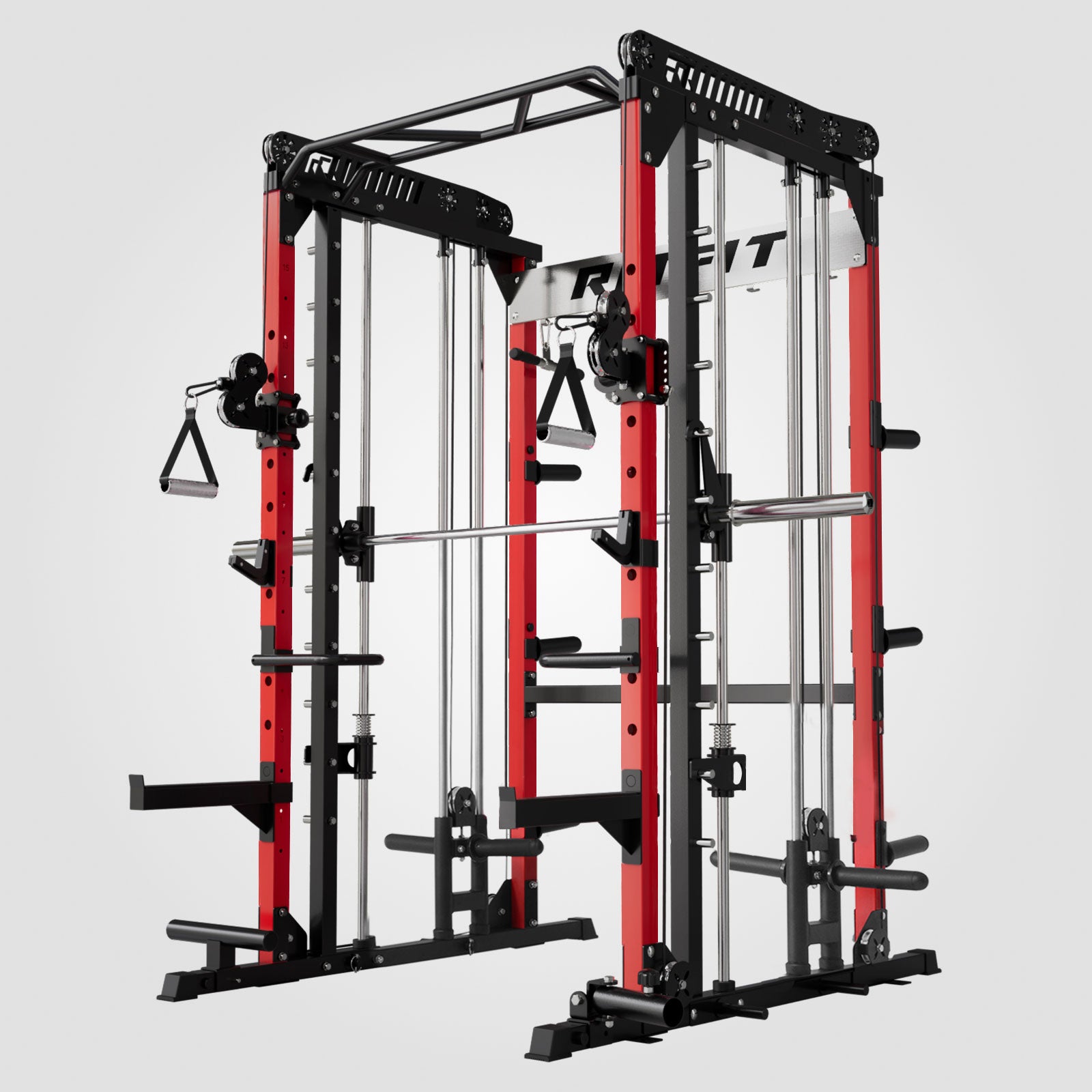
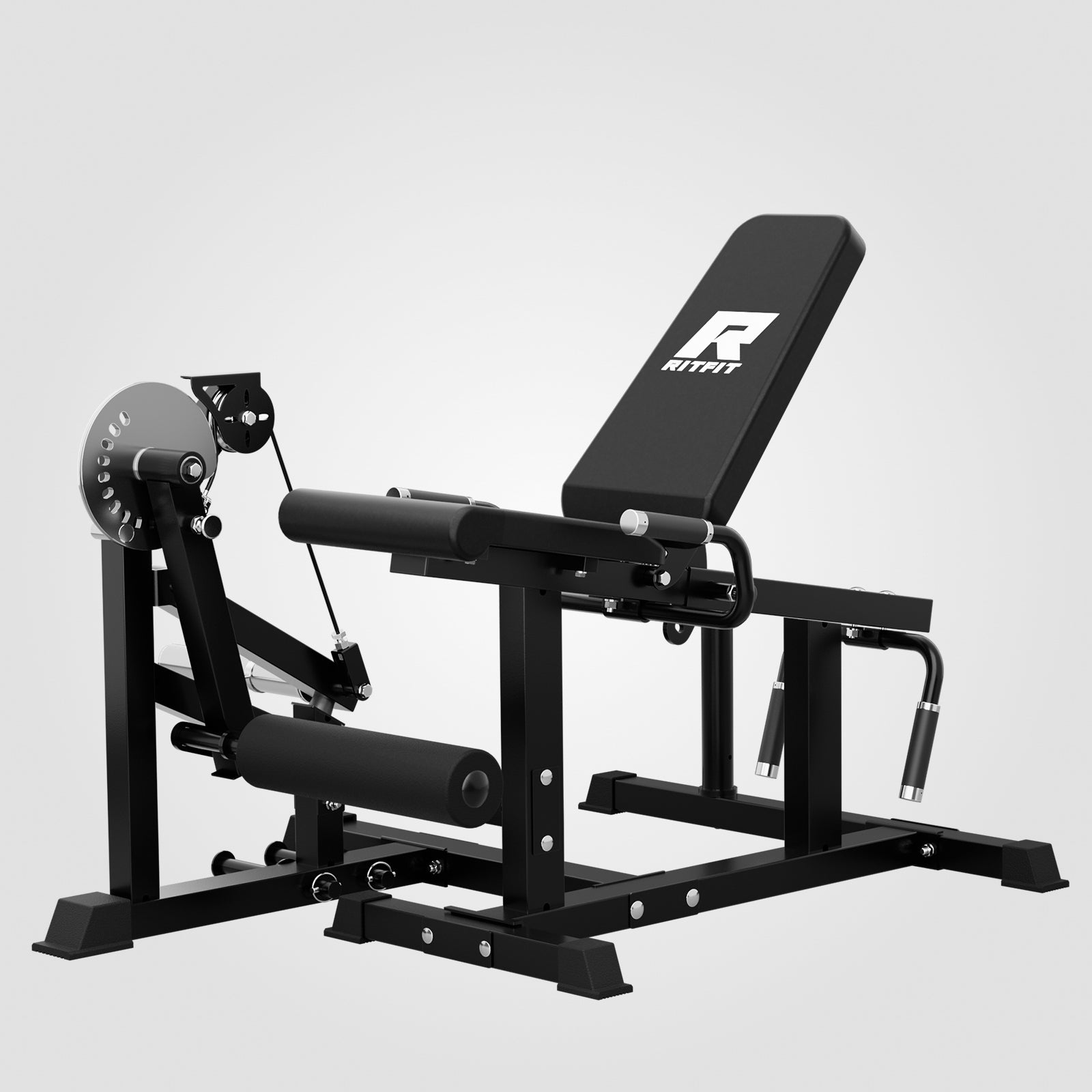
For more complete home gym planning, explore training benches, Smith machines for guided strength training, power racks and cages, barbells and weight plates, and strength machines.
FAQs
What are the 5 components of fitness in physical education?
The five components are cardiovascular endurance, muscular strength, muscular endurance, flexibility, and body composition. Physical education uses them to teach balanced fitness, measure progress, and help students understand how different types of movement support daily activity, sport readiness, and long term health.
Why are the 5 components of fitness important?
They matter because each component supports a different part of physical performance and health. A student can run well but still need strength, mobility, or better recovery habits, so PE programs use all five components to build a more complete fitness foundation.
How can students improve all 5 components of fitness?
Students can improve all five components by combining aerobic games, bodyweight strength work, light resistance training, stretching, and healthy recovery habits. The best plan starts at the current ability level, progresses gradually, and uses simple tests to track improvement over time.
What is the difference between muscular strength and muscular endurance?
Muscular strength is the ability to produce high force in one effort, while muscular endurance is the ability to keep producing force repeatedly. A heavy squat tests strength, while repeated push ups, step ups, or a plank challenge muscular endurance.
Is body composition the same as body weight?
No. Body composition describes the relationship between fat mass and fat free mass, while body weight only shows total mass. PE should explain body composition as a health and performance concept, not as an appearance goal or a single number everyone must reach.
Which component of fitness is best for beginners?
The best starting point is usually cardiovascular endurance because walking, cycling, and low impact games are easy to scale. Beginners should also add basic strength, flexibility, and balance work so the body becomes more capable instead of only better at one activity.
Can home gym equipment help improve the 5 components of fitness?
Yes. Home gym equipment can support several fitness components when it is matched to the goal and used safely. Dumbbells, benches, racks, and bands can train strength and muscular endurance, while open floor space supports mobility, circuits, and bodyweight conditioning.
How often should someone train the 5 components of fitness?
Most people should train the components across the week instead of trying to cover everything in one session. A balanced routine can include aerobic activity, strength work, endurance circuits, mobility practice, and recovery days, adjusted for age, ability, and professional guidance.
Conclusion
The 5 components of fitness give physical education a clear framework for building balanced, lifelong fitness. Cardiovascular endurance, muscular strength, muscular endurance, flexibility, and body composition each train a different part of physical health.
The best routine does not chase one score or one body type. It combines movement, strength, mobility, recovery, and sustainable habits that match the person using the plan.
Disclaimer: This article is for general fitness education only and is not medical advice. Students, beginners, older adults, and anyone with a medical condition should follow school guidance, healthcare provider advice, or certified fitness professional instruction before starting a new exercise program.
References
- Kumari R, Nath B, Singh Y, Mallick R. Health-related physical fitness, physical activity and its correlates among school going adolescents in hilly state in north India: a cross-sectional survey. BMC Public Health. 2024;24:401. doi:10.1186/s12889-024-17808-3
- Franklin BA, Eijsvogels TMH, Pandey A, Quindry J, Toth PP. Physical activity, cardiorespiratory fitness, and cardiovascular health: A clinical practice statement of the ASPC Part I: Bioenergetics, contemporary physical activity recommendations, benefits, risks, extreme exercise regimens, potential maladaptations. American Journal of Preventive Cardiology. 2022;12:100424. doi:10.1016/j.ajpc.2022.100424
- Hong AR, Hong SM, Shin YA. Effects of resistance training on muscle strength, endurance, and motor unit according to ciliary neurotrophic factor polymorphism in male college students. Journal of Sports Science and Medicine. 2014;13(3):680-688.
- Afonso J, Ramirez-Campillo R, Moscão J, Rocha T, Zacca R, Martins A, Milheiro AA, Ferreira J, Sarmento H, Clemente FM. Strength training versus stretching for improving range of motion: A systematic review and meta-analysis. Healthcare. 2021;9(4):427. doi:10.3390/healthcare9040427
- Stodden D, Sacko R, Nesbitt D. A review of the promotion of fitness measures and health outcomes in youth. American Journal of Lifestyle Medicine. 2017;11(3):232-242. doi:10.1177/1559827615619577