A beginner workout plan for females should focus on full body strength training, light cardio, and steady progression. This 4 week guide keeps the routine simple, safe, and effective whether you train at home or in the gym.
Key Takeaways
- Train full body three times per week: This gives beginners enough practice and enough recovery. It also helps you build strength without making your schedule too complicated.
- Use basic movement patterns first: Squat, hinge, push, pull, and core work create the best foundation. These patterns carry over to both daily life and future training progress.
- Stop most sets before failure: Finish most sets with about two good reps left. This keeps your form cleaner and lowers the chance of burnout.
- Progress slowly and consistently: Add reps, sets, or light resistance only when technique stays solid. Small wins repeated weekly matter more than random hard sessions.
- Recovery drives results: Sleep, hydration, nutrition, and rest days are part of the plan. A beginner routine works best when your body can adapt to it.
Quick Start: Your Week at a Glance
Most beginners do best with three strength days and two light cardio days. This schedule builds momentum without making recovery too hard.
- Monday: Full Body Strength A
- Tuesday: Light cardio and stretching for 15 to 25 minutes
- Wednesday: Full Body Strength B
- Thursday: Rest or an easy walk with mobility work
- Friday: Full Body Strength C
- Saturday: Optional cardio or active fun
- Sunday: Rest
- Training frequency: 3 strength sessions and 2 cardio sessions work well for most beginners. You can add one extra easy cardio session if recovery still feels good.
- Session length: Strength sessions should take about 35 to 50 minutes. Cardio sessions can stay between 15 and 30 minutes.
- Beginner intensity: End most sets feeling challenged but in control. Good form matters more than pushing to the limit.
Who This Plan Is For
This plan is for healthy beginners who want a clear and confidence building training routine. It works well for women who want fat loss support, better muscle tone, more strength, and better energy.
- Best for: Beginners, people returning after a long break, and anyone who wants a structured full body plan.
- Not ideal for: Advanced lifters who need higher volume, sport specific programming, or heavier strength progression.
- Get medical clearance first: Do this if you are pregnant, recently postpartum, recovering from surgery, managing uncontrolled blood pressure, or dealing with chest pain, dizziness, or major joint pain.
Why Strength Training Matters for Women
Strength training is one of the most effective ways for beginners to improve body composition, daily function, and long term confidence. It helps support lean muscle, bone health, posture, and joint control while making everyday movement feel easier.
- Body composition support: Strength work helps you build lean mass while supporting fat loss goals. This often changes how your body feels and moves before the scale changes much.
- Stronger posture and joints: Better strength helps stabilize your shoulders, hips, and core. That support can make walking, lifting, and training feel safer.
- More confidence: Learning basic lifts gives you a repeatable system you can improve over time. Progress becomes easier to see when you track reps, control, and consistency.
Set the Right Goal Before You Start

Your goal should tell you what to focus on, but it should not make the plan more complicated than it needs to be. Most beginners succeed faster when they choose one primary goal and one simple weekly habit target.
- Fat loss: Pair the training plan with consistent nutrition habits and regular movement. Do not rely on cardio alone.
- Muscle tone and strength: Stay consistent with full body resistance training and controlled progression. Your routine should feel repeatable, not extreme.
- General health and energy: Use the full plan as written and keep recovery high. Better sleep, better stamina, and better mood are valuable results too.
- Week 1 success target: Show up, learn the movements, and finish with energy left. A strong start is built on consistency, not perfection.
Safety First: What Beginners Need to Know
Beginners get better results when they train conservatively at first and focus on movement quality. Your first month should build skill, confidence, and recovery habits before heavier loading.
- Warm up every session: A short warm up prepares your joints, muscles, and breathing. It also helps your first working set feel smoother.
- Start light: Use bodyweight or very light resistance until the pattern feels natural. Adding load too early usually makes form worse, not better.
- Use pain as a stop sign: Muscle effort and mild soreness can be normal. Sharp pain, tingling, chest symptoms, dizziness, or unstable joints are not normal.
- Protect recovery: Rest days are part of the plan. Recovery helps your body adapt to training stress instead of just surviving it.
Core Parts of a Beginner Female Workout Plan
A good beginner routine should combine strength, cardio, mobility, and recovery. Each part solves a different problem, and together they create a more sustainable plan.
- Strength training: This is the main driver of strength, shape, and long term progress. It should be the center of the plan.
- Cardio: Light to moderate cardio supports heart health, stamina, and daily calorie output. It should support strength work, not replace it.
- Mobility and flexibility: Mobility helps movement quality before training, and stretching helps you wind down after training. Both are most useful when they stay short and consistent.
- Recovery: Sleep, hydration, and rest days help you adapt. A good plan feels challenging but still repeatable next week.
Minimal Equipment and Smart Home Upgrades
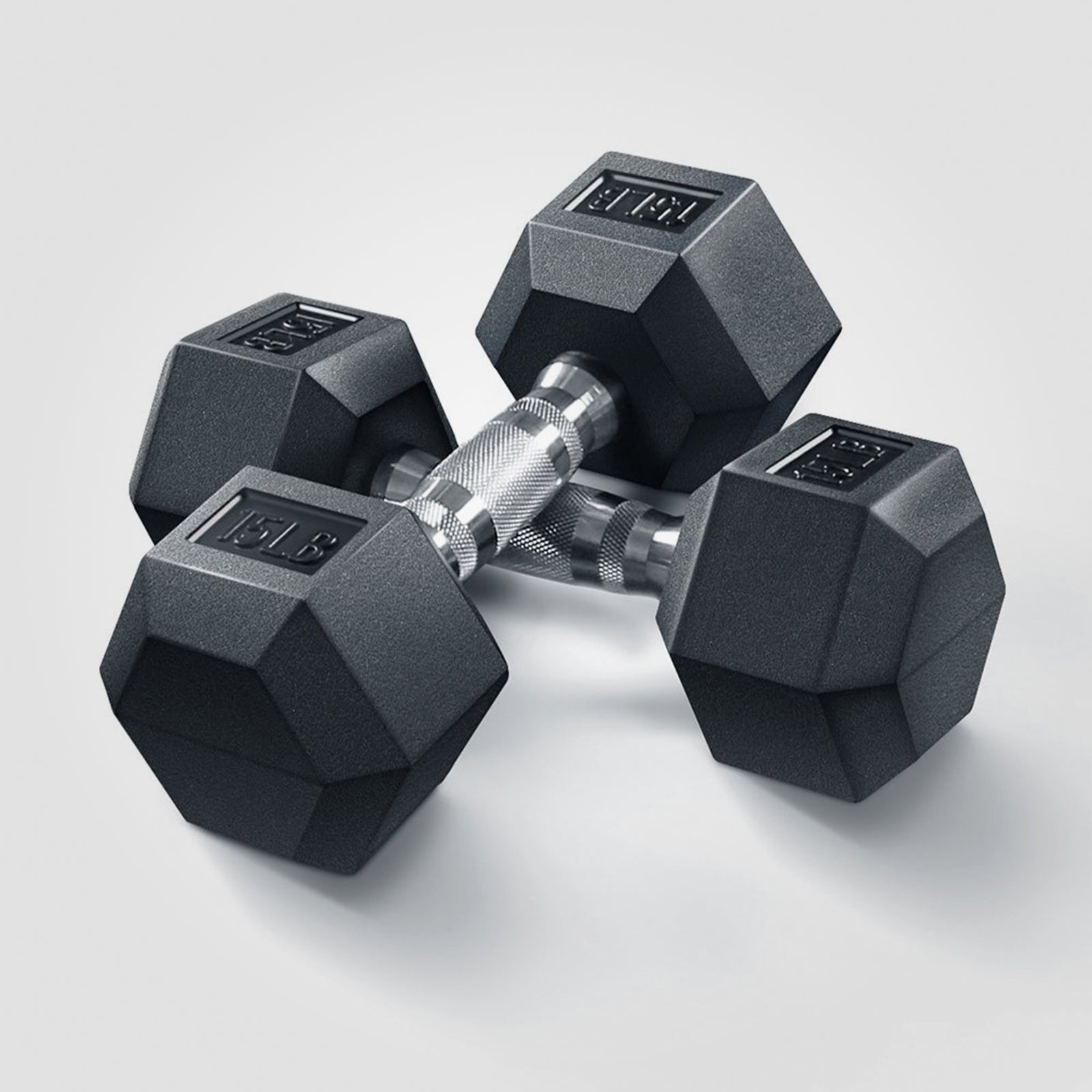
You can start this plan with almost no equipment, but a few tools make progression easier. A pair of hex rubber dumbbells and a stable adjustable weight bench are enough for many beginner strength sessions.
- Best starter setup: Use bodyweight, a light resistance band, dumbbells, and a bench. This covers presses, rows, squats, split squats, step ups, and bridges.
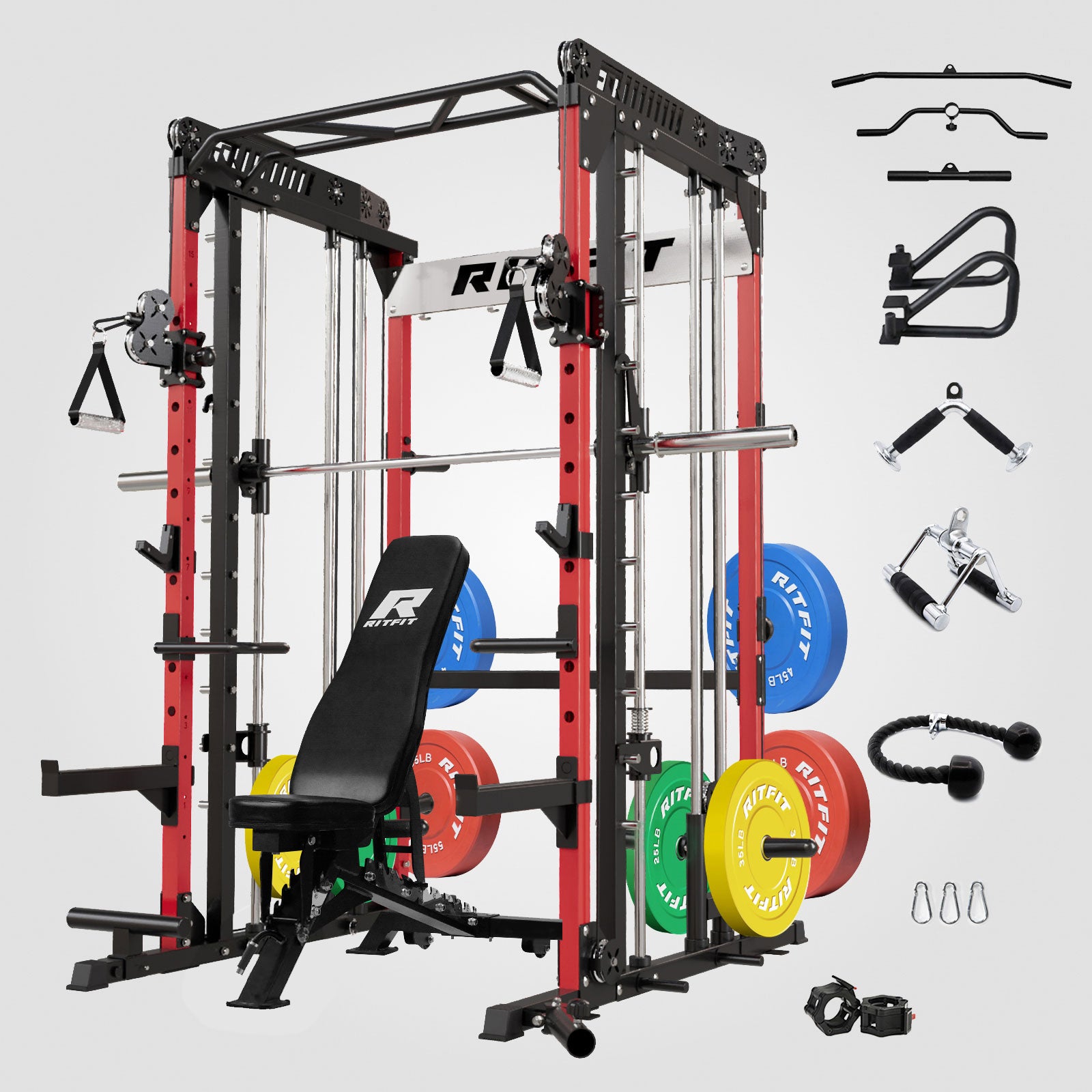
- Next level home gym option: A smith machine for home gym training gives you more structured lower body and upper body options. It can be especially useful when you want more exercise variety in a compact space.
- More exercise variety: A cable crossover machine adds smoother pulling, pressing, and arm work. It also makes progressive resistance easier for beginners who want controlled movement paths.
- All in one upgrade: A compact M1 Smith machine with cable crossover system can combine rack style training and cable work in one station. That makes long term home progression easier once basic movement skills are established.
Detailed 4 Week Beginner Workout Plan for Females
Warm Up for Every Session
Use a simple 5 to 10 minute warm up before every workout. The goal is to raise body temperature, wake up the joints, and rehearse the patterns you will train.
- March or easy walk: 2 minutes
- Arm circles: 10 forward and 10 backward
- Hip circles: 8 each direction
- Bodyweight squat: 8 controlled reps
- Glute bridge: 10 reps
- Shoulder blade squeeze: 10 reps
Workout A
Perform 2 to 3 sets of 8 to 12 reps for each movement unless noted otherwise. Rest about 45 to 75 seconds between sets and stop while your form still looks controlled.
- Squat pattern: Bodyweight squat or goblet squat. Sit down between your heels and keep your knees tracking in line with your toes.
- Push: Incline push up on a wall, bench, or countertop. Keep your body in one line and lower with control.
- Pull: One arm dumbbell row or band row. Pull your elbow toward your hip and avoid twisting through the torso.
- Glutes: Glute bridge. Squeeze at the top without over arching the lower back.
- Core: Dead bug for 6 to 10 reps per side. Move slowly and keep your low back gently braced.
Workout B
Workout B introduces the hinge pattern and more single leg control. Keep the resistance light enough to maintain smooth movement from start to finish.
- Hinge pattern: Dumbbell Romanian deadlift or unloaded hip hinge. Push your hips back and keep your spine long.
- Push: Dumbbell floor press or bench press on a stable bench. Keep your wrists stacked and lower the weight with control.
- Pull: Resistance band row or seated row variation. Keep your shoulders down and return slowly.
- Single leg: Reverse lunge or supported step back lunge. Push through the front foot and use a wall if balance is limited.
- Core: Bird dog for 6 to 10 reps per side. Keep your hips square and move slowly.
Workout C
Workout C keeps the plan full body while adding more upper body and glute focused work. The goal is variety without turning the program into a completely different routine each day.
- Squat and glute pattern: Split squat or supported split squat. Lower under control and drive back up through the middle of the foot.
- Upper push: Seated dumbbell shoulder press. Keep your ribs down and press in a smooth path.
- Upper pull: Band face pull or band pull apart. Think about moving from the upper back instead of shrugging.
- Glutes and hips: Side lying leg raise for 10 to 15 reps per side. Lift with control and avoid rolling backward.
- Core: Plank for 20 to 40 seconds. Use a knees down version first if needed.
How to Pick the Right Starting Weight
Your starting weight should let you complete all reps with good control and one or two reps still left in reserve. If the last few reps look rushed, painful, or shaky, the load is too heavy for now.
- Bodyweight first: Start without load when learning a new movement. Add resistance only after the pattern feels stable.
- Use form as your test: The right load allows full range, smooth tempo, and clean alignment. The wrong load usually shortens your range and makes you compensate.
- Progress one variable at a time: Add reps first, then a small amount of weight, then an extra set if needed. This keeps beginner progression easier to manage.
Week by Week Progression
The first four weeks are about skill building, not proving how hard you can train. Progress only when the previous week feels controlled and repeatable.
- Week 1: Learn the exercises and keep the load very light. One to two sets per movement is enough if you are new to training.
- Week 2: Keep refining form and move toward two full sets per exercise. Add a small amount of resistance only if technique stays clean.
- Week 3: Work toward two to three sets on the main movements. You can increase reps within the range or make a small load increase.
- Week 4: Keep the same exercise menu and aim for cleaner, stronger sets. This week is about consistency and confidence, not dramatic changes.
Cardio Plan for Beginners

Cardio should support your training, energy, and recovery rather than leave you drained. Use a pace where you can still talk in short sentences.
- Week 1: 15 to 20 minutes for 2 days
- Week 2: 20 to 25 minutes for 2 days
- Week 3: 25 to 30 minutes for 2 days
- Week 4: 25 to 30 minutes for 2 or 3 days if recovery still feels good
- Good beginner options: Brisk walking, cycling, elliptical work, or low impact cardio videos.
- Best intensity: Stay at a moderate effort where breathing increases but form still feels easy and controlled.
Cool Down After Every Workout
A short cool down helps you lower your breathing rate and leave the session feeling better. It also gives you a simple recovery routine you can actually repeat.
- Slow walk: 1 to 2 minutes
- Chest stretch: 20 to 30 seconds
- Hip flexor stretch: 20 to 30 seconds per side
- Hamstring stretch: 20 to 30 seconds per side
- Child's pose breathing: 3 slow breaths
Modifications and Special Considerations
A beginner plan works better when you adapt it to your body instead of forcing every movement to look the same. The best version is the version you can do well and recover from.
- For knee discomfort: Use reverse lunges, box squats, or shorter ranges of motion. Controlled step back patterns are often easier than forward lunges.
- For low back sensitivity: Focus on bracing, glute bridges, supported rows, and unloaded hinge practice first. Do not rush into heavier hinge work.
- For low energy days: Reduce one set from each movement or shorten the cardio session. Consistency with lower volume is better than skipping every time you feel off.
- For limited equipment: Use bodyweight, bands, and dumbbells. You do not need a full gym to build a strong beginner foundation.
- For postpartum or medical recovery: Get individual guidance before starting. Generic fitness advice should not replace medical or rehabilitation support.
Nutrition and Recovery That Support Results
Your workouts work better when your recovery habits are strong. Most beginners improve faster by fixing the basics rather than chasing advanced nutrition rules.
- Protein: Include a protein source in regular meals to support recovery and muscle repair. Keep your meals consistent before trying to make them perfect.
- Whole foods: Build meals around fruit, vegetables, grains, and practical staples you can stick to. A sustainable routine beats a restrictive one.
- Hydration: Drink water through the day, not only during workouts. Low hydration can make training feel harder than it should.
- Sleep: Aim for 7 to 9 hours when possible. Sleep is one of the strongest recovery tools you have.
- When soreness is too much: If soreness makes stairs, sitting, or sleep noticeably harder, reduce volume next session instead of quitting the plan.
How to Track Progress Without Overthinking It
Progress is easier to see when you measure more than body weight. Strength, consistency, and how you feel during daily life are all useful signs of improvement.
- Track workouts: Record exercises, reps, sets, and load. Simple notes make progression much easier to manage.
- Track performance: Look for cleaner reps, more control, or slightly more resistance over time. Those are real results.
- Track body feedback: Notice your energy, sleep, mood, and recovery. Many beginners improve here before visible body changes show up.
- Use photos or fit checks: Progress photos and clothing fit can show changes the scale misses. Take them every few weeks, not every day.
Common Beginner Mistakes to Avoid
Most beginner mistakes come from trying to do too much too early or from expecting instant results. A better plan is to stay simple long enough for the basics to work.
- Training too hard too soon: More pain does not mean more progress. Overdoing it early often leads to missed workouts later.
- Skipping strength work: Cardio is useful, but strength training should stay central if you want muscle tone, strength, and better body composition support.
- Ignoring warm ups: Going straight into hard sets usually makes technique worse. A short warm up is a better trade than rushing.
- Changing the plan every week: Beginners need repetition to improve movement skill. Constant variety often hides whether you are progressing.
- Using all or nothing thinking: One missed session does not ruin the week. Get back on schedule with the next workout and keep going.
Frequently Asked Questions
Will lifting weights make me bulky?
No! Women typically don't have the hormonal profile to build large amounts of muscle without significant effort and specific dietary choices. Strength training will help you achieve a toned, strong, and lean physique.
How long before I see results?
You'll likely feel an increase in energy and strength within a few weeks. Visible changes in body composition typically take 4-8 weeks, but consistency over months yields the best results. Patience is key!
What if I can’t finish the whole workout?
That’s perfectly fine! Do what you can, focus on good form, and gradually increase your capacity. Even short workouts are better than no workouts. Don't let perfection be the enemy of good.
Can I do this plan at home with no equipment?
Absolutely! Most of the strength exercises listed can be done with just your body weight. You can use household items like water bottles or cans as light weights or invest in a set of resistance bands for added challenge.
Conclusion
The best beginner workout plan for females is the one you can follow consistently with good form and enough recovery. Start with three strength sessions, add light cardio, and use your first four weeks to build skill, confidence, and a routine you can keep.
Disclaimer: This guide is for general fitness education and is not medical advice. If you are pregnant, recently postpartum, injured, or managing a medical condition, get clearance from a qualified health professional before starting a new workout plan.
References
- Massini DA, Nedog FH, de Oliveira TP, et al. The Effect of Resistance Training on Bone Mineral Density in Older Adults: A Systematic Review and Meta Analysis. Healthcare Basel. 2022;10(6):1129.
- Zurlo F, Larson K, Bogardus C, Ravussin E. Skeletal muscle metabolism is a major determinant of resting energy expenditure. Journal of Clinical Investigation. 1990;86(5):1423 to 1427.