Table of Contents
Important disclaimer: This article is for general educational purposes only and is not medical advice. If you have shoulder, neck, back, elbow, or wrist pain, a recent injury or surgery, numbness or tingling, unexplained weakness, or dizziness, consult a qualified clinician before starting. Stop any exercise that causes sharp pain.
Starting CrossFit can feel overwhelming, but it does not need to be. The best beginner CrossFit WODs are simple, scalable, and focused on movement quality first. If you start with manageable workouts, learn how to scale correctly, and stay consistent, you can build strength, conditioning, and confidence without turning every session into a survival test.
CrossFit is a high-intensity fitness regimen that combines elements of gymnastics, weightlifting, metabolic conditioning, and more. While it has a reputation for being intimidating or only for elite athletes, the methodology is actually designed to be universally scalable. This means it can be adapted for anyone, regardless of current fitness level.
At the heart of this training style are WODs, or Workouts of the Day. For a beginner, the goal of a WOD is not to compete with others or push to the point of exhaustion. Instead, choosing the right beginner WODs allows you to focus on safety, learn proper form, and build a habit of consistency. This guide focuses on simple, scalable workouts designed specifically for people starting their fitness journey.
Key Takeaways
- The best beginner CrossFit WODs use simple, scalable movements and moderate workout lengths so you can build skill, conditioning, and confidence without losing control of your form.
- AMRAP and EMOM formats are usually more beginner-friendly than aggressive For Time workouts because they make pacing easier and reduce the urge to chase the clock.
- Scaling is not a shortcut. Lowering reps, reducing load, shortening workout time, or swapping movements is how beginners get the right training effect safely.
- A good starting schedule is two to three WODs per week with rest or active recovery between sessions so your body has time to adapt.
- If breathing becomes chaotic, technique breaks down, or sharp pain appears, the workout is too hard in its current form and should be adjusted immediately.
What Is a CrossFit WOD?
A WOD is the daily training assignment that structures your time in the gym. It eliminates the guesswork of what exercises to do. While WODs vary daily, they generally fall into three common formats:
- AMRAP (As Many Rounds/Reps As Possible): You are given a set time limit (e.g., 10 minutes) to complete as much work as you can. This is great for beginners because you control the pace.
- EMOM (Every Minute On the Minute): You perform a specific number of reps at the start of every minute and rest for the remainder of that minute. This format teaches pacing and ensures you get rest intervals.
- For Time: You have a set amount of work to complete, and you finish it as fast as good mechanics allow.
Crucially, WODs are scalable. If a workout calls for a heavy weight, a beginner can use a lighter load or a PVC pipe. If it requires a complex movement, it can be swapped for a simpler variation.
For beginners, the goal is not to win the clock. The goal is to move well, keep intensity under control, and finish feeling challenged but not wrecked.
How to Tell If a WOD Is Beginner-Friendly
Not every workout you see online or on a whiteboard is suitable for Day 1. Effective beginner WODs typically feature:
- Simple Movements: They utilize foundational patterns like squats, push-ups, and rowing rather than complex Olympic lifts.
- Moderate Duration: Workouts ranging from 8 to 15 minutes allow for a good stimulus without excessive fatigue that degrades form.
- Built-in Rest: Formats that mandate rest periods help keep heart rates manageable.
Safety Considerations: Always prioritize a thorough warm-up and cool down. Listen to your body, discomfort from effort is normal, but sharp pain is a signal to stop. If you are training in a facility, rely on the guidance provided to adjust movements to your ability.
Best CrossFit WODs for Beginners (With Scaled Options)
Here are five fundamental workouts designed to build strength and confidence. They range from bodyweight conditioning to light weightlifting.
Beginner WOD #1: Simple Bodyweight AMRAP
Focus: Learning to cycle through basic movements and control breathing.
Format: 8-Minute AMRAP
- 10 Air Squats
- 10 Sit-ups
- 5 Push-ups
Scaling Tips: Perform push-ups on your knees or elevated against a box or bench to maintain a straight spine.
Why it works for beginners: This workout teaches pacing without equipment and reinforces three foundational patterns. It is simple enough to repeat weekly so you can measure progress without adding technical complexity.
Common mistakes to avoid: Rushing the first two minutes, collapsing through the lower back during sit-ups, and letting push-ups turn into partial reps with poor body alignment.
Beginner WOD #2: EMOM Technique Builder
Focus: Practicing form under light fatigue with guaranteed rest.
Format: 12-Minute EMOM (Alternating Minutes)
- Minute 1: 12 Box Step-Ups
- Minute 2: 10 Ring Rows (or Dumbbell Rows)
- Repeat for 6 total rounds (3 of each).
Scaling Tips: Lower the box height for step-ups so your knee doesn't go higher than your hip. Adjust your foot position on the rows to make them easier.
Why it works for beginners: This format teaches rhythm, posture, and control. The built-in rest makes it easier to focus on quality reps instead of chasing exhaustion.
Common mistakes to avoid: Pushing off too hard with the back foot on step-ups, shrugging the shoulders during rows, and turning each minute into a sprint.
Beginner WOD #3: “For Time” Intro WOD
Focus: Pacing and consistency in a "Chipper" style workout.
Format: 3 Rounds For Time
- 200-meter Row (or Run)
- 15 Kettlebell Swings (Light)
- 10 Walking Lunges (Total)
Scaling Tips: If running or rowing is difficult, power walk the distance. Ensure the kettlebell is light enough to swing with hip power, not arm strength.
Why it works for beginners: This workout introduces transitions between cardio and resistance work while keeping movement patterns relatively simple.
Common mistakes to avoid: Turning the first round into a sprint, swinging with the arms instead of the hips, and taking lunges that are so long that balance and knee control break down.
Safety note: If you cannot keep a neutral spine during swings, swap kettlebell swings for Romanian deadlifts, glute bridges, or dead-stop hinge reps.
Beginner WOD #4: Cardio & Core WOD
Focus: Low-skill conditioning and trunk stability.
Format: 4 Rounds Not For Time (Focus on quality)
- 2 Minutes on Bike or Rower (Conversation pace)
- 30 Seconds Plank Hold
- 15 Glute Bridges
Scaling Tips: Perform the plank on your knees if your lower back begins to arch. Focus on breathing rhythmically during the cardio portion.
Why it works for beginners: This is a lower-pressure option for people who need to build tolerance, coordination, and core control before faster-paced sessions.
Common mistakes to avoid: Holding the breath during planks, turning easy cardio into moderate-hard cardio, and rushing glute bridges without reaching a controlled top position.
Beginner WOD #5: Light Dumbbell or Kettlebell WOD
Focus: Introduction to weighted movements.
Format: 10-Minute AMRAP
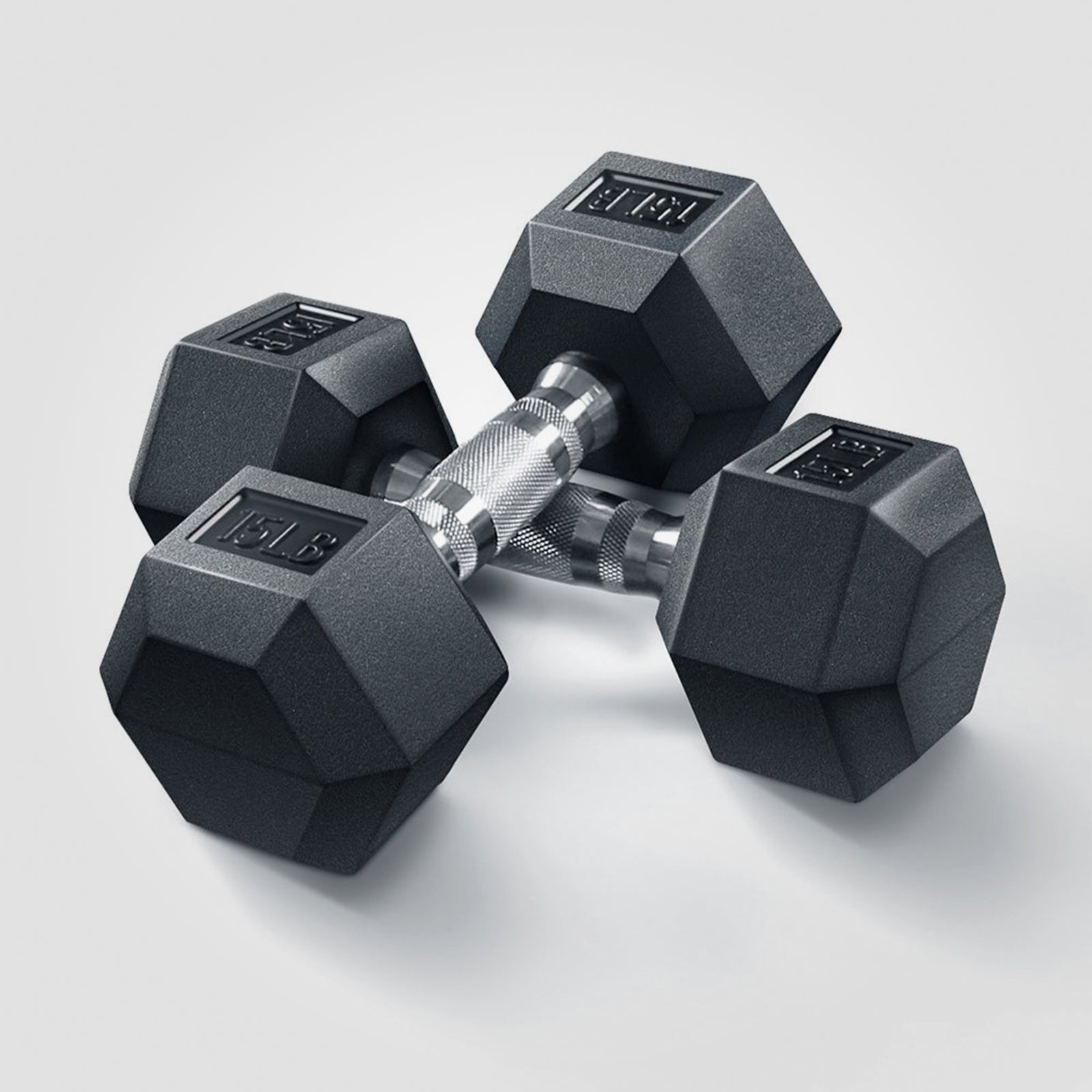
- 8 Goblet Squats (holding one dumbbell at chest)
- 8 Shoulder Presses (standing)
- 8 Burpees (slow pace)
Scaling Tips: Use a very light weight. For burpees, step back into the plank and step up rather than jumping to the floor.
Why it works for beginners: This workout introduces simple loaded patterns and teaches how quickly fatigue can affect mechanics. It is a useful bridge between bodyweight-only sessions and more traditional CrossFit classes.
Common mistakes to avoid: Pressing with a flared rib cage, squatting without full-foot balance, and turning burpees into a sloppy race.
Safety note: If shoulder pressing causes discomfort, substitute a landmine press, incline push-up, or light dumbbell floor press if available.
How to Scale Any CrossFit WOD for Beginners
Scaling is the art of adjusting a workout to match your current fitness level. It ensures you get the right stimulus without injury.
- Adjust Reps: If a WOD calls for 50 reps, do 25 or 30.
- Adjust Load: Reduce the prescribed weight significantly. Technique is more important than the number on the dumbbell.
- Modify Movements: Swap box jumps for step-ups, or pull-ups for ring rows.
Signs a WOD is too hard: If your technique breaks down, you feel lightheaded, or you are taking rest breaks that are longer than your work periods, you should scale back immediately.
Weekly Beginner WOD Plan (Sample)
A good beginner schedule balances work with recovery. Here is a simple 3-day plan using the WODs above.
- Monday: WOD #1 (Bodyweight AMRAP) – Focus on continuous movement.
- Tuesday: Rest or light walking.
- Wednesday: WOD #5 (Light Dumbbell) – Focus on strength mechanics.
- Thursday: Rest or active recovery (yoga/stretching).
- Friday: WOD #2 (EMOM) – Focus on technique and pacing.
- Weekend: Rest or fun outdoor activity.
If you are very deconditioned, start with two training days per week for the first two weeks. If recovery, sleep, and soreness are manageable, build toward three days per week.
After two to four weeks, progress by changing only one variable at a time. Add 1 to 2 reps per movement, extend the workout by 1 to 2 minutes, or increase load slightly while keeping form consistent.
Tips for Getting the Most Out of Beginner WODs
- Consistency over Intensity: It is better to workout moderately three times a week than to crush yourself once and skip the next week.
- Track Your Results: Keep a log of your times, rounds, and weights used. Seeing tangible progress is a huge motivator.
- Technique First: Speed and weight should only increase once your mechanics are consistent.
- Know When to Advance: When a workout feels manageable and your form remains perfect throughout, try increasing the weight slightly next time.
- Warm up with intention: Spend 5 to 10 minutes raising body temperature, practicing the movement patterns in the workout, and doing a few lighter rehearsal reps before starting.
- Recover like it matters: Sleep, hydration, and easy movement on rest days will do more for long-term progress than adding random extra workouts.
Common Mistakes Beginners Make with WODs
- Comparing Yourself to Others: Every athlete is on their own journey. Focus on your own improvement.
- Ignoring Warm-ups: Jumping into a WOD cold increases injury risk. Spend 10 minutes getting blood flowing to your muscles.
- Scaling Incorrectly: Making a workout too easy won't yield results, but making it too hard causes burnout. Find the "sweet spot."
- Overtraining: More is not always better. Your body needs rest to rebuild muscle and get stronger.
- Choosing intensity over skill: Beginners often assume a harder workout is a better workout. In reality, repeating simple sessions with good mechanics usually produces faster progress.
- Using advanced substitutions too early: Replacing a movement with another hard movement just to make the workout look more impressive often defeats the point of scaling.
FAQs
How often should beginners do CrossFit WODs?
You should aim for two to three workouts per week when starting out. This schedule gives your body enough time to recover and adapt to the new stimulus. You can gradually increase your training days once your muscle soreness becomes manageable and your fitness improves.
What does scaling mean in beginner CrossFit WODs?
Scaling means adjusting the workout to safely match your current fitness level. You can lower the amount of weight used or reduce the total repetitions. This method allows you to maintain proper form and avoid injuries while still getting an effective and challenging training session.
Why are AMRAP and EMOM formats good for beginners?
These workout formats allow you to easily control your pace and focus on movement quality. An AMRAP lets you move safely within a time limit without rushing. An EMOM provides regular rest periods to help you manage fatigue and maintain proper technique throughout your entire routine.
How do I know if a CrossFit WOD is too intense?
The workout is too hard if your technique breaks down or you experience sharp pain. You might also notice chaotic breathing or need rest breaks that last much longer than your work periods. You should immediately reduce the weight or modify the movements when these signs appear.
What is the most effective way to progress in CrossFit?
You must prioritize consistent practice and proper technique before you increase your overall workout intensity. You can safely add more weight or extra repetitions only when your movements feel completely manageable. Repeating simple routines with perfect form always produces much faster results for new athletes.
Conclusion
Remember that everyone starts as a beginner. The athletes you see moving heavy weights effortlessy started with air squats and PVC pipes. The key to success with CrossFit WODs is to start light, remain consistent, and prioritize good movement above all else. Pick one beginner WOD from the list above, try it this week, and write down your result. You have taken the first step toward building strength and confidence.