Table of Contents
- Why Machines Work So Well for Glute Training
- What Makes a Good Glute Machine
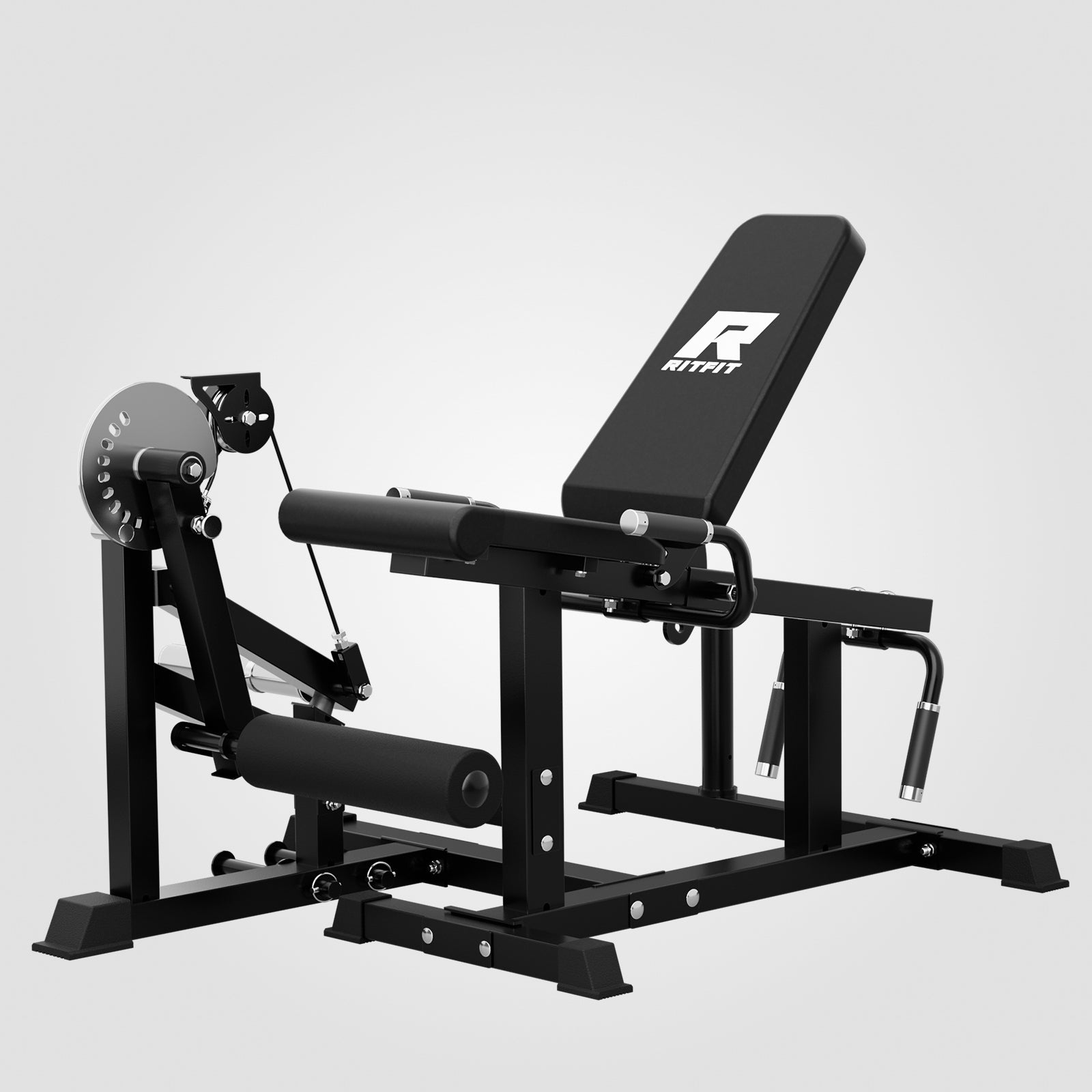
- Hyperextension Machine
- How to Use the Hyperextension Machine for Glutes
- Hip Thrust Machine
- Cable Glute Kickback Machine or Cable Station
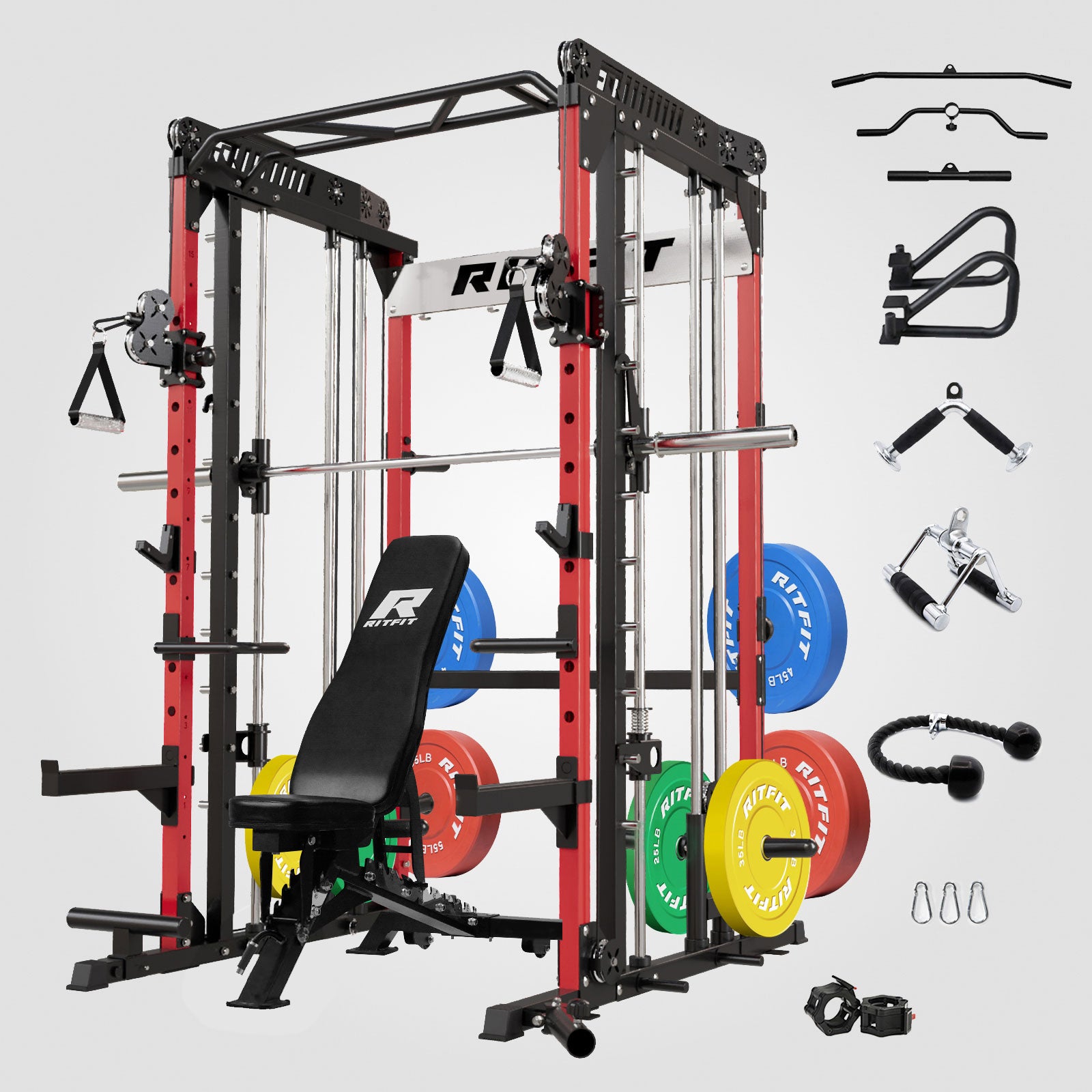
- Smith Machine for Glutes
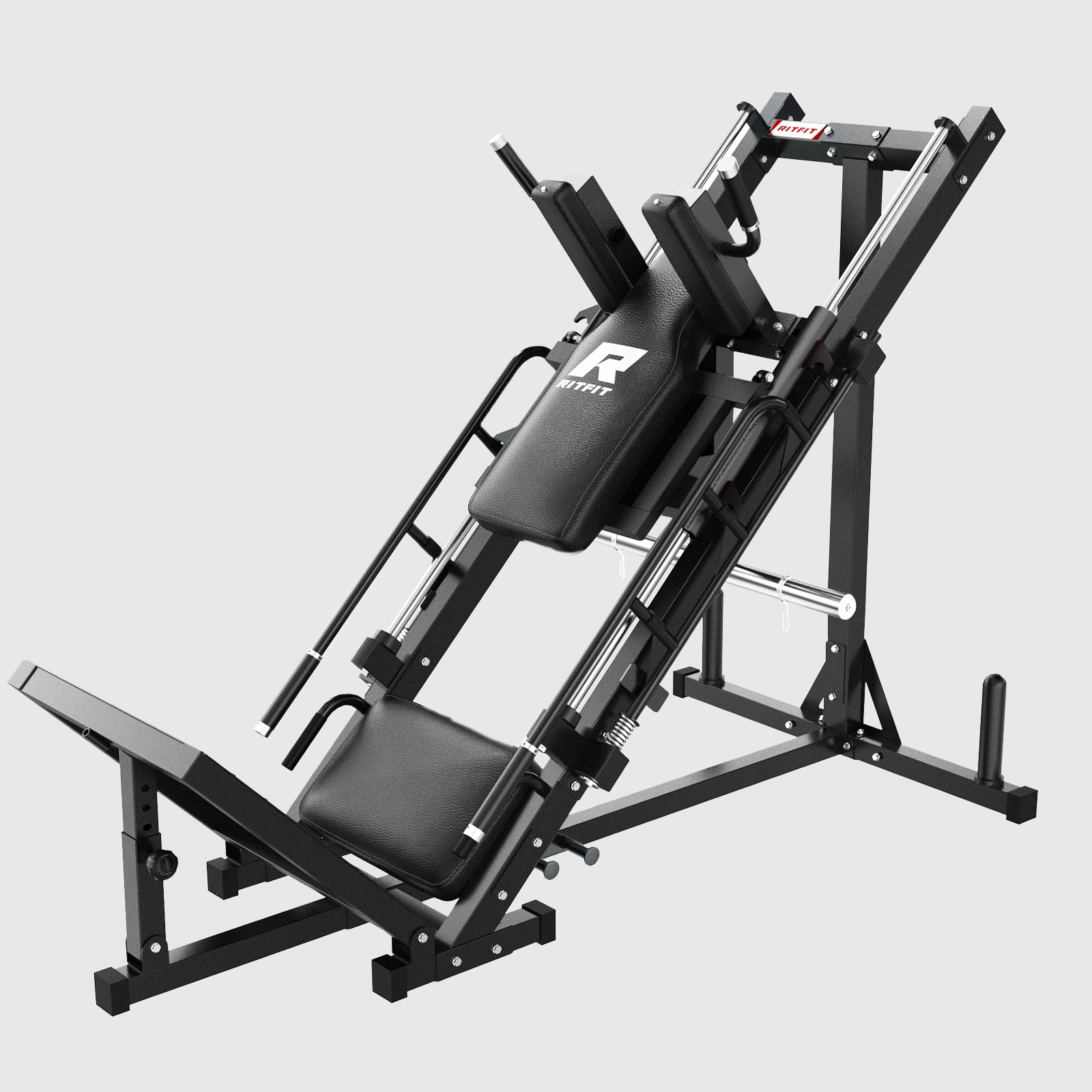
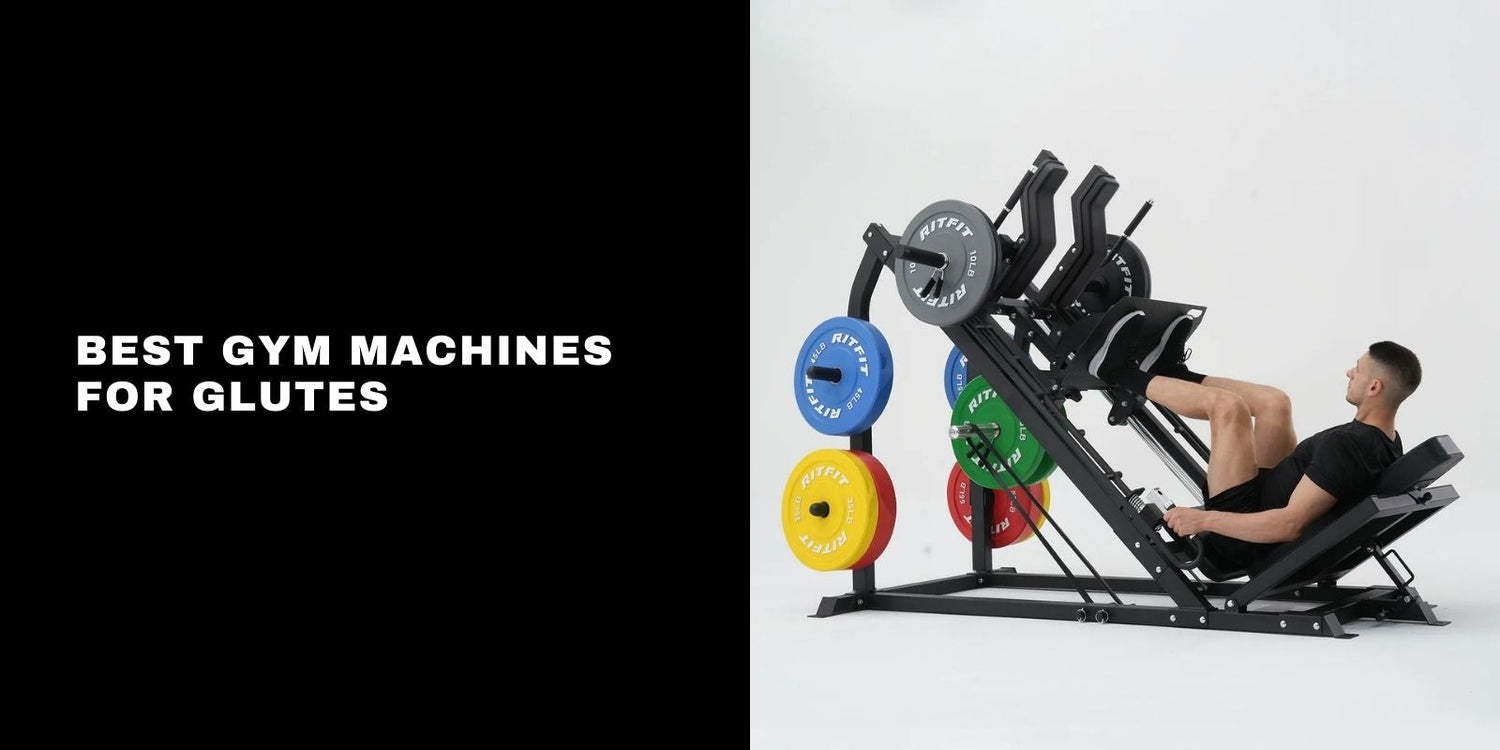
- Leg Press Machine
- Abductor Machine
- Stair Climber and Incline Treadmill
- Sample Glute Focused Machine Workout
- Safety Tips and Form Essentials
Strong glutes are built best when you combine heavy loading, smart isolation, and consistent progression. The best gym machines for glutes are the hip thrust machine, hyperextension bench, Smith machine, leg press, cable station, and abductor machine because they train hip extension or hip abduction with more stability and less wasted effort.
Machines are especially useful when free weight lifts become limited by balance, lower back fatigue, or quad dominance. Used correctly, they help you train the glutes harder, safer, and with better control.
Key Takeaways
- The hip thrust machine is one of the best choices for overall glute growth because it lets you load the glutes heavily with stable positioning and a strong lockout.
- Hyperextensions are one of the most underrated glute exercises when you use a hip-dominant setup and avoid turning the movement into a lower back lift.
- Smith machine squats, split squats, reverse lunges, and hip thrusts can all become more glute biased with the right stance, stride length, and shin angle.
- The abductor machine and cable kickbacks are valuable accessory lifts for glute isolation, side glute training, and extra hypertrophy-focused volume.
- The best results come from progressive overload, clean setup, and full control, not from using the heaviest weight with poor range of motion.
Why Machines Work So Well for Glute Training
Machines work well for glute growth because they reduce balance demands and make it easier to keep tension on the target muscles. Clinical evidence confirms that by reducing the stabilization demands placed on the core and synergist muscles, fixed-path machines allow the nervous system to drive higher force output directly into the prime movers.
They are especially useful for lifters who struggle to feel their glutes during squats, deadlifts, or lunges. In many cases, machines reduce the coordination demands that let stronger muscles like the quads or lower back take over.
They also make progression easier. You can adjust the load quickly, repeat the same setup more consistently, and train closer to muscular failure with less wasted effort.
What Makes a Good Glute Machine
A good glute machine trains one of the main functions of the glutes, especially hip extension, hip abduction, or hip external rotation. It should also allow safe loading, a useful range of motion, and clear setup adjustments so you can progress over time.
The best options do more than just move weight. They make it easier to keep tension where you want it and repeat quality reps consistently.
Main Benefits of Using Machines for Glutes
- Better isolation: Machines reduce balance demands so you can focus more on glute tension and control.
- Beginner friendly stability: Fixed movement paths help newer lifters learn positions with less guesswork.
- Easy progression: Weight changes are quick, which makes overload, drop sets, and rep progression easier to manage.
- Lower setup friction: Machines often let you start training faster with less energy wasted on setup.
Hyperextension Machine

The hyperextension machine is one of the best hidden glute builders in the gym when you use a glute biased setup. Most people think of it as a lower back exercise, but a small change in body position can shift much more of the work to the glutes and hamstrings.
What It Is
The hyperextension machine usually comes as a 45 degree bench or a horizontal Roman chair. Both versions lock the feet in place and let the torso hinge freely at the hips.
When used well, this machine creates a deep stretch and strong contraction in the glutes with relatively low spinal loading. That makes it a valuable option for lifters who want more posterior chain work without the fatigue of heavy deadlift variations.
Muscles Worked
- Gluteus maximus: The main driver when the movement is done with a hip dominant setup.
- Hamstrings: Assist with hip extension and help control the bottom position.
- Erector spinae: Stabilize the spine but should not dominate the lift if your goal is glute emphasis.
How to Use the Hyperextension Machine for Glutes
Glute focused hyperextensions depend more on setup than on load. If you get the pad height, torso position, and finish wrong, the movement quickly turns into a lower back exercise.
- Pad position: Set the top edge of the pad just below the hip crease so your hips can move freely through the hinge.
- Foot position: Turn the toes slightly outward to open the hips and improve glute engagement.
- Torso position: Keep a slight upper back round and tuck the chin gently to reduce lower back dominance.
- Descent: Lower under control until you feel a stretch in the glutes and hamstrings.
- Ascent: Drive the hips into the pad and squeeze the glutes to raise the torso back to a straight line.
- Top position: Stop when the body is in line and avoid throwing the chest upward.
Common Mistakes to Avoid
- Overextending at the top: Lifting too high shifts tension away from the glutes and into the lower back.
- Using momentum: Swinging through the rep reduces muscle tension and increases risk.
- Poor pad height: A bad setup limits hip motion and makes glute loading less effective.
Progressions and Variations
Start with bodyweight until you can control every rep and feel the glutes doing the work. Then add load by holding a plate or dumbbell at the chest.
Single leg hyperextensions are an advanced option that increase the challenge and expose side to side imbalances. They are especially useful for lifters who struggle to feel one glute working as hard as the other.
Hip Thrust Machine
The hip thrust machine is one of the best machines for building glute size because it loads the glutes hard in the position of peak contraction. It gives you the main benefit of the hip thrust without the awkward setup of a barbell across the hips.
Why It Is a Top Glute Machine
A landmark EMG study by Contreras et al. confirms that the hip thrust elicits significantly greater activation of both the upper and lower gluteus maximus compared to traditional squats, largely because it applies maximal resistance when the glutes are fully shortened at lockout.
They are also easier to standardize from workout to workout. Consistent setup makes it easier to track progress and improve performance over time.
Muscles Worked
The gluteus maximus is the primary target. The hamstrings and adductors assist, but the glutes should handle most of the load when the setup is correct.
How to Use It for Maximum Glute Activation
Secure the belt or pad over the hips and place the feet about hip width apart. At the top, the shins should be close to vertical so the glutes can drive the movement efficiently.
Push through the heels and extend the hips until the torso reaches a strong lockout position. Squeeze the glutes hard at the top, pause briefly, then lower with control.
Form Tips
- Keep the chin slightly tucked so the rib cage stays under control.
- Avoid throwing the head back or arching the lower back at lockout.
- Keep the knees tracking over the feet instead of collapsing inward.
- Focus on controlled reps instead of bouncing for momentum.
Cable Glute Kickback Machine or Cable Station

Cable kickbacks are excellent for isolating the gluteus maximus with constant tension and minimal full body fatigue. They work especially well after heavier machine compounds when you want more direct glute volume.
What It Targets
This movement primarily targets the gluteus maximus through hip extension. It is useful for lifters who want to improve glute isolation, mind muscle connection, and unilateral control.
How to Perform It
Attach an ankle strap to a low pulley and hold the machine for support. Hinge forward slightly, brace the torso, and drive the leg back without swinging.
Keep a soft bend in the knee and move mainly through the hip joint. Pause briefly at the back, then return slowly to maintain tension.
Form Tips
- Keep the torso steady and avoid arching the lower back.
- Think about driving the heel back rather than kicking upward.
- Use a smaller but cleaner range of motion if you lose glute tension.
- Lower the weight if the movement becomes jerky or uncontrolled.
Smith Machine for Glutes
The Smith machine is a useful glute training tool because its fixed bar path reduces balance demands and makes certain glute biased lower body patterns easier to control. For many lifters, it is one of the most practical ways to load the glutes hard without needing advanced barbell skill.
Why It Is Useful
The Smith machine lets you set the feet and torso in ways that help shift the stress from the knees toward the hips. That makes it especially valuable for glute focused hip thrusts, split squats, and reverse lunges.
Best Smith Machine Glute Exercises
- Smith machine hip thrust: Stable, heavy, and easier to set up than the barbell version.
- Smith machine Bulgarian split squat: Reduces balance demands so you can focus on stretch and drive.
- Smith machine reverse lunge: A longer step back helps increase hip contribution and glute loading.
Key Form Cues
For split squats and lunges, use a slightly longer stride so the shin stays more vertical and the hips do more of the work. Lower with control, stay balanced through the whole foot, and drive upward by pushing through the heels.
Leg Press Machine
The leg press can be a strong glute machine when foot placement shifts the emphasis away from the quads. Small setup changes make a major difference in which muscles do the most work.
How to Set It Up for Glutes
Place the feet higher on the platform and slightly wider than shoulder width. This setup increases hip flexion demands and usually makes the glutes and hamstrings work harder during the press.
Execution Tips
Lower the sled as far as you can while keeping the lower back stable against the pad. Press through the heels and midfoot to return to the start without snapping the knees straight.
Keep the reps smooth and controlled. If the hips roll off the seat at the bottom, reduce the range slightly and keep the pelvis more stable.
Abductor Machine
The abductor machine is one of the best accessory machines for targeting the gluteus medius and gluteus minimus. These muscles are important for pelvic control, hip stability, and the upper side glute look many lifters want.
Role in Glute Training
Research on hip abductor activation shows that seated hip abduction exercises elicit some of the highest maximal voluntary isometric contractions (MVIC) for the gluteus medius, making this machine indispensable for full 3D glute development and pelvic health.
How to Use It Effectively
Sit tall and keep the torso stable as you drive the knees outward. Many lifters feel the glutes more by leaning slightly forward while keeping the spine neutral.
Control both directions of the rep and do not let the stack crash between reps. The return phase matters because it helps keep tension on the target muscles.
When to Use It
This machine works best near the end of the workout after your main compound lifts are done. Higher reps often work very well because they create a strong burn and allow extra glute volume without high joint stress.
Stair Climber and Incline Treadmill
Cardio machines can also contribute to glute development when used with the right technique. The stair climber and incline treadmill both challenge hip extension repeatedly and can build glute endurance while increasing calorie output.
Why These Help the Glutes
These machines force repeated stepping and hip extension, which gives the glutes a long series of low to moderate tension contractions. They are not a replacement for loaded resistance training, but they can support glute development and conditioning.
Technique for More Glute Focus
On the stair climber, avoid hanging on the rails and shifting the work away from the legs. Stand tall or lean slightly forward, drive through the whole foot, and use controlled steps.
On the incline treadmill, walk with a deliberate push off from the heel and midfoot. A moderate incline with strong posture usually works better than using a steep incline with sloppy mechanics.
Glute Machine Evaluation Summary
| Machine | Primary Target Muscle(s) | Key Benefits & Strengths | Crucial Setup / Form Tip |
| Hyperextension Machine | Gluteus maximus, Hamstrings | Provides a deep stretch and strong contraction with low spinal loading; great alternative to heavy deadlifts. | Set pad below the hip crease, turn toes out, and keep the upper back slightly rounded with the chin tucked. |
| Hip Thrust Machine | Gluteus maximus (Upper & Lower) | Delivers maximal resistance at peak contraction (lockout) with a much easier setup than a barbell. | Keep shins vertical at the top, chin tucked, and push through the heels without arching the lower back. |
| Cable Station (Kickbacks) | Gluteus maximus | Offers constant tension and excellent isolation with minimal full-body fatigue; great for unilateral control. | Keep a soft knee bend, drive the heel straight back, and avoid swinging or arching the lower back. |
| Smith Machine | Gluteus maximus | The fixed bar path reduces balance demands, making it highly practical for loading heavy split squats and lunges. | Use a slightly longer stride on lunges/split squats to keep the shin vertical and shift work to the hips. |
| Leg Press Machine | Gluteus maximus, Hamstrings | Allows for heavy loading while safely shifting the emphasis away from the quads to the posterior chain. | Place feet higher on the platform and slightly wider than shoulder-width; press through heels and midfoot. |
| Abductor Machine | Gluteus medius, Gluteus minimus | Indispensable for 3D glute development, pelvic health, and hip stability; provides exceptionally high muscle activation. | Sit tall or lean slightly forward; control the weight on the return phase without letting the stack crash. |
| Stair Climber / Incline Treadmill | Glutes (Endurance) | Builds glute endurance and increases calorie output through repeated low-to-moderate tension hip extensions. | Avoid hanging on the handrails; stand tall, use a deliberate push-off, and drive through the whole foot. |
Sample Glute Focused Machine Workout
A good glute machine workout starts with the heaviest and most stable movement, then moves toward more isolated exercises. This helps you train strength first and finish with targeted volume.
Beginner Friendly Routine
-
Hip thrust machine: 3 sets of 8 to 12 reps
Focus on full lockout and a strong glute squeeze. -
Leg press: 3 sets of 10 to 12 reps
Use a high and slightly wider foot position for more glute emphasis. -
Hyperextension machine: 3 sets of 12 to 15 reps
Use bodyweight or a light load and prioritize setup quality. -
Abductor machine: 3 sets of 15 to 20 reps
Control every rep and chase tension instead of speed.
Intermediate Routine
-
Smith machine hip thrust: 3 to 4 sets of 6 to 10 reps
Use a heavier load while keeping the lockout clean. -
Leg press: 3 to 4 sets of 8 to 12 reps
Maintain depth only if the pelvis stays stable. -
Weighted hyperextension: 3 sets of 10 to 12 reps
Hold a plate at the chest and keep the movement hip dominant. -
Cable kickbacks: 3 sets of 12 to 15 reps per leg
Use control and a short pause at peak contraction. -
Abductor machine finisher: 2 sets of 20 to 25 reps
Take these close to failure with a clean tempo.
Safety Tips and Form Essentials
Warm up before heavy glute training with light dynamic movement and a few low intensity activation drills. The goal is to improve position, not to tire yourself out before the main work begins.
Use controlled reps and a useful range of motion on every machine. It is better to use less weight with strong technique than more weight with momentum, joint discomfort, or poor glute tension.
Stop and reassess if you feel sharp pain in the lower back, knees, or hips. Progressive overload matters, but it only works when it is paired with a stable setup, repeatable form, and recovery.
FAQs
Which gym machine is the best for overall glute growth?
The hip thrust machine is the top choice for overall glute growth. It loads the glutes heavily in a shortened position for a strong peak contraction. This machine provides heavy resistance and stable positioning. You can easily standardize your setup to track progress and improve performance over time.
How to use the hyperextension machine for glutes without hurting your lower back?
You must set the pad directly below your hip crease to avoid lower back pain. This specific setup allows your hips to hinge freely while keeping your spine safe. You should keep your upper back slightly rounded and tuck your chin. This prevents overextending at the top.
Where should you place your feet on the leg press machine to target glutes?
You should place your feet high and slightly wider than shoulder width on the platform. This high foot placement shifts the emphasis away from your quads and increases hip flexion demands. Your glutes and hamstrings are forced to work much harder to push the sled back up.
What machine is best for targeting the side glutes?
The abductor machine is the absolute best choice for targeting your side glutes. It effectively isolates the gluteus medius and gluteus minimus. You can maximize tension by sitting tall and controlling the weight in both directions. High repetitions on this equipment will create a strong burn.
Why do cable kickbacks work well for lifters who struggle to feel their glutes?
Cable kickback stations isolate the gluteus maximus with constant tension and minimal full body fatigue. They remove balance demands so you can focus entirely on driving your heel back. This isolation improves your mind muscle connection and allows you to build side to side symmetry safely.
Conclusion
The best gym machines for glutes are the ones that let you load hip extension and hip abduction with control, consistency, and intent. If you use the hip thrust machine, hyperextension bench, Smith machine, leg press, cable station, and abductor machine well, you can build stronger, fuller glutes without relying only on barbells.
Train with a clean setup, full tension, and steady progression. That is what turns a machine from basic gym equipment into a serious glute building tool.
References
- Schwanbeck S, Chilibeck PD, Binsted G. A comparison of free weight squat to Smith machine squat using electromyography. J Strength Cond Res. 2009 Dec;23(9):2588-91. doi: 10.1519/JSC.0b013e3181b1b181. PMID: 19855308.
- Contreras B, Vigotsky AD, Schoenfeld BJ, Beardsley C, Cronin J. A Comparison of Gluteus Maximus, Biceps Femoris, and Vastus Lateralis Electromyographic Activity in the Back Squat and Barbell Hip Thrust Exercises. J Appl Biomech. 2015;31(6):452-458. doi:10.1123/jab.2014-0301
- Macadam P, Cronin J, Contreras B. AN EXAMINATION OF THE GLUTEAL MUSCLE ACTIVITY ASSOCIATED WITH DYNAMIC HIP ABDUCTION AND HIP EXTERNAL ROTATION EXERCISE: A SYSTEMATIC REVIEW. Int J Sports Phys Ther. 2015;10(5):573-591.