HIIT can be beginner-friendly when you use simple exercises, short work periods, and enough rest to keep form safe. The best beginner HIIT workouts focus on low-impact movement, manageable intensity, and steady progress you can sustain at home.
Key Takeaways
- HIIT works for beginners when intensity matches your current fitness level.
- Low-impact intervals are often the safest place to start.
- Ten to fifteen minutes of work is enough for most first-time beginners.
- Good form and recovery matter more than speed.
- Walking intervals, chair-based intervals, and bodyweight circuits all count as effective beginner HIIT.
What Is HIIT and Why It Is Great for Beginners?
HIIT means alternating short periods of hard effort with planned recovery. For beginners, that makes exercise feel more manageable because you only need to work hard for brief intervals before slowing down again.
A Simple Definition of HIIT
HIIT uses repeated cycles of work and rest to raise and lower your effort in a structured way. Instead of exercising at one steady pace for a long session, you train in short bursts that improve conditioning in less time.
Benefits of HIIT for Beginners
- Time efficient: HIIT helps beginners fit cardio and conditioning into a short workout window, which makes consistency easier on busy weeks.
- Improves cardiovascular fitness: Short hard efforts challenge the heart and lungs, which can improve endurance and work capacity over time.
- Supports fat loss goals: HIIT can increase calorie burn and training density, especially when paired with a sensible nutrition plan and regular activity.
- Helps preserve lean muscle: Many beginner HIIT workouts use squats, lunges, push movements, and core work that train more than just your lungs.
- Needs little space or equipment: Most beginner routines work well with bodyweight only, so they are practical for apartments, living rooms, and home gyms.
Is HIIT Safe for Beginners?
Yes, HIIT is generally safe for beginners when exercise selection, intensity, and recovery are scaled to the individual. High intensity should feel challenging for you, not maximal, painful, or out of control.
If you have heart concerns, joint pain, balance limitations, or are returning after injury, get medical clearance before starting. Beginners should always treat technique, pacing, and recovery as the priority.
How to Start HIIT Safely
Starting HIIT safely means warming up first, keeping effort controlled, and limiting total volume in the beginning. A smaller dose done well will build better results than going too hard in your first week.
- Warm-Up Basics: Start every session with five to ten minutes of easy movement. March in place, walk, pedal lightly, or use gentle mobility drills to raise body temperature and prepare your joints.
- Understanding Intensity: Use the Rate of Perceived Exertion scale to keep effort realistic. For most beginners, hard intervals should feel like a 7 or 8 out of 10, where talking is difficult but you still feel in control.
- Frequency and Duration: Begin with one or two HIIT sessions per week. Keep the active part of the workout around ten to fifteen minutes at first, not including the warm-up or cool-down.
Common Mistakes to Avoid
- Going too hard too soon: Starting at an all-out pace often ruins form and makes recovery harder than it needs to be.
- Skipping the warm-up: Cold muscles and stiff joints do not respond well to fast movement or repeated effort.
- Using poor form: Speed should never replace control, especially on squats, lunges, push-ups, and fast footwork.
- Training HIIT every day: Beginners need recovery days to adapt, reduce soreness, and stay consistent.
- Choosing the wrong exercise level: High knees and burpees are not mandatory, and low-impact options are often the smarter first step.
Best HIIT Exercises for Beginners
The best beginner HIIT exercises are simple, easy to learn, and scalable for different fitness levels. Start with bodyweight moves that build confidence, coordination, and basic conditioning before adding more impact.
Low-Impact HIIT Exercises
- Marching in place with high knees: Stand tall and lift one knee at a time while driving the opposite arm. This builds rhythm, raises heart rate, and is easier on the joints than running in place.
- Step jacks: Step one foot out while raising both arms, then return and switch sides. This gives you the feel of jumping jacks without repeated landing impact.
- Sit-to-stand squats: Sit on a sturdy chair, stand up by pushing through your feet, then lower back with control. This teaches squat mechanics and is very beginner-friendly.
- Modified mountain climbers: Place your hands on a bench, chair, or wall and alternate knee drives. The elevated position reduces wrist load and makes core control easier.
- Low impact skaters: Step side to side and lightly reach across the body. This improves lateral movement, coordination, and heart rate without jumping.
Basic Bodyweight HIIT Exercises
- Bodyweight squats: Push the hips back, keep the chest tall, and stand up with control. This trains the legs, glutes, and core while reinforcing a foundational movement pattern.
- Reverse lunges: Step one foot back and lower with balance before returning to a standing position. This is often easier on the knees than forward lunges and helps train single-leg control.
- Glute bridges: Lie on your back, drive through the feet, and lift the hips by squeezing the glutes. This is an excellent low-impact movement for the posterior chain.
- Wall or incline push-ups: Use a wall, bench, or sturdy elevated surface to reduce difficulty. This helps beginners train pressing strength with better body position than floor push-ups.
- Standing punches: Keep a soft knee bend, brace the core, and throw fast, alternating punches. This adds upper body activity and keeps the workout moving.
- Fast feet: Stay light on the balls of the feet and move quickly in place. This is a simple conditioning drill that works well in short intervals.
Slightly Higher Impact Options
Use these only after the low impact and basic bodyweight versions feel controlled and comfortable. Progressing to higher impact too early usually adds stress without adding better results.
- Jumping jacks: A classic full-body cardio move that adds rhythm, coordination, and moderate impact.
- High knees: Jog in place while driving the knees higher and moving the arms faster. Keep the bounce small if you are still building tolerance.
- Butt kicks: Jog lightly and kick the heels toward the glutes. This is a simple way to add pace without complex technique.
- Modified burpees: Place the hands down, step back to plank, step in, and stand tall. Skip the jump and push-ups until your form and conditioning improve.
Sample Beginner HIIT Workouts
These beginner HIIT plans keep the structure simple so you can focus on pacing, movement quality, and recovery. Choose the format that best matches your current fitness level, joint comfort, and available space.
10 Minute Low Impact Workout for Absolute Beginners
Format: 30 seconds of work followed by 30 seconds of rest for 10 rounds.
- Rounds 1 and 2: Marching in place with high knees
- Rounds 3 and 4: Sit-to-stand squats
- Rounds 5 and 6: Step jacks
- Rounds 7 and 8: Wall push-ups
- Rounds 9 and 10: Standing punches
15 Minute Full Body Workout
Format: 40 seconds of work followed by 20 seconds of rest for 3 rounds.
- Exercise 1: Bodyweight squats
- Exercise 2: Standing punches
- Exercise 3: Glute bridges
- Exercise 4: Fast feet
- Exercise 5: Incline push-ups
20 Minute Walking or Jogging Workout
Format: Start with a five-minute brisk walk, then alternate faster and easier efforts.
- Warm up: Walk at an easy pace for 5 minutes
- Intervals: Fast walk or light jog for 30 seconds, then easy walk for 60 to 90 seconds, repeated for 8 to 10 rounds
- Cool down: Walk slowly for 3 to 5 minutes
Chair-Based HIIT for Joint-Friendly Training
Format: 30 seconds of work followed by 30 seconds of rest for 10 rounds.
- Exercise 1: Seated marches
- Exercise 2: Seated punches
- Exercise 3: Seated leg extensions
- Exercise 4: Seated torso twists
How to Progress Your Workouts
Progress should come from doing a little more work while keeping the same control and recovery quality. Beginners do better with gradual overload than dramatic jumps in difficulty.
Progression Levers
- Increase work time: Move from 20 or 30 seconds of work to 40 seconds once pacing feels steady.
- Reduce rest slightly: Shorten recovery by 5 to 10 seconds only after you can maintain form.
- Add one more round: Extra total volume is often safer than making each interval much harder.
- Choose a tougher variation: Progress from step jacks to jumping jacks or from wall push-ups to bench push-ups.
- Improve movement quality: Better depth, posture, and control count as real progress even before speed increases.
Signs You Are Ready to Advance
You are ready to progress when the current workout feels manageable, your breathing settles quickly during rest, and your form stays sharp through every interval. You should finish feeling challenged but not wrecked.
When to Scale Back
Scale back if soreness lingers, fatigue keeps building, sleep worsens, or your joints start to ache during or after sessions. Sharp pain, dizziness, chest discomfort, and severe shortness of breath are all signs to stop and seek medical advice.
Combining HIIT with Other Training
Beginner HIIT works best as part of a balanced week, not as the only training method you use. Strength work, walking, mobility, and rest will usually improve long-term results more than adding more intense intervals.
Weekly Beginner Schedule
- 1 to 2 days: HIIT
- 2 days: Light resistance or strength training
- Most days: Easy walking or daily movement
- At least 1 day: Full rest
A Note on Weight Loss
HIIT can support fat loss, but it is not a shortcut that replaces nutrition and overall activity. Most people get better results when interval training is paired with a calorie-aware eating plan, adequate protein, and consistent daily movement.
Equipment Options to Level Up
You do not need much gear to start HIIT, but a few simple tools can make home workouts more comfortable and more versatile. The goal is to add support or variety, not complexity.
Simple Gear for Home
- Exercise mat: Adds comfort for floor work such as glute bridges, planks, and mobility drills.
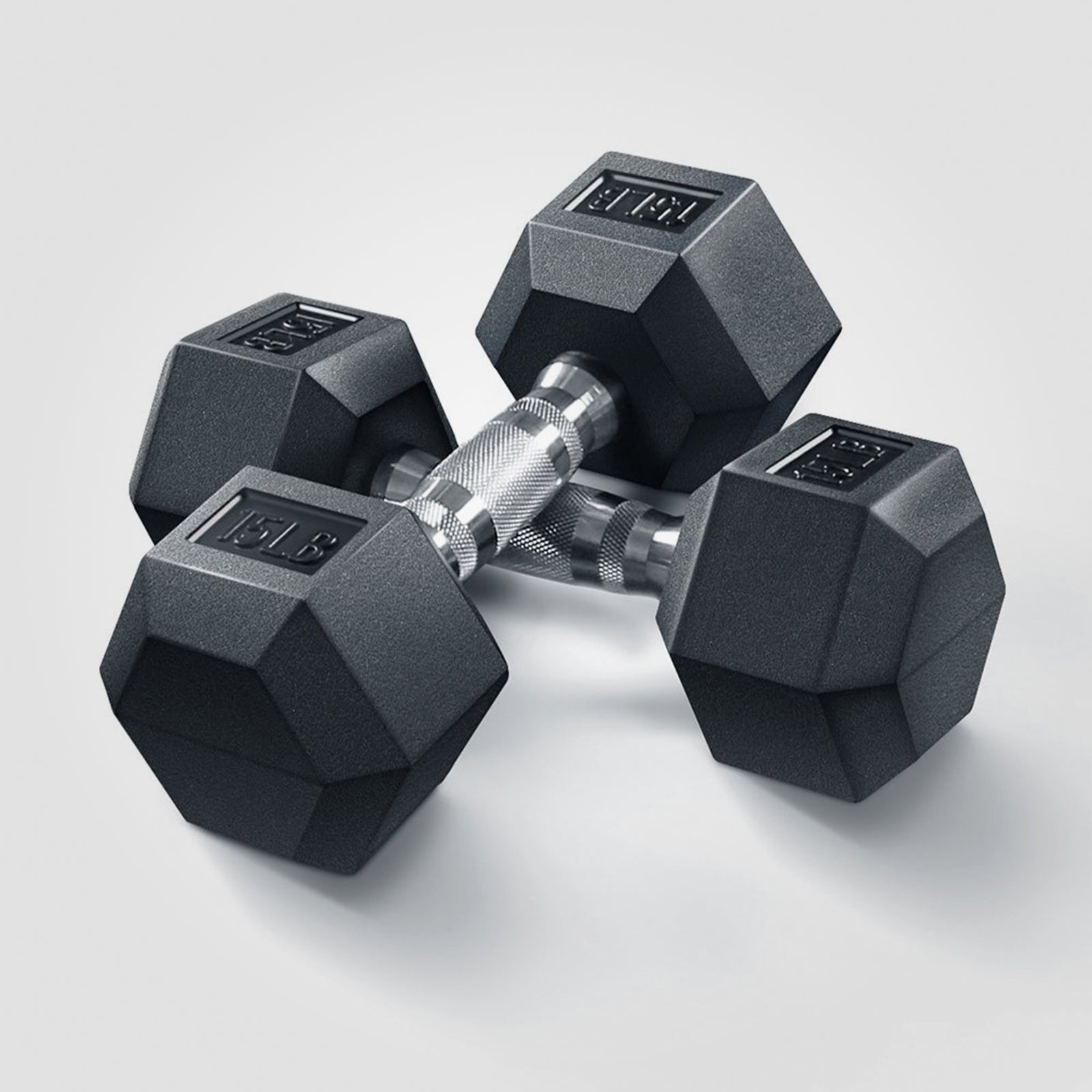
- Light dumbbells: Increase resistance for squats, presses, carries, and beginner strength intervals.
- Resistance bands: Offer easy progression without taking up much space.
- Step bench or sturdy platform: Helps with incline push-ups, step work, and low-impact conditioning options.
Cardio Machines
Machines can make beginner intervals easier on the joints while still giving you a strong conditioning effect. Stationary bikes, ellipticals, treadmills, and rowers all work well for short work and recovery intervals.
Safety Tips and Recovery
A cool down helps your heart rate come down gradually and gives your body a smoother transition out of training. Spend three to five minutes walking or moving easily, then use gentle stretching if it helps you relax and recover.
Hydration, sleep, and recovery days matter just as much as the workout itself. Learn to tell the difference between effort and pain, and stop immediately if you feel dizzy, faint, or unusually short of breath.
FAQs
How often should I do beginner HIIT workouts?
You should start with one or two beginner HIIT sessions per week. This frequency allows your body to recover while building cardiovascular fitness. Recovery days are essential to adapt and reduce soreness. You can add light resistance training or easy walking on your off days to stay active.
Can I do beginner HIIT workouts without jumping?
Yes, you can do beginner HIIT using completely low impact movements. Exercises like marching in place, sit to stand squats, and step jacks provide a great workout without stressing your joints. These alternatives improve your coordination and raise your heart rate safely before you ever need to add jumping.
How long should a beginner HIIT session last?
Ten to fifteen minutes of active work is enough for a beginner HIIT routine. You must also include a five to ten minute warm up beforehand to prepare your muscles. Keeping the total volume low at first builds better results than pushing yourself too hard during your first few weeks.
Is beginner HIIT safe if I have low fitness levels?
Yes, beginner HIIT is safe when you match the intensity to your current fitness level. You should prioritize good form and recovery over speed to prevent injuries. Starting with gentle bodyweight moves allows you to build basic conditioning steadily while keeping your overall effort completely under your own control.
Will beginner HIIT help me lose weight effectively?
Yes, beginner HIIT supports fat loss by increasing your daily calorie burn and improving cardiovascular endurance. Interval training works best when you pair it with a sensible nutrition plan and regular daily activity. This approach builds muscle and burns fat more efficiently than relying on short workouts alone.
Consistency Is Key
The best beginner HIIT workout is the one you can repeat safely next week. Start with one simple routine, keep the pace honest, and build confidence before chasing harder intervals.
Disclaimer: This article is for general informational and educational purposes only and is not medical advice. Always consult a qualified healthcare provider before starting any new exercise program, especially if you have a medical condition, injury history, joint pain, heart concerns, or have been inactive for a long period. Stop exercising immediately if you feel chest pain, dizziness, severe shortness of breath, or sharp pain. Exercise at your own pace and use modifications when needed.