Finding the best smith machine with weight stack transforms any home garage into a complete commercial-grade strength training facility. Modern all-in-one units combine guided barbell paths with pin-selected weight stacks to deliver maximum safety and unmatched exercise variety.
Whether you train solo or build a multi-user household gym, this comprehensive guide explores the engineering, specifications, and workout capabilities of top-tier smith systems. Discover how integrated weight stacks eliminate plate clutter while accelerating your strength progression.
Quick Answer: The best smith machine with weight stack for home gyms is the RitFit M1 Pro because it combines commercial dual 132-pound weight stacks with an ultra-smooth linear bearing smith bar. This all-in-one system eliminates loose plate clutter while delivering professional-grade cable crossovers, squat safety catches, and five workout stations in a compact footprint.
Key Takeaways
- Integrated Pin Resistance: Dual 132 lb selectorized stacks provide instant load changes without manual plate loading between sets.
- Multi-Station Versatility: Replaces five standalone machines by merging a smith machine, power rack, cable crossover, pull-up station, and core landmine.
- Enhanced Solo Safety: Commercial linear bearings and multi-position lockout pins allow safe training to failure without a human spotter.
- Compact Garage Footprint: Engineered to fit residential 8-foot ceilings with efficient dimensions of 44 inches deep by 70 inches wide.
- Progressive Overload Ready: Compatible with expansion accessories, high-grade cable attachments, and heavy compound lifting mesocycles.
Why Choose a Smith Machine With Weight Stack for Home Training?
A smith machine with weight stack combines guided barbell safety with instant pin-selected cable resistance in a single compact footprint. This integration eliminates the need for bulky weight plate trees and standalone cable towers in limited garage spaces.
Traditional home gym setups require lifters to purchase separate barbells, weight plates, and cable crossover units. Exploring modern all-in-one smith machines allows fitness enthusiasts to save valuable floor space while maintaining full commercial workout versatility.[1]
- Instant Adjustability: Switch between warm-up weights and working loads in seconds using precision selector pins.
- Reduced Clutter: Eliminate loose weight plates scattering across your gym floor during intense circuit workouts.
For garage gym builders who prioritize training efficiency, selectorized machines provide the fastest transitions between compound movements and isolation exercises.
"Wow, what a versitile and easy to use home gym. My husband and I spent a long time going through Ritfits various home gym models and we both agreed that the RitFit M1 Pro with Weight Stack was the best option for our home gym. The equipmebt was delivered in a timely fashion, however my husband and I were a little intimidated to put it together. To our surprise it was actually very easy to put together, usually I feel like designers choose violence when creating something for the general public to put together, but this was well thought out and very efficent. RitFit did not waste a single inch of space on this rack and all the attachment store easily around or behind the rack which is great because we are using a small guest room for our gym. Once everything was together we were so impressed with how freely everything moves. The smith bar is so easy to rack. The cables are insanely easy to adjust and has an amazing range of motion. All in all 12/10 would recommend."
Jennifer, Verified Buyer, RitFit M1 PRO Multi-Functional Smith Machine with Cable Crossover System and Squat Rack for Home Gym
How Does the RitFit M1 Pro Architecture Compare to Traditional Racks?
The RitFit M1 Pro features heavy-duty steel uprights with commercial linear bearings that outperform standard plate-loaded power cages. Its dual weight stack design provides balanced resistance curves and silky smooth cable glide across all exercise planes.[2]
Upgrading to the RitFit M1 Pro Smith Machine Weight Stack Home Gym Package gives lifters a dedicated 264 lb total stack capacity alongside free-weight barbell J-hooks. Compare the architectural specifications below to see how the M1 Pro compares across key home gym categories.
| Feature / Specification | RitFit M1 Pro Smith Machine | Standard Plate-Loaded Rack | Commercial Club Smith Unit |
|---|---|---|---|
| Resistance Source | Dual 132 lb Weight Stacks (264 lb Total) | Manual Olympic Plates Only | Selectorized Stacks (Single Station) |
| Smith Bar Mechanism | Precision Linear Bearing Guide Rods | Bushing or Basic Slider | Linear Bearing with Counterbalance |
| Workout Stations | 5-in-1 Complete Multi-Station | 1-in-1 (Power Cage Only) | 1-in-1 (Smith Only) |
| Ceiling Clearance Needed | 85 Inches (Fits 8-ft Ceilings) | 84 to 90 Inches | 90+ Inches (Commercial Height) |
| Price-to-Value Index | All-In-One Value Leader (From $XX/mo) | Requires Costly Add-Ons | High Commercial Premium ($4,000+) |
Specifications compiled from manufacturer engineering data and standardized home gym footprint measurements.
"Packages arrived within 4 days of ordering, very well packaged and boxes to protect during shipping. Instructions were very clear and well laid out. Putting the set together was very easy and quality control was very good as haven't had any defects."
Stephen R. Verified Buyer, RitFit Pro Strength System
What Workout Stations Are Included in the RitFit M1 Pro System?
The RitFit M1 Pro integrates five dedicated training stations into a unified steel chassis to support full-body hypertrophy programs. Users can transition seamlessly between guided squats, free-weight bench presses, cable flyes, pull-ups, and landmine rotations.
For athletes seeking dedicated functional attachments, options like the PBM1 pegboard attachment add upper-body grip and climbing challenges. Watch the official demonstration video below to explore the full range of movements available on the M1 platform.
- Linear Smith Station: Perform guided squats, Romanian deadlifts, overhead presses, and shrugs with fixed bar safety.[3]
- Dual Cable Crossover: Independent height-adjustable pulleys for unilateral cable chest flyes, lat pulldowns, and triceps pushdowns.
- Free-Weight Power Rack: Heavy-duty J-hooks and safety spotter arms accommodate standard Olympic barbells for classic powerlifting.
- Multi-Grip Pull-Up Bar: Pronated, supinated, and neutral grip options target different latissimus dorsi motor units.
- Core Landmine Station: 360-degree rotational sleeve for T-bar rows, landmine presses, and rotational core conditioning.
This multi-station configuration ensures you never hit a training plateau due to equipment limitations.
"Few pieces of equipment in the home exercise industry are as comprehensive and versatile as this all-in-one gym system. The robust system provides a natural, centered bar path for compound lifts like squats, presses, and rows, and incorporates a dual cable crossover station with a full rack of precision-engineered attachments."
Tom Eskey, CF-L1, CPT, Home Gym Equipment Reviewer, Garage Gym Revisited. Source: RitFit M1 Multi-Functional Smith Machine Review, Garage Gym Revisited
How Do Integrated Dual Weight Stacks Elevate Home Workouts?
Dual integrated weight stacks provide independent left and right cable pathways that correct bilateral muscle imbalances. This dual-column architecture allows simultaneous two-arm exercises or smooth unilateral isolation movements with zero cable cross-interference.
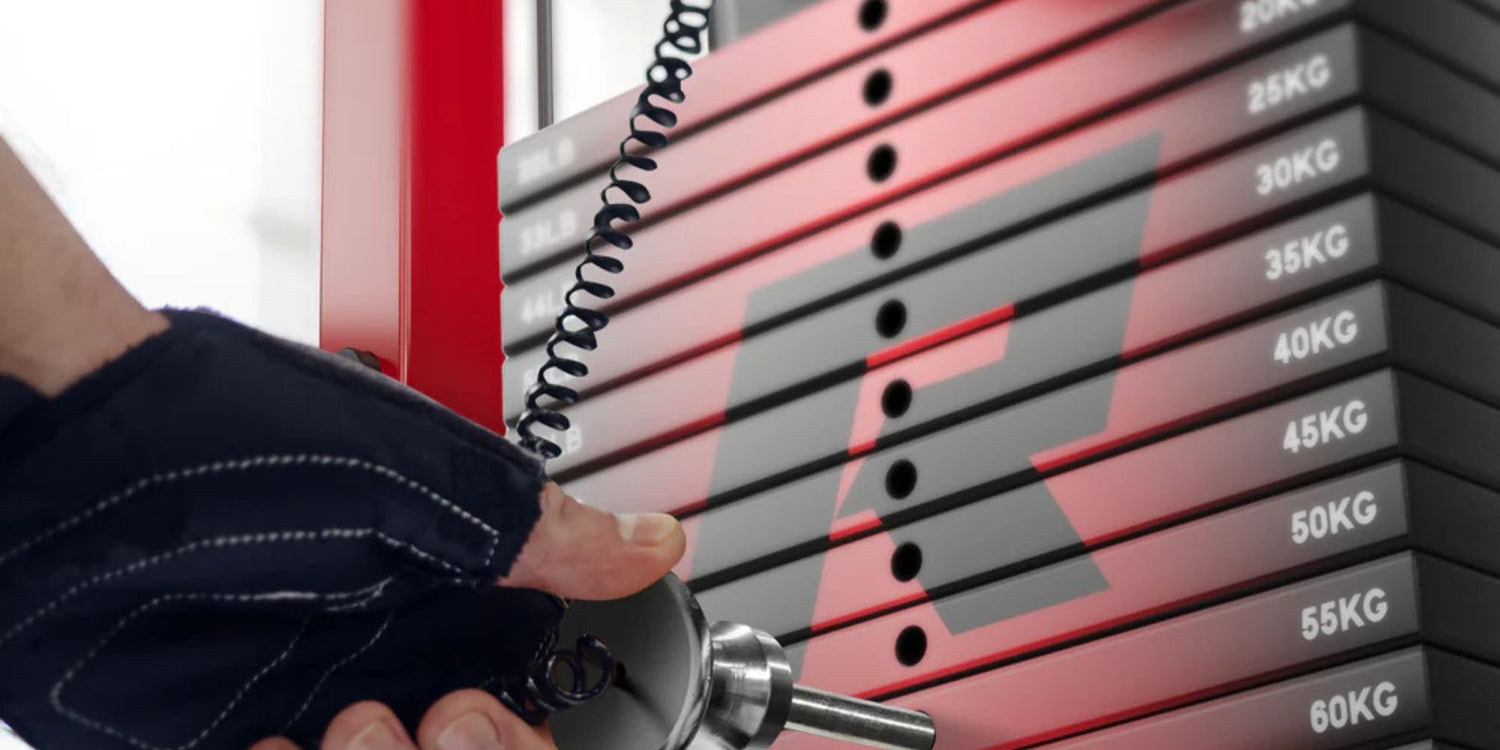
Lifters who prefer precision tracking can utilize weight stack indicator stickers to monitor resistance increments accurately. For those needing extra resistance, the WSM1 264 lb weight stack set ensures substantial loading for heavy cable rows and pulldowns.[4]
If you are evaluating alternative heavy-duty setups, the RitFit BPC06 smith machine and the RitFit Buffalo Smith Machine Package provide alternative configurations for specialized training preferences. In a third-party hands-on review of the RitFit Buffalo, the YouTube channel Luke's Garage Gym documented the machine's pros and cons and highlighted its all-in-one versatility, combining a smith machine, functional trainer, power rack, lat pulldown, and cable crossover in one compact footprint, alongside a dual pulley system with 14 cable settings and a 2:1 pulley ratio.[5]
Which Safety Features Make the M1 Pro Ideal for Solo Lifters?
The RitFit M1 Pro features dual mechanical safety spotter catches with multiple lockout peg heights to protect solo lifters during heavy sets. A simple wrist rotation locks the barbell into solid steel catches instantly if fatigue prevents completing a repetition.
This fail-safe engineering eliminates the risk of getting pinned beneath a heavy barbell during bench presses or deep squats. Practicing proper lockout mechanics gives lifters the psychological confidence needed to push sets to genuine muscular failure safely.
"The smith machine is great because it's going to take a lot of the pressure out of your shoulders because it's supporting itself and you can do a little bit more weight on here. So it can help you break some barriers too, and also if you don't have a spotter you can utilize the tabs, put that right here so if you drop it it'll just bounce and then you won't hurt yourself."
Jeff Cavaliere, MSPT, CSCS, Physical Therapist and Strength Coach, former Head Physical Therapist for the NY Mets
Having reliable mechanical spotters ensures consistent training intensity without depending on a workout partner.
How to Optimize Your Garage Space for the RitFit M1 Pro?
Optimizing your garage space requires allocating an 8-foot by 8-foot area to provide comfortable walking clearance around the machine. Ensure your ceiling height is at least 85 inches to allow full range of motion during chin-ups and overhead exercises.
Position the machine against a flat perimeter wall with rubber gym flooring beneath the frame to absorb vibration and protect concrete subfloors. Keep at least two feet of side clearance to easily access weight stack selector pins and side storage pegs.
- Floor Protection: Install 3/8-inch or 8mm high-density rubber stall mats to ensure frame stability and floor longevity.
- Ceiling Clearance: Confirm that overhead garage door openers and tracks do not interfere with the upper pull-up frame.
Proper space planning creates an inviting and safe training environment for everyday lifting sessions.
"It doesn't take up a ton of space. It took about 4 hours for one person to assemble. It's perfect!"
Margo S. Verified Buyer, RitFit M1 PRO Smith Machine Weight Stack Home Gym Package
Best Maintenance Practices to Keep Your Smith Machine Smooth
Maintaining a smooth smith machine requires regular lubrication of chrome guide rods with silicone-based lubricant. Avoid using sticky oil lubricants like standard WD-40 which attract dust, chalk, and grime over time.
Inspect aircraft-grade nylon coated cables monthly to check for tension consistency and wear along pulley grooves. Wipe down steel uprights and sweat contact zones with a microfiber towel after each training session to prevent oxidation.
- Guide Rod Care: Apply a light coat of pure silicone spray every four to six weeks to maintain frictionless bar glide.
- Cable Inspection: Check cable termination points and tighten pulley bolts to preserve factory-smooth travel.
Consistent preventative maintenance extends the operational lifespan of your investment for years of hard training.
FAQs About Best Smith Machine With Weight Stack
What makes a smith machine with weight stack better than plate loaded racks?
A smith machine with weight stack offers rapid pin selection between sets without manual plate loading. This design saves training time, improves workout pacing, eliminates floor clutter, and delivers instant resistance adjustments for super sets and drop sets during solo home gym workouts.
How much ceiling height is required for the RitFit M1 Pro?
The RitFit M1 Pro stands at approximately 85 inches tall and requires a standard 8-foot residential ceiling for safe operation. This clearance allows full range of motion during overhead pull-ups, high cable crossovers, and upright storage in standard garage setups without contacting ceiling rafters.
Can you perform heavy squats safely on the RitFit M1 Pro smith machine?
Heavy squats can be performed with total safety on the RitFit M1 Pro thanks to adjustable steel safety spotter catches. Lifters can push every set to complete muscular failure without a training partner, knowing the dual lockout pegs instantly secure the barbell at any chosen height.
What is the cable pulley ratio on the RitFit M1 Pro?
The RitFit M1 Pro features a dual pulley system that offers smooth cable travel for both upper and lower body movements. This configuration delivers consistent resistance curve dynamics, perfect tension throughout the range of motion, and excellent versatility for unilateral chest flyes and lateral raises.
How long does assembly take for the RitFit M1 Pro smith machine?
Assembly typically takes between 4 and 6 hours for two adults using the included hardware and step-by-step assembly manual. RitFit provides numbered bolt blister packs and detailed installation videos to ensure a seamless setup experience in home garages and personal training spaces.
Can you upgrade the weight stacks on the RitFit M1 Pro later?
Users can expand their resistance capabilities by attaching additional plate horns or utilizing official RitFit weight stack expansion accessories. This modular capability ensures that lifters of all experience levels can continue applying progressive overload as strength improves over years of training.
Conclusion
The RitFit M1 Pro stands as the best smith machine with weight stack for home lifters seeking complete commercial gym versatility in a compact footprint. Its heavy-duty steel frame, smooth linear bearing guide rods, and dual 132 lb selectorized weight stacks deliver safe, progressive strength training for every major muscle group.
Transform your garage workouts today by exploring our latest seasonal promotions and financing options through the RitFit discount guide.
Disclaimer
This guide is for informational and educational purposes only and does not constitute medical or professional fitness advice. Always consult a qualified physician or certified fitness trainer before beginning any new heavy resistance training program.
References
1. Haugen ME, Vårvik FT, Larsen S, Haugen AS, van den Tillaar R, Bjørnsen T. Effect of free-weight vs. machine-based strength training on maximal strength, hypertrophy and jump performance - a systematic review and meta-analysis. BMC Sports Sci Med Rehabil. 2023;15(1):103. doi:10.1186/s13102-023-00713-4. PMCID: PMC10426227
2. Saeterbakken AH, Olsen A, Behm DG, Bardstu HB, Andersen V. The short- and long-term effects of resistance training with different stability requirements. PLoS One. 2019;14(4):e0214302. doi:10.1371/journal.pone.0214302. PMCID: PMC6443166
3. Migliaccio GM, Dello Iacono A, Ardigo LP, et al. Leg Press vs. Smith Machine: Quadriceps Activation and Overall Perceived Effort Profiles. Front Physiol. 2018;9:1481. doi:10.3389/fphys.2018.01481. PMCID: PMC6206431
4. Lopez P, Radaelli R, Taaffe DR, et al. Resistance Training Load Effects on Muscle Hypertrophy and Strength Gain: Systematic Review and Network Meta-analysis. Med Sci Sports Exerc. 2021;53(6):1206-1216. doi:10.1249/MSS.0000000000002585. PMCID: PMC8126497
5. Luke's Garage Gym. RitFit Buffalo Smith Machine Review [video]. YouTube. 2025.