Table of Contents
You can build a better V taper with pulldowns if you train lat width, shoulder width, and posture together. This guide explains the key muscles, why pulldown variations work so well, and how to run a simple two months back and shoulder plan with a cable machine or Smith machine lat attachment.
Key Takeaways
- A strong V taper comes from wider lats, fuller side delts, stronger rear delts, and better posture.
- Pulldown variations make lat training easier to feel, easier to control, and easier to progress than many lifters experience with pull ups.
- Most sets should stop with about 1 to 2 reps in reserve so technique stays clean and recovery stays manageable.
- Rotating wide, underhand, and neutral grips improves joint comfort and gives you broader lat and upper back coverage.
- Visible results come faster when you combine upper body width work with solid recovery, stable bracing, and a leaner waistline.
Key Muscle Groups for Width (The "V")
A V taper is mostly a shoulder to waist illusion created by wider lats, wider delts, and better upper body posture. Fat loss can sharpen the look, but the structure comes from muscle placement and how you carry your torso.
- Latissimus dorsi and teres major: These muscles create the wing like flare that makes the torso look wider from the front and back. They work hardest when you pull the upper arm down and in while keeping the rib cage and torso stable.
- Lateral deltoids: Side delts add visible width to the frame and make the waist look smaller by comparison. If your lateral delts are undertrained, your V taper will look flatter even if your back is strong.
- Rear deltoids: Rear delts help pull the shoulders back and support a fuller upper back look. They also balance pressing heavy programs that can leave lifters rounded forward.
- Trapezius, rhomboids, and lower scapular stabilizers: These muscles do not create the V shape alone, but they keep the shoulder blades controlled and the chest proud. Strong scapular control helps your lat work look better and keeps pulldowns from turning into sloppy arm work.
- Waist presentation: A tight waist is partly about body fat, but it is also about posture, rib position, and bracing. A lifter who stands tall with the ribs stacked over the pelvis almost always looks wider up top.
Why the Pull-Down Is Superior for Isolation
Pulldowns are often easier to isolate than pull ups because the setup is more stable and the load is easier to match to your current strength. That makes it easier to feel the lats, control the full range, and add reps or weight over time.
- More consistent tension: The cable keeps tension on the target muscles through most of the rep. You do not have to manage your full bodyweight, so you can focus on elbow path and shoulder position.
- Better loading options: Pulldowns are easy to micro progress with small increases in weight or reps. That is useful for beginners, home gym lifters, and anyone rebuilding after a break.
- Grip variety with clear purpose: Wide grips often bias upper lat width, underhand grips can increase arm contribution while still training the lats, and neutral grips usually feel strongest and friendliest on the joints. Using more than one grip across the week is usually smarter than chasing a single perfect setup.
- Joint friendly adjustments: If your shoulders or elbows do not like very wide or underhand grips, you can switch to a neutral grip and keep training hard. That flexibility makes pulldowns easier to keep in the program long enough to produce visible results.
The V Taper Workout Plan
This plan is built for two back and shoulder sessions per week because that is enough volume for many beginners and intermediates to grow without burying recovery. The goal is to build upper body width first, then fill in rear delts and upper back support so the shape looks complete.
Who This Plan Fits Best
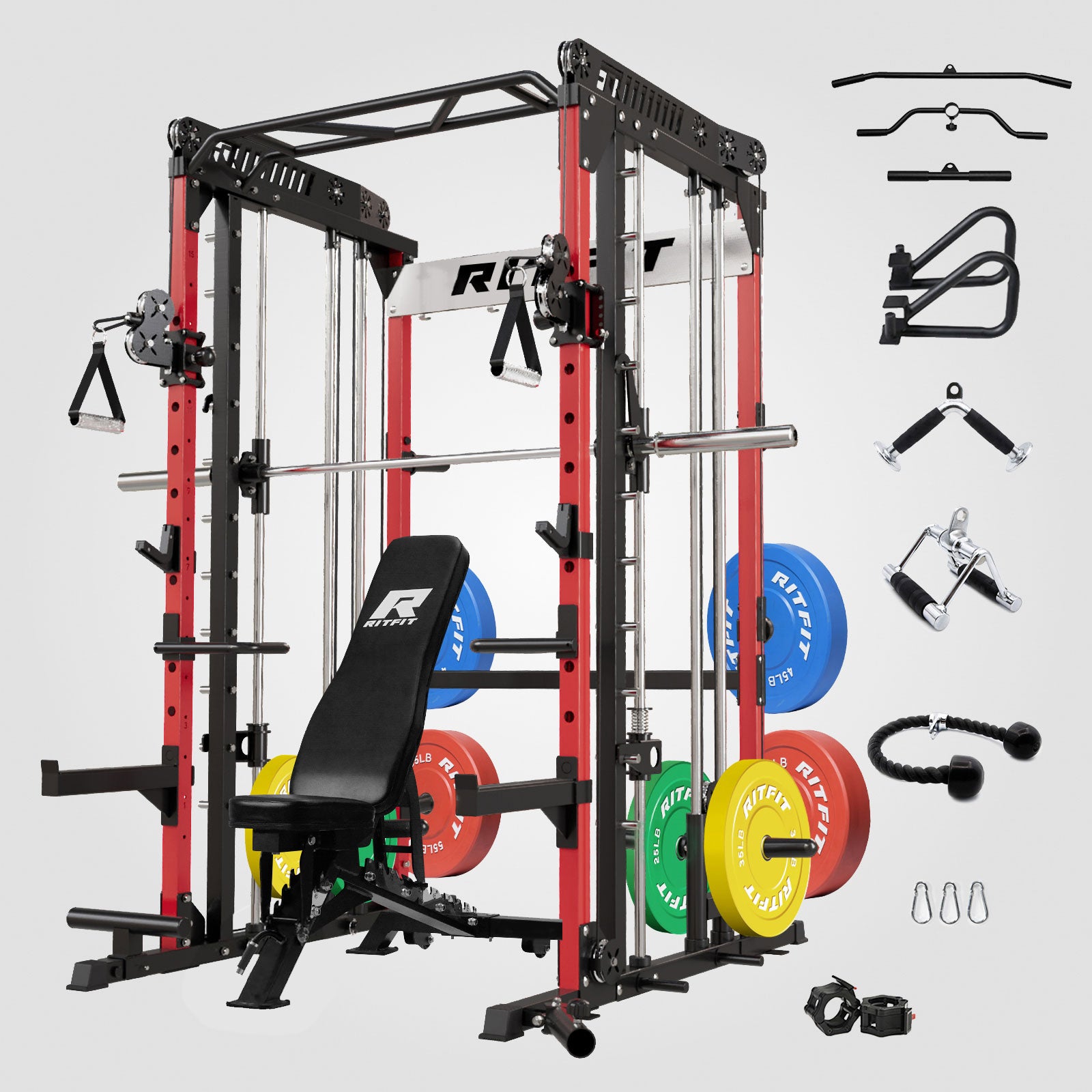
This plan works best for beginners to intermediate lifters who want a simple cable focused path to a wider upper body. It also fits home gym users with a cable tower or a Smith machine that includes a lat pulldown station.
Who Should Modify or Avoid
Anyone with current shoulder impingement symptoms, painful overhead motion, recent shoulder dislocation, acute neck pain, or nerve symptoms should use joint friendly variations and get qualified guidance. Neutral grip pulldowns, chest supported rows, and lighter face pulls are usually better starting points than aggressive wide grip pulling.
Weekly Frequency and Recovery
Train this routine two times per week with at least 48 to 72 hours between sessions. Muscles grow when training stress and recovery match each other, not when every set is taken to failure.
Effort target
Use a load that leaves about 1 to 3 reps in reserve on most sets. Take the last set of an exercise closer to effort if form stays clean. If your shoulders shrug or your torso swings, the set is too heavy.
Rest times
Rest 90 to 150 seconds after pulldowns. Rest 60 to 90 seconds after face pulls and lateral raises. If you are chasing better technique and mind muscle connection, longer rests usually help.
Warm-Up
Spend 5 minutes doing dynamic movements. Arm circles, band pull aparts, and light cardio will get blood flowing to the muscles of the shoulder and back. Never start lifting cold. Then do 2 to 3 ramp up sets on your first pulldown, increasing weight gradually while keeping perfect form.
5 Best Exercises for a V Taper
Exercise 1: Wide Grip Lat Pull Down
Target: Upper Lats (Width)
Sets: 4
Reps: 10 to 12
This is the bread and butter of back width. A study in the Journal of Strength and Conditioning Research found that a wide grip lat pulldown elicits high lat activation with less biceps involvement compared to narrow grips, making it superior for isolation[1].
Execution: Attach a wide bar to the high pulley. Grasp the bar with a grip wider than shoulder width. Sit down and secure your knees under the pads. Lean back very slightly, just enough to clear your face. Initiate the movement by depressing your shoulder blades down. Drive your elbows straight down towards the floor. Imagine you are trying to tuck your elbows into your back pockets. Pause at the bottom when the bar reaches your upper chest, then slowly return to the top.
Instructional Insight: Do not pull the bar too low. Stopping at the upper chest keeps the tension on the lats. If you pull it down to your belly button, the shoulders can roll forward and the tension may shift away from the lats. If a wide grip irritates your shoulders, reduce grip width slightly or switch to a neutral grip handle while keeping the same cues.
Exercise 2: Reverse Grip Pull Down
Target: Lower Lats and Biceps (Thickness)
Sets: 3
Reps: 10 to 12
Changing your hand position changes the muscle recruitment pattern completely so that a supinated (underhand) grip significantly increases biceps brachii contribution while targeting the lower lats[2].
Execution: Grab the bar with your palms facing your face, hands about shoulder-width apart. As you pull down, keep your elbows close to your sides. Do not let them flare out. Pull the bar down to your mid-chest. You will feel a strong contraction in the lower portion of the back.
Instructional Insight: This variation places more load on the biceps. Use this to your advantage. Focus on squeezing the back hard at the bottom to ensure the lats are doing the majority of the work, not just the arms. If your wrists or elbows complain with an underhand grip, use a neutral V handle instead and keep elbows close to the body.
Exercise 3: V Bar (Neutral Grip) Pull Down
Target: Mid Back and Overall Lat Sweep
Sets: 3
Reps: 12 to 15
The neutral grip (palms facing each other) is generally the strongest position for most people. It is also very friendly on the shoulder joints. This movement bridges the gap between width and thickness.
Execution: Attach the V handle. Lean back slightly more than you did for the wide grip variation. Pull the handle down towards your upper chest, focusing on driving the elbows back behind your torso. Squeeze your shoulder blades together at the bottom of the movement.
Instructional Insight: Visualizing the squeeze is key here. Imagine there is a pencil between your shoulder blades and you are trying to crush it every time you pull the weight down. If you feel this mostly in your arms, think “elbows are hooks” and consider using lifting straps so grip does not cap your back volume.
Exercise 4: Cable Face Pulls
Target: Rear Delts, Rhomboids, Rotator Cuff
Sets: 4
Reps: 15 to 20
This is arguably the best exercise for posture and shoulder health. Face pulls are clinically recommended to strengthen the lower trapezius and rotator cuff, counteracting the effects of anterior-dominant training[3].
Execution: Set the pulley to slightly above head height. Attach a rope handle. Grasp the ends of the rope with your thumbs facing the floor. Pull the rope towards your face, separating your hands as they get closer to your head. Your goal is to get your hands back behind your ears while keeping your elbows high.
Instructional Insight: Think of this as a pose. At the end of the movement, you should look like a bodybuilder hitting a double biceps pose. Do not go heavy. This exercise is about form and activation, not lifting maximum weight. If you feel neck tension, lower the load, keep ribs down, and focus on pulling with the rear shoulders instead of shrugging.
Exercise 5: Single-Arm Cable Lateral Raises
Target: Side Delts (Width)
Sets: 3 per side
Reps: 12 to 15
We finish the V-taper workout with isolation for the side delts. Cables provide continuous tension throughout the rep, unlike dumbbells, where the tension is lost at the bottom.
Execution: Set the pulley to the lowest position. Stand sideways to the machine. Grasp the handle with the hand furthest away. Pull the handle up and out to the side until your arm is parallel to the floor. Lower it slowly.
Instructional Insight:
Lead with your elbow. Imagine you are pouring water out of a pitcher. This slight internal rotation can help the side delt take the load rather than the front delt. Keep your shoulder down and away from your ear. If you cannot, the weight is too heavy.
Optional finisher for thickness, if you have time and recovery capacity
Add 2 sets of a chest supported cable row or a seated cable row for 10 to 12 reps, staying 1 to 2 reps in reserve. This can boost mid back thickness without turning pulldowns into sloppy rows.
Common Mistakes That Kill Your V-Taper
The best V taper plan still fails if your execution shifts the work away from the target muscles. Most stalled progress comes from bad torso position, poor shoulder control, or trying to move too much weight too soon.
- Using momentum: A small lean is fine, but a big torso swing turns the pulldown into a half row. If your body rocks back and forth, the weight is too heavy for the goal of this program.
- Shrugging the shoulders: Rising shoulders shift tension into the upper traps and neck. Keep the shoulders down as you start each rep so the lats can do their job.
- Pulling with the hands: A death grip can make your forearms and biceps fatigue first. Think of the hands as hooks and the elbows as the true drivers of the rep.
- Skipping side delts: Many lifters chase back width and forget shoulder width. Even a strong back looks less dramatic if the lateral delts never get enough direct work.
- Ignoring rear delt and mid back balance: Too much pressing and not enough face pulls or rear delt work can make the shoulders roll forward. Poor posture hides the shape you are trying to build.
- Cutting the range short: Half reps reduce the stretch and make progression harder to track. Use a full controlled range that you can repeat cleanly from set to set.
- Changing exercises too fast: Constant variation feels exciting but makes overload harder. Keep the main movements in place long enough to add reps, improve control, and earn stronger execution.
Programming Your Success
Consistency matters more than novelty when the goal is visible width and shape. Most lifters get better results by repeating a small group of movements with better form and slightly better performance each week.
- Train the routine twice per week: One hard session rarely gives enough quality volume for the lats and delts to grow well. Two sessions usually give a better balance of stimulus, practice, and recovery.
- Aim for useful weekly volume: Most beginners to intermediates do well with about 10 to 16 hard sets per week for the lats and upper back combined. Most also do well with about 8 to 14 hard sets per week for the delts when those sets are close enough to effort to matter.
- Progress with a simple rule: Add reps first, then add a small amount of weight. That keeps your technique stable and prevents ugly form jumps.
- Pair it with the rest of your split wisely: Keep very heavy pressing or high volume arm work away from your hardest pulldown session when possible. Fresh shoulders and elbows usually mean better lat training.
- Use straps when grip is the bottleneck: Grip strength matters, but it should not be the reason your lats miss productive work. Straps are especially useful on higher rep neutral grip pulldowns and rows.
Progression template for 4 to 8 weeks
Use the same main exercise menu long enough to build skill, not just fatigue. A repeatable progression model makes it easier to see whether your back and shoulders are actually getting stronger and fuller.
- Week 1 to 2: Choose loads that let you hit the low end of each rep range with about 2 to 3 reps in reserve. Focus on clean reps, stable ribs, and smooth shoulder position.
- Week 3 to 4: Keep the same exercises and add reps where possible until you reach the top of the rep range on most sets. Stay around 1 to 2 reps in reserve and do not sacrifice control.
- Week 5: Add a small amount of weight to the main pulldowns and return to the low end of the rep range. Keep the face pulls and lateral raises strict rather than turning them into ego lifts.
- Week 6: Try to add one rep to as many sets as you can with the new load. Small wins matter because they keep progression moving without beating up the joints.
- Week 7: Push the last set of your first pulldown variation close to 0 to 1 reps in reserve if your shoulder position still looks clean. Keep the rest of the workout controlled so fatigue does not wreck your mechanics.
- Week 8: Deload if your joints feel beat up, your reps are dropping, or your motivation is flat. Reduce total sets by about 30 to 40 percent and use the week to recover, not to prove toughness.
FAQs
Are lat pulldowns better than pull ups for building a V taper?
Yes, pulldowns are often superior for isolation because the setup is more stable. You do not have to manage your full bodyweight. This stability makes it easier to feel the lats working. You can easily adjust the weight to match your current strength and focus on proper elbow path.
How many times a week should I train for a V taper?
You should train this back and shoulder routine two times per week. One hard session rarely provides enough quality volume for optimal muscle growth. Two weekly sessions give beginners and intermediate lifters a better balance of training stimulus and recovery. You should leave adequate rest days between your workouts.
Does a wide grip lat pulldown target different muscles than a reverse grip?
Yes, a wide grip focuses heavily on upper lat width while minimizing arm involvement. An underhand grip shifts more of the load onto the lower lats and significantly increases biceps contribution. Using multiple grip variations throughout your training week provides broader muscle coverage and helps prevent joint discomfort.
Why do I only feel my arms working during a lat pulldown?
You are likely pulling with your hands instead of driving your elbows down. Gripping the bar too tightly causes your forearms and biceps to fatigue before your back muscles. You should think of your hands as simple hooks. Focus on pulling your elbows straight down toward the floor instead.
Can strong side deltoids really improve the look of my V taper?
Yes, well developed lateral deltoids add crucial visible width to your upper frame. This extra shoulder width creates an optical illusion that makes your waist look significantly smaller by comparison. Your overall shape will appear flat if you only train your back and neglect direct side shoulder isolation exercises.
What is the best cable exercise for improving upper body posture?
Cable face pulls are the best exercise for correcting upper body posture. They strengthen the rear deltoids and lower trapezius muscles. These muscles pull your shoulders back and counteract the forward rounding caused by heavy pressing routines. Standing tall with controlled shoulder blades instantly makes your upper body look wider.
Conclusion
A better V taper comes from building wider lats, fuller side delts, stronger rear delts, and cleaner posture at the same time. Stay with this plan for at least 4 to 8 weeks, rotate grips based on comfort and muscle feel, and your upper body will start to look broader even before you add a large amount of muscle.
Important disclaimer: This article is for general educational purposes only and is not medical advice. If you have shoulder, neck, back, elbow, or wrist pain, a recent injury or surgery, numbness or tingling, unexplained weakness, or dizziness, consult a qualified clinician before starting. Stop any exercise that causes sharp pain.
References
- Andersen V, Fimland MS, Wiik E, Skoglund A, Saeterbakken AH. Effects of grip width on muscle strength and activation in the lat pull-down. J Strength Cond Res. 2014;28(4):1135-1142. doi:10.1097/JSC.0000000000000232
- Lusk SJ, Hale BD, Russell DM. Grip width and forearm orientation effects on muscle activity during the lat pull-down. J Strength Cond Res. 2010;24(7):1895-1900. doi:10.1519/JSC.0b013e3181ddb0ab
- Abiara S, Heinrichs V, Chorneyko A, Lang AE. Acute effects of lower trapezius activation exercises on shoulder muscle activation during overhead functional tasks in symptomatic and asymptomatic adults. PeerJ. 2025;13:e19861. Published 2025 Aug 6. doi:10.7717/peerj.19861