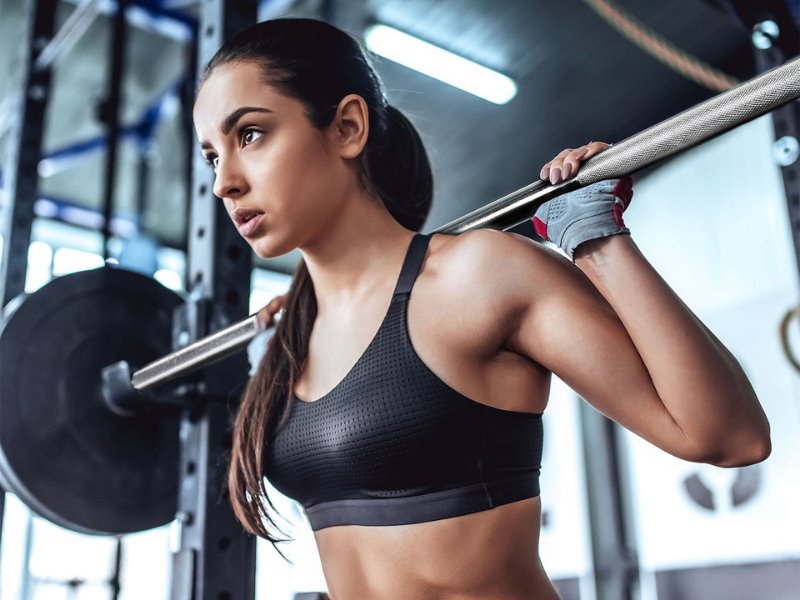
An Olympic barbell usually weighs 20 kilograms for a standard men’s bar and 15 kilograms for a standard women’s bar. That answer matters because not every bar in a home gym, commercial gym, or Smith machine starts at the same weight.
You should count the bar itself every time you calculate total load. Accurate math improves training logs, progressive overload, and equipment buying decisions.
Key Takeaways
- A standard men’s Olympic bar usually weighs 20 kilograms or 44.1 pounds.
- A standard women’s Olympic bar usually weighs 15 kilograms or 33.1 pounds.
- You should always count the bar when calculating total lifted weight.
- Smith machine bars and specialty bars do not follow one universal starting weight.
- For most home gyms, a durable multi purpose Olympic bar is the smartest first bar to buy.
The Short Answer
| Bar Type | Typical Standard Weight | Best Use |
|---|---|---|
| Men’s Olympic Bar | 20 kg or 44.1 lb | General strength training, powerlifting, home gym use |
| Women’s Olympic Bar | 15 kg or 33.1 lb | Olympic lifting, smaller grip preference, general training |
| Smith Machine Bar | Varies by machine | Guided bar path and machine based lifting |
If you load one 45 pound plate on each side of a 20 kilogram bar, the total is 134.1 pounds. Many lifters round that setup to 135 pounds in casual gym talk, but exact tracking is better for programming.
Why Bar Weight Matters
You should count the bar because the bar is part of the total resistance your muscles and joints must move. Ignoring it makes your training log less accurate and can distort rep targets, percentage work, and estimated maxes.
This matters even more for beginners, home gym owners, and anyone using specialty bars or a Smith machine. Different bars can change the starting load enough to affect technique, fatigue, and exercise selection.
Standard Olympic Barbell Weights
Men’s Olympic Bar
A standard men’s Olympic bar weighs 20 kilograms or 44.1 pounds. It is the most common bar for general strength training, powerlifting style work, and many home gym setups.
Women’s Olympic Bar
A standard women’s Olympic bar weighs 15 kilograms or 33.1 pounds. It is usually shorter and thinner, which can make grip and control easier for many lifters.
Technique and Youth Bars
Technique and youth bars weigh less than full size Olympic bars so beginners can practice movement patterns with less starting load. They are useful for skill work, warm ups, and learning bar path before heavier training.
- Common range: Many technique bars fall somewhere between 5 kilograms and 15 kilograms.
- Best use: They work well for beginners, youth athletes, and technical practice.
- Main limitation: Many lighter bars are not made for heavy loading, so capacity matters as much as empty weight.
Standard One Inch Bars
A standard one inch bar is not the same as an Olympic bar because it uses different plates and usually weighs much less. These bars are often better for light home workouts than long term strength progression.
- Common range: Many standard bars weigh roughly 15 to 25 pounds.
- Plate fit: They use one inch plates instead of Olympic two inch plates.
- Main takeaway: If you want a versatile long term bar, a true Olympic bar is usually the better choice.
Standard Dimensions That Affect Feel
Barbell weight is only part of the story because length, shaft diameter, and sleeve design also change how a bar feels in your hands and on your back. These details influence grip comfort, whip, stability, rack fit, and exercise performance.
- Men’s Olympic bar: Usually about 2.2 meters long with a 28 to 29 millimeter shaft.
- Women’s Olympic bar: Usually about 2.01 meters long with a 25 millimeter shaft.
- Sleeve diameter: Olympic sleeves are designed for two inch plates.
Men’s, Women’s, and Multi Purpose Bars
Not every 20 kilogram bar is built for the same training style. A weightlifting bar, power bar, and multi purpose bar can feel very different even when the scale weight is similar.
- Weightlifting bars: Usually offer more spin and a bit more whip for dynamic lifts.
- Power bars: Usually feel stiffer and more stable for squats, bench presses, and deadlifts.
- Multi purpose bars: Balance spin, stiffness, and grip comfort for general home gym use.
Shaft Diameter and Grip
Shaft diameter changes how secure the bar feels, especially during pulls, rows, cleans, and presses. A thinner shaft is often easier to grip, while a thicker shaft usually feels stiffer under heavy load.
- 28 millimeters: Common for Olympic weightlifting bars.
- 28.5 millimeters: Common for general purpose bars.
- 29 millimeters: Common for power bars focused on stiffness.
Whip and Bar Flex
Whip is the natural flex of the bar under load. More whip can help Olympic lifts, while less whip usually feels better for slower strength lifts.
Most beginners do not need to obsess over whip. For a garage gym, a solid multi purpose bar is usually the most practical starting point.
Knurling and Center Knurl
Knurling is the textured grip pattern on the shaft. The right knurl should improve control without feeling unnecessarily harsh for your training style.
- Passive knurling: More comfortable for higher volume training and mixed use.
- Aggressive knurling: Better for maximal pulling and heavy low rep work.
- Center knurl: Useful for back squats because it helps the bar stay secure on the upper back.
Bushings vs Bearings
Sleeve rotation matters because the plates should spin instead of forcing your wrists and elbows to absorb all the twist. This is one reason a true Olympic bar usually feels smoother than a cheap fixed sleeve bar.
- Bushings: Usually more affordable, durable, and ideal for most home gym lifters.
- Bearings: Usually spin faster and are often preferred for Olympic lifting.
- Best choice for most buyers: A good bushing bar is enough for squats, presses, rows, and deadlifts.
Bar Coatings and Rust Resistance
Finish affects feel, maintenance, and corrosion resistance more than bar weight. In a home gym, the best finish is the one that fits your climate and maintenance habits.
- Bare steel: Great feel but needs the most care.
- Stainless steel: Excellent feel with strong rust resistance.
- Zinc or chrome: Solid protection with a more traditional finish.
- Cerakote: Strong corrosion resistance with more color options, though knurl feel can seem slightly softer.
Specialty Barbells and Their Weight Ranges
Specialty bars often weigh more or less than a standard Olympic bar, so you should never assume the math is the same. This is where many lifters misload lifts and misreport personal records.
Trap and Hex Bars
Trap bars usually weigh more than a straight Olympic bar, but there is no single universal standard. Frame design, handle style, and whether the bar is open or closed all affect the empty weight.
- Typical range: Many trap bars fall somewhere around 45 to 70 pounds.
- Why it matters: Trap bar deadlifts can feel friendlier on the lower back, but the bar itself may start heavier than expected.
- Best practice: Check the manufacturer specification or weigh the bar yourself.
Safety Squat Bars
Safety squat bars are usually much heavier than a straight bar because of the padding, yoke, handles, and cambered design. They change both the empty load and how the weight sits on your body.
- Typical range: Many safety squat bars start around 55 pounds or more.
- Why it matters: The bar changes center of mass and can increase upper back demand.
- Best practice: Log the exact bar used, not just the plates you loaded.
Cambered and Buffalo Style Bars
Cambered and buffalo style bars do not reliably match the standard 20 kilogram baseline. They can reduce shoulder stress or change squat and bench mechanics, but they also change the math.
Swiss and Multi Grip Bars
Swiss bars can weigh much less or much more than expected depending on steel thickness, frame size, and overall design. Their neutral grip is often easier on the shoulders, elbows, and wrists.
EZ Curl Bars
EZ curl bars are shorter and lighter than full size barbells, so they are useful for curls and extensions but not interchangeable with Olympic bar math. Rackable versions are usually heavier than short non rackable versions.
- Typical range: Many EZ curl bars fall around 15 to 30 pounds.
- Best practice: Treat each curl bar as its own piece of equipment and verify the actual empty weight.
Axle Bars and Flexible Composite Bars
Axle bars, bamboo bars, and other specialty training bars vary too much to assume a standard starting load. Always verify the actual bar before you load plates or compare numbers with a straight bar.
Smith Machine Bar Weight
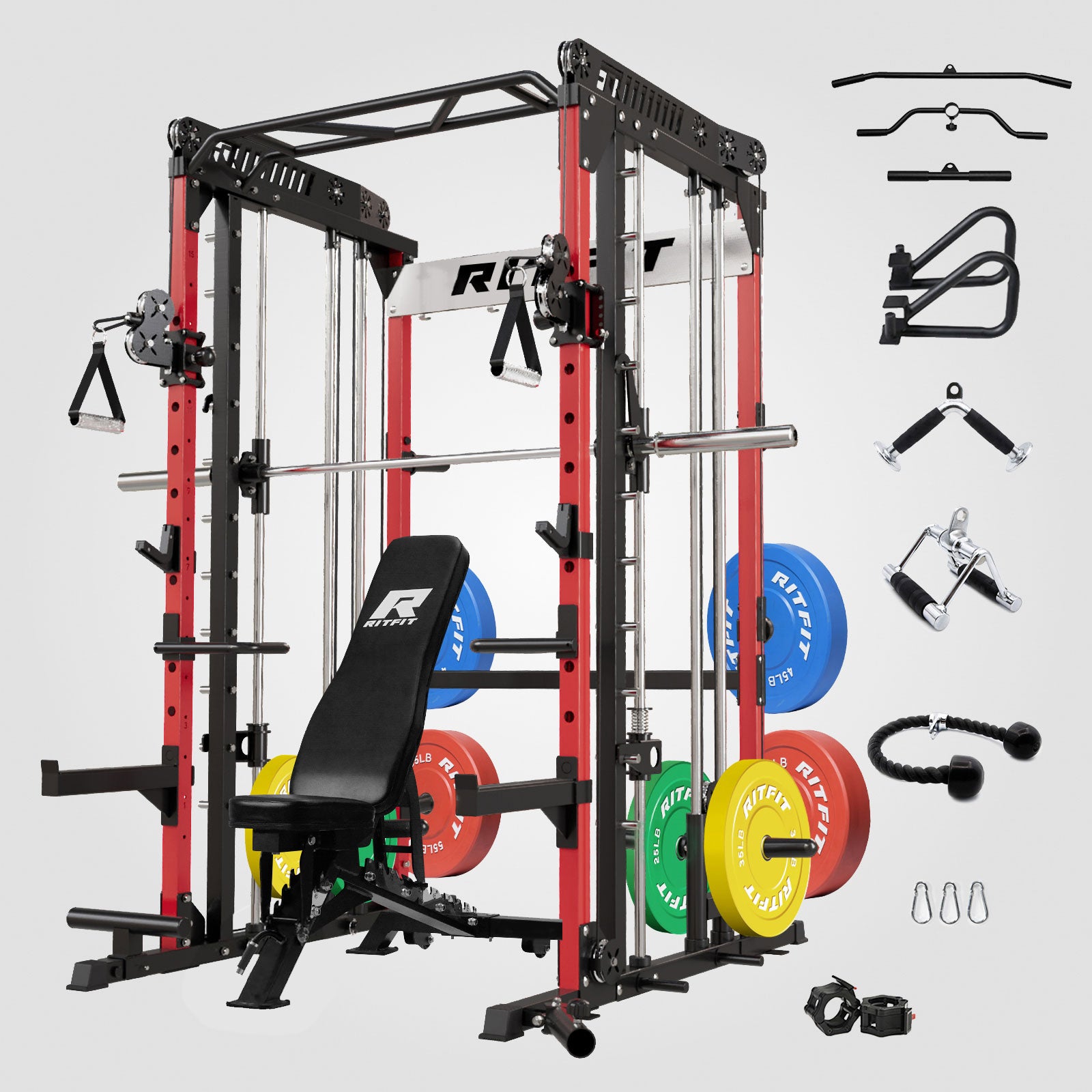
Smith machine bars create the most confusion because there is no single universal starting weight. A Smith machine bar can feel light, moderate, or surprisingly heavy depending on counterbalance, rail angle, friction, and design.
- Commercial counterbalanced Smith machines: Many start around 15 to 25 pounds.
- Some home Smith machines: Many start around 25 to 35 pounds.
- Important note: The felt resistance can differ from the listed bar weight because the machine changes how the load moves.
The safest approach is to check the manufacturer specification or ask gym staff if you are unsure. If the number is unclear, log the exact machine you used and stay consistent with your tracking.
Do Collars Count Toward the Weight?
Most everyday collars do not meaningfully affect barbell math, so many lifters ignore them in normal training. Competition collars are different because they are heavy enough to matter in formal settings.
- Basic collars: Usually ignored in day to day training.
- Competition collars: Usually counted in sanctioned lifting.
- Best rule: Be consistent with how you log them.
How to Calculate Total Barbell Weight
Counting total barbell weight is simple once you know the empty bar weight. You only need the bar, the plates on both sides, and any collars you intentionally choose to count.
- Step 1: Confirm the empty bar weight: Check whether you are using a 20 kilogram men’s bar, a 15 kilogram women’s bar, a specialty bar, or a Smith machine bar.
- Step 2: Add the plates on one side: Count every plate loaded on one sleeve before you double the number.
- Step 3: Double the plate load: Multiply the one side total by two if both sides match, then add the empty bar weight.
- Step 4: Decide whether collars count: Ignore light everyday collars unless you want very strict logging, and count competition collars when precision matters.
- Step 5: Record the exact setup: Log the bar type, total load, and any unusual setup details so future comparisons stay accurate.
Quick Examples
These examples show why exact bar weight matters even when gym shorthand sounds close enough. Small math differences add up over time when you track percentage work and personal records.
- Men’s Olympic bar plus one 45 per side: 44.1 plus 45 plus 45 equals 134.1 pounds.
- Women’s Olympic bar plus one 25 per side: 33.1 plus 25 plus 25 equals 83.1 pounds.
- Trap bar that weighs 60 pounds plus two 45s per side: 60 plus 90 plus 90 equals 240 pounds.
Rack Compatibility and Bar Length
Bar length matters if you train with a power rack, squat stand, or Smith machine because a short specialty bar may not rack safely. Before buying a bar for a home gym, compare the distance between sleeves with your rack width.
This matters most for curl bars, multi grip bars, and compact specialty bars. Fit and safe storage matter just as much as empty weight.
What Most Home Gym Buyers Should Purchase First
Most home gym owners should start with a quality multi purpose Olympic bar that weighs 20 kilograms. It is the most versatile option for squats, presses, deadlifts, rows, Romanian deadlifts, lunges, and general strength training.
You do not need a calibrated competition bar unless you compete or want highly specific standards. For most buyers, durability, sleeve smoothness, grip feel, and rust resistance matter more than elite level calibration.
Common Mistakes Lifters Make
- Assuming every bar weighs 45 pounds: Many bars weigh 44.1 pounds, 33.1 pounds, or something completely different.
- Ignoring specialty bar weight: Trap bars, safety squat bars, and Swiss bars can change the starting load a lot.
- Guessing Smith machine bar weight: Smith machine starting resistance varies too much to estimate blindly.
- Logging plates only: The bar is part of the lift and must be counted.
- Buying by price alone: A cheap bar with weak sleeves, poor steel, or low capacity often becomes a short term solution.
FAQs
How much does a standard Olympic barbell weigh?
A standard Olympic barbell weighs forty four pounds for men and thirty three pounds for women. You should always include this empty weight when calculating your total lifted load. Many gym goers round this to forty five pounds for convenience but accurate tracking requires using the exact number.
Do you count the barbell weight when lifting?
Yes, you must always count the barbell weight when calculating your total resistance. The bar is a significant part of the load your muscles and joints move during any exercise. Ignoring this empty weight will make your training log inaccurate and distort your progress over time.
Is a Smith machine bar the same weight as an Olympic bar?
No, a Smith machine bar does not have a universal starting weight like a standard bar. The resistance can feel very light or surprisingly heavy depending on the specific machine design. You should always check the manufacturer specifications or test the machine carefully to determine the exact starting load.
Why do specialty barbells weigh different amounts?
Specialty barbells weigh different amounts because their unique designs require extra materials like padding and complex frames. Trap bars and safety squat bars often weigh significantly more than standard equipment. You should never assume the math is the same and must verify the exact equipment weight before lifting.
Should I include the collars in my total weight calculation?
No, you generally do not need to include basic spring or plastic lock collars in your total weight calculation. These everyday clips are light enough that most lifters simply ignore them. You only need to count heavy competition collars if you are lifting in formal environments where precision matters.
Conclusion
An Olympic barbell usually weighs 20 kilograms for men and 15 kilograms for women, but that baseline does not apply to every bar in a gym. If you track the exact bar, count the full load honestly, and verify machine or specialty bars before lifting, your programming will be more accurate and your buying decisions will be smarter.