Table of Contents
- What Is a Pistol Squat?
- Who Should and Should Not Do Pistol Squats
- How to Do a Pistol Squat
- Pistol Squat Common Mistakes to Avoid
- Pistol Squat Safety Tips
- Pistol Squat Muscles Worked
- Pistol Squat Benefits
- Pistol Squat Variations
- The Pistol Squat Progression Plan
- Pistol Squat Alternatives
- Pistol Squat FAQS
The pistol squat is a challenging single leg squat that builds serious leg strength, balance, coordination, and core control using only your body weight. It is popular among strength athletes, runners, field sport players, and home gym users who want maximum results from minimal equipment.
At the same time, the pistol squat is an advanced movement. Trying it without preparation can easily overload your knees, ankles, or lower back. In this guide, we will walk you through what a pistol squat is, how to perform it with safe technique, how to progress toward your first full rep, and how to use variations and alternatives in a smart training plan.
What Is a Pistol Squat?
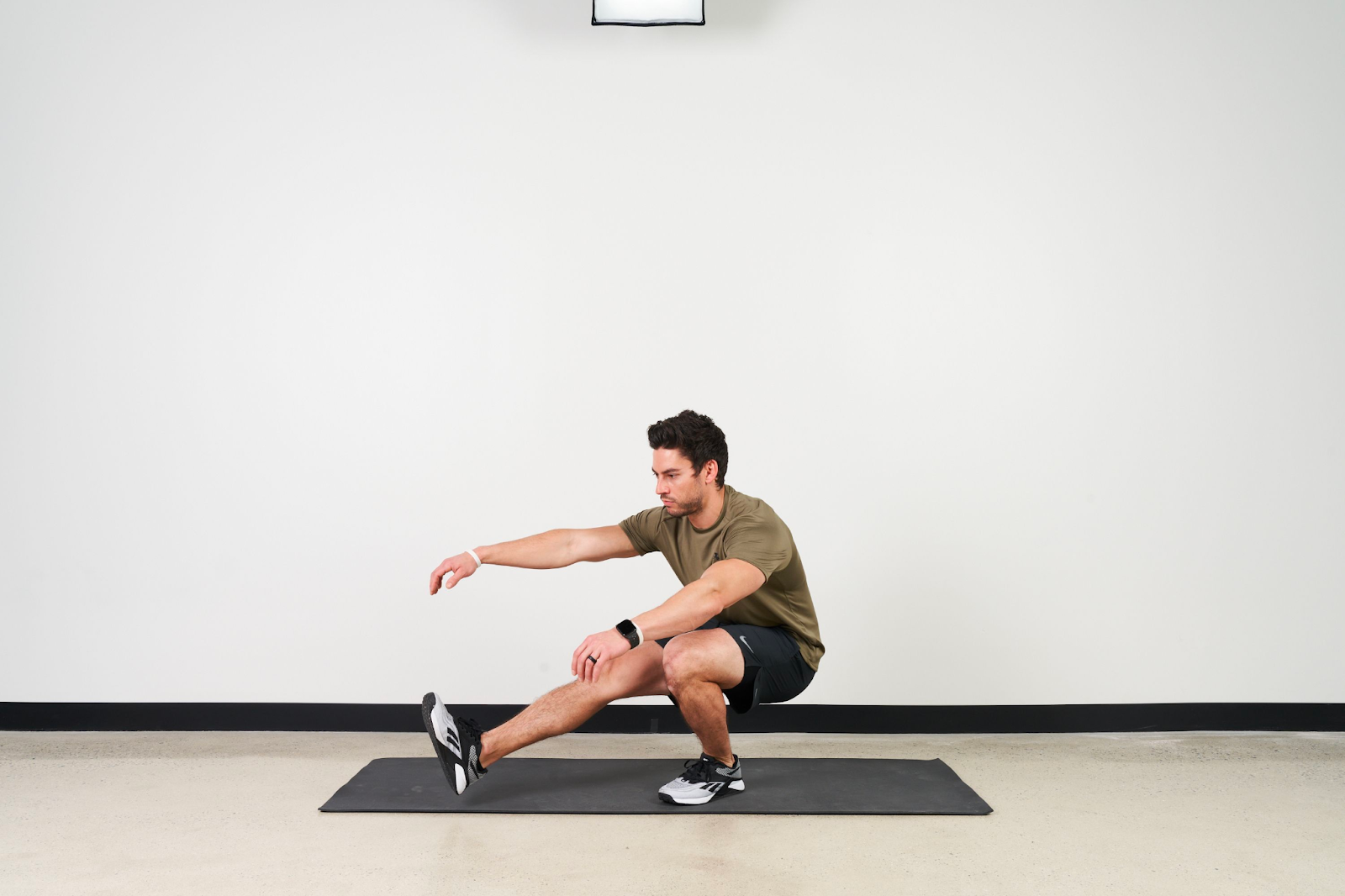
A pistol squat is a one leg squat where you lower your hips close to the floor while one leg stays extended in front of you and both arms reach forward for balance. The entire movement is done on a single leg without the other foot or your hands touching the ground.
Because all of your body weight is supported by one leg, pistol squats demand strong quads, glutes, hamstrings, and calves, plus excellent ankle mobility and core stability. Many coaches use pistol squats as a test of single leg strength and control instead of a beginner exercise.
Who Should and Should Not Do Pistol Squats
Pistol squats are best suited for people who already have:
- The ability to perform deep, controlled body weight squats with both legs
- Decent single leg balance, such as standing on one leg for thirty to forty five seconds without heavy wobbling
- Experience with movements like split squats, step ups, or lunges
You should be cautious with pistol squats, or avoid them, if you:
- Have current or recent knee, ankle, or hip injuries
- Struggle to balance on one leg even when holding onto support
- Experience sharp pain when squatting with both legs
When in doubt, start with the progressions and alternatives, and consult a qualified coach or healthcare professional before pushing into full pistol squats, especially if you have a history of joint pain or surgery.
How to Do a Pistol Squat
Use this step by step guide to dial in your pistol squat technique.
The Starting Position
- Stand tall with your feet about hip width apart, shoulders stacked roughly over your hips, and your gaze straight ahead. Relax your shoulders and keep your neck neutral.
- Shift your weight onto one foot. Spread your toes and feel three point contact through the heel, the base of the big toe, and the base of the little toe. This tripod position makes your balance much more stable.
- Gently lift the opposite leg in front of you, keeping the knee straight or slightly bent and the toes pulled up toward your shin. Lift the leg only as high as you can while staying in control.
- Reach both arms forward at about shoulder height. Your arms and the lifted leg act as counterweights to help you stay balanced as you descend.
- Brace your core as if someone is about to poke you in the stomach. The muscles should feel firm but not rigid. Take a small breath in and set your ribs over your pelvis to avoid over arching your lower back.
The Exercise
- Begin the descent by bending at the hip, knee, and ankle of the standing leg at the same time. Allow your torso to lean slightly forward while keeping your chest proud and your spine long.
- Keep your knee tracking in line with your second and third toes. Avoid letting it collapse inward. Imagine gently pushing the knee out over the middle of your foot.
- Lower under control as far as your mobility and strength allow. Over time, your goal is to reach a deep squat where your hip crease travels below knee level, but it is fine to start with a higher range if that is where you can stay stable and pain free.
- Pause briefly near the bottom position, keeping your lifted leg off the floor and your arms reaching forward. Your weight should remain evenly distributed across the entire foot, with a slight emphasis on the mid foot and heel.
- Drive through the heel and mid foot of the working leg to stand back up. Think about pushing the floor away from you while you squeeze your glutes and quads. Exhale as you rise.
- Finish tall with your hips fully extended, knees straight, and shoulders stacked over your hips again. Lower your lifted leg if needed, reset, and repeat for your target reps before switching sides.
Pistol Squat Common Mistakes to Avoid
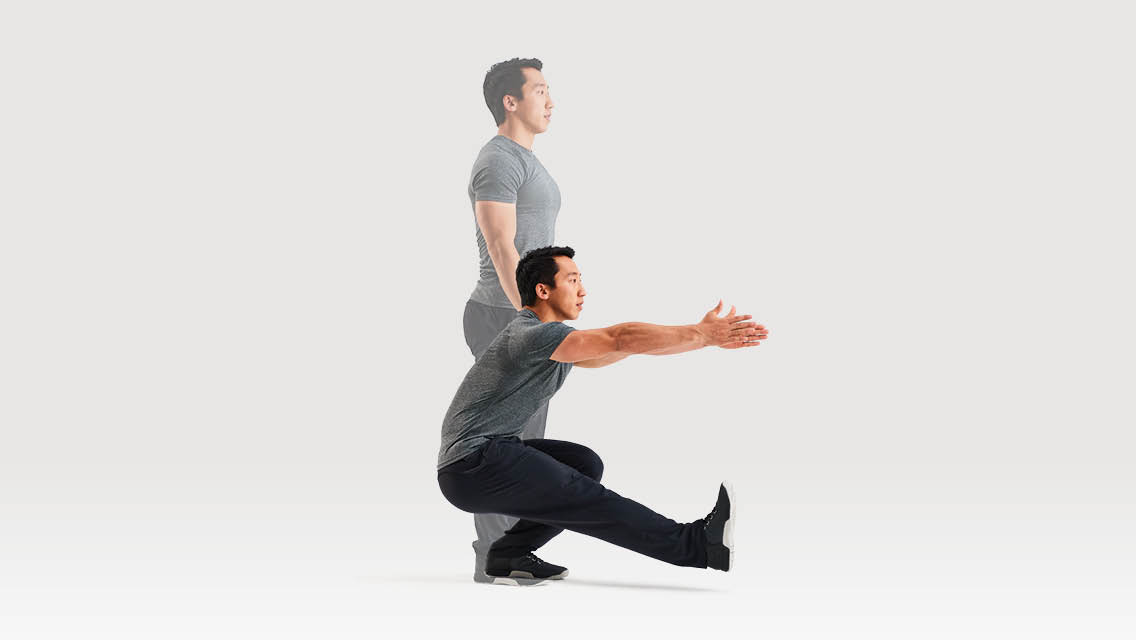
Because pistol squats are so demanding, small technical errors can quickly turn into joint stress or lost balance. Here are common pitfalls and how to fix them.
Not Warming Up
Going straight into pistol squats with cold joints and tight muscles is a recipe for poor form and discomfort. Take five to ten minutes to warm up with light cardio, dynamic leg swings, hip circles, and a few sets of body weight squats or lunges before practicing pistols.
You can also add a few ankle mobility drills, such as knee to wall rocks and calf stretches, to help your knees track forward over the toes without your heels lifting.
Bouncing Back Up
Dropping quickly into the bottom and bouncing out of the position might feel easier, but it reduces muscle tension and throws extra stress onto your joints. Instead, think slow and controlled on the way down and smooth and powerful on the way up. A two to three second descent with no bounce is a good target.
Lifting Your Heel
Another common mistake in the pistol squat is letting the heel of the working leg leave the floor. This shifts the load onto your toes, makes you unstable, and can overstress your ankle joint.
Focus on keeping your full foot rooted. If your heel keeps lifting, try these adjustments:
- Place your heel on a small wedge or weight plate while you build ankle mobility
- Shorten your range of motion and only squat as low as you can while keeping the heel down
- Include ankle dorsiflexion drills and calf stretches in your warmup
Forcing Depth Too Soon
Trying to reach the deepest possible position before you have enough strength and control is an easy way to irritate your knees or lower back. It is better to own a higher, controlled pistol variation than to force a shaky full depth rep. Gradually deepen your range over several weeks, not in a single session.
Pistol Squat Safety Tips
Because pistol squats are a high skill and high load body weight movement, treat them with the same respect you would give a heavy barbell lift.
- Practice near a sturdy support such as a wall, rack post, or suspension trainer so you can catch yourself if you lose balance
- Use a mat or clear floor space so that if you do fall, you are not landing on sharp equipment or clutter
- Stop immediately if you feel sharp, stabbing, or unusual pain in your knees, hips, or back. Muscle fatigue and burning are normal. Joint pain is a warning sign
- If you have a history of knee, ankle, hip, or back injuries, work with a coach, physical therapist, or sports medicine professional before progressing to full pistol squats
- Remember that this article is general education, not a personalized medical or rehabilitation plan. Your own history, anatomy, and training level matter
Pistol Squat Muscles Worked
Glutes
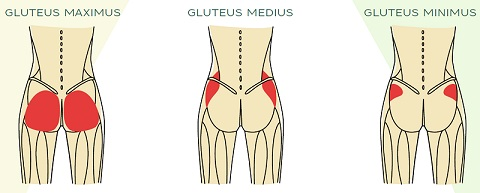
Your glutes are heavily engaged in pistol squats. They extend your hip, control your pelvis, and help keep your knee tracking well. Strong glutes protect your lower back and hips, and pistol squats challenge them more than regular two leg squats because all of your weight is on one side.
Hamstrings
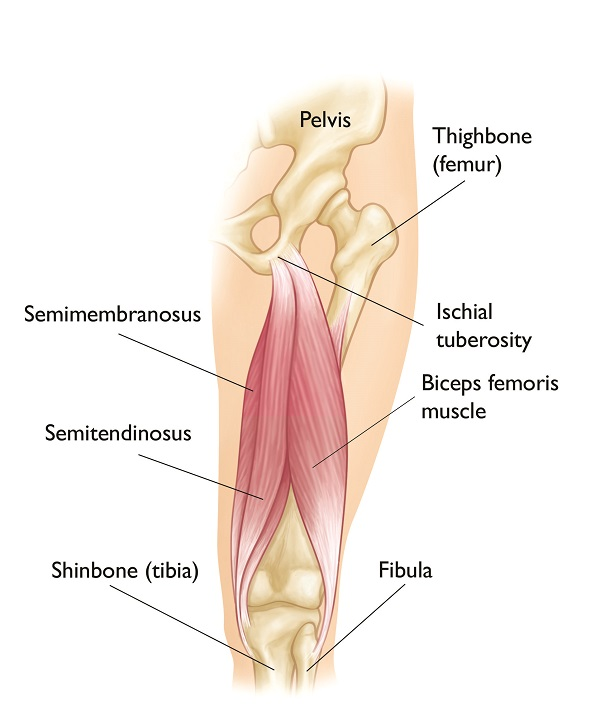
The hamstrings on the back of your thigh help control the descent, assist with hip extension, and stabilize the knee. In pistol squats, they work hard as you lower and at the bottom of the movement, which can improve running, jumping, and stopping power.
Hip Adductors
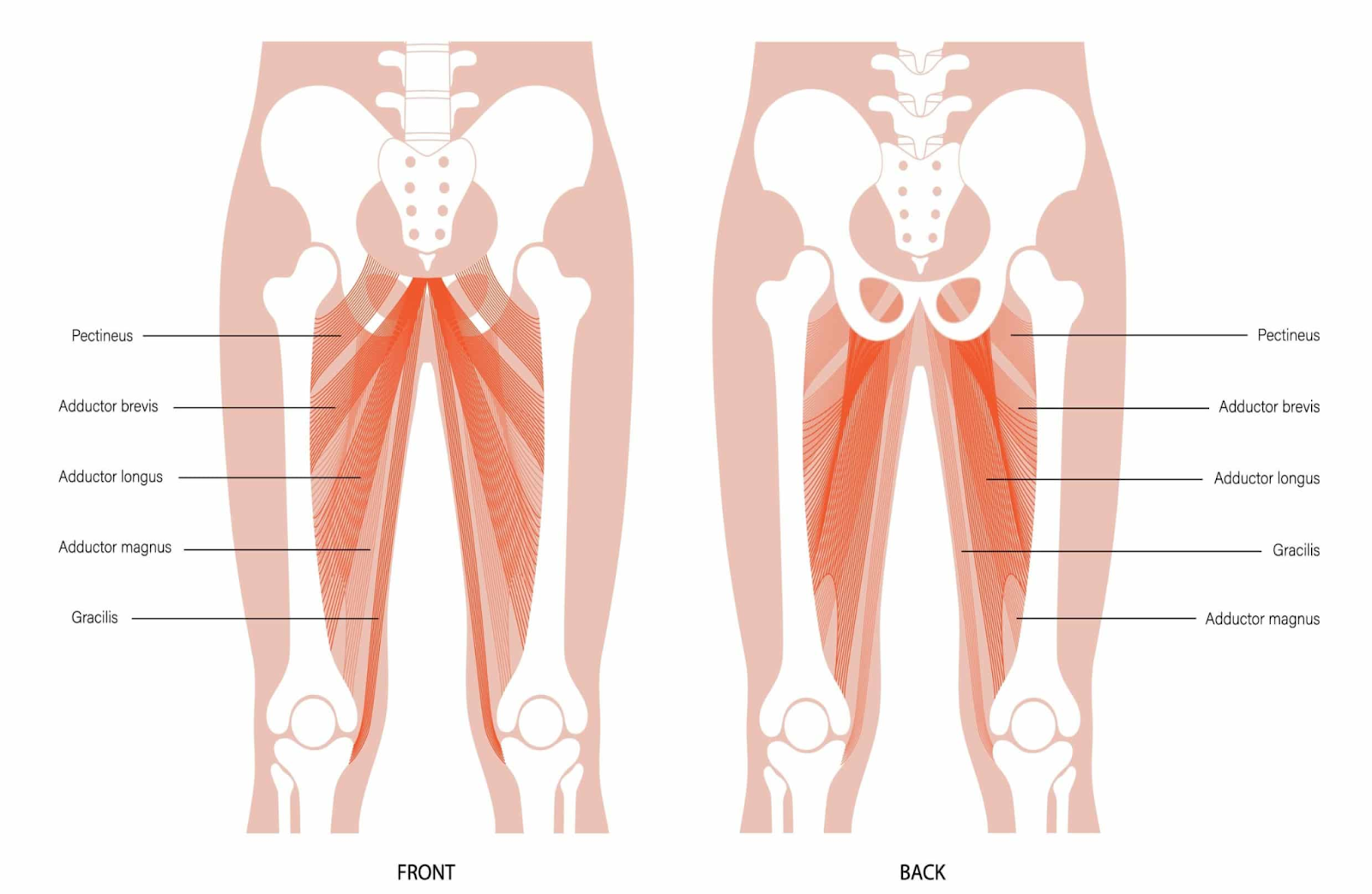
The adductors on the inside of your thigh act as powerful stabilizers in single leg movements. During a pistol squat, they help keep your leg from caving inward or wobbling side to side. Strengthening your adductors with controlled single leg work may reduce common groin strains and improve side to side movement in sports.
Quads
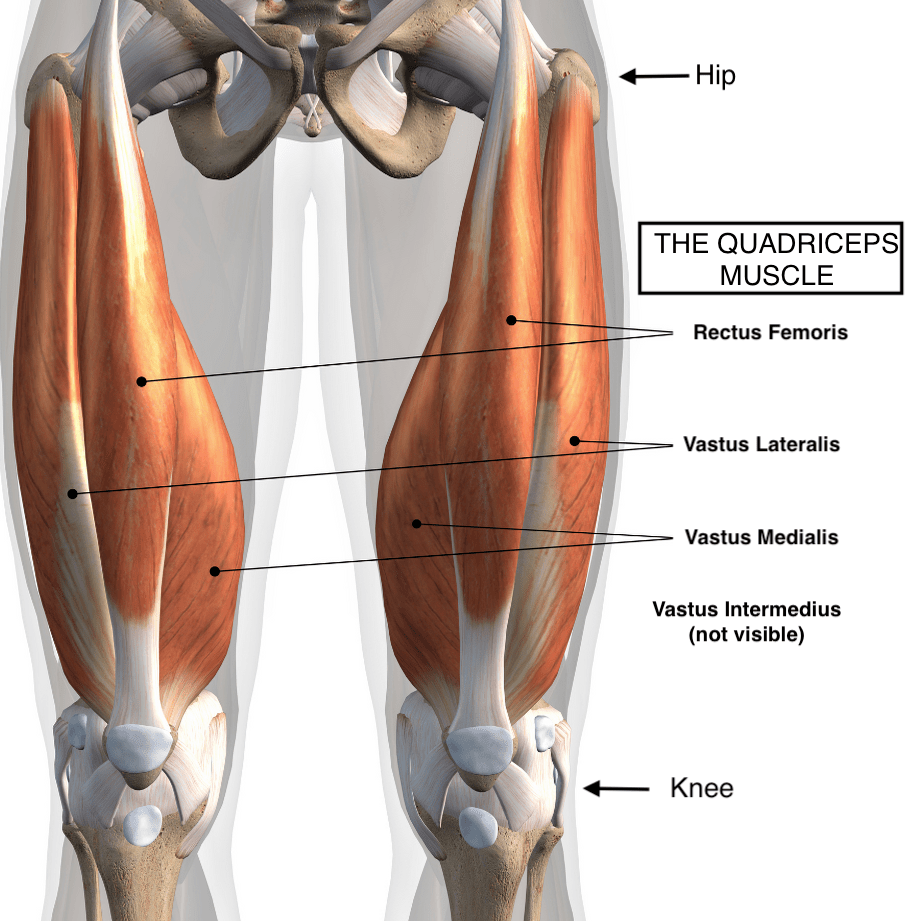
Your quadriceps on the front of the thigh are the main drivers of knee extension in the pistol squat. Because all of your body weight is focused through one leg, the quads receive a strong growth and strength stimulus even without added load.
Smith Machine weight training is a great way to target your quad muscles even more effectively. The Smith Machine Front Squat is a great exercise for beginners because it gives you extra stability and safety while you work on your form. This exercise not only strengthens your quads, but it also helps your legs grow in general. It goes well with single-leg exercises like the Bulgarian Split Squat.
Calf Muscles
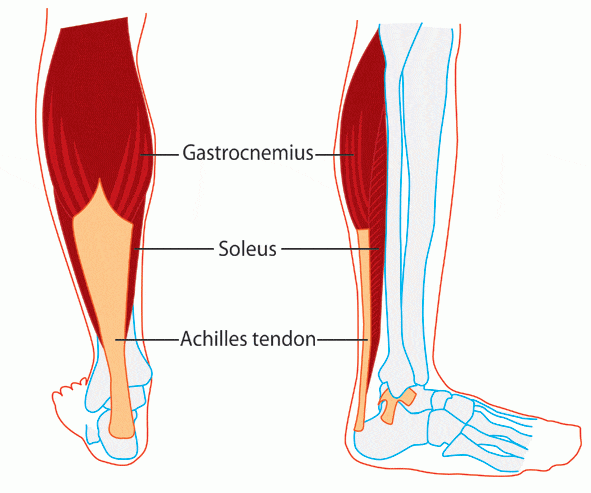
The calf muscles stabilize the ankle and help you push the floor away as you stand up. They work hard to prevent your ankle from collapsing and to control how far your knee moves forward. Over time, pistol squat training can improve ankle strength and control, especially when combined with targeted calf and mobility work.
Abdominal Muscles
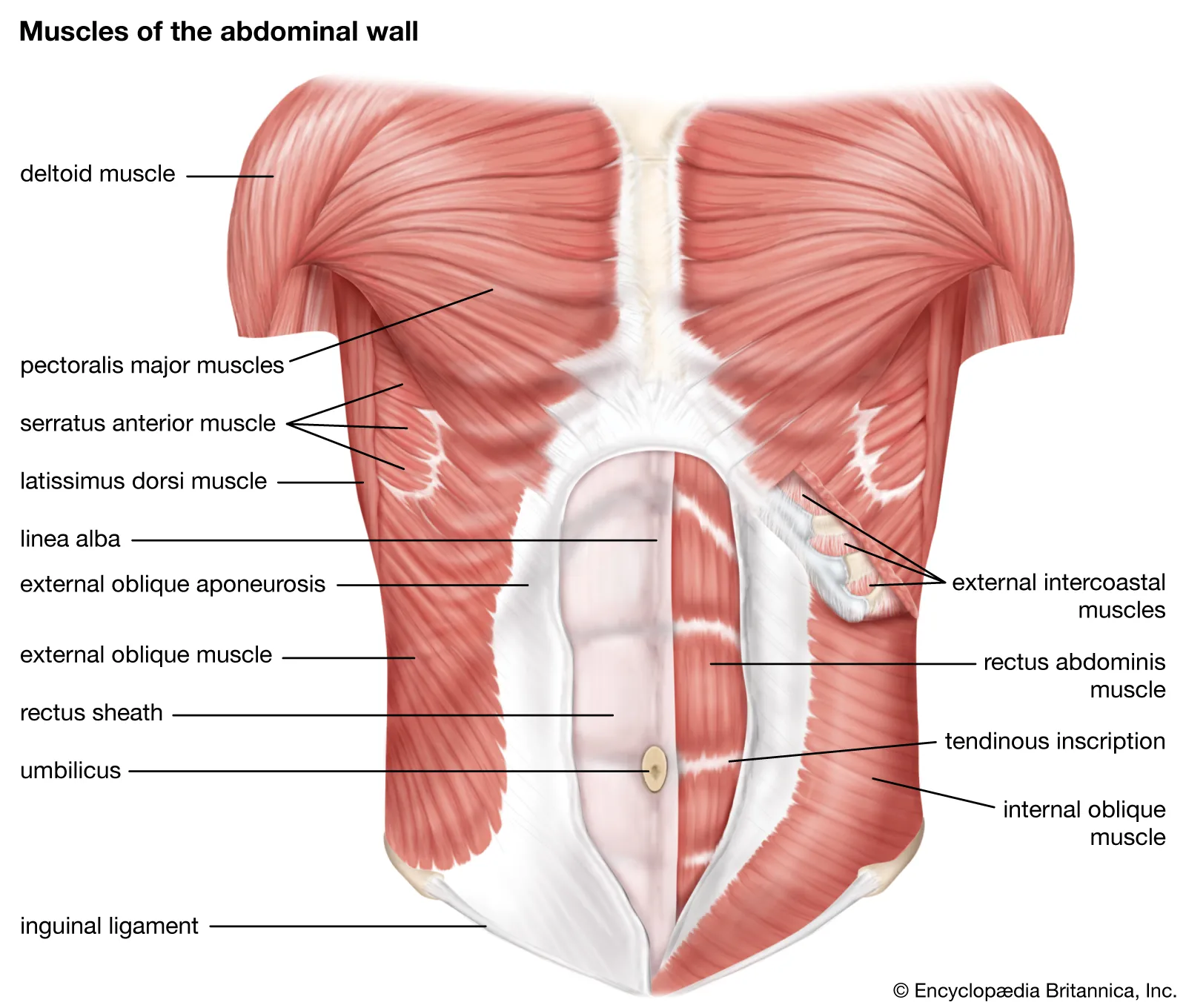
Your core acts like a stabilizing brace during pistol squats. The abdominals and deeper core muscles resist tipping, twisting, or rounding as you lower and stand. A strong, engaged core makes the movement smoother and helps transfer force efficiently from the leg into the rest of your body.
Pistol Squat Benefits
Improved Balance and Coordination
Single leg squats demand that your ankle, knee, hip, and core all work together in sync. As you practice, your body learns to control small shifts in balance and coordinate multiple joints at once. This carries over to everyday tasks such as walking on uneven ground and athletic movements such as cutting, landing, and changing direction.
Increases Flexibility
Pistol squats challenge the end range of motion in your hips, knees, and ankles. Over time, practicing progressions can improve mobility in those joints, especially when you combine the exercise with focused stretching and mobility drills. Instead of forcing flexibility, use controlled pistol variations to explore your comfortable range while gradually expanding it.
Leg Muscle Development
Because pistol squats focus so much tension into one leg, they can be a powerful tool for building lower body strength and muscle even if you do not have access to heavy weights. Once you have mastered good technique, adding a few sets of pistol squats or pistol variations to your week can help you run faster, jump higher, and move more powerfully.
Core Strength Building
Every rep of a pistol squat is also a core exercise. Your abs and obliques work hard to keep your torso from collapsing or twisting as you move. This kind of anti rotation and anti flexion work builds a resilient core that supports your spine in lifting, running, and daily life.
Pistol Squat Variations
Assisted Pistol Squat
Stand near a sturdy upright, door frame, or cable machine and lightly hold it with one or both hands. Perform the pistol squat as described, using just enough assistance from your arms to stay balanced and in control. Over time, try to use your hands less so your leg does more of the work.
Trx Pistol Squat
Loop TRX straps or similar suspension trainers overhead and hold a handle in each hand. Lean back slightly, extend one leg, and sit into the pistol squat while using the straps for balance and partial assistance. This version reduces the load on your knee and ankle, making it ideal for learning the pattern or training around mild discomfort.
Weighted Pistol Squat (Kettlebell Pistol Squat)
Many people actually balance better when holding a light weight in front of them. Hold a kettlebell, dumbbell, or weight plate close to your chest or as a counterweight at arm level, then perform your pistol. The weight shifts your center of mass forward slightly, which can make it easier to sit into a deep, controlled squat. Start light and focus on form before adding more load.
Dragon Pistol Squat
In the dragon pistol squat, your non working leg threads behind the standing leg as you descend, then extends out to the side. This dramatically increases the mobility and control demands on your hips and core. Only attempt this variation if you already feel very comfortable with full depth pistol squats and can control your leg in multiple directions.
Box Pistol Squat
For a more forgiving entry point, use a box, bench, or sturdy chair behind you. Perform a pistol squat and lightly touch the box with your hips before standing back up. Adjust the box height so you can stay stable, keep your heel down, and avoid pain. Over time, use lower boxes to deepen your range until you are ready for full pistols to the floor.
The Pistol Squat Progression Plan
Because pistol squats are advanced, treat them as a long term project. Here is a simple progression ladder you can follow.
Stage 1: Body Weight Squats and Split Squats
Goal: Build a base of strength and clean movement.
Perform two to three sets of ten to fifteen body weight squats and split squats, focusing on depth, control, and knee tracking. Move on when both sides feel stable and pain free.
Stage 2: Narrow Stance Squats and Step Ups
Goal: Challenge balance slightly more.
Bring your feet closer together for squats and add step ups to a low box or step. Aim for two to three sets of eight to twelve reps per leg, maintaining smooth, controlled movement.
Stage 3: Assisted Pistol Squats
Goal: Learn the single leg pattern with support.
Use a post, TRX, or door frame and perform three to four sets of five to eight assisted pistols per side. Use enough assistance to maintain perfect form and zero joint pain.
Stage 4: Box Pistol Squats
Goal: Own partial depth without assistance.
Perform pistols to a box or bench that stops you above full depth. Start with a higher box and gradually lower it as your strength and mobility improve. Keep the heel down and your core braced the entire time.
Stage 5: Full Pistol Squats
Goal: Control full range on each leg.
Once you can do three sets of six to eight solid box pistols per leg, progress to full depth pistols without a box. Start with low volume, for example two to three sets of three to five reps per side, and focus on clean, repeatable reps.
Stage 6: Loaded or Advanced Variations
Goal: Continue progressing once full pistols feel comfortable.
Add light weights as a counterbalance or try more advanced variations such as kettlebell pistols or dragon pistols, but only if your basic pistols feel rock solid and pain free.
Pistol Squat Alternatives
You do not have to master pistol squats to build strong, athletic legs. Plenty of alternatives train similar muscles with less technical demand, including:
- Split squats and Bulgarian split squats
- Reverse lunges and skater squats
- Step ups and lateral step ups
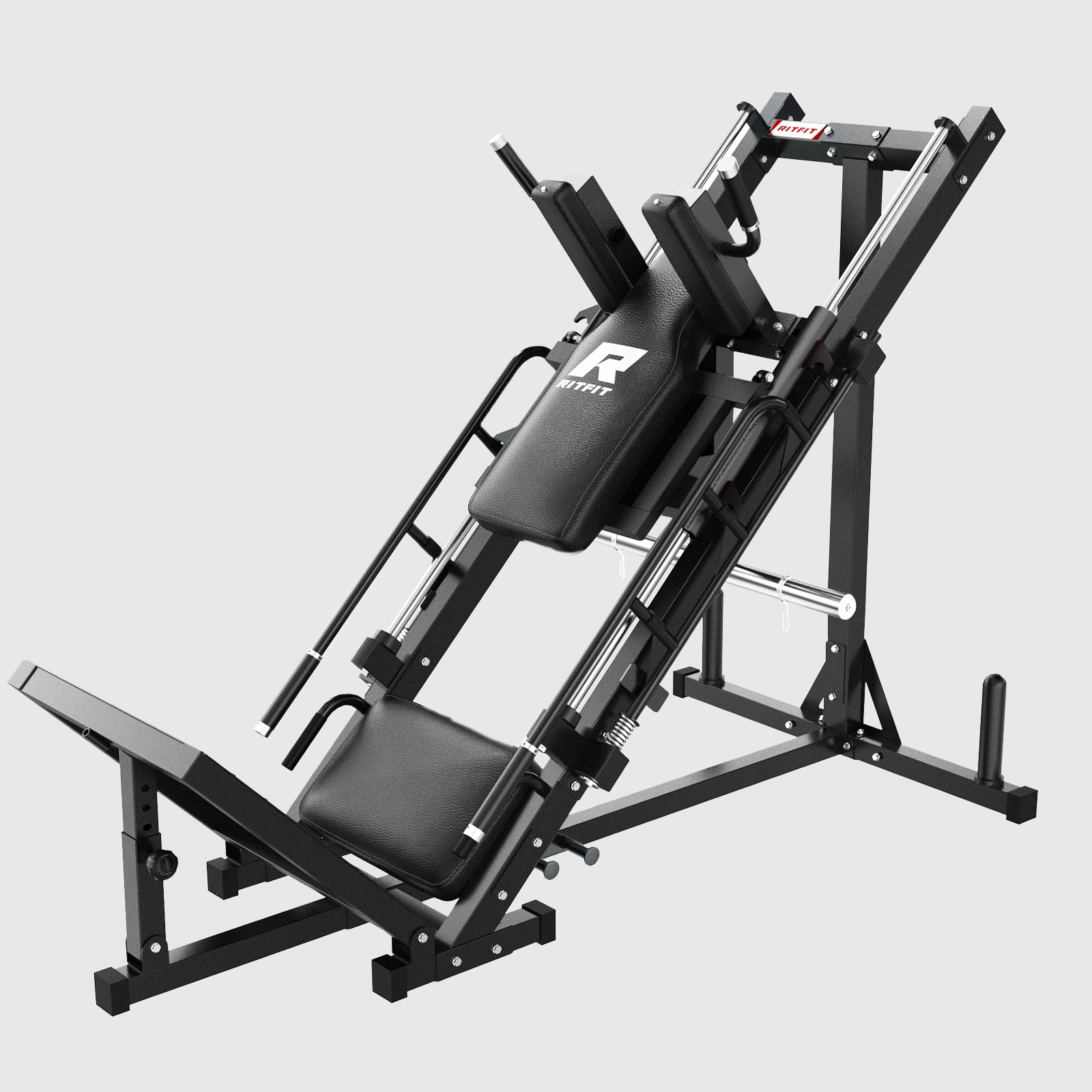
If you train in a home gym with a leg press or hack squat, single leg presses are one of the closest alternatives to pistol squats. They let you load one leg heavily while your back stays supported. Machines such as the RitFit GAZELLE or BLP01 can be used for this kind of targeted single leg work, especially on heavy days when body weight pistols feel too easy.
Use these exercises to build strength and confidence, or to maintain leg gains during phases when pistol squats do not feel appropriate for your joints.
Pistol Squat FAQS
Who Should Do the Pistol Squat
Pistol squats are ideal for intermediate and advanced lifters, runners, field and court sport athletes, and home gym users who already have a good base of squat strength and single leg balance. If you are still working on basic body weight squats or lunges, start with those first and view pistol squats as a long term goal.
How Often Should You Do the Pistol Squat
Most people progress well with pistol squats one to three times per week, depending on overall leg training volume. Beginners can start with one focused practice day and one lighter technique day, while more advanced lifters might include pistols in two lower body sessions. Always allow at least one rest or lighter day between hard pistol sessions.
Can I Do Pistol Squats if I Have Knee Pain
If you currently have knee pain, do not jump straight into full pistols. Single leg squats place considerable load on the knee joint. Talk with a coach or physical therapist first, and start with regressions such as box squats, step ups, or assisted pistols. If any variation causes sharp or worsening pain, stop and get evaluated instead of pushing through.
How Many Sets and Reps of Pistol Squats Should I Do
A common guideline is two to four sets of three to eight controlled reps per leg, performed after a thorough warmup. Beginners should stay at the lower end of that range and focus on technique, while advanced lifters can gradually increase sets or add load. Quality matters far more than chasing high rep counts with sloppy form.
Can Pistol Squats Improve My Running or Jumping Performance
Yes. Pistol squats build single leg strength, balance, and joint stability, all of which are crucial for sprinting, cutting, and jumping. Stronger quads, glutes, and calves on each leg mean better force production and control when your foot hits the ground. For best results, combine pistol squats with other key movements such as hip hinge exercises, calf work, and plyometric drills for a complete leg program.
Summary
Pistol squats are a demanding but highly rewarding body weight exercise that can upgrade your leg strength, balance, and core stability, especially in a home gym with limited equipment. Instead of forcing the full movement on day one, start with easier variations, follow a clear progression, and listen to your joints as much as your muscles. With patience and smart programming, pistol squats can become a powerful tool in your lower body training without sacrificing safety or long term joint health.