Table of Contents
- What Is A Single-Leg Romanian DeadLift
- How To Do A Single-Leg RDL In The Right Form
- Muscles Worked In Single Leg RDL
- Single Leg RDL Common Mistakes
- Benefits of Single Leg RDLs
- Variations of Single-Leg RDLs
- Alternatives To Single-Leg Romanian DeadLifts
- Who Should Be Careful with Single-Leg RDLs?
- Post-Workout Mobility for Hips & Hamstrings
- How to Add Single-Leg RDLs to Your Program
- Single Leg RDL FAQs
The single leg Romanian deadlift is one of the best lower body exercises for building glute and hamstring strength while improving balance, hip control, and core stability. It trains the posterior chain through a unilateral hip hinge, which makes it useful for home lifters, runners, field sport athletes, and anyone trying to clean up left to right imbalances.
Key Takeaways
- The single leg Romanian deadlift is a unilateral hip hinge that mainly trains the glutes, hamstrings, and trunk stabilizers. It also exposes side to side balance and control deficits that bilateral hinges can hide.
- Proper form starts with a stable tripod foot, soft knee bend, square hips, and a long neutral spine. Most technique problems come from rushing the descent or chasing range instead of controlling the hinge.
- Dumbbells and kettlebells are usually the best starting tools for most home gym users. Heavier barbell versions demand much more balance and are usually better for advanced lifters.
- This movement is valuable for strength, hypertrophy, coordination, and athletic carryover. It can fit after squats and deadlifts or as a primary accessory on glute and hamstring focused days.
- Supported regressions like kickstand RDLs and rack assisted single leg RDLs are smarter than forcing strict reps too early. Clean movement quality matters more than load.
At a Glance: Single-Leg Romanian Deadlift
- Primary goal: Build glute and hamstring strength, balance, and hip stability.
- Main muscles: Glutes, hamstrings, lower back, core, and foot and ankle stabilizers
- Skill level: Beginner–intermediate (start with bodyweight, then load)
- Best for: Home lifters, runners, athletes, anyone with “tight hamstrings” or poor balance
- Equipment options: bodyweight, dumbbells, kettlebell, barbell, landmine, Smith machine
- When to use: Leg day, lower-body strength, or as a warm-up/accessory for squats and deadlifts
What Is A Single-Leg Romanian DeadLift
A single leg Romanian deadlift is a one leg hip hinge where you balance on one leg, hinge at the hips, and extend the free leg behind you while keeping your spine neutral. It is a unilateral version of the Romanian deadlift that increases the stability demand on the standing leg, pelvis, and trunk.
Unlike a squat pattern, the movement is driven by the hips rather than a deep knee bend. That makes it especially effective for training the posterior chain and improving hip control in positions that look more like running, cutting, and everyday movement.
How To Do A Single-Leg RDL In The Right Form

Good single leg RDL form matters because this exercise only works well when the hinge stays controlled and the pelvis stays stable. Start with bodyweight or a light dumbbell, then add load only after you can balance and hinge without twisting.
- Step 1: Set your stance: Stand tall with your feet hip width apart and shift your weight into one foot. Keep a soft bend in the standing knee and grip the floor with your big toe, little toe, and heel.
- Step 2: Brace and square the hips: Tighten your core before you move and keep both hips pointing toward the floor. Think about your hip bones as two headlights that should stay level and straight.
- Step 3: Hinge back: Push your hips back and let your torso tip forward as one unit. Do not round your back or turn it into a squat by bending the knee too much.
- Step 4: Reach the free leg long: Extend the non working leg behind you as a counterbalance. Keep that leg long and active instead of letting it hang loose.
- Step 5: Control the bottom position: Lower until you feel a strong stretch in the hamstrings or until your torso is close to parallel with the floor. Stop before your hips rotate open or your back loses position.
- Step 6: Return by driving through the floor: Press the standing foot into the ground and squeeze the glute to come back up. Finish tall without leaning back or snapping the hips forward.
Key Coaching Cues
- Create a “tripod foot”: big toe, little toe, and heel all pressing into the floor for balance.
- Keep your hips square to the ground—imagine two headlights pointing straight down. If one “headlight” turns out, your hips are twisting.
- Think “long spine”: from the back of your head to your tailbone, stay in one straight line throughout the hinge.
- Move slowly. If you’re wobbling all over, you’re going too fast or using too much weight.
Muscles Worked In Single Leg RDL
The single-leg Romanian deadlift (RDL) primarily targets the hamstrings and gluteus maximus of the working leg, providing intense eccentric loading to the posterior chain. It heavily engages the gluteus medius for pelvis stability, along with the erector spinae (lower back), core, and ankle stabilizers.
Primary Muscles Worked:
- Hamstrings: Specifically targeted as they stretch and stabilize during the hinge.
- Gluteus Maximus: The primary driver for extending the hip back to the starting position.
-
Gluteus Medius: Works heavily to prevent the pelvis from tilting, stabilizing the hip.
Secondary and Stabilizing Muscles:
- Erector Spinae: Stabilizes the spine to keep the back flat
- Core (Abs/Obliques): Maintains torso alignment and stability.
- Calves Ankle Stabilizers: Controls balance throughout the movement.
- Upper Back/Lats: Engaged to maintain posture, especially when holding weights.

Single Leg RDL Common Mistakes
A perfect single-leg Romanian deadlift set can make you feel like a fitness superstar whenever you work out. However, making a few common mistakes can also leave you wobbling like a Jenga tower. Let's look at some of the missteps. You'll want to avoid this if you're going to get the most out of this exercise and avoid looking like a clumsy giraffe.
- Builds glute and hamstring strength: The single leg RDL loads the posterior chain through a long hip hinge. It is one of the most practical unilateral exercises for glute and hamstring development.
- Improves balance and coordination: Every rep challenges your foot, ankle, hip, and trunk to work together. That makes it valuable for athletic movement and daily function.
- Reveals side to side asymmetries: Bilateral lifts can hide weaker hips, unstable feet, or poor pelvic control. Unilateral hinges make those differences obvious.
- Trains hip stability: The standing leg has to control rotation and keep the pelvis level. This quality matters for running, cutting, lunging, and stair climbing.
- Strengthens the core through anti rotation: Your trunk works hard to stop twisting and tipping. That gives the movement more carryover than a simple isolation exercise.
- Fits well in home gym training: You do not need much space or equipment to train it effectively. A single dumbbell or kettlebell is enough for most people to get started.
-
Supports movement quality in bigger lifts: Better hip hinge control can improve how you set up and move in deadlifts, split squats, and even some squat variations. It is a useful accessory for lifters who need cleaner lower body mechanics.
Benefits of Single Leg RDLs
The single-leg Romanian deadlift is a daunting exercise. Still, it has many benefits that make it worth incorporating into your fitness routine. Here are eight reasons why you should give this move a try:
- The single-leg RDL is an excellent exercise for strengthening your glutes, hamstrings, and lower back.
- This unilateral lower hip movement helps correct muscle imbalances and build strength evenly on both sides of your body.
- It engages your core muscles to strengthen your midsection and well-maintain your posture.
- This exercise requires a lot of flexibility in your hamstrings and hips, so regular practice can help enhance your overall flexibility.
- It's a perfect set of movements to benefit your performance in athletic pursuits. The stability and mobility benefits of the single-leg RDL can translate to improved performance in other athletic activities.
- Strengthening the muscles in your lower body can help reduce the risk of injury like a sprain, improving overall joint health.
- All you need for a single-leg RDL is a dumbbell or kettlebell, making it a great exercise at home or on the go.
- Works the posterior chain for better running, walking, and jumping performance.
Variations of Single-Leg RDLs
Maintaining the same one-legged RDL pattern might get boring and may result in plateauing progress. Therefore, this section is dedicated to four distinct single-leg RDL variants that may spice up your exercise and present fresh obstacles. These modifications can assist you in reaching your fitness objectives and keeping your exercises interesting, whether you are an experienced athlete or just getting started.
Smith Machine Single Leg RDL
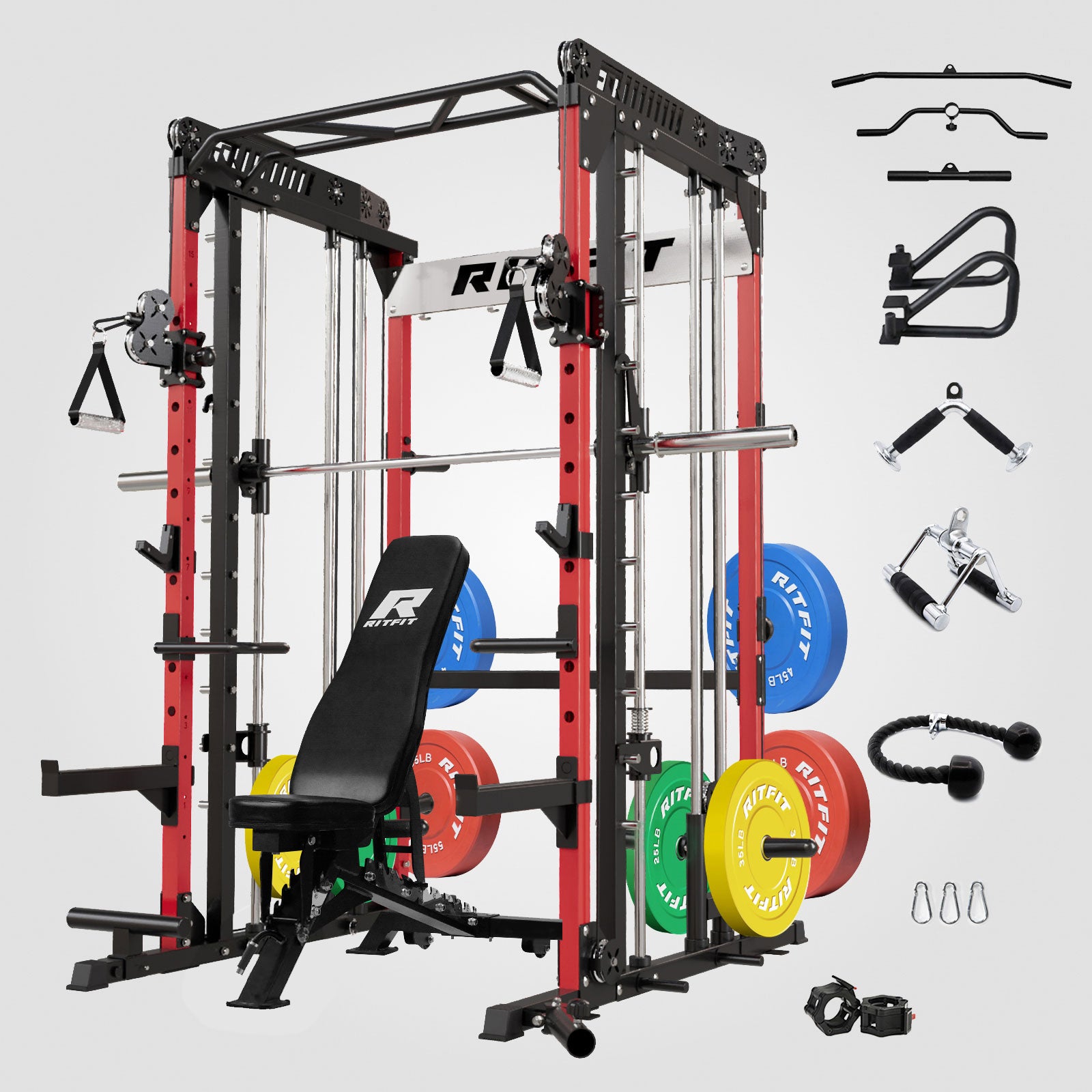
The Smith machine version reduces some balance variables and helps lifters focus on the hinge itself. It can be useful for beginners, for hypertrophy focused sets, or for people who want more support while learning.
Dumbbell Single-Leg RDL
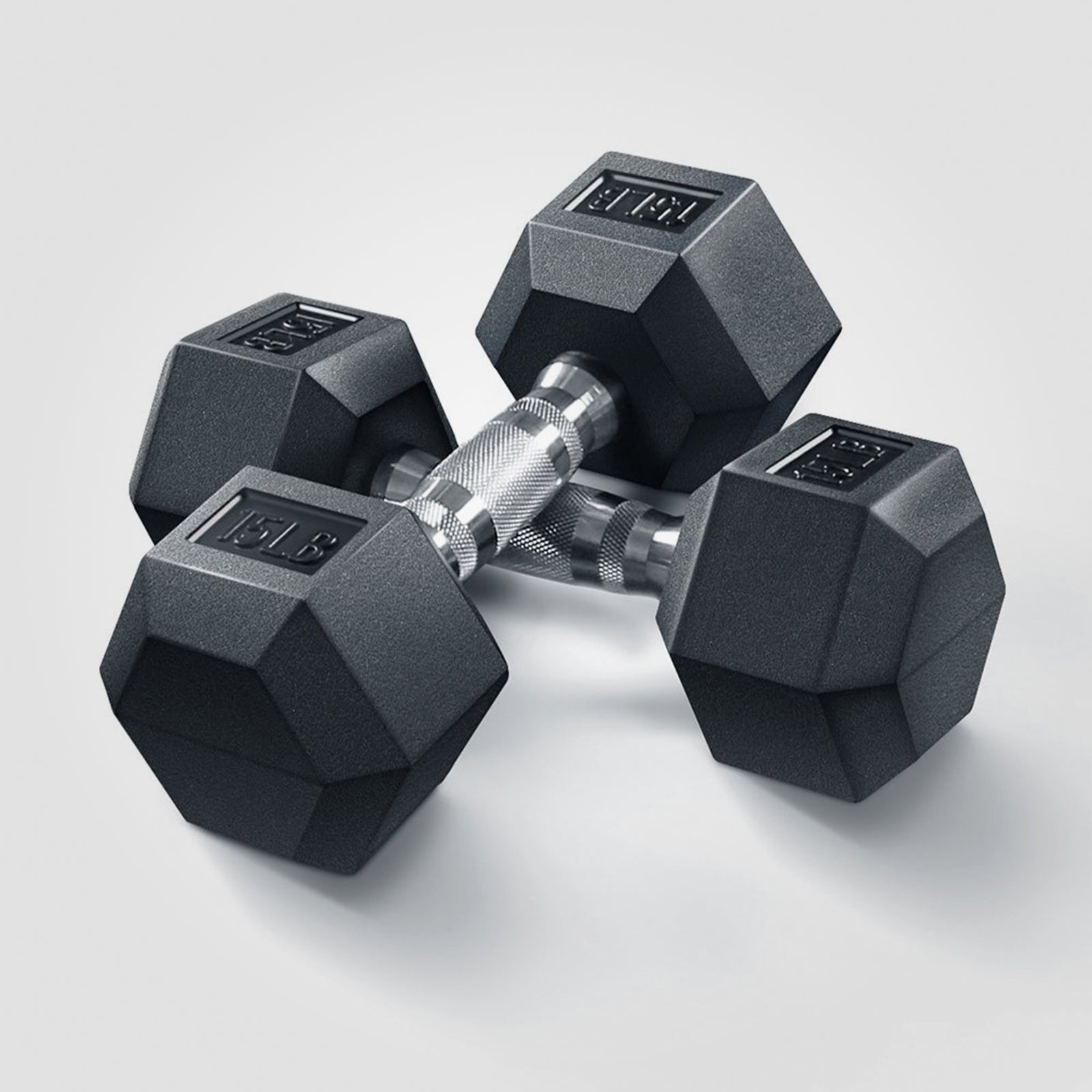
The dumbbell single leg RDL is the most practical starting variation for most people. You can hold one dumbbell for an added anti rotation challenge or two dumbbells for a more balanced loading pattern.
Barbell Single-Leg RDL
The barbell version allows more total loading, but it also raises the balance demand sharply. It is usually better for advanced lifters who already own the pattern with dumbbells.
Landmine Single-Leg RDL
The landmine variation provides a more guided bar path and can feel more stable than a free barbell. It is a strong option when you want progressive loading without the full balance chaos of a straight bar.
Kettlebell Single-Leg RDL
The kettlebell version works well because the load hangs naturally and is easy to control. A one hand kettlebell hold can also make the movement more demanding on the trunk and pelvis.
Alternatives to Single Leg Romanian Deadlifts
Traditional Romanian Deadlift
The bilateral Romanian deadlift trains the same broad pattern with less balance demand. It is a better choice when your main goal is loading the posterior chain as heavily as possible.
Kickstand RDL
The kickstand RDL is the closest alternative if strict single leg balance is your limiting factor. It lets you train the hinge and glutes without losing position every rep.
Glute Bridge or Hip Thrust
These exercises target hip extension with less balance and coordination demand. They are useful if you want more direct glute work or need a simpler strength option.
Step Up
Step ups train the glutes and quads while also challenging single leg control. They are often easier for beginners to learn than a true single leg hinge.
Reverse Lunge
Reverse lunges build unilateral lower body strength with more stability than a single leg RDL. They are a strong option if balance is the main barrier.
Cable Pull Through
Cable pull throughs reinforce the hip hinge pattern without forcing single leg balance. They can be a great stepping stone for lifters who still need to learn how to load the hips correctly.
Who Should Be Careful with Single-Leg RDLs?
Most people can do single-leg RDLs safely as long as they use the right form and weight. However, some lifters should be extra careful:
- Anyone who has lower back pain right now or has had a serious disc injury in the past
- People who are getting better from severe hamstring strains
- People who have serious balance problems, vertigo, or neurological conditions
If you belong to any of these groups:
- Start with versions that are supported, like holding a rack or doing kickstand RDLs.
- Use very light weights, slow speeds, and short ranges of motion.
- Before you push load or volume, talk to your doctor or physical therapist.
Stop right away and get checked out if you feel sharp pain, shooting pain, or numbness while you are moving.
Post-Workout Mobility for Hips & Hamstrings
A short cool down can help restore motion and reduce stiffness after heavy hinge work. Keep the intensity light and use mobility to relax the tissues, not to force aggressive stretching.
- Supine hamstring stretch with strap: Hold for 30 to 45 seconds per side. Keep your lower back on the floor and stop at a mild to moderate stretch.
- Half kneeling hip flexor stretch: Hold for 30 to 45 seconds per side. Gently tuck the pelvis and squeeze the glute on the back leg.
- Figure four glute stretch: Hold for 30 to 45 seconds per side. This is useful after high glute demand work or when the hips feel tight after training.
How to Add Single-Leg RDLs to Your Program
The best placement depends on whether you want strength, hypertrophy, stability, or movement quality. In most programs, it works best after your primary heavy lift or as the main accessory on a glute and hamstring day.
- For strength focused training: Use 3 to 4 sets of 6 to 8 reps per leg. Choose a moderate to heavy load that still allows clean balance and hip control.
- For hypertrophy: Use 3 to 4 sets of 8 to 12 reps per leg. A dumbbell, kettlebell, cable, or Smith machine version often works well here.
- For stability and control: Use 2 to 3 sets of 8 to 12 controlled reps per leg with a lighter load. Slower tempo and pauses usually matter more than heavier weights.
- For beginners: Start with bodyweight or kickstand RDLs for 2 to 3 sets of 6 to 10 reps per side. Add external load only when the hinge feels repeatable and balanced.
- Rest periods: Rest about 45 to 90 seconds between sets. Longer rest is usually better when balance or heavier loading is the limiting factor.
Single Leg RDL FAQs
Who Should perform Single-leg RDLs?
The most extraordinary candidates for this unilateral lower-body workout are individuals who desire to strengthen their lower body and enhance their muscle-body coordination and equilibrium. It's an excellent option for athletes, runners, or anyone looking to build a more robust posterior chain. However, if you have any pre-existing injuries or conditions, it's always a good idea to consult a healthcare professional before starting a new exercise program.
How To Arrange Sets And Reps Of Single-leg RDls?
You must consider your fitness level and goals when choosing the number of sets and repetitions for single-leg RDLs. However, it's generally advised to start with 2-3 sets of 8–12 repetitions per leg. Yet, beginners should start with fewer sets and reps and increase progressively.
If you want to develop strength and muscle hypertrophy, use weights and lower reps, such as 3-5 sets of 6-8 reps for each leg. However, to improve your endurance or flexibility, use greater reps and smaller weights, such as 3-4 sets of 12-15 reps for each leg.
Always listen to your body and adjust sets and reps to challenge yourself safely and effectively.
Summary
The single leg Romanian deadlift is one of the most useful unilateral lower body exercises for building stronger glutes, hamstrings, and hips while improving balance and control. When you keep the foot stable, the pelvis square, and the hinge clean, it becomes a powerful tool for strength, hypertrophy, athletic carryover, and better movement quality.
Important disclaimer: This article is for general educational purposes only and is not medical advice. If you have shoulder, neck, back, elbow, or wrist pain, a recent injury or surgery, numbness or tingling, unexplained weakness, or dizziness, consult a qualified clinician before starting. Stop any exercise that causes sharp pain.
References
- Diamant W, Geisler S, Havers T, Knicker A. Comparison of EMG Activity between Single-Leg Deadlift and Conventional Bilateral Deadlift in Trained Amateur Athletes - An Empirical Analysis. Int J Exerc Sci. 2021;14(1):187-201. Published 2021 Apr 1. doi:10.70252/MVFY4610