Table of Contents
- Cindy CrossFit WOD: Workout Details
- How to Perform Each Movement Correctly
- Scaling Options for Cindy
- Strategy and Pacing for the Cindy WOD
- Warm-Up and Preparation
- Safety Tips and Common Mistakes
- How to Track and Improve Your Cindy Score
- Cindy Variations and Related Workouts
- Sample Training Plan to Prepare for Cindy
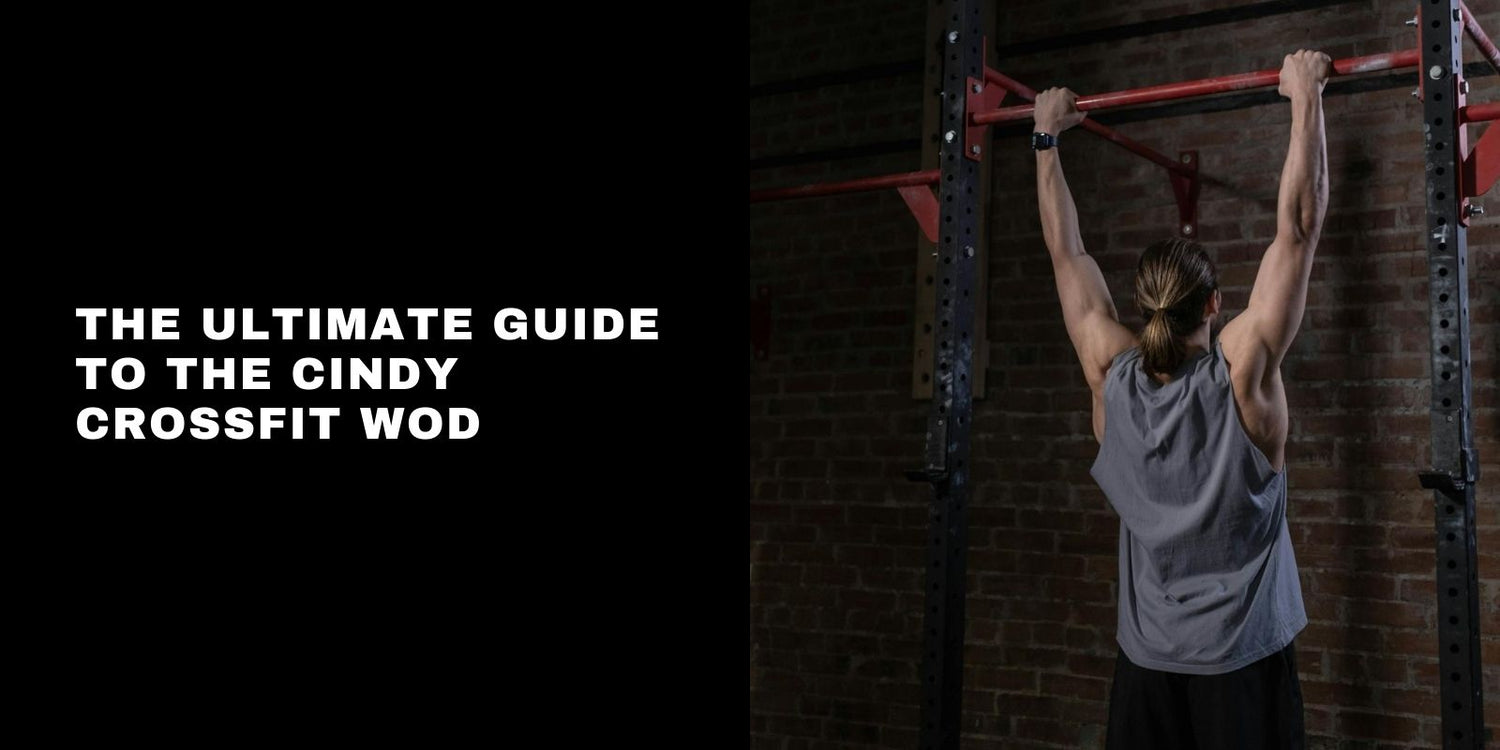
The Cindy CrossFit WOD is one of the most recognizable benchmark workouts in functional fitness. As one of the original Girls workouts, Cindy is designed to test muscular endurance, aerobic capacity, and mental toughness using only body weight.
The structure is deceptively simple: a 20-minute AMRAP consisting of three movements. Despite its simplicity, it is highly effective for athletes of all levels, from complete beginners to elite competitors. The goal is to keep moving consistently for the full 20 minutes, accumulating as many rounds as your fitness allows. Because Cindy is repeatable, it also works as a reliable progress check every few months when you keep standards consistent.
Key Takeaways
- Cindy is a 20 minute bodyweight benchmark that rewards steady pacing and repeatable mechanics more than early speed.
- Scaling is the right move when pull ups or push ups force long breaks, because the goal is continuous work at an aerobic effort.
- Push ups are the most common limiter, so plan small breaks early to avoid sudden failure later in the workout.
- Clean reps protect both your score and your joints, so keep tight positions on pull ups and push ups and consistent depth on squats.
- Improve Cindy by building strict strength, practicing one round EMOM pacing, and retesting every 3 to 6 months to measure progress.
Cindy CrossFit WOD: Workout Details
Before diving into strategy, it is essential to understand the exact prescription of the workout. This standardized format allows athletes to track their fitness over time.
- Time Domain: 20 Minutes
- Format: AMRAP (As Many Rounds As Possible)
-
The Movements:
- 5 Pull-Ups
- 10 Push-Ups
- 15 Air Squats
The intended stimulus is high-volume muscular endurance. Because the repetition counts per round are relatively low, athletes are encouraged to keep moving with minimal rest. This creates a significant aerobic challenge as the minutes tick by.
What makes Cindy effective is the balance between local muscular fatigue and full-body conditioning. The pull-ups challenge your grip, lats, and upper back. The push-ups test pressing endurance and trunk control. The air squats keep your heart rate elevated while demanding clean, repeatable leg mechanics.
How to Perform Each Movement Correctly
Efficiency is key in Cindy. Poor mechanics will not only slow you down but also increase the risk of injury.
- Pull-Ups: For the standard version, the chin must clearly pass above the bar at the top, and the arms must be fully extended at the bottom. Kipping or butterfly pull-ups are permitted and recommended for maintaining speed, provided the athlete has the requisite shoulder strength.
- Push-Ups: Start in a high plank position. Lower your body until your chest touches the floor, keeping your elbows relatively close to your sides. Press back up to full extension. To maintain efficiency, avoid "worming" (lifting the chest before the hips) and keep the core engaged.
- Air Squats: Stand with feet shoulder-width apart. Send the hips back and down, ensuring the hip crease passes below the top of the knee (full depth). Stand back up to full hip and knee extension. Keep the chest up and heels planted throughout the movement.
Scaling Options for Cindy
Not everyone is ready to perform 20 minutes of pull-ups and push-ups. Scaling ensures the intended stimulus remains intact without compromising safety.
Beginner-Friendly Scaling
- Pull-Ups: Substitute with ring rows or banded pull-ups. This preserves the pulling mechanics without the full load of body weight.
- Push-Ups: Perform push-ups on knees or elevate your hands on a box or bench. This reduces the load while maintaining the plank structure.
- Air Squats: If depth is an issue, squat to a target like a box or a medicine ball to ensure consistency.
Intermediate and Limited-Equipment Variations
- Jumping Pull-Ups: Great for those who have the strength but lack the endurance for high volume.
- Hand-Release Push-Ups: Ensure a full range of motion if strict push-ups degrade.
- Home Version: If you do not have a pull-up bar, inverted rows using a sturdy table or towel rows in a doorframe can work effectively.
Strategy and Pacing for the Cindy WOD
The biggest mistake athletes make with Cindy is starting too fast. 20 minutes is a long time for bodyweight movements.
- Find a Sustainable Pace: Treat the first 10 minutes like a jog. You should feel like you could go faster. If you sprint the first 5 rounds, you will likely crash around minute 12.
-
Break Strategies:
- Beginners: Consider breaking the push-ups early (e.g., 5 and 5) to prevent muscle failure.
- Intermediate: Try to go unbroken on pull-ups and squats, but shake out the arms briefly before push-ups.
- Advanced: Move continuously. Use the air squats as "active recovery" to catch your breath.
-
Round Targets:
- Beginner: 7–10 Rounds
- Intermediate: 13–17 Rounds
- Advanced: 20+ Rounds
A strong Cindy score usually comes from restraint early and consistency late. The athletes who perform best are not always the fastest in the first four minutes. They are often the ones who avoid dramatic drop-off in the final third of the workout.
A practical pacing cue is this: if your breathing becomes frantic before the halfway mark, or your push-ups fail suddenly before minute 8, you likely opened too aggressively.
Transition speed matters too. Saving two seconds between movements across many rounds can add up to a meaningful scoring difference by the end of 20 minutes.
Warm-Up and Preparation
A proper warm-up primes the joints and elevates the heart rate.
- General Warm-Up: 5–10 minutes of light jogging, rowing, or jump rope followed by dynamic stretching.
-
Specific Activation:
- Shoulders: Scapular pull-ups and pass-throughs with a PVC pipe.
- Wrists and Chest: Wrist stretches and plank holds to prep for the volume of push-ups.
- Hips and Ankles: Deep squat holds and lunges to ensure full depth on squats.
You can also perform one or two short practice rounds at reduced intensity before the clock starts. This helps you test your pull-up option, feel your push-up rhythm, and settle on a realistic opening pace.
Safety Tips and Common Mistakes
As fatigue sets in, form often degrades. Be mindful of these common pitfalls:
- Over-arching the back on pull-ups: This puts unnecessary strain on the spine. engage the core during the kip.
- Sagging hips in push-ups: This usually indicates core fatigue. Scale to knee push-ups immediately if your lower back starts to sway.
- Knees caving in on squats: Focus on driving the knees out to track over the toes to protect the knee ligaments.
- Hand Care: High-repetition pull-ups can tear calluses. Use grips or chalk moderately to protect your hands.
Another common mistake is chasing unbroken sets long after movement quality drops. Short, planned breaks usually beat missed reps, no reps, or ugly compensations that slow you down even more.
If you are new to kipping, high-volume Cindy is not the best place to learn it under fatigue. Build that skill separately, then bring it into benchmark settings when you can repeat it with control.
How to Track and Improve Your Cindy Score
Cindy is a benchmark, meaning it is meant to be retested. Record the total number of full rounds plus any extra reps completed when the timer hits 20:00.
To improve your score:
- Build Strength: Increasing your strict pull-up and push-up max numbers will make the sub-maximal reps in Cindy feel easier.
- EMOM Training: Practice an "Every Minute on the Minute" format where you complete one round of Cindy (5/10/15) every minute for 10–15 minutes. This builds pacing discipline.
- Retest Frequency: Retest Cindy every 3–6 months to gauge progress without overtraining on the same specific movement patterns.
Also track how your rounds are distributed. A score of 14 rounds that is steady from start to finish often reflects better pacing and better long-term fitness development than a workout that starts hot and fades badly.
Useful progress markers include fewer broken push-up sets, smoother squat tempo, better hand care, and a smaller drop in round speed across the final 5 minutes.
Cindy Variations and Related Workouts
Once you have mastered Cindy, or if you need a different challenge, consider these variations:
- "Mary": A more advanced 20-minute AMRAP consisting of 5 Handstand Push-Ups, 10 Pistols (one-legged squats), and 15 Pull-Ups.
- Weighted Cindy: Wear a 20lb (men) or 14lb (women) weight vest to significantly increase the intensity.
- Partner Cindy: Alternate full rounds with a partner for 20 or 30 minutes. This essentially becomes an interval workout, allowing for higher intensity during working sets.
These variations should match your training age and recovery capacity. Weighted Cindy may look like a small change, but the added loading can make pull-ups, push-ups, and squats dramatically more demanding over 20 minutes.
Sample Training Plan to Prepare for Cindy
If your goal is to set a personal record, a focused 2–4 week block can help. Here is a simple outline:
- Day 1: Pulling Strength. Focus on strict pull-ups or negatives to build lat strength.
- Day 2: Push-Up Volume. Accumulate volume with sets of push-ups, stopping 2-3 reps shy of failure to build endurance without burnout.
- Day 3: Squat Endurance. High-rep air squats or lunges to build leg stamina.
- Day 4: Conditioning Intervals. Perform short AMRAPs (e.g., 5 minutes) of the Cindy movements to practice transition speeds.
A smart progression is to build capacity before you test pace. First improve strict pulling and clean push-up volume. Then layer in interval work. After that, retest the full benchmark when your movement quality can hold up for the entire 20 minutes.
If recovery is limited, reduce the total pressing volume outside Cindy prep. Push-ups accumulate fatigue quickly, especially when paired with pull-up volume and regular gym training.
FAQs
What is considered a good score for the Cindy CrossFit WOD?
A strong score depends on your fitness level and experience. Beginners should aim for seven to ten complete rounds. Intermediate athletes typically achieve thirteen to seventeen rounds. Advanced competitors often surpass twenty rounds by maintaining a steady pace and minimizing rest time.
How should beginners scale the pull ups in the Cindy CrossFit WOD?
You can substitute strict movements with ring rows or banded modifications. This approach preserves the necessary pulling mechanics without requiring you to lift your entire body weight. Jumping variations also work well for individuals who possess basic strength but lack high volume endurance.
Why do my push ups fail early during the Cindy CrossFit WOD?
Early failure usually happens because athletes start with an overly aggressive pace. You should treat the first ten minutes like a comfortable jog to conserve energy. Breaking the repetitions into smaller sets from the very beginning will help prevent premature muscle fatigue.
When should I retest the Cindy CrossFit WOD to track progress?
You should retest this benchmark workout every three to six months. This frequency allows you to accurately gauge your fitness improvements without overworking the exact same movement patterns. Consistent regular practice of the individual components will naturally lead to better overall performance over time.
Can I break up the repetitions during a single round of the Cindy WOD?
Breaking up the repetitions is a highly recommended strategy for most athletes. Short planned rests are much better than hitting complete muscle failure and staring at the clock. Taking brief pauses helps maintain movement quality and keeps your heart rate manageable throughout the entire twenty minutes.
Conclusion
The Cindy CrossFit WOD is a definitive test of fitness that balances strength, stamina, and mental grit. Whether you are a seasoned athlete aiming for 25 rounds or a beginner completing your first scaled attempt, the workout provides a clear metric of your physical capacity. Remember to prioritize good form, scale wisely, and log your score. With consistent training, you will see those numbers climb.
More importantly, use Cindy as a benchmark, not as a weekly challenge you repeat impulsively. Train the pieces, improve your movement efficiency, and come back to the workout with a better engine, better control, and a smarter plan. That is how scores rise over time in a sustainable way.
Important disclaimer: This article is for general educational purposes only and is not medical advice. If you have shoulder, neck, back, elbow, or wrist pain, a recent injury or surgery, numbness or tingling, unexplained weakness, or dizziness, consult a qualified clinician before starting. Stop any exercise that causes sharp pain.