Table of Contents
- What Is a Weighted Bar?
- Weighted Bar vs Barbell vs Training Bar
- How Much Does a Weighted Bar Weigh?
- How to Choose the Right Weighted Bar
- Warm Up: Get Your Body Ready to Move
- The Best 12 Weighted Bar Exercises for Beginners
- Workout Routines for Beginners at Home
- Cool Down and Stretching: Relax and Recover
Weighted bar exercises are a beginner friendly way to build strength, improve coordination, and train at home without a full rack or heavy plates. This guide explains what a weighted bar is, how to choose the right starting weight, and how to perform 12 weighted bar exercises with safer form cues.
Use this article as a practical starting point, not as medical advice. Start light, move with control, and progress only when every rep feels stable.
Weighted Bar Exercise Video Guide
This video shows a RitFit training barbell in use, so beginners can better understand grip, control, and movement rhythm before starting. Watch the movement tempo first, then practice each exercise slowly with a light bar.
Key Takeaways
- Weighted bars are fixed weight tools that help beginners learn basic strength movements at home.
- The right starting weight is the one you can control for 8 to 12 clean reps without losing posture.
- Deadlifts, lunges, squats, rows, curls, and presses create the foundation of a full body weighted bar routine.
- Warm up before lifting and cool down afterward to prepare your joints, muscles, and breathing.
- Technical lifts should be simplified for beginners, especially fast overhead movements that demand coaching and control.
What Is a Weighted Bar?

A weighted bar is a fixed weight exercise bar used for strength training, mobility drills, and beginner lifting practice. It is usually lighter and simpler than a plate loaded Olympic barbell, which makes it easier to use in a small home gym.
Many people also call it a body bar, workout bar, or training bar, depending on the design and weight range. If you want a more complete setup later, explore RitFit barbells and weight plates for barbell and plate options.
Weighted bar exercises can train the legs, glutes, back, shoulders, arms, and core when programmed correctly. Resistance training is strongly associated with improvements in muscle strength, skeletal muscle mass, and physical function in healthy adults.[1]
Weighted Bar vs Barbell vs Training Bar
A weighted bar is best for simple fixed weight training, while an Olympic barbell is best for progressive loading with plates. A training bar usually sits between the two, helping beginners learn barbell patterns before moving to heavier equipment.
- Weighted bar: Use this for light strength work, mobility drills, beginner circuits, and high control movements.
- Olympic barbell: Use this when you need heavier progressive overload with plates and collars.
- Training bar: Use this when you want to learn barbell technique with a lighter or more approachable bar.
- Home gym setup: Pair a bar with RitFit weight benches when you want more pressing and accessory exercise options.
How Much Does a Weighted Bar Weigh?
Most fixed weighted workout bars range from about 3 to 36 lb, while many Olympic style barbells are commonly 15 kg or 20 kg. Always check the actual product specification because brands use weighted bar, body bar, and training bar differently.
Beginners usually do better with a lighter bar that allows clean movement before fatigue changes posture. For heavier progression, a plate loaded option such as the RitFit 7FT Olympic Barbell Bar can support more advanced strength training.

How to Choose the Right Weighted Bar
The right weighted bar lets you complete 8 to 12 controlled reps without rounding your back, shrugging your shoulders, or rushing the movement. If your form changes before the set ends, the bar is too heavy for that exercise.
- Upper body exercises: Start lighter for curls, upright rows, and presses because smaller joints fatigue quickly.
- Lower body exercises: You may use a slightly heavier bar for squats, lunges, and deadlift patterns if your spine stays neutral.
- Skill first: Add reps before adding load because clean technique creates safer long term progress.
- Equipment match: Add RitFit dumbbells if you want more unilateral exercises and smaller weight jumps.
- Floor space: Use a clear training area with enough room to step, hinge, press, and lower the bar without hitting furniture.
Warm Up: Get Your Body Ready to Move
A short warm up helps prepare your joints, muscles, and nervous system before weighted bar exercises. Warm up research emphasizes that preparation should match the activity that follows, so use movements that resemble your workout.[2]
- March in place or walk briskly for 60 to 90 seconds.
- Perform 10 shoulder circles forward and 10 shoulder circles backward.
- Stand tall and complete 10 hip circles in each direction.
- Do 2 sets of 10 slow bodyweight squats with your chest up.
- Swing your arms forward and backward 15 to 20 times with relaxed control.
The Best 12 Weighted Bar Exercises for Beginners
The best beginner weighted bar exercises train large movement patterns before adding complex speed or heavy load. Start with 2 to 3 sets of 8 to 12 reps unless a movement feels too difficult to control.

Weighted Bar Exercise 1: Deadlift
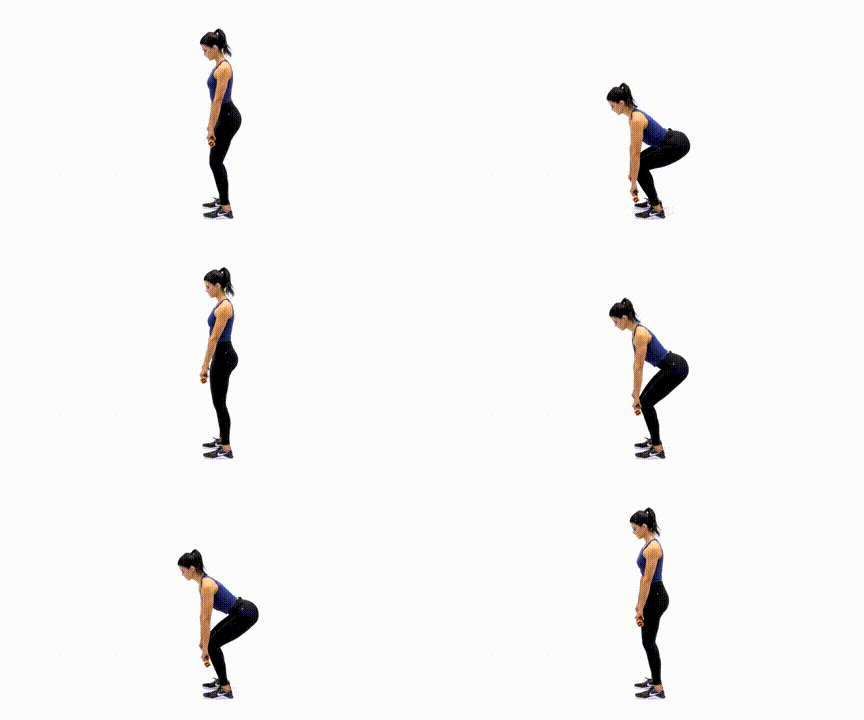
The weighted bar deadlift trains the glutes, hamstrings, core, and lower back when performed as a controlled hip hinge. Keep the bar close to your legs and focus on standing tall without pulling from your lower back.
- Best for: Learning the hip hinge and building posterior chain strength.
- Muscles worked: Glutes, hamstrings, spinal erectors, and core.
- How to do it: Stand hip width apart, hold the bar in front of your thighs, push your hips back, and lower the bar along your legs. Stand up by driving your hips forward and squeezing your glutes.
- Breathing cue: Inhale as you hinge down and exhale as you stand.
- Common mistake: Do not round your back or let the bar drift away from your legs.
Weighted Bar Exercise 2: Romanian Deadlift
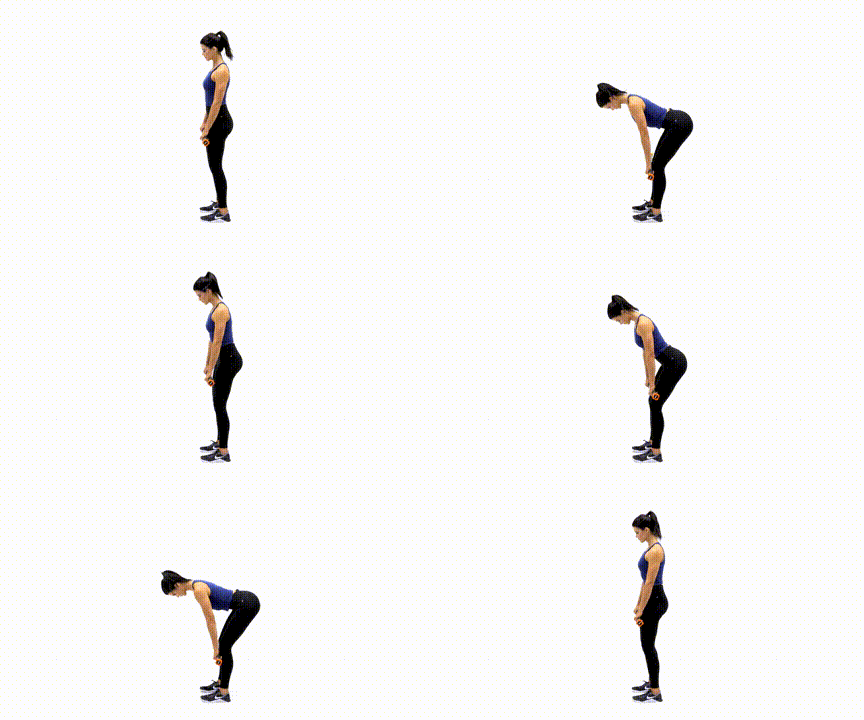
The Romanian deadlift is a beginner friendly deadlift variation that keeps tension on the hamstrings and glutes. It works best when you use a smaller range of motion and maintain a neutral spine.
- Best for: Improving hamstring control and hip hinge technique.
- Muscles worked: Hamstrings, glutes, lower back, and core.
- How to do it: Hold the bar at thigh level, soften your knees, and push your hips back. Lower until you feel a hamstring stretch, then return to standing by driving your hips forward.
- Breathing cue: Inhale as the bar lowers and exhale as you stand.
- Common mistake: Do not chase depth by bending your spine or forcing the bar below your flexibility limit.
Weighted Bar Exercise 3: Forward Lunge
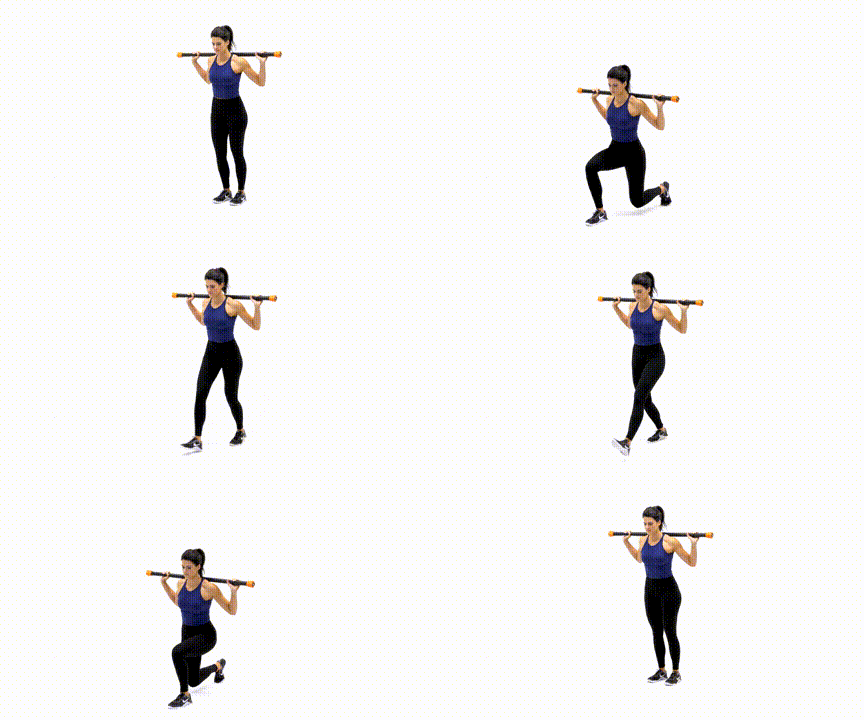
The forward lunge trains each leg separately, which helps build lower body strength, balance, and coordination. Unilateral training can support physical performance by challenging one side at a time and exposing side to side differences.[3]
- Best for: Training legs, balance, and single leg control.
- Muscles worked: Quads, glutes, hamstrings, calves, and core.
- How to do it: Place the bar across your upper back and step forward with one foot. Lower until both knees bend, then push through the front foot to return to standing.
- Breathing cue: Inhale as you lower and exhale as you push back.
- Common mistake: Do not let the front knee collapse inward.
Weighted Bar Exercise 4: Glute Bridge
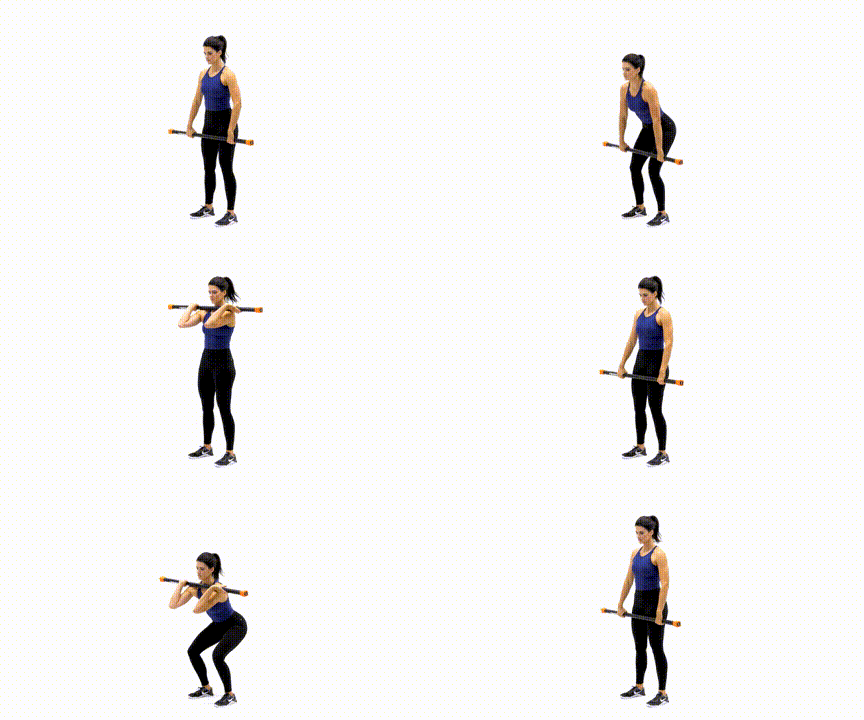
The glute bridge is a safer beginner alternative to fast Olympic style lifts because it builds hip power without overhead catching. It is ideal for learning how to extend the hips while keeping the ribs and pelvis controlled.
- Best for: Building glute strength with a low skill movement.
- Muscles worked: Glutes, hamstrings, core, and hip stabilizers.
- How to do it: Lie on your back with knees bent and place the bar across your hips. Drive through your heels, lift your hips, pause briefly, and lower with control.
- Breathing cue: Exhale as you lift and inhale as you lower.
- Common mistake: Do not over arch your lower back at the top.
Weighted Bar Exercise 5: Good Morning
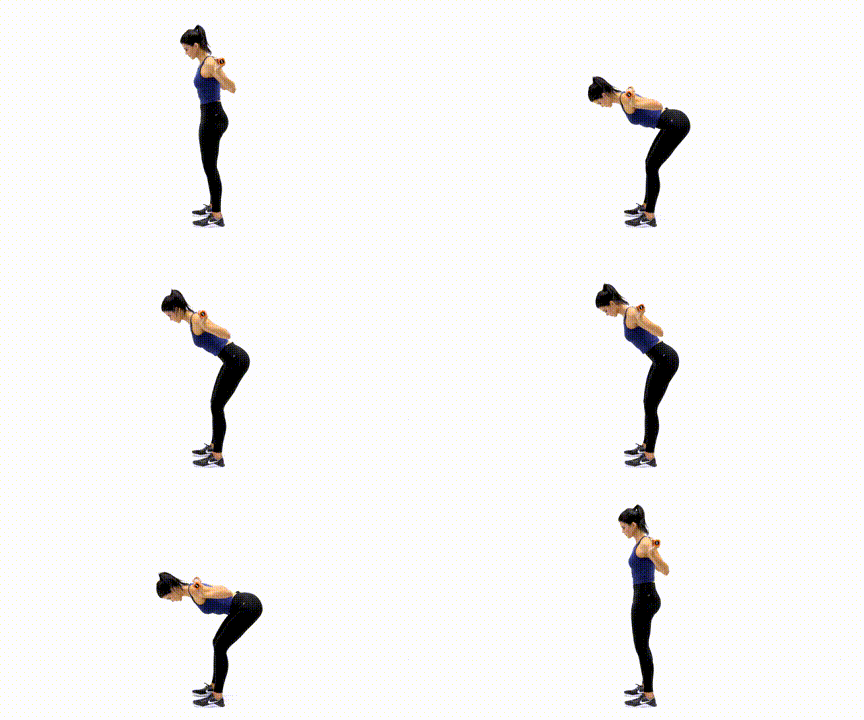
The good morning trains the same hip hinge pattern as the deadlift but places the bar across your upper back. Use a very light bar because the movement demands strong posture and careful control.
- Best for: Practicing hip hinge mechanics and posterior chain strength.
- Muscles worked: Hamstrings, glutes, lower back, and core.
- How to do it: Place the bar across your upper back and stand with feet shoulder width apart. Push your hips back, keep your torso long, and return to standing when you feel a hamstring stretch.
- Breathing cue: Inhale before lowering and exhale as you stand.
- Common mistake: Do not turn the movement into a squat by bending your knees too much.
Weighted Bar Exercise 6: High Pull
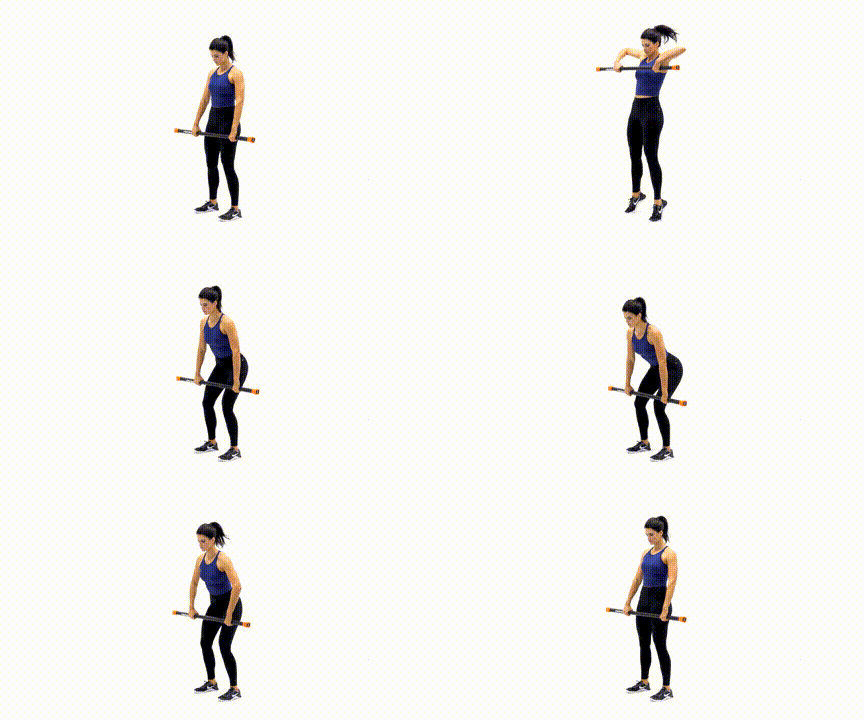
The weighted bar high pull trains the upper back, shoulders, and hip drive when performed with a controlled rhythm. Beginners should keep the range modest and avoid yanking the bar upward.
- Best for: Practicing coordinated leg drive and upper body pulling.
- Muscles worked: Traps, upper back, shoulders, biceps, glutes, and hamstrings.
- How to do it: Start with the bar near your thighs and hinge slightly. Drive through your legs and pull the bar upward close to your body.
- Breathing cue: Inhale at the start and exhale as you pull.
- Common mistake: Do not lift only with your arms or shrug aggressively.
Weighted Bar Exercise 7: Bicep Curls
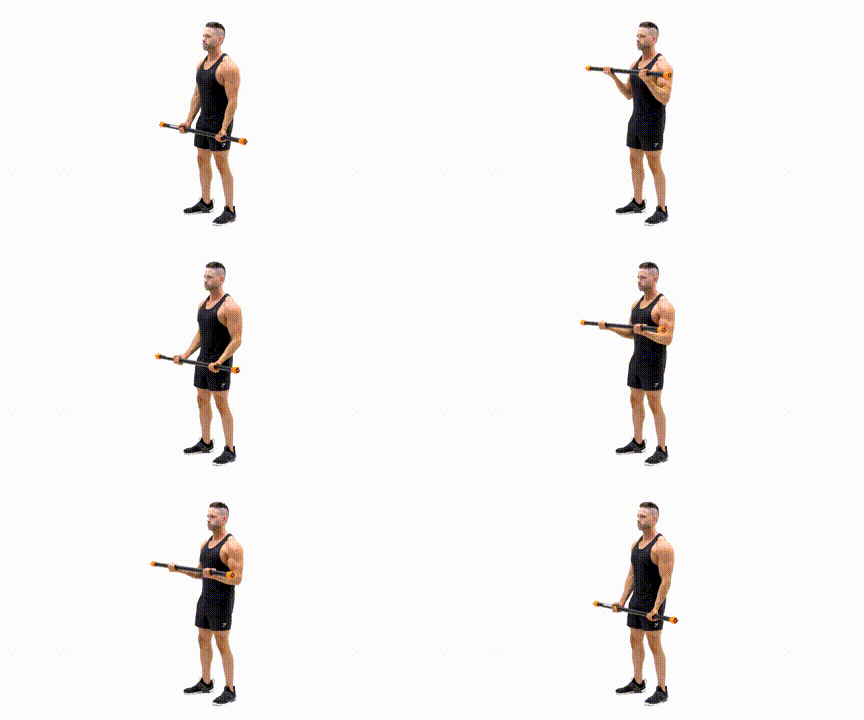
The weighted bar bicep curl is a simple arm exercise that trains elbow flexion and grip control. It works best when your torso stays still and your elbows remain close to your sides.
- Best for: Building beginner arm strength and improving lifting control.
- Muscles worked: Biceps, brachialis, forearms, and grip muscles.
- How to do it: Hold the bar with an underhand grip and arms extended. Curl the bar toward your chest, pause briefly, and lower it slowly.
- Breathing cue: Exhale as you curl and inhale as you lower.
- Common mistake: Do not swing your hips or lean backward to move the bar.
Weighted Bar Exercise 8: Military Press
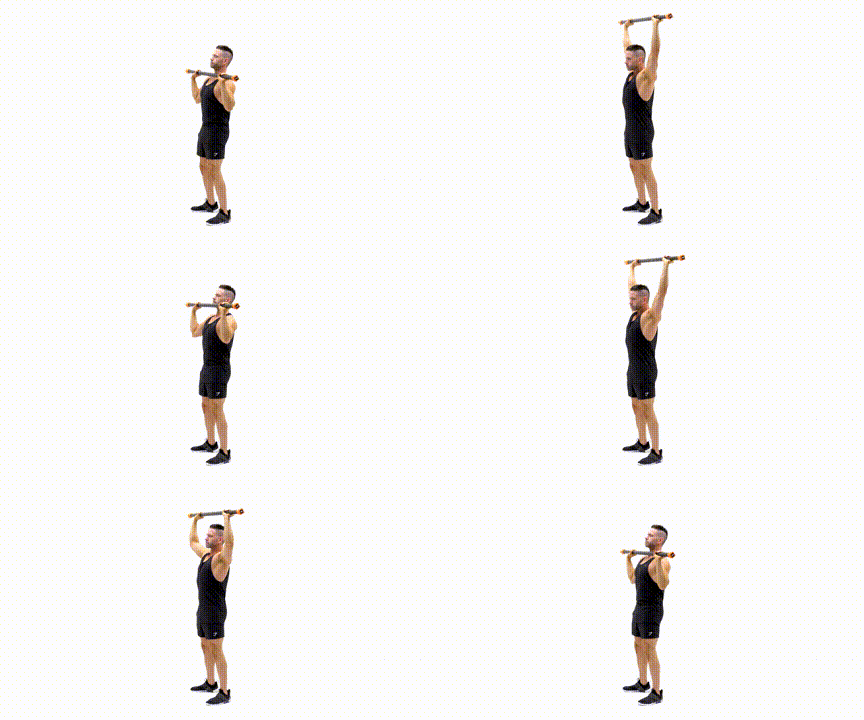
The military press trains the shoulders and triceps while teaching full body tension. Keep your ribs down and glutes tight so the press does not turn into a lower back arch.
- Best for: Building shoulder strength with strict control.
- Muscles worked: Shoulders, triceps, upper chest, core, and upper back.
- How to do it: Hold the bar at the front of your shoulders with palms facing forward. Press overhead until your arms are straight, then lower to the starting position.
- Breathing cue: Exhale as you press and inhale as you lower.
- Common mistake: Do not lean back to finish the rep.
Weighted Bar Exercise 9: Push Press
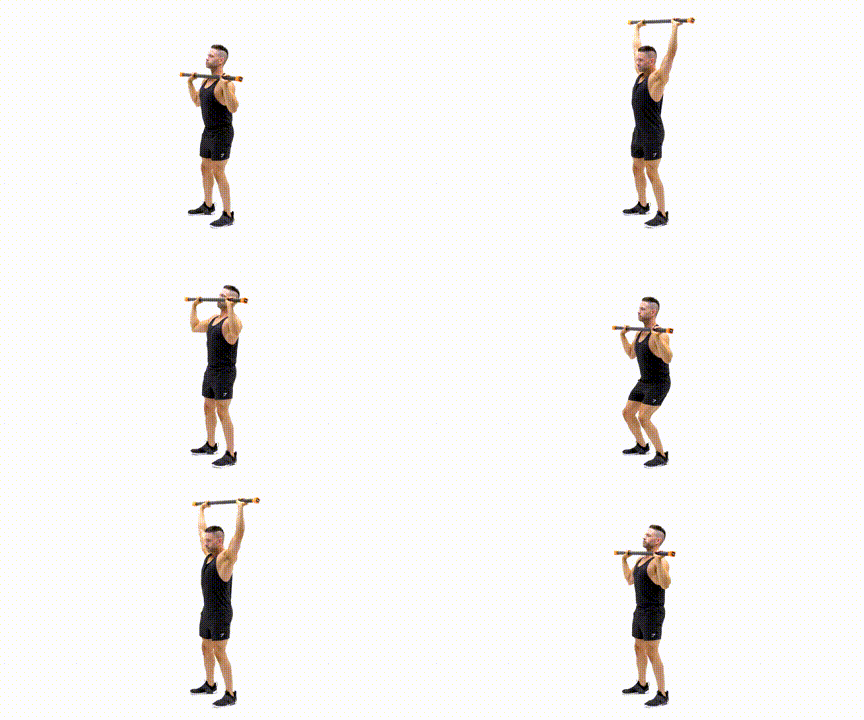
The push press adds a small leg drive to the overhead press, which helps coordinate lower and upper body power. Beginners should treat the dip as short and controlled, not as a full squat.
- Best for: Learning controlled power from the legs into the arms.
- Muscles worked: Shoulders, triceps, quads, glutes, and core.
- How to do it: Hold the bar at shoulder height and bend your knees slightly. Drive upward with your legs and press the bar overhead in one smooth motion.
- Breathing cue: Inhale during the dip and exhale as you drive up.
- Common mistake: Do not dip too low or lose control of your torso.
Weighted Bar Exercise 10: Back Squat
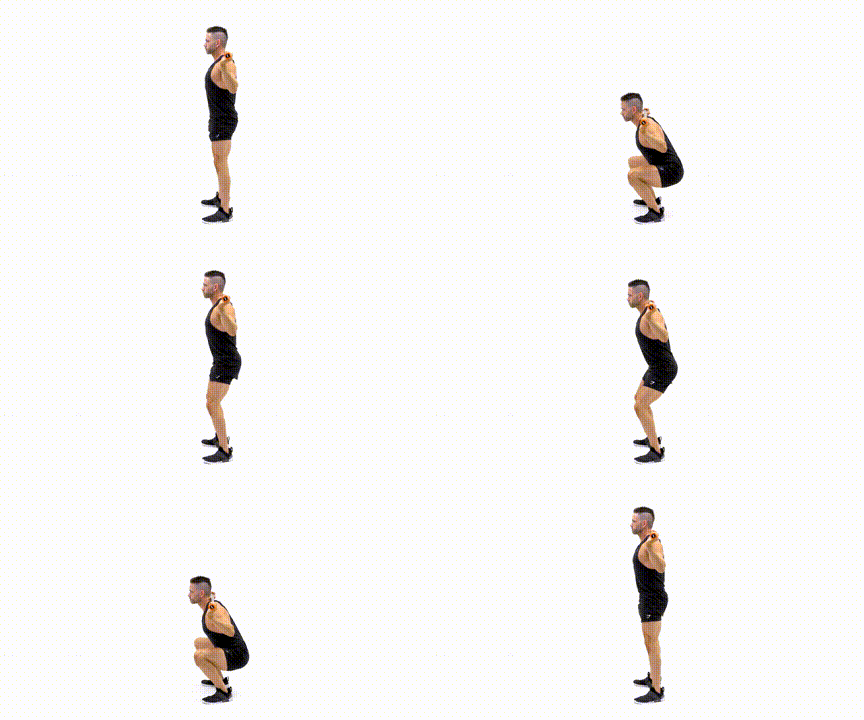
The weighted bar back squat trains the lower body and core through a natural sitting pattern. Keep your feet flat, knees tracking over your toes, and torso tall throughout the rep.
- Best for: Building beginner leg strength and squat confidence.
- Muscles worked: Quads, glutes, hamstrings, calves, and core.
- How to do it: Place the bar across your upper back and stand with feet about hip to shoulder width apart. Push your hips back, bend your knees, lower under control, and stand tall.
- Breathing cue: Inhale as you lower and exhale as you stand.
- Common mistake: Do not let your heels lift or your knees collapse inward.
Weighted Bar Exercise 11: Upright Row
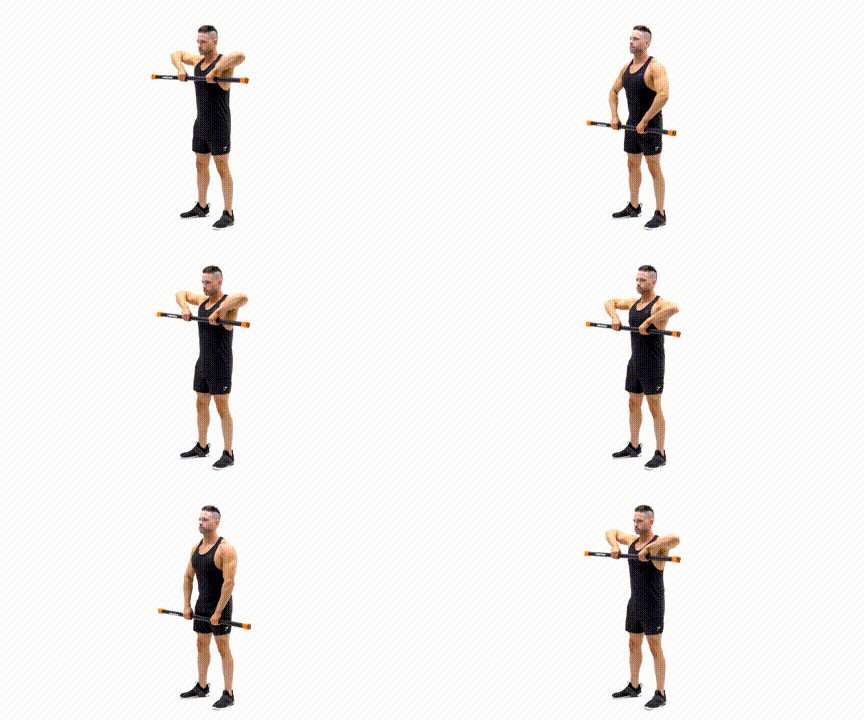
The upright row trains the shoulders and upper back, but it should be performed with a limited range of motion. Stop around lower chest or collarbone height if your shoulders feel comfortable.
- Best for: Training upper back control with a light bar.
- Muscles worked: Deltoids, traps, rhomboids, biceps, and forearms.
- How to do it: Hold the bar in front of your thighs with palms facing your body. Pull the bar upward close to your torso and lower slowly.
- Breathing cue: Exhale as you lift and inhale as you lower.
- Common mistake: Do not pull the bar too high or force the shoulders into discomfort.
Weighted Bar Exercise 12: Bent Over Row
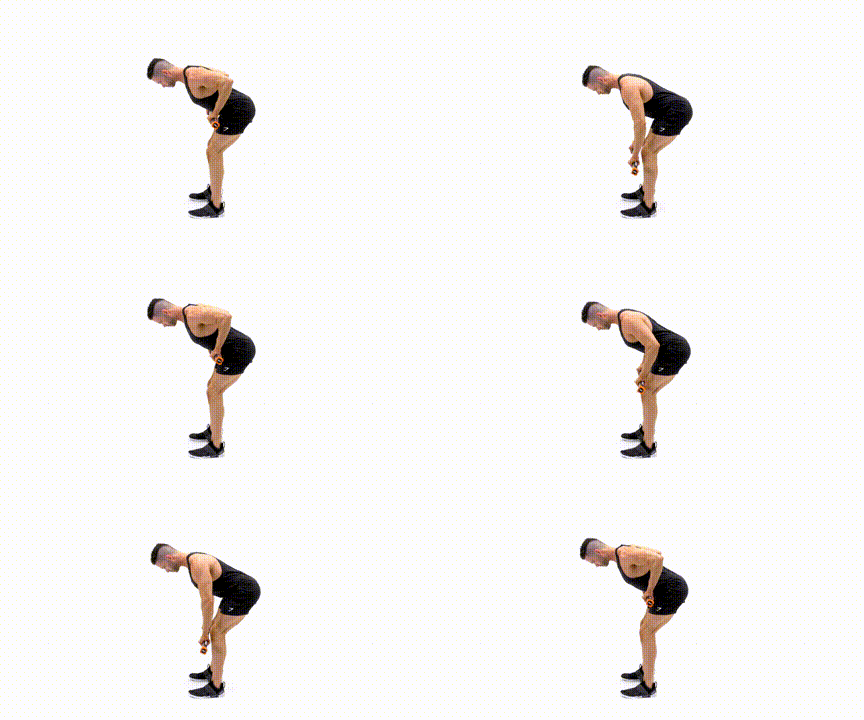
The bent over row trains the back, biceps, and core while reinforcing the hip hinge position. A stable torso matters more than pulling the bar high.
- Best for: Strengthening the back and improving posture under load.
- Muscles worked: Lats, mid traps, rhomboids, rear delts, biceps, and core.
- How to do it: Hinge forward until your torso is roughly 45 degrees and let the bar hang below your shoulders. Pull the bar toward your waist, squeeze your shoulder blades, and lower with control.
- Breathing cue: Exhale as you row and inhale as you lower.
- Common mistake: Do not jerk your torso to create momentum.
For a broader home strength setup, combine weighted bar training with RitFit strength machines and RitFit weight storage as your training space grows.
Workout Routines for Beginners at Home
A beginner routine should be simple enough to repeat and progress without guessing. Research on resistance training and muscle growth supports structured training over time rather than random workouts.[4]
Full Body 3 Day Plan
This plan trains the full body three times per week with basic weighted bar movements. Rest at least one day between sessions if you are new to strength training.
- Day A: Deadlift, forward lunge, bicep curl, and military press for 2 to 3 sets of 8 to 12 reps each.
- Day B: Romanian deadlift, good morning, high pull, and bent over row for 2 to 3 sets of 8 to 12 reps each.
- Day C: Back squat, glute bridge, upright row, and push press for 2 to 3 sets of 8 to 10 reps each.
Quick 10 Minute Routine
This routine works well when you want a short full body session at home. Choose movements you can perform safely even when breathing harder.
- Round structure: Choose 4 exercises and perform each for 40 seconds.
- Rest: Take 20 seconds of rest between exercises.
- Total work: Repeat the circuit twice for a quick conditioning focused workout.
Cool Down and Stretching: Relax and Recover
A cool down helps gradually lower effort and gives you time to restore breathing after training. Keep stretches gentle and avoid forcing positions after fatiguing weighted bar work.
- Walk slowly or march in place for 60 to 90 seconds.
- Sit with one leg extended and hold a hamstring stretch for 20 to 30 seconds per side.
- Stand tall and hold a quad stretch for 20 to 30 seconds per side.
- Use a doorway or wall to hold a chest and shoulder stretch for 20 to 30 seconds.
FAQs
What weight should beginners use for weighted bar exercises?
Beginners should use a weighted bar they can control for 8 to 12 clean reps. Many people start lighter for presses and curls, then use a slightly heavier bar for squats, lunges, and deadlift patterns once posture stays stable.
Can weighted bar exercises build muscle at home?
Yes. Weighted bar exercises can help build muscle when you train consistently, use good form, and progress over time. They are especially useful for beginners because squats, hinges, rows, presses, curls, and lunges train multiple major muscle groups with simple equipment.
Are weighted bars safer than standard barbells for beginners?
Yes. Weighted bars can be easier for beginners because they are lighter, fixed weight, and simple to control. They are not automatically risk free, so users still need proper warm up, slow reps, stable posture, and a clear training space.
What muscles do weighted bar exercises work?
Weighted bar exercises can work the legs, glutes, hamstrings, back, shoulders, arms, and core. Deadlifts and squats train the lower body, rows train the back, presses train the shoulders and triceps, and curls train the biceps and forearms.
How often should beginners do weighted bar workouts?
Beginners can do weighted bar workouts 2 to 3 times per week. Leave at least one recovery day between full body sessions, especially when learning squats, lunges, deadlifts, and overhead presses, because technique can decline when muscles are tired.
Should beginners do snatches with a weighted bar?
No. Beginners should usually avoid snatches unless they are coached by a qualified trainer. The snatch is fast, technical, and overhead, so most new lifters should first master hinges, squats, rows, presses, and controlled hip drive exercises.
Can weighted bar workouts help with weight loss?
Yes. Weighted bar workouts can support weight loss when paired with consistent training, daily movement, and appropriate nutrition. The workouts help build muscle, raise training volume, and make home exercise easier to repeat, but fat loss still depends on overall energy balance.
Conclusion
Weighted bar exercises give beginners a simple way to train strength, balance, and movement control at home. Start with a manageable bar, master the basic patterns first, and build your routine around squats, hinges, rows, presses, curls, lunges, and smart recovery.
Disclaimer: This article is for general educational purposes only and is not medical advice. Stop any exercise that causes sharp pain, dizziness, numbness, or unusual discomfort. If you have a medical condition, recent injury, surgery history, or joint pain, consult a qualified healthcare professional before starting a weighted bar workout.
References
- McLeod JC, Currier BS, Lowisz CV, Phillips SM. The influence of resistance exercise training prescription variables on skeletal muscle mass, strength, and physical function in healthy adults: an umbrella review. J Sport Health Sci. 2024;13(1):47-60. doi:10.1016/j.jshs.2023.06.005
- Afonso J, Brito J, Abade E, Rendeiro Pinho G, Baptista I, Figueiredo P, Nakamura FY. Revisiting the whys and hows of the warm up: are we asking the right questions? Sports Med. 2024;54(1):23-30. doi:10.1007/s40279-023-01908-y
- Zhang W, Chen X, Xu K, Xie H, Li D, Ding S, Sun J. Effect of unilateral training and bilateral training on physical performance: a meta analysis. Front Physiol. 2023;14:1128250. doi:10.3389/fphys.2023.1128250
- Benito PJ, Cupeiro R, Ramos Campo DJ, Alcaraz PE, Rubio Arias JA. A systematic review with meta analysis of the effect of resistance training on whole body muscle growth in healthy adult males. Int J Environ Res Public Health. 2020;17(4):1285. doi:10.3390/ijerph17041285