A 30 minute chest and tricep workout can build upper body strength when it uses focused supersets, controlled reps, and realistic rest periods. This guide gives you a home gym friendly plan with dumbbell, bench, cable, and Smith machine options.
Key Takeaways
- Best for: Busy lifters who want an efficient push day for chest, triceps, and pressing strength.
- Time required: About 30 minutes when using the standard two round version.
- Main equipment: Dumbbells, an adjustable bench, and optional cable or Smith machine access.
- Training goal: Build strength and muscle through pressing, isolation work, and short rest periods.
- Safety focus: Use controlled form, avoid sharp joint pain, and scale volume before adding weight.
Who This Chest and Tricep Workout Is Best For
This workout is best for people who want a fast upper body session without wasting time between exercises. It fits home gym users, busy professionals, parents, and beginners who can control basic pressing movements.
Choose the standard version if you need a true 30 minute session, and choose the advanced version if you can extend the workout slightly. The goal is quality work, not rushing through sloppy reps.
Why Train Chest and Triceps Together?
Chest and triceps work well together because pressing exercises train both muscle groups in the same movement pattern. Bench press, dumbbell press, dips, and push ups all use the chest to drive the press and the triceps to extend the elbows.
Pairing them also saves time because one training block can cover horizontal pressing, incline pressing, elbow extension, and upper body endurance. Research on chest exercises shows that pressing and cable style movements can produce different shoulder, elbow, and wrist loading patterns, so using more than one movement type can make the workout more complete.[1]
Chest and Tricep Muscles Worked
This routine targets the pectoralis major, triceps brachii, anterior deltoids, and supporting upper back stabilizers. The chest handles the main pressing force, while the triceps finish each rep through elbow extension.
- Pectoralis major: Drives horizontal pressing, incline pressing, and fly movements.
- Triceps brachii: Extends the elbow during presses, push ups, dips, and isolation work.
- Anterior deltoids: Assist the chest during pressing and help control the shoulder angle.
- Scapular stabilizers: Help keep the shoulder blades controlled during pressing and fly patterns.
Equipment Needed
You can do this chest and tricep workout with dumbbells, an adjustable bench, and enough space for push ups. A cable station or Smith machine adds more exercise variety, but it is not required.
- Dumbbells: Use moderate weights that let you complete each set with clean control.
- Adjustable bench: Use flat and incline settings for presses and flyes.
- Cable option: Use a cable station for pushdowns, overhead extensions, and cable fly variations.
- Timer: Use a timer to keep rest periods honest and protect the 30 minute structure.
For a bench based setup, the RitFit GATOR 1600LB Adjustable Weight Bench is a relevant option for incline press, flat press, and dumbbell fly work. If you are building a broader home gym, compare RitFit weight benches, RitFit dumbbells, and RitFit Smith machines before choosing your training layout.
30 Minute Workout Overview
The standard version uses two rounds per superset to keep the workout realistic within 30 minutes. Advanced lifters can perform three rounds if they can maintain form and accept a longer session.
| Block | Time | Focus |
|---|---|---|
| Warm Up | 4 minutes | Shoulders, elbows, upper back, light pressing |
| Superset 1 | 7 minutes | Incline dumbbell press and overhead tricep extension |
| Superset 2 | 7 minutes | Push up or bench press and tricep dips |
| Superset 3 | 7 minutes | Dumbbell flyes and tricep kickbacks or pushdowns |
| Finisher | 3 minutes | Close grip push up density work |
| Setup Buffer | 2 minutes | Bench angle changes and quick transitions |
Warm Up for Chest and Triceps
A proper warm up prepares your shoulders, elbows, wrists, and chest for pressing. Keep it short, active, and specific to the movements you are about to perform.
- Arm circles: Perform 30 seconds forward and 30 seconds backward to warm the shoulders.
- Band pull aparts: Perform 15 to 20 reps to activate the upper back and improve shoulder control.
- Incline push ups: Perform 10 controlled reps to practice pressing without fatigue.
- Light dumbbell press: Perform 1 easy set before the first working set.
The Main 30 Minute Chest and Tricep Workout
Perform each superset back to back, then rest 45 to 60 seconds before repeating. Research on hypertrophy variables supports managing training volume, load, rest, and effort together rather than chasing one single magic variable.[2]
Superset 1: Incline Dumbbell Press and Overhead Tricep Extension
This pairing trains the upper chest first and then isolates the long head of the triceps. Use the incline press as the heavier movement and the overhead extension as the controlled accessory movement.
- 1A Incline Dumbbell Press: Perform 2 sets of 10 to 12 reps on a 30 to 45 degree incline.
- Form cue: Keep your feet planted, shoulder blades pulled back, and elbows slightly tucked.
- 1B Overhead Tricep Extension: Perform 2 sets of 12 to 15 reps with one dumbbell or a cable rope.
- Form cue: Keep your elbows close to your head and avoid turning the movement into a shoulder swing.
Superset 2: Push Up or Bench Press and Tricep Dips
This pairing builds mid chest strength and gives the triceps a heavier bodyweight challenge. Choose push ups for a simple home version or bench press if you have a rack, Smith machine, or stable barbell setup.
- 2A Push Ups or Bench Press: Perform 2 sets of 8 to 12 reps or stop 1 to 2 reps before form breaks.
- Form cue: Keep your ribs down, brace your core, and use a controlled full range of motion.
- 2B Tricep Dips: Perform 2 sets of 8 to 12 reps using parallel bars, a dip station, or a stable bench.
- Form cue: Stop when your upper arms reach about parallel and avoid forcing extra depth.
Superset 3: Dumbbell Flyes and Tricep Isolation
This pairing finishes the workout with focused chest stretch and tricep lockout control. Use lighter loads because fatigue will be higher at this point.
- 3A Flat Dumbbell Flyes: Perform 2 sets of 10 to 12 reps with a slight elbow bend.
- Form cue: Lower slowly until you feel a chest stretch, then bring the dumbbells together without turning it into a press.
- 3B Tricep Kickbacks or Rope Pushdowns: Perform 2 sets of 12 to 15 reps with full elbow extension.
- Form cue: Keep your upper arm still and squeeze the triceps at the end of each rep.
3 Minute Finisher
Use close grip push ups as a short finisher to increase training density without adding more equipment. Set a timer for 3 minutes and complete small clean sets with short breaks.
- Method: Perform sets of 5 to 10 close grip push ups with 10 to 20 seconds of rest.
- Target: Keep every rep controlled and stop each set before your shoulders collapse forward.
- Beginner option: Place your hands on a bench to reduce load and protect form.
- Advanced option: Use a slower lowering phase and keep the same 3 minute time cap.
Beginner, Intermediate, and Advanced Versions
The best version is the one you can finish with consistent form. Scale rest, volume, and load before trying to make the workout harder.
| Level | Rounds | Rest | Best Adjustment |
|---|---|---|---|
| Beginner | 1 to 2 rounds | 60 to 90 seconds | Use lighter weights and incline push ups |
| Intermediate | 2 rounds | 45 to 60 seconds | Use the standard plan as written |
| Advanced | 3 rounds | 30 to 45 seconds | Add load only if reps stay controlled |
How to Progress This Workout Over 4 Weeks
Progressive overload means improving one variable while keeping technique consistent. Do not increase weight, reps, and speed all at the same time.
| Week | Goal | Progression |
|---|---|---|
| Week 1 | Learn form | Use moderate weight and stop 2 reps before failure |
| Week 2 | Add reps | Add 1 to 2 reps per set where form stays clean |
| Week 3 | Add load | Increase dumbbell weight slightly on pressing movements |
| Week 4 | Improve density | Keep weight stable and reduce rest by 10 to 15 seconds |
Form Tips for Better Results
Controlled reps make a short workout more effective because they keep tension on the target muscles. A review on resistance training tempo notes that movement speed can affect training variables, so use deliberate control instead of bouncing through reps.[3]
Use a Controlled Lowering Phase
Lower the weight for about 2 seconds on presses, flyes, and extensions. This improves control and helps you feel the target muscle without needing excessive load.
Keep Elbows in a Joint Friendly Range
Use a slight elbow tuck on presses and avoid flaring your elbows straight out to the sides. This helps reduce unnecessary shoulder stress while keeping the chest involved.
Stop Before Technique Breaks
End each set when you can no longer control the rep path. Fatigue is useful, but poor mechanics can shift stress away from the chest and triceps.
Home Gym Substitutions
You can adapt this workout to a small home gym by matching each movement pattern instead of copying every gym exercise exactly. The goal is to keep one chest press, one chest isolation move, and one or two tricep movements.
| Gym Exercise | Home Gym Option | Useful Equipment |
|---|---|---|
| Barbell bench press | Dumbbell bench press | Adjustable bench and dumbbells |
| Cable pushdown | Band pushdown | Resistance band or cable station |
| Parallel bar dip | Bench dip | Stable bench or dip handles |
| Cable fly | Dumbbell fly | Flat bench and light dumbbells |
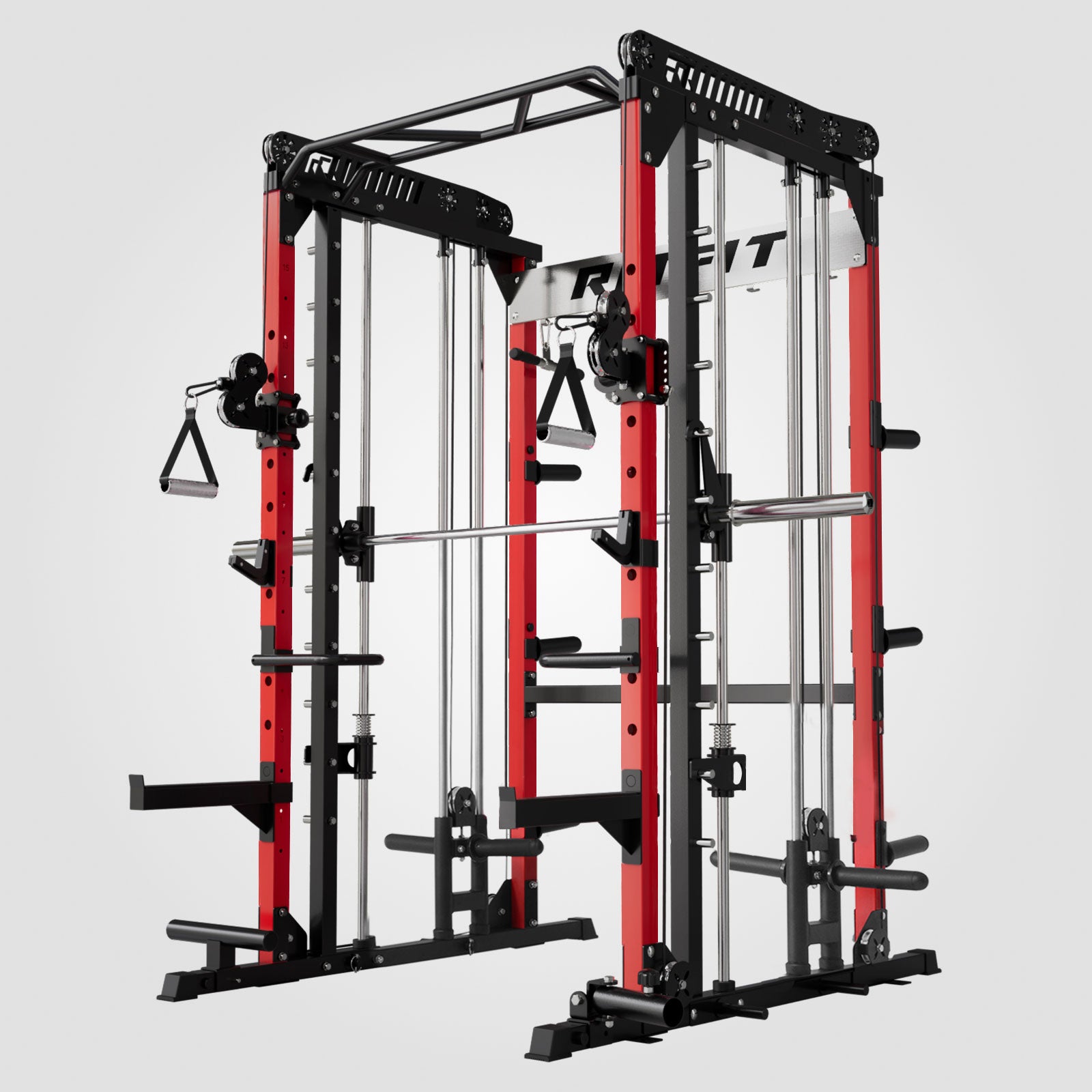
If you want more cable based variety, compare the RitFit Cable Crossover Machine and RitFit cable machine attachments. For a larger strength setup, the RitFit racks package collection can support broader full body training beyond chest and triceps.
Common Mistakes to Avoid
The most common mistakes are using too much weight, resting too little, and letting shoulder position break down. Fixing these issues usually improves the workout more than adding more exercises.
- Going too heavy: Choose a load that lets you control the full rep without bouncing or twisting.
- Skipping the warm up: Warm shoulders and elbows before pressing because cold joints tolerate less load.
- Going too deep on dips: Stop around upper arms parallel if deeper reps irritate your shoulders.
- Rushing transitions: Set up your bench and dumbbells before starting the timer.
- Ignoring recovery: Leave at least 48 hours before repeating a hard chest and tricep session.
Nutrition and Recovery for Chest and Tricep Growth
Training creates the stimulus, but recovery and nutrition support adaptation. The International Society of Sports Nutrition position stand states that exercising individuals often benefit from higher protein intake than sedentary people, commonly within a 1.4 to 2.0 g per kg per day range depending on context.[4]
- Protein: Aim for consistent daily protein rather than relying only on one post workout meal.
- Carbohydrates: Eat enough carbs to support hard pressing sessions and recovery.
- Sleep: Prioritize sleep because strength performance often drops when recovery is poor.
- Frequency: Train chest and triceps 1 to 2 times per week based on recovery and total weekly volume.
Sample Weekly Schedule
This chest and tricep workout fits best inside a balanced weekly plan that also trains pulling muscles, legs, shoulders, and core. Avoid training heavy pushing days on back to back days if your elbows or shoulders feel irritated.
- Day 1: Chest and triceps using this workout.
- Day 2: Back and biceps with rows, pulldowns, and curls.
- Day 3: Rest, walking, or mobility work.
- Day 4: Legs and glutes.
- Day 5: Shoulders and core.
- Day 6: Full body training or active recovery.
- Day 7: Rest.
Recommended Home Gym Setup
The simplest setup for this workout is an adjustable bench and a pair of dumbbells. If you want more exercise variety, add a cable station or Smith machine so you can perform pushdowns, cable flyes, and guided pressing variations.
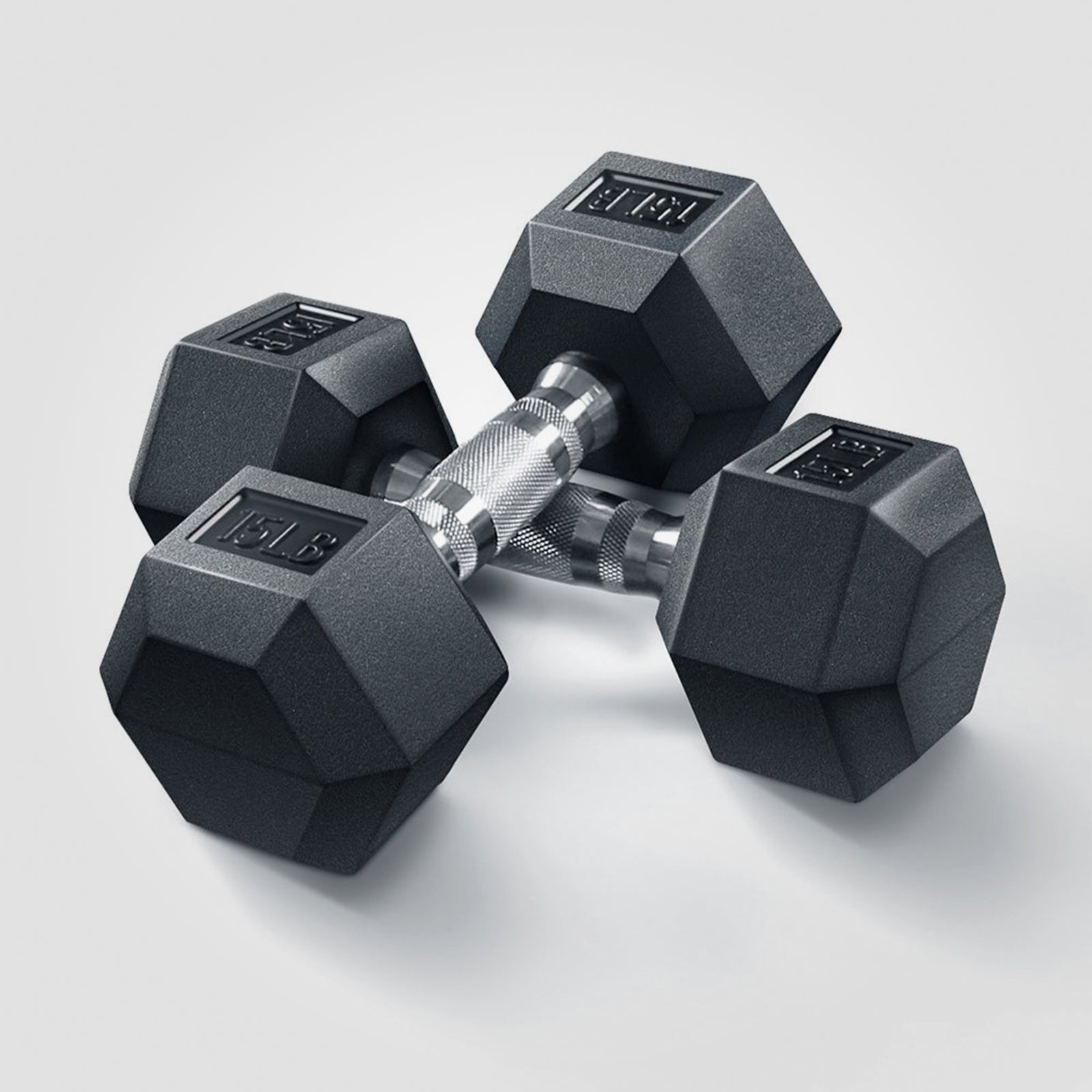
Start with RitFit Hex Rubber Dumbbells and an adjustable bench if space is limited. If you are planning a full strength zone, compare the RitFit M1 Smith Machine with Cable Crossover System with the broader RitFit home gym equipment lineup.
FAQs
Can I build muscle with a 30 minute chest and tricep workout?
Yes. A 30 minute chest and tricep workout can build muscle when the sets are hard, controlled, and progressed over time. Use compound presses first, add tricep isolation after, track reps and load, and repeat the workout consistently with enough recovery between sessions.
How often should I do a chest and tricep workout?
Most people should train chest and triceps one to two times per week. Use one weekly session if recovery is limited, and use two sessions if soreness, joint comfort, and performance stay stable. Leave at least 48 hours between hard push workouts.
What equipment do I need for a home chest and tricep workout?
You need dumbbells, an adjustable bench, and enough floor space for push ups. A cable machine, Smith machine, or rack can add more variety, but the core workout still works with simple home gym equipment when loads and reps are managed well.
Should beginners do chest and triceps on the same day?
Yes. Beginners can train chest and triceps on the same day because both muscles work together during pressing. Start with fewer sets, longer rest, and lighter weights. Focus on stable shoulders, controlled elbows, and clean reps before increasing load or workout density.
How heavy should I lift for chest and tricep supersets?
Use a weight that leaves one to three good reps in reserve on most working sets. The final reps should feel challenging but still controlled. If your shoulders lift, elbows flare, or range of motion shortens, reduce the load and rebuild clean technique.
Can I replace bench press with push ups?
Yes. Push ups can replace bench press when you train at home or do not have a barbell setup. Make them harder with slower reps, a weighted backpack, resistance bands, or feet elevation. Keep the same chest and tricep focus by controlling elbow position.
Is it better to train chest before triceps?
Yes. Train chest before triceps because the chest is the larger muscle group and needs more strength for pressing. Triceps still receive direct work later in the workout. This order helps preserve pressing performance while still fully training elbow extension.
What should I do if dips hurt my shoulders?
Stop dips if they create sharp shoulder pain or uncomfortable front shoulder pressure. Replace them with close grip push ups, cable pushdowns, or dumbbell floor presses. Keep your range of motion controlled and avoid forcing deep positions that your shoulders cannot tolerate.
Conclusion
A 30 minute chest and tricep workout works best when it is structured, realistic, and easy to repeat. Use the standard version for a true 30 minute session, then progress gradually with more reps, slightly heavier loads, or shorter rest.
For home gym training, start with a stable bench, dumbbells, and a clear plan. Add cable or Smith machine options when you want more exercise variety and a more complete strength training space.
Disclaimer
This article is for general fitness education only and is not medical advice. Stop exercising if you feel sharp pain, dizziness, chest pain, or unusual symptoms, and consult a qualified healthcare or fitness professional if you have an injury, medical condition, or uncertainty about exercise safety.
References
- Schütz P, Zimmer P, Zeidler F, Plüss M, Oberhofer K, List R, Lorenzetti SR. Chest exercises: movement and loading of shoulder, elbow and wrist joints. Sports (Basel). 2022;10(2):19. doi:10.3390/sports10020019.
- Bernárdez-Vázquez R, Raya-González J, Castillo D, Beato M. Resistance training variables for optimization of muscle hypertrophy: an umbrella review. Front Sports Act Living. 2022;4:949021. doi:10.3389/fspor.2022.949021.
- Wilk M, Zajac A, Tufano JJ. The influence of movement tempo during resistance training on muscular strength and hypertrophy responses: a review. Sports Med. 2021;51(8):1629-1650. doi:10.1007/s40279-021-01465-2.
- Jäger R, Kerksick CM, Campbell BI, Cribb PJ, Wells SD, Skwiat TM, et al. International Society of Sports Nutrition Position Stand: protein and exercise. J Int Soc Sports Nutr. 2017;14:20. doi:10.1186/s12970-017-0177-8.