The best small exercise bench depends on your space, training goal, and lifting style. Choose an adjustable bench for full home gym versatility, a flat bench for maximum stability, and a foldable bench when storage is your top priority.
A bench should make training safer and more consistent, not create wobble, clutter, or awkward exercise substitutions. This guide compares the three main bench types so you can choose the right setup for your home gym.
If you want one bench for most home workouts, choose an adjustable bench. If you lift heavy and care most about stability, choose a flat bench, and if you live in an apartment, choose a foldable bench with a secure frame and clear weight rating.
Table of Contents
Key Takeaways
- Best overall choice: An adjustable bench gives most home gym users the best mix of flat, incline, and seated training options.
- Best for heavy pressing: A flat bench is usually the most stable option because it has fewer moving parts and a continuous support surface.
- Best for small apartments: A foldable bench is the easiest to store, but stability and locking design matter more than compact size alone.
- Most important safety check: Match the bench weight rating, frame design, pad support, and floor grip to the loads you actually train with.
- Smartest buying rule: Choose the bench that fits your weekly routine, because convenience strongly affects whether you use your equipment consistently.
Adjustable vs Flat vs Foldable Bench Comparison
The fastest way to choose a small exercise bench is to compare training range, stability, and storage needs. Use this table before looking at specific models.
| Bench Type | Best For | Main Advantage | Main Limitation | Space Fit |
|---|---|---|---|---|
| Adjustable Bench | Full home gym training | Flat, incline, and seated movements | Larger footprint and more moving parts | Best for dedicated training areas |
| Flat Bench | Heavy pressing and simple strength work | Very stable support surface | No incline or seated back support | Best for garages, basements, and rack setups |
| Foldable Bench | Apartments and shared rooms | Easy storage after training | Must verify locking system and load rating | Best for studios and multipurpose rooms |
The Contenders at a Glance
The three main bench options are adjustable, flat, and foldable. Each one solves a different home gym problem.
- The Adjustable Bench: This is the most versatile option for incline pressing, seated shoulder work, chest supported rows, and dumbbell training.
- The Flat Bench: This is the most stable option for heavy bench press, dumbbell press, step ups, and basic strength work.
- The Foldable Bench: This is the most space conscious option for apartment lifters who need to clear the room after training.
For most people, the right choice is not the most expensive bench. It is the bench that matches your space, strength level, exercise list, and storage habit.
The Adjustable Bench: The Versatility King
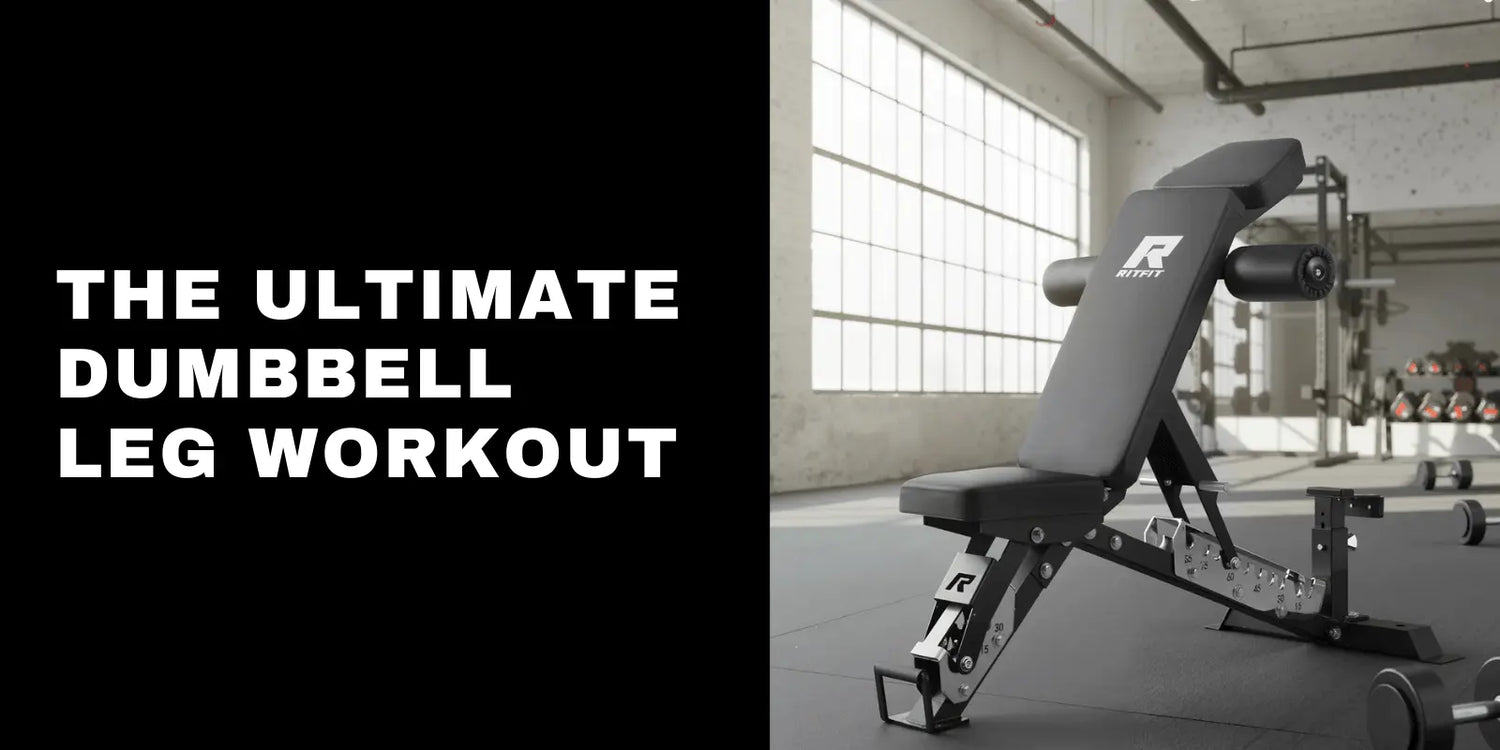
An adjustable exercise bench is the best choice if you want one bench to support the widest range of home workouts. It allows flat, incline, and seated positions, which helps you train more movements without buying multiple stations.
Best For
An adjustable bench is best for home bodybuilders, dumbbell lifters, and anyone building a complete home gym around one core bench.
Training and Safety Perspective
Adjustable angles help you vary pressing patterns instead of repeating only one flat position. Research comparing horizontal and incline bench press training suggests both can support upper body neuromuscular adaptations, which makes angle variety useful for balanced programming.[1]
The Tradeoff
The main tradeoff is that adjustable benches usually need more floor space and a stronger frame. The hinge, ladder, or pop pin system should feel locked in before every set.
When a RitFit Adjustable Bench Makes Sense
The RitFit GATOR 1600LB Adjustable Weight Bench makes sense if you want a sturdy adjustable bench for incline presses, seated shoulder presses, dumbbell rows, and full home gym strength training.
If you are comparing bench options, the broader RitFit weight bench collection is the best place to review different bench formats before choosing one model.
The Flat Bench: The Powerhouse
A flat exercise bench is the best choice if stability matters more than exercise variety. Its simple design gives heavy lifters a firm support surface with fewer parts that can shift under load.
Best For
A flat bench is best for strength focused lifters, garage gym owners, and users who already have a rack, barbell, or dumbbell setup.
Training and Safety Perspective
A rigid bench can make heavy pressing feel more predictable because the support surface does not change angle or collapse into a pad gap. Resistance training injury reviews consistently point to improper technique, excessive loading, and insufficient recovery as key injury contributors, so stable setup and controlled loading matter.[2]
The Tradeoff
The main limitation is that a flat bench cannot support incline pressing or upright seated work. You gain simplicity and stability, but lose angle based exercise variety.
When a Flat Bench Makes Sense
A flat bench makes sense if your weekly training centers on bench press, dumbbell press, rows, step ups, and basic accessory work. Pair it with a stable rack, proper spotter arms, and enough room to move safely around the bench.
If your bench will sit inside a rack station, explore the RitFit Smith machine collection or the RitFit power rack collection to build a more complete pressing setup.
The Foldable Bench: The Space Saver
A foldable exercise bench is the best choice if your home gym shares space with your living room, office, or bedroom. It gives you a real training surface without forcing your equipment to stay visible all day.
Best For
A foldable bench is best for apartment dwellers, beginners, and lifters who value a clean room as much as a consistent workout routine.
Training and Safety Perspective
The foldable design only works well when the frame locks securely and the feet stay planted during pressing, rows, and step ups. Exercise adherence research shows that convenience, confidence, and environment can influence whether people maintain a routine, so easy storage can be a real training advantage.[3]
The Tradeoff
The main tradeoff is that setup takes extra time and not every folding mechanism is built for very heavy training. Always check the product page for exact weight rating, folded dimensions, frame design, and locking details.
When a RitFit Foldable Bench Makes Sense
The RitFit adjustable foldable utility bench makes sense if you need a bench that supports home gym lifting but can be stored after training.
Decision Matrix: Which Profile Are You?
The best bench is the one that removes your biggest training barrier. Match your profile below to the bench type that solves your real problem.
- Studio Dweller: Choose a foldable bench if your living room is also your gym, office, and dining area. Storage convenience will make it easier to train without feeling surrounded by equipment.
- Heavy Lifter: Choose a flat bench if you lift heavy and want the most stable surface for pressing. Add spotter arms, floor protection, and enough side clearance before loading serious weight.
- Home Bodybuilder: Choose an adjustable bench if you want incline presses, seated shoulder work, chest supported rows, and dumbbell accessories. The extra angles are worth the extra floor space.
- Beginner Building a First Gym: Choose an adjustable bench if you are unsure which exercises you will use most. It gives you more room to experiment as your program develops.
- Budget Focused Buyer: Choose the simplest bench that fits your actual lifts. Do not pay for adjustability if your routine is mostly flat pressing and dumbbell rows.
Before You Buy a Small Exercise Bench
A good small exercise bench should fit your body, room, and training plan. Check these details before adding any bench to your cart.
- Weight Capacity: Add your body weight and your working load before judging the rating. Leave a safety margin instead of buying a bench that barely matches your current strength.
- Bench Footprint: Measure the bench length and width against your available training area. You should still have room to pick up dumbbells, walk around the bench, and bail safely when needed.
- Pad Width and Comfort: Choose a pad that supports your upper back without forcing your shoulders into an awkward position. Very narrow pads can feel unstable for broad lifters.
- Pad Gap: Adjustable benches may have a gap between the seat and back pad. A small gap is normal, but a large gap can feel distracting during flat pressing.
- Floor Grip: Rubber feet and a level floor help prevent sliding during heavy sets. For hardwood, tile, or garage concrete, use rubber gym flooring mats to protect the surface and improve traction.
- Dumbbell Compatibility: If most of your training uses dumbbells, make sure you have space to place and retrieve them safely. A pair of RitFit hex rubber dumbbells pairs naturally with adjustable, flat, and foldable benches.
- Rack Compatibility: If you plan to bench press with a barbell, confirm rack height, J hook position, and safety arm setup. A bench should line up cleanly with your rack before you load the bar.
Expert Tips for Small Space Training
Small spaces can work well if you plan clearance, storage, and loading before you train. These rules reduce clutter and improve safety.
- Keep Two Feet of Clearance: Leave enough space around the bench for dumbbells, foot placement, and safe exits. Tight corners make basic exercises feel harder than they should.
- Use Vertical Storage: Store flat or foldable benches upright only if the design allows it safely. Never lean a heavy bench where children, pets, or foot traffic can knock it over.
- Train on a Non Slip Surface: Rubber flooring helps stop bench movement and protects your floor. This matters most during dumbbell presses, hip thrusts, and step ups.
- Check Pins Before Every Set: Adjustable and foldable benches should be locked before loading. A quick check is faster than recovering from a preventable slip.
- Progress Load Gradually: Traditional resistance training appears safer than more chaotic formats when performed correctly, but load jumps still increase risk. Use small increases and stop sets when form changes.[4]
FAQs
What is the best small exercise bench for a home gym?
An adjustable bench is the best small exercise bench for most home gyms. It supports flat pressing, incline pressing, seated shoulder work, and rows, so one bench can cover more exercises. Choose a flat bench only if heavy pressing stability matters more than exercise variety.
Is a foldable exercise bench safe for weight training?
Yes, a foldable exercise bench can be safe when the frame locks securely and the weight rating fits your training. Check the hinge, feet, pad support, and folded storage design before buying. Avoid maximal barbell attempts on any bench that feels unstable under moderate loads.
Which is better, an adjustable bench or a flat bench?
An adjustable bench is better for exercise variety, while a flat bench is better for simple heavy pressing. Choose adjustable if you want incline work, seated support, and bodybuilding accessories. Choose flat if your priority is a stable surface for bench press and basic dumbbell strength training.
How much space do I need for a small exercise bench?
You need enough space for the bench plus safe movement around it. A practical rule is to leave about two feet of clearance on each side. Also measure room for dumbbells, rack uprights, barbell sleeves, and a walking path before placing the bench permanently.
Can I build muscle with only an adjustable exercise bench?
Yes, you can build muscle with an adjustable exercise bench when you pair it with progressive dumbbell or barbell training. The bench lets you train chest, shoulders, back, arms, and legs through multiple angles. Results still depend on load progression, recovery, nutrition, and consistent programming.
Should beginners buy a flat or adjustable exercise bench?
Beginners usually benefit more from an adjustable exercise bench. It gives more exercise options as strength, confidence, and training goals change. A flat bench is still a good choice if the beginner already follows a simple rack based program focused on pressing and basic strength work.
Does bench weight capacity really matter for home workouts?
Yes, bench weight capacity matters because it includes your body weight plus the load you lift. A bench that barely meets your current total load leaves little safety margin. Choose a model with a clearly stated rating, stable feet, and a frame suited to your training style.
Where should I place a bench in a small home gym?
Place your bench on a level, non slip surface with clear space around the sides and head. Avoid doors, cluttered corners, and slick flooring. If you use a rack, center the bench with the bar path and confirm safety arms are positioned correctly before loading.
Conclusion
The best small exercise bench is the one that fits your room and supports the way you train most often. Choose adjustable for versatility, flat for heavy stability, and foldable for space saving convenience.
Before buying, measure your space, check the weight rating, review the bench mechanism, and match the bench to your actual weekly workouts. A smart bench choice makes your home gym safer, cleaner, and easier to use consistently.
Disclaimer: This article is for general fitness education only and is not medical advice, rehabilitation guidance, or a substitute for professional coaching. If you have pain, injury history, balance concerns, or a medical condition, consult a qualified clinician or certified trainer before starting a new resistance training program.
References
- Chaves SFN Rocha-Junior VA Encarnacao IGA et al. Effects of horizontal and incline bench press on neuromuscular adaptations in untrained young men. Int J Exerc Sci. 2020;13(6):859-872. doi:10.70252/FDNB1158
- Kawa O Zywiec W Czyzewski B et al. Most common injuries in resistance training: mechanisms, therapeutic interventions, and preventive strategies. Cureus. 2025;17(10):e94035. doi:10.7759/cureus.94035
- Collado-Mateo D Lavin-Perez AM Penacoba C et al. Key factors associated with adherence to physical exercise in patients with chronic diseases and older adults: an umbrella review. Int J Environ Res Public Health. 2021;18(4):2023. doi:10.3390/ijerph18042023
- Serafim TT de Oliveira ES Maffulli N Migliorini F Okubo R. Which resistance training is safest to practice? A systematic review. J Orthop Surg Res. 2023;18:296. doi:10.1186/s13018-023-03781-x