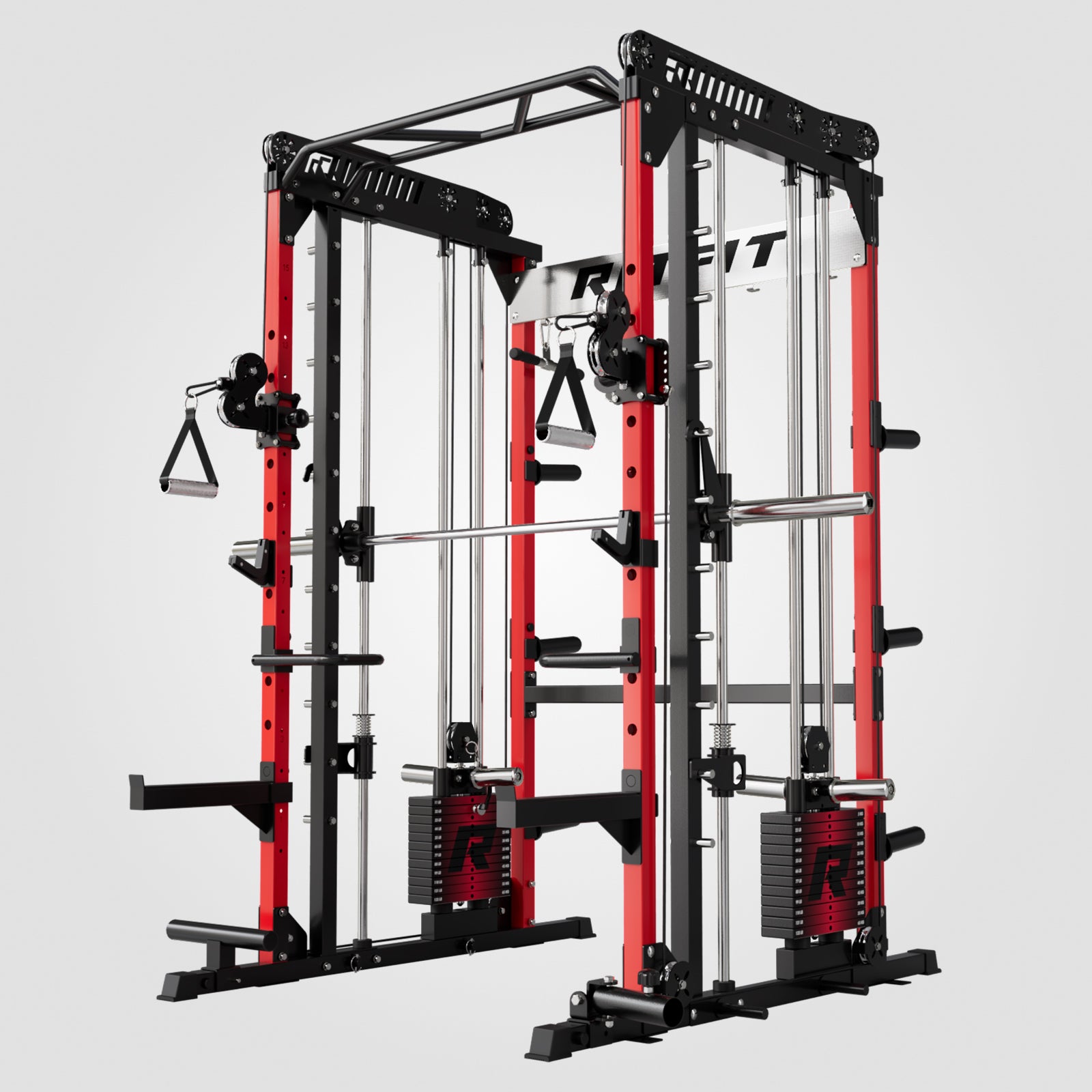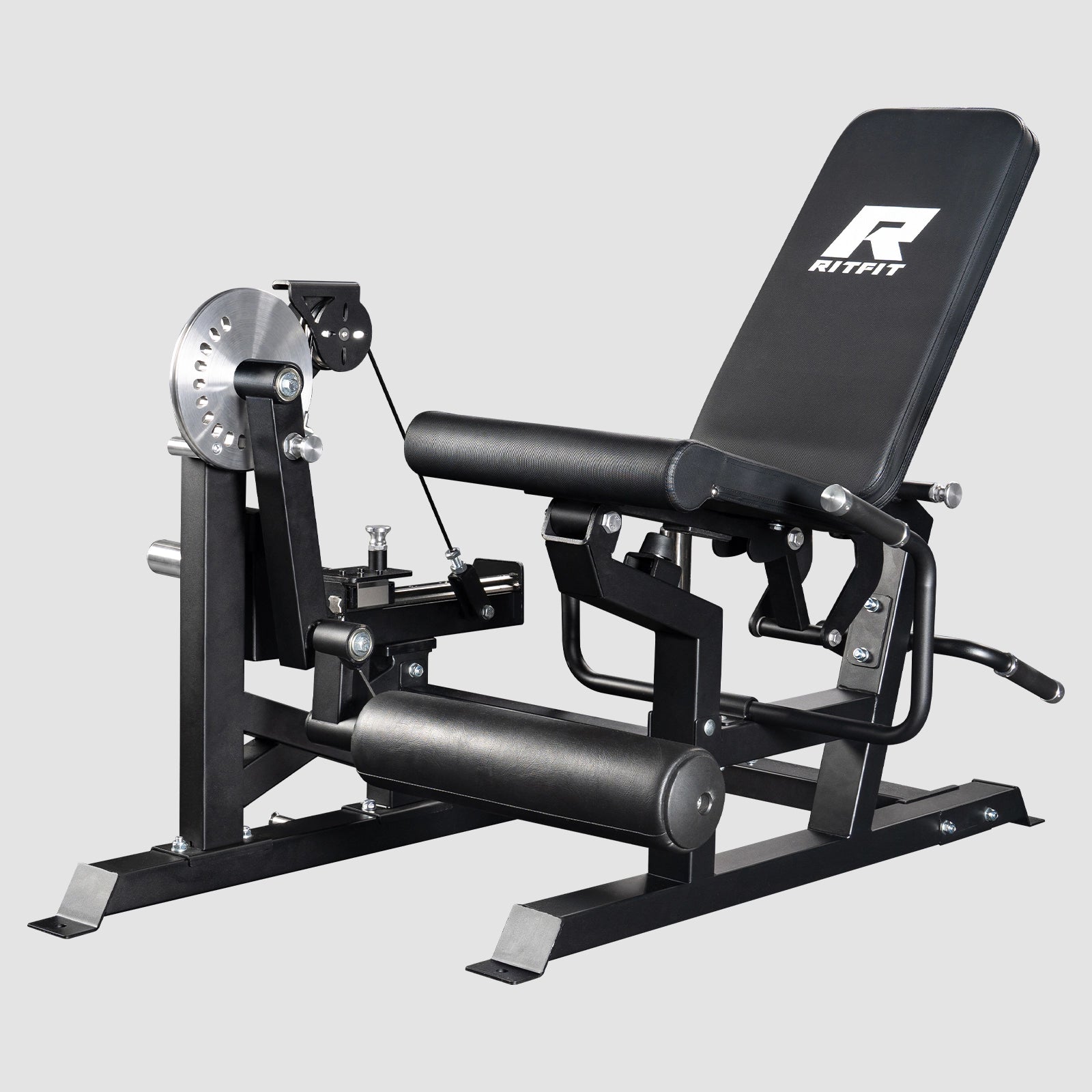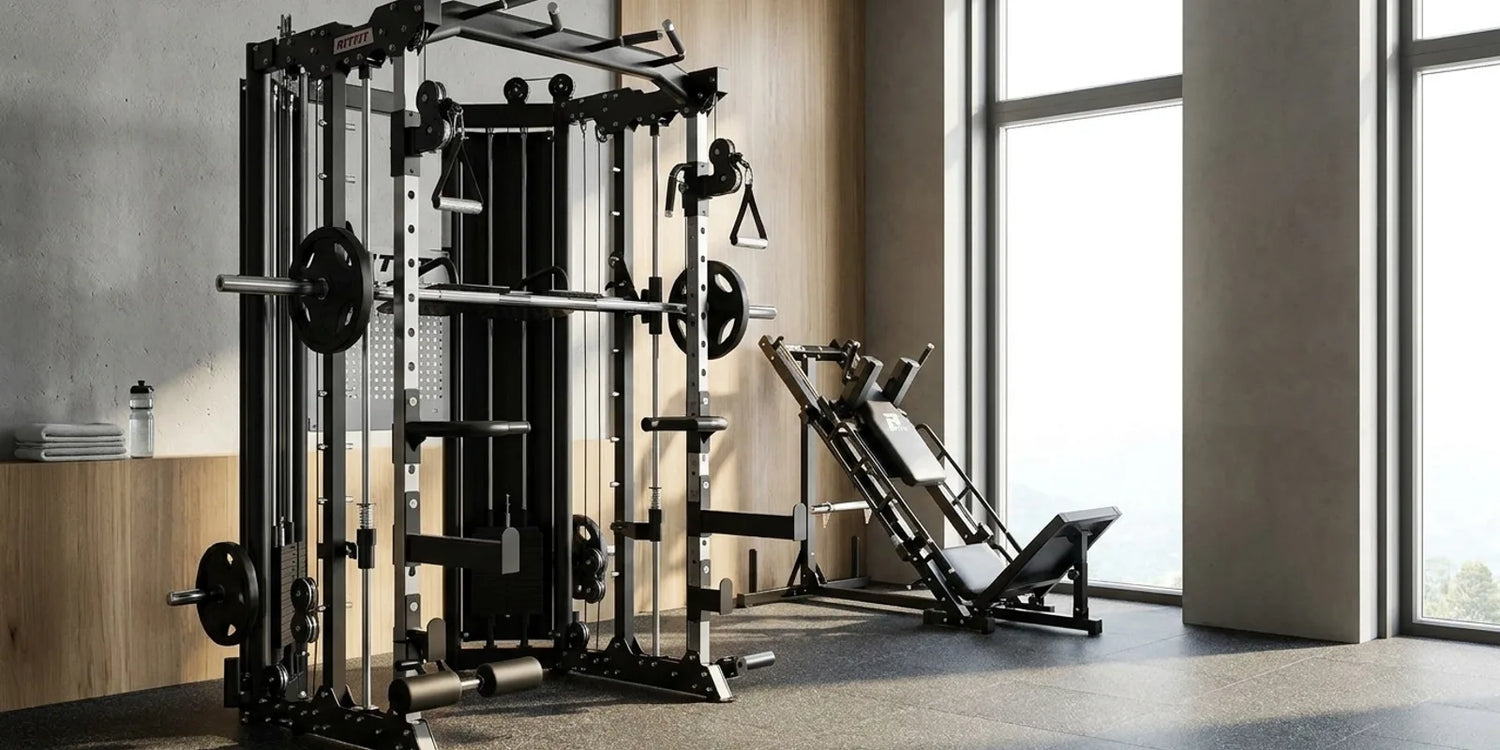
Yes. All in one home gyms are worth it for most home users who want full body strength training, better schedule control, and fewer space compromises. The RitFit M1 PRO is a strong example because it combines a Smith system, cable crossover, rack functions, pull up work, and storage in one footprint, but it is still worth buying only if your room, budget, and training style match the setup.
Key Takeaways
- One machine can replace several stations: An all in one setup makes the most sense when you want Smith work, cable work, rack work, and pull ups in one place.
- The value depends on your room and routine: A compact footprint helps, but ceiling height, plate loading clearance, and training style still matter.
- The M1 PRO is strongest for practical home training: It fits beginners, busy households, and intermediate lifters better than highly specialized strength athletes.
- Versatility does not remove trade offs: A Smith path is not the same as a free barbell, and multi use setups take longer to change between some exercises.
- Buying well means looking past the headline: Specs, safety options, warranty, included parts, and optional attachments matter more than hype.
What Exactly Is an All in One Gym Machine?
An all in one gym machine is a compact strength station that combines multiple training functions inside one footprint. Most models bring together a Smith system, cable work, pull up options, storage, and at least some rack based barbell capability so you can train more movement patterns without filling the room with separate machines.
Key Factors to Consider Before Investing
- Space and Home Setup:Space should be your first filter because a home gym is only useful if you can move around it safely and load plates without fighting the room. Measure floor space, ceiling height, bench clearance, and side clearance before you compare price or features.
- Budget and Long Term Value:An all in one machine is worth the money when it replaces several purchases and helps you train consistently enough to justify the cost. It usually makes less sense if you only want one lift, prefer selectorized machines, or are unlikely to use the setup often.
- Training Goals:Your training goal decides whether versatility is a real benefit or just extra hardware. For general strength, hypertrophy, body recomposition, and garage gym efficiency, an all in one system usually covers more useful ground than a single purpose machine.
- Convenience and Time Savings:Convenience is one of the biggest reasons these systems make sense for home users. When your equipment is always available, it becomes much easier to train in shorter windows and maintain consistent weekly volume.
- Experience Level and Safety:Experience level matters because guided and semi guided options can lower the barrier to starting strength training at home. A Smith system, adjustable safeties, and cable work can make solo sessions more approachable, but they still do not replace correct setup, sound technique, or conservative load selection.
- Durability and Upgrade Potential:Durability matters because a home gym should support years of progressive overload rather than just the first few months of use. For the M1 PRO, RitFit lists 2×2 inch 14 gauge steel for the rack, and its current strength equipment warranty lists 3 years for frame and welding, 1 year for bushings and bearings, and 6 months for parts and pads.
Deep Dive into the RitFit M1 PRO
What the M1 PRO Is
The RitFit M1 PRO is positioned as an all in one home gym that combines a Smith machine, cable crossover system, squat rack functions, pull up work, and plate storage in one station. That makes it a practical example for buyers comparing whether one compact machine can realistically replace several pieces of equipment.
Core Specifications
Official RitFit specifications list the M1 PRO at 79.1 inches long, 68.1 inches wide, and 85.3 inches high, with a 20.9 square foot footprint and a rack weight of 339 pounds. RitFit also lists a 33 pound Smith bar, 1600 pound maximum load, 2:1 pulley ratio, 15 cable adjustment positions, and up to 420 pounds of single side cable capacity.
Included Features and Attachments
Current M1 PRO pages highlight the Smith system, dual cable crossover, pull up station, storage, and adjustable holes for J hooks, safety bars, and dip bars as core parts of the setup. Buyers should also check the exact package carefully because RitFit sells some M1 PRO add ons separately, including the dedicated LDM1 lat pulldown attachment and related attachment bundles
Versatile Workouts with the M1 PRO
Upper Body Training
The M1 PRO is well suited to upper body training because it supports pressing, rowing, cable isolation work, pull ups, and accessory volume in one station. That gives home users a practical path for chest, back, shoulders, biceps, and triceps work without switching across multiple machines.
Lower Body Training
Lower body training is one of the clearest benefits of an all in one setup because you can move between Smith squats, lunges, free weight rack work, and cable based leg accessories in the same session. This flexibility is especially useful for lifters who want quad, glute, and hamstring work inside a compact home gym layout.
Core and Functional Movements
Adjustable cables expand the machine beyond basic pressing and squatting. They also make it easier to add anti rotation work, wood chops, standing crunch variations, and unilateral training that improves coordination and control.
Range of Motion and Progression
An all in one system is worth it when it gives you enough exercise variety to progress without constantly outgrowing the setup. The M1 PRO supports that by letting you combine heavier compound work with cable accessories, higher rep hypertrophy sets, and short rest supersets in one training block.
The Real World Advantages
Space Efficiency
Space efficiency is the biggest practical win because one machine can replace a Smith machine, cable station, pull up setup, and part of a rack based setup. That matters most in garages, spare rooms, and family homes where every square foot has to earn its place.
Unmatched Versatility
Versatility is what makes an all in one machine easier to justify than a single purpose purchase. You can train compound lifts, cable isolation work, pull based volume, and core work without rebuilding your room around separate stations.
Built In Safety Features
Built in safety is valuable for solo home training because guide rails and safeties can reduce risk when they are adjusted correctly and used with good technique. They are most helpful for users who want more confidence during presses, squats, and other heavy home gym movements.
Cost Efficiency
Cost efficiency shows up over time rather than on day one. If one station helps you avoid buying multiple pieces of equipment and keeps you training regularly, the long term value can be better than spreading money across separate machines you use less consistently.
Ultimate Convenience
Convenience is not a minor perk because consistency usually beats perfection in home training. A machine that removes the commute, the schedule friction, and the wait for equipment can make it easier to hit weekly training targets in real life.
Honest Limitations and Trade Offs
Smith Machine vs Free Weights
The Smith track is useful, but it does not fully replace the feel or stabilizer demand of a free barbell. Lifters who strongly prefer open bar path training may still want a more traditional rack centered setup.
Maximum Load Capacities
The published capacities are strong for home use, but capacity alone does not make every movement feel identical to commercial equipment. Advanced lifters should think about cable feel, bar path preference, and long term loading style rather than assuming every number translates the same way in practice.
Setup, Assembly, and the Learning Curve
Assembly is a real part of the buying decision because an all in one machine is not a plug and play purchase. You need time, patience, enough room to build it safely, and a willingness to learn how each station adjusts before the machine feels efficient.
Customization Compared to Dedicated Equipment
A multi function setup gives you range, but it does not always give you the fastest transitions. Moving a bench, changing attachments, and loading plates can still slow the session compared with dedicated selectorized machines or separate stations.
Noise and Home Floor Constraints
Home lifting always interacts with the room around it, so floor protection and noise control matter more than many buyers expect. Good mats, stable placement, and thoughtful plate handling can do a lot to protect both the equipment and the space.
Who Should Consider the M1 PRO?
Busy Parents Seeking Convenience
The M1 PRO makes the most sense for busy parents when the main problem is not motivation but time and access. A compact home setup can make short sessions realistic without turning every workout into a trip outside the house.
Beginners Needing Guidance
Beginners often benefit from an all in one station because it provides multiple ways to train without demanding an advanced equipment collection from day one. The mix of guided lifting, rack options, and cable work can make progression feel more manageable while form is still developing.
Experienced Lifters Wanting Efficiency
Experienced home lifters can also get strong value from the M1 PRO if they want exercise density and movement variety in a limited space. It is especially appealing for lifters who want productive general strength and hypertrophy training without building a large specialist gym.
Safety Conscious Families with Limited Space
Families with tighter space usually benefit most from equipment that consolidates functions and reduces floor clutter. When storage, rack work, cable work, and Smith work live in one station, the room stays easier to organize and easier to use.
Making Your Final Decision
A Quick Decision Checklist
- Space: Confirm your ceiling height, bench clearance, plate loading room, and walkway space.
- Training Style: Choose it if you want strength variety, not if you only want a pure free weight setup.
- Convenience Value: Buy it when home access will clearly increase your weekly training consistency.
- Package Fit: Verify what is included, what is optional, and whether you want plate loaded or weight stack style resistance.
- Safety Plan: Prepare mats, correct placement, and a clear setup routine before the first workout.
Common Scenarios
If you want one compact station for full body strength training at home, an all in one machine is often the practical answer. If you care more about a competition style rack feel, ultra fast exercise transitions, or fully separate stations, a modular or dedicated setup may serve you better.
The Long Term Value Perspective
The long term value question is simple: will this machine help you train more often and more effectively over the next several years. If the answer is yes, then the machine is not just a product purchase but a system that supports your routine, your space, and your consistency.
Practical Tips for Everyday Use
Assembly and Safety Basics
Set the machine on a level surface, build it with enough open room, and test every adjustment point before loading heavy weight. Start with conservative loads, set safeties intentionally, and treat your first few sessions as setup practice rather than max effort training.
Effective Programming Ideas
The M1 PRO works best when you use its versatility instead of repeating the same pattern every session. Pair a main lift with cable accessories, use supersets to save time, and organize sessions around push, pull, squat, hinge, and core patterns.
Smart Upgrades and Accessories
The best upgrades are the ones that remove friction from your actual training. For many home users, that means a stable adjustable bench, protective flooring, quality Olympic plates, and only the M1 PRO attachments that directly support the exercises they do most often.
Final Verdict on All in One Home Gyms
Yes, all in one home gyms are worth it for most buyers who want strength variety, solo training convenience, and better use of limited space. The RitFit M1 PRO stands out because RitFit positions it as a compact station that combines Smith training, dual cables, rack functions, pull up work, and storage, but specialist lifters with larger rooms and more specific preferences may still be better served by separate dedicated equipment.