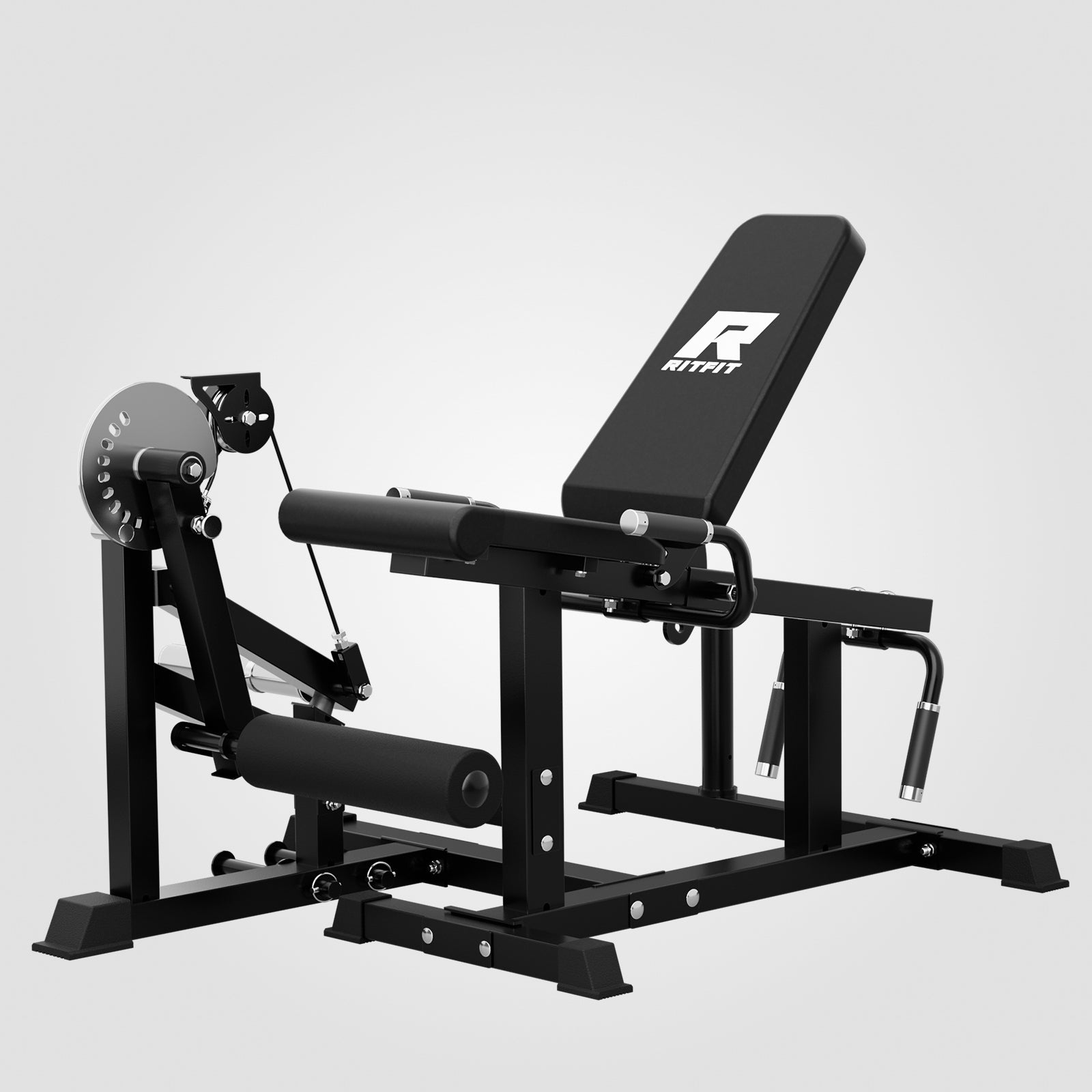
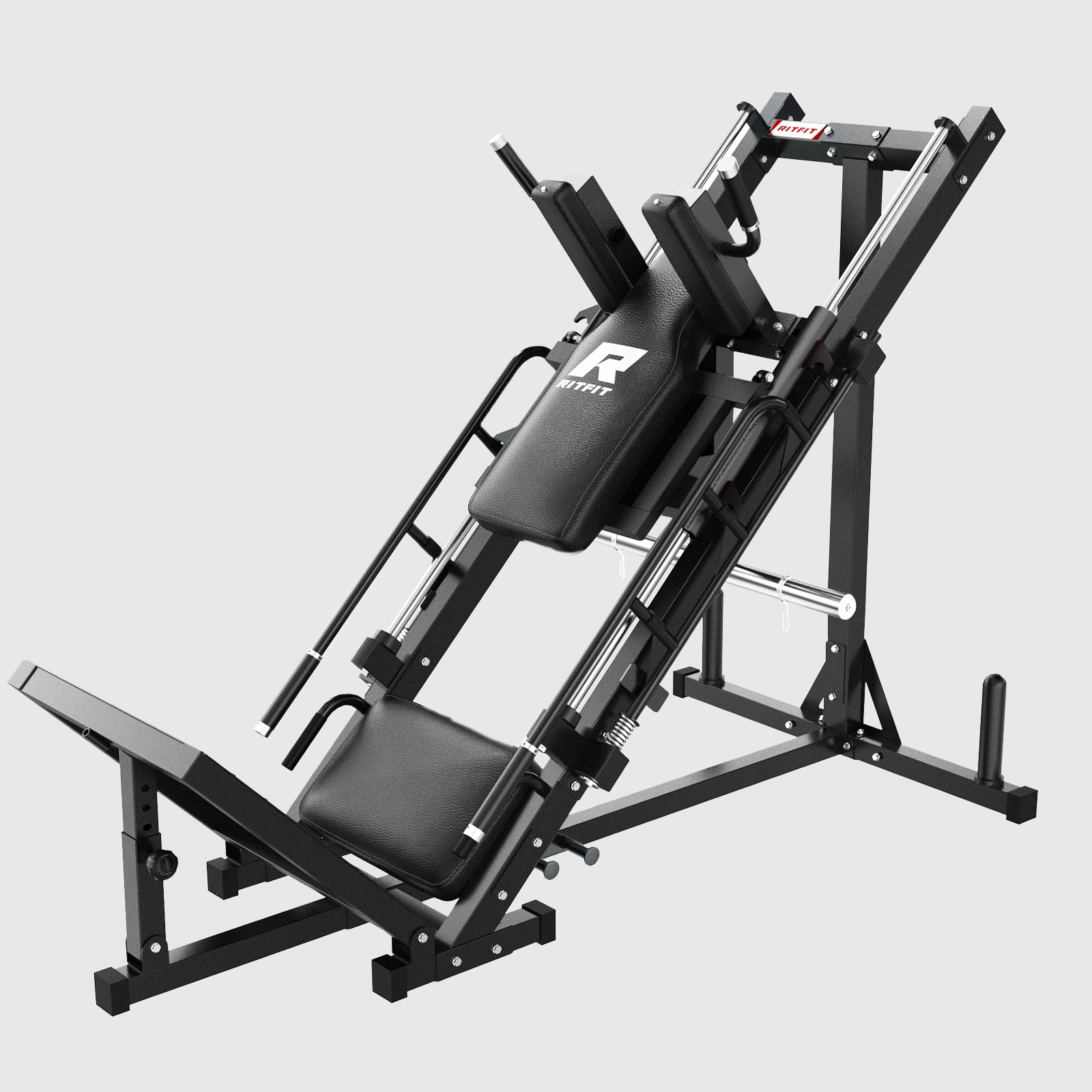
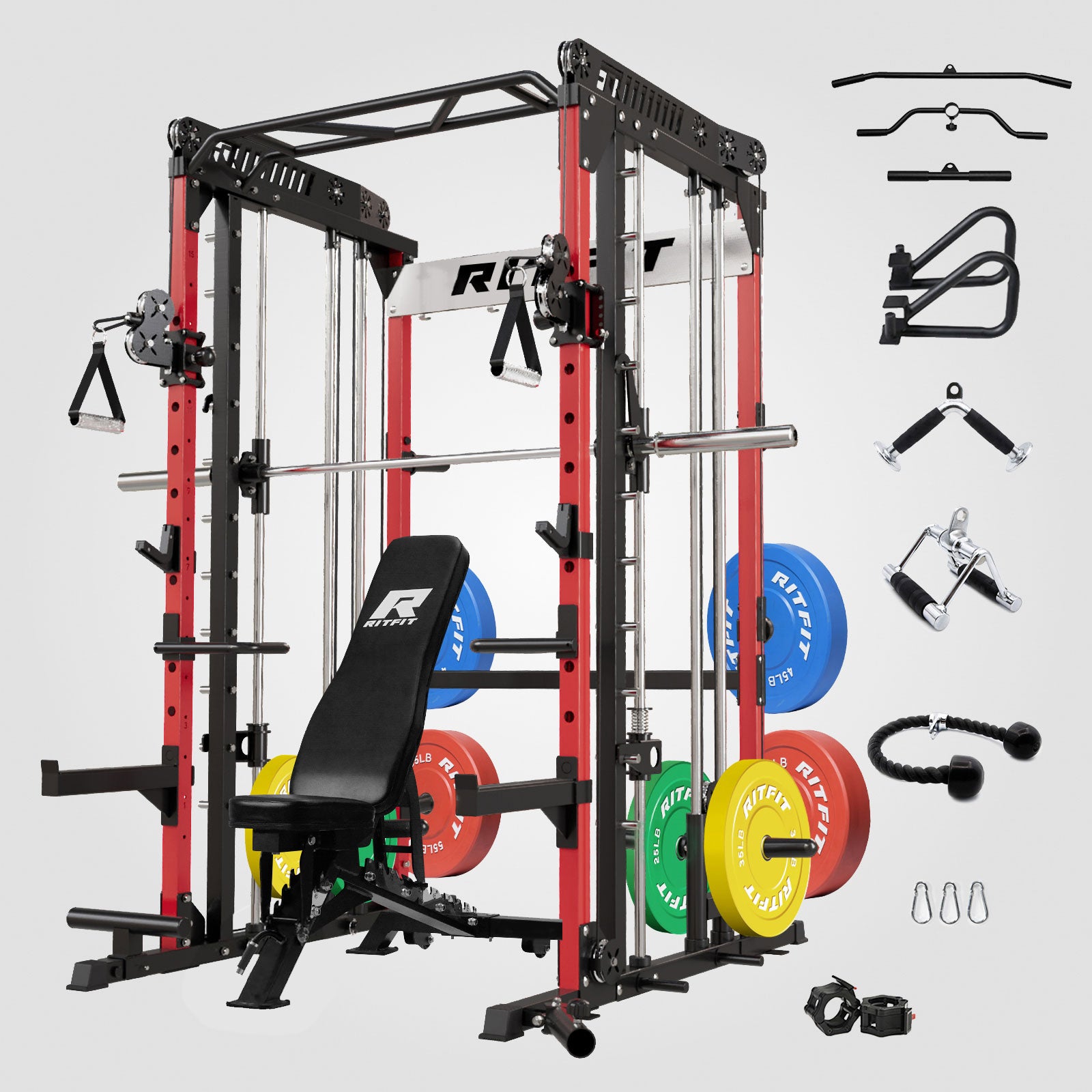
Arm machines at the gym help build stronger biceps, triceps, shoulders, chest, and upper back because they provide guided resistance and stable movement paths. The best options include the bicep curl machine, cable station, tricep extension machine, shoulder press machine, lat pulldown, seated row, chest press, and lateral raise machine.
This guide explains what each machine trains, how to set it up, and how to combine machines into a safe upper body routine.
Table of Contents
- What Counts as an Arm Machine at the Gym?
- Quick Comparison of the Best Arm Machines
- Understanding Upper Body and Arm Muscles
- Biceps Focused Gym Machines
- Triceps Focused Gym Machines
- Shoulder and Upper Arm Machines
- Chest and Back Machines That Build Arms
- Cable Stations and Functional Trainers for Arms
- Can You Do Arm Machine Workouts at Home?
- How to Structure an Upper Body and Arm Machine Workout
- Safety Tips and Form Guidelines
- Common Mistakes to Avoid
Key Takeaways
- The best arm machines at the gym train more than just arms. Pressing and pulling machines also build the chest, upper back, shoulders, biceps, triceps, and forearms.
- Cable stations are among the most useful arm training tools. They support curls, pushdowns, overhead extensions, rows, and single arm work with smooth tension.
- Machine setup matters as much as machine choice. Seat height, elbow alignment, grip position, and controlled range of motion all affect safety and results.
- Beginners should usually start with compound upper body machines. Chest press, lat pulldown, seated row, and shoulder press build a stronger base before direct arm isolation.
- Arm growth depends on consistent effort, not just heavier weight. Controlled reps, enough weekly sets, and progressive overload usually work better than rushed reps and momentum.
What Counts as an Arm Machine at the Gym?
An arm machine at the gym can be either a direct isolation machine or an upper body machine that loads the arms as secondary movers. Biceps grow from curls and pulling work, while triceps grow from extensions and pressing work.
That is why a complete arm machine workout should include more than curl machines and pushdown stations. It should also use rows, pulldowns, presses, and shoulder machines to build stronger support muscles.
Quick Comparison of the Best Arm Machines
The best arm machine depends on your goal, training level, and joint comfort. Use this comparison to choose the right machine before building your workout.
| Machine | Main Muscles | Best For | Beginner Friendly | Key Form Tip |
|---|---|---|---|---|
| Bicep Curl Machine | Biceps, brachialis | Strict curl practice | Yes | Line up elbows with the machine pivot |
| Cable Curl Station | Biceps, forearms | Constant tension curls | Yes | Keep elbows close to your sides |
| Tricep Extension Machine | Triceps | Focused elbow extension | Yes | Lock out with control |
| Cable Pushdown Station | Triceps | Triceps size and pressing support | Yes | Keep upper arms still |
| Shoulder Press Machine | Delts, triceps | Overhead strength | Yes | Brace your back against the pad |
| Lat Pulldown Machine | Lats, biceps, forearms | Pulling strength | Yes | Pull elbows down instead of leaning back |
| Seated Row Machine | Upper back, biceps, rear delts | Posture and pulling balance | Yes | Keep the chest tall |
Understanding Upper Body and Arm Muscles
Arm machine training works best when you understand which muscles perform each movement. Most upper body machines train several muscles at once, so arm growth usually comes from both direct isolation and compound machine work.
- Biceps: The biceps flex the elbow and support pulling, curling, and underhand grip movements. They also work with the brachialis and forearms during pulldowns, rows, and cable curls.
- Triceps: The triceps extend the elbow and support pressing strength. They work hard during pushdowns, dips, chest presses, shoulder presses, and machine extensions.
- Shoulders: The deltoids raise, press, and stabilize the upper arm. Front delts assist pressing, side delts build shoulder width, and rear delts support posture and pulling balance.
- Forearms: The forearms support grip, wrist position, and cable control. Stronger forearms help you hold handles and maintain better alignment during pulling machines.
- Upper Back and Chest: The chest drives pressing work while the upper back supports pulling strength and posture. Better arm development usually improves when these larger muscles are trained alongside direct arm work.
Biceps Focused Gym Machines
Bicep Curl Machine
The bicep curl machine is one of the simplest ways to isolate elbow flexion and train the biceps with a fixed path. Set the seat so your elbows match the pivot point, keep your upper arms stable on the pad, and avoid swinging the weight.
Cable Machine for Biceps
The cable machine is one of the best options for biceps because it keeps tension on the muscle through more of the range of motion. Use low cable curls, single arm cable curls, or high cable curls, and keep your elbows steady during both the lift and the lowering phase.
For lifters who want more biceps detail, a dedicated guide to short head biceps exercises can help explain how grip and arm angle change the feel of curls.
Triceps Focused Gym Machines
Tricep Extension Machine
The tricep extension machine targets elbow extension with less balance demand than free weights. Adjust the seat so your elbows line up with the machine axis, keep your shoulders down, and finish each rep with control instead of snapping the elbows straight.
Cable Pushdown Station
Cable pushdowns are one of the most effective gym exercises for building triceps size and pressing support. A rope allows more freedom at the bottom, while a straight bar often feels stronger for heavier sets.
Rope handles, straight bars, and grip handles can change the comfort and angle of cable arm exercises. If you train cables often, compare cable machine exercise handles and lat pulldown cable attachments to match your curls, rows, pushdowns, and pulldowns.
Shoulder and Upper Arm Machines
Shoulder Press Machine
The shoulder press machine builds the deltoids while giving the triceps a strong secondary stimulus. Set the handles near shoulder height, brace your core against the pad, and avoid over arching your lower back.
Lateral Raise Machine
The lateral raise machine isolates the side delts better than most compound presses and helps create a broader upper body look. Use light to moderate resistance, raise with control, and stop the set when traps start taking over.
If your gym has a seated shoulder press or chest press station, learn how pressing patterns carry over to home training through this Smith machine shoulder press guide.
Chest and Back Machines That Build Arms
Chest Press and Pec Deck
Chest machines are not direct arm machines, but they still help build the triceps, front delts, and pressing strength. The chest press overloads triceps near lockout, while the pec deck adds chest focused tension that supports balanced upper body development.
Lat Pulldown and Seated Row Machines
Lat pulldowns and seated rows are some of the best machines for building arms through compound pulling. Both train the lats and upper back while also loading the biceps, brachialis, rear delts, and forearms.
Machine based and free weight training can both improve strength and hypertrophy when the exercise, effort, and progression are matched to the goal.[1] For home gym users, the same pulling pattern can be practiced with a lat pulldown on a Smith machine or with a dedicated multi grip lat pull down bar.
Cable Stations and Functional Trainers for Arms
Cable stations are among the most versatile upper body training tools because they allow multiple angles, attachments, and resistance paths. They work well for curls, pushdowns, overhead tricep extensions, face pulls, rows, and single arm hypertrophy work.
- Best biceps cable moves: Low cable curls, single arm cable curls, and high cable curls train the biceps through different resistance angles. They are useful when you want steadier tension than many dumbbell curl variations.
- Best triceps cable moves: Rope pushdowns, straight bar pushdowns, and overhead cable extensions cover the major triceps functions. Overhead variations can emphasize the long head because the shoulder starts in a flexed position.
- Why cables work so well: Cable resistance can feel smoother and more continuous than some fixed path machines. That makes cables useful for joint friendly training, focused muscle tension, and high quality finishing work.
For a home gym setup, a cable crossover machine can help recreate many gym based curls, pushdowns, rows, and shoulder isolation exercises.
Can You Do Arm Machine Workouts at Home?
Yes, many gym arm machine movements can be recreated at home with a cable machine, functional trainer, Smith machine cable system, or press machine. The key is choosing equipment that supports both pulling and pressing rather than only one isolation exercise.
- For biceps: Use low cable curls, single arm cable curls, and neutral grip pulling variations. These movements allow steady tension without needing a dedicated curl machine.
- For triceps: Use rope pushdowns, straight bar pushdowns, and overhead cable extensions. These options train elbow extension while allowing small grip changes for comfort.
- For shoulders: Use shoulder press, lateral raise, cable front raise, and face pull variations. A press machine or Smith machine setup can provide more stability for beginners.
- For chest and upper back: Use chest press, rows, and pulldown variations. A balanced arm routine should include the larger muscles that support elbow and shoulder strength.
If your goal is home based pressing strength, the RitFit GORILLA chest and shoulder press machine is a relevant option to compare with gym shoulder press and chest press machines.
How to Structure an Upper Body and Arm Machine Workout
A good arm machine workout should start with stable compound machines and finish with direct arm isolation work. This order trains the chest, back, shoulders, biceps, and triceps efficiently while reducing the need for complex technique.
Sample Beginner Machine Only Arm and Upper Body Workout
Use this plan two times per week at first, then progress to three sessions only if recovery stays good. Research on resistance training frequency suggests that more frequency is not automatically better unless total volume and recovery are managed well.[3]
| Exercise | Sets | Reps | Rest | Main Goal |
|---|---|---|---|---|
| Chest Press Machine | 3 | 8 to 12 | 90 seconds | Chest, triceps, front delts |
| Lat Pulldown Machine | 3 | 8 to 12 | 90 seconds | Lats, biceps, forearms |
| Seated Row Machine | 3 | 8 to 12 | 90 seconds | Upper back, rear delts, biceps |
| Shoulder Press Machine | 2 to 3 | 8 to 12 | 90 seconds | Delts, triceps |
| Bicep Curl Machine | 2 to 3 | 10 to 15 | 60 seconds | Biceps and brachialis |
| Tricep Cable Pushdown | 2 to 3 | 10 to 15 | 60 seconds | Triceps |
Arm Size Machine Workout
This version adds more direct biceps and triceps volume after compound upper body work. Moderate rep ranges can work well for hypertrophy, but different loads can build muscle if sets are challenging and technique stays controlled.[2]
- Lat Pulldown: Perform 3 sets of 8 to 12 reps. Use a neutral or underhand grip if it feels comfortable and keeps the elbows tracking well.
- Seated Row: Perform 3 sets of 8 to 12 reps. Pull with the elbows and avoid turning the movement into a lower back swing.
- Cable Curl: Perform 3 sets of 10 to 15 reps. Keep the shoulders quiet and control the lowering phase.
- Bicep Curl Machine: Perform 2 sets of 12 to 15 reps. Use this as strict finishing work after heavier pulling.
- Rope Pushdown: Perform 3 sets of 10 to 15 reps. Spread the rope at the bottom only if your elbows stay comfortable.
- Overhead Cable Extension: Perform 2 sets of 12 to 15 reps. Use a smooth range and stop if shoulder or elbow pain appears.
Intermediate Progression
Intermediate lifters should progress by adding load, reps, sets, or harder cable angles while keeping form stable. Movement tempo can influence training quality, so use controlled lifting and lowering rather than rushed reps.[4]
- Add reps first: Keep the same weight until you can reach the top of the rep range with clean form. Then increase the weight slightly and rebuild control.
- Add sets carefully: Add one extra set to biceps or triceps only when recovery is strong. Elbow soreness is a sign to reduce direct arm volume.
- Rotate attachments: Use rope, straight bar, single handle, and neutral grip options to find joint friendly angles. Changing the attachment should improve comfort, not hide poor form.
- Track weekly volume: Most people do well with 6 to 12 hard direct sets for biceps and triceps per week. More is not better if performance drops or joints feel irritated.
Safety Tips and Form Guidelines
Good machine training is safer and more effective when setup matches your body and reps stay controlled. Most mistakes come from poor seat height, rushed reps, and using more weight than you can stabilize.
- Set the machine to your body: Adjust the seat and pads so your elbows or shoulders line up with the machine pivot when possible. Better alignment usually improves target muscle tension and reduces joint stress.
- Use a controlled range of motion: Lift and lower the weight with intent instead of letting the stack slam. Smooth reps usually train the target muscle better and keep the shoulders and elbows happier.
- Start lighter than you think: Lighter weights make it easier to learn the path, feel the working muscle, and repeat good form. Once your technique is stable, progressive overload becomes more useful.
- Respect pain signals: Muscle fatigue is expected, but sharp joint pain is not. If a fixed path machine feels wrong, switch to a cable variation or reduce the range of motion.
Common Mistakes to Avoid
Small technical errors can make arm machines less effective and more irritating on the shoulders, elbows, or wrists. Avoiding these mistakes will usually improve muscle tension and long term progress.
- Using momentum: Swinging the torso or rushing reps reduces tension on the target muscle. It also makes strength progress harder to measure.
- Ignoring compound lifts: Only doing curl and extension machines can limit overall upper body development. Presses, rows, and pulldowns create the bigger strength base that supports arm growth.
- Training arms too often: Biceps and triceps can recover faster than larger muscle groups, but they still need rest. Hard direct arm training two or three times per week is enough for most people.
- Poor posture on seated machines: Rounded shoulders and a loose core can shift stress away from the target muscles. Keep your chest up, shoulders organized, and body stable against the pad.
- Choosing weight before setup: A heavy stack does not help if your elbows, shoulders, or wrists are out of position. Fix the seat, grip, and range before increasing resistance.
Frequently Asked Questions
Which arm machine at the gym is best for beginners?
The best beginner arm machines are the bicep curl machine, cable pushdown station, shoulder press machine, and seated row machine. These options provide stable paths, simple setup, and enough control to learn elbow and shoulder position before progressing to harder free weight movements.
Can cable machines build bigger arms?
Yes. Cable machines can build bigger arms when you use progressive overload, controlled reps, and enough weekly sets. Cables keep tension on the biceps and triceps through many angles, which makes them useful for curls, pushdowns, overhead extensions, and finishing work after heavier compound machines.
What arm machine at the gym is best for triceps?
The cable pushdown station is usually the easiest triceps arm machine to learn for most beginners. It trains elbow extension with stable body position, and different attachments can change the feel of the movement without requiring complex setup or heavy shoulder loading.
Are arm machines enough to build noticeable arm size?
Yes. Machines are enough to build noticeable arm size when your routine includes direct arm work and compound upper body pulling and pressing. The key is consistent effort, enough weekly volume, full control, and gradual increases in load or reps over time.
How many times per week should I use arm machines?
Most lifters can train biceps and triceps two or three times per week inside an upper body or full body plan. Direct arm work should be hard enough to create fatigue, but not so excessive that elbow soreness affects pressing or pulling sessions.
Are arm machines better than dumbbells for beginners?
For bigger arms, machines and free weights both work when training quality is high. Machines often help beginners isolate the target muscle with less balance demand, while dumbbells allow more freedom of movement and can be useful after basic machine technique feels stable.
Should I use compound machines before arm machines?
Start with compound upper body machines before direct arm machines when strength and muscle growth are both goals. Chest press, lat pulldown, seated row, and shoulder press prepare the larger muscle groups, then curls and pushdowns add focused biceps and triceps volume.
Conclusion
The best arm machines at the gym help you build more than your arms because they also improve upper body strength, posture, and training confidence. Start with a few well chosen machines, use controlled form, and progress gradually so your biceps, triceps, shoulders, chest, and back can grow together.
Disclaimer: This article is for general fitness education only and does not replace medical advice, diagnosis, or individualized coaching. If you have shoulder, elbow, wrist, or back pain, or you are returning from injury, consult a qualified healthcare professional or certified trainer before starting a new training program.
References
- Haugen ME, Vårvik FT, Larsen S, Haugen AS, van den Tillaar R, Bjørnsen T. Effect of free weight vs machine based strength training on maximal strength, hypertrophy and jump performance: a systematic review and meta analysis. BMC Sports Sci Med Rehabil. 2023;15(1):103. doi:10.1186/s13102-023-00713-4
- Schoenfeld BJ, Grgic J, Van Every DW, Plotkin DL. Loading recommendations for muscle strength, hypertrophy, and local endurance: a re examination of the repetition continuum. Sports. 2021;9(2):32. doi:10.3390/sports9020032
- Ralston GW, Kilgore L, Wyatt FB, Baker JS. Weekly training frequency effects on strength gain: a meta analysis. Sports Med Open. 2018;4(1):36. doi:10.1186/s40798-018-0149-9
- Wilk M, Zajac A, Tufano JJ. The influence of movement tempo during resistance training on muscular strength and hypertrophy responses: a review. Sports Med. 2021;51(8):1629-1650. doi:10.1007/s40279-021-01465-2