The best barbell for bench press is usually a stiff Olympic bar with secure knurling, stable sleeves, and enough weight capacity for long term progress. Most home gym lifters should choose a quality multi purpose bar, while advanced powerlifters may prefer a dedicated power bar for maximum pressing stability.
This guide explains how to choose the right bench press barbell based on shaft diameter, whip, knurling, sleeve system, training goal, and home gym setup.
Key Takeaways
- Best overall choice: A 28.5mm to 29mm Olympic barbell is the safest recommendation for most bench press focused home gyms.
- Powerlifting priority: A stiff 29mm power bar usually feels more stable for heavy bench press attempts.
- Home gym value: A multi purpose Olympic bar is usually better if you also squat, deadlift, row, and press overhead.
- Sleeve system: Bushings are enough for most bench press training because the lift does not require fast sleeve spin.
- Safety setup: A strong bench, secure collars, proper rack height, and safety arms matter as much as the bar itself.
Quick Answer: What Barbell Is Best for Bench Press?
The best barbell for bench press is a straight Olympic bar with a stable shaft, reliable grip, and enough capacity for your current and future strength level. The bar should feel secure in your hands, stay steady during the unrack, and match the rest of your home gym equipment.
Research on bench press muscle activity shows that the movement heavily involves the pectoralis major and triceps brachii, so the right bar should support consistent pressing technique rather than distract the lifter with poor grip or unstable whip.[1]
Why Your Barbell Choice Matters for Bench Press
Your barbell is the main contact point between your body and the load. A better bar improves grip confidence, setup consistency, and control during heavy pressing.
Grip Security
Grip quality matters because the bar must stay locked in your hands during the unrack, descent, pause, and press. A medium to aggressive knurl is usually best for bench press because it supports control without being unnecessarily sharp.
Shaft Stiffness
A stiffer shaft is usually better for bench press because it reduces unwanted bar movement under load. This is why many strength focused lifters prefer a 28.5mm or 29mm bar for heavy pressing.
Consistent Grip Width
Clear knurl marks help you set the same hand position every session. Grip width can affect muscle activity and pressing mechanics, so consistent setup is important for progress and shoulder comfort.[2]
Home Gym Safety
A good bench press setup should include a stable bench, secure collars, and safety arms when training alone. Equipment quality cannot replace good form, but it can reduce avoidable setup problems.
Power Bar vs Olympic Bar vs Weightlifting Bar
Bench press does not require the same bar features as Olympic weightlifting. The best choice depends on whether your main goal is maximum bench strength or general home gym versatility.
| Bar Type | Best For | Typical Shaft Feel | Bench Press Fit |
|---|---|---|---|
| Power Bar | Heavy bench press, squat, and deadlift | Very stiff, often 29mm | Best for advanced strength focused lifters |
| Multi Purpose Olympic Bar | Full home gym training | Moderately stiff, often 28mm to 28.5mm | Best value for most home gym users |
| Weightlifting Bar | Snatch and clean and jerk | More whip, faster sleeve spin | Usable, but not ideal for bench focused training |
| 15kg Training Bar | Smaller hands, lighter starting loads, technique work | Lighter and easier to handle | Useful for beginners or lifters who prefer a lighter bar |
Best Barbell Features for Bench Press
The best bench press barbell is not defined by one spec alone. Look at shaft diameter, knurling, sleeve construction, finish, capacity, and how the bar fits your total training routine.
Shaft Diameter
A 28.5mm to 29mm shaft is usually the best range for bench press because it balances grip comfort and pressing stability. A 28mm bar can still work well, especially for smaller hands or general strength training.
Knurling
Medium to aggressive knurling is ideal because it helps prevent hand slippage during heavy sets. Very sharp knurling can feel secure, but it may become uncomfortable during high volume training.
Whip
Bench press usually benefits from lower whip because the movement is controlled and strength focused. A bar with too much flex may feel less stable during unracking and pressing.
Sleeve Rotation
Sleeve spin matters less for bench press than it does for Olympic lifting. Durable bushings are usually enough because bench press does not require fast turnover or dynamic bar rotation.
Weight Capacity
Choose a bar with enough capacity for your future strength, not only your current bench press. Beginners may start with 500 lb capacity, while stronger lifters should consider 700 lb or higher.
Finish and Coating
Bar finish affects grip feel, rust resistance, and maintenance needs. Chrome, zinc, black oxide, and ceramic coatings can all work, but the best choice depends on humidity, storage, and how often you train.
Bench Press Setup: Barbell, Bench, Rack, and Safety
A strong bench press setup starts with the right bar height, stable bench position, and reliable safety protection. Shoulder load can change with grip width, scapular position, and bar control, so setup should be treated as part of the lift rather than an afterthought.[3]
- J hook height: Set the hooks so your elbows stay slightly bent when you unrack. This helps you lift the bar out without losing shoulder position.
- Bench position: Center the bench under the bar before every working set. A misaligned bench can change bar path and make one side feel heavier.
- Safety arms: Set safety arms just below chest height when solo bench pressing. They should catch the bar without blocking your normal range of motion.
- Bar centering: Check that both sleeves extend evenly outside the rack. This small habit helps prevent uneven unracking.
- Collars: Use collars when pressing with plates. A secure plate setup is especially important in home gyms where the floor may not be perfectly level.
If you are building a full home gym setup, pair your bar with a stable bench from the RitFit weight benches collection and choose rack accessories that support safer solo training.
RitFit Barbells for Bench Press
RitFit offers several Olympic barbell options for lifters who want practical home gym equipment. The best choice depends on your strength level, hand size, style preference, and whether the bar will be used beyond bench press.
RitFit 7FT Olympic Barbell
The RitFit 7FT Olympic Barbell is the most practical starting point for home gym bench press because it supports general strength training. Its 500 lb, 700 lb, and 1000 lb capacity options let lifters choose based on current ability and long term progression.
RitFit Patriotic Star Olympic Bar
The RitFit Patriotic Star Olympic Bar is a 20kg Olympic bar option for lifters who want a full size barbell with a distinctive design. It can fit home gym bench press setups where a standard 20kg bar is preferred.
RitFit 15kg Pink Leopard Olympic Training Barbell
The RitFit 15kg Pink Leopard Olympic Training Barbell can be a better fit for lifters who prefer a lighter bar or a smaller starting load. It is especially relevant for technique work, smaller hands, and progressive home training.
Choosing the Right Bench Press Bar by Goal
The right bar depends on what you want the bar to do most often. Free weight training can be highly effective, but machine and free weight training both have value depending on the training outcome and exercise specificity.[4]
- For maximum bench strength: Choose a stiff 29mm power style bar with secure knurling and high capacity. This setup is best if your main goal is heavy pressing.
- For general home gym training: Choose a multi purpose Olympic bar that works for bench press, squats, rows, deadlifts, and overhead pressing. This is usually the best value for one bar home gyms.
- For beginners: Choose a bar that feels easy to grip and has enough capacity to grow with you. Avoid buying only for your current strength level if you plan to train consistently.
- For smaller hands: Consider a lighter or slightly thinner bar if it helps you hold a stronger wrist position. Grip confidence matters more than chasing a spec that feels uncomfortable.
For plates and bar options in one place, explore the RitFit barbells and weight plates collection.
Bench Press Barbell Maintenance
Barbell maintenance keeps the knurl, shaft, and sleeves working properly. A clean bar also feels better during high effort pressing.
- Clean the knurl: Brush chalk, dust, and sweat from the knurl after training. This helps preserve grip texture over time.
- Wipe the shaft: Use a dry cloth after sweaty sessions. This is especially important in garage gyms and humid rooms.
- Check the sleeves: Make sure sleeves rotate smoothly and do not wobble excessively. Follow the manufacturer guidance before adding lubricant.
- Store the bar properly: Use a rack or bar holder instead of leaving the bar loaded with plates. Long term storage with heavy plates on the bar is poor equipment practice.
Common Bench Press Barbell Mistakes
Most barbell mistakes come from buying based on one spec or using the wrong setup for the lift. Avoid these errors before they affect performance or safety.
- Buying too much spin: Needle bearings are great for Olympic lifting, but they are usually unnecessary for bench press. A durable bushing bar often makes more sense for home gym pressing.
- Ignoring knurl feel: A bar that slips can reduce confidence, while a bar that is too sharp can limit training volume. Choose a grip texture you can use consistently.
- Choosing only for bench press: Many home gym users need one bar for several lifts. If that is your situation, choose versatility over extreme specialization.
- Skipping collars: Loose plates can shift during unracking and pressing. Add secure collars from the RitFit barbell accessories collection.
- Training heavy without safeties: Solo bench pressing without safety arms increases avoidable risk. Resistance training can be safe when programmed and performed properly, but equipment setup still matters.[5]
Accessories for a Better Bench Press Setup
The barbell is only one part of the bench press system. Your bench, plates, rack, collars, and storage setup all affect how safely and smoothly you train.
- Adjustable bench: A strong adjustable bench supports flat bench, incline bench, and accessory pressing. The RitFit GATOR 1600LB Adjustable Weight Bench is a relevant option for home gym pressing setups.
- Olympic plates: Choose plates that match the 2 inch sleeve of an Olympic barbell. Consistent plate loading helps maintain balance during setup.
- Barbell collars: Secure collars keep plates from sliding during lifts. The RitFit Olympic Barbell Clamp Pair is a practical add on for barbell training.
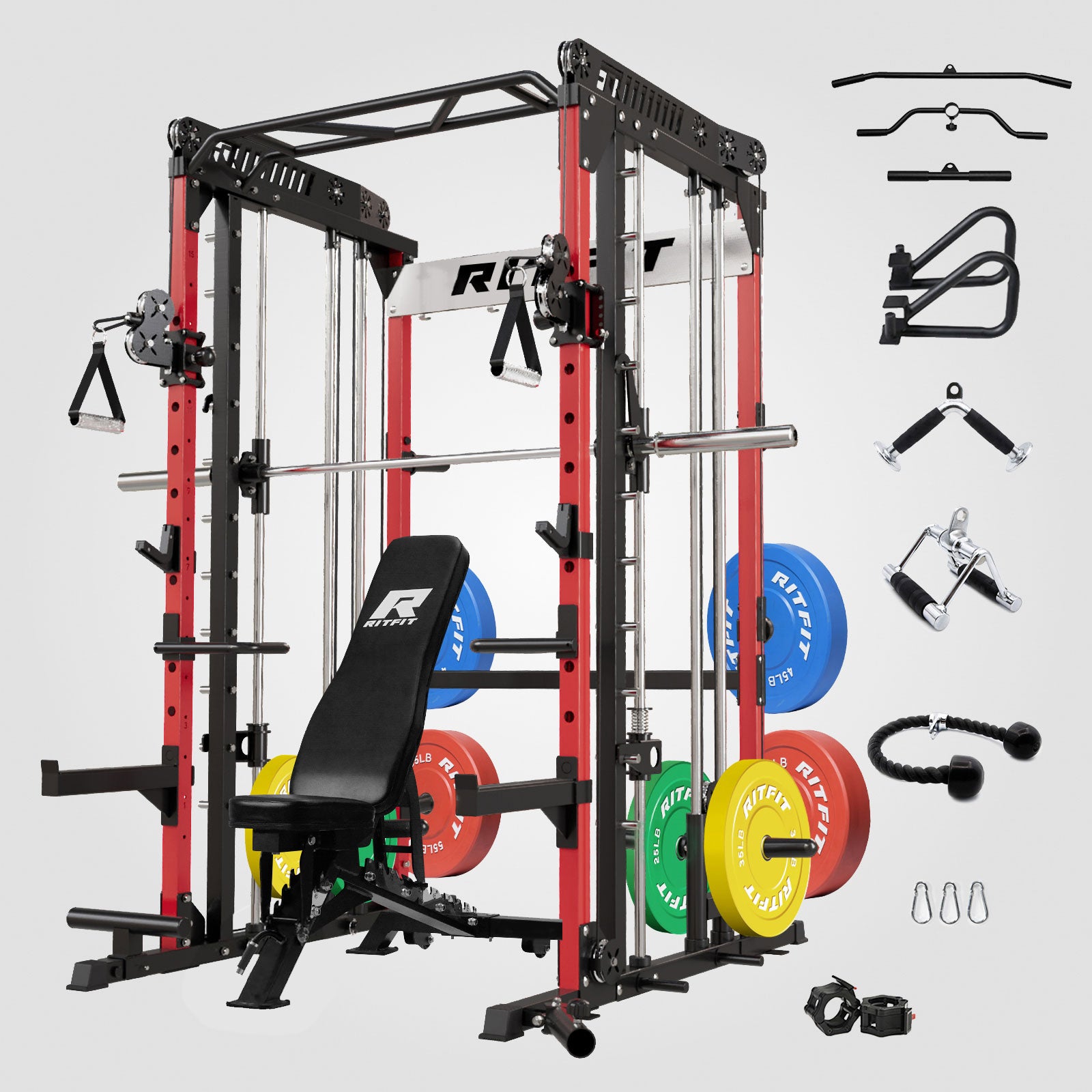
- Power rack: A rack with safety arms is highly recommended for solo bench press. The RitFit P3 1200LB Power Cage can support a broader home strength setup.
- Bench press education: Technique matters as much as equipment choice. For training context, read the RitFit guide on how much a bench press barbell weighs.
FAQs
What is the best barbell for bench press?
The best barbell for bench press is a stiff Olympic bar with secure knurling, stable sleeves, and enough capacity for long term progress. Most home gym lifters should choose a quality multi purpose bar, while advanced powerlifters may prefer a dedicated power bar.
Is a 29mm barbell better for bench press?
Yes. A 29mm barbell can feel more stable for heavy bench press because the thicker shaft usually reduces whip. However, lifters with smaller hands may prefer a 28mm or 28.5mm Olympic bar if it allows a stronger and more comfortable grip.
Can I use a weightlifting bar for bench press?
Yes. You can use a weightlifting bar for bench press, but it is not usually the best choice for press focused training. Weightlifting bars are built for dynamic Olympic lifts, so their extra whip and bearing spin are less useful during controlled bench work.
Should I choose bushings or bearings for bench press?
Choose bushings for most bench press training because they are durable, stable, and cost effective. Bearings are excellent for Olympic lifting, but bench press does not require fast sleeve rotation, so a strong bushing Olympic bar is usually the better home gym value.
What barbell knurling is best for bench press?
Medium to aggressive knurling is best for bench press because it helps keep the bar secure in your hands. Avoid extremely sharp knurling if you train high volume, since it may irritate your palms before your chest and triceps are fully trained.
How much barbell capacity do I need for bench press?
Most beginners can start with a bar rated for at least 500 lb, while stronger lifters should consider 700 lb or higher. Choose capacity based on your current strength, expected progression, and whether the same bar will also be used for squats and deadlifts.
Is center knurling bad for bench press?
No. Center knurling is not automatically bad for bench press, but it is not required for the lift. It matters more for squats, while bench comfort depends on grip width, bar path, shirt contact, and how aggressive the center knurl feels.
Which RitFit barbell is best for home gym bench press?
The RitFit 7FT Olympic Barbell is the most practical starting point for home gym bench press because it supports general strength training. Its 500 lb, 700 lb, and 1000 lb capacity options let lifters choose based on current strength and long term goals.
Conclusion
The best barbell for bench press should match your strength level, grip comfort, home gym setup, and long term training goals. For most lifters, a versatile Olympic bar with secure knurling, moderate stiffness, and reliable capacity offers the best balance of performance and value.
If bench press is your main lift, prioritize shaft stability and grip security. If you train your whole body at home, choose a bar that also supports squats, deadlifts, rows, and overhead pressing.
Disclaimer
This article is for general educational purposes only and is not medical, physical therapy, or professional coaching advice. Bench pressing can involve injury risk, especially with heavy loads, poor setup, or solo training without safety arms. Consult a qualified fitness professional or healthcare provider if you have pain, injury history, or uncertainty about proper lifting technique.
References
- Stastny P, Golas A, Blazek D, Maszczyk A, Wilk M, Pietraszewski P, Petr M, Uhlir P, Zajac A. A systematic review of surface electromyography analyses of the bench press movement task. PLoS One. 2017;12(2):e0171632. doi:10.1371/journal.pone.0171632. PMCID: PMC5295722.
- Saeterbakken AH, Stien N, Pedersen H, Solstad TEJ, Cumming KT, Andersen V. The effect of grip width on muscle strength and electromyographic activity in bench press among novice and resistance trained men. Int J Environ Res Public Health. 2021;18(12):6444. doi:10.3390/ijerph18126444. PMCID: PMC8296276.
- Noteboom L, Belli I, Hoozemans MJM, Seth A, Veeger HEJ, Van Der Helm FCT. Effects of bench press technique variations on musculoskeletal shoulder loads and potential injury risk. Front Physiol. 2024;15:1393235. doi:10.3389/fphys.2024.1393235. PMCID: PMC11224528.
- Haugen ME, Varvik FT, Larsen S, Haugen AS, van den Tillaar R, Bjornsen T. Effect of free weight vs machine based strength training on maximal strength, hypertrophy and jump performance, a systematic review and meta analysis. BMC Sports Sci Med Rehabil. 2023;15(1):103. doi:10.1186/s13102-023-00713-4. PMCID: PMC10426227.
- Serafim TT, de Oliveira ES, Maffulli N, Migliorini F, Okubo R. Which resistance training is safest to practice, a systematic review. J Orthop Surg Res. 2023;18(1):296. doi:10.1186/s13018-023-03781-x. PMCID: PMC10099898.