The best home gym for seniors is a safe, stable, and easy to use setup that supports low impact cardio, light strength training, balance practice, and daily mobility. The right equipment should match the user’s balance, joints, space, budget, and medical history before it focuses on intensity.
Seniors should choose equipment that allows controlled movement, stable support, and gradual progression. Anyone with heart disease, uncontrolled blood pressure, osteoporosis, diabetes, recent surgery, frequent dizziness, or persistent pain should consult a qualified healthcare provider before starting a new workout plan.
Key Takeaways
- Safety comes first: The best home gym equipment for seniors should be stable, easy to enter, simple to adjust, and comfortable to use.
- Low impact cardio matters: Recumbent bikes, seated pedal exercisers, and supported ellipticals can help older adults train with less joint stress.
- Strength training is essential: Light dumbbells, resistance bands, adjustable benches, and cable systems can support daily function when used with proper form.
- Balance support is non negotiable: Balance drills should be done near a wall, rail, sturdy chair, or caregiver support.
- Medical context matters: Seniors with chronic conditions should get professional clearance before starting or changing an exercise plan.
Why Home Exercise Equipment Matters for Seniors
Home exercise equipment matters for seniors because it removes common barriers like travel, weather, crowded gyms, and schedule pressure. A well planned setup can make movement more consistent, private, and easier to maintain.
Regular physical activity may support balance, strength, cardiovascular fitness, mobility, and confidence in older adults. Exercise programs have also been studied for improving balance and reducing fall rates in older populations.[1]
Key Benefits of Senior Focused Exercise Equipment
Senior focused exercise equipment helps older adults train with more control, less impact, and better support than many traditional gym setups.
- Mobility support: Gentle movement can help maintain joint range of motion and everyday movement confidence.
- Strength maintenance: Resistance training can help older adults work against age related strength loss when progressed carefully.[2]
- Cardio consistency: A bike, elliptical, or pedal exerciser can make low impact cardiovascular training easier to repeat at home.
- Independence: Strength and balance training can support daily tasks like standing, carrying groceries, and climbing stairs.
- Family accessibility: A home setup can be shared by spouses, caregivers, and adult children when equipment is adjustable.
Essential Features of Senior Friendly Fitness Equipment
The best exercise equipment for elderly users should be easy to enter, easy to control, and difficult to tip or misuse. Safety features should be evaluated before resistance level, workout programs, or screen technology.
Safety Features to Prioritize
Prioritize equipment that helps seniors start and stop safely without rushing, twisting, or stepping over a high frame.
- Low step over height: Choose machines that reduce the need to lift the leg high when mounting or dismounting.
- Stable base: A wide and steady frame helps reduce wobbling during entry, exit, and exercise.
- Non slip contact points: Textured pedals, handles, and foot platforms help improve grip and confidence.
- Simple resistance control: Seniors should be able to increase or decrease resistance without complex menus.
- Clear display: Large numbers and simple feedback make pace, time, and resistance easier to monitor.
- Accessible stop control: Cardio machines should have simple stop controls within easy reach.
Accessibility Considerations
Accessibility means the equipment can be used on low energy days, by users with limited mobility, and by people who need extra support.
- Seated exercise options: Recumbent bikes, pedal exercisers, and seated cable movements may be easier for users with balance concerns.
- Back support: Padded seats and stable backrests can improve comfort during longer sessions.
- Easy grip handles: Larger handles can help seniors with grip weakness or stiff hands.
- Adjustable positions: Adjustable seats, benches, and pulleys help match the user’s height and mobility.
- Open floor space: Equipment should leave enough room for safe walking, turning, and caregiver assistance.
Top Equipment Categories for Senior Home Gyms
The best senior home gym usually combines one cardio option, one strength option, and one mobility or balance option. This gives older adults a more complete setup without forcing every workout to feel intense.
Recumbent Bikes for Seniors
Recumbent bikes are often one of the easiest cardio machines for seniors because they provide a seated position, back support, and low impact pedaling.
- Best for: Users who want low impact cardio with more support than an upright bike.
- Look for: Step through design, adjustable seat, wide pedals, simple display, and steady handles.
- Use carefully if: Knee, hip, or back pain increases during pedaling or after the workout.
Elliptical Machines for Seniors
Ellipticals can provide low impact cardio, but seniors should choose models with a low step height, fixed handles, and smooth resistance.
- Best for: Active seniors who can stand comfortably and maintain balance during repeated movement.
- Look for: Stable handrails, low platform height, moderate stride length, and quiet magnetic resistance.
- Use carefully if: The user has frequent dizziness, poor balance, or difficulty stepping onto moving pedals.
Resistance Bands for Elderly Strength Training
Resistance bands are a safe starter option because they are light, portable, and easy to scale for upper body and lower body exercises.
- Best for: Beginners, travel workouts, seated exercises, shoulder mobility, and gentle strength practice.
- Look for: Multiple resistance levels, comfortable handles, and bands without visible cracks or wear.
- Use carefully if: The band is anchored poorly or snaps back toward the face or body.
Light Dumbbells and Adjustable Benches
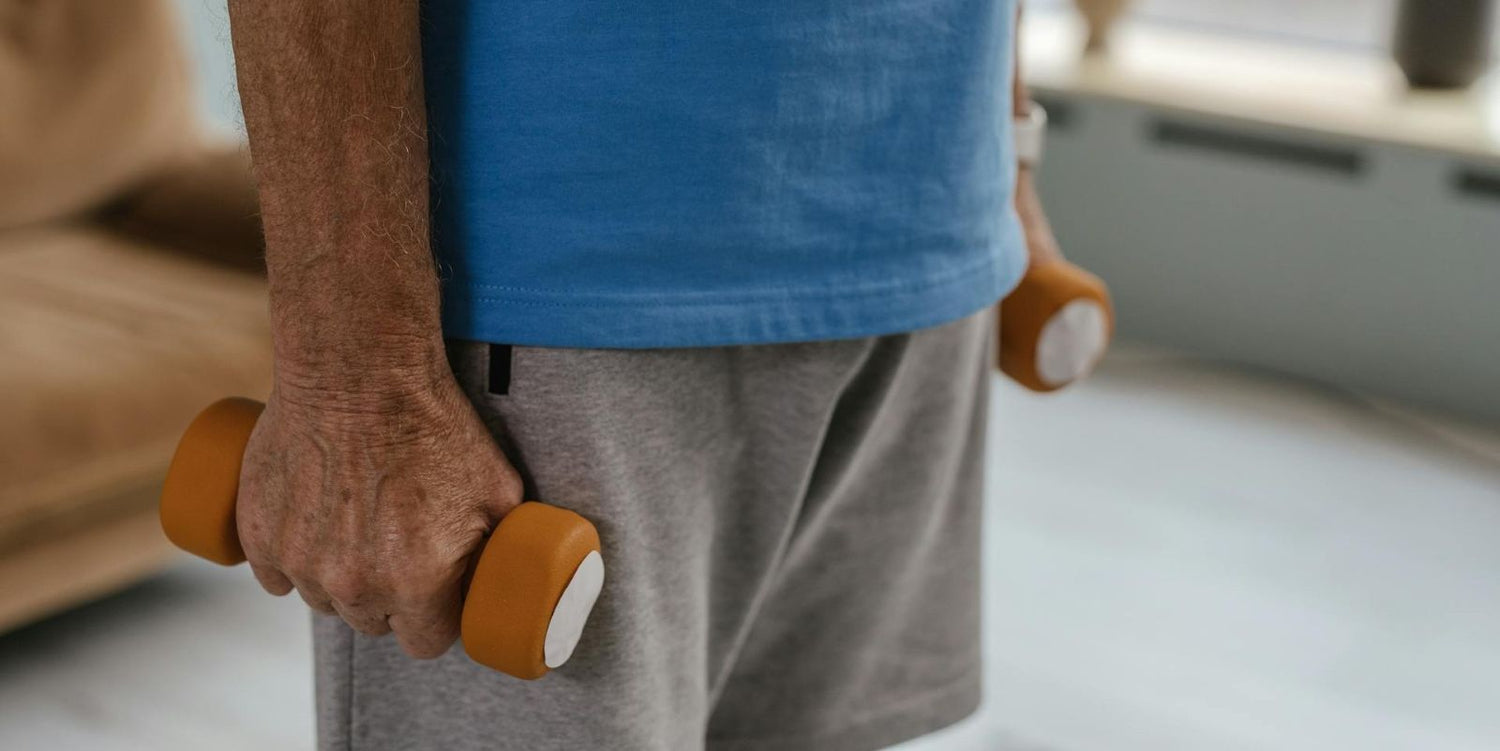
Light dumbbells and an adjustable bench can support practical strength training when the load is modest and the user maintains control.
- Best for: Controlled upper body training, supported seated exercises, and gradual strength progression.
- Look for: Comfortable grip, stable storage, and a bench that feels steady during sitting and standing.
- Helpful link: Explore RitFit dumbbells and RitFit weight benches for home strength setups.
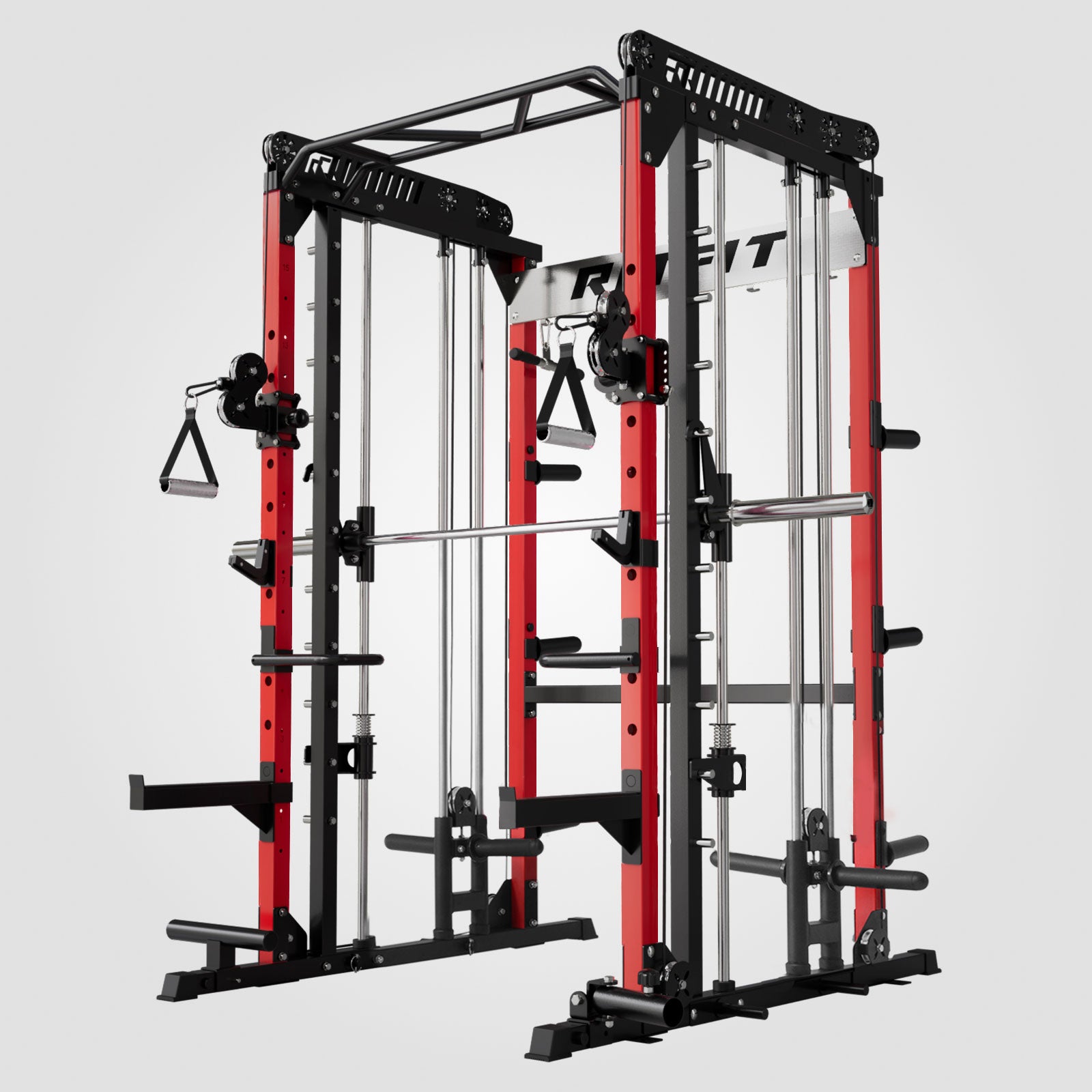
Cable Machines and Functional Trainers
Cable machines can be helpful for seniors because the resistance path is controlled and many exercises can be performed seated or supported.
- Best for: Guided rows, presses, pulldowns, assisted lower body movements, and full body strength routines.
- Look for: Smooth pulley travel, adjustable cable height, stable frame, and enough clearance around the machine.
- Helpful link: Browse RitFit strength machines for controlled home strength equipment options.
Balance and Flexibility Tools
Balance and flexibility tools should support control, not create unnecessary instability for a beginner.
- Best for: Gentle stretching, chair supported balance drills, core control, and mobility practice.
- Look for: Exercise mats, yoga blocks, straps, sturdy chairs, and simple balance pads.
- Use carefully if: The tool makes the user feel rushed, unstable, or unable to stop safely.
Quick Decision Guide: Which Equipment Is Best for Each Senior?
Different seniors need different equipment because balance, joints, strength level, and confidence vary widely. Use this table as a practical starting point before comparing prices or advanced features.
| User Need | Best Equipment Type | Why It Helps |
|---|---|---|
| Balance concerns | Recumbent bike or seated cable work | Seated positions reduce the need to balance while exercising. |
| Joint sensitivity | Low impact cardio and bands | Smooth movement may feel easier than running or jumping. |
| Strength loss | Light dumbbells, bench, and cable machine | Progressive resistance supports muscle and daily function. |
| Small space | Bands, dumbbells, mat, and pedal exerciser | Compact tools are easier to store and move. |
| Shared family gym | Adjustable bench and strength station | Adjustability helps multiple users train safely. |
Creating a Complete Senior Home Gym Setup
A complete senior home gym does not need to be large or expensive. It should cover cardio, strength, balance, flexibility, and safe movement space.
Essential Equipment for Cardiovascular Health
Choose one low impact cardio option that the senior can use comfortably for short sessions and repeat consistently.
- Recumbent bike: Best for users who prefer seated cardio and back support.
- Upright stationary bike: Suitable for users who already feel comfortable with a standard cycling position.
- Elliptical: Better for active seniors who can stand and hold balance confidently.
- Under desk pedal exerciser: Useful for limited space, low confidence, or very short movement sessions.
Essential Equipment for Strength
Start with light resistance and stable support before adding heavier machines or more complex movements.
- Resistance band set: A low cost way to train rows, presses, curls, extensions, and mobility drills.
- Light dumbbell set: Useful for controlled upper body exercises and gradual strength progression.
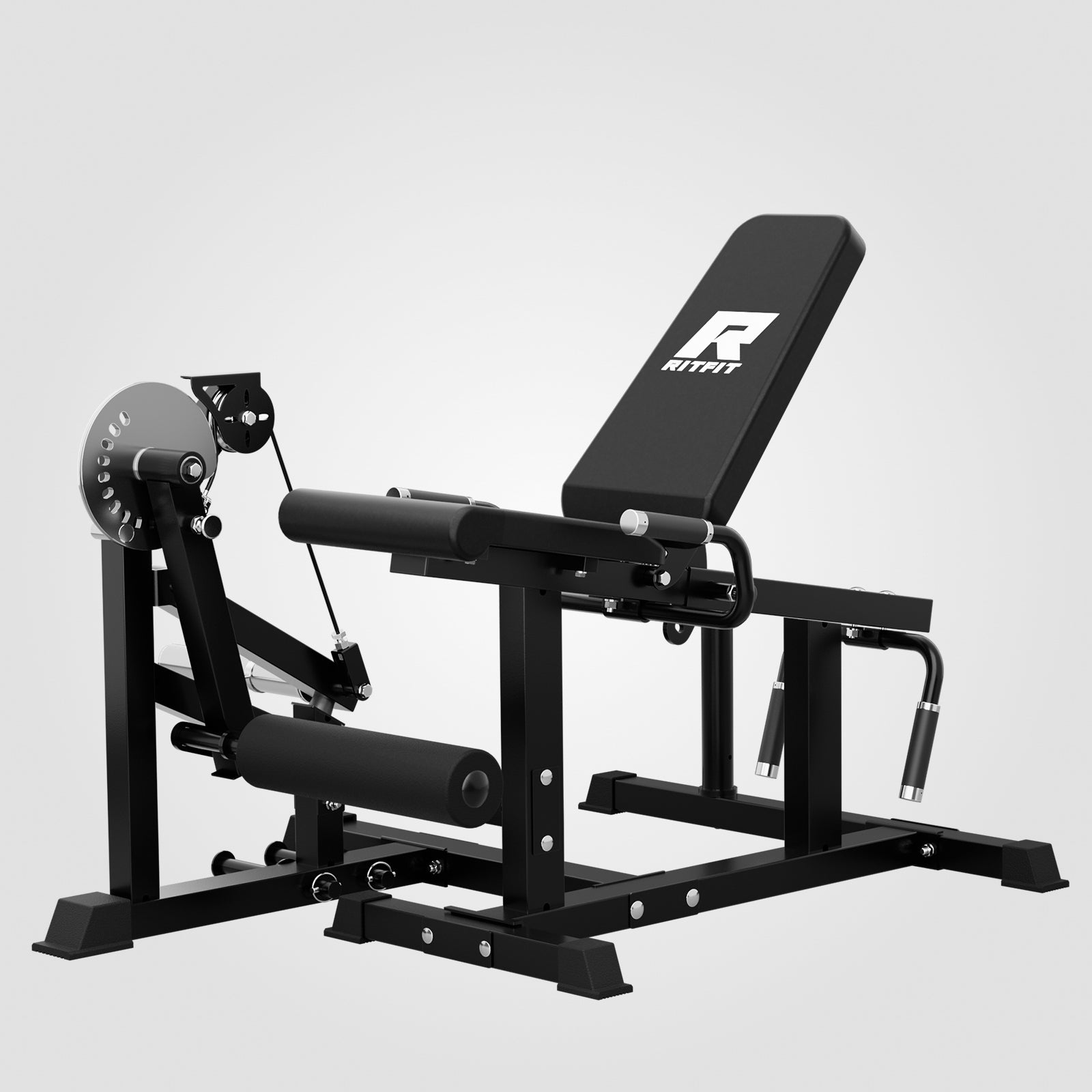
- Adjustable bench: Helpful for supported seated movements and safer setup positions.
- Functional trainer or cable machine: A strong option when space and budget allow guided strength training.
- Helpful link: Read the home gym equipment guide for beginners for a broader equipment planning framework.
Essential Equipment for Flexibility and Balance
Choose tools that make stretching and balance practice more controlled, not more risky.
- Exercise mat: Provides a defined area for stretching and floor based mobility work.
- Yoga strap: Helps seniors stretch without reaching too far or forcing range of motion.
- Yoga blocks: Provide height support for users with limited flexibility.
- Sturdy chair: Adds support for sit to stand drills, balance practice, and warmups.
- Balance pad: Should be used only when the user has stable support nearby.
Equipment Seniors Should Avoid or Use Carefully
Some fitness equipment can be effective but may not be the safest first choice for older adults. Seniors should avoid any machine that feels difficult to enter, exit, control, or stop.
High Risk Equipment Choices
Equipment becomes risky when it increases fall risk, forces awkward setup, or requires fast reactions.
- Fast treadmills: Use carefully because speed changes and moving belts can raise fall risk.
- High step ellipticals: Avoid models that require a difficult climb onto the pedals.
- Heavy free weights: Use only with proper coaching, safe storage, and controlled loading.
- Unstable balance tools: Avoid advanced wobble boards until basic balance is reliable.
- Plyometric boxes: Jumping movements are not a good starting point for most seniors.
- Complex cable setups: Avoid systems that require awkward attachments or hard to reach adjustments.
Budget Considerations for Senior Home Gyms
A senior home gym should be built around safety and actual use, not the largest possible equipment list. Spending more only helps when the equipment fits the user’s mobility, space, and confidence.
Essential Starter Kit Under 300 Dollars
A starter kit is best for beginners, small rooms, and seniors who need low pressure movement options.
- Resistance bands: Choose multiple levels so the user can start light.
- Exercise mat: Use it for stretching, mobility, and comfortable floor contact.
- Light dumbbells: Start with weights the user can lift without leaning or holding breath.
- Yoga strap and blocks: Add support for flexibility work and limited range of motion.
- Pedal exerciser: Add simple seated cardio when space is limited.
Intermediate Setup From 500 to 1500 Dollars
An intermediate setup is best for seniors who want more consistency and a dedicated workout area.
- Primary cardio machine: Choose a recumbent bike, upright bike, or low step elliptical.
- Dumbbells and storage: Keep weights organized to reduce trip hazards.
- Adjustable bench: Add support for seated and reclined strength work.
- Flooring: Use stable gym flooring to reduce slipping and protect the home floor.
- Helpful link: Use this home gym flooring guide before placing equipment in a senior workout space.
Comprehensive Setup From 2000 to 5000 Dollars
A comprehensive setup is best for active seniors, shared family gyms, or users who want guided resistance training at home.
- Low impact cardio machine: Pick the cardio style the senior can use most consistently.
- Strength station: Consider a cable machine or all in one setup for guided resistance.
- Adjustable bench: Add stable support for seated presses, rows, and dumbbell work.
- Storage system: Keep weights, handles, and bands off the floor.
- Helpful link: Compare broader options in the all in one home gym equipment guide.
Safe Exercise Guidelines for Seniors
Seniors should start with short, comfortable sessions and progress only when movement feels controlled. Physical activity is linked with cardiovascular prevention discussions in older adults, but individual health conditions should guide training choices.[3]
Getting Started Safely
Start with medical clearance, a clear workout area, and low intensity sessions that leave the user feeling better, not exhausted.
- Ask for professional guidance: Seniors with chronic conditions should consult a healthcare provider before beginning.
- Start with 10 to 15 minutes: Short sessions are easier to repeat and less intimidating.
- Use the talk test: The user should be able to speak in short sentences during moderate cardio.
- Progress one variable at a time: Increase time, resistance, or frequency slowly instead of changing everything at once.
- Stop for warning signs: Chest pressure, dizziness, faintness, severe shortness of breath, or unusual pain requires stopping.
Recommended Workout Structure
A balanced senior workout should combine warmup, low impact cardio, light strength training, flexibility, and cooldown.
- Warmup: Use 5 minutes of gentle walking, pedaling, or joint circles.
- Cardio: Use 10 to 30 minutes based on comfort, fitness level, and medical guidance.
- Strength: Start with 1 to 2 sets of controlled movements for major muscle groups.
- Balance: Practice near a wall, rail, or sturdy chair.
- Cooldown: Finish with slow breathing, light movement, and gentle stretching.
Warning Signs to Watch For
Stop exercising when symptoms feel abnormal, sudden, painful, or more intense than expected.
- Chest pain or pressure: Stop immediately and seek medical help when appropriate.
- Dizziness or faintness: Sit down and do not continue the workout.
- Unusual breathlessness: Stop if breathing does not recover with rest.
- Sharp joint pain: End the exercise and adjust the movement before trying again.
- Unusual weakness: Avoid pushing through sudden fatigue or loss of control.
Low Impact Exercise Machines: Ideal for Many Seniors
Low impact exercise machines can reduce pounding on the joints while still supporting cardiovascular and muscular endurance. They are often better first choices than running, jumping, or high speed interval equipment.
Best Low Impact Options
The best low impact option is the one the senior can enter safely, use comfortably, and repeat consistently.
- Recumbent bike: Best for seated cardio and users who prefer back support.
- Elliptical: Best for active seniors who want standing cardio with hand support.
- Rowing machine: Useful for full body conditioning only when hip, back, and knee movement feel comfortable.
- Arm ergometer: Helpful when lower body exercise is limited and upper body cardio is preferred.
- Cable machine: Helpful for controlled strength movements that can be adjusted for seated or standing positions.
Exercise Routines for Seniors Using Home Equipment
A senior workout routine should feel manageable, repeatable, and easy to modify. Resistance training can be valuable for cardiovascular and muscular health when programmed appropriately for the individual.[4]
Beginner Full Body Routine
Perform this routine 2 to 3 times per week with at least one rest day between strength sessions.
- Recumbent bike: Pedal for 10 to 15 minutes at a comfortable pace.
- Seated band row: Perform 1 to 2 sets of 8 to 12 controlled reps.
- Wall pushup: Perform 1 to 2 sets of 6 to 10 reps without holding the breath.
- Seated knee extension: Perform 1 to 2 sets of 8 to 12 reps per leg.
- Light dumbbell curl: Perform 1 to 2 sets of 8 to 12 reps with relaxed shoulders.
- Gentle stretching: Stretch the calves, hips, chest, and upper back for 5 to 10 minutes.
Balance and Mobility Routine
Perform this routine near a wall, counter, or sturdy chair so support is always within reach.
- Sit to stand: Perform 5 to 10 controlled reps from a stable chair.
- Heel raises: Hold a chair and lift the heels for 8 to 12 reps.
- Side steps: Take 5 to 10 steps each direction while staying close to support.
- Single leg stand: Hold support and lift one foot for 5 to 15 seconds.
- Seated marching: Lift each knee slowly for 10 total reps.
Strength Routine With a Bench and Dumbbells
Use a bench and light dumbbells only when the senior can sit, stand, and hold the weights with control.
- Seated shoulder press: Use very light dumbbells and avoid arching the back.
- Supported one arm row: Use the bench for support and keep the movement slow.
- Seated biceps curl: Keep elbows close and avoid swinging the weights.
- Bench supported hip hinge: Practice the movement pattern with no load before adding resistance.
- Helpful link: Review adjustable weight bench guidance for beginners before adding bench based exercises.
How to Choose Equipment for Common Senior Concerns
Senior home gym equipment should be selected around the user’s most important limitation. A machine that works well for one older adult may not be appropriate for another.
For Balance Concerns
Choose seated cardio, supported strength movements, and clear walking paths before standing machines or unstable tools.
- Best options: Recumbent bike, seated bands, chair based strength work, and supported cable exercises.
- Avoid first: Fast treadmills, high step machines, and unsupported standing balance drills.
For Knee or Hip Sensitivity
Choose low impact movement and small ranges of motion before deep bending or heavy lower body loading.
- Best options: Recumbent bike, gentle band work, short range sit to stand, and light leg extensions when cleared.
- Avoid first: Jumping, deep squats under load, and fast direction changes.
For Lower Back Sensitivity
Choose supported positions and avoid equipment that forces the user to round, twist, or strain the lower back.
- Best options: Recumbent bike, adjustable bench support, seated rows, and light core bracing drills.
- Avoid first: Heavy barbell lifts, aggressive rowing, and unsupported bending under load.
For Heart Health Concerns
Use doctor approved intensity limits and avoid sudden jumps in effort or resistance.
- Best options: Gentle cardio, light resistance, longer warmups, and simple pace tracking.
- Helpful link: Seniors with blood pressure concerns can read this hypertension workout guide and confirm personal limits with a clinician.
Maintaining Your Home Gym Equipment
Maintenance matters because loose bolts, worn bands, and cluttered floors can turn safe equipment into a hazard. Seniors and caregivers should build simple checks into the weekly routine.
Daily Maintenance
Daily checks should keep the equipment clean, dry, and safe to approach.
- Wipe contact points: Clean handles, seats, pedals, and benches after use.
- Clear the floor: Keep bands, dumbbells, cords, and mats away from walking paths.
- Check stability: Stop using any machine that rocks, shifts, or feels unstable.
Monthly Maintenance
Monthly checks should focus on wear, alignment, batteries, and moving parts.
- Tighten hardware: Check bolts, knobs, and adjustment pins.
- Inspect bands and cables: Replace anything cracked, frayed, or stretched unevenly.
- Clean electronics: Dust displays and replace batteries as needed.
- Follow manuals: Lubricate only when the manufacturer recommends it.
Motivation and Consistency Tips
The most effective home gym for seniors is the one that gets used regularly. Equipment should make exercise feel simple, safe, and repeatable.
Building Sustainable Habits
Small routines work better than intense plans that feel difficult to repeat.
- Schedule the same time: A consistent time helps exercise become part of the day.
- Start with 10 minutes: Short workouts lower the barrier to getting started.
- Track simple wins: Record time, reps, resistance, or how the workout felt.
- Use visible equipment: Keep safe tools easy to see and easy to reach.
- Train with support: A spouse, adult child, or virtual class can improve confidence.
Overcoming Common Barriers
Most barriers can be reduced by choosing simpler equipment, shorter sessions, and safer workout space.
- Low motivation: Begin with one exercise or 10 minutes of easy movement.
- Physical limits: Modify the range of motion and use seated alternatives.
- Small space: Start with bands, dumbbells, a mat, and a pedal exerciser.
- Safety concerns: Keep a chair, phone, and clear walkway nearby.
- Helpful link: Learn more about safe home strength training on a Smith machine if using guided resistance equipment.
FAQs
What is the best home gym equipment for seniors?
The best home gym equipment for seniors is stable, low impact, and simple to control. A practical setup usually includes a recumbent bike or pedal exerciser, resistance bands, light dumbbells, an adjustable bench, a mat, and balance support near a wall or sturdy chair.
Are home gyms safe for elderly users?
Yes. Home gyms can be safe for elderly users when the equipment fits their mobility, balance, and health status. The safest setup has clear floor space, stable machines, low resistance options, good lighting, non slip surfaces, and medical clearance when chronic conditions are present.
Which exercise machine is easiest for seniors to use?
A recumbent bike is often the easiest exercise machine for seniors to use. It provides seated support, a lower center of gravity, and low impact movement, which can feel more approachable for users with balance concerns, joint sensitivity, or limited confidence with standing cardio machines.
Can seniors build strength with home gym equipment?
Yes. Seniors can build or maintain strength at home with light resistance and consistent practice. Resistance bands, dumbbells, cable machines, and supported bench exercises can train major muscle groups, but progression should be gradual, controlled, and adjusted for pain, balance, and medical guidance.
Should seniors use dumbbells or resistance bands?
Seniors can use both dumbbells and resistance bands if they feel controlled and pain free. Bands are helpful for gentle movement and seated exercises, while dumbbells make strength progression easier to measure. Many senior home gyms benefit from starting with both light options.
What home gym equipment should seniors avoid?
Seniors should avoid equipment that is hard to enter, hard to stop, or difficult to control. Fast treadmills, high step ellipticals, heavy free weights, unstable balance boards, and jumping tools are usually poor first choices unless a qualified professional confirms they are appropriate.
How much space does a senior home gym need?
A senior home gym can fit in a small room if the layout stays clear and safe. Many basic setups need only enough space for a mat, bands, dumbbells, and a pedal exerciser, while larger machines need open walking paths on all usable sides.
How often should seniors use home gym equipment?
Seniors should use home gym equipment as often as their health, recovery, and medical guidance allow. Many beginners start with short sessions two to four days per week, then slowly add time or resistance when movement feels comfortable, controlled, and free from unusual pain.
Final Thoughts
The best home gym for seniors is not the biggest setup, it is the safest setup the user will actually use. Choose stable equipment, low impact cardio, light resistance, clear floor space, and support options that match the senior’s body and confidence.
For a simple path forward, start with one cardio tool, one strength tool, one mobility tool, and one safe space upgrade. Then progress gradually as comfort, consistency, and professional guidance allow.
Disclaimer
This article is for general fitness education only and does not provide medical advice, diagnosis, or treatment. Seniors with chronic conditions, recent surgery, fall history, dizziness, chest pain, severe joint pain, or new symptoms should consult a qualified healthcare provider before starting or changing an exercise program.
References
- Papalia GF, Papalia R, Diaz Balzani LA, Torre G, Zampogna B, Vasta S, Fossati C, Alifano AM, Denaro V. The Effects of Physical Exercise on Balance and Prevention of Falls in Older People: A Systematic Review and Meta-Analysis. J Clin Med. 2020;9(8):2595. doi:10.3390/jcm9082595
- Law TD, Clark LA, Clark BC. Resistance Exercise to Prevent and Manage Sarcopenia and Dynapenia. Annu Rev Gerontol Geriatr. 2016;36(1):205-228. doi:10.1891/0198-8794.36.205
- Ferraro RA, Pallazola VA, Michos ED. Physical activity, CVD, and older adults. Aging (Albany NY). 2019;11(9):2545-2546. doi:10.18632/aging.101942
- Paluch AE, Boyer WR, Franklin BA, Laddu D, Lobelo F, Lee DC, et al. Resistance Exercise Training in Individuals With and Without Cardiovascular Disease: 2023 Update: A Scientific Statement From the American Heart Association. Circulation. 2024;149(3):e217-e231. doi:10.1161/CIR.0000000000001189