Table of Contents
Building a useful home gym under $1000 is realistic if you buy versatile equipment in the right order. For most people, the smartest approach is to prioritize a rack or squat stand, a bench, a barbell or dumbbells, and enough resistance for progressive overload. This RitFit equipment guide keeps the original goal simple: help you choose practical gear, avoid low value extras, and build a safe, durable setup that fits your training goals, space, and budget.
Key Takeaways
- A strong home gym under $1000 is possible when you prioritize core equipment over accessories.
- Your training goal, available floor space, ceiling height, and storage needs should shape every buying decision.
- A rack, bench, barbell, and plates usually deliver the best value for strength focused training.
- Adjustable dumbbells, bands, and a compact bench are often the best fit for apartments and smaller rooms.
- The best budget setup is the one that supports safe solo training, steady progression, and future upgrades.
How to Choose Home Gym Equipment Under $1000
Clarify Your Fitness Goals
Start by deciding what you want your gym to do for you. A strength focused setup looks very different from a fat loss, conditioning, or general fitness setup.
If your main goal is building muscle and strength, prioritize equipment that supports compound lifts such as squats, presses, rows, and deadlifts. If you want flexibility, convenience, and a smaller footprint, a bench, adjustable dumbbells, and resistance bands may deliver more value per dollar.
Space and Setup
Your available space determines what is realistic. Measure floor space, ceiling height, doorway clearance, and storage options before you buy anything.
A garage gym can usually handle a larger footprint and heavier loading. A spare room or apartment setup often needs quieter training, easier storage, and less equipment movement. Also think about floor protection, especially if you plan to use plates, deadlift, or train on hardwood, laminate, or tile.
Budget Strategy
With a $1000 limit, the smartest strategy is to buy foundational pieces first. Focus on equipment that covers the most exercises and creates room for progressive overload.
In most cases, that means starting with these priorities:
- Rack or squat stand
- Adjustable or flat to incline bench
- Barbell and plates or adjustable dumbbells
- Bands, mobility tools, and small accessories
This approach prevents wasted spending on low utility items that look impressive but add little training value.
Safety and Quality Basics
Safety matters even more when you train alone at home. Check load capacity, frame stability, bench support, and overall build quality before choosing a setup.
A well designed entry level product is often a better investment than a larger, cheaper alternative with weak stability. For solo lifters, safety arms, reliable bench support, non slip contact points, and predictable movement matter more than flashy extras.
Essential Components of a Home Gym Under $1000
Power Rack and Squat Rack
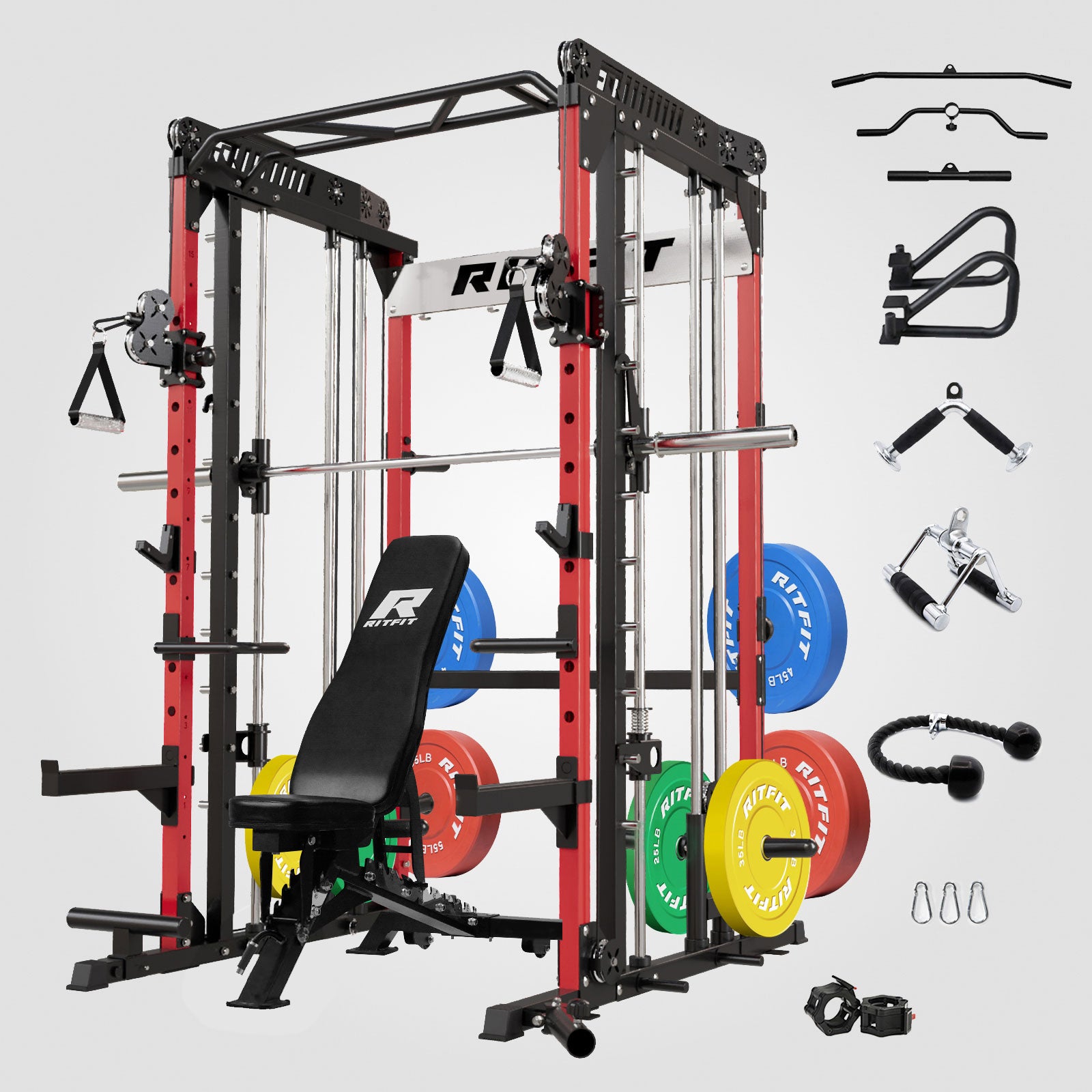
A power rack or squat rack is the center of a serious strength setup. It allows safer squats, bench presses, overhead work, and pull ups while giving you a more stable training station.
A squat stand can save money and floor space, which makes it attractive for smaller rooms or lighter training. A full rack usually offers better safety, more stability, and more upgrade potential, which is why it often makes more sense for long term garage gym use.
Barbell and Weight Plates
A barbell remains one of the most efficient tools for full body strength training. It supports progressive overload across major lifts and gives beginners a clear path for long term improvement.
For a sub $1000 gym, a practical starter plate set usually provides enough load for presses, rows, squats, hinges, and beginner deadlifts. Cast iron plates often stretch the budget further, while bumper plates are usually better when noise control, floor protection, and Olympic style lifting matter more.
Adjustable Bench
A bench adds far more exercise variety than many beginners expect. It supports flat pressing, incline pressing, seated shoulder work, chest supported rows, step ups, split squats, and many accessory movements.
An adjustable bench usually brings more value than a flat only option because it expands exercise selection without requiring more floor space. Stability, pad support, and ease of adjustment should matter more than cosmetic design.
Dumbbells
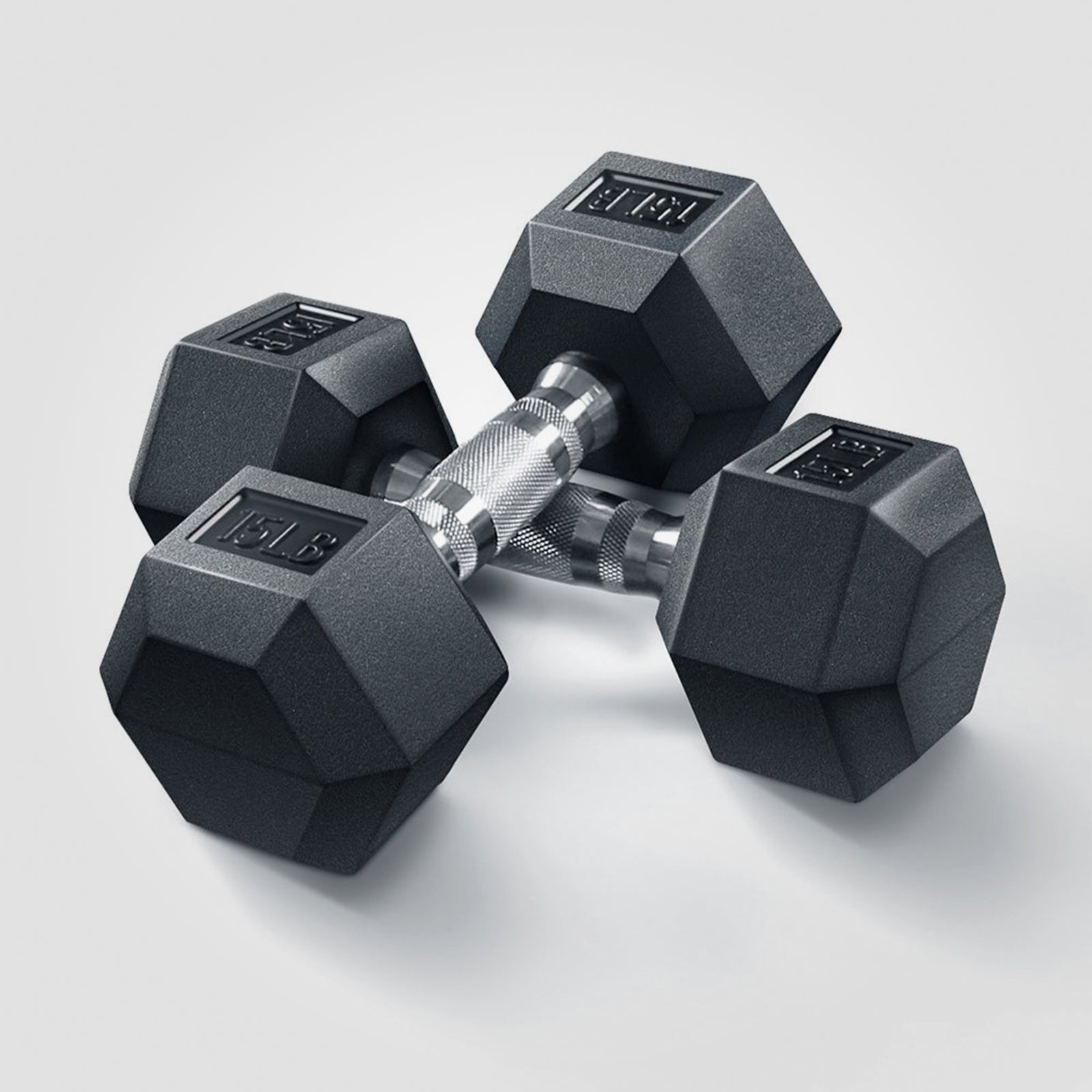
Dumbbells are one of the most practical choices for home training, especially in small spaces. They support unilateral work, reduce reliance on a full rack setup, and help with strength balance, hypertrophy, and joint friendly accessory work.
Fixed dumbbells work well if you already know the weight ranges you use most. Adjustable dumbbells usually offer much better space efficiency and cost efficiency for new home gym buyers.
Resistance Bands and Mobility Tools
Bands, tubes, and mobility tools are small purchases that add a lot of training value. They help with warm ups, activation drills, deload work, stretching, rehabilitation patterns, and assisted movements.
They also improve the usefulness of a budget setup because they let you add resistance or variation without buying another large machine. A jump rope can also be a smart low cost addition for conditioning if you have enough room and impact tolerance.
Sample RitFit Home Gym Builds Under $1000
Strength Focused Starter Setup
Priority: Squats, bench presses, deadlifts, rows, and overhead presses
Recommended setup:
- Entry level RitFit power cage
- RitFit Olympic barbell
- RitFit starter weight plate set
- Basic adjustable RitFit bench
This is the strongest option for people who care most about barbell training and long term progression. It puts most of the budget into the pieces that drive the largest strength return and gives solo lifters a safer foundation for training at home.
Small Space and Apartment Setup
Priority: Minimal footprint, quieter training, and easier storage
Recommended setup:
- RitFit adjustable dumbbells
- Compact adjustable bench
- Resistance bands and tubing set
- Jump rope
- Optional compact squat stand if space allows
This setup works well for apartments, spare rooms, and multipurpose living spaces. It reduces clutter, keeps the room more flexible, and still supports full body training through presses, rows, squats, lunges, hinges, and core work.
All Around Family Fitness Setup
Priority: Exercise variety, easier usability, and broad appeal for different users
Recommended setup:
- RitFit half rack or squat stand
- Lighter barbell with light to moderate plates
- Adjustable bench
- Light to moderate dumbbells
- Core and mobility tools
This type of setup is often the best choice for mixed households. It supports beginner strength work, conditioning circuits, mobility sessions, and general wellness training without feeling too advanced or too limited.
Budget Comparison Table
| Setup Type | Best Core Purchases | Best For | Main Advantage |
|---|---|---|---|
| Strength Focused | Power cage, barbell, plates, adjustable bench | Muscle gain and progressive overload | Best long term value for barbell training |
| Small Space | Adjustable dumbbells, compact bench, bands, jump rope | Apartments and tighter rooms | Better storage efficiency and lower noise |
| Family Fitness | Squat stand or half rack, lighter barbell, plates, bench, mobility tools | Shared household use and general fitness | Easier for different fitness levels to use |
Best Practices to Maximize Your Under $1000 Home Gym
Programming Around Limited Equipment
Limited equipment does not mean limited results. A simple training plan built around squats, hinges, presses, pulls, carries, and bodyweight work can be highly effective when done consistently.
Use your setup to cover movement patterns rather than chase endless equipment variety. Three full body sessions per week are enough for many beginners and intermediate users to build strength, improve body composition, and create lasting habits.
Safety and Maintenance
Inspect your setup regularly and keep it stable. Check bolts, pads, sleeves, bands, and contact points so your equipment stays predictable under load.
Keep your training space clear, protect the floor when needed, and avoid loading more weight than your setup is designed to handle. If your rack or stand has specific installation or stability guidance, follow it carefully before heavy training.
Upgrading Over Time
A good budget gym should be expandable. Start with the equipment that gives you the highest training return now, then add upgrades once you identify real limitations.
A smart upgrade path often looks like this:
- More plates or heavier dumbbell range
- Better bench or rack accessories
- Pulley attachment or pull up options
- Flooring upgrades
- Specialty bars or conditioning tools
This keeps your spending tied to actual progress instead of impulse purchases.
Frequently Asked Questions
Can I build an effective home gym for under $1000 with RitFit gear only?
Yes, if you focus on core equipment and avoid trying to buy everything at once. A practical setup built around a rack or dumbbells, a bench, and enough resistance for progressive overload can absolutely support effective home training.
Do I need a rack, or can I start with dumbbells and bands?
You can start with dumbbells and bands if space, noise, or budget is tight. A rack becomes more important when you want safer heavy squats, barbell bench presses, pull up integration, and a stronger long term strength base.
Is a barbell better than adjustable dumbbells for beginners?
That depends on the setup. A barbell is often better for structured strength progression and heavier compound lifting, while adjustable dumbbells are usually better for smaller spaces, easier storage, and broader exercise flexibility.
How much weight do I actually need when starting out?
Most beginners do not need a massive plate set on day one. Start with enough resistance to challenge your major lifts with good form, then add more load as your strength increases and your programming demands it.
What is the minimum space needed for a basic RitFit home gym?
A larger rack based setup usually works best in a dedicated area with enough room for lifting, loading, and safe movement around the equipment. A compact dumbbell and bench setup can fit into a much smaller corner as long as you still have enough space to train safely and move freely.
Conclusion
The best home gym equipment under $1000 is not the setup with the most pieces. It is the setup that matches your goals, fits your space, supports safe training, and leaves room to progress. RitFit makes that process easier by offering practical equipment for strength training, small space workouts, and all around home fitness. If you buy in the right order and keep your setup focused, a durable and effective home gym on a budget is absolutely within reach.