The best Pilates equipment for a home gym depends on your space, budget, training level, and whether you want mat based movement or reformer style resistance. A smart setup usually starts with a non slip mat, small accessories, and light resistance tools before moving into a larger home Pilates reformer.
This guide explains what to buy first, how to compare Pilates reformers, how much space you need, and how to combine Pilates with strength equipment for a more complete home gym.
Key Takeaways
- Start simple: A mat, Pilates ring, resistance bands, and light dumbbells can create an effective beginner setup before buying a reformer.
- Choose by space: A foldable Pilates reformer is usually the best option for apartments, shared rooms, and small home gyms.
- Prioritize stability: Frame strength, carriage glide, spring security, and warranty support matter more than cosmetic features.
- Use Pilates strategically: Pilates can support core control, posture, balance, mobility, and body awareness.
- Pair with strength training: Pilates works best as part of a balanced home gym when combined with progressive resistance equipment.
What Pilates Equipment Do You Actually Need at Home?
You need equipment that matches your training goal before you need the most expensive machine. Most beginners can start with a mat based setup, then upgrade to a reformer when they want guided resistance and a studio style workout at home.
- For beginners: Start with a non slip mat, Pilates ring, resistance bands, and light dumbbells.
- For small spaces: Choose compact accessories first, then consider a foldable Pilates reformer if you have enough floor clearance.
- For reformer style training: Look for a stable frame, smooth carriage, secure springs, adjustable footbar, and comfortable padding.
- For full body fitness: Combine Pilates with light dumbbells for Pilates and strength work.
- For long term progression: Add home gym strength machines when your goals include heavier resistance training.
Home Pilates Equipment Comparison
The best home Pilates setup is the one that fits your floor space, budget, and consistency level. Use this comparison to decide what belongs in your first phase and what can wait.
| Equipment | Best For | Space Needed | Budget Level | Beginner Friendly |
|---|---|---|---|---|
| Pilates Mat | Core work, mobility, stretching, floor exercises | Low | Low | Yes |
| Pilates Ring | Inner thighs, arms, controlled resistance | Very Low | Low | Yes |
| Resistance Bands | Warmups, mobility, upper body work | Very Low | Low | Yes |
| Light Dumbbells | Pilates plus strength training | Low | Low to Medium | Yes |
| Foldable Pilates Reformer | Studio style workouts in small homes | Medium | Medium to High | Yes |
| Studio Grade Reformer | Dedicated home studios and advanced practice | High | High | Moderate |
What Is a Pilates Reformer?
A Pilates reformer is a specialized exercise machine with a sliding carriage, adjustable springs, straps, pulleys, and a footbar. Pilates is commonly used to develop controlled movement, strength, flexibility, posture, balance, and body awareness, although rehab use should be guided by qualified professionals when pain or injury is involved.[1]
Core Components
- Carriage: The moving platform supports lying, seated, kneeling, and standing exercises.
- Springs: Adjustable springs create resistance and assistance depending on the exercise.
- Footbar: The footbar supports pressing, footwork, bridging, and lower body patterns.
- Straps and ropes: Straps allow controlled arm, leg, and core exercises through different movement paths.
- Headrest and shoulder blocks: These support alignment and help keep the body positioned during carriage movement.
Types of Pilates Reformers for Home
Home Pilates reformers usually fall into three practical categories, foldable, portable, and studio grade. Your best choice depends on whether you value storage, movement, or long term studio style performance.
Foldable Pilates Reformer
A foldable Pilates reformer is usually the best choice for small homes because it reduces storage length when not in use. Check the locking mechanism, folded height, transport wheels, and frame stability before buying.
Portable Pilates Reformer
A portable Pilates reformer works best for users who need to move equipment between rooms. Look for a manageable machine weight, strong wheels, and a compact frame that still accommodates your height.
Studio Grade Home Reformer
A studio grade home reformer is best for dedicated training spaces and experienced users. It usually offers a smoother carriage, stronger frame, wider resistance range, and a more premium training feel.
How to Choose the Best Pilates Reformer for Home
The best Pilates reformer for home use should feel stable, smooth, safe, and realistic for your space. Do not choose only by price, because a reformer that wobbles or stores poorly can quickly become unused equipment.
Frame Construction
Choose a frame that feels stable during footwork, bridging, kneeling, and long strap exercises. Wood often feels premium, aluminum is lighter, and steel can provide strong durability for frequent use.
Carriage Glide
A smooth carriage is essential because jerky movement can disrupt technique and control. Test or review the wheel system, rail alignment, padding quality, and noise level before purchase.
Spring Resistance
Choose a reformer with multiple spring tensions so you can progress safely. A good home model should allow light, moderate, and heavier resistance combinations without complicated setup.
Footbar and Strap Adjustability
Adjustability matters because different heights, exercises, and mobility levels need different positions. A reformer with easy footbar settings and adjustable straps is usually more versatile for shared home use.
Warranty and Replacement Parts
Warranty support is a major trust signal for home Pilates machines. Springs, ropes, wheels, pads, and straps are wear parts, so confirm replacement availability before choosing a model.
How Much Space Do You Need for a Home Pilates Reformer?
You need enough room for the full frame plus safe clearance around the moving carriage. Measure your training area before buying, because storage size and workout size are not the same.
| Space Factor | What to Check | Why It Matters |
|---|---|---|
| Machine Length | Full in use length | Prevents the carriage from hitting furniture or walls |
| Side Clearance | Room to enter, exit, and adjust springs | Supports safer setup and transitions |
| Strap Path | Free movement for ropes and handles | Prevents interrupted arm and leg exercises |
| Storage Footprint | Folded or upright dimensions | Confirms whether the reformer fits daily life |
Best Pilates Equipment for Different Home Gym Goals
Different users need different Pilates setups, so the best equipment depends on the outcome you want most. Choose by goal first, then by budget and footprint.
Best for Beginners
A mat, Pilates ring, resistance bands, and light dumbbells are the best starting point for most beginners. This setup teaches control, breathing, and alignment without the cost or footprint of a full reformer.
Best for Small Apartments
A foldable Pilates reformer or mat based kit is best for apartment users. If storage is tight, prioritize a non slip mat and compact accessories before buying a full frame machine.
Best for Core Strength
A reformer can support core training by adding spring resistance and unstable carriage control. Pilates exercises are designed around controlled movement, strength, endurance, flexibility, posture, and balance.[2]
Best for Older Adults
Pilates may support balance focused training in older adults, but the safest setup depends on supervision, entry height, stability, and medical history. A systematic review found Pilates interventions can improve balance outcomes in older adults, but users with fall risk should seek qualified guidance.[3]
Best for Pilates Plus Strength Training
A hybrid setup with Pilates accessories, dumbbells, and an adjustable bench is best for users who want mobility and strength. For example, RitFit hex rubber dumbbells can support progressive resistance work outside reformer sessions.
Is It Worth Buying a Pilates Reformer?
A Pilates reformer can be worth buying if you will use it consistently and have enough space for safe setup. The value is strongest for people who already enjoy reformer classes, want privacy, or need a repeatable low impact workout at home.
Benefits of Home Reformer Training
- Convenience: You can train without commuting or fitting into a studio schedule.
- Consistency: A home setup reduces the friction that often prevents regular practice.
- Privacy: You can learn at your own pace without feeling rushed in class.
- Controlled resistance: Springs create a different training feel from free weights or bands.
- Body awareness: Pilates encourages slower movement, alignment, breathing, and control.
Cost Comparison
A home reformer may save money over time if you would otherwise attend studio classes several times per week. The actual payback period depends on reformer price, local class rates, training frequency, maintenance costs, and whether you still use instructor led sessions.
Reformer Pilates at Home: Beginner Setup
Beginner reformer training should start with safety, alignment, and low resistance before exercise variety. If you are unsure about spring selection or body position, use guided instruction from a certified Pilates professional.
- Set the machine on level flooring: Place the reformer where the carriage can move freely and the frame does not rock.
- Check springs and straps: Confirm every spring, rope, strap, and stopper is secure before each session.
- Start with basic footwork: Use controlled tempo and light to moderate resistance while learning carriage movement.
- Progress gradually: Add new exercises only after you can maintain alignment and breathing.
- Use professional guidance: Online classes or instructor sessions can help reduce setup errors.
How to Combine Pilates With Strength Training at Home
Pilates can support mobility, posture, core control, and balance, but it may not replace progressive strength training for every goal. A pilot study in postmenopausal women found Pilates exercise training improved measures related to muscle strength, postural control, and body composition, but heavier strength goals still require progressive loading.[4]
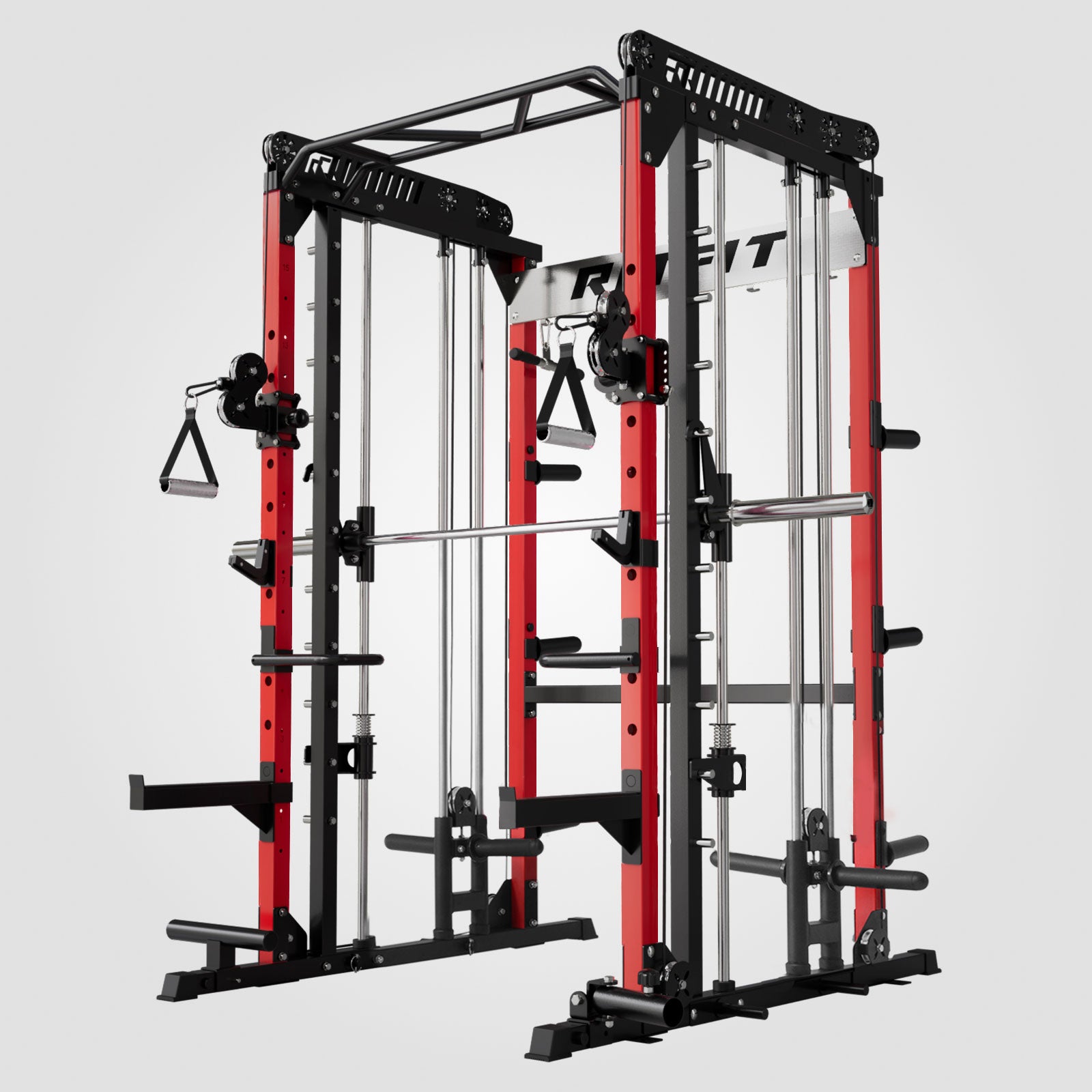
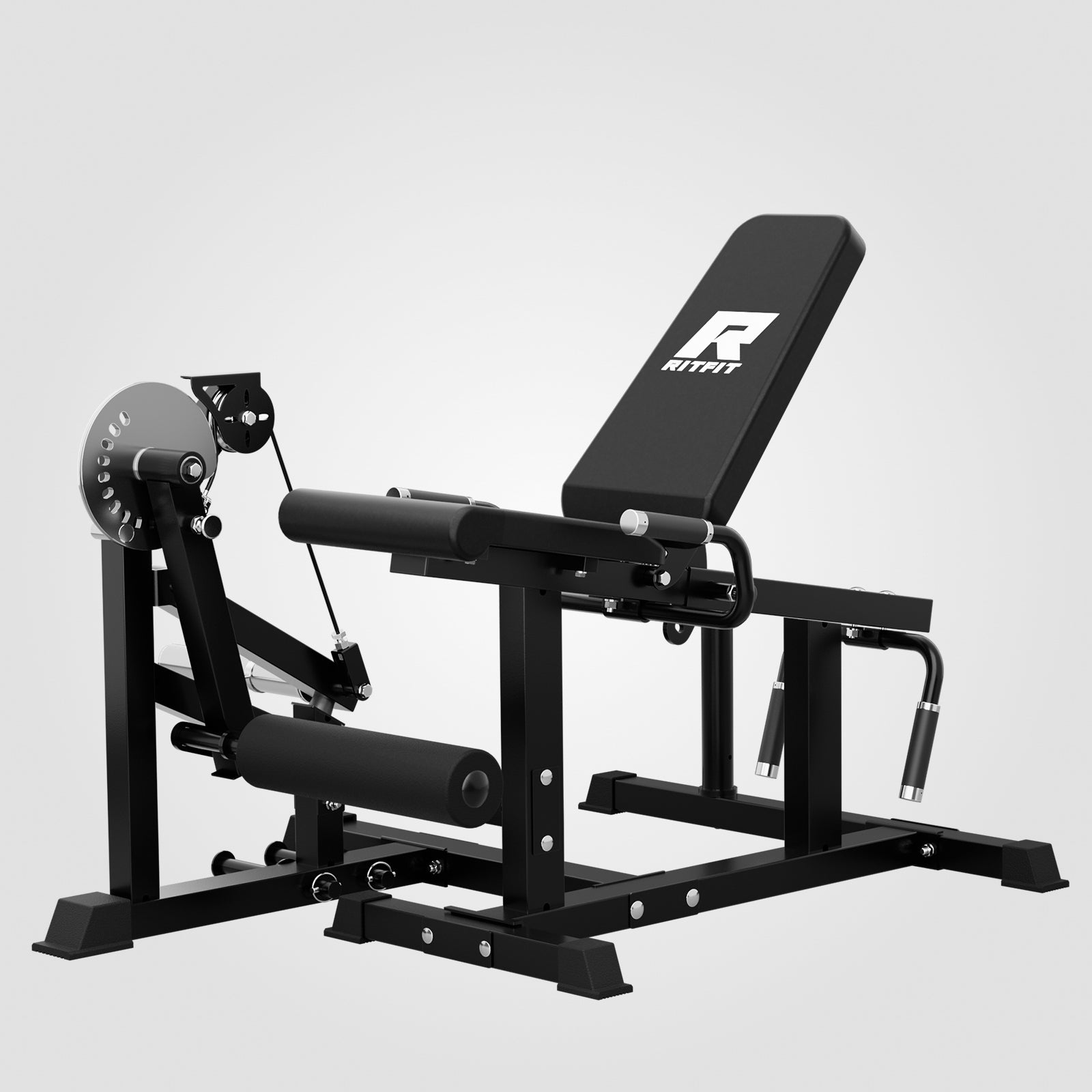
For a balanced home gym, pair Pilates sessions with adjustable weight benches, dumbbells, and compact resistance tools. You can also use the best home weight machine guide when your training goals move beyond mat and reformer work.
Complementary Home Pilates Equipment
Complementary equipment should make your Pilates setup more versatile without cluttering your room. Start with small tools, then add larger strength equipment only when your routine and space justify it.
- Non slip mat: A stable surface supports mat Pilates, stretching, and cooldown work. See this non slip mat option for floor based training.
- Pilates ring: A ring adds light resistance for inner thighs, arms, chest, and controlled core work.
- Resistance bands: Bands are useful for warmups, shoulder mobility, glute activation, and travel friendly resistance.
- Light dumbbells: Dumbbells help bridge Pilates control with strength training progression.
- Adjustable bench: The RitFit GATOR adjustable weight bench can support strength workouts that complement Pilates training.
- Storage accessories: Use home gym accessories to keep small tools organized and easy to use.
Pilates Reformer Price Range
Pilates reformer prices vary widely because frame materials, carriage systems, springs, upholstery, folding design, and brand support are different. Instead of buying the lowest price, compare safety, smoothness, storage, warranty, and replacement parts.
Budget Range
Budget reformers can work for beginners who want basic spring resistance and simple exercises. Check stability carefully, because weak frames or poor carriage glide can reduce confidence and consistency.
Mid Range
Mid range reformers are often the best fit for regular home users. They usually offer better padding, smoother rails, foldable storage, stronger springs, and a more comfortable training experience.
Premium Range
Premium reformers are best for dedicated home studios, advanced users, and households with multiple users. They usually offer stronger construction, refined glide systems, better adjustability, and long term serviceability.
Common Pilates Equipment Buying Mistakes
The biggest buying mistake is choosing equipment that looks good online but does not fit your room, routine, or training level. Avoid these common errors before investing in a home reformer or full Pilates setup.
- Ignoring clearance: Always measure the full workout footprint, not only the listed product dimensions.
- Buying too advanced too soon: Beginners usually need consistency and instruction before premium features.
- Choosing price over stability: A cheap reformer is not a good value if it wobbles or feels unsafe.
- Skipping replacement part checks: Springs, ropes, wheels, and pads may need replacement over time.
- Expecting Pilates to do everything: Pair Pilates with resistance training if your goals include muscle growth and heavier strength progression.
Maintenance and Care
Regular maintenance keeps a Pilates reformer safer, smoother, and more pleasant to use. Clean high touch surfaces, inspect moving parts, and follow the manufacturer instructions for lubrication and part replacement.
Weekly Care
- Wipe surfaces: Clean the carriage, headrest, straps, and footbar after training.
- Check spring attachment: Confirm springs are seated correctly and show no visible damage.
- Inspect ropes and straps: Look for fraying, uneven tension, or hardware looseness.
Monthly Maintenance
- Review bolts and fasteners: Tighten loose hardware according to the product manual.
- Clean the rails: Remove dust or debris that can affect carriage glide.
- Test folding parts: Confirm locking points and wheels work smoothly if the reformer folds.
Who Should Be Extra Careful With Home Pilates Equipment?
Users with pain, recent injury, pregnancy, balance concerns, osteoporosis, or major medical conditions should get professional guidance before starting. Pilates research in older adults is promising, but systematic reviews still support careful program selection, progression, and supervision for higher risk users.[5]
FAQs
What Pilates equipment do I need for a home gym?
Start with a non slip mat, a Pilates ring, resistance bands, and light dumbbells before buying a reformer. This setup covers core control, mobility, arm work, and beginner resistance training while keeping the cost and space requirement lower than a full machine.
Is a Pilates reformer worth it for home use?
Yes. A Pilates reformer can be worth it if you train consistently and want guided resistance at home. It is most valuable for users who have enough space, prefer structured movement, and would otherwise pay for frequent studio reformer classes.
Which Pilates reformer is best for small spaces?
The best Pilates reformer for small spaces is usually a foldable model with secure locking points and transport wheels. Measure both the workout footprint and the storage footprint before buying, because a compact machine still needs safe carriage travel space.
Can beginners use a Pilates reformer at home?
Yes. Beginners can use a Pilates reformer at home when they start with light resistance and simple movements. Guided videos or instructor sessions are strongly recommended at first, because correct spring setup, breathing, and body alignment matter more than exercise variety.
How much space do I need for a home Pilates reformer?
Most home Pilates reformers need enough room for the full frame plus clearance around the moving carriage. As a practical rule, measure the machine length, add walking space on each side, and confirm that straps can move freely without hitting furniture.
Are foldable Pilates reformers stable enough?
Yes. A quality foldable Pilates reformer can be stable enough for home workouts when the frame locks securely and the carriage glides smoothly. Avoid models that wobble, shift, or feel uneven during footwork, bridging, or long strap movements.
Should I buy a Pilates reformer or start with mat Pilates?
Start with mat Pilates if you are new, limited on space, or unsure about long term consistency. Buy a reformer when you want adjustable resistance, more exercise variety, and a studio style training experience that you can repeat at home.
Can Pilates replace strength training?
No. Pilates can support core strength, posture, mobility, and control, but it may not replace progressive strength training for every goal. If you want muscle growth, stronger bones, or higher load progression, pair Pilates with dumbbells, benches, or strength machines.
Conclusion
The best Pilates equipment for a home gym is not always the biggest or most expensive machine. Start with the tools you will use consistently, choose a reformer only when your space and routine support it, and pair Pilates with strength training when your goals include full body strength, muscle growth, and long term progression.
Disclaimer This article is for general educational purposes only and is not medical advice. If you are pregnant, recovering from injury, managing back pain, or new to reformer Pilates, consult a qualified healthcare professional or certified Pilates instructor before starting.
References
- Di Lorenzo CE. Pilates: What Is It? Should It Be Used in Rehabilitation? Sports Health. 2011;3(4):352-361. doi:10.1177/1941738111410285
- Kloubec J. Pilates: How Does It Work and Who Needs It? Muscles Ligaments Tendons Journal. 2011;1(2):61-66. PMCID: PMC3666467.
- Sampaio T, Encarnação S, Santos O, Narciso D, Oliveira JP, Teixeira JE, Forte P, Morais JE, Vasques C, Monteiro AM. The Effectiveness of Pilates Training Interventions on Older Adults' Balance: A Systematic Review and Meta Analysis of Randomized Controlled Trials. Healthcare. 2023;11(23):3083. doi:10.3390/healthcare11233083
- Bergamin M, Gobbo S, Bullo V, Zanotto T, Vendramin B, Duregon F, Cugusi L, Camozzi V, Zaccaria M, Neunhaeuserer D, Ermolao A. Effects of a Pilates Exercise Program on Muscle Strength, Postural Control and Body Composition: Results From a Pilot Study in a Group of Post Menopausal Women. Age. 2015;37(6):118. doi:10.1007/s11357-015-9852-3
- Pereira MJ, Mendes R, Mendes RS, Martins F, Gomes R, Gama J, et al. Benefits of Pilates in the Elderly Population: A Systematic Review and Meta Analysis. European Journal of Investigation in Health, Psychology and Education. 2022;12(3):236-268. doi:10.3390/ejihpe12030018