The best way to target all three triceps heads is to combine one heavy press, one overhead extension, and one controlled cable or lockout focused movement. Because no exercise isolates a single head completely, smart shoulder position, full range of motion, and steady progression matter most.
Use this guide to understand triceps anatomy, choose better exercises, and build more arm size, strength, and definition with less guesswork. It is designed for lifters who want a practical workout they can use in a gym or a home setup.
Key Takeaways
- Use multiple arm positions: Pressing, overhead work, and cable extensions each shift emphasis across the long, lateral, and medial heads.
- Do not chase one magic exercise: Triceps growth comes from good exercise balance, full range of motion, and progressive overload over time.
- Train heavy and controlled: Lower rep compound lifts build pressing strength, while moderate to higher rep isolation work adds volume with less joint stress.
- Protect your elbows: Smooth reps, stable elbow position, and sensible exercise selection usually work better than forcing heavy skull crushers every week.
- Keep your program simple: Most lifters can make excellent progress with three to five well chosen triceps movements per week.
Triceps Anatomy Fundamentals
The triceps brachii sits on the back of the upper arm and is responsible for elbow extension, which means straightening the arm. It also helps stabilize the arm during pressing, pushing, and lockout heavy lifts.
- The long head: The long head is the largest portion and crosses the shoulder joint, so it usually gets more emphasis when your upper arm is overhead or placed into a deeper stretch.
- The lateral head: The lateral head creates much of the outer arm sweep and often stands out when body fat is lower and pressing strength is higher.
- The medial head: The medial head sits deeper and works during most elbow extension patterns, especially when you control the lockout and keep tension on the muscle.
Principles of Effective Triceps Training
Movement Patterns
You cannot fully isolate one triceps head, but you can shift emphasis by changing shoulder position, grip, and resistance profile. Overhead movements usually bias the long head more, while pressing and pushdown patterns often load the lateral and medial heads well.
Training Variables
For hypertrophy, use a mix of heavy compound work and moderate to high rep isolation work across the week. Most lifters do well with 10 to 16 direct triceps sets weekly, adjusted for recovery, pressing volume, and training age.
Common Mistakes
Most triceps programs fail because lifters use too much weight, shorten the range of motion, or repeat the same angle every session. Better results usually come from cleaner reps, better exercise balance, and slower progression.
- Using partial reps: Half reps reduce stretch and shorten the hardest part of the extension, which lowers training quality.
- Letting the chest take over: On close grip presses and dips, poor torso position can turn a triceps movement into a chest dominant movement.
- Ignoring overhead work: Many lifters only do pushdowns, which limits long head emphasis and leaves arm development less complete.
- Overdoing elbow stress: Repeating the same heavy extension pattern every workout can irritate joints before it improves muscle size.
Best Exercises for Each Tricep Head
Long Head Triceps Exercises
The long head usually responds best to movements that place the arm overhead or into a deeper stretch. These patterns are useful when your goal is overall arm mass, not just lockout strength.
- Overhead dumbbell triceps extension: This is one of the simplest ways to load the triceps in a long muscle position and works well seated or standing.
- Overhead cable rope extension: Cables keep tension on the triceps through more of the range and often feel smoother on the elbows than free weights.
- Incline dumbbell extension: The bench angle increases stretch and can make lighter loads feel very effective.
- Lying triceps extension to behind the head: Letting the hands travel slightly behind the head usually keeps more tension on the long head than lowering to the forehead alone.
Lateral Head Triceps Exercises
The lateral head often stands out when you get stronger at hard elbow extension and keep tension high near lockout. Pressing and pushdown patterns are usually the most reliable choices here.
- Triceps pushdown: Rope, straight bar, and V bar versions all work well, and each lets you train hard with simple setup.
- Close grip bench press: This compound lift is excellent for arm mass and pressing power when your grip stays close enough to increase triceps demand without forcing the wrists.
- Parallel bar dip: An upright torso and controlled depth usually make dips more triceps focused than a chest biased forward lean.
- Diamond push up: This bodyweight option is accessible, scalable, and effective when performed with full range and controlled tempo.
Medial Head Triceps Exercises
The medial head contributes during almost every triceps movement, but it often feels more active when you use strict form, clean lockouts, and moderate loads. Exercises that are easy to control usually work better than flashy variations.
- Reverse grip pushdown: An underhand grip can make the lockout feel cleaner and may improve triceps feel for lifters who struggle with standard pushdowns.
- Cable kickback: When done with steady form and a hard squeeze, this movement is useful for finishing work without heavy joint stress.
- Close grip push up: A narrow hand position and strong lockout make this a simple option for higher rep work.
- Light cable extensions: High rep sets with smooth tempo are often an elbow friendly way to add extra triceps volume.
Complete Tricep Workout: Targeting All Three Heads
Workout Structure Overview
Start with a heavy press, follow it with an overhead extension, and finish with one or two cable or bodyweight movements that let you add clean volume. This order usually gives you the best mix of strength, stretch based loading, and lower stress isolation work.
Sample Workout for Hypertrophy
If your main goal is bigger arms, this session gives balanced triceps coverage without unnecessary overlap. Rest longer on the first movement, then shorten rest slightly as the workout becomes more isolative.
- Close Grip Bench Press: 3 to 4 sets of 6 to 8 reps
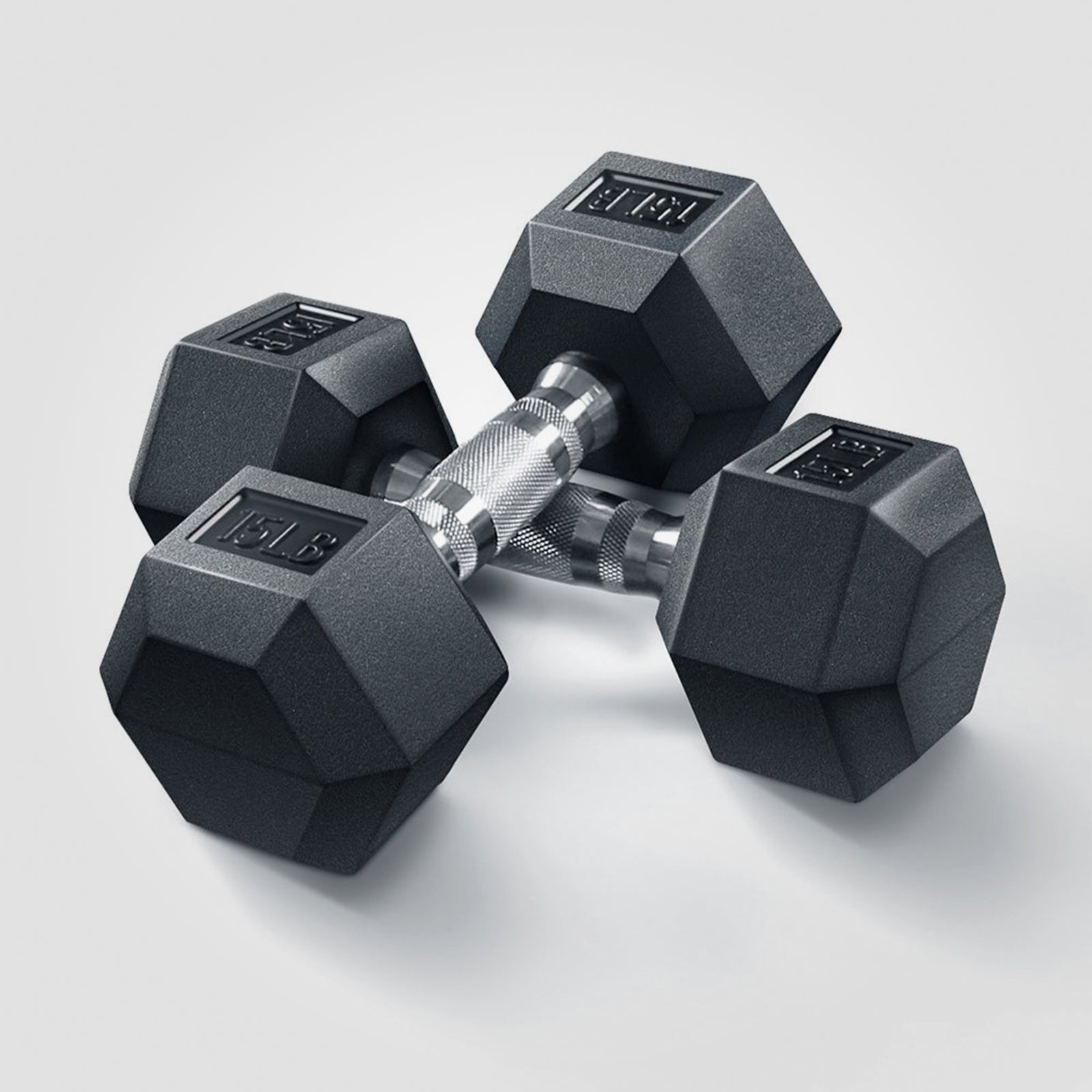
- Overhead Dumbbell Triceps Extension: 3 sets of 8 to 10 reps
- Lying Triceps Extension: 3 sets of 10 to 12 reps
- Rope Pushdown: 3 sets of 12 to 15 reps
- Diamond Push Up: 2 sets close to failure
Alternative Beginner Friendly Workout
If you are newer to lifting, focus on stable movements that are easy to learn and easy to recover from. This version also works well for a simple home gym with dumbbells, cables, or resistance bands.
- Bench Dip or Assisted Dip: 3 sets of 8 to 10 reps
- Band or Cable Pushdown: 3 sets of 10 to 12 reps
- Overhead Band or Cable Extension: 3 sets of 12 to 15 reps
Advanced Split and Programming Ideas
Advanced lifters usually grow faster when triceps volume is split across two weekly sessions instead of crushed in one long arm day. One session can emphasize heavy pressing and pushdowns, while the other emphasizes overhead work, stretched positions, and higher rep elbow friendly volume.
- Push day emphasis: Use close grip bench press, weighted dips, and pushdowns after chest or shoulder work.
- Arm day emphasis: Use overhead cable extensions, incline extensions, and lighter finishing work with stricter tempo.
- Volume control: Reduce direct triceps sets if your chest and shoulder training already includes a lot of heavy pressing.
Technique Tips for Maximum Triceps Activation
- Keep elbow position stable: Small natural movement is normal, but excessive flare usually shifts tension away from the triceps.
- Use full range of motion: A deep but controlled stretch and a clean lockout usually produce better growth than rushing heavy partial reps.
- Match grip to comfort: Overhand, neutral, and underhand grips can all work, so choose the one that lets you train hard without wrist or elbow irritation.
- Control the lowering phase: A steady eccentric helps keep tension on the muscle and often makes lighter loads more effective.
- Chase tension, not novelty: The best triceps exercise is the one you can repeat, progress, and feel in the target muscle week after week.
Recovery, Progression, and Injury Prevention
Progressive Overload
Track reps, load, and execution quality so you can improve one variable at a time. Small increases in weight, cleaner reps, or an extra rep per set are usually enough to drive long term progress.
Recovery Fundamentals
Triceps grow when training volume, sleep, nutrition, and recovery all support adaptation. Give the muscle at least 48 hours before repeating hard direct triceps work if your elbows or pressing strength feel run down.
Elbow Health
Most elbow irritation comes from poor exercise balance, rushed lockouts, or too much heavy extension work with too little control. If your elbows start to ache, lower the load, switch to smoother cable variations, and keep your weekly volume productive rather than excessive.
FAQs
How often should I train triceps each week?
Most lifters get strong results from direct triceps work 1 to 2 times per week. Two exposures usually work especially well when weekly volume is split into one heavier day and one lighter or higher rep day.
Can I build big triceps with only bodyweight exercises?
Yes, especially if you use dips, close grip push ups, diamond push ups, and controlled tempo. External load still helps over time, but bodyweight training can build impressive size when effort and progression are high.
Are heavy or light weights better for triceps growth?
Both are useful because heavy work supports strength and dense muscle, while moderate to high reps add volume with less joint stress. A balanced plan usually outperforms choosing only one style.
What should I do if skull crushers hurt my elbows?
Replace them with overhead cable extensions, rope pushdowns, or incline dumbbell extensions for a while. You will usually lose nothing by choosing a smoother variation that lets you train consistently.
Do I need a separate exercise for each triceps head?
No, because most good triceps programs train all three heads across a small group of well chosen movements. What matters most is angle variety, good form, and enough weekly volume to grow.
Conclusion
To build complete triceps, train through more than one angle and combine pressing strength with overhead stretch based work and controlled isolation volume. Pick a simple workout, progress it for 6 to 8 weeks, and your arm size, lockout strength, and overall upper body performance should all move in the right direction.
Disclaimer: This article is for general fitness education only. If you have elbow, shoulder, or wrist pain, recent surgery, or any condition that affects training tolerance, get clearance from a qualified medical professional before starting and stop any exercise that causes sharp pain or joint instability.