








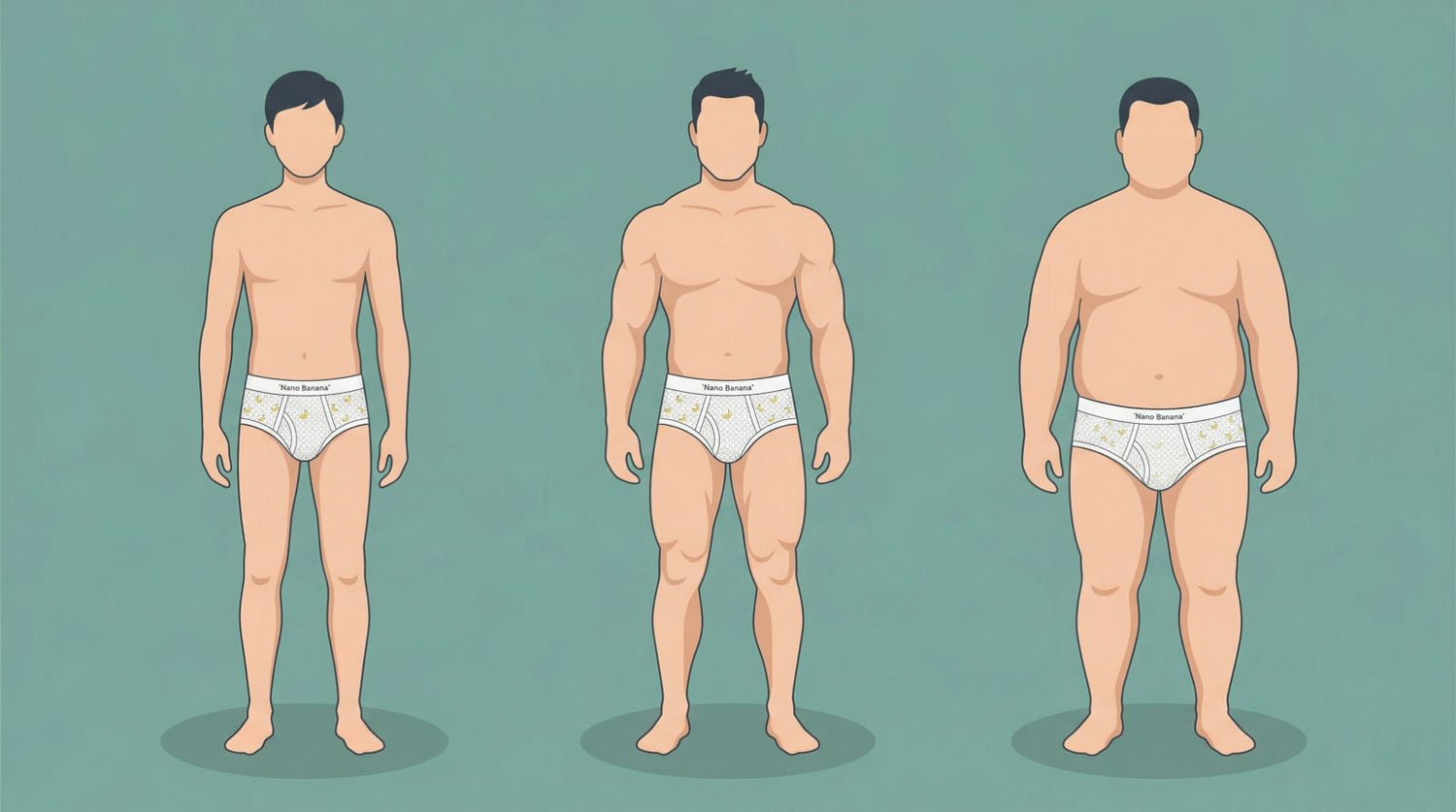
Your body type can help explain general muscle gain, fat loss, and recovery tendencies, but it does not decide your results. Used well, it gives you a practical starting point for training, calorie targets, and realistic expectations.
Somatotype theory groups physiques into ectomorph, mesomorph, and endomorph patterns to describe broad body composition tendencies. In modern fitness, it works best as a simple framework rather than a medical diagnosis or a complete explanation of metabolism.
Quick Answer: Ectomorph, mesomorph, and endomorph are the main somatotypes, and most people blend traits. A body type is a starting point, not a verdict.
Key Takeaways
- Body type is a guide, not a verdict: Most people show traits from more than one somatotype, so labels should support decisions rather than replace real tracking.
- Calories and protein still drive progress: Muscle gain, fat loss, and body recomposition depend more on energy balance, protein intake, and training quality than on any label alone.
- Training should match your response: Recovery capacity, workout volume, cardio tolerance, and progress rate matter more than trying to force a generic body type plan.
- Mixed body types are common: Many people are lean in some areas, softer in others, and respond differently to muscle gain and fat loss at different life stages.
- Progress should be measured, not guessed: Use body weight trends, body measurements, strength performance, photos, and energy levels to adjust your plan over time.
Overview of the Three Main Body Types
The three main body types are ectomorph, mesomorph, and endomorph, and most people combine traits from at least two of them.
What Is a Body Type?
A body type is a broad way to describe your natural build, body composition tendencies, and typical training response. Most people are not pure ectomorphs, mesomorphs, or endomorphs, so the most useful approach is to find your dominant traits and plan around them.
People often search for a solid body type or a mixed body type without realizing that both terms describe the same spectrum. A solid body type usually points to a thicker, more muscular frame, while a mixed body type means you carry strong traits from two somatotypes at once.
Quick Comparison Chart
| Body Type | Natural Build | Common Tendency | Main Challenge | Best Focus |
|---|---|---|---|---|
| Ectomorph | Lean frame, narrower limbs, lighter overall build | Often stays lighter and struggles to maintain a calorie surplus | Building muscle and body weight consistently | Progressive overload, recovery, calorie surplus |
| Mesomorph | Athletic shape, solid muscle base, balanced frame | Often responds well to strength training and body recomposition | Inconsistency and avoidable body fat gain | Balanced training, steady nutrition, long term consistency |
| Endomorph | Wider frame, thicker limbs, softer overall look | Often gains both muscle and body fat more easily | Fat loss, appetite control, and activity balance | Strength training, calorie control, daily movement |
What Is an Ectomorph?
The ectomorph body type describes a naturally lean frame with narrower shoulders and hips, lighter muscle mass, and a tendency to add both body weight and muscle slowly.
Key Physical Characteristics
An ectomorph usually appears lean with slimmer limbs, lighter body mass, and less visible natural muscle fullness. This build often comes with narrower shoulders or hips, but actual frame size and body fat distribution still vary from person to person.
Typical Metabolic Traits
Ectomorph traits are often linked to lower body weight, higher daily movement, lighter appetite, or difficulty maintaining a calorie surplus. That does not always mean a dramatically faster metabolism, so food intake, non exercise movement, and training load still matter most.
Being ectomorph-leaning does not mean you can eat without limits. Appetite, daily movement, and measured body composition usually explain your progress better than any fast metabolism claim.
Common Fitness Challenges
The biggest challenge for ectomorph leaning lifters is usually gaining muscle size without burning through too much energy. Many also under eat, overdo cardio, or add training volume faster than recovery capacity can support.
Training Recommendations
Ectomorph leaning lifters usually do best with compound lifts, progressive overload, moderate weekly volume, and enough rest to keep strength moving up. Center your plan around squats, presses, rows, deadlift patterns, and pull ups, then keep conditioning short if muscle gain is the priority.
Nutrition Guidelines
Use a controlled calorie surplus with adequate protein, enough carbohydrates to fuel training, and calorie dense foods that make intake realistic. Weekly body weight trends, training performance, and meal consistency tell you more than the label itself.
Lifestyle Tips
Recovery is a growth tool for ectomorph leaning lifters because sleep, stress control, and rest days support muscle repair and better training output. Track strength, body measurements, and progress photos so you can catch real progress even when scale changes are slow.
I would say there are some truths and ideas worth considering. For instance, the typical ectomorph body is that of someone with small joints, short muscle bellies, narrow shoulders and in general, a low body fat and or low body weight.
JC Deen, Fitness Trainer and Writer, Are the Somatotypes Ectomorph, Mesomorph, and Endomorph Relevant In Training?
What Is a Mesomorph?
A mesomorph body type describes an athletic, muscular frame that adds muscle and sheds body fat relatively easily when training and nutrition stay consistent.
Key Physical Characteristics
A mesomorph often has a naturally athletic look with a solid muscle base, broader upper body, and a balanced frame. Many people with mesomorphic traits add muscle fairly well, but that still depends on training quality and food intake.
People with a solid frame body and broad shoulders are often mesomorph-dominant, meaning mesomorphic traits show up first while ectomorph or endomorph traits stay secondary.
Typical Metabolic Traits
Mesomorphs often respond well to both muscle gain and fat loss phases because their training response tends to be efficient. Even so, metabolism is not a free pass, and poor food quality or inconsistent habits can still lead to unwanted body fat gain.
Common Fitness Challenges
The most common problem is relying on natural response instead of structured programming and long term discipline. Mesomorphs can plateau when they stop tracking volume, ignore recovery, or assume early progress will continue without adjustment.
Training Recommendations
A balanced mix of strength work, hypertrophy training, and conditioning usually works well for mesomorph leaning lifters. Periodized blocks for strength, muscle gain, and body recomposition help maintain progress and reduce stagnation.
Nutrition Guidelines
Mesomorphs usually perform well on a balanced intake built around protein, carbohydrates, healthy fats, and clear calorie targets based on the goal. Maintenance calories work well for body recomposition, while a small surplus or deficit can support cleaner bulking or cutting phases.
What Is an Endomorph?
The endomorph body type describes a wider, softer frame that gains weight more easily and usually needs a steady calorie deficit plus daily movement to lose fat.
Key Physical Characteristics
An endomorph often has a wider frame, thicker limbs, and a softer overall look with a tendency to carry more body mass. Many people with endomorphic traits can build muscle well, but they may also store body fat more easily during unstructured eating phases.
Typical Metabolic Traits
Endomorph traits are often associated with easier weight gain, lower spontaneous activity, or a harder time maintaining a calorie deficit. This should not be reduced to a simple slow metabolism explanation because appetite, activity, sleep, and food environment usually play a bigger role.
Common Fitness Challenges
The main challenge is often fat loss that feels slower than expected, especially when calorie tracking, protein intake, and daily movement are inconsistent. Many endomorph leaning lifters also underestimate liquid calories, weekend overeating, and low daily step counts.
Some people describe this pattern as a resistance body type, because the body seems to resist fat loss while holding on to size. The label changes nothing about the method: control calories, protect muscle, and keep daily movement high.
Training Recommendations
Endomorph leaning lifters usually benefit from strength training to preserve muscle, paired with enough cardio and daily movement to support energy expenditure. Prioritize full body strength, moderate hypertrophy work, consistent step counts, and conditioning that is sustainable for months, not days.
Nutrition Guidelines
A mild to moderate calorie deficit, high protein intake, fiber rich foods, and better meal structure usually work better than extreme restriction. Focus on satiety, consistency, and accurate portion control so fat loss happens without sacrificing muscle or energy.
How to Identify Your Body Type
Identifying your body type comes down to three signals: how your frame is built, how easily you gain or lose weight, and how your body responds to training.
Simple Self Assessment Checklist
- Weight change response: Notice whether you struggle to gain weight, gain muscle and fat fairly easily, or lose weight slowly unless calories are tightly controlled.
- Body composition pattern: Look at how easily you stay lean, how quickly you add size, and where you tend to store body fat.
- Training response: Track how fast you gain strength, how well you recover, and whether higher volume helps or hurts your progress.
- Appetite and activity: Consider hunger, meal size tolerance, step count, and how much non exercise movement you do without thinking about it.
A body type test is simply a structured version of this checklist. Score yourself on each row below, then plan around the column where most of your answers land.
| What to check | Ectomorph traits | Mesomorph traits | Endomorph traits |
|---|---|---|---|
| Frame and build | Narrow shoulders and hips, thin limbs, light bone structure | Broad shoulders, solid muscle base, balanced proportions | Wider midsection and hips, thicker limbs |
| Weight change | Hard to gain, easy to lose | Gains muscle and loses fat with moderate effort | Gains easily, loses slowly unless intake is controlled |
| Muscle response | Needs more volume and more calories to add size | Adds strength and size quickly | Builds muscle well but adds fat alongside it |
| Appetite and daily movement | Often lower appetite, higher spontaneous movement | Moderate appetite, tolerates higher training volume | Often higher appetite, lower spontaneous movement |
| Usual training focus | Progressive overload with a calorie surplus | Periodized strength and hypertrophy blocks | Strength training plus steady cardio and step count |
Visual Descriptions
If you have always looked naturally lean and struggle to hold body weight, you may lean ectomorph. If you look athletic with a solid muscle base, you may lean mesomorph, and if you carry size and softness more easily, you may lean endomorph.
Mixed Body Types
Mixed body types are normal, which is why many people are best described as ecto mesomorph, meso endomorph, or another blend of dominant traits. The goal is not to find a perfect label but to identify patterns that help you train, eat, and recover more effectively.
Training and Nutrition by Body Type: Practical Templates
Training and nutrition should follow your dominant traits rather than a fixed template, which is why the weekly outlines here differ by body type.
Ectomorph Strategy Summary
Focus on progressive overload, controlled calorie surplus, high quality protein, and enough recovery to turn training into muscle growth. Keep cardio limited and purposeful if your main goal is size and strength.
Mesomorph Strategy Summary
Focus on structured strength and hypertrophy blocks, balanced macros, and steady habits that support performance and body recomposition. Use maintenance calories for recomposition and adjust only when progress clearly stalls.
Endomorph Strategy Summary
Focus on fat loss through a sustainable calorie deficit while using strength training to maintain muscle and performance. Daily movement, food quality, protein intake, and adherence usually matter more than aggressive dieting.
The strength training principles behind building a lean body with strength training apply here too, so keep lifting while you run the deficit instead of relying on cardio alone.
Example Weekly Outlines
- Ectomorph: Train 3 days with full body lifting, keep cardio light, and use the remaining days for walking, mobility, and recovery.
- Mesomorph: Train 4 days with an upper lower split, add 1 or 2 cardio sessions, and cycle intensity across the week.
- Endomorph: Train 3 or 4 days with strength work, add 2 or 3 cardio sessions, and keep daily step count consistently high.
Home training changes the equipment you use, not the principles behind it. You can run full body workouts with a home workout bench, build sessions around resistance band workouts that cover all body parts, or check whether an all in one machine is enough for full body training before buying anything else.
Newer lifters can raise weekly activity with full body circuit training before adding separate cardio days, and it helps to know what type of workouts are there so the plan matches your recovery. If you already train at home on a rack or smith machine, a full body workout for a smith machine keeps the main lifts covered in a single session.
If you prefer a walkthrough, this video covers the same training and diet adjustments for ectomorphs, mesomorphs, and endomorphs in one pass.
Limitations and Myths About Body Types
Body type labels are useful shorthand, but they are not destiny and they cannot predict an individual result.
Common Misconceptions
The biggest myth is thinking your body type locks you into a permanent result. Ectomorphs can build serious muscle, endomorphs can get lean, and mesomorphs still need discipline to maintain progress.
Science vs. Oversimplification
Body type language is useful because it simplifies common patterns, but it can become misleading when it is treated like hard science or destiny. In real life, calories, protein, progressive overload, stress, sleep, hormones, age, and training history explain far more than a label alone.
Why Individualization Still Matters
Your best plan should be built around your goal, body composition, recovery capacity, schedule, injury history, and actual progress data. Body type can guide your first draft, but your results should guide every adjustment after that.
Putting It All Together
Identify your dominant traits, choose a training focus that matches your weak points, and set calorie and protein targets that fit your goal. Then track body weight, measurements, strength, and energy so you can adjust with evidence.
Progress rarely looks the same for two people, even when they follow similar plans. Consistency, patience, and better decisions over time will always matter more than finding the perfect label on day one.
Frequently Asked Questions
Readers ask a consistent set of questions about body types, and each answer below applies whether you are ectomorph, mesomorph, or endomorph dominant.
Can my body type change over time?
Your basic frame and natural tendencies do not fully change, but your body composition can change dramatically. Muscle mass, body fat level, activity, age, and lifestyle can make you look and perform very differently over time.
I am skinny fat. Am I an ectomorph or endomorph?
Skinny fat usually means low muscle mass with a relatively higher body fat percentage, especially around the waist. Many skinny fat people show mixed traits, so the best plan is usually high protein intake, consistent resistance training, and calories near maintenance before choosing a hard bulk or cut.
Is body type more important than calories and macros?
No, calories, protein intake, training quality, and recovery drive most real world results. Body type is useful because it helps you predict tendencies, but your habits determine whether those tendencies become progress or frustration.
How does age affect ectomorph, mesomorph, and endomorph traits?
Age usually reduces recovery speed, spontaneous activity, and lean mass if strength training is not maintained. That is why calorie control, protein intake, mobility work, and resistance training become even more important over time.
Are body types scientifically exact?
No, body types are simplified categories that describe broad patterns rather than exact biological rules. They are most useful when paired with real data such as body composition, training response, appetite, recovery, and weekly progress trends.
What is a mixed body type?
A mixed body type means you show dominant traits from more than one somatotype, such as ecto mesomorph or meso endomorph, rather than matching a single category completely. Mixed body types are the most common pattern, so plan around the traits that show up most often in your training response and weight trends.
Which body type is the most common?
No single somatotype clearly describes most people, because most people fall between the three categories and show a blend of ectomorph, mesomorph, and endomorph traits. Your own training response and weight trends are a better guide than any group average.
Am I a mesomorph or an endomorph?
Mesomorphs tend to build muscle fairly easily and stay relatively lean, while endomorphs often gain both muscle and fat more quickly and store extra weight around the waist and hips. Most people blend these traits, so judge your type by your frame, fat storage pattern, and response to calories rather than one label.
Conclusion
Body type gives you a starting hypothesis rather than a fixed outcome. Pick the training focus and calorie target that match your dominant traits, then track body weight, measurements, strength, and energy so your own data drives every adjustment.
As a next step, run one full training block with that plan before changing it, and revisit the comparison table only when progress clearly stalls.





