A football workout plan for American football players should build strength, acceleration, agility, power, conditioning, and recovery together. This guide shows how to structure weekly training so athletes can lift, sprint, cut, absorb contact, and stay fresher through the season.
Table of Contents
- Understanding Football Strength Training
- Principles of an Effective Football Workout Plan
- Sample Weekly Football Workout Plan
- Warm Up and Mobility Routine
- Lower Body Strength and Acceleration
- Upper Body Strength and Short Sprints
- Speed, Agility, and Core
- Total Body Power and Conditioning
- Position Specific Football Training Adjustments
- Progression and Load Management
- Recovery, Nutrition, and Injury Prevention
- Sample Four Week Progression Framework
- Recommended Home Gym Equipment for Football Training
- Common Football Workout Plan Mistakes
Key Takeaways
- Train strength and speed together: Football performance depends on force production, acceleration, agility, and conditioning working as one system.
- Keep sprint work high quality: Short sprints should be fast, clean, and fully recovered enough to improve real acceleration.
- Build contact ready strength: Squats, hinges, presses, rows, carries, and core work help players produce and absorb force.
- Adjust by season and position: Off season work can push volume, while in season training should maintain performance without draining game freshness.
- Recovery is part of the plan: Sleep, hydration, nutrition, mobility, and deloads help turn hard training into useful adaptation.
Understanding Football Strength Training
Football strength training should make players stronger, faster, more explosive, and more durable on the field. The goal is not only to lift heavier, but to transfer gym work into sprinting, cutting, blocking, tackling, and repeated high intensity plays.
Physical Demands of Football
American football requires repeated bursts of acceleration, deceleration, change of direction, jumping, bracing, and contact. Players need lower body force, upper body strength, trunk stiffness, and enough conditioning to repeat high output efforts.
Key Training Qualities
- Maximal Strength: Use squats, deadlifts, presses, rows, and loaded carries to build force production and whole body stability.
- Explosive Power: Use jumps, medicine ball throws, kettlebell swings, and Olympic lift variations when technique is already solid.
- Acceleration: Use 10 to 20 yard starts to improve first step power and forward body angle.
- Change of Direction: Use deceleration, shuttle, and reactive drills to improve braking and reacceleration.
- Core Stability: Use Pallof presses, cable chops, planks, and carries to resist rotation and transfer force.
Resistance training can improve sport specific outcomes in elite athletes when it is programmed with the athlete, sport, and performance goal in mind.[1]
Principles of an Effective Football Workout Plan
An effective football workout plan is specific, progressive, and recoverable. Each session should improve qualities that matter in football instead of adding fatigue without a clear purpose.
- Specificity: Choose lifts, sprint distances, jump patterns, and conditioning formats that match football movement demands.
- Progressive Overload: Increase load, reps, sets, sprint volume, or drill complexity gradually when technique stays clean.
- Periodization: Organize training differently for off season, preseason, and in season needs.
- Recovery: Plan rest days, lighter weeks, and lower stress sessions before fatigue reduces speed or lifting quality.
- Technique First: Keep sprint mechanics, landing positions, and lifting form clean before adding intensity.
Sample Weekly Football Workout Plan
A four day football workout plan gives most athletes enough training exposure without overwhelming recovery. Beginners can use three days, while advanced athletes may add one low intensity recovery or skill session.
- Monday: Lower body strength plus acceleration.
- Tuesday: Upper body strength plus short sprint work.
- Wednesday: Mobility, recovery, walking, or easy cycling.
- Thursday: Speed, agility, deceleration, and core stability.
- Friday: Total body power plus football conditioning.
- Saturday: Optional light field skill work or active recovery.
- Sunday: Full rest or very light mobility.
This weekly rhythm works best when heavy lifting and maximal sprint work are separated by enough recovery. If sprint times slow down, bar speed drops, or soreness changes movement quality, reduce volume before adding more work.
Warm Up and Mobility Routine
A proper warm up prepares the joints, muscles, and nervous system for speed and strength work. The goal is to raise temperature, improve range of motion, activate key muscles, and rehearse athletic movement patterns.
General Warm Up
Start with 5 to 10 minutes of easy movement such as jogging, cycling, skipping, or light tempo runs. Keep the effort low enough that you feel warmer but not tired.
Dynamic Mobility and Activation
- Hips: Use leg swings, hip circles, walking lunges, and lateral lunges to prepare cutting and sprinting positions.
- Ankles: Use ankle rocks, pogo hops, and calf raises to prepare lower leg stiffness.
- Glutes: Use glute bridges, mini band walks, or bodyweight split squats to improve hip control.
- Upper Body: Use scapular push ups, band pull aparts, and shoulder circles before pressing or contact work.
Lower Body Strength and Acceleration
This session builds the force production needed for sprinting, jumping, cutting, and contact. Complete the heaviest lower body lifts first, then finish with short acceleration work while mechanics are still sharp.
Main Strength Work
- Primary Lift: Perform back squats or front squats for 4 sets of 5 reps.
- Hinge Pattern: Perform Romanian deadlifts or trap bar deadlifts for 3 to 4 sets of 5 to 6 reps.
- Single Leg Strength: Perform weighted split squats or walking lunges for 3 sets of 6 to 8 reps per side.
- Rest Time: Rest 2 to 3 minutes on heavy lifts and 60 to 90 seconds on accessory work.
Accessory Work
- Posterior Chain: Add hamstring curls and hip thrusts to support sprinting and hip extension strength.
- Lower Leg Support: Add standing calf raises or seated calf raises to build ankle and calf durability.
- Trunk Bracing: Finish with planks, dead bugs, or Pallof presses to reinforce force transfer.
Acceleration Drills
- Sprint Distance: Perform 4 to 8 sprints of 10 to 20 yards.
- Starting Positions: Rotate between standing, three point, lateral, and prone starts for game style variety.
- Coaching Focus: Push hard through the ground, keep a forward lean, and stop when speed quality drops.
Upper Body Strength and Short Sprints
Upper body strength helps football players strike, shield, press, pull, and stay stable through contact. Short sprint work can be paired here when the goal is speed exposure without adding another heavy lower body day.
Main Strength Work
- Horizontal Press: Perform bench press or weighted push ups for 4 sets of 5 to 6 reps.
- Vertical Pull: Perform pull ups or lat pulldowns for 4 sets of 6 to 8 reps.
- Vertical Press: Perform overhead press or dumbbell shoulder press for 3 to 4 sets of 5 to 6 reps.
- Horizontal Pull: Perform barbell rows, cable rows, or dumbbell rows for 3 to 4 sets of 6 to 10 reps.
Accessory Work
- Upper Back: Add face pulls, rear delt raises, or chest supported rows to improve shoulder control.
- Arm Support: Add triceps pushdowns and curls to build elbow strength for contact and blocking positions.
- Shoulder Stability: Finish with light rotator cuff work and controlled scapular movement.
Short Sprint Work
- Sprint Prescription: Perform 4 to 6 sprints of 10 to 30 yards with full recovery.
- Optional Resistance: Use sled pushes, hill starts, or band resisted starts when acceleration mechanics are sound.
- Speed Rule: Rest long enough that every sprint stays crisp and fast.
Speed, Agility, and Core
This session improves movement quality more than gym fatigue. The goal is to sprint fast, brake well, redirect force, and keep the trunk stable during rapid movement.
Pure Speed Drills
- Flying Sprints: Use a 10 yard build up into a 15 to 20 yard fast zone.
- Technical Focus: Stay relaxed through the shoulders, strike under the hips, and avoid reaching in front of the body.
- Volume Control: Keep total sprint volume moderate so each repetition stays fast.
Agility and Change of Direction
- Planned Drills: Use pro agility shuttle, L drill, T drill, and 5 10 5 variations to train braking and reacceleration.
- Reactive Drills: Add partner, coach, or visual cues so players respond to changing information.
- Deceleration Skill: Practice lowering the hips, keeping the chest controlled, and using short braking steps.
Core and Stability
- Anti Rotation: Use Pallof presses, cable chops, and half kneeling holds to control trunk rotation.
- Loaded Carries: Use farmer carries and suitcase carries to build grip, posture, and whole body stiffness.
- Transfer Goal: Strong trunk control helps players keep body position while sprinting, cutting, blocking, and tackling.
Plyometric training is commonly used to improve sprinting, jumping, and change of direction qualities, but volume should match the athlete and recovery status.[3]
Total Body Power and Conditioning
This session teaches the body to express force quickly and repeat effort under football style demands. It should feel explosive and athletic rather than slow and grinding.
Power Exercises
- Olympic Lift Variations: Use hang cleans or high pulls for 4 to 5 sets of 3 reps only when technique is reliable.
- Simpler Alternatives: Use kettlebell swings, medicine ball throws, or light jump squats when Olympic lifts are not appropriate.
- Plyometrics: Use box jumps, broad jumps, or low hurdle hops for 3 to 5 quality sets.
Olympic weightlifting based training may support sprint performance, but it should be coached carefully because technique quality changes the value and risk of these movements.[2]
Total Body Strength
- Fast Strength Patterns: Use push press, front squat to press, or sled pushes with submaximal load and high speed.
- Training Goal: Move cleanly and explosively instead of chasing maximal load on every rep.
- Safety Rule: Replace painful or sloppy explosive lifts with lower risk alternatives.
Conditioning
- Football Intervals: Use repeated 20 to 40 yard efforts with planned rest to reflect repeated high intensity plays.
- Useful Options: Tempo runs, shuttle sprints, sled pushes, and sideline style intervals can all work.
- Programming Rule: Conditioning should support game fitness without stealing quality from strength and speed work.
Combined strength, plyometric, and sprint training can improve repeated sprint ability in team sport athletes when the training dose is managed well.[4]
Position Specific Football Training Adjustments
Position specific adjustments help the same football workout plan serve different athletes more accurately. The base plan can stay similar, but volume, sprint distance, movement emphasis, and conditioning should shift by role.
- Linemen: Prioritize maximal strength, short acceleration, sled pushes, heavy carries, and trunk bracing.
- Running Backs and Linebackers: Balance lower body strength, acceleration, lateral agility, and contact tolerance.
- Wide Receivers and Defensive Backs: Emphasize top speed, deceleration, hip mobility, jumping, and repeated sprint quality.
- Quarterbacks: Prioritize rotational core strength, shoulder stability, single leg control, and moderate strength work.
- Kickers and Punters: Use hip strength, single leg stability, mobility, and lower fatigue speed work.
Progression and Load Management
The best football workout plan progresses without pushing athletes into constant fatigue. Increase stress gradually, then reduce volume before technique, speed, or recovery breaks down.
Volume and Intensity Progression
- Strength Progression: Add small weight increases when all target reps are completed with clean form.
- Sprint Progression: Add only a little sprint distance, volume, or drill complexity at a time.
- Power Progression: Add intensity only when landings, posture, and speed stay controlled.
- Fatigue Check: Reduce volume if bar speed drops, sprint posture changes, or soreness stays high.
Off Season Versus In Season Adjustments
- Off Season: Push strength, muscle gain, acceleration, and movement development with higher total volume.
- Preseason: Shift toward speed, repeated sprint ability, position drills, and football conditioning.
- In Season: Reduce lifting volume, maintain enough intensity, and protect freshness for games.
Recovery, Nutrition, and Injury Prevention
Recovery habits determine whether hard football training becomes progress or accumulated fatigue. Players who recover well usually move better, lift better, and stay more available through the season.
Recovery Basics
- Sleep: Keep sleep consistent because recovery, reaction time, mood, and training quality depend on it.
- Hydration: Drink enough fluids to support sprint performance, focus, and recovery between sessions.
- Active Recovery: Use walking, easy cycling, swimming, or mobility work on lower stress days.
Sleep hygiene recommendations for athletes emphasize consistent habits because sleep affects recovery, performance, and overall health.[5]
Nutrition for Football Athletes
- Protein: Eat enough protein across the day to support muscle repair and adaptation.
- Carbohydrates: Prioritize carbohydrates around hard training to fuel lifting, sprinting, and repeated effort.
- Healthy Fats: Include healthy fats to support overall health and recovery.
- Meal Timing: Use a balanced pre training meal for energy and a post training meal to begin recovery.
Injury Prevention
- Common Risk Areas: Pay attention to hamstrings, ankles, knees, hips, shoulders, and the lower back.
- Preventive Work: Include eccentric hamstring work, landing mechanics, ankle strength, and shoulder stability.
- Load Discipline: Warm up properly, respect deloads, and reduce volume when movement quality declines.
Sample Four Week Progression Framework
A four week block helps football players build momentum without increasing stress too quickly. The goal is to improve load, sprint quality, drill control, and recovery awareness across the month.
- Week 1: Establish baseline loads, sprint distances, drill quality, and recovery needs with conservative volume.
- Week 2: Add a small amount of weight to main lifts or one set to selected accessory work.
- Week 3: Increase intensity slightly and progress agility or speed drills if movement quality stays high.
- Week 4: Use a controlled deload or lower volume week to reduce fatigue and prepare for the next block.
Recommended Home Gym Equipment for Football Training
The best football training setup at home should support squats, presses, rows, pulls, unilateral work, core training, and explosive practice. You do not need a commercial facility, but you need stable equipment, enough space, and a clear plan.
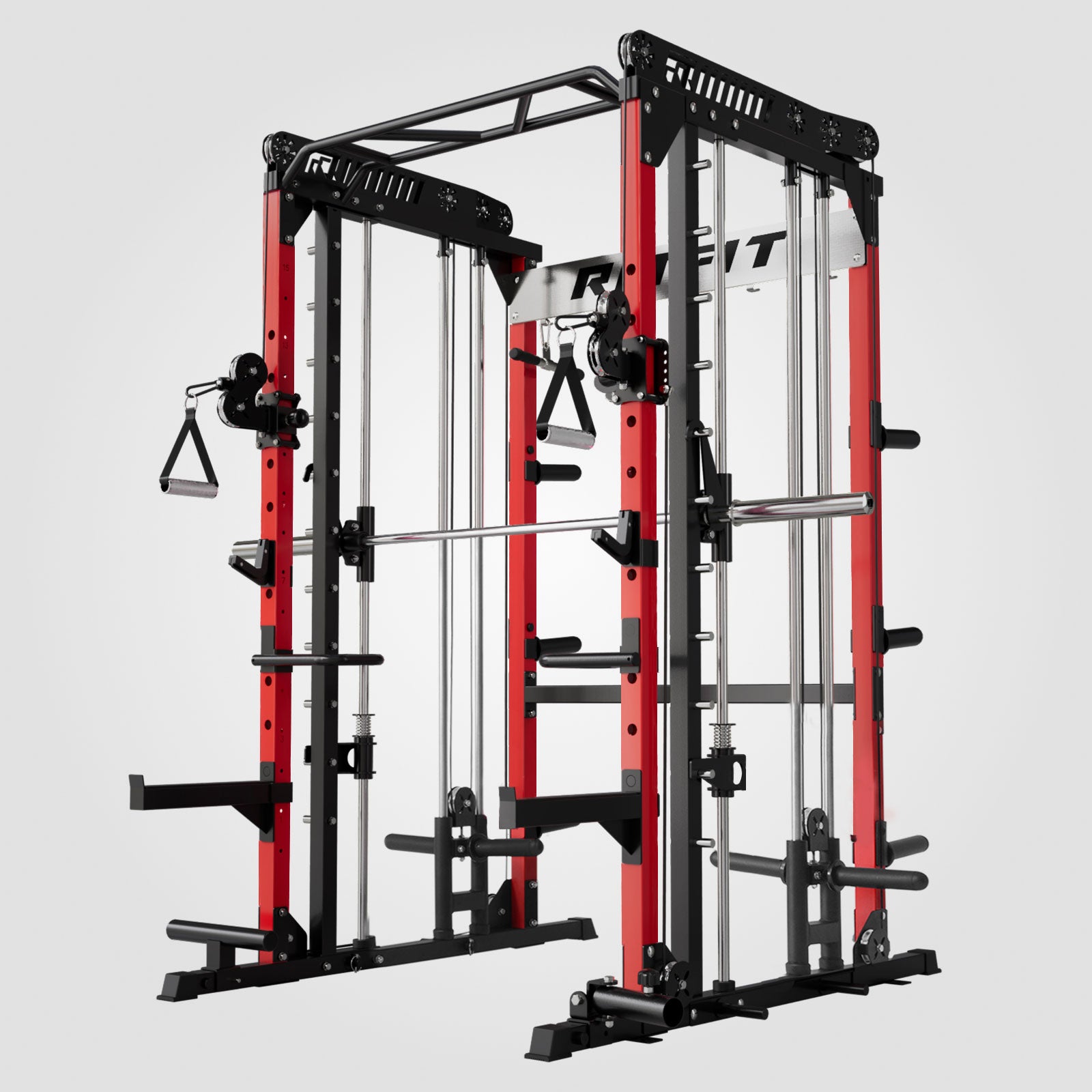
- Rack Training: A home gym power rack supports squats, presses, rack pulls, pull ups, and loaded strength work.
- Guided Strength: A Smith machine for home football training can support guided squats, presses, rows, and solo strength work.
- Bench Work: An adjustable weight bench helps with pressing, rows, split squats, hip thrusts, and accessory training.
- Progressive Loading: barbells and weight plates make progressive overload easier to track for strength development.
- Unilateral Strength: dumbbells for home workouts support single leg strength, rows, presses, carries, and shoulder work.
- Jump Training: A plyo box for football power training can support box jumps, step ups, and controlled landing practice.
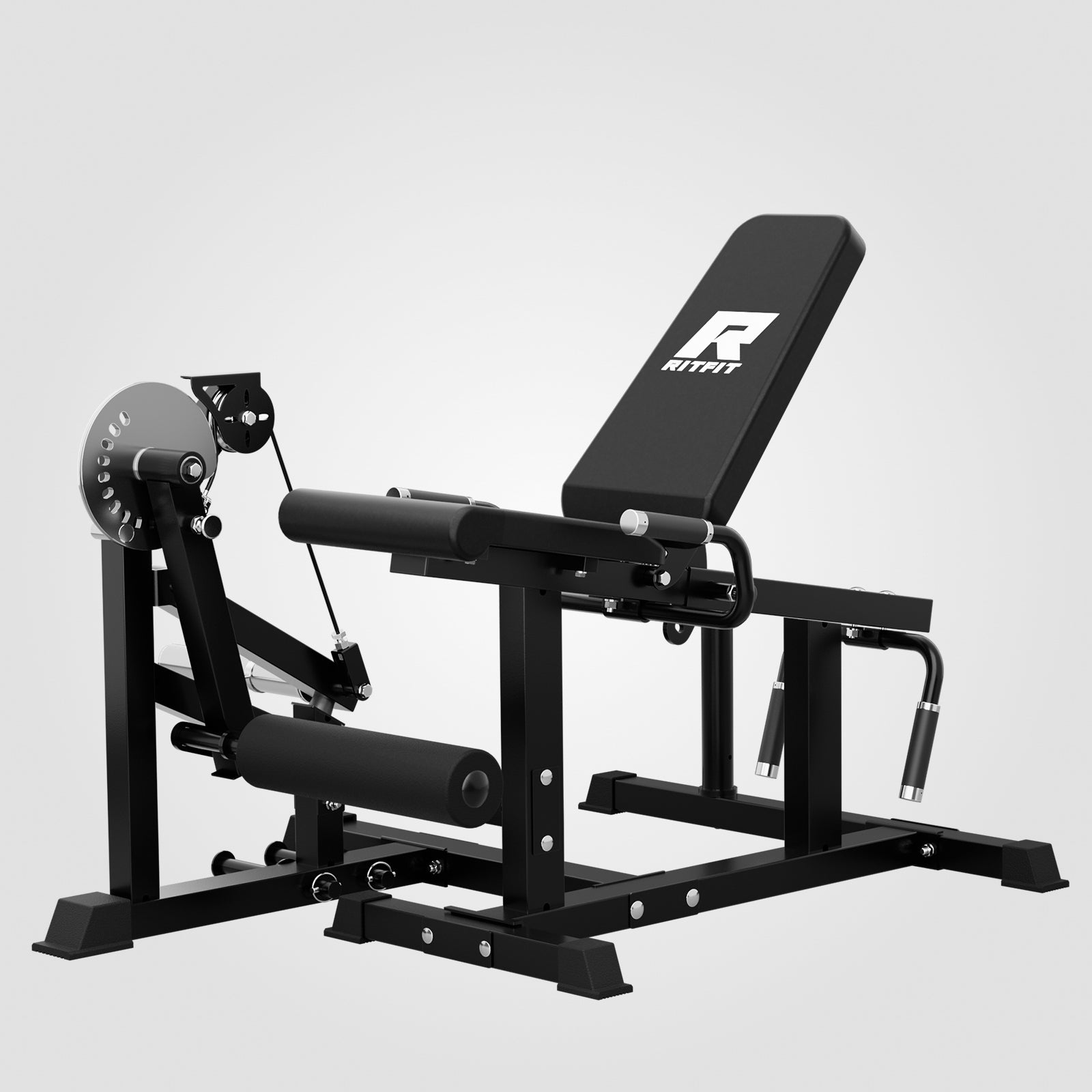
- Machine Support: strength machines for home gyms can add controlled accessory volume for legs, back, chest, and recovery friendly hypertrophy work.
Common Football Workout Plan Mistakes
Most football training mistakes come from doing too much hard work without enough purpose. The best plan keeps the highest intensity work sharp and controls fatigue before it damages movement quality.
- Training to Failure Too Often: Heavy sets should build strength, not leave the athlete crushed every session.
- Turning Speed Work Into Conditioning: Sprints need enough rest to stay fast and technically clean.
- Ignoring Deceleration: Cutting ability depends on braking strength, posture, and controlled foot placement.
- Skipping Hamstrings: Hamstring strength supports sprinting, hip extension, and lower body durability.
- Using Off Season Volume In Season: In season training should maintain strength and power while protecting game freshness.
- No Training Log: Track load, sprint volume, soreness, sleep, and performance so progression is based on evidence.
Football Workout Plan FAQs
What is the best football workout plan for American football players?
The best football workout plan combines strength, speed, agility, power, conditioning, and recovery. A balanced weekly structure should include lower body lifting, upper body lifting, short sprints, change of direction work, core stability, and controlled conditioning so training improves field performance instead of only gym numbers.
How many days a week should football players lift weights?
Most football players should lift weights two to four days per week. Beginners can start with two or three sessions, while experienced players often use four sessions during the off season. In season training usually needs less volume so strength is maintained without reducing game freshness.
Should football players train speed before lifting?
Yes. Football players should usually train speed before heavy lifting when both are in the same session. Sprint work needs a fresh nervous system, clean mechanics, and full intent. Heavy lifting first can make acceleration slower and reduce the quality of sprint practice.
Can football players build speed without a full commercial gym?
Yes. Football players can build speed with open space, short sprints, hill starts, bodyweight jumps, dumbbells, bands, and basic strength equipment. A home setup with a rack, bench, barbell, plates, and dumbbells can support most strength qualities needed for better acceleration.
What equipment do you need for a football workout plan at home?
A home football workout plan needs stable strength equipment and enough space for movement. The most useful items are a rack or Smith machine, adjustable bench, barbell, weight plates, dumbbells, resistance bands, and a plyo box. Open floor space is also important for jumps and mobility.
How should football players train during the season?
Football players should train during the season to maintain strength, speed, and mobility while limiting fatigue. Use lower lifting volume, keep intensity moderate to high, reduce hard conditioning near games, and prioritize sleep, hydration, soft tissue care, and recovery between practices and competitions.
Which exercises build the most football power?
The best football power exercises are jumps, medicine ball throws, kettlebell swings, sled pushes, push presses, and Olympic lift variations when coached well. These movements train fast force production, but they should stay explosive and technically clean rather than becoming slow strength work.
Conclusion
A strong football workout plan should build strength, speed, agility, power, conditioning, and durability together. Train with clear intent, progress gradually, adjust by season and position, and treat recovery as part of the program so gym work carries over to better field performance.
Disclaimer: This article is for general educational purposes only and is not medical advice or a personalized athletic program. Adjust exercises, sprint volume, loading, and recovery based on age, training history, position, season, injury history, and qualified coaching guidance. Stop any exercise that causes sharp pain, dizziness, numbness, or unusual weakness.
References
- Makaruk H, Starzak M, Tarkowski P, Sadowski J, Winchester J. The effects of resistance training on sport specific performance of elite athletes: a systematic review with meta analysis. J Hum Kinet. 2024;91:135-155. doi:10.5114/jhk/185877
- Crenshaw K, Zeppieri G, Hung CJ, Schmitfranz T, McCall P, Castellini G, Gianola S, Pozzi F. Olympic weightlifting training for sprint performance in athletes: a systematic review with meta analysis. Int J Sports Med. 2024;45(6):411-421. doi:10.1055/a-2161-4867
- Kons RL, Orssatto LBR, Ache-Dias J, De Pauw K, Meeusen R, Trajano GS, Dal Pupo J, Detanico D. Effects of plyometric training on physical performance: an umbrella review. Sports Med Open. 2023;9:4. doi:10.1186/s40798-022-00550-8
- Liu H, Li R, Zheng W, Ramirez-Campillo R, de Villarreal ES, Zhang M. The effect of combined strength, plyometric, and sprint training on repeated sprint ability in team sport athletes: a systematic review and meta analysis. J Sports Sci Med. 2024;23(4):718-743. doi:10.52082/jssm.2024.718
- Vitale KC, Owens R, Hopkins SR, Malhotra A. Sleep hygiene for optimizing recovery in athletes: review and recommendations. Int J Sports Med. 2019;40(8):535-543. doi:10.1055/a-0905-3103