


Effective fat-fighting strategies come down to a handful of habits you can repeat: a calorie deficit, enough protein to protect muscle, strength training, daily movement, and sleep. Weight loss strategies that ignore any one of these tend to stall or rebound.
This guide breaks down seven evidence-based fat-fighting strategies for effective weight loss, from how to cut weight with a sustainable deficit to how to gamify weight loss so you stay consistent. It is written for healthy adults and does not replace medical advice.
Quick Answer: The most effective fat-fighting strategies combine a sustainable calorie deficit, roughly 1-1.2 g/kg of protein daily, regular resistance training, higher daily activity, and enough sleep, and the strategy that wins is the one you can keep doing consistently over months.
Key Takeaways
- Calorie deficit first: An energy deficit is the most important factor in weight loss, and matched-calorie low-fat and low-carb diets perform about the same.
- Protein protects muscle: Aim for roughly 1-1.2 g/kg of protein a day, or about 30% of calories, while you cut.
- Lift to keep strength: Adding resistance exercise to a diet improves muscle strength without changing how much body weight you lose.
- Move more daily: Structured exercise plus everyday movement raises energy expenditure and improves body composition.
- Consistency decides results: Diet plus resistance training trials saw adherence above 85%, while longer studies lost 25% to 49% of participants to dropout.
1. Set a Calorie Deficit You Can Sustain
A calorie deficit is the single most important driver of fat loss, because the body burns stored fat when it takes in less energy than it uses. Matched-calorie low-fat and low-carbohydrate diets produce similar weight loss, so the size of the deficit matters more than the diet label.[1]
- Size it realistically: A moderate deficit you can hold for months beats an aggressive one you abandon in weeks.
- Expect plateaus: As you lose weight, maintenance calories fall, so the same intake eventually stops producing a deficit.
- Think weeks, not days: Daily scale weight swings with water and food, but the trend over weeks reflects fat loss.
A consistent deficit is also the reason crash diets fail, because intake that is too low is hard to sustain and the weight often returns.
"Specific exercises are not going to target preferentially belly fat. The real key to losing belly fat is just getting into a caloric deficit consistently and doing it for long enough."
Layne Norton, PhD in Nutritional Sciences, Physique Coach and Powerlifter, BioLayne, How to ACTUALLY Lose Belly Fat (Based on Science)
2. Prioritize Protein to Protect Muscle
Protein is the macronutrient that best protects muscle during a calorie deficit, and higher intakes support fat loss while you cut. A high-protein approach raises intake to about 30% of daily calories or 1-1.2 g/kg of ideal body weight per day.
- Hit a daily target: Aim for roughly 1-1.2 g/kg of body weight, or about 30% of calories, while you are cutting.
- Spread it out: Protein at each meal keeps you full and supports muscle maintenance better than one large dose.
- Choose lean sources: Chicken, fish, Greek yogurt, eggs, tofu, and legumes add protein without much added fat.
Pairing protein with strength training is what keeps the weight you lose coming mostly from fat rather than from muscle.
3. Lift Weights to Preserve Lean Mass
Resistance training protects muscle while you lose weight, and adding it to a diet improves muscle strength without changing how much body weight you lose. Weight-loss trials that combined diet with resistance exercise usually trained 3 times per week in sessions of 30 to 60 minutes.
- Train the whole body: Compound movements like squats, presses, rows, and hinges work the largest muscle groups.
- Keep the load challenging: Use progressive overload with a weight you can lift for about 6 to 12 reps with good form.
- Strength, not just weight: A meta-analysis found significantly greater muscle strength (SMD 2.36) with no meaningful difference in body weight versus diet alone.[2]
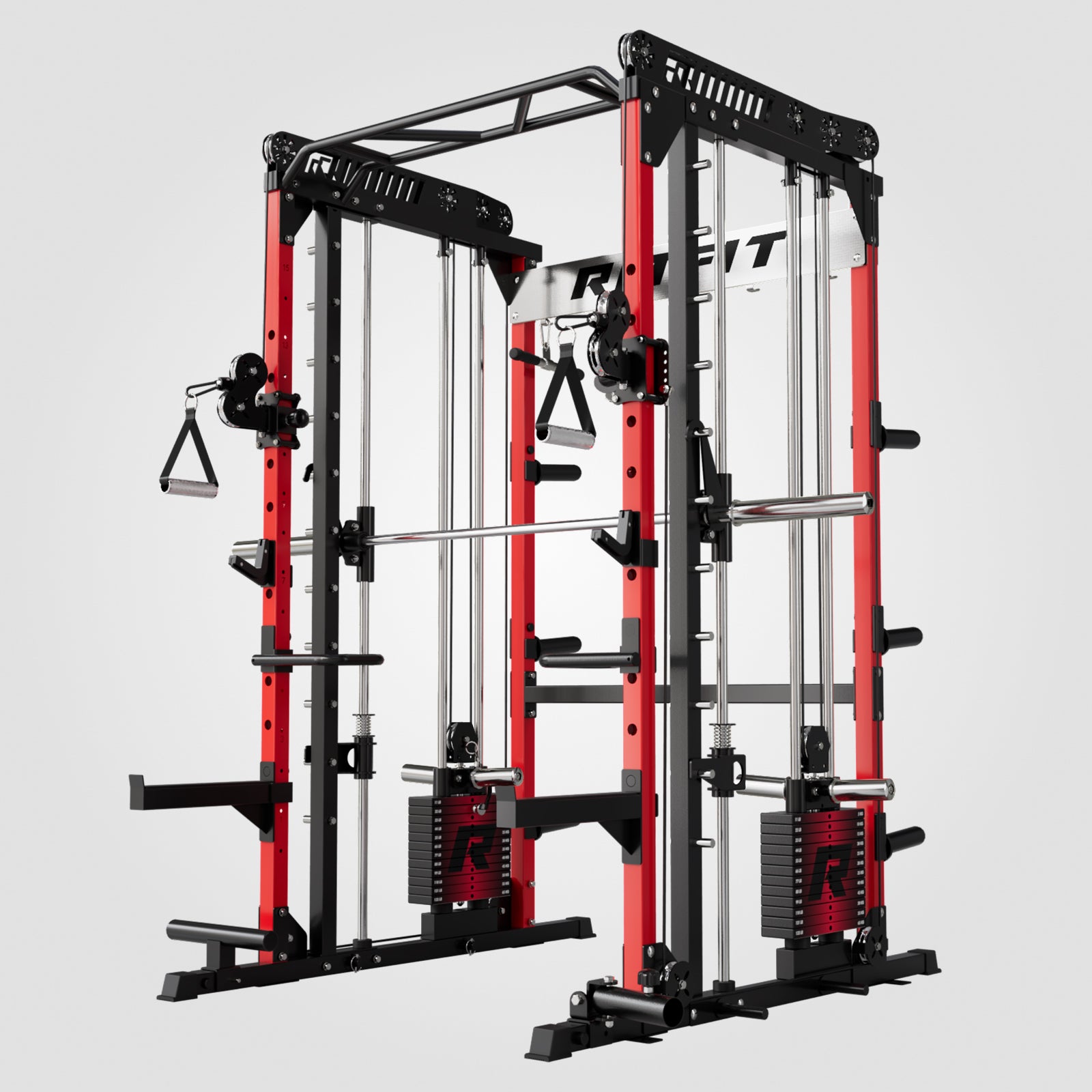
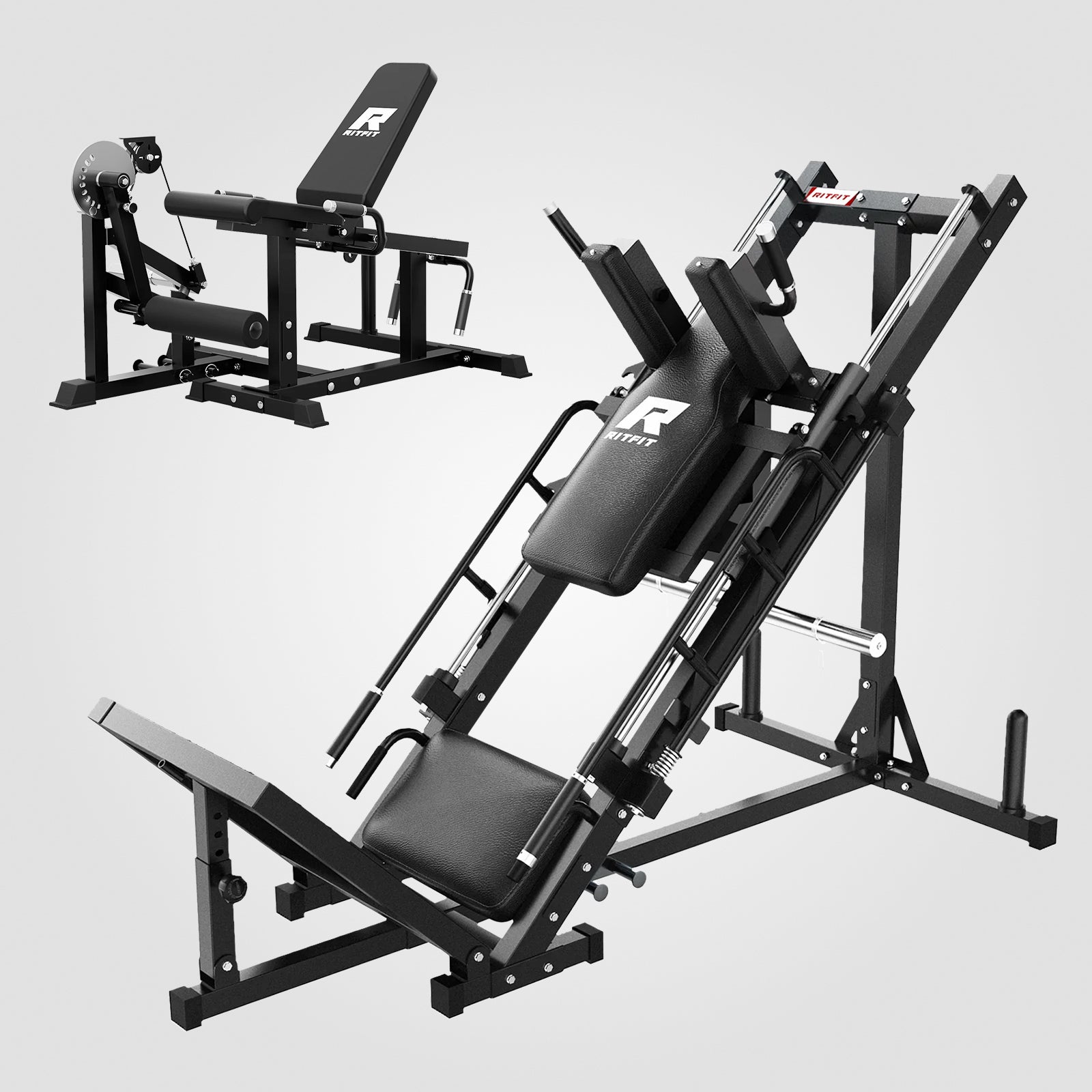
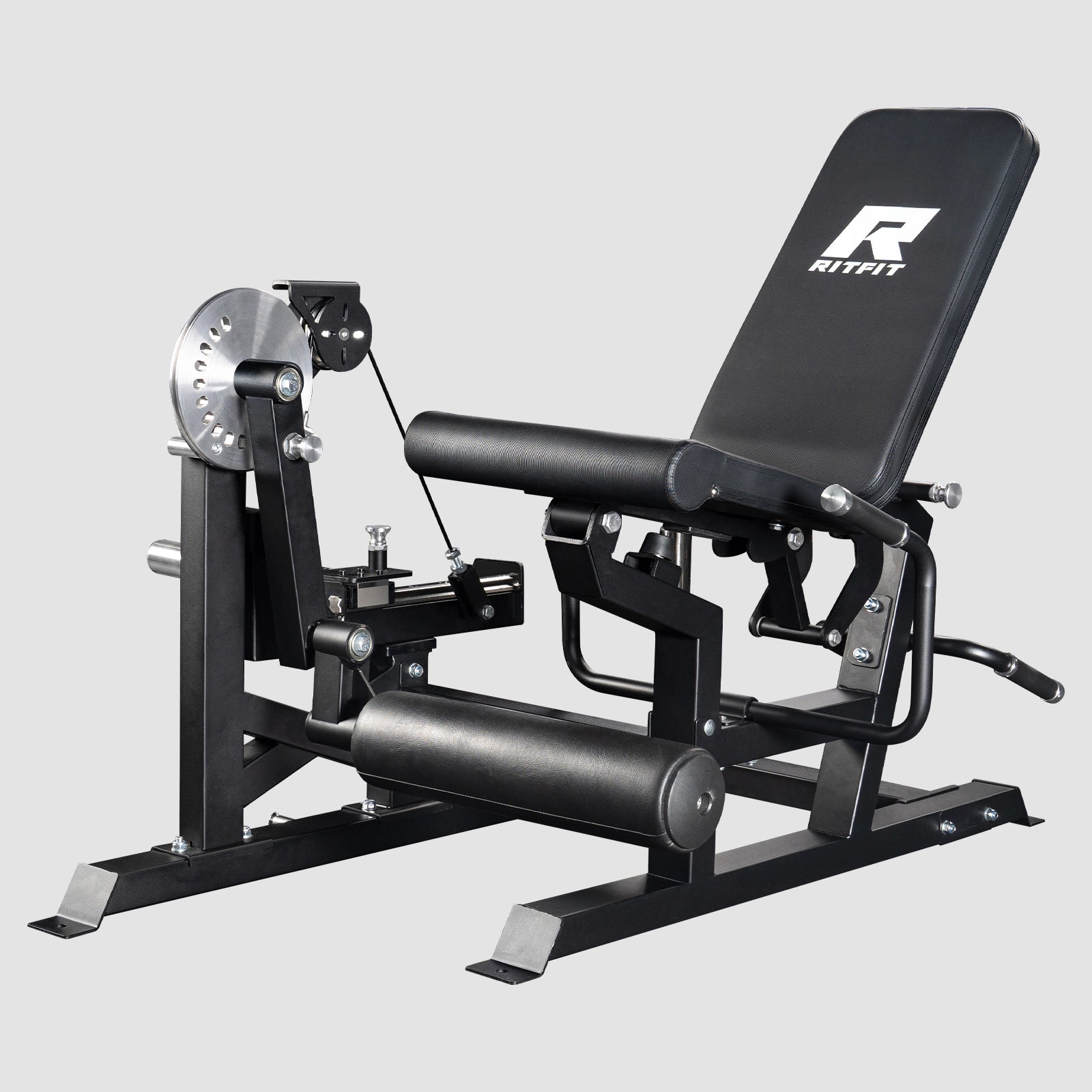
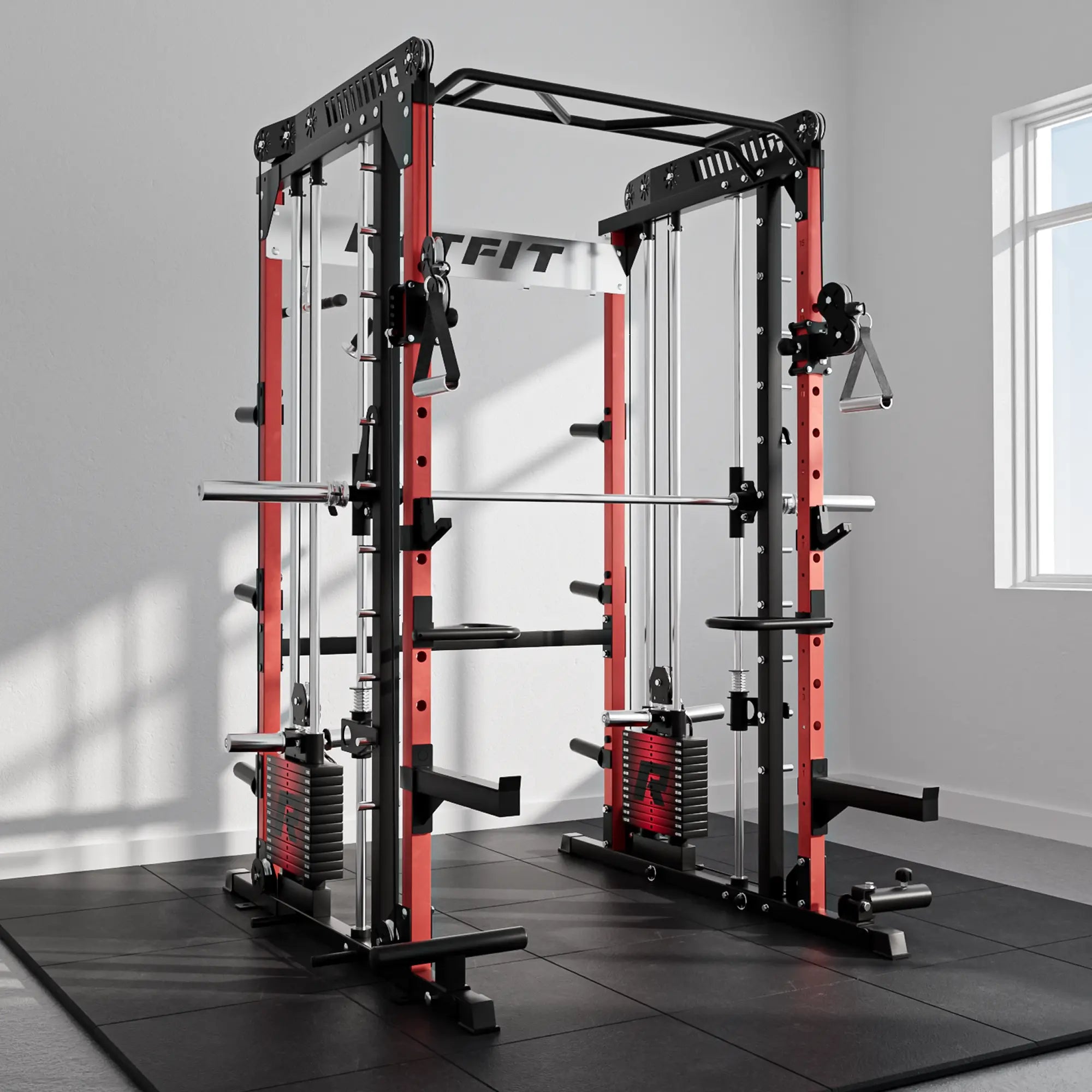
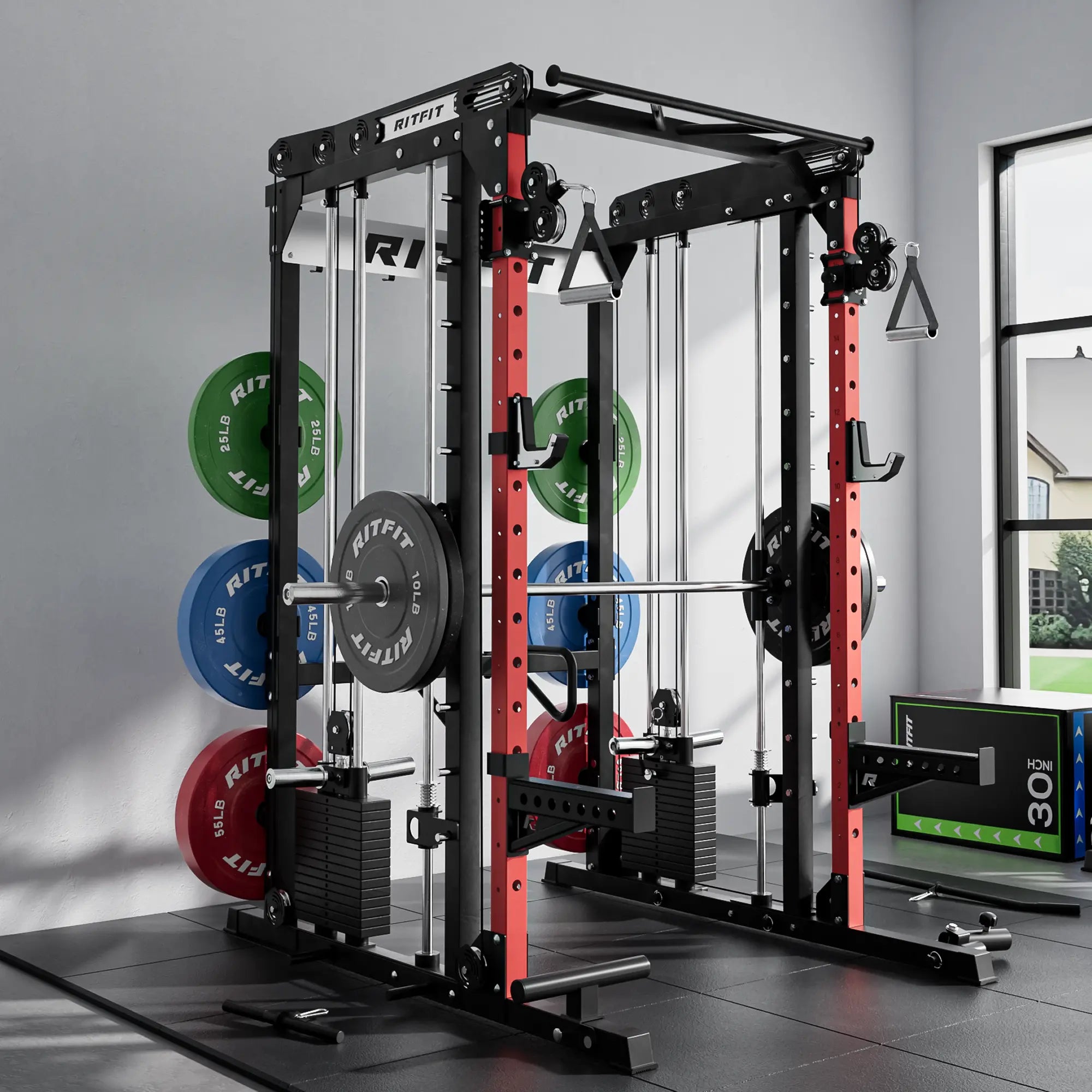
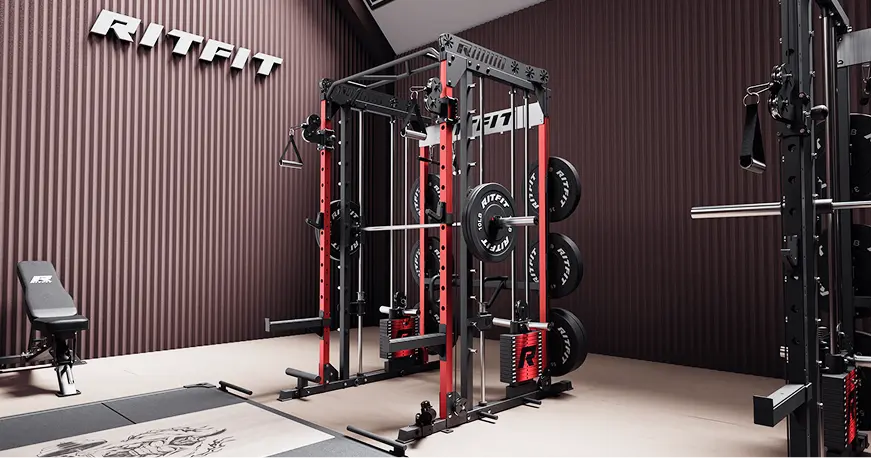
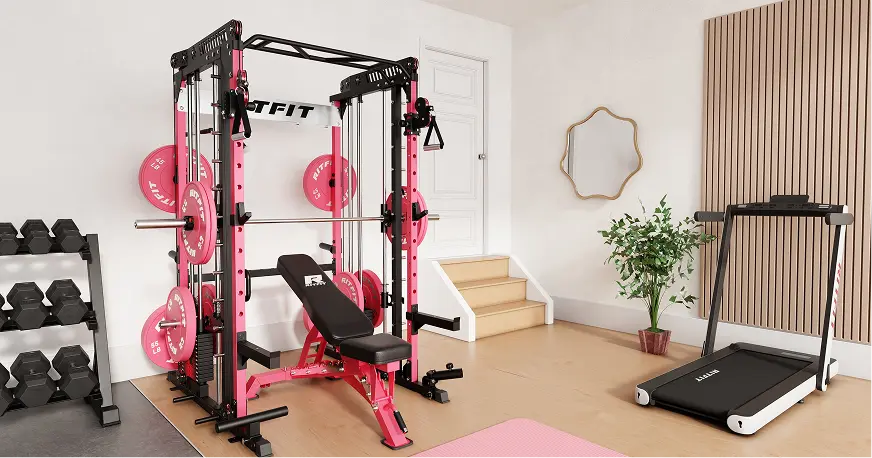
- Build a home setup: A rack, a set of weights, and an adjustable bench let you train every major muscle group at home.
If you are new to lifting, start with two or three full-body sessions a week and add load gradually. A RitFit Gator Adjustable Weight Bench and a set of barbells and weight plates cover most of what a fat-loss training plan requires.
4. Increase Daily Movement and Cardio
Daily movement and cardio raise energy expenditure, which widens the calorie deficit without cutting food further. Combining exercise with a dietary intervention improves body composition compared with diet alone.[3]
- Count your NEAT: Walking, stairs, and chores add up, and NEAT can be a large share of daily energy expenditure.
- Add cardio you enjoy: Brisk walking, cycling, or rowing several times a week adds to the deficit without feeling like punishment.
- Do not out-train your diet: Cardio burns fewer calories than most people expect, so it supports a deficit rather than replacing it.
Pairing daily movement with a strength program keeps both energy expenditure and muscle high, which supports fat loss and long-term maintenance.
5. Fix Your Sleep and Recovery
Sleep affects appetite, energy, and training quality, so recovery quietly shapes how well a calorie deficit works. Short sleep can leave you hungrier and less active the next day, which makes a deficit harder to hold.
- Protect a routine: A consistent bedtime and a dark, cool room support deeper, longer sleep.
- Watch late caffeine: Caffeine late in the day can delay sleep and shorten total sleep time.
- Plan rest days: Recovery days let your body adapt and keep training quality high across the week.
Treat sleep as part of your fat-fighting strategy rather than an afterthought, because recovery is when the body repairs and adapts to training.
6. Track Progress and Gamify Consistency
Consistency decides results, and tracking progress is what keeps consistency visible. Diet plus resistance exercise trials saw adherence above 85%, while longer studies reported dropout of 25% to 49%, which shows how much long-term success depends on staying engaged.
- Track the trend: Log weight weekly and waist measurements monthly rather than reacting to daily swings.
- Gamify habits: Turn workouts, steps, and protein into streaks or points in an app or a simple spreadsheet.
- Review and adjust: If the trend stalls for two to three weeks, trim intake slightly or add activity.
Keeping a simple home setup within reach, such as a RitFit PWR05 3 Tier Dumbbell Weight Rack, removes friction from the sessions you are trying to track.
7. Pick a Diet You Can Actually Stick With
The best fat-loss diet is the one you can follow long enough for the calorie deficit to work. Choosing meals you enjoy and planning around your schedule protects adherence, which separates people who keep the weight off from those who regain it.
- Match your preferences: A plan built on foods you like is easier to repeat than a rigid menu you dread.
- Plan for busy days: Simple, repeatable meals prevent takeout splurges when you are short on time.
- Allow flexibility: Leaving room for occasional treats lowers the odds of an all-or-nothing crash.
Set the diet up so it supports training rather than competing with it. A RitFit 1300lb Adjustable Weight Bench and durable cast iron weight plates let you keep lifting while your nutrition does the rest.
FAQs About Fat-Fighting Strategies
How many calories should I eat to lose fat?
Most adults lose fat on a moderate calorie deficit that trims a little from their maintenance intake each day. Because an energy deficit is the primary driver of fat loss, the exact number matters less than staying consistent. A registered dietitian can set a target that fits your body and activity level.
Can I lose fat without losing muscle?
Yes, you can lose fat while keeping muscle by eating enough protein, lifting weights, and losing weight slowly. Research on diet plus resistance exercise shows greater muscle strength than diet alone. Protein targets near 1-1.2 g/kg and a modest deficit help preserve lean mass during a cut.
Is cardio or strength training better for fat loss?
Both help, but they do different jobs. Cardio burns calories during the session, while strength training protects muscle so more of the weight you lose comes from fat. Most successful programs pair a calorie deficit with resistance training several times a week plus everyday movement.
Does sleep affect weight loss?
Sleep supports fat loss because recovery affects appetite, energy, and training quality. Short sleep is linked with higher hunger and lower daily activity, which can undercut a calorie deficit. Aim for seven to nine hours of consistent sleep to support your fat-fighting strategies and recovery.
How long does it take to see fat loss results?
Most people notice measurable fat loss within four to eight weeks of a consistent calorie deficit, protein target, and training routine. Early scale changes may reflect water, so track waist measurements and progress photos too. Sustained results depend on adherence, not speed.
How can I gamify weight loss to stay consistent?
You can gamify weight loss by turning habits into trackable streaks, points, or weekly challenges using a fitness app or a simple spreadsheet. Logging workouts, steps, and protein intake makes progress visible and rewards consistency, which supports the adherence that long-term fat loss depends on.
Conclusion
The most effective fat-fighting strategies are unglamorous: a calorie deficit you can hold, enough protein, consistent strength training, extra daily movement, and sleep that supports recovery. Stack them together and the weight you lose comes mostly from fat, not muscle.
Start with the deficit and one training habit this week, then add the rest as they stick. Browse weight lifting accessories to set up a home space, and check the RitFit discount guide before you buy.
Disclaimer
This article is for general information only and is not medical advice. Talk with a qualified healthcare professional before starting any weight-loss or exercise program, especially if you have a health condition.
References
1. Kim JY. Optimal Diet Strategies for Weight Loss and Weight Loss Maintenance. J Obes Metab Syndr. 2021;30(1):20-31. doi:10.7570/jomes20065. PMCID: PMC8017325
2. Binmahfoz A, Dighriri A, Gray C, Gray SR. Effect of resistance exercise on body composition, muscle strength and cardiometabolic health during dietary weight loss in people living with overweight or obesity: a systematic review and meta-analysis. BMJ Open Sport Exerc Med. 2025;11(3):e002363. doi:10.1136/bmjsem-2024-002363. PMCID: PMC12406911
3. Xie Y, Gu Y, Li Z, He B, Zhang L. Effects of Different Exercises Combined with Different Dietary Interventions on Body Composition: A Systematic Review and Network Meta-Analysis. Nutrients. 2024;16(17). doi:10.3390/nu16173007. PMCID: PMC11397086