Table of Contents
The best way to keep a garage gym cool is to combine airflow, shade, humidity control, insulation, and smarter workout timing.
Start with simple fixes like opening doors, using fans, and clearing airflow paths, then upgrade to insulation, a dehumidifier, or air conditioning if your garage stays hot after basic ventilation.
Key Takeaways
- Start with airflow: Open doors or windows and use fans to push hot air out and pull cooler air in.
- Control humidity: A dehumidifier can make a garage gym feel more manageable when sticky air is the main problem.
- Reduce heat gain: Use insulation, window coverings, light wall colors, and shade to limit how much heat enters the space.
- Protect your training zone: Use quality flooring, smart layout, and clear walkways so airflow reaches the areas where you lift most.
- Respect heat warning signs: Dizziness, nausea, confusion, chest pain, and unusual exhaustion mean you should stop training and cool down.
Why Keeping Your Garage Gym Cool Matters
Keeping your garage gym cool matters because heat, still air, and humidity can make workouts feel harder and increase the risk of heat related illness during exercise.[1]
A cooler space helps you train more consistently, control fatigue better, and avoid skipping workouts when summer temperatures rise.
A garage gym is often more exposed to heat than the rest of your home because garage doors, concrete floors, poor insulation, and limited airflow can trap warm air.
That does not mean you need a full HVAC upgrade immediately, but you should build a cooling plan that matches your climate, budget, and training intensity.
Best Garage Gym Cooling Method by Problem
The best garage gym cooling method depends on whether your main problem is trapped heat, poor airflow, humidity, direct sun, or intense training sessions.
Use the table below to choose the most practical first upgrade instead of buying equipment at random.
| Problem | Best First Fix | Best Upgrade |
|---|---|---|
| Hot, trapped air | Open the garage door and create cross ventilation | Wall mounted fan or exhaust fan |
| Sticky humidity | Use a dehumidifier before training | Dehumidifier plus portable AC |
| Direct sun exposure | Add blinds, curtains, or shade | Garage door and wall insulation |
| Year round training | Improve airflow and layout first | Mini split system |
| Small garage gym | Declutter and keep fans unobstructed | Compact strength equipment and wall storage |
10 Tips to Keep Your Garage Gym Cool and Ventilated
These garage gym cooling tips move from simple, low cost changes to more permanent climate control upgrades.
1. Open the Garage or Gym Door
Opening the garage door is the fastest way to release trapped hot air and bring fresh air into the space. If pests are an issue, use a garage screen so you can improve ventilation without turning your gym into an insect entry point.
2. Use Fans to Create Cross Ventilation
Fans work best when they move air through the gym instead of simply blowing hot air in circles. Place one fan near an opening to pull cooler air in and another fan near the opposite side to push warm air out.
3. Upgrade to a Mini Split or Portable AC
A mini split is usually the strongest long term option for serious garage gym climate control, while a portable AC can work better for renters or temporary setups. Choose the option that fits your budget, electrical setup, available floor space, and installation limits.
4. Take Part of the Workout Outside
Moving part of your workout outside can reduce heat exposure inside the garage and make summer training feel more refreshing. Outdoor exercise may also support psychological health and activity behavior compared with indoor only training in some populations.[3]
5. Insulate the Garage Door and Walls
Insulation helps reduce heat transfer, especially if your garage door receives direct sun for several hours. Start with the garage door first, then consider walls, ceilings, and windows if the space still heats up quickly.
6. Cool Down Your Training Surfaces
Training surfaces matter because hot concrete, direct sunlight, and cluttered flooring can make the gym feel harsher than it needs to be. Consider rubber interlocking gym flooring mats to create a more comfortable lifting area and protect your equipment.
7. Use a Dehumidifier
A dehumidifier can make your garage gym feel more comfortable when humidity is the real problem, because high relative humidity can increase thermoregulatory and circulatory strain during prolonged exercise in the heat.[2]
8. Optimize Your Gym Layout for Airflow
Your gym layout should leave clear airflow paths around windows, doors, fans, and your main training zone. Avoid placing large racks, storage boxes, or machines directly in front of ventilation points.
9. Train During Cooler Hours
Training early in the morning or later in the evening can reduce heat exposure without buying new equipment. This is often the highest impact change for garage gyms in hot climates.
10. Adjust Workout Intensity on Hot Days
On very hot days, lower the intensity, extend rest periods, and avoid long high intensity intervals in a closed garage. Hot and humid conditions can increase thermal and circulatory strain, so your training plan should match the environment.
How Equipment Choice Affects Airflow
Large home gym equipment should support your layout instead of blocking airflow through the room.
When planning a hot garage gym, prioritize compact footprints, clear walkways, and equipment placement that keeps doors, windows, and fans open.
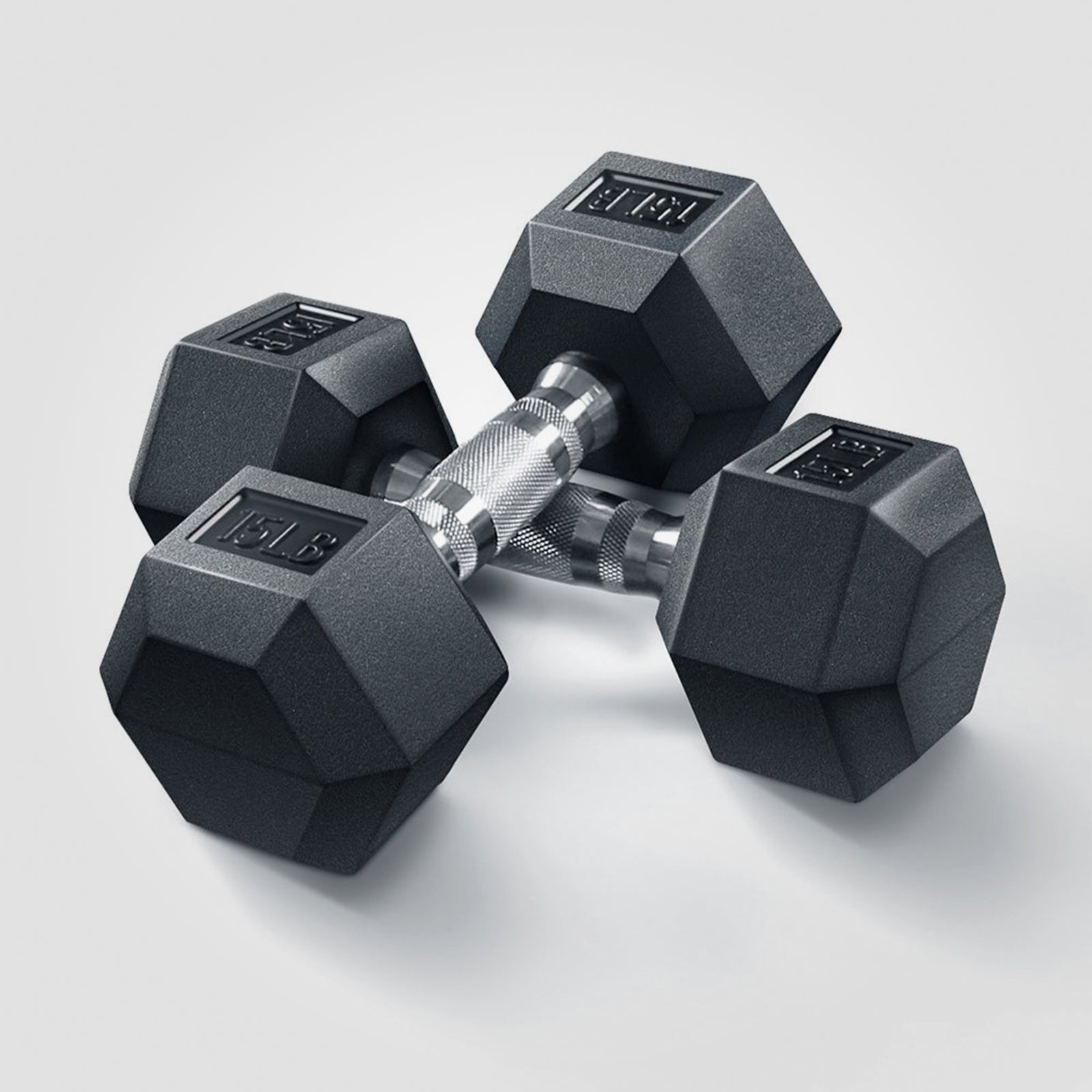
- Dumbbell training: If you want flexible outdoor or doorway workouts, RitFit dumbbells are easy to move compared with large machines.
- Bench work: A stable adjustable weight bench lets you train near better airflow without rebuilding your whole garage layout.
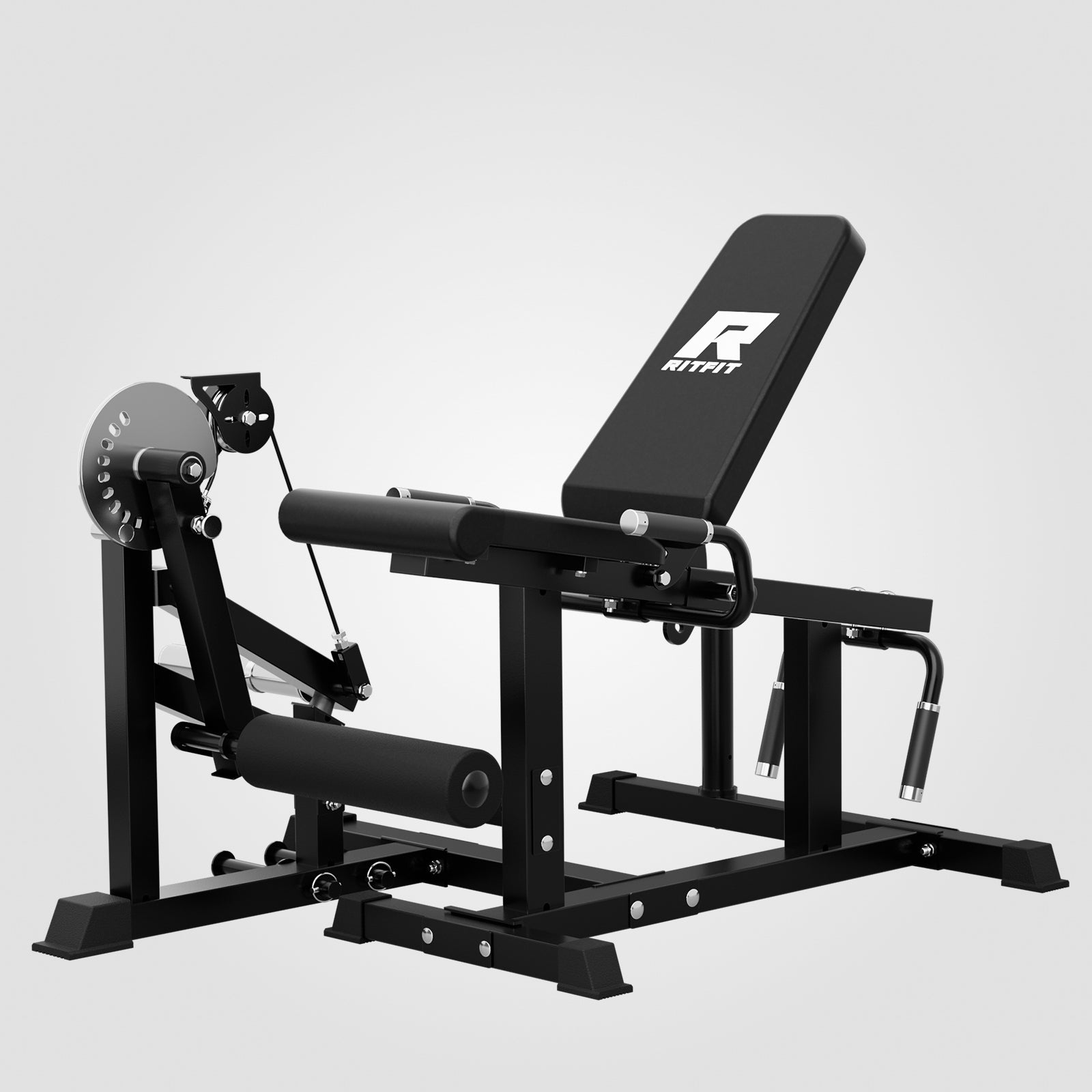
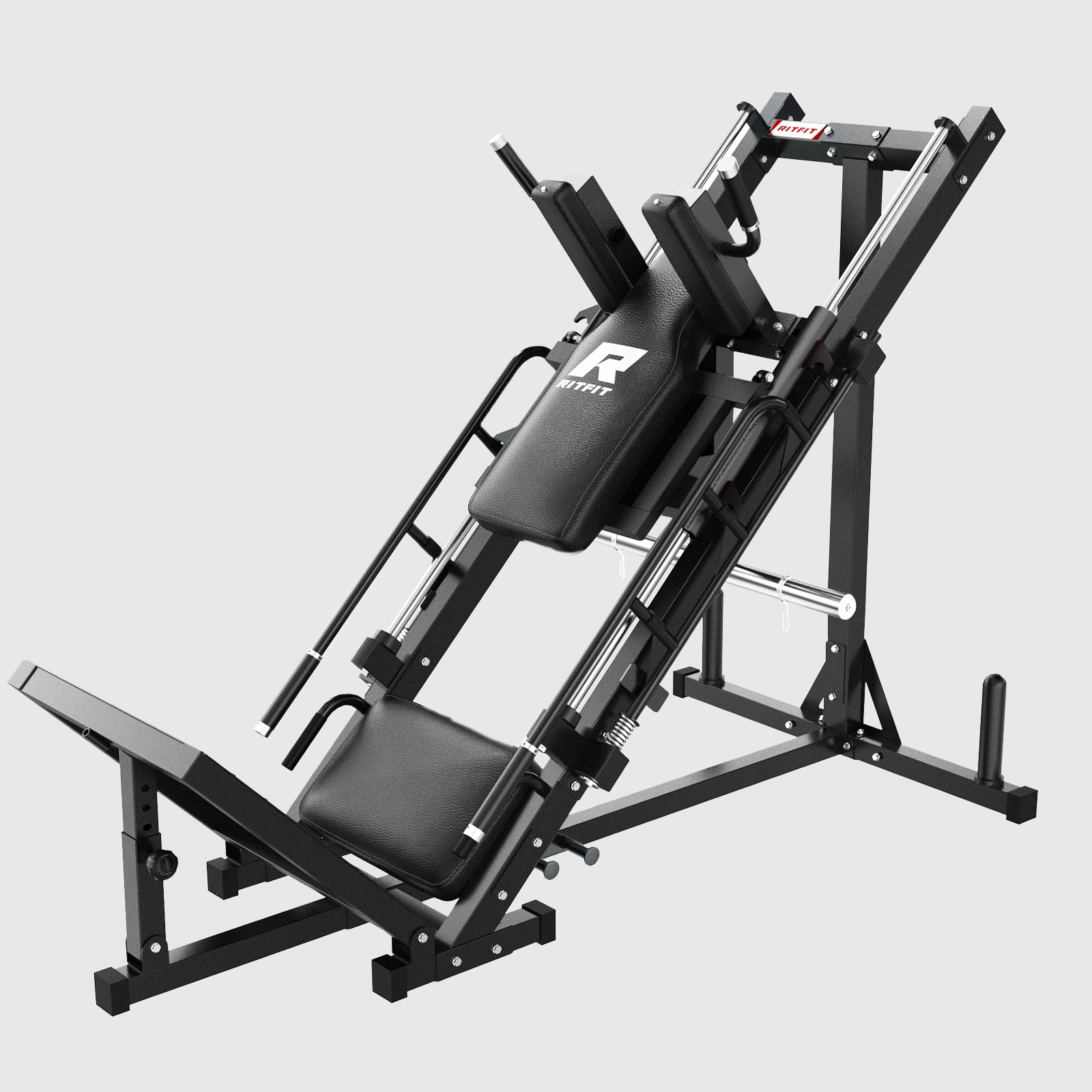
- Strength machines: Place large strength machines away from door tracks, windows, and fan paths so air can circulate around them.
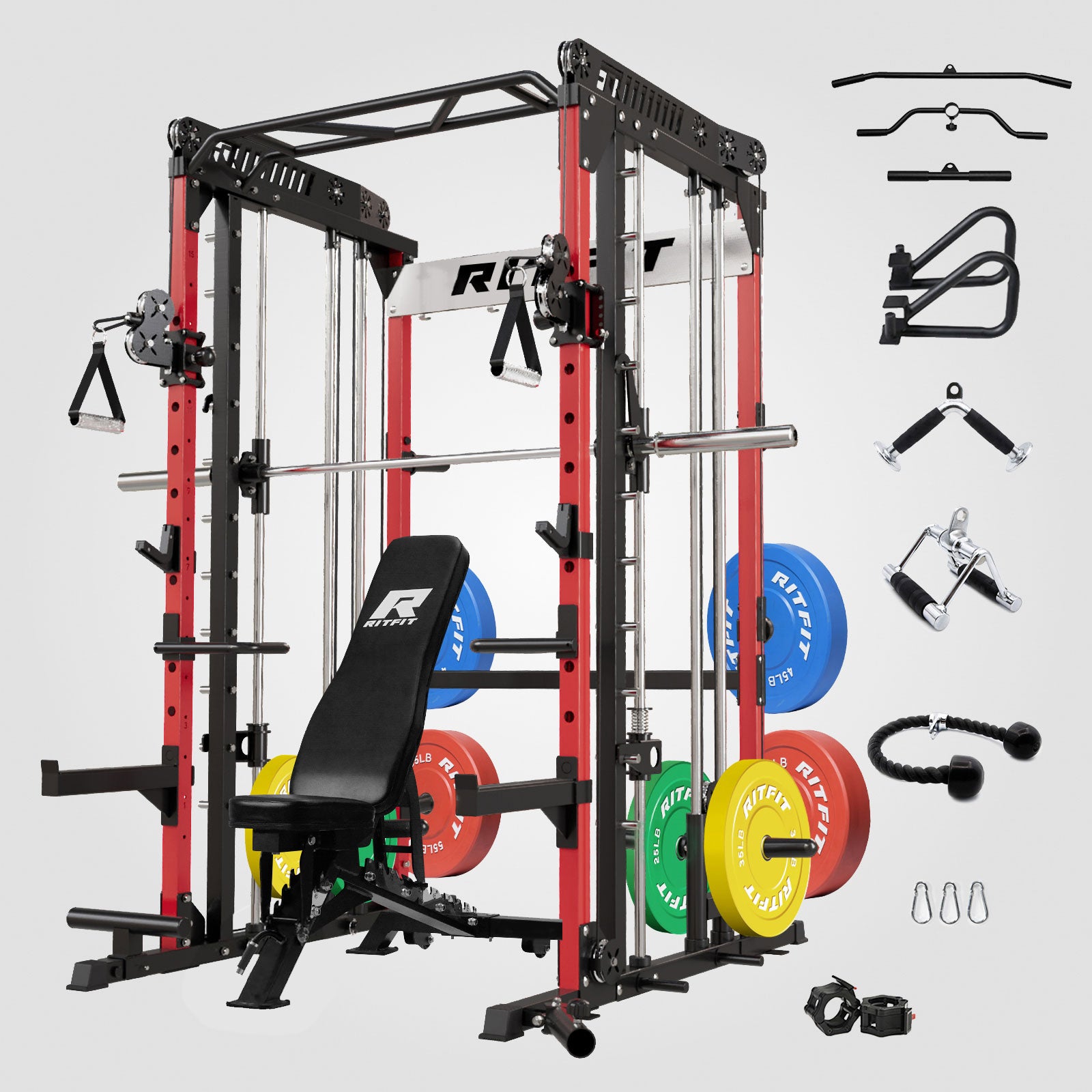
- Smith machines: If your garage gym uses an all in one setup, review the RitFit Smith machine collection and measure both machine clearance and airflow clearance before installation.
- Small accessories: Store handles, clips, straps, and cable attachments in one area so home gym accessories do not block fans or walkways.
Garage Gym Cooling Ideas by Budget
You do not need to buy everything at once to make a garage gym cooler.
Start with the cheapest changes that improve airflow and heat reduction, then invest in climate control only if the space still feels uncomfortable.
- Low budget: Open the door, use two fans, clear clutter, train during cooler hours, and add shade to windows.
- Medium budget: Add rubber flooring, garage door insulation, blackout curtains, a dehumidifier, and better storage for your hex rubber dumbbells.
- Higher budget: Install a mini split or properly vented portable AC if you train often and need dependable summer climate control.
- Space saving budget: Use adjustable benches, compact storage, and wall organized accessories before adding bulky cooling equipment.
Heat Safety: Know When to Dial It Back
Heat safety matters because training through early heat illness warning signs is not toughness, it is unnecessary risk.
Exertional heat illness guidance emphasizes prevention, recognition, and timely treatment because heat related conditions can progress quickly during sport and exercise.[4]
Stop your workout, move somewhere cooler, and rest if you notice dizziness, lightheadedness, nausea, unusual cramps, sudden headache, chest pain, trouble breathing, confusion, or exhaustion that feels different from normal training fatigue.
If symptoms do not improve quickly after rest, hydration, and cooling down, stop training for the day and seek medical guidance.
- Hydrate before training: Begin workouts already hydrated instead of trying to catch up once you feel overheated.
- Use shade wisely: If you train outside, choose shaded areas and avoid peak sun exposure when possible.
- Ease into summer heat: Reduce volume and intensity when the season first gets hot or when you return after a break.
- Watch vulnerable lifters: Beginners, older adults, people with medical conditions, and anyone training alone should be more conservative in extreme heat.
- Use sun exposure sensibly: Outdoor training may help with sunlight exposure, but vitamin D benefit must be balanced with sun protection and heat risk.[5]
FAQs
How can I cool a garage gym without air conditioning?
Start with airflow, shade, and timing before buying air conditioning. Open the garage door, use two fans for cross ventilation, block direct sun, clear clutter from airflow paths, and train early in the morning or later in the evening when the garage is naturally cooler.
What is the best fan setup for a garage gym?
The best fan setup uses one fan to pull cooler air in and another fan to push hot air out. Place fans near opposite openings when possible, keep large equipment away from airflow paths, and angle airflow toward the area where you lift most often.
Can a dehumidifier make a garage gym feel cooler?
Yes. A dehumidifier can make a garage gym feel cooler when humidity is the main issue. It does not lower temperature like an air conditioner, but drier air often feels more comfortable and may help sweat evaporate more effectively during summer workouts.
Is a mini split worth it for a garage gym?
Yes. A mini split can be worth it if you train often, live in a hot climate, and want dependable year round climate control. It costs more upfront than fans or portable AC, but it is usually quieter, more permanent, and better for serious garage gym use.
Should I insulate my garage door for a home gym?
Yes. Insulating your garage door is often one of the best upgrades for a hot home gym. The garage door is a large surface that can transfer heat into the room, especially when it faces direct sun for several hours during the day.
When is it too hot to work out in a garage gym?
It is too hot to work out when heat symptoms appear or your performance feels unusually strained. Stop training if you feel dizzy, nauseated, confused, faint, short of breath, or unusually exhausted, and move to a cooler place before continuing any exercise.
How do I improve airflow in a small garage gym?
Improve airflow by removing clutter, opening opposite sides of the space, and keeping bulky equipment away from windows and fans. In a small garage gym, even a few inches of clear space around racks, benches, and storage can help air move better.
What flooring works best in a hot garage gym?
Rubber gym flooring is usually the most practical choice for a hot garage gym. It creates a more comfortable training surface, protects concrete from dropped weights, reduces equipment impact, and helps define a cleaner workout zone for lifting, dumbbell work, and mobility drills.
Conclusion
Keeping a garage gym cool in summer is about managing airflow, humidity, heat transfer, layout, and workout timing together.
Start with the simplest upgrades first, then add insulation, dehumidification, or air conditioning if your space still feels too hot for safe and consistent training.
Disclaimer
This article is for general fitness and home gym education only and does not replace medical advice. Stop exercising and seek professional guidance if you experience severe heat symptoms, chest pain, fainting, confusion, or breathing trouble during training.
References
- Nichols AW. Heat related illness in sports and exercise. Curr Rev Musculoskelet Med. 2014;7(4):355-365. doi:10.1007/s12178-014-9240-0
- Che Muhamed AM, Atkins K, Stannard SR, Mündel T, Thompson MW. The effects of a systematic increase in relative humidity on thermoregulatory and circulatory responses during prolonged running exercise in the heat. Temperature (Austin). 2016;3(3):455-464. doi:10.1080/23328940.2016.1182669
- Noseworthy M, Peddie L, Buckler EJ, et al. The effects of outdoor versus indoor exercise on psychological health, physical health, and physical activity behaviour: a systematic review of longitudinal trials. Int J Environ Res Public Health. 2023;20(3):1669. doi:10.3390/ijerph20031669
- Casa DJ, DeMartini JK, Bergeron MF, et al. National Athletic Trainers' Association position statement: exertional heat illnesses. J Athl Train. 2015;50(9):986-1000. doi:10.4085/1062-6050-50.9.07
- Wacker M, Holick MF. Sunlight and vitamin D: a global perspective for health. Dermatoendocrinol. 2013;5(1):51-108. doi:10.4161/derm.24494