Bottom line: Most gym memberships cost about $10 to $300 per month in 2026, depending on brand, location, access level, fees, and amenities.
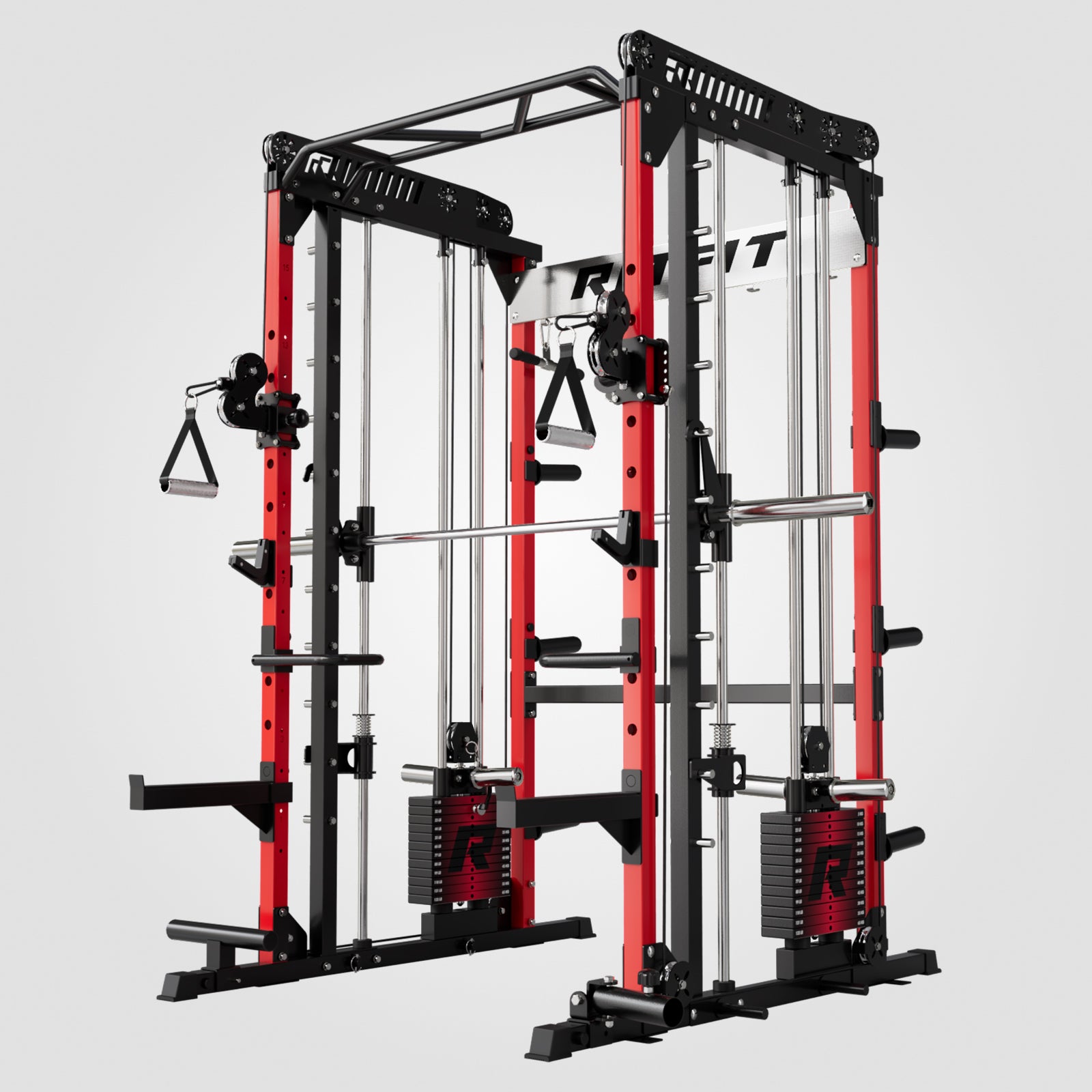
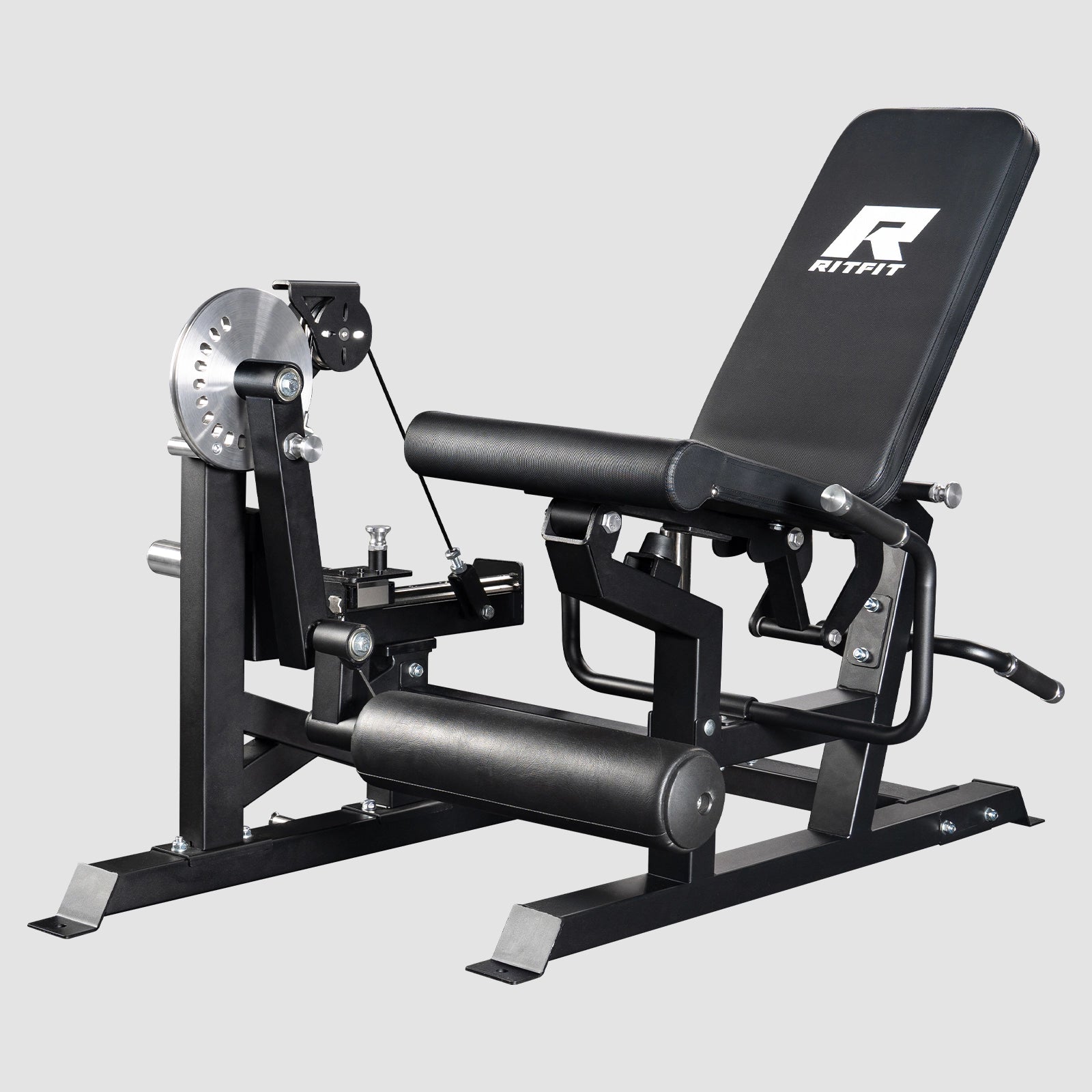
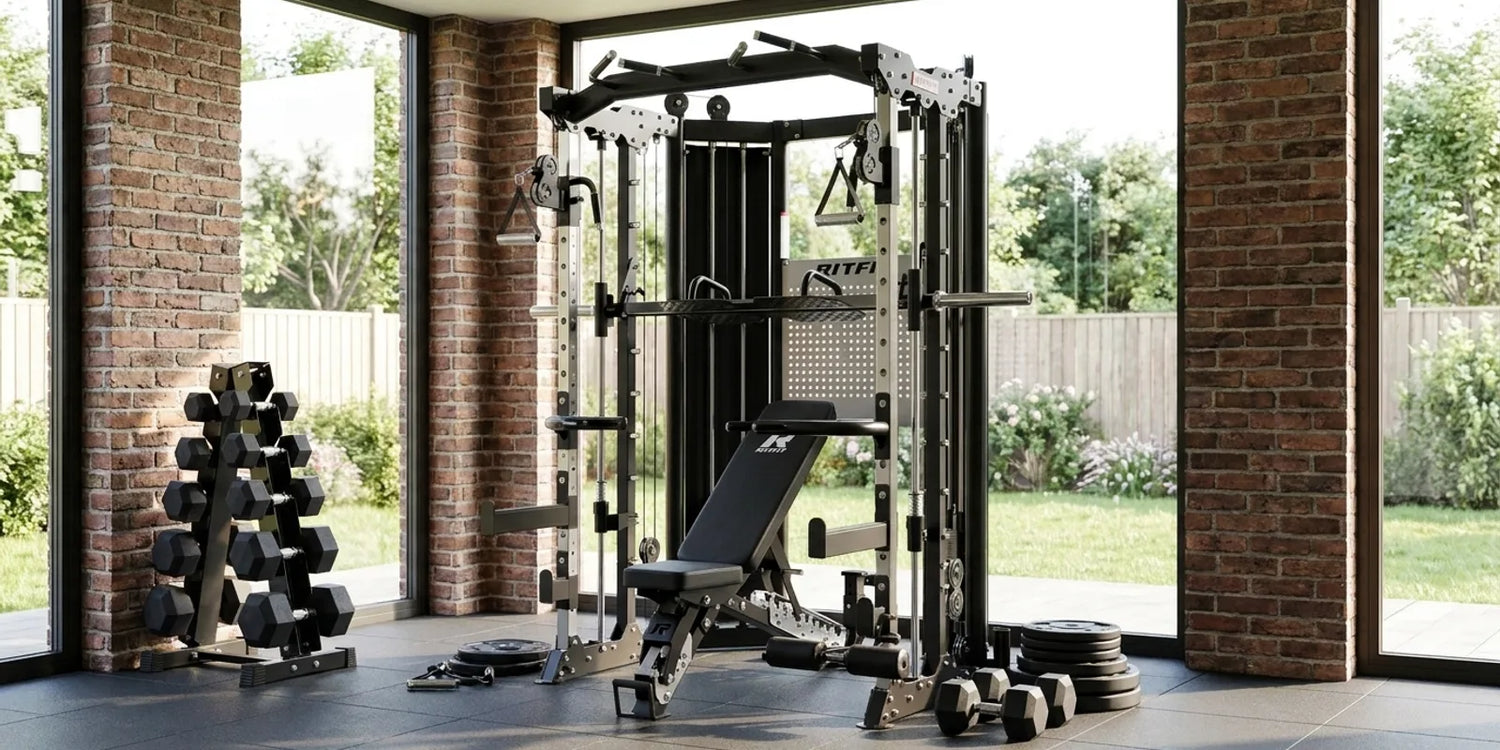
This guide compares major U.S. gym chains, explains hidden costs, and shows when a RitFit home gym may become the better long term value.
Pricing note: Prices were reviewed in April 2026 using official brand pages where available, but final pricing can vary by ZIP code, club ownership, taxes, promotions, and contract terms.
Editorial note: This article is written by the RitFit Editorial Team and designed as a general buying guide, not financial, medical, or legal advice.
Key Takeaways
- Budget gyms are the cheapest: Planet Fitness, Crunch Fitness, Blink Fitness, and similar chains usually offer the lowest monthly rates, but equipment depth can be limited.
- Mid range gyms are the best all around value: LA Fitness, 24 Hour Fitness, Gold's Gym, YMCA, and Anytime Fitness often provide better free weights, classes, pools, and broader training options.
- Premium gyms cost much more: Equinox and Life Time are usually priced for members who value luxury locker rooms, recovery spaces, pools, childcare, classes, and lifestyle amenities.
- Hidden fees change the real cost: Annual fees, initiation fees, taxes, parking, cancellation rules, and commute time can make the actual monthly cost higher than the advertised price.
- A home gym can win long term: If you mainly strength train, a home gym with a rack, bench, dumbbells, and plates can become more cost effective after several years of consistent use.
How We Compared Gym Membership Prices
We compared gym membership prices by looking at monthly dues, annual fees, initiation fees, access level, equipment quality, location flexibility, and hidden cost risk.
Because gym pricing changes by city and promotion, this article should be used as a planning benchmark rather than a final quote.
- Monthly dues: The recurring price you pay each month for access.
- Annual fee: A yearly maintenance fee that may be charged separately from monthly dues.
- Initiation fee: A one time enrollment charge that may be waived during promotions.
- Access level: Single club access is usually cheaper than multi club or national access.
- Training value: The best value depends on whether you use free weights, machines, classes, pools, recovery spaces, or childcare.
Average Gym Membership Cost in 2026
The average gym membership cost usually falls into three broad tiers, budget, mid range, and premium.
A realistic monthly budget should include advertised dues plus annual fees, joining fees, taxes, commute costs, and any paid add ons.
| Gym Tier | Typical Monthly Budget | Best For | Main Tradeoff |
|---|---|---|---|
| Budget gyms | $10 to $30 | Beginners, cardio users, casual exercisers | Limited heavy lifting equipment |
| Mid range gyms | $30 to $80 | General fitness, strength training, classes | Location quality varies |
| Premium gyms | $100 to $300 plus | Luxury amenities, classes, pools, recovery | High recurring cost |
Budget Gym Chains: Cheapest Gym Membership Options
Budget gyms are best for people who want affordable access to basic cardio machines, selectorized strength machines, and simple workout space.
They are not always ideal for serious barbell training, since some locations limit squat racks, Olympic barbells, deadlifting, or heavy free weight areas.
Planet Fitness
Planet Fitness is often one of the cheapest national gym memberships, with Classic memberships starting around $15 per month and PF Black Card memberships starting around $24.99 per month at participating locations.
- Typical price: From about $15 to $24.99 per month before taxes and possible fees.
- Common fees: Annual fee, local taxes, startup fee at some locations.
- Best for: Beginners, cardio users, machine based training, and people who want the lowest monthly cost.
- Watch out for: Limited squat rack, barbell, and heavy free weight access at many clubs.
Crunch Fitness
Crunch Fitness is a strong budget option for people who want a lower monthly price but more variety than a basic cardio focused gym.
- Typical price: About $10 to $40 per month depending on location and tier.
- Common fees: Enrollment fee, annual fee, taxes, and possible add ons.
- Best for: Budget conscious lifters who want more free weight and class options.
- Watch out for: Class access, guest access, and cancellation terms vary by location.
Blink Fitness
Blink Fitness can be a good low cost choice in cities where locations are available, especially for people who want clean equipment and simple access without luxury amenities.
- Typical price: About $15 to $45 per month depending on location and access level.
- Common fees: Annual maintenance fee and enrollment fee may apply.
- Best for: Urban users who want basic strength and cardio access at a lower price.
- Watch out for: Location availability and club ownership changes can affect access.
Mid Range Gym Chains: Best Balance of Price and Equipment
Mid range gyms usually offer the best balance for people who want full equipment access without paying luxury club prices.
This category is often the best fit if you want squat racks, free weights, cable machines, group classes, pools, saunas, or flexible club access.
LA Fitness
LA Fitness is usually a strong value for people who want strength equipment, classes, courts, pools, and locker room amenities at a mid range price.
- Typical price: About $30 to $60 per month depending on location and access type.
- Common fees: Initiation fee, annual fee, taxes, and first month payment.
- Best for: People who want free weights, machines, classes, and amenities in one membership.
- Watch out for: Cancellation policies and club quality can vary by market.
24 Hour Fitness
24 Hour Fitness is useful for people who need early morning, late night, or flexible training windows, but not every club offers the same hours or amenities.
- Typical price: About $10 to $80 per month depending on tier, location, and commitment.
- Common fees: Annual fee, initiation fee, taxes, and possible separate fees for specialty services.
- Best for: People who need flexible access and broad equipment options.
- Watch out for: Amenities, classes, and hours vary by club.
Anytime Fitness
Anytime Fitness is best for people who prioritize 24 hour neighborhood access and a straightforward training environment over large luxury amenities.
- Typical price: Around $53 per month on average in the United States, with final prices set by independently owned clubs.
- Common fees: Key fob fee, enrollment fee, taxes, and local club charges may apply.
- Best for: People who want access at unusual hours and prefer smaller local gyms.
- Watch out for: Equipment variety can differ significantly from one location to another.
Gold's Gym
Gold's Gym is a strong option for lifters who want a more serious strength training atmosphere and a broader free weight setup than most budget gyms.
- Typical price: About $30 to $80 per month depending on location, tier, and market.
- Common fees: Enrollment fee, annual fee, taxes, and contract related costs may apply.
- Best for: Strength training, bodybuilding, free weights, and traditional gym culture.
- Watch out for: Pricing and amenities vary widely by franchise location.
YMCA
YMCA memberships often cost more than the cheapest gyms, but they can deliver strong family value through pools, childcare, youth programs, classes, and financial assistance.
- Typical price: About $40 to $150 per month depending on household type and local branch.
- Common fees: Join fee and monthly dues vary by region and membership category.
- Best for: Families, seniors, swimmers, and people who value community programs.
- Watch out for: Strength equipment may be more limited than dedicated lifting gyms.
Premium Gym Chains: Higher Prices, More Amenities
Premium gyms are priced less like basic workout spaces and more like lifestyle clubs.
They can be worth it if you regularly use classes, pools, recovery rooms, towel service, childcare, coworking spaces, or luxury locker rooms.
Equinox
Equinox is one of the highest priced gym brands in the United States and is best for people who value premium facilities, curated classes, recovery amenities, and luxury service.
- Typical price: Often above $200 per month in major markets, with final pricing based on club and access tier.
- Common fees: Initiation fee, taxes, and possible upgrades may apply.
- Best for: High income professionals who use classes, amenities, and premium locations often.
- Watch out for: The value drops quickly if you only use standard strength equipment.
Life Time
Life Time is best for people who want a resort style fitness experience with pools, classes, childcare, recovery spaces, cafes, and large facilities.
- Typical price: Often about $100 to $300 plus per month depending on club, access level, and membership type.
- Common fees: Monthly dues and services vary by location and may change over time.
- Best for: Families and lifestyle focused members who use many amenities.
- Watch out for: It is usually expensive if you only need racks, benches, dumbbells, and machines.
Gym Membership Cost Comparison Table
This table gives a practical budgeting view of major gym chains, not a guaranteed quote.
Always confirm live pricing with your local club before joining.
| Gym Brand | Typical Monthly Budget | Category | Best For | Main Cost Risk |
|---|---|---|---|---|
| Planet Fitness | $15 to $24.99 plus fees | Budget | Beginners and cardio users | Annual fee and limited heavy lifting |
| Crunch Fitness | $10 to $40 | Budget to mid range | Budget lifters and class users | Tier differences and local rules |
| Blink Fitness | $15 to $45 | Budget | Simple urban gym access | Annual maintenance fees |
| Anytime Fitness | About $53 average in the United States | Mid range | 24 hour neighborhood access | Independent club pricing |
| LA Fitness | $30 to $60 | Mid range | Full gym amenities | Annual fee and cancellation rules |
| 24 Hour Fitness | $10 to $80 | Mid range | Flexible schedule users | Tier and club differences |
| Gold's Gym | $30 to $80 | Mid range | Strength training and bodybuilding | Franchise variation |
| YMCA | $40 to $150 | Mid range to family | Families and swimmers | Household tier pricing |
| Life Time | $100 to $300 plus | Premium | Families and luxury amenities | High monthly dues |
| Equinox | Often $200 plus | Luxury | Premium classes and amenities | Very high recurring cost |
Hidden Gym Membership Costs Most People Miss
The advertised monthly price is only one part of the real gym membership cost.
Before joining, ask for the total first year cost in writing, including every required fee.
- Annual fees: Many gyms charge a yearly maintenance fee on top of monthly dues.
- Initiation fees: Enrollment fees may be negotiable during promotions.
- Taxes: Local taxes can increase the final recurring payment.
- Cancellation rules: Some clubs require written notice, in person cancellation, or a final billing cycle.
- Parking: Urban gyms may require paid parking or transit costs.
- Commute time: A cheaper gym can become expensive if travel time reduces consistency.
- Personal training: Training sessions can add $50 to $150 plus per session.
- Specialty classes: Some premium classes, recovery services, and small group training may cost extra.
How to Calculate Your Real Cost Per Workout
The best way to compare gym membership prices is to calculate cost per workout.
Divide your full monthly cost by the number of times you actually train each month.
| Monthly Cost | Visits Per Month | Cost Per Workout | What It Means |
|---|---|---|---|
| $25 | 4 | $6.25 | Cheap only if you use it |
| $60 | 8 | $7.50 | Good value for consistent users |
| $200 | 12 | $16.67 | Worth it only if amenities matter |
Research on fitness club members found that less than half of participants reported regular exercise adherence across the first year, so consistency matters more than the advertised monthly rate.[1]
Gym Membership vs Home Gym: Which Costs Less Over Time?
A gym membership is cheaper upfront, but a home gym can become cheaper over time for consistent strength training.
The right choice depends on how often you train, whether you use amenities, and whether more than one person will use the same equipment.
Scenario 1: Budget Gym User
If you pay $15 to $25 per month and mainly use cardio machines, a commercial gym may remain the cheaper option for several years.
Scenario 2: Mid Range Gym User
If you pay $50 to $80 per month and mainly lift weights, a home gym can become cost competitive over several years.
Scenario 3: Premium Gym User
If you pay $150 to $300 plus per month, a home gym can reach the break even point much faster, especially if you do not use luxury amenities.
When RitFit Home Gym Equipment Makes More Sense
RitFit equipment makes the most sense when your workouts are built around strength training, progressive overload, and convenience.
Resistance training has strong evidence for improving muscle strength, hypertrophy, power, balance, and physical function in healthy adults.[2]
- Start with a training hub: Explore RitFit Smith machine systems if you want guided barbell movement, cable training, and rack style exercises in one station.
- Build around a rack: Compare RitFit rack packages if you prefer free weight squats, bench press, pull ups, and modular attachments.
- Add a bench: A stable adjustable weight bench unlocks pressing, rows, step ups, split squats, and dumbbell work.
- Choose dumbbells: Home gym dumbbells are useful for unilateral training, accessories, warmups, and compact strength workouts.
- Complete the loading setup: Barbells and weight plates support heavier compound lifts and long term progression.
- Plan your space: Read the home gym flooring guide before placing heavy equipment in a garage, basement, or spare room.
- Compare the full decision: Use the commercial gym vs home gym guide for a deeper cost and lifestyle comparison.
Choose a Gym Membership If
A gym membership is the better choice if you use amenities that are expensive or impractical to recreate at home.
It also works well if the social environment helps you stay consistent.
- You use pools or saunas: These amenities are usually not practical for a home gym.
- You enjoy group classes: Group exercise can support social connection and exercise identity.[3]
- You need childcare: Family clubs and YMCAs can provide value beyond workout equipment.
- You travel often: Multi club access can be useful if you train in different cities.
- You need external motivation: Some people train more consistently around other members.
Choose a Home Gym If
A home gym is the better choice if you want convenience, ownership, privacy, and long term cost control.
Home based physical activity strategies can help reduce sedentary behavior and support physical health when the setup is simple and accessible.[4]
- You mainly lift weights: A rack, bench, dumbbells, barbell, and plates can cover most strength goals.
- You dislike commuting: Training at home removes travel time and makes short sessions easier.
- You train during peak hours: Home equipment removes waiting for racks, benches, and cables.
- You share equipment: A home gym becomes more cost effective when a partner or family member uses it too.
- You want ownership: Equipment is a long term asset, while membership dues are recurring expenses.
How to Get the Best Gym Membership Deal
The best gym membership deal is usually negotiated before you sign, not after you join.
Ask direct questions about first year cost, cancellation, access, and whether promotions apply to your chosen location.
- Ask for the total first year cost: Include monthly dues, annual fees, initiation fees, taxes, and required add ons.
- Negotiate the initiation fee: Many gyms waive or reduce it during promotions.
- Use a free trial: Test equipment availability during the exact time you plan to train.
- Check the cancellation policy: Confirm whether you can cancel online, by mail, in person, or through written notice.
- Compare cost per workout: A cheap membership is not a good deal if you rarely use it.
- Ask about discounts: Students, military members, seniors, employers, and insurance programs may qualify for lower rates.
Frequently Asked Questions
How much does a gym membership cost in 2026?
A gym membership usually costs about 10 to 300 dollars per month, depending on brand, city, amenities, and access level. Budget gyms are cheapest, mid range gyms offer broader equipment, and premium clubs charge more for classes, pools, recovery spaces, and luxury service.
What is the cheapest gym membership in the United States?
Planet Fitness is often one of the cheapest national gym memberships, with Classic memberships starting around 15 dollars per month at participating locations. Crunch Fitness, Blink Fitness, and other budget chains may compete closely, but final pricing depends on your local club and fees.
How much should I budget for hidden gym membership fees?
You should budget extra for annual fees, initiation fees, taxes, cancellation terms, parking, and paid upgrades. A membership advertised at 35 dollars per month can cost much more across the first year once annual fees, enrollment charges, and travel costs are included.
Is a home gym cheaper than a gym membership?
Yes. A home gym can become cheaper over time for consistent strength training, especially when two or more people use the same equipment. The upfront cost is higher, but long term value improves because you own the rack, bench, dumbbells, and weight plates.
Which gym membership is best for weightlifting?
The best gym membership for weightlifting is usually a mid range club with squat racks, barbells, free weights, benches, and enough space during peak hours. Planet Fitness may work for beginners, but serious lifters often need stronger free weight access.
How do I know if a gym membership is worth it?
A gym membership is worth it if you use it consistently and value the equipment, classes, amenities, or social environment. Calculate your cost per workout by dividing your total monthly cost by actual visits, then compare that number with home gym convenience.
Can I cancel a gym membership anytime?
Sometimes. Cancellation rules vary by gym brand, location, contract length, and payment plan. Before joining, ask whether cancellation can be completed online, whether written notice is required, and whether you must pay any early termination or final billing fees.
Conclusion: Choose the Option You Will Actually Use
The best gym membership is not always the cheapest one, it is the one you will use consistently without wasting money on unused amenities.
If you mainly lift weights and want convenience, a RitFit home gym may offer stronger long term value than years of recurring membership fees.
Disclaimer
This article is for general educational and budgeting purposes only. Gym prices, fees, terms, and amenities change by location and promotion, so confirm final details directly with your local club before joining. Exercise equipment and training decisions should match your space, ability, and safety needs.
References
- Gjestvang C, Abrahamsen F, Stensrud T, Haakstad LAH. Motives and barriers to initiation and sustained exercise adherence in a fitness club setting: A one year follow up study. Scand J Med Sci Sports. 2020;30(9):1796-1805. doi:10.1111/sms.13736
- Currier BS, D'Souza AC, Fiatarone Singh MA, et al. American College of Sports Medicine Position Stand. Resistance Training Prescription for Muscle Function, Hypertrophy, and Physical Performance in Healthy Adults: An Overview of Reviews. Med Sci Sports Exerc. 2026;58(4):851-872. doi:10.1249/MSS.0000000000003897
- Golaszewski NM, LaCroix AZ, Hooker SP, Bartholomew JB. Group exercise membership is associated with forms of social support, exercise identity, and amount of physical activity. Int J Sport Exerc Psychol. 2022;20(2):630-643. doi:10.1080/1612197X.2021.1891121
- Noori-Sistani M, Allahverdipour H, Vahedian-Shahroodi M, Eskandarnejad M, Pashazadeh F, Javadivala Z. Home-based physical activity strategies for healthy adults: A scoping review. J Educ Health Promot. 2025;14:424. doi:10.4103/jehp.jehp_814_24