Most healthy adults take about 15 to 20 minutes to walk one mile at a normal to brisk pace. Your exact mile time depends on walking speed, age, fitness level, terrain, weather, footwear, and whether you are walking for health, weight loss, commuting, or endurance.
Key Takeaways
- Average mile time: Most adults walk one mile in about 15 to 20 minutes.
- Moderate pace: Walking at 3.0 mph takes about 20 minutes per mile.
- Brisk pace: Walking at 4.0 mph takes about 15 minutes per mile.
- Steps per mile: Most people take about 2,000 to 2,500 walking steps per mile.
- Best improvement method: Walk consistently, track your pace, and add simple lower body strength training.
Table of Contents
- How Long Does It Take to Walk a Mile?
- Walking Mile Time Chart by Pace
- How to Calculate Your Mile Walking Time
- Average Walking Speed by Age
- What Affects How Fast You Walk?
- How Many Steps Are in a Mile?
- Walking for Health
- Walking for Weight Loss
- How to Improve Your Walking Pace
- Simple Walking Programs by Fitness Level
- Walking Safety Tips
How Long Does It Take to Walk a Mile?
Walking one mile usually takes 15 to 20 minutes for most healthy adults. A relaxed walker may need 24 to 30 minutes, while a fast fitness walker may finish in about 13 to 15 minutes.
The easiest benchmark is speed. At 3.0 mph, one mile takes 20 minutes, at 3.5 mph it takes about 17 minutes, and at 4.0 mph it takes 15 minutes.
Walking Mile Time Chart by Pace
The chart below gives quick walking mile estimates by speed. Use it as a practical reference, not a medical standard, because real walking pace changes with route, effort, fatigue, and surface.
| Walking Pace | Speed | Time for 1 Mile | Best For |
|---|---|---|---|
| Easy walk | 2.0 mph | 30 minutes | Recovery walks, casual strolls, beginners |
| Leisurely walk | 2.5 mph | 24 minutes | Older adults, relaxed walking, low effort days |
| Moderate walk | 3.0 mph | 20 minutes | Daily walking, general health, basic fitness |
| Brisk walk | 3.5 mph | 17 minutes 8 seconds | Cardio fitness, weight management, pace goals |
| Fast walk | 4.0 mph | 15 minutes | Conditioned walkers and fitness walking |
| Power walk | 4.5 mph | 13 minutes 20 seconds | Advanced walkers and walking events |
How to Calculate Your Mile Walking Time
To calculate your mile walking time, divide 60 by your walking speed in miles per hour. For example, 60 divided by 3.0 mph equals a 20 minute mile, while 60 divided by 4.0 mph equals a 15 minute mile.
- Formula: 60 divided by walking speed in mph equals minutes per mile.
- Example at 2.5 mph: 60 divided by 2.5 equals 24 minutes per mile.
- Example at 3.5 mph: 60 divided by 3.5 equals about 17 minutes 8 seconds per mile.
- Best use: Track the same route once per week to measure real progress.
Average Walking Speed by Age
Walking speed usually declines with age, but fitness level, health status, strength, balance, and walking habits matter more than age alone. Research on gait speed shows that walking speed is also an important functional health marker in older adults.[1]
| Age Group | Common Walking Speed Range | Estimated Mile Time | How to Read It |
|---|---|---|---|
| 20 to 39 | 3.0 to 4.0 mph | 15 to 20 minutes | Typical for healthy adults with normal mobility |
| 40 to 59 | 2.8 to 3.8 mph | 16 to 21 minutes | Fitness and daily activity strongly affect pace |
| 60 to 69 | 2.5 to 3.5 mph | 17 to 24 minutes | A brisk pace is still realistic for active adults |
| 70 and older | 2.0 to 3.2 mph | 19 to 30 minutes | Balance, strength, joint comfort, and safety matter most |
These ranges are general references only. A fit 65 year old may walk faster than an inactive 35 year old, so your personal baseline is more useful than comparing yourself with averages.
What Affects How Fast You Walk?
Your walking mile time depends on both physical capacity and walking conditions. The biggest factors are pace, fitness level, terrain, footwear, weather, posture, stride control, and how hard you are trying to walk.
- Fitness level: Better cardiovascular fitness helps you hold a brisk pace longer. Stronger legs and hips also improve push off and stride control.
- Terrain: Flat pavement is usually fastest. Trails, hills, grass, sand, snow, and uneven sidewalks can slow your mile time.
- Footwear: Comfortable shoes reduce friction, foot fatigue, and gait compensation. Replace worn walking shoes when cushioning and tread are no longer supportive.
- Weather: Heat, cold, rain, ice, and strong wind can all reduce pace. In difficult weather, safety should matter more than speed.
- Technique: Good posture, relaxed shoulders, active arm swing, and quick natural steps can improve efficiency. Avoid overstriding, because landing too far in front of your body can create a braking effect.
- Load carried: Backpacks, work bags, and weighted vests can slow pace and raise effort. Add load gradually if you use walking for conditioning.
How Many Steps Are in a Mile?
Most walkers take about 2,000 to 2,500 steps to complete one mile. Taller people usually take fewer steps per mile, while shorter people usually take more because stride length is shorter.
| Height Range | Estimated Steps per Mile | Why It Varies |
|---|---|---|
| Under 5 ft 4 in | 2,300 to 2,600 steps | Shorter average stride length |
| 5 ft 4 in to 5 ft 10 in | 2,100 to 2,400 steps | Moderate average stride length |
| Over 5 ft 10 in | 1,900 to 2,200 steps | Longer average stride length |
Fitness trackers are useful, but they are estimates. For better accuracy, measure one known mile and compare your tracker distance, step count, and actual route distance.
Walking for Health
Regular walking is one of the simplest ways to build weekly aerobic activity. Global physical activity guidelines recommend regular aerobic movement and muscle strengthening activity for adults, and walking is one of the most accessible ways to start.[2]
- General fitness: A moderate walk can raise breathing and heart rate without requiring gym access. This makes walking practical for beginners, older adults, and busy schedules.
- Heart health: Brisk walking supports cardiovascular conditioning when practiced consistently. Increase weekly volume gradually instead of chasing speed too soon.
- Blood sugar support: A short post meal walk can help manage the glucose response after eating. Studies on postprandial walking show improved glycemic response after meals in controlled settings.[3]
- Joint friendly cardio: Walking is lower impact than running. This makes it useful for people who want consistent movement with less pounding on the knees and hips.
- Mental energy: Walking breaks can support mood, focus, and daily energy. Outdoor walking may also help people stay more consistent because it feels less like formal exercise.
Walking for Weight Loss
Walking can support weight loss when it helps create a sustainable calorie deficit. The best plan is not the hardest walk, but the walking routine you can repeat for weeks and months.
- Walk longer: A 45 to 60 minute walk burns more total energy than a short walk at the same pace. Build duration gradually to avoid foot, shin, or knee irritation.
- Walk faster: A brisk pace increases effort and calorie burn per minute. Use the talk test, you should be able to speak in short phrases but not sing comfortably.
- Use intervals: Alternate normal walking with faster walking. A simple session is 2 minutes moderate, then 1 minute brisk, repeated for 20 to 30 minutes.
- Track steps: Physical activity monitor research suggests that trackers and step counters can help adults increase activity when used consistently.[4]
- Combine strength work: Stronger legs and core muscles make walking feel easier. For home training, pair walking with RitFit dumbbells and a stable RitFit weight bench for squats, step ups, calf raises, and glute bridges.
How to Improve Your Walking Pace
To walk a faster mile, train consistency first, then add short speed intervals, hills, strength work, and better technique. Do not force a fast pace if it causes sharp pain, dizziness, chest discomfort, or unusual shortness of breath.
- Walk four to five days per week: Consistent practice improves walking economy. Keep most walks comfortable so your body can adapt.
- Add one interval session: Walk briskly for 1 minute, then return to a comfortable pace for 2 minutes. Repeat this pattern for 20 minutes.
- Train hills carefully: Hills build calves, glutes, and cardiovascular capacity. Start with short hills before adding long climbs.
- Strengthen your lower body: Dumbbell squats, step ups, calf raises, and glute bridges support better stride power. A RitFit foam plyo box can support step ups, balance drills, and low impact conditioning.
- Use simple resistance tools: A RitFit kettlebell set can help train hip hinge strength, carries, and lower body endurance. Keep technique controlled before adding speed.
- Improve posture: Keep your eyes forward, shoulders relaxed, ribs stacked, and arms moving naturally. Faster arms often help your feet move faster without overstriding.
Simple Walking Programs by Fitness Level
The best walking program matches your current fitness level. Start easier than you think you need, then progress by adding time, frequency, or pace one variable at a time.
| Level | Weekly Plan | Goal |
|---|---|---|
| Beginner | Walk 15 to 20 minutes, 3 to 4 days per week | Build the habit and finish comfortably |
| General fitness | Walk 25 to 35 minutes, 4 to 5 days per week | Reach a consistent moderate pace |
| Weight loss support | Walk 35 to 60 minutes, 5 days per week | Increase weekly energy expenditure |
| Faster mile goal | Walk 4 to 5 days per week with 1 interval session | Improve pace without running |
| Advanced walker | Walk 45 to 75 minutes, 5 to 6 days per week | Build endurance for longer events |
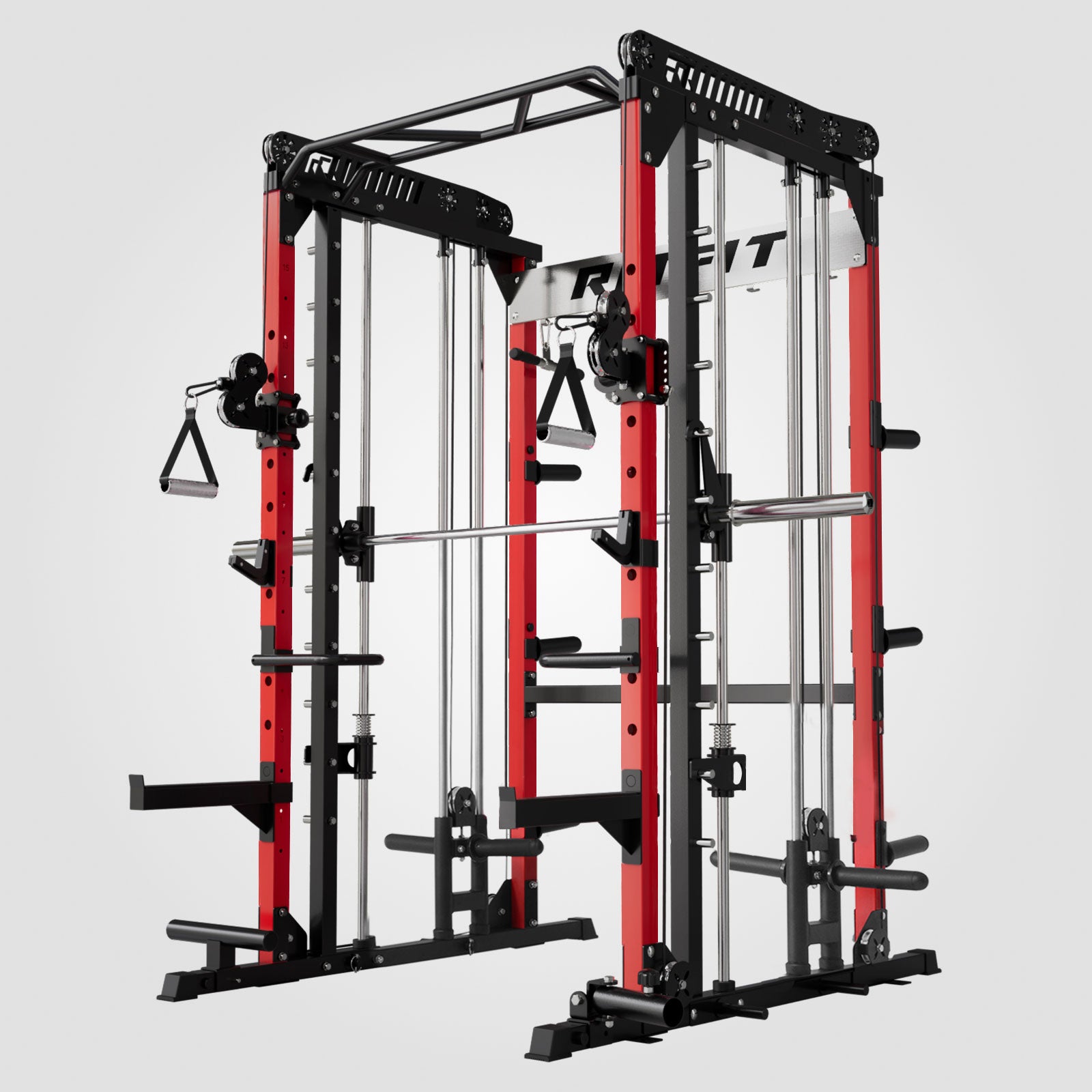
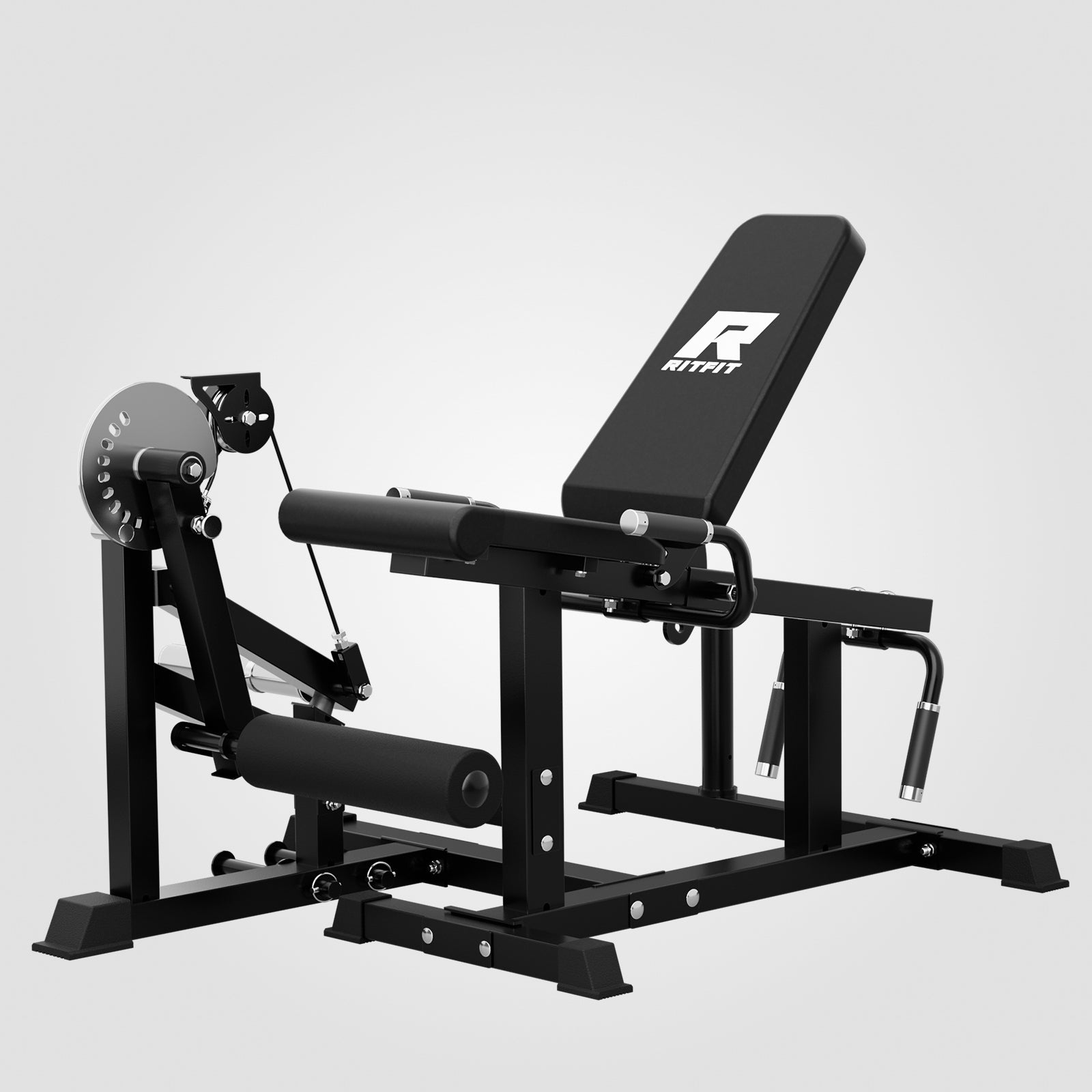
Strength training can make these plans easier to sustain. Explore RitFit strength machines or broader home gym equipment if you want to add structured lower body, core, and full body training at home.
Walking Safety Tips
Walking is accessible, but safety still matters. Choose safe routes, progress gradually, and treat pain, dizziness, chest pressure, or unusual breathlessness as a reason to stop and seek medical guidance.
- Warm up first: Start with 3 to 5 minutes of easy walking. Increase pace only after your body feels ready.
- Cool down: Finish with slower walking and gentle mobility. This helps your heart rate return toward resting levels.
- Stay visible: Wear bright or reflective clothing near roads. In low light, use lights or reflective accessories.
- Hydrate appropriately: Drink water before and after walking. Bring water for longer walks or hot weather.
- Protect your feet: Use comfortable shoes and check for hot spots. Stop early if blisters or sharp foot pain develop.
- Train balance and mobility: A supportive RitFit non slip yoga mat can help with stretching, balance drills, and recovery work after walks.
Frequently Asked Questions
How long does it take to walk a mile at a normal pace?
Most adults take about 15 to 20 minutes to walk a mile at a normal pace. A moderate pace is about 3.0 mph, which equals a 20 minute mile, while a brisk 4.0 mph pace equals about 15 minutes.
How long does it take to walk a mile slowly?
A slow mile walk usually takes about 24 to 30 minutes. This pace is common for relaxed strolls, recovery walks, older adults, beginners, uneven routes, or walks with children or pets, and it still counts as useful movement when done consistently.
What is a good walking mile time for beginners?
A good beginner walking mile time is usually 20 to 30 minutes. Beginners should focus on finishing comfortably, building consistency, and improving gradually, rather than forcing a fast pace that causes foot, shin, knee, hip, or breathing discomfort.
How many steps are in a mile when walking?
Most people take about 2,000 to 2,500 steps to walk one mile. The exact number depends on height, stride length, cadence, terrain, and fatigue, so a fitness tracker should be treated as a useful estimate rather than a perfect measurement.
Is walking a mile a day enough exercise?
Yes. Walking a mile a day is a strong starting point for better health. It may not meet every weekly activity target by itself, but it builds consistency, supports cardiovascular fitness, and can be expanded with longer walks or strength training.
Can walking a mile help with weight loss?
Yes. Walking a mile can support weight loss when it contributes to a consistent calorie deficit. For better results, increase weekly walking volume, add brisk intervals, manage nutrition, sleep well, and include strength training to preserve muscle.
Does age affect how long it takes to walk a mile?
Yes. Age can affect walking speed through changes in strength, balance, aerobic capacity, joint comfort, and mobility. However, training history and health status matter greatly, and many active older adults walk faster than younger inactive adults.
How can I walk a mile faster without running?
You can walk a mile faster by improving consistency, posture, cadence, arm swing, hill fitness, and lower body strength. Add one weekly interval walk, train calves and glutes, and increase pace gradually while keeping your steps quick and controlled.
Conclusion
Walking a mile usually takes 15 to 20 minutes, but your personal time depends on pace, age, fitness, terrain, and technique. Use your current mile time as a baseline, walk consistently, track progress, and add simple strength training so each mile becomes easier, faster, and more comfortable.
Disclaimer: This article is for general educational purposes only and is not medical advice. If you have heart disease, diabetes, balance problems, joint pain, recent injury, pregnancy related concerns, or any medical condition, consult a qualified healthcare professional before starting or changing an exercise routine.
References
- Studenski S, Perera S, Patel K, et al. Gait speed and survival in older adults. JAMA. 2011;305(1):50-58. doi:10.1001/jama.2010.1923
- Bull FC, Al-Ansari SS, Biddle S, et al. World Health Organization 2020 guidelines on physical activity and sedentary behaviour. Br J Sports Med. 2020;54(24):1451-1462. doi:10.1136/bjsports-2020-102955
- Bellini A, Nicolò A, Bazzucchi I, Sacchetti M. The effects of postprandial walking on the glucose response after meals with different characteristics. Nutrients. 2022;14(5):1080. doi:10.3390/nu14051080
- Larsen RT, Wagner V, Korfitsen CB, et al. Effectiveness of physical activity monitors in adults, systematic review and meta-analysis. BMJ. 2022;376:e068047. doi:10.1136/bmj-2021-068047
- Chaudhry UAR, Wahlich C, Fortescue R, Cook DG, Knightly R, Harris T. The effects of step-count monitoring interventions on physical activity, systematic review and meta-analysis of community-based randomised controlled trials in adults. Int J Behav Nutr Phys Act. 2020;17(1):129. doi:10.1186/s12966-020-01020-8