One hour of weightlifting usually burns about 200 to 500 calories, depending on body weight, workout intensity, rest time, and exercise selection. A moderate lifting session often sits near the lower end, while heavy compound lifts, circuits, and shorter rest periods can push calorie burn higher.
Key Takeaways
- Most people burn 200 to 500 calories per hour: Body weight and workout intensity are the biggest drivers of the final number.
- Moderate lifting burns less than hard cardio during the session: Its bigger value is strength, muscle retention, and long term body composition support.
- Compound lifts raise total work: Squats, deadlifts, presses, rows, and lunges usually burn more than small isolation movements.
- Rest periods matter: Long rests support max strength, while shorter rests and supersets increase workout density.
- Calorie estimates are not exact: Track trends, body weight, training performance, and nutrition instead of relying on one device number.
The Short Answer: Calories Burned Weightlifting for 1 Hour
A 155 pound person burns roughly 245 calories in one hour of moderate weightlifting and about 420 calories in one hour of vigorous lifting. These estimates use MET based calculations, which are practical for planning but not precise enough to predict individual results.
Resistance training energy expenditure is difficult to measure because anaerobic work, rest periods, exercise order, load, and lifting tempo all affect the final number.[1] That is why two lifters with the same body weight can finish the same hour with very different calorie totals.
Calories Burned Weightlifting by Body Weight and Intensity
The table below uses a simple MET estimate to show how body weight changes calorie burn. Treat these numbers as planning ranges, not exact readings from your own session.
| Body Weight | Moderate Weightlifting, About 3.5 METs | Vigorous Weightlifting, About 6.0 METs |
|---|---|---|
| 130 lb | About 205 calories per hour | About 355 calories per hour |
| 155 lb | About 245 calories per hour | About 420 calories per hour |
| 185 lb | About 295 calories per hour | About 505 calories per hour |
| 200 lb | About 320 calories per hour | About 545 calories per hour |
Some resistance exercise studies report very wide energy cost ranges because different movements, loads, and rest structures create very different metabolic demands.[2] A dense full body session can feel like conditioning, while a low volume strength session may burn fewer calories despite using heavier weights.
How to Estimate Calories Burned During Weightlifting
The easiest estimate is: calories burned equals MET value multiplied by body weight in kilograms multiplied by workout duration in hours. This method works best when you use it for broad planning rather than exact tracking.
- Step 1: Convert body weight: Divide body weight in pounds by 2.2 to estimate kilograms.
- Step 2: Choose intensity: Use about 3.5 METs for moderate multi exercise lifting and about 6.0 METs for vigorous lifting.
- Step 3: Multiply duration: For one hour, multiply by 1, and for 30 minutes, multiply by 0.5.
- Step 4: Adjust with judgment: Add context for long rests, heavy compounds, supersets, circuit work, and total sets completed.
Why Weightlifting Calorie Burn Varies So Much
Weightlifting calorie burn changes because strength training is not one fixed activity. A slow bench press session with long rests is very different from a full body circuit using squats, rows, presses, and carries.
- Body weight: Heavier people generally burn more calories for the same activity because moving a larger body requires more energy.
- Muscle mass: More lean mass can increase total work capacity and may support higher daily energy expenditure over time.
- Exercise selection: Compound movements usually burn more than isolation exercises because they involve more total muscle mass.
- Rest periods: Longer rests lower workout density, while shorter rests keep heart rate and oxygen demand higher.
- Training experience: More experienced lifters can often handle heavier loads and more total volume.
- Session structure: Supersets, circuits, and full body sessions usually create a higher calorie burn than single muscle isolation workouts.
Weightlifting vs Cardio for Calorie Burn
Cardio usually burns more calories during the workout when duration and effort are matched. Weightlifting is still valuable because it helps build strength, preserve lean mass, and improve body composition when paired with appropriate nutrition.
A large exercise trial found aerobic training was more effective than resistance training alone for reducing body mass and fat mass in overweight or obese adults, while resistance training was more effective for lean mass gains.[3] The best choice depends on whether your priority is calorie burn, strength, fat loss, muscle gain, or long term consistency.
| Training Type | Best Use | Calorie Burn Pattern |
|---|---|---|
| Steady cardio | Session calorie burn and endurance | Higher during the workout |
| Traditional weightlifting | Strength, muscle retention, and progression | Moderate during the workout |
| Weightlifting circuits | Strength plus conditioning | Higher when rest periods are short |
| Cardio plus lifting | Fat loss and body recomposition | Often the most balanced weekly approach |
Does Weightlifting Burn Calories After the Workout?
Yes, demanding resistance training can keep oxygen consumption and metabolism elevated after the workout. This is called excess post exercise oxygen consumption, but the extra calorie burn is usually smaller than the workout itself.
Research comparing circuit style resistance training and high intensity interval training found that post exercise metabolic effects can remain measurable after demanding sessions.[4] The practical takeaway is to value afterburn as a bonus, not the main reason to lift.
Best Types of Weightlifting for Higher Calorie Burn
The best calorie burning lifting sessions use large muscle groups, enough volume, and limited idle time. You do not need to rush every set, but you should keep the session purposeful.
- Full body strength training: Combine a squat or hinge, a press, a pull, and a core or carry movement.
- Compound lift sessions: Squats, deadlifts, lunges, bench presses, overhead presses, and rows create more total work.
- Superset workouts: Pair non competing movements, such as a press and a row, to reduce waiting time.
- Circuit style lifting: Rotate through several movements with controlled rest to raise workout density.
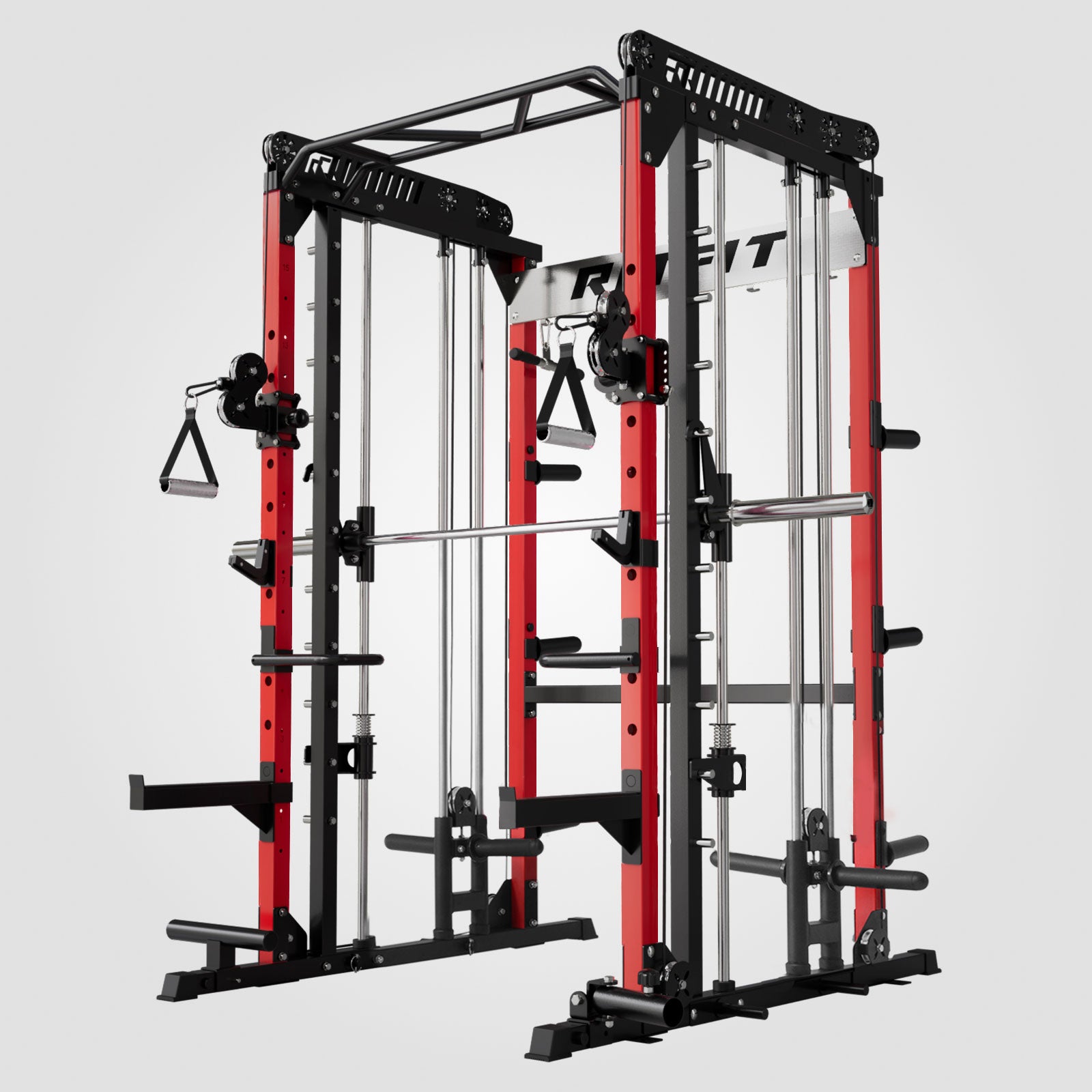
- Home gym strength sessions: A consistent setup with a Smith machine for home strength training can help lifters repeat key compound patterns.
How to Burn More Calories While Lifting Weights
You burn more calories while lifting by increasing total quality work without turning every set into sloppy cardio. The goal is to lift with control while making the hour more productive.
- Use compound movements first: Start with squats, presses, rows, deadlifts, lunges, or hip thrusts before smaller accessory work.
- Shorten rest selectively: Use shorter rests for accessories, but keep enough rest for heavy strength sets.
- Add supersets: Pair upper and lower body movements or push and pull exercises to keep density high.
- Track total sets: More productive volume usually burns more than random exercise hopping.
- Build a reliable setup: A power cage home gym package can support squats, presses, rows, and progressive overload in one training space.
- Use supportive accessories: An adjustable weight bench helps expand pressing, rowing, split squat, and dumbbell training options.
Sample 1 Hour Weightlifting Workout for Higher Calorie Burn
This sample session is designed for lifters who want strength work with moderate conditioning demand. Adjust load, rest, and exercise selection based on your current fitness level.
- Warm up, 8 minutes: Use light cardio, mobility drills, and ramp up sets for your first lift.
- Compound lift, 15 minutes: Perform squats or deadlifts for 4 sets of 5 to 8 reps with controlled rest.
- Push and pull superset, 15 minutes: Pair bench press or overhead press with rows for 3 to 4 rounds.
- Lower body accessory, 10 minutes: Use lunges, split squats, hip thrusts, or leg press variations.
- Finisher, 7 minutes: Use carries, light sled style work, kettlebell swings, or a simple dumbbell circuit.
- Cool down, 5 minutes: Bring breathing down and note your loads, sets, and perceived effort.
How Many Calories Does 30 Minutes of Weightlifting Burn?
Thirty minutes of weightlifting usually burns about half of a comparable one hour session. A 155 pound person may burn about 120 calories during moderate lifting and about 210 calories during vigorous lifting.
Short sessions can still be effective when they are focused. Use rubber hex dumbbells, a bench, or a rack to move quickly between exercises without sacrificing control.
Can Weightlifting Help With Fat Loss?
Yes, weightlifting can help fat loss when it supports a calorie deficit and helps preserve or build lean mass. Lifting alone does not override nutrition, but it can improve the quality of weight loss.
A systematic review found that resistance training combined with caloric restriction was especially effective for reducing body fat percentage in individuals with overweight and obesity.[5] For many people, the strongest plan combines strength training, sufficient protein, daily activity, and a sustainable calorie target.
Common Mistakes When Tracking Weightlifting Calories
The biggest mistake is treating a calorie estimate as an exact measurement. Strength training has pauses, strain, and anaerobic energy demands that are harder to capture than steady cardio.
- Trusting wearable numbers too much: Use device data as a trend, not a final truth.
- Ignoring rest periods: A long rest strength session and a dense circuit can have very different calorie burn.
- Counting only workout calories: Fat loss depends on total daily intake, daily movement, sleep, and consistency.
- Chasing sweat over progression: A hard workout is not always a better workout if form breaks down.
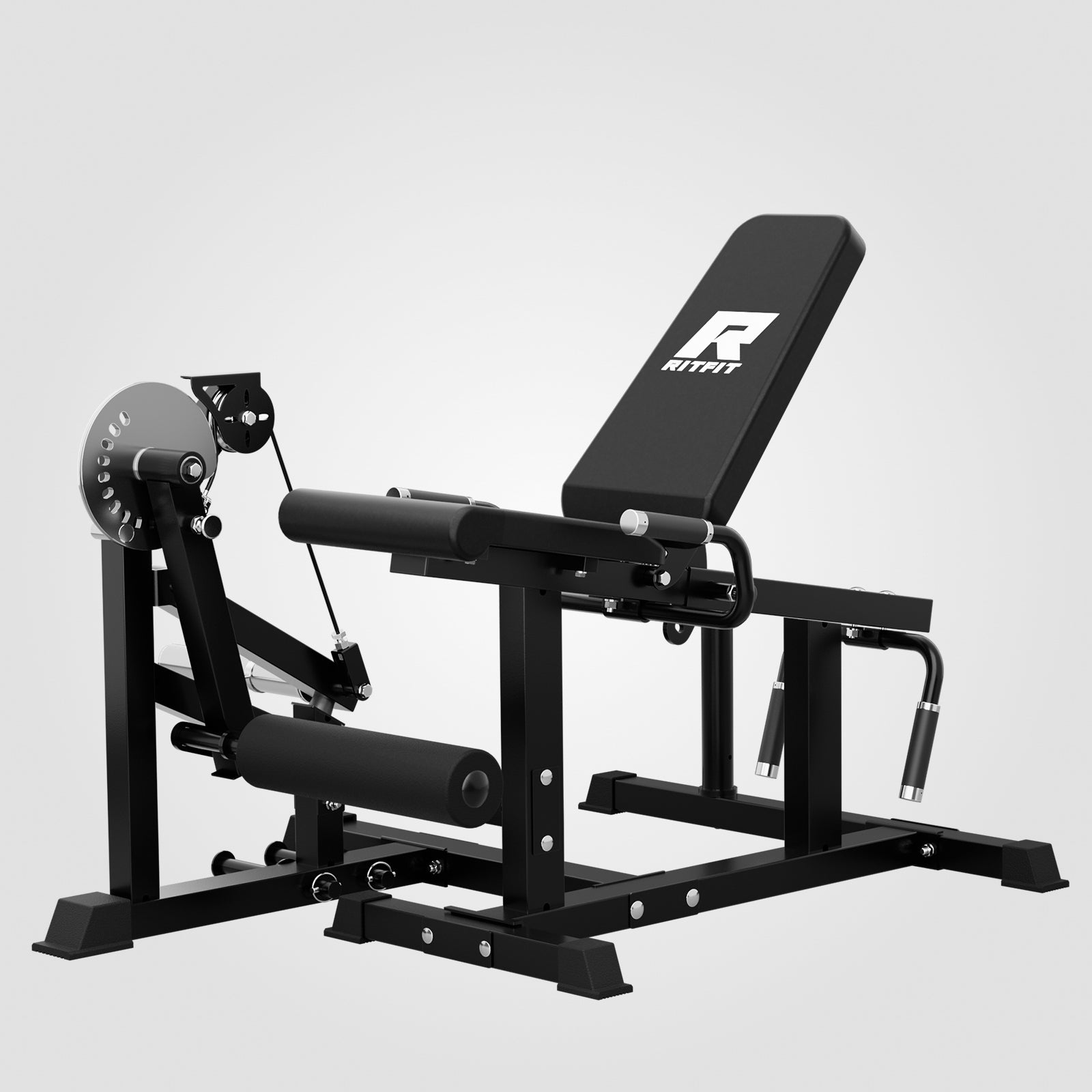
- Skipping strength basics: A setup from the RitFit strength machines collection can help structure repeatable home training.
Nutrition Tips Based on Your Goal
Your nutrition target should match your goal, not just the number of calories burned in one workout. The same lifting session can support fat loss, muscle gain, or maintenance depending on food intake.
- For fat loss: Use a moderate calorie deficit and keep protein high enough to support training recovery.
- For muscle gain: Use a small calorie surplus, progressive overload, and consistent sleep.
- For body recomposition: Keep calories near maintenance, lift consistently, and track waist, strength, and photos.
- For beginners: Build consistency before chasing advanced methods like drop sets or very short rest circuits.
- For home gyms: Start with practical equipment from RitFit dumbbells, benches, racks, and cable based strength machines.
FAQs
How many calories does 1 hour of weightlifting burn?
One hour of weightlifting usually burns about 200 to 500 calories. A lighter moderate session may sit near the lower end, while vigorous compound lifting or circuit training can be higher. Body weight, load, rest time, and total sets all change the final estimate.
How many calories does 30 minutes of weightlifting burn?
Thirty minutes of weightlifting usually burns about 100 to 275 calories. A 155 pound person may burn about 120 calories during moderate lifting and about 210 calories during vigorous lifting. Short sessions work best when exercise order, rest periods, and load selection are planned.
Does weightlifting burn belly fat?
Yes. Weightlifting can support belly fat loss when it helps create a consistent calorie deficit. It does not directly target belly fat, but it can preserve muscle, improve strength, and support better body composition. Nutrition, daily activity, and sleep remain essential.
Is weightlifting better than cardio for fat loss?
No. Weightlifting is not always better than cardio for fat loss, but it is highly useful. Cardio often burns more calories during the session, while lifting helps preserve lean mass and build strength. Many people get the best results by combining both.
What type of weightlifting burns the most calories?
Full body compound lifting usually burns the most calories. Sessions built around squats, deadlifts, rows, presses, lunges, and carries involve more muscle mass and total work. Circuit style lifting, supersets, and shorter rest periods can also raise workout density.
Can you lose weight by lifting weights only?
Yes. You can lose weight by lifting weights only if your total calorie intake supports a deficit. Weightlifting helps maintain muscle and improve strength while dieting. However, adding walking or cardio can make the deficit easier without requiring aggressive food restriction.
Are fitness trackers accurate for weightlifting calories?
No. Fitness trackers are not always accurate for weightlifting calories because lifting includes pauses, gripping effort, bracing, and anaerobic work. Use tracker numbers as trends rather than exact totals. Progress photos, strength logs, waist changes, and body weight trends are more useful.
How can I burn more calories while weightlifting?
You can burn more calories by using compound lifts, adding supersets, shortening accessory rest periods, and increasing total quality volume. Keep form strict and avoid rushing heavy sets. The best approach increases workout density without turning strength training into sloppy movement.
Conclusion: Weightlifting Burns Calories, But Its Bigger Value Is Body Composition
Weightlifting burns meaningful calories, but its greatest benefit is how it supports strength, lean mass, and long term body composition. Use calorie estimates as a planning tool, then judge progress by consistency, performance, nutrition, and measurable body changes.
For a practical home setup, explore RitFit home gym equipment that supports repeatable strength training, progressive overload, and a more consistent weekly routine.
Disclaimer
This article is for general fitness education only and is not medical advice. Calorie burn estimates vary by body size, training intensity, health status, and measurement method. If you have a medical condition, injury, pregnancy related concern, eating disorder history, or major weight loss goal, consult a qualified healthcare professional before changing your exercise or nutrition plan.
References
- Mitchell L, Wilson L, Duthie G, et al. Methods to assess energy expenditure of resistance exercise: a systematic scoping review. Sports Med. 2024;54(9):2357-2372. doi:10.1007/s40279-024-02047-8
- Reis VM, Junior RS, Zajac A, Oliveira DR. Energy cost of resistance exercises: an update. J Hum Kinet. 2011;29A:33-39. doi:10.2478/v10078-011-0056-3
- Willis LH, Slentz CA, Bateman LA, et al. Effects of aerobic and or resistance training on body mass and fat mass in overweight or obese adults. J Appl Physiol. 2012;113(12):1831-1837. doi:10.1152/japplphysiol.01370.2011
- Greer BK, O'Brien J, Hornbuckle LM, Panton LB. EPOC comparison between resistance training and high intensity interval training in aerobically fit women. Int J Exerc Sci. 2021;14(2):1027-1035. doi:10.70252/ODIN6912
- Lopez P, Taaffe DR, Galvão DA, et al. Resistance training effectiveness on body composition and body weight outcomes in individuals with overweight and obesity across the lifespan: a systematic review and meta analysis. Obes Rev. 2022;23(5):e13428. doi:10.1111/obr.13428