Walking 10,000 steps burns about 250 to 500 calories for many adults, though smaller walkers may fall below that range and heavier or faster walkers may rise above it. The most useful way to read this goal is as a realistic estimate shaped by body weight, pace, terrain, stride length, and total walking time.
Key Takeaways
- Most adults land in a range: 10,000 steps usually burns about 250 to 500 calories, not one fixed number.
- Body weight matters most: A heavier body generally uses more energy to cover the same distance.
- Pace changes the result: Brisk walking and incline walking usually burn more calories than an easy stroll.
- 10,000 steps is useful, not mandatory: It is a popular target, but steady walking below that number can still support health and weight goals.
- Walking works best in a bigger plan: Pairing daily steps with smart nutrition and strength training usually delivers better long term results.
What Does 10,000 Steps Actually Mean?
For many adults, 10,000 steps equals about 4 to 5 miles of walking. The exact distance changes with your height, stride length, and whether your pace is casual, moderate, or brisk.
How Many Calories Does 10,000 Steps Burn? Short Answer
For many adults, 10,000 steps burns about 250 to 500 calories, and a moderate pace often places the average walker somewhere near the middle of that range. Use that number as a planning estimate, not as a guarantee, because calorie burn shifts with body size, pace, terrain, and time spent moving.
Estimated Calories Burned Walking 10,000 Steps by Weight
The table below shows practical estimates for flat ground walking at a steady, moderate pace. These numbers are meant to guide planning, not to replace individualized tracking.
| Body Weight | Estimated Calories Burned |
|---|---|
| 110 lb | 250 to 320 calories |
| 143 lb | 320 to 400 calories |
| 176 lb | 390 to 480 calories |
| 220 lb | 480 to 600 calories |
Estimated Calories Burned by Pace
Speed changes the equation because faster walking usually raises intensity and energy demand. The examples below use a 160 lb adult as a reference point.
| Walking Pace | Estimated Calories Burned |
|---|---|
| Easy pace | 280 to 340 calories |
| Moderate pace | 340 to 420 calories |
| Brisk pace | 400 to 500 calories |
| Brisk incline walk | 440 to 560 calories |
Note: These are realistic estimates, not exact measurements. Wearables, calculators, and treadmills often disagree because each tool uses a different estimation model.
What Affects How Many Calories 10,000 Steps Burn?
Body Weight
Body weight is usually the biggest driver because moving more total mass requires more energy. Two people can walk the same 10,000 steps at the same pace and still burn very different totals.
Walking Speed and Intensity
Faster walking usually burns more calories because the effort per minute is higher and your cardiovascular demand rises. A truly brisk walk also tends to raise stride power, cadence, and overall workload.
Terrain and Incline
Flat pavement is easier than hills, trails, sand, or an inclined treadmill. Even a small grade can make the same 10,000 steps feel much more demanding and increase total energy use.
Stride Length and Walking Economy
Your step length changes both distance covered and how efficiently you move through each stride. Shorter strides may mean more total steps for the same distance, while inefficient mechanics can increase energy cost.
Age, Sex, and Fitness Level
Age, body composition, and training status can influence how efficiently your body handles the same workload. Fitter walkers often move more efficiently, which can slightly reduce calorie burn at a matched pace and distance.
How Long Does It Take to Walk 10,000 Steps?
Many adults need about 70 to 110 minutes to reach 10,000 steps, depending on speed and stride length. A brisk walk shortens the time, while slower walking spreads the workload across a longer session.
- Easy pace: Usually about 95 to 110 minutes.
- Moderate pace: Usually about 80 to 95 minutes.
- Brisk pace: Usually about 70 to 85 minutes.
Is 10,000 Steps Enough for Weight Loss?
10,000 steps can support weight loss because daily walking increases energy expenditure and helps create a calorie deficit. The real result still depends on food intake, recovery, body size, and how consistently you repeat the habit.
Walking and Calorie Deficit
Walking helps most when it creates a repeatable deficit you can maintain for months, not just for a few days. That is why a moderate daily step goal often works better than an aggressive plan you cannot sustain.
Why Food Intake Still Matters
You can erase a walk driven deficit quickly if your intake rises with your activity. Walking remains powerful, but fat loss usually improves when movement and nutrition work together instead of competing with each other.
How to Increase the Calories You Burn from 10,000 Steps
You do not always need more steps to burn more energy. Small changes in intensity, terrain, and training structure can make the same 10,000 steps more productive.
- Walk faster: Add short brisk intervals to raise heart rate and turn a casual walk into a stronger conditioning session.
- Choose hills or incline: A small incline often increases effort more efficiently than simply extending your walk.
- Add light resistance: A weighted vest or a light backpack can raise the workload, but the load should stay controlled and comfortable.
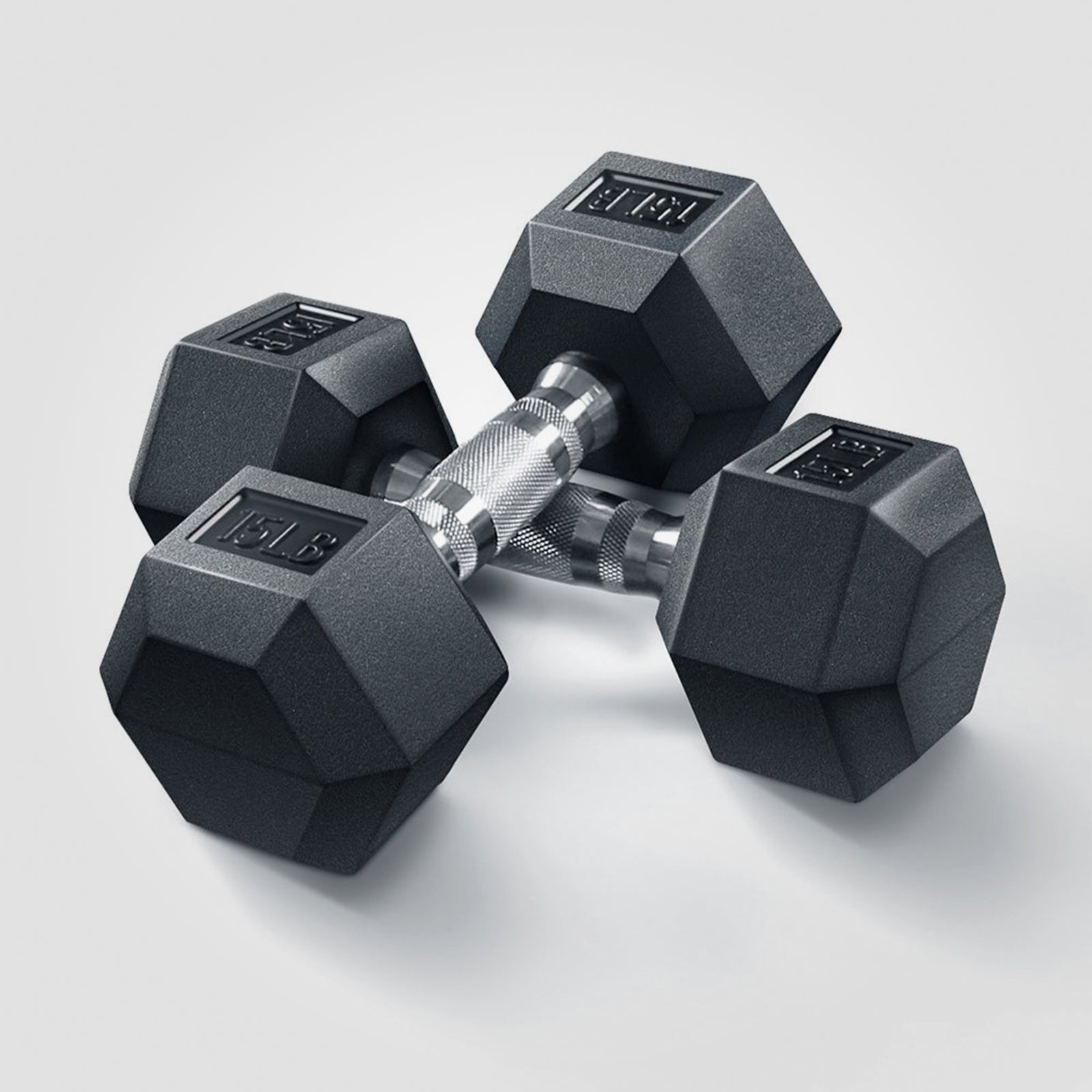
- Pair walking with lifting: Short strength sessions with home dumbbells or adjustable workout benches can improve body composition while supporting long term calorie burn.
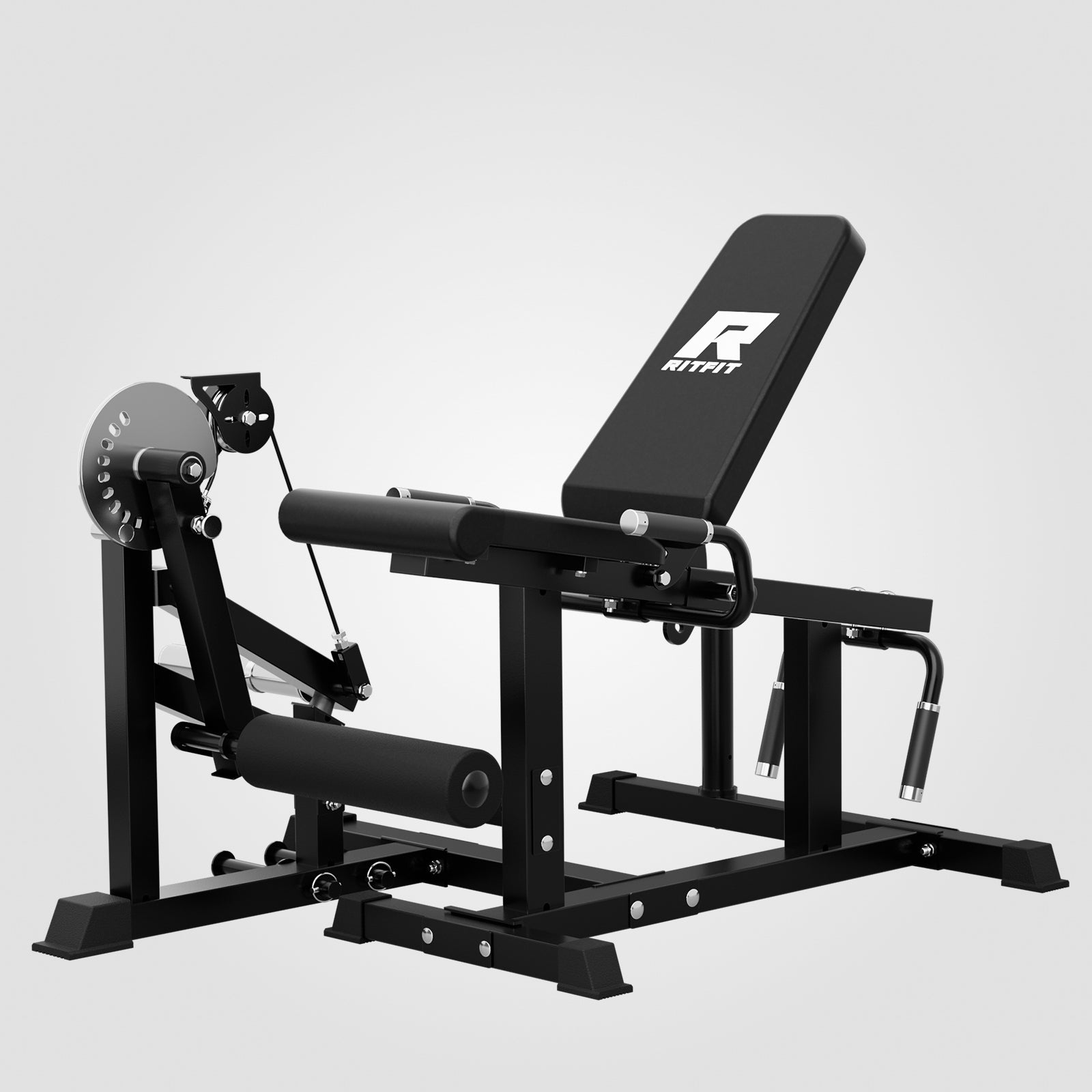
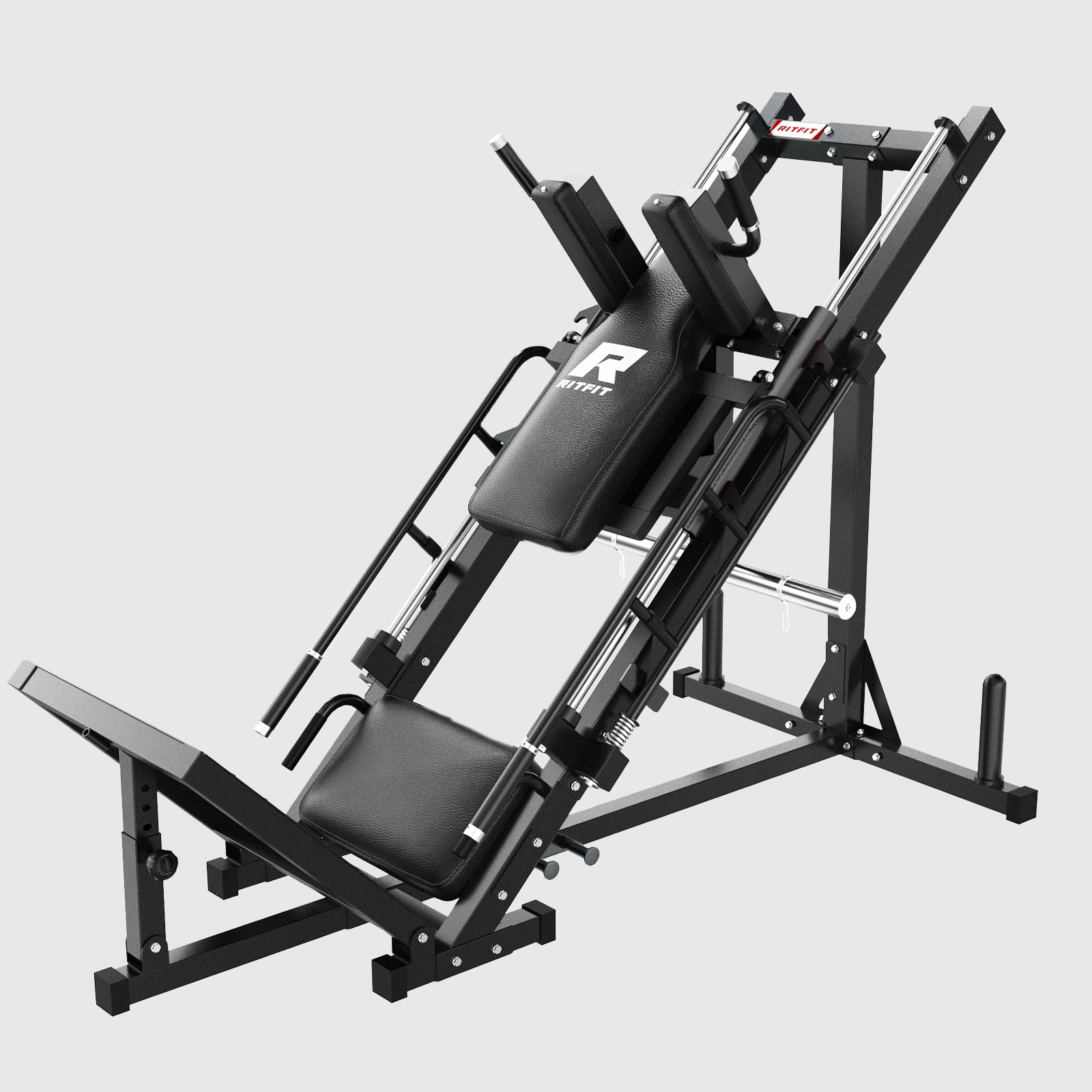
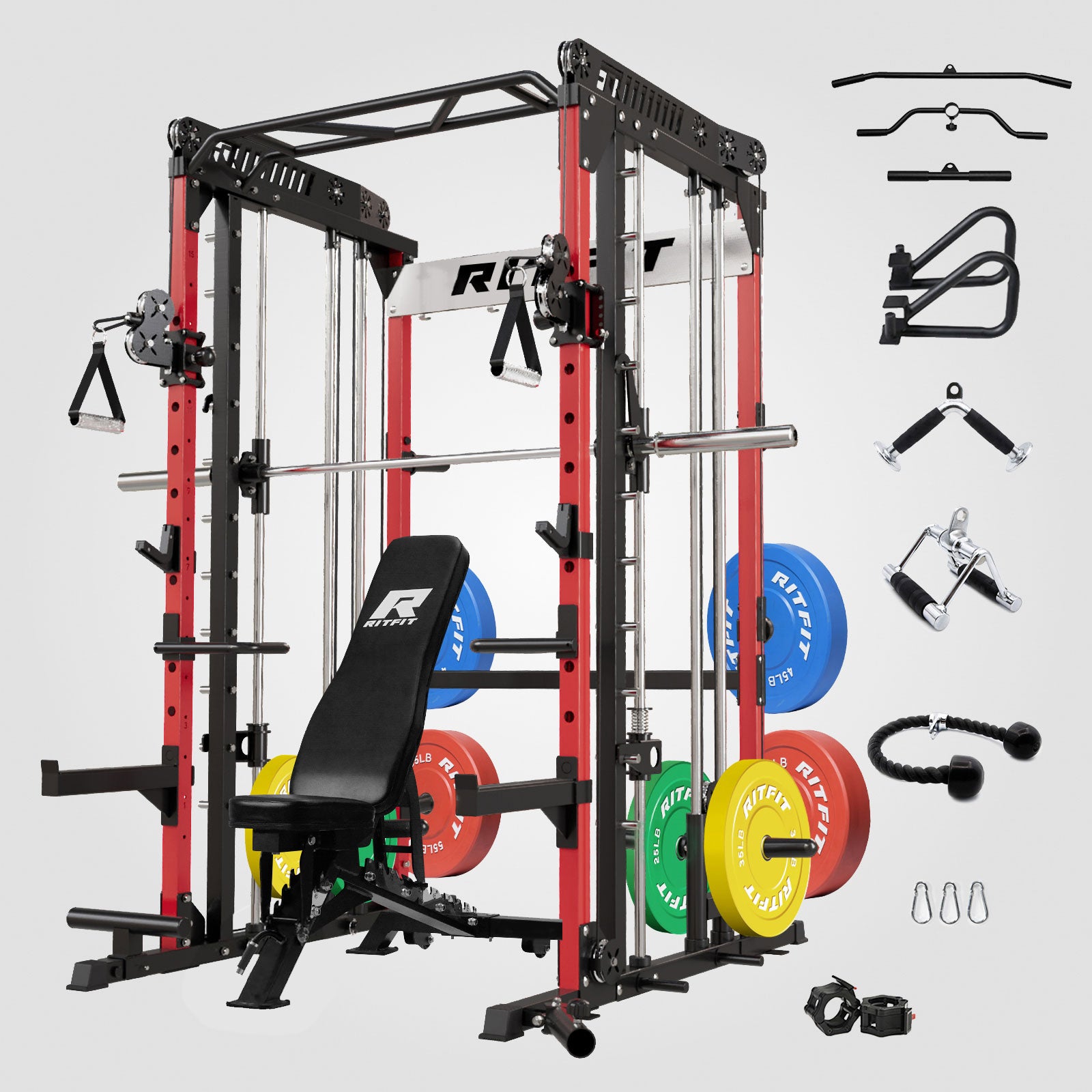
- Build a complete routine: On indoor training days, walking combines well with strength machines for home training or a compact Smith machine home gym setup.
Tracking Your Steps and Calories More Accurately
Fitness Trackers and Phone Apps
Trackers and phones are usually good at counting steps, but their calorie numbers are still estimates. You improve accuracy when your device profile includes the right height, weight, age, and sex.
Better Ways to Estimate Your Burn
Heart rate data, pace, and walking duration usually give a better estimate than step count alone. If you want a tighter planning number, compare your wearable with treadmill data, route distance, and your own recent body weight trend.
Health Benefits of Walking Beyond Calories
Walking is valuable even when the calorie number looks modest because it improves health in ways that go far beyond energy burn. Consistent daily walking supports heart health, mobility, mood, recovery, and routine building.
- Cardiovascular support: Walking helps build aerobic capacity and can support healthier blood pressure and circulation over time.
- Mental refresh: Daily walks can reduce stress, improve focus, and give structure to the day.
- Low impact movement: Walking is easier on the joints than many high impact workouts, which makes it easier to repeat consistently.
- Better recovery: Light walking can help you stay active between harder lifting or conditioning sessions.
Who May Need More or Fewer Than 10,000 Steps?
10,000 steps is a useful benchmark, but it is not a universal rule. Beginners, older adults, and people returning from inactivity may do better starting lower, while highly active people may need more total activity or more intensity.
- Beginners: A steady 5,000 to 7,000 steps can be an excellent starting point if consistency is the main goal.
- Older adults: A lower target can still be meaningful, especially when walking is paired with balance and strength work.
- Fat loss focused walkers: More than 10,000 steps may help, but only if the plan stays realistic and recoverable.
Practical Tips to Reach 10,000 Steps Per Day
Most people reach 10,000 steps more easily through small walking blocks than through one perfect session. The best strategy is to make movement automatic and repeatable.
- Walk after meals: A short post meal walk is one of the easiest ways to build daily steps.
- Use calls as walking time: Phone meetings and casual calls can become built in movement blocks.
- Choose the longer route: Parking farther away and taking the stairs adds steps without extra planning.
- Set hourly movement cues: Two to five minutes of walking each hour adds up faster than most people expect.
- Make it enjoyable: Music, podcasts, and a consistent route make daily walking easier to keep.
FAQs
How many calories do 10,000 steps burn on average?
Many adults burn about 250 to 500 calories from 10,000 steps. Your personal number can be lower or higher depending on body weight, pace, terrain, and total walking time.
Is 8,000 steps almost as good as 10,000 steps?
Yes, 8,000 steps can still be very useful for health and activity consistency. A slightly lower target that you can repeat every week often beats a perfect number you rarely hit.
Does treadmill walking burn the same calories as outdoor walking?
It can be similar on flat settings, but terrain, wind resistance, and incline change the answer. Outdoor routes and treadmill grade often make the workload feel different even at the same pace.
Do I need to walk all 10,000 steps at once?
No, you can spread the total across the day. Multiple short walks often make the goal easier to reach and easier to recover from.
Are smartwatch calorie estimates accurate?
They are useful for trend tracking, not exact measurement. The numbers get more helpful when your device has correct profile data and uses heart rate along with pace and duration.
Is 10,000 steps enough exercise by itself?
It can cover a meaningful part of your weekly activity, but most adults also benefit from strength training. Walking and resistance work usually produce a better overall fitness result than relying on steps alone.