Losing 3 pounds a week is possible for some people, but it is usually too aggressive to sustain safely without medical supervision. Most adults are better served by a slower plan that protects muscle, controls hunger, and builds habits that last.
Table of Contents
- Is Losing 3 Pounds a Week Safe?
- How the Calorie Math Works
- Why Rapid Weight Loss Often Slows Down
- Why Fast Scale Drops Can Be Water Weight
- Health Risks of Losing Weight Too Quickly
- Why Crash Diets Often Fail
- A Smarter Approach: Volume Eating
- How to Use NEAT for Fat Loss
- How to Handle Restaurants and Social Events
- How to Maintain Weight Loss Long Term
- Safe Weight Loss Checklist
- Fast vs Slow Weight Loss Comparison
Key Takeaways
- Three pounds per week is usually aggressive: It often requires a very large daily calorie deficit that many people cannot maintain safely.
- Early scale drops are not always fat loss: Water, glycogen, sodium, and digestion can move the scale quickly.
- Rapid dieting can increase risk: Muscle loss, fatigue, hunger, gallstones, and rebound eating become more likely when restriction is extreme.
- Slow fat loss protects long term results: A moderate calorie deficit, protein, resistance training, and daily movement are easier to repeat.
- Strength training matters: Lifting helps preserve lean mass while dieting and supports better weight maintenance.
Is Losing 3 Pounds a Week Safe?
Losing 3 pounds a week is not the safest target for most adults because it usually demands a severe calorie deficit. It may happen briefly at the start of a diet, but much of that early drop can be water rather than body fat.
A safer target for many people is about 1 to 2 pounds per week, depending on body size, starting weight, medical history, and activity level. People with obesity or medical conditions may use faster plans only when guided by a qualified healthcare professional.
How the Calorie Math Works
Weight loss requires an energy deficit, which means the body uses more energy than it receives from food and drink. The traditional 3,500 calorie rule is only a rough estimate because energy expenditure changes as body weight changes.
To target 3 pounds of fat loss in a week, the rough math suggests a weekly deficit near 10,500 calories. That equals about 1,500 calories per day, which is a large gap for most people.
Why the Daily Deficit Is So Hard
A 1,500 calorie daily deficit often leaves too little food for normal energy, recovery, and nutrition. If a person burns 2,200 calories per day, that target may leave only about 700 calories of food intake, which is not appropriate without medical supervision.
| Daily Energy Burn | Deficit Needed for 3 Pounds Weekly | Estimated Food Intake Left | Practical Concern |
|---|---|---|---|
| 2,000 calories | 1,500 calories | 500 calories | Extremely restrictive and unsafe for most adults |
| 2,500 calories | 1,500 calories | 1,000 calories | Still very low and difficult to sustain |
| 3,000 calories | 1,500 calories | 1,500 calories | Possible for some larger or very active people, but still aggressive |
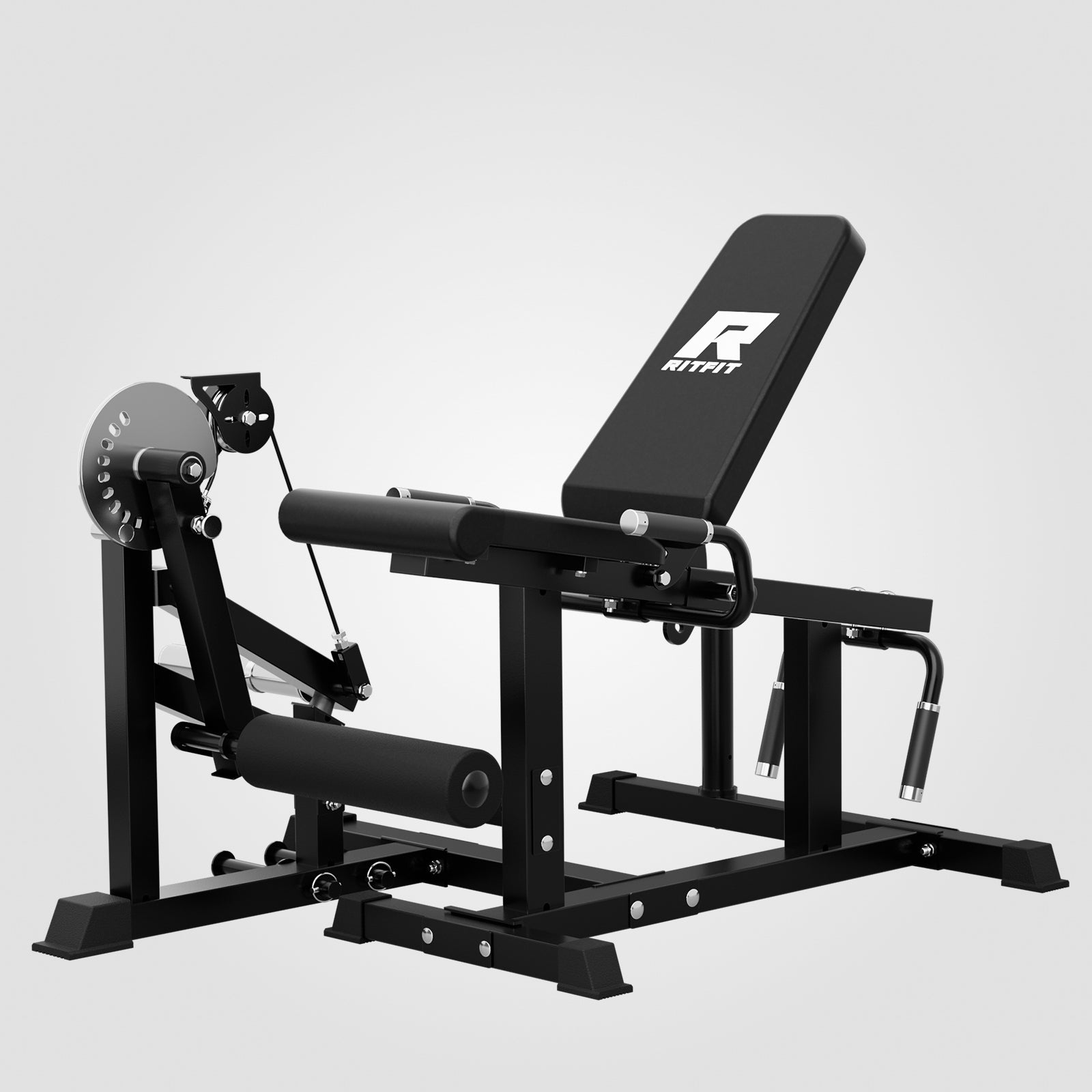
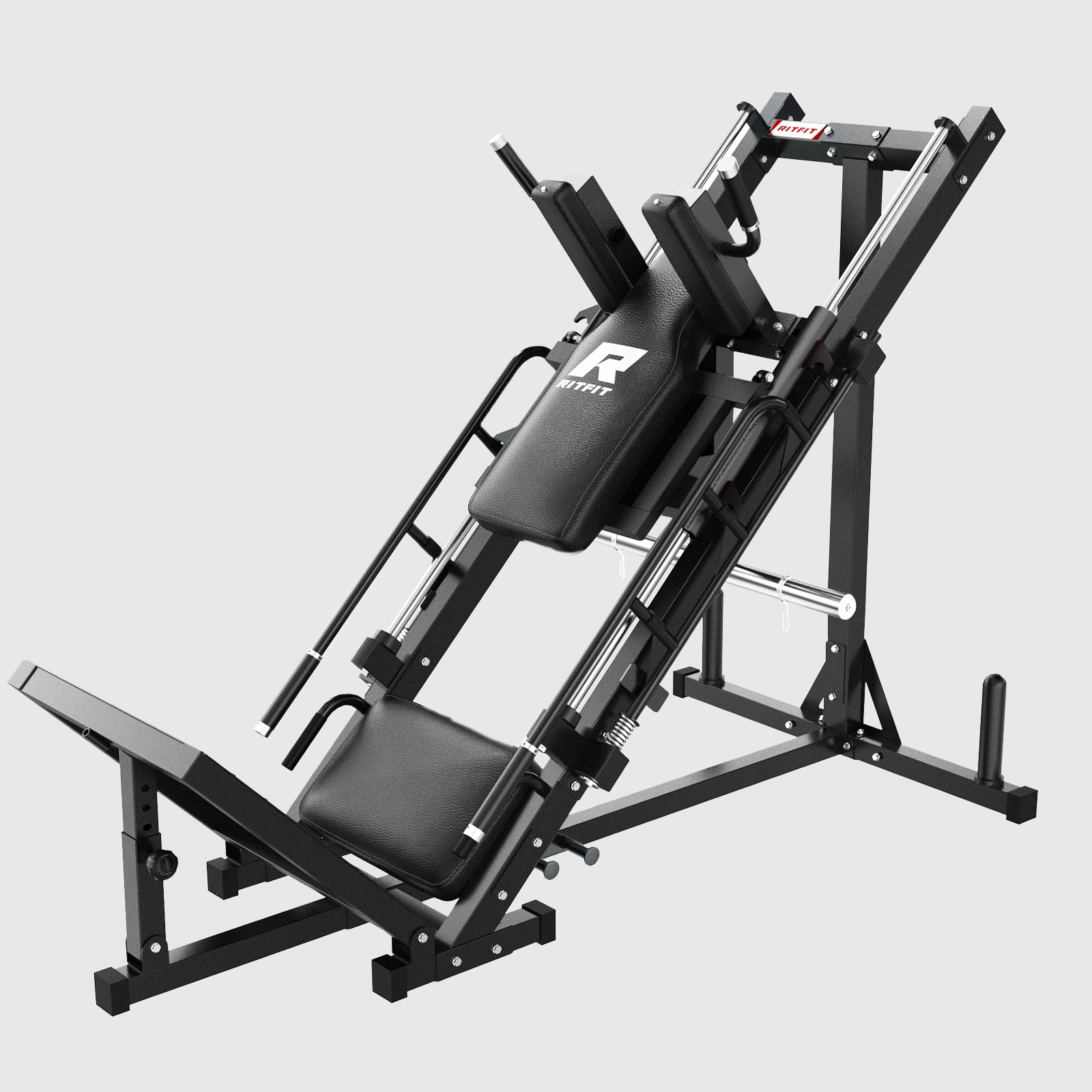
Exercise can help, but it rarely solves the whole equation by itself. Running, cycling, lifting, or using strength training machines supports health and muscle retention, but trying to burn 1,500 extra calories every day can raise fatigue and injury risk.
Why Rapid Weight Loss Often Slows Down
Your body is not a fixed calorie machine, because it adapts when food intake drops and body weight decreases. Adaptive thermogenesis can reduce energy expenditure during and after weight loss, which makes continued fat loss harder than the early math suggests.[1]
What Adaptive Thermogenesis Means
Adaptive thermogenesis means the body may burn fewer calories than expected after weight loss. This can happen through lower resting energy expenditure, less spontaneous movement, and stronger hunger signals.
Why Hunger Gets Stronger
Severe restriction can make food feel more mentally and physically urgent. This response is biological, not simply a lack of discipline.
A smarter plan reduces calories enough to create progress, but not so much that recovery, mood, training, and daily movement collapse. This is why moderate deficits usually work better for people who need a repeatable plan.
Why Fast Scale Drops Can Be Water Weight
A fast drop on the scale is often partly water weight, not pure fat loss. Glycogen is stored with water, so lower carbohydrate intake can reduce stored glycogen and the water connected to it.[5]
Glycogen Changes Can Move the Scale Quickly
When you eat fewer carbs, your muscles and liver may hold less glycogen. The scale may drop fast, then rise again after a higher carb meal.
Sodium and Digestion Also Matter
Saltier meals, more food volume, constipation, menstrual cycle changes, and hard training can all affect scale weight. A weekly trend is more useful than a single morning number.
Health Risks of Losing Weight Too Quickly
Rapid weight loss can carry real health and performance risks, especially when calories, protein, and essential nutrients are too low. The main concern is not just losing weight, but losing the wrong tissue or creating a plan you cannot maintain.
Muscle Loss
Large deficits can increase the risk of skeletal muscle loss, especially without sufficient protein and resistance training.[4]
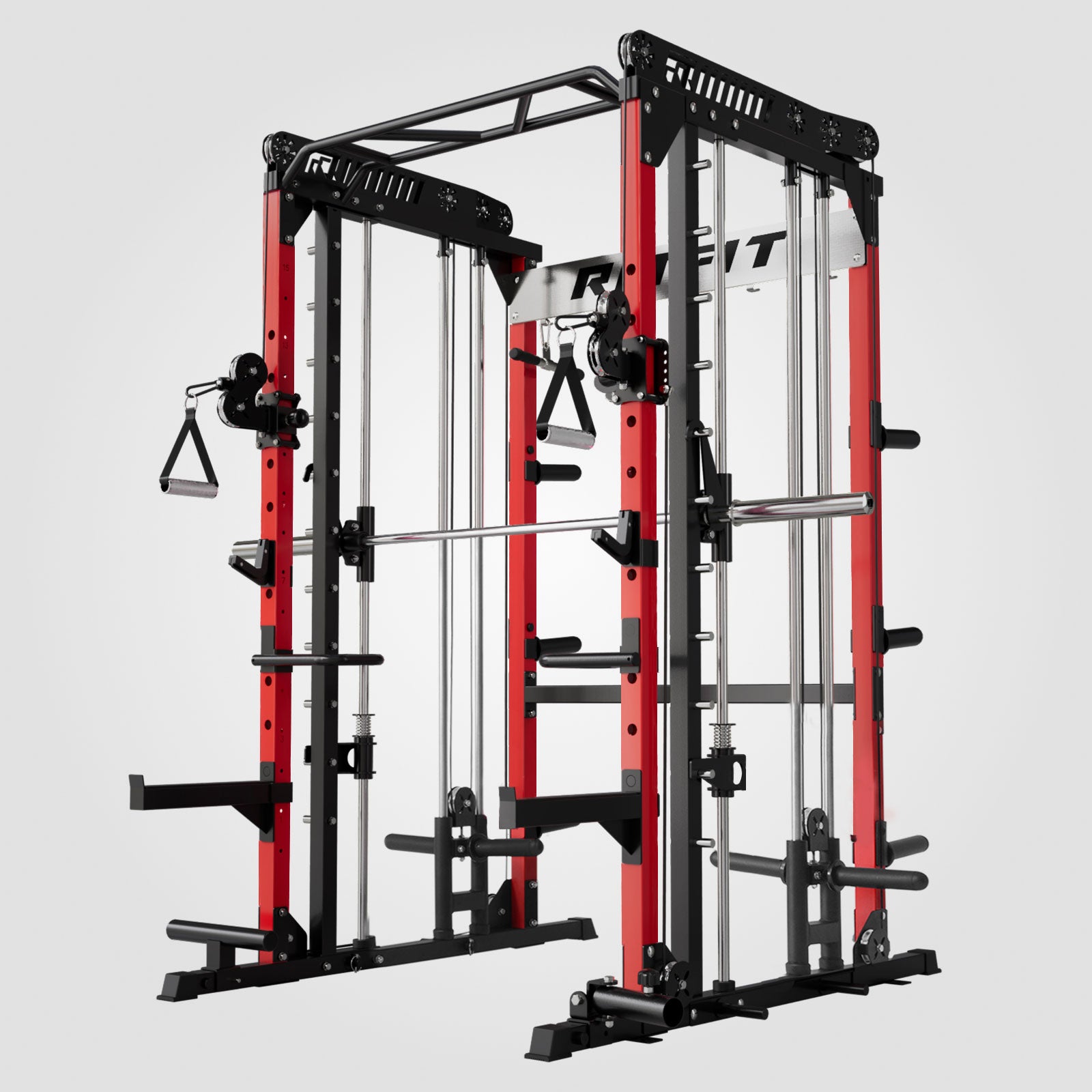
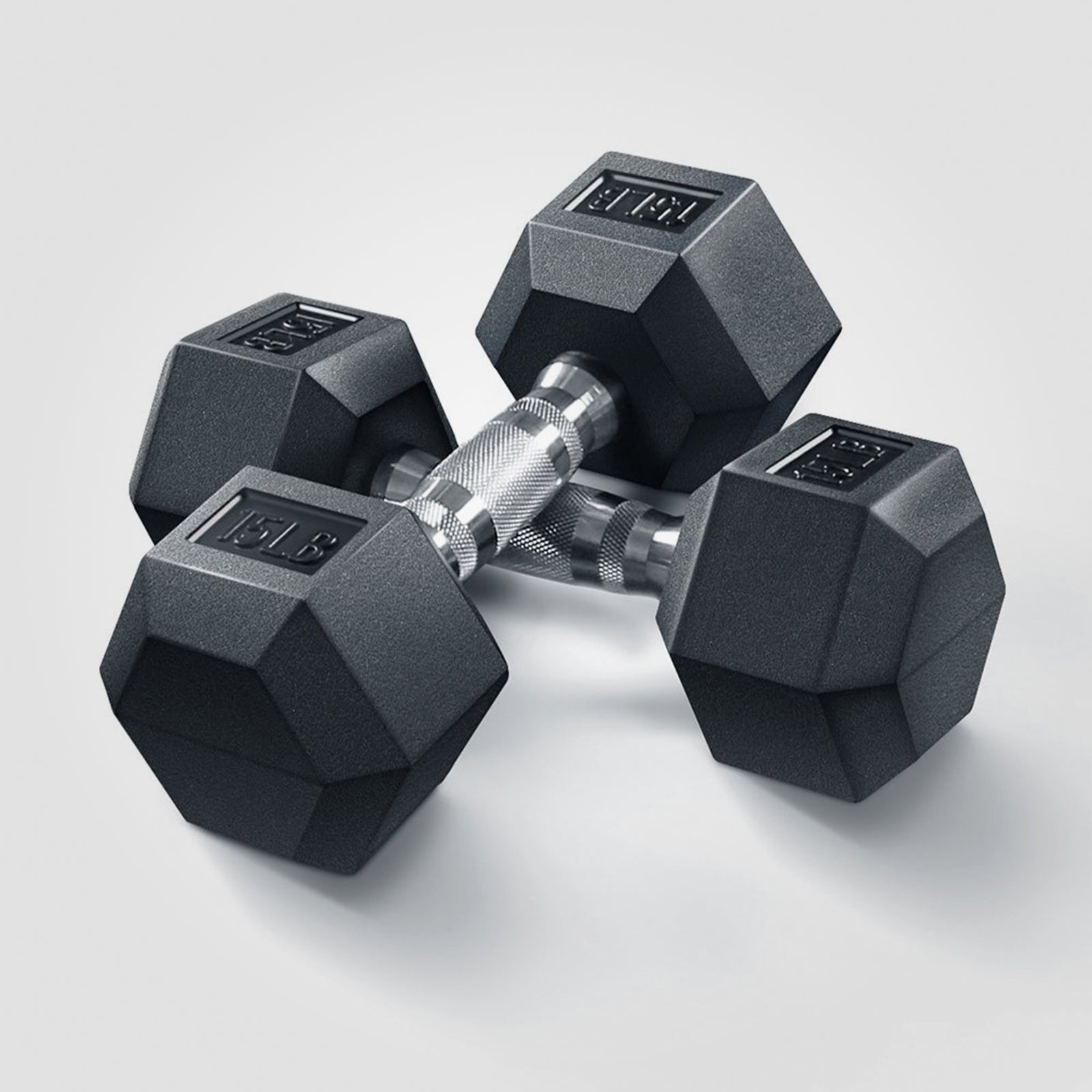
Preserving muscle should be a priority during fat loss because muscle supports strength, function, posture, and long term maintenance. A home setup with dumbbells, an adjustable weight bench, or a Smith machine can make consistent resistance training easier.
Gallstones
Very low calorie diets and fast weight loss may raise the risk of symptomatic gallstones compared with less aggressive low calorie approaches.[2]
Low Energy and Poor Recovery
When food intake is too low, workouts often feel worse and daily movement usually drops. This can reduce total calorie burn and make the diet harder to continue.
Food Preoccupation
Extreme restriction can make people think about food constantly. A plan that causes repeated overeating episodes is not truly sustainable, even if it produces fast results at first.
Why Crash Diets Often Fail
Crash diets often fail because they rely on short term suffering instead of repeatable habits. The stricter the diet feels, the harder it is to keep when stress, travel, family meals, or social events appear.
A common pattern is restriction during the week, overeating on the weekend, then guilt and another stricter restart. This cycle can erase the weekly deficit and make weight loss feel confusing.
The Better Question
The better question is not how fast you can lose weight, but how long you can repeat the plan. A slower plan that you can follow for months often beats a perfect plan that lasts 5 days.
A Smarter Approach: Volume Eating
Volume eating helps you feel fuller while keeping calories controlled. The strategy is to build meals around high volume, lower calorie foods such as vegetables, fruit, lean protein, broth based soups, and potatoes.
This approach works because stomach stretch, protein, fiber, and meal size all affect fullness. Instead of simply removing food, you replace calorie dense choices with foods that provide more volume per calorie.
| Food Category | Examples | Why It Helps |
|---|---|---|
| Vegetables | Leafy greens, cucumbers, peppers, zucchini, broccoli | High water and fiber with low calorie density |
| Fruit | Berries, melon, oranges, apples | Sweetness, fiber, and high volume |
| Lean Protein | Chicken breast, fish, egg whites, Greek yogurt, tofu | Supports fullness and muscle retention |
| Smart Carbs | Potatoes, oats, beans, rice in measured portions | Supports training and reduces rebound cravings |
The Add More Rule
Instead of only asking what to remove, ask what low calorie food you can add. Add vegetables to eggs, berries to yogurt, salad to sandwiches, or extra lean protein to dinner.
How to Use NEAT for Fat Loss
NEAT means the energy you burn from daily movement that is not formal exercise. It can be a meaningful part of total daily energy expenditure because walking, standing, cleaning, pacing, and chores can vary widely between people.[3]
Increasing NEAT is often more sustainable than adding intense cardio every day. A practical target is to build toward 8,000 to 10,000 steps per day if your joints, schedule, and current fitness level allow it.
Simple Ways to Increase NEAT
Walk after meals, park farther away, stand during calls, take stairs when appropriate, and split chores into active blocks. These choices are small enough to repeat but meaningful enough to support a calorie deficit.
For home training, combine daily movement with 2 to 4 weekly resistance sessions using barbells and weight plates, dumbbells, or machines. If training at home, protective interlocking gym flooring mats can make lifting areas safer and easier to maintain.
How to Handle Restaurants and Social Events
A good fat loss plan should survive restaurants, family meals, and busy weeks. If the plan only works when life is perfect, it will usually fail.
Plan Before You Arrive
Check the menu before you go and choose a protein centered meal in advance. Ask for sauces on the side, choose grilled or baked options when available, and stop when you feel satisfied.
Use Flexible Portions
If the portion is large, eat half and save the rest. This keeps the meal enjoyable without turning one restaurant visit into a full day of overeating.
Protect the Weekly Trend
One higher calorie meal does not ruin fat loss. The weekly average matters more than one single meal.
How to Maintain Weight Loss Long Term
Maintenance is easier when the weight loss plan already looks like real life. If the diet depends on extreme hunger, zero social flexibility, and no enjoyable meals, regain becomes more likely.
The best long term plan combines a moderate calorie deficit, enough protein, regular resistance training, daily steps, sleep, and a realistic food routine. Building a repeatable home workout space with rack packages can help keep strength training consistent when gym travel is a barrier.
Why Strength Training Supports Maintenance
Strength training gives the body a reason to keep lean mass while calories are reduced. It also helps people measure progress through performance, not only scale weight.
Safe Weight Loss Checklist
A safer fat loss plan should create progress without making daily life feel impossible. Use this checklist to keep the plan realistic and repeatable.
- Choose a moderate target: Aim for about 1 to 2 pounds per week unless a clinician recommends otherwise.
- Use a realistic deficit: Start with a moderate calorie reduction instead of jumping to extreme restriction.
- Prioritize protein: Include lean protein at each meal to support fullness and muscle retention.
- Lift consistently: Train with weights, machines, bands, or bodyweight exercises 2 to 4 times per week.
- Increase daily movement: Build step count gradually instead of relying only on intense cardio.
- Watch the trend: Use weekly averages instead of reacting to daily water weight changes.
- Protect recovery: Sleep, hydration, and rest days help make the plan repeatable.
Fast vs Slow Weight Loss Comparison
Fast weight loss can feel motivating at first, but slower weight loss is usually easier to maintain. The best choice is the one that protects health, training quality, and consistency.
| Factor | Losing 3 Pounds per Week | Losing 1 to 2 Pounds per Week |
|---|---|---|
| Calorie Deficit | Very large | Moderate |
| Hunger | Often high | Usually more manageable |
| Muscle Retention | Higher risk if protein and lifting are low | Better chance with protein and resistance training |
| Training Recovery | Often reduced | Easier to maintain |
| Water Weight Confusion | More likely early on | Still possible, but less extreme |
| Long Term Sustainability | Lower for most people | Higher for most people |
FAQs
Is losing 3 pounds a week safe for most adults?
No. Losing 3 pounds a week is usually too aggressive for most adults because it often requires a large calorie deficit, very low food intake, or excessive exercise. Some early scale loss may be water, but sustained rapid loss should be discussed with a qualified clinician.
Can losing 3 pounds a week be water weight?
Yes. A fast drop on the scale is often partly water because stored glycogen binds water in muscle and liver tissue. When carbohydrate intake drops, glycogen decreases and water follows, so the scale may fall quickly before meaningful fat loss has occurred.
How many calories do I need to cut to lose 3 pounds a week?
To lose 3 pounds of fat in one week, the rough math suggests a deficit near 10,500 calories weekly. That equals about 1,500 calories daily, which is difficult, stressful, highly restrictive, and often unsafe for many people without professional supervision.
What is a safer weekly weight loss goal?
A safer goal for many adults is about 1 to 2 pounds per week, depending on body size, health status, and starting weight. This pace usually allows more food, better training recovery, and a stronger chance of keeping lean muscle.
Does rapid weight loss cause muscle loss?
Yes. Rapid weight loss can increase the risk of losing lean mass, especially when protein intake is low and resistance training is missing. Keeping a moderate deficit, eating enough protein, and lifting weights helps signal the body to preserve muscle.
How can strength training help with sustainable weight loss?
Strength training helps sustainable weight loss by protecting lean mass while calories are reduced. More muscle does not cancel the need for a calorie deficit, but it supports function, training performance, joint confidence, daily movement, and long term weight maintenance.
Should I exercise harder to lose 3 pounds a week?
No. Exercising harder is not always the best way to lose 3 pounds a week because recovery, hunger, and injury risk can become limiting factors. A better approach combines moderate calorie control, daily steps, protein, sleep, and resistance training that you can repeat.
Conclusion
Losing 3 pounds a week may look appealing, but it is usually too aggressive for sustainable fat loss. A better plan uses a moderate deficit, high protein meals, daily movement, resistance training, and patience so the weight you lose is more likely to stay off.
Disclaimer: This article is for general fitness education only and is not medical advice. If you are pregnant, under 18, have diabetes, gallbladder disease, heart disease, a history of eating disorders, or are considering a very low calorie diet, speak with a qualified healthcare professional before changing your diet or exercise routine.
References
- Rosenbaum M Leibel RL. Adaptive thermogenesis in humans. Int J Obes (Lond). 2010;34(Suppl 1):S47-S55. doi:10.1038/ijo.2010.184
- Johansson K Sundström J Marcus C Hemmingsson E Neovius M. Risk of symptomatic gallstones and cholecystectomy after a very low calorie diet or low calorie diet in a commercial weight loss program: 1 year matched cohort study. Int J Obes (Lond). 2014;38(2):279-284. doi:10.1038/ijo.2013.83
- Chung N Park MY Kim J Park HY Hwang H Lee CH et al. Non exercise activity thermogenesis NEAT: a component of total daily energy expenditure. J Exerc Nutrition Biochem. 2018;22(2):23-30. doi:10.20463/jenb.2018.0013
- McCarthy D Berg A. Weight loss strategies and the risk of skeletal muscle mass loss. Nutrients. 2021;13(7):2473. doi:10.3390/nu13072473
- Murray B Rosenbloom C. Fundamentals of glycogen metabolism for coaches and athletes. Nutr Rev. 2018;76(4):243-259. doi:10.1093/nutrit/nuy001