Table of Contents
- How Much Should I Be Able to Bench?
- Bench Press Standards by Body Weight and Experience
- How Much Bench Press for Beginners?
- What Is the Average Bench Press by Age?
- What Is My One Rep Max?
- How to Use Bench Press Standards in Training
- Troubleshooting Bench Press Plateaus
- Checklist for Safety When Doing the Bench Press
- Helpful Equipment for Safer Bench Training at Home
How Much Should I Be Able to Bench? Standards by Weight, Age, and Experience
How much you should bench depends on your body weight, training age, technique, and whether you are choosing a working weight or estimating a one rep max. The best goal is a load you can control with stable shoulders, repeatable bar path, and steady progress.
Whether you train on a home weight bench or in a commercial gym, the right number should support safe training rather than ego lifting.
Editorial note: This guide was created for general strength training education and reviewed for clarity, safety language, and source quality. Last updated May 21, 2026.
Key Takeaways
- There is no single perfect bench number: Body weight, lifting experience, form quality, limb length, and recovery all change what a realistic bench press target looks like.
- Strength standards are reference points: Use them to set the next practical milestone, not to judge your worth or rush into unsafe max attempts.
- Beginners should prioritize control first: A smooth empty bar bench press is more useful than a heavier lift with bouncing, wrist collapse, or shifting hips.
- Submaximal testing is often smarter: A hard set of three to five clean reps can estimate strength with less risk than a true one rep max attempt.
- Safe home benching needs a reliable setup: A stable bench, quality barbell, rack safeties, or a Smith machine can make solo pressing more controlled.
How Much Should I Be Able to Bench?
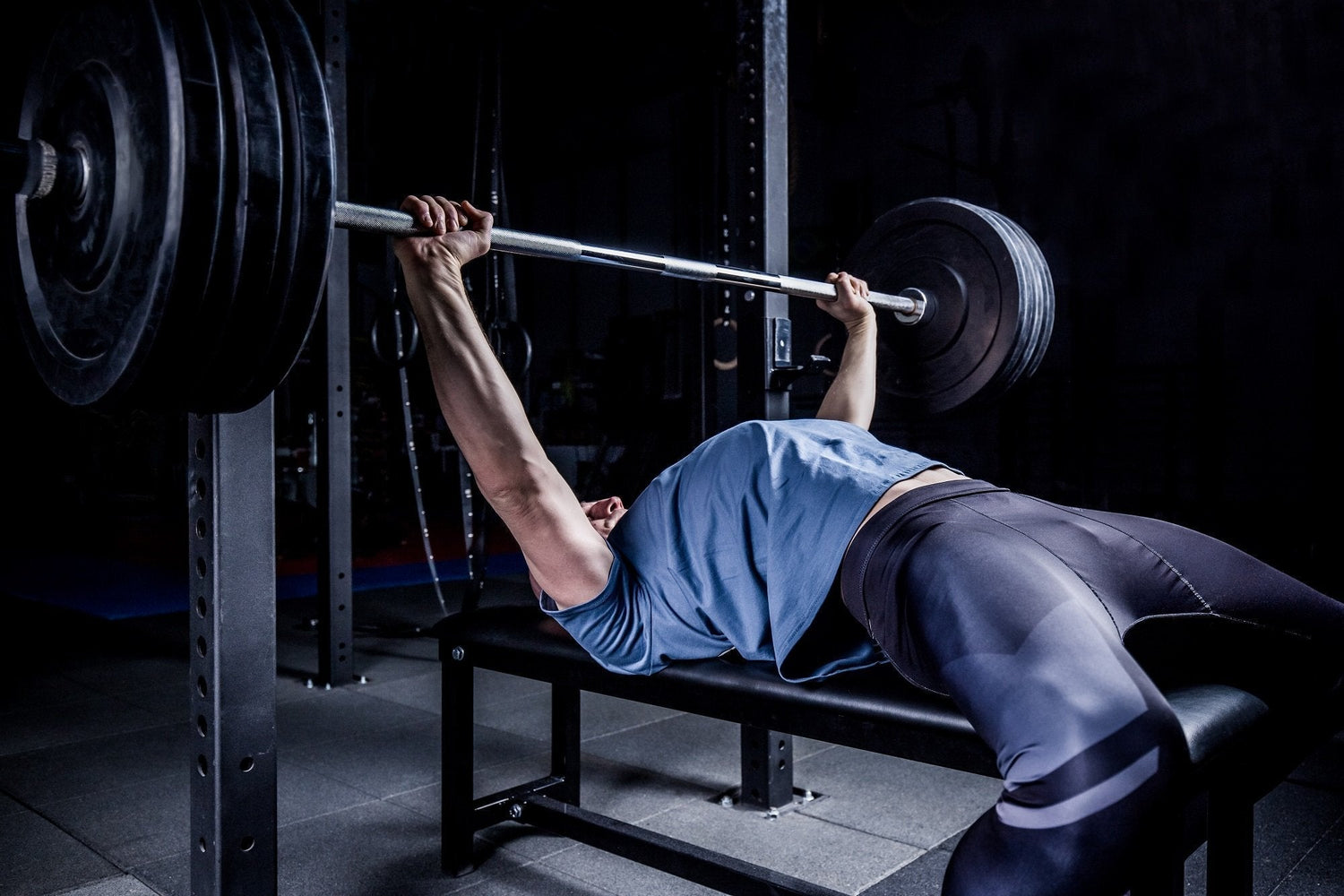
You should bench the heaviest weight you can lift with clean setup, controlled range of motion, and no sharp pain. For most lifters, the best benchmark is the next weight they can repeat with stable form, not the heaviest weight they can barely survive once.
A realistic bench press target depends on four main inputs, body weight, training age, technique quality, and recovery. A beginner may progress quickly from light loads, while an advanced lifter may need smaller increases and more structured programming.
- Body weight: Heavier lifters often press more absolute weight, but relative strength still matters.
- Training age: A new lifter should not compare a few months of training to years of consistent bench practice.
- Technique: A strong bench uses a stable upper back, stacked wrists, planted feet, and a repeatable touch point.
- Recovery: Sleep, calories, shoulder health, and weekly volume affect how quickly your bench can rise.
Bench Press Standards by Body Weight and Experience
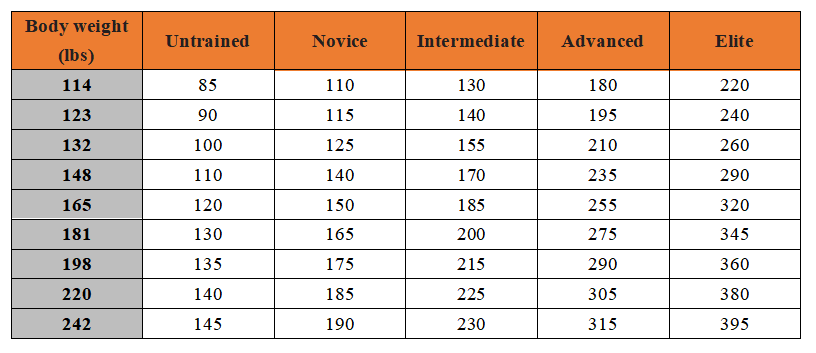
Bench press standards are useful only when you compare yourself with lifters of a similar body weight and experience level. Treat the charts as reference benchmarks, then use your actual rep quality to decide what to do next.
Bench Press Standards for Men
Men usually compare bench press performance across body weight and training status, because absolute numbers can be misleading without context.
| Body Weight | Untrained | Novice | Intermediate | Advanced | Elite |
|---|---|---|---|---|---|
| 198 lb | 135 lb | 175 lb | 215 lb | 290 lb | 360 lb |
- Quick read: A 198 lb man in this chart moves from 135 lb untrained to 360 lb elite.
- Best use: Move one level at a time and avoid jumping from novice expectations to advanced targets too quickly.
Bench Press Standards for Women
Women should use strength standards the same way, as a body weight and experience based reference rather than a pass or fail score.
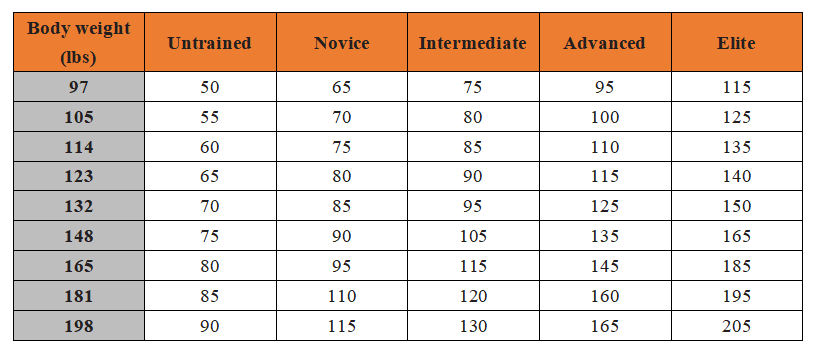
| Body Weight | Untrained | Novice | Intermediate | Advanced | Elite |
|---|---|---|---|---|---|
| 165 lb | 80 lb | 95 lb | 105 lb | 145 lb | 185 lb |
- Quick read: A 165 lb woman in this chart moves from 80 lb untrained to 185 lb elite.
- Best use: Focus on repeatable reps, smooth bar control, and pain free progression before chasing a new category.
How Much Bench Press for Beginners?
Beginners should start with a load they can control for clean reps, even if that means an empty bar or light dumbbells. The first goal is not a big number, it is a repeatable setup that protects the shoulders and teaches a stable press.
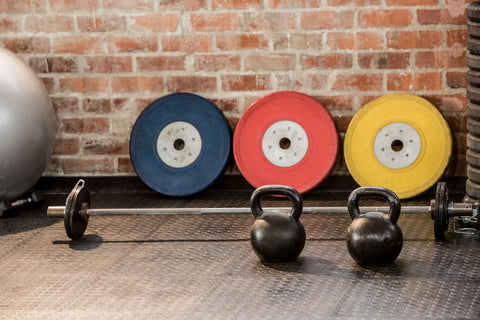
Beginner Bench Press Setup
A proper setup keeps the bench press safer and more repeatable by creating a stable base before the bar moves.
- Feet: Keep both feet planted and avoid lifting the hips during hard reps.
- Upper back: Pull the shoulder blades back and down so the chest stays stable.
- Wrists: Stack wrists over forearms instead of letting the bar roll backward.
- Touch point: Lower the bar to the same chest position on each rep.
- Progression: Add small amounts of weight only when every rep looks the same.
When Beginners Should Add Weight
Add weight only after your reps remain smooth, controlled, and pain free across multiple sessions.
- Good sign: The bar path stays consistent from the first rep to the last rep.
- Warning sign: The bar bounces, wrists bend, shoulders pinch, or hips rise off the bench.
- Home gym note: A stable adjustable weight bench can help you build repeatable pressing positions at home.
What Is the Average Bench Press by Age?
Average bench press performance often changes with age because recovery speed, muscle mass, joint tolerance, and training history change over time. Older adults can still improve strength with resistance training, but progression should be more conservative and recovery aware.[4]
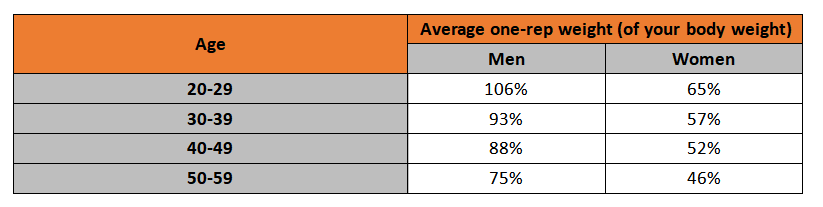
| Age Context | What Usually Matters Most | Training Recommendation |
|---|---|---|
| Younger lifters | Technique learning and consistent practice | Build form before testing heavy singles |
| Adult lifters | Progressive overload and recovery balance | Use structured blocks and small load jumps |
| Older lifters | Joint tolerance and repeatable strength | Prioritize pain free reps and longer recovery |
- Use age as context: Age can affect recovery, but it does not remove the value of strength training.
- Avoid rushing max tests: A conservative training max is often more useful than an aggressive one day peak.
What Is My One Rep Max?
Your one rep max is the heaviest weight you can lift once with solid form. Most lifters do not need to test it often, because submaximal testing can estimate bench press strength with less fatigue and risk.[1]
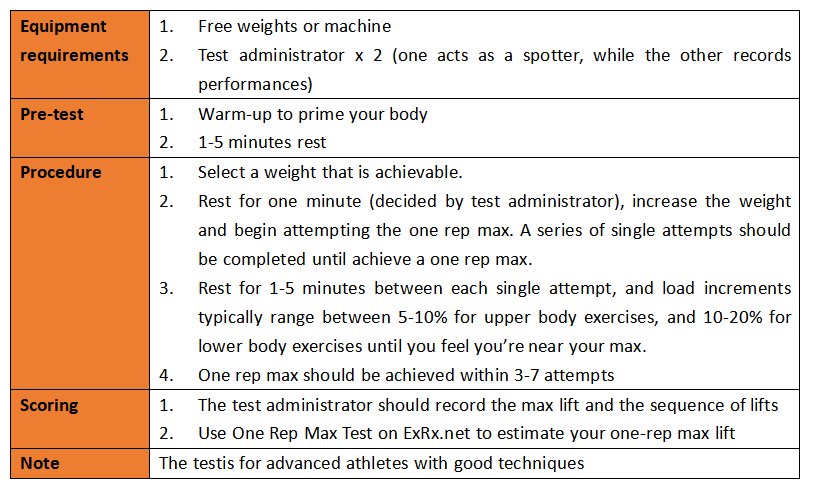
What a One Rep Max Estimate Is Good For
A one rep max estimate helps you choose training loads, track progress, and compare strength levels more objectively.
- Programming: It helps you choose working weights for strength, hypertrophy, and technique blocks.
- Progress tracking: It shows whether strength is improving even when body weight stays stable.
- Safety: It can reduce the need for frequent heavy singles, especially for home gym lifters.
Step by Step Mini Protocol
Use a controlled submaximal test when you want an estimate without forcing a risky single.
- Step 1: Warm up with light cardio, shoulder movement, the empty bar, and a few gradual ramp sets.
- Step 2: Choose a weight you can lift for three to five strong reps without bouncing or losing position.
- Step 3: Rest fully between hard sets so fatigue does not distort the result.
- Step 4: Stop the test when bar speed drops sharply, hips shift, or the bar path becomes inconsistent.
- Step 5: Use the result as a training estimate, not as proof that you should test heavier immediately.
How to Use Bench Press Standards in Training
Use bench press standards to choose the next realistic milestone, not to chase an advanced number before your base is ready. Good programming combines small load jumps, enough practice, and recoverable weekly volume.
Research on training frequency suggests that more weekly bench sessions are not automatically better unless volume, effort, and recovery are managed well.[3] Moderate loading ranges can also support strength and muscle goals when sets are performed with enough effort and sound technique.[5]
Build a Practical Bench Press Goal
A practical bench goal should match your current level and give you a clear next step.
- Choose the right level: Use untrained, novice, intermediate, advanced, and elite as broad categories, not rigid labels.
- Set a near term target: Aim for the next stable milestone you can reach with clean reps.
- Track more than weight: Record working sets, rep quality, pain signals, sleep, and missed reps.
- Use small jumps: Many plateaus happen because lifters increase weight faster than technique can support.
Train the Bench Press Without Overdoing It
Most lifters improve faster when they practice often enough to learn the lift, but not so often that the shoulders and elbows stay irritated.
- Beginner range: One to two bench sessions per week often works well.
- Intermediate range: Two or three weekly bench exposures can work if total volume stays recoverable.
- Accessory work: Rows, pulldowns, triceps work, and shoulder friendly pressing can support the main lift.
- Equipment support: A quality Olympic barbell and compatible plates from the barbells and weight plates collection help keep load jumps more consistent.
Troubleshooting Bench Press Plateaus
Most bench press stalls come from technique leaks, poor load selection, or recovery gaps rather than a lack of effort. Fix the weak link before you chase another max attempt.
Problem: You fail off the chest.
This usually points to weak pause strength, an inconsistent touch point, or lost tightness on the way down.
- Likely causes: Loose upper back, poor touch point, weak control, or bouncing during lighter sets.
- Best fix: Add paused bench work at moderate loads and keep the shoulder blades pinned to the bench.
Problem: You fail near lockout.
This usually points to triceps weakness or a bar path that drifts too far forward.
- Likely causes: Early elbow flare, weak triceps, or pressing straight up instead of slightly back toward the rack.
- Best fix: Add close grip bench, pushdowns, and lighter technique work that sharpens the final press.
Problem: Shoulder pain shows up.
Shoulder pain usually means your setup, grip width, volume, or load selection needs adjustment.
- Likely causes: Grip too wide, elbows flaring too early, upper back losing tension, or too much weekly pressing.
- Best fix: Reduce load, narrow the grip slightly, keep the shoulder blades back and down, and stop pressing through sharp pain.
Problem: Your bench is stuck for six or more weeks.
A stalled bench often reflects poor recovery, inconsistent progression, or not enough pulling volume to support pressing.
- Likely causes: Low sleep, inconsistent calories, large weight jumps, or repeated max effort attempts.
- Best fix: Deload for one week, return with smaller jumps, and keep pulling volume at least equal to pressing volume.
Checklist for Safety When Doing the Bench Press
Safe benching depends on setup, equipment, load choice, and knowing when to stop. Different bench press environments can change stability and muscle demands, so your setup should match your experience and safety needs.[2]
- Warm up first: Use light cardio, shoulder movement, and at least two lighter bench sets before heavy work.
- Set your base: Keep your feet planted, upper back tight, and eyes under the bar before unracking.
- Control the bar path: Lower to a consistent touch point and press with control instead of bouncing off the chest.
- Use a spotter or safeties: Heavy top sets are safer when another person, rack pins, or a guided bar can catch a missed rep.
- Avoid risky grip choices: Keep the thumb wrapped around the bar unless you have expert coaching and a controlled reason not to.
- Respect pain signals: Stop immediately if you feel sharp pain in the shoulder, elbow, wrist, chest, or neck.
- Check your environment: Stable equipment, enough clearance, and good lighting matter more than hype.
Helpful Equipment for Safer Bench Training at Home
The right home bench setup makes pressing safer, more repeatable, and easier to progress. A stable bench, reliable barbell, and safeties can remove avoidable risk from heavy training.
- Adjustable bench: A dedicated RitFit GATOR Adjustable Weight Bench supports flat and angled pressing variations for home strength training.
- Barbell and plates: A straight Olympic bar and compatible plates make load tracking easier than random gym equipment changes.
- Rack with safeties: Lifters who train alone should consider a rack or guided system from the Smith machine collection.
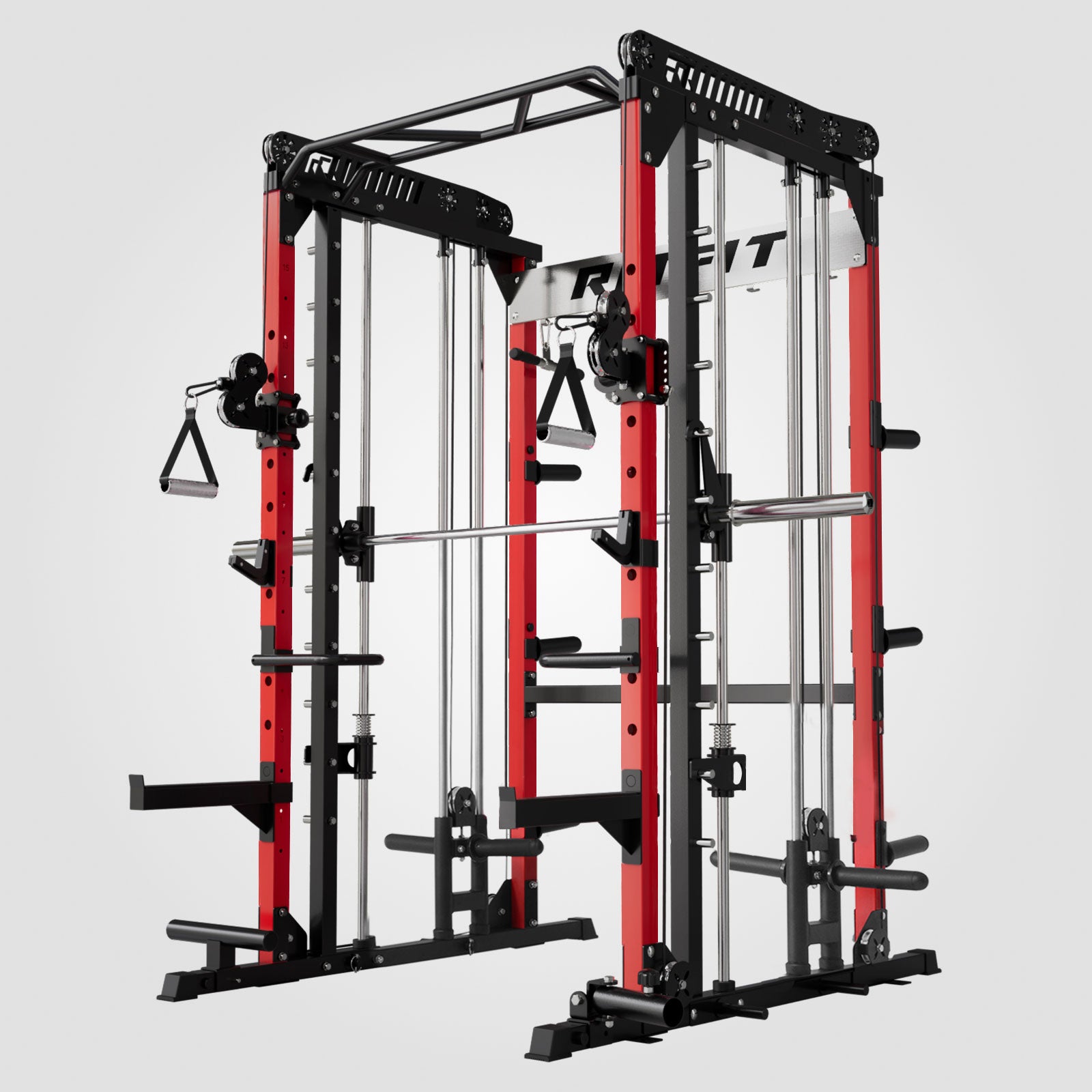
- Guided bench option: The RitFit Buffalo Smith Machine can support solo pressing when a fixed path and built in safety setup match the lifter goal.
If your main goal is a compact strength setup, choose equipment that fits your ceiling height, bench position, plate storage, and daily training habits. The safest bench press number is still the number you can control inside the setup you actually use.
FAQs
How much should I be able to bench press as a beginner?
You should bench a load you can control for smooth reps, not a fixed number. Many beginners start with the empty bar or light dumbbells, then add weight only when their setup, touch point, wrist position, and lockout stay consistent across every set.
What is a good bench press for my body weight?
A good bench press is one that matches your body weight, training age, and form quality. As a practical goal, many lifters first aim to bench a controlled percentage of body weight, then build toward stronger standards only after technique and recovery are reliable.
Is testing a true one rep max safe for beginners?
No. Beginners should avoid frequent true one rep max testing because heavy singles leave little room for technique mistakes. A hard set of three to five clean reps is usually a safer estimate, especially when training at home or without an experienced spotter.
How often should I bench press to get stronger?
Most beginners can bench one to two times per week and still make steady progress. Intermediate lifters may use two or three weekly exposures, but total volume, shoulder comfort, sleep, and recovery quality matter more than simply adding more sessions.
Why is my bench press stuck?
Your bench press is usually stuck because technique, recovery, or load jumps are limiting progress. Check your touch point, bar path, upper back tightness, weekly pulling volume, sleep, and calorie intake before assuming you need a more advanced program right away.
Can I bench press safely at home?
Yes. You can bench press safely at home when your bench is stable, your bar path is controlled, and your safety setup is reliable. Heavy sets should use a spotter, rack safeties, or a Smith machine setup that can catch the bar if you miss.
Should I use a Smith machine for bench press?
Yes. A Smith machine can be useful for controlled bench training, especially when you train alone and want a guided bar path. It should not replace all free weight work for every lifter, but it can support safer practice, volume work, and confidence building.
How do I know when to add more weight to my bench press?
Add more weight when every rep stays controlled, repeatable, and pain free. The bar should touch the same chest position, your wrists should stay stacked, and your lockout should finish smoothly before you increase the load by a small amount.
Conclusion
The right bench press target is the heaviest load you can control with consistent setup, full range, and repeatable form. Use standards as a guide, estimate your max carefully, and build strength through small jumps, patient training, and safer equipment choices.
Disclaimer
This article is for general educational purposes only and is not medical advice, physical therapy advice, or individualized coaching. If you have pain, a recent injury, cardiovascular concerns, or limited lifting experience, speak with a qualified professional before testing heavy singles or starting a new strength program.
References
- Macarilla CT, Sautter NM, Robinson ZP, Juber MC, Hickmott LM, Cerminaro RM, et al. Accuracy of predicting one repetition maximum from submaximal velocity in the barbell back squat and bench press. J Hum Kinet. 2022;82:201-212. doi:10.2478/hukin-2022-0046
- Wang L, Qiao M, Tao H, Song X, Shao Q, Wang C, et al. A comparison of muscle activation and concomitant intermuscular coupling of antagonist muscles among bench presses with different instability degrees in untrained men. Front Physiol. 2022;13:940719. doi:10.3389/fphys.2022.940719
- Ralston GW, Kilgore L, Wyatt FB, Buchan D, Baker JS. Weekly training frequency effects on strength gain: a meta analysis. Sports Med Open. 2018;4(1):36. doi:10.1186/s40798-018-0149-9
- Peterson MD, Rhea MR, Sen A, Gordon PM. Resistance exercise for muscular strength in older adults: a meta analysis. Ageing Res Rev. 2010;9(3):226-237. doi:10.1016/j.arr.2010.03.004
- Schoenfeld BJ, Grgic J, Van Every DW, Plotkin DL. Loading recommendations for muscle strength, hypertrophy, and local endurance: a re examination of the repetition continuum. Sports (Basel). 2021;9(2):32. doi:10.3390/sports9020032