Building a lean female body means reducing excess body fat while developing enough muscle to create shape, strength, and definition. The most sustainable path is not crash dieting or endless cardio, but consistent strength training, smart nutrition, daily movement, and recovery.
This guide explains how women can get lean with practical training, balanced eating, and home gym tools that support long term progress. It is designed for women who want a lean and toned body without extreme routines.
Editorial note: This guide was created by the RitFit editorial team and reviewed for product accuracy using current RitFit equipment pages and category resources.
Key Takeaways
- Lean means strong and defined: A lean female body is about lower body fat, visible muscle tone, and healthy performance, not simply becoming smaller.
- Strength training comes first: Resistance training helps build or preserve lean muscle while supporting body composition changes.
- Nutrition must be sustainable: A moderate calorie deficit, enough protein, and whole food meals work better than aggressive restriction.
- Cardio should support recovery: Walking, low intensity cardio, and limited HIIT can help fat loss without replacing strength work.
- Home training can work: Dumbbells, an adjustable bench, and a Smith machine or rack package can support full body lean muscle training at home.
Table of Contents
- What Does a Lean Female Body Mean?
- The Three Pillars of Getting Lean
- Strength Training for a Lean Female Body
- Sample Weekly Workout Plan
- Nutrition for Getting Lean
- Cardio and Daily Movement
- Best Home Gym Equipment for Women
- Common Mistakes
- Frequently Asked Questions
What Does a Lean Female Body Mean?
A lean female body means having enough muscle to create visible shape while keeping body fat at a healthy and sustainable level. Lean does not mean fragile, underfed, or weak.
The exact look varies by genetics, training history, body shape, and lifestyle. A realistic lean body should support stable energy, strong workouts, healthy recovery, and confidence in daily life.
- Athletic lean: This look usually includes visible muscle tone, strong glutes and legs, defined shoulders, and a healthy level of body fat.
- Fitness model lean: This look has sharper visual definition, but it may require more precise nutrition, training consistency, and recovery management.
- Competition lean: This level is generally not a year round goal for most women because very low body fat can affect energy, recovery, and hormonal health.
The Three Pillars of Getting Lean
Getting lean depends on strength training, nutrition, and daily movement working together. Strength training builds the shape, nutrition drives fat loss, and movement increases energy expenditure without excessive fatigue.
- Strength training: Build or preserve muscle so your body looks firmer and stronger as fat decreases.
- Nutrition: Eat enough protein and total food to support training while using a moderate calorie deficit when fat loss is the goal.
- Cardio and NEAT: Use walking, low intensity cardio, and daily activity to support fat loss without replacing lifting.
Strength Training for a Lean Female Body
Strength training is the foundation of a lean and toned female body because it improves muscular strength and body composition over time. Research on resistance training shows meaningful benefits for body composition outcomes when programs are performed consistently.[1]
Progressive Overload
Progressive overload means gradually making training more challenging so your body has a reason to adapt. You can increase weight, add reps, improve range of motion, slow the tempo, or perform cleaner sets with better control.
The Best Strength Exercises for Women Who Want to Get Lean
The best lean body exercises are compound movements that train multiple muscles at once. These exercises give women more strength, better shape, and more efficient full body training sessions.
- Squats: Train quads, glutes, core, and full lower body control. Use goblet squats, barbell squats, or Smith machine squats based on your skill level and setup.
- Romanian deadlifts: Target glutes and hamstrings while teaching hip hinge strength. Keep the spine neutral and move from the hips instead of rounding the back.
- Hip thrusts: Build glute strength and lower body shape. Use a bench, barbell, dumbbell, or Smith machine setup when available.
- Lunges and split squats: Improve single leg strength, balance, and lower body symmetry. Start with bodyweight or dumbbells before adding heavier loading.
- Push ups and presses: Strengthen the chest, shoulders, triceps, and core. Start with incline push ups if floor push ups are too difficult.
- Dumbbell rows: Train the back and help improve posture. Use a controlled pull and avoid twisting through the torso.
- Lat pulldowns: Build upper back strength and help create a more athletic silhouette. A cable system or lat pulldown attachment works well for home training.
- Planks and dead bugs: Train core stability without relying on endless crunches. Strong core control also supports safer squats, hinges, and presses.
Sample Weekly Workout Plan for a Lean Female Body
A 3 to 4 day strength plan works well for most women because it balances training stimulus and recovery. The goal is to train consistently, progress slowly, and avoid turning every workout into exhaustion.
Beginner 3 Day Full Body Plan
This plan works best for women who are new to lifting or returning after a long break. Train on nonconsecutive days and keep the last 2 reps challenging but controlled.
- Day 1: Goblet squat, dumbbell row, dumbbell Romanian deadlift, incline push up, plank.
- Day 2: Split squat, dumbbell bench press, hip thrust, lat pulldown, dead bug.
- Day 3: Smith machine squat, overhead press, step up, seated cable row, side plank.
Intermediate 4 Day Upper Lower Plan
This plan works best for women who already lift consistently and want more volume for glutes, legs, back, and shoulders. Keep 1 to 2 rest days between hard lower body sessions when possible.
- Monday Lower Body: Squat variation, Romanian deadlift, hip thrust, walking lunge, calf raise.
- Tuesday Upper Body: Dumbbell bench press, row, overhead press, lat pulldown, cable woodchop.
- Thursday Lower Body: Deadlift variation, split squat, glute bridge, leg curl, plank.
- Friday Upper Body: Incline press, single arm row, lateral raise, assisted pull up or pulldown, arm accessory work.
Nutrition for Getting Lean Without Crash Dieting
Nutrition determines whether your body has the energy and building blocks to train well while gradually losing fat. The best lean body diet is not extreme, it is repeatable.
Create a Moderate Calorie Deficit
A moderate deficit means eating slightly below maintenance instead of cutting food aggressively. Avoid very low calorie diets unless supervised by a qualified healthcare professional.
Prioritize Protein
Protein supports muscle repair, satiety, and lean mass retention during training. The International Society of Sports Nutrition position stand supports higher protein intakes for active individuals compared with the minimum intake needed for sedentary health.[2]
Use Carbs to Fuel Training
Carbohydrates help support strength workouts, especially lower body sessions and higher volume training. Choose oats, rice, potatoes, fruit, beans, and vegetables based on preference and digestion.
Include Healthy Fats
Dietary fat supports normal hormone function, nutrient absorption, and meal satisfaction. Use foods such as olive oil, avocado, nuts, seeds, eggs, and fatty fish in reasonable portions.
Simple Lean Body Meal Structure
A practical meal plan should combine protein, fiber rich carbohydrates, healthy fats, and colorful plants. Use this as a flexible structure, not a strict prescription.
- Breakfast: Eggs or Greek yogurt with fruit, oats, or whole grain toast.
- Lunch: Chicken, tofu, fish, or lean meat with rice, potatoes, beans, and vegetables.
- Pre workout snack: Fruit with yogurt, a protein shake, or toast with peanut butter.
- Dinner: Salmon, turkey, tofu, or eggs with vegetables and a moderate carb portion.
- Hydration: Drink water throughout the day and increase fluids when training hard or sweating heavily.
Cardio and Daily Movement for a Lean Female Body
Cardio helps fat loss, heart health, and conditioning, but it should support strength training rather than replace it. HIIT can improve body composition markers, but it should be used carefully because it adds recovery demand.[3]
- Walking: Walk daily to increase calorie burn with low recovery cost. Many women find 8,000 to 12,000 steps useful, but the right target depends on lifestyle and current activity.
- LISS cardio: Use cycling, incline walking, rowing, or swimming at an easy to moderate pace. Two to three sessions per week can support fat loss without draining lifting performance.
- HIIT: Use short intervals only when your sleep, joints, and recovery are ready. One to two weekly sessions is enough for many women.
- NEAT: Non exercise activity includes chores, stairs, standing, errands, and casual movement. Increasing NEAT is often easier to sustain than adding more formal workouts.
Best Home Gym Equipment for Women Who Want to Get Lean
You can build a lean female body at home if your setup supports progressive resistance and full body movement. The best home gym equipment is simple, adjustable, and useful across many exercises.
- For beginners: Start with dumbbells for full body strength training because they support squats, lunges, presses, rows, and core work.
- For simple strength progression: Use RitFit Hex Rubber Dumbbells when you want a versatile free weight option for home workouts.
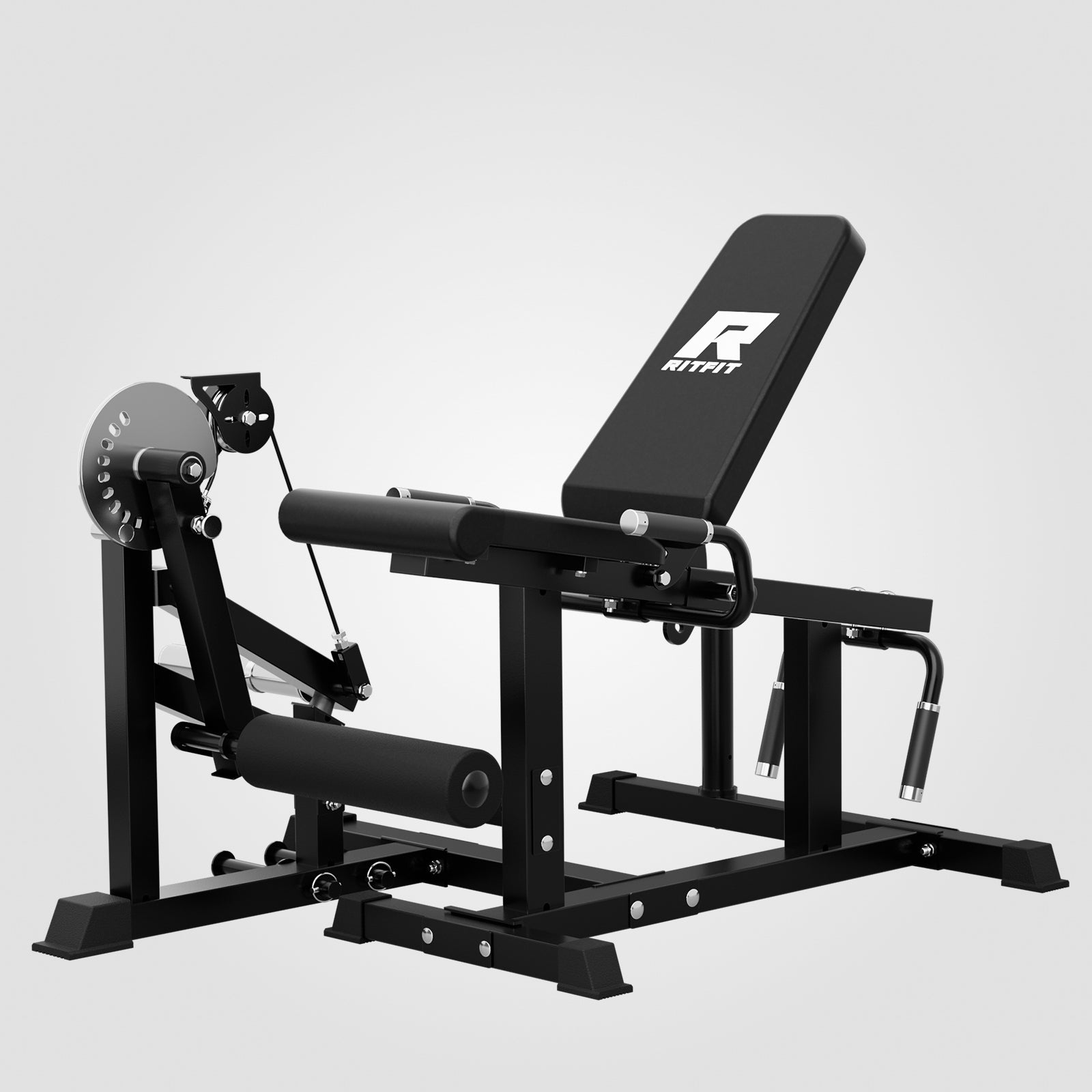
- For presses and hip thrusts: Add RitFit GATOR Adjustable Weight Bench to support bench presses, rows, step ups, and glute training.
- For more bench options: Compare adjustable weight benches for home gym training based on your space, exercise needs, and storage preferences.
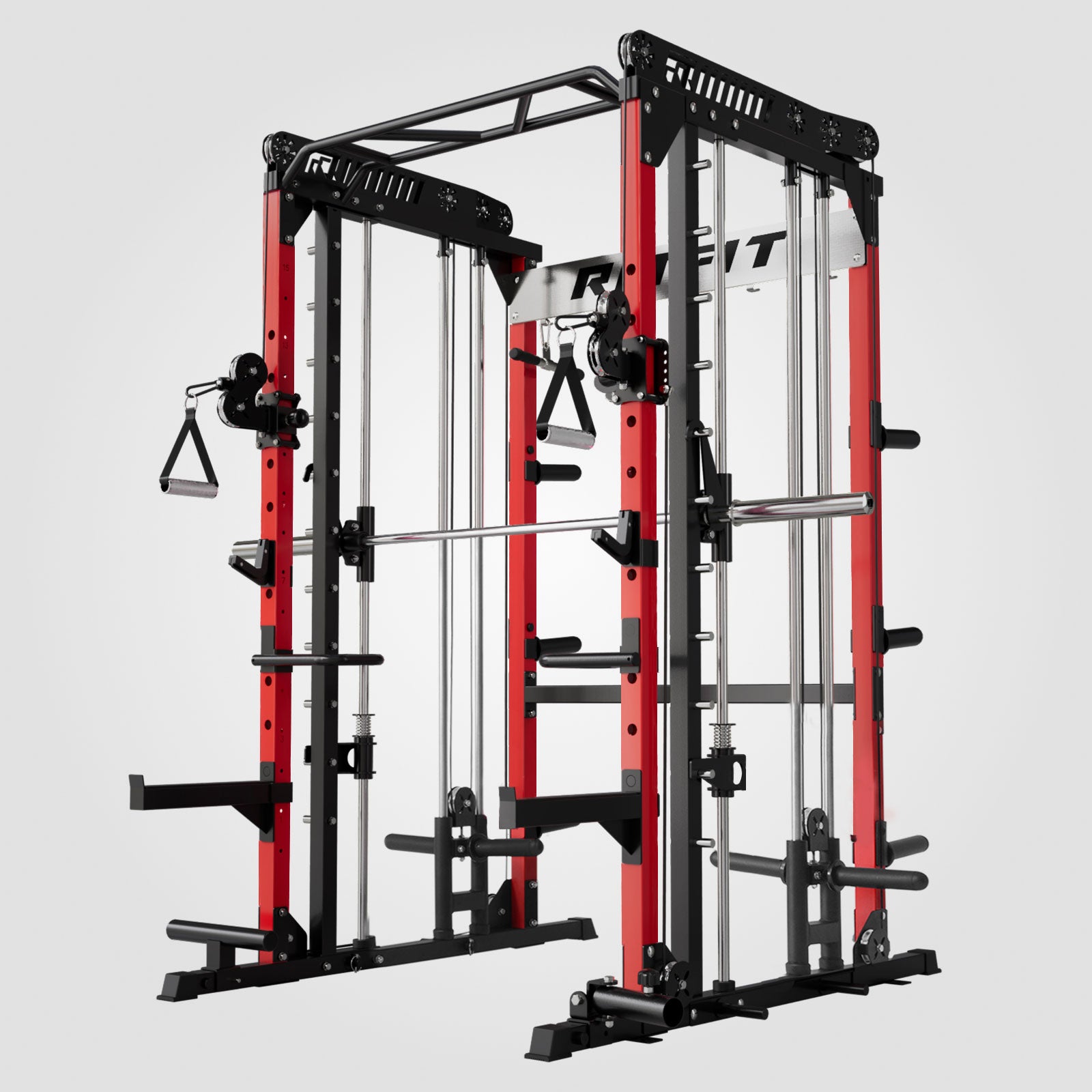
- For solo lifting: Explore Smith machines for home strength training if you want guided bar movement, cable training, and more exercise variety.
- For a complete setup: Consider RitFit M1 PRO Smith Machine package when you want a broader home gym system for long term progression.
- For bundled training stations: Review RitFit rack packages for home gyms if your goal is full body strength training with fewer separate purchases.
- For a personalized look: Visit the RitFit Pink Series home gym equipment collection if style and motivation matter in your training space.
Common Mistakes That Keep Women from Getting Lean
Most lean body plateaus happen because training, nutrition, and recovery are not aligned. Fixing the basics usually works better than adding a more complicated routine.
- Lifting too light: Weights should feel challenging near the end of each set. If every set feels easy, your muscles may not receive enough stimulus to adapt.
- Doing only cardio: Cardio burns energy, but it does not build the same muscle shape as resistance training. Use cardio as support, not the main strategy.
- Cutting calories too aggressively: Severe restriction can increase fatigue, hunger, and inconsistency. A moderate deficit is easier to maintain while training hard.
- Skipping upper body training: Back, shoulders, chest, and arms help create a balanced lean look. Strong upper body training also improves posture and exercise performance.
- Changing programs too often: Progress needs repeated practice and measurable overload. Keep a program for at least 8 to 12 weeks before judging results.
- Ignoring sleep: Sleep affects appetite, recovery, and weight management. Sleep deprivation has been linked with increased energy intake and challenges with weight loss maintenance.[4]
How to Track Lean Body Progress
The scale is only one progress tool, and it can miss body recomposition changes. Track strength, measurements, photos, energy, and consistency for a fuller picture.
- Strength: Record weights, reps, and sets for your main lifts.
- Measurements: Measure waist, hips, thighs, and arms every 2 to 4 weeks.
- Photos: Take photos in the same lighting, pose, and clothing once per month.
- Recovery: Track sleep quality, soreness, mood, and training motivation.
- Consistency: Count completed workouts and average daily steps instead of chasing perfection.
How Long Does It Take to Get a Lean Female Body?
Most women need several months of consistent training and nutrition to see major body composition changes. Small changes can appear sooner, but lasting results require repeatable habits.
- 2 to 4 weeks: Better energy, improved confidence, and stronger workout skill.
- 4 to 8 weeks: Clothes may fit differently and muscle tone may become more noticeable.
- 8 to 12 weeks: Strength, measurements, and photos often show clearer progress.
- 3 to 6 months: Body recomposition becomes more visible when training and nutrition are consistent.
- 6 to 12 months: Many women can build a stronger, leaner, and more sustainable physique.
Frequently Asked Questions
How can women get a lean female body without getting bulky?
Yes. Women can build a lean female body without getting bulky by strength training, eating enough protein, and managing body fat gradually. Bulky muscle gain usually requires years of high volume training, consistent calorie surplus, and genetics that strongly support muscle growth.
What is the best workout split for a lean female body?
The best workout split for a lean female body is usually 3 full body sessions or 4 upper lower sessions per week. Choose the version you can repeat consistently, then progress squats, hinges, presses, rows, glute work, and core exercises over time.
Can women get lean with dumbbells only?
Yes. Women can get lean with dumbbells only if the workouts are challenging and nutrition supports fat loss. Dumbbells can train squats, lunges, Romanian deadlifts, rows, presses, curls, carries, and core work, making them enough for many beginner and intermediate home programs.
Should women lift heavy to get a lean and toned body?
Yes. Women should lift weights that feel challenging for a lean and toned body. Heavy does not mean unsafe, it means the final reps require focus while form stays controlled, because easy weights usually do not create enough muscle building stimulus.
How much protein do women need to get lean?
Most active women need more protein than the basic minimum when trying to get lean. A practical target is to include a protein source at each meal, then adjust total intake based on body size, training volume, hunger, digestion, and advice from a qualified professional.
Is cardio or strength training better for a lean female body?
Strength training should be the foundation for a lean female body, while cardio should support fat loss and heart health. Lifting builds the muscle that creates shape, and cardio increases energy expenditure, so the best plan usually combines both in balanced amounts.
Can I build a lean female body at home?
Yes. You can build a lean female body at home with dumbbells, an adjustable bench, bands, cables, or a Smith machine. The key is not the location, it is progressive resistance, enough weekly training volume, protein intake, daily movement, and recovery.
Why am I not getting lean even though I work out?
You may not be getting lean because training, nutrition, or recovery is inconsistent. Common issues include lifting too light, eating more than expected, skipping protein, sleeping poorly, doing too much cardio, changing programs often, or not tracking progress long enough.
Conclusion: Build a Lean Body That Is Strong and Sustainable
A lean female body is built through strength training, smart nutrition, daily movement, and recovery repeated over time. Start with the basics, progress your lifts, eat enough protein, and choose equipment that helps you train consistently at home or in the gym.
You do not need perfection to get lean. You need a clear plan, patience, and habits that support the strongest version of your body.
Disclaimer: This article is for general educational purposes only and is not medical advice. If you are pregnant, recovering from injury, managing a medical condition, or new to resistance training, consult a qualified healthcare professional or certified trainer before starting a new workout or nutrition plan.
References
- Lopez P Taaffe DR Galvão DA Newton RU Nonemacher ER Wendt VM Bassanesi RN Turella DJP Rech A. Resistance training effectiveness on body composition and body weight outcomes in individuals with overweight and obesity across the lifespan: a systematic review and meta analysis. Obes Rev. 2022;23(5):e13428. doi:10.1111/obr.13428
- Jäger R Kerksick CM Campbell BI Cribb PJ Wells SD Skwiat TM Purpura M Ziegenfuss TN Ferrando AA Arent SM et al. International Society of Sports Nutrition Position Stand: protein and exercise. J Int Soc Sports Nutr. 2017;14:20. doi:10.1186/s12970-017-0177-8
- Khodadadi F Bagheri R Negaresh R Moradi S Nordvall M Camera DM Wong A Suzuki K. The effect of high intensity interval training type on body fat percentage, fat and fat free mass: a systematic review and meta analysis of randomized clinical trials. J Clin Med. 2023;12(6):2291. doi:10.3390/jcm12062291
- Papatriantafyllou E Efthymiou D Zoumbaneas E Popescu CA Vassilopoulou E. Sleep deprivation: effects on weight loss and weight loss maintenance. Nutrients. 2022;14(8):1549. doi:10.3390/nu14081549