A professional home gym starts with smart space planning, safe flooring, and equipment that matches your training goal. In 2026, the best setup is not the biggest one, it is the one you can train in consistently, safely, and confidently at home.
Key Takeaways
- Plan the space before buying equipment: Measure floor area, ceiling height, walking clearance, and plate loading room first.
- Build around your main goal: Muscle building, strength training, conditioning, and lower body development require different equipment priorities.
- Start with essentials: Flooring, dumbbells, an adjustable bench, a barbell, plates, and safe storage create the foundation.
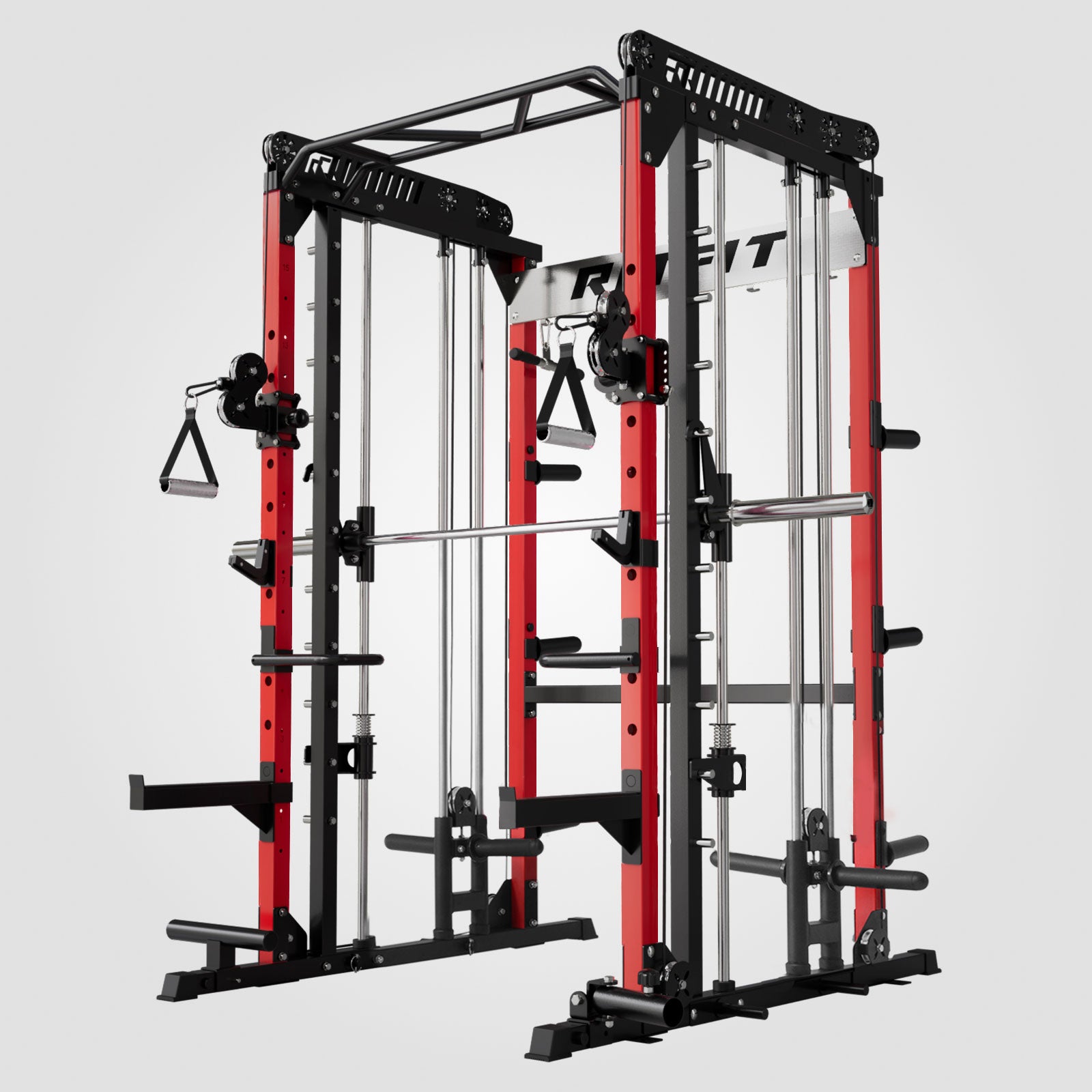
- Use all in one systems wisely: A Smith machine or rack with cables can save space while supporting many strength exercises.
- Choose quality over clutter: Fewer well matched pieces usually perform better than a crowded room full of random equipment.
Why Build a Home Gym in 2026?
Building a home gym in 2026 gives you more control over your training time, equipment access, privacy, and workout environment. It also helps remove common barriers such as commuting, crowded machines, limited gym hours, and inconsistent training routines.
- No waiting: Your bench, rack, dumbbells, and cable station are available whenever you train.
- Better consistency: A home setup makes short sessions, early workouts, and late training easier to maintain.
- Private training: You can practice form, progress gradually, and train without feeling rushed.
- Long term value: Durable equipment can remain useful for years when it fits your space and routine.
What Makes a Home Gym Professional?
A professional home gym is defined by safety, training coverage, layout efficiency, and equipment compatibility. It does not need every commercial machine, but it should support progressive overload, full body training, organized storage, and repeatable workouts.
- Safe lifting zone: Leave room around the rack, bench, bar path, and plate storage so you can move without obstruction.
- Stable flooring: Rubber flooring protects the floor, reduces noise, and creates a more reliable lifting surface.
- Core strength tools: A bench, dumbbells, barbell, plates, and rack or Smith machine cover most strength needs.
- Accessory coverage: Cable handles, pull down attachments, kettlebells, and bands help fill movement gaps.
- Clear organization: Plate trees, dumbbell racks, and wall storage keep the room safer and faster to use.
Step 1: Measure Your Home Gym Space
Measure your usable floor space before choosing any major machine. A compact setup can work in a small room, while a rack, Smith machine, or leg press needs extra clearance for loading plates and moving safely.
- Small room setup: Use an adjustable bench, compact dumbbells, resistance bands, and wall storage when floor space is limited.
- Garage gym setup: Choose a rack, Smith machine, barbell, plates, and storage if you have stronger flooring and more open space.
- Basement gym setup: Check ceiling height carefully before buying a tall rack, pull up station, or cable system.
- Apartment setup: Prioritize quiet flooring, dumbbells, a foldable or compact bench, and controlled movements that do not require dropping weights.
Step 2: Choose Flooring Before Equipment
Flooring should be one of the first purchases because it protects your home and improves training stability. Dense rubber mats are usually better than thin foam for heavy lifting, dumbbell work, and barbell training.
- Heavy lifting: Use dense rubber flooring under racks, benches, dumbbells, and plate storage.
- Noise control: Add rubber mats and avoid dropping weights in shared buildings or upper floors.
- Equipment protection: Rubber flooring helps reduce impact on plates, dumbbells, and machine feet.
- Cleaning: Choose surfaces that can be swept, wiped, and kept dry after intense sessions.
Step 3: Match Equipment to Your Training Goal
The best professional home gym setup depends on what you train most often. A muscle building setup needs progressive resistance, a strength setup needs safety and load capacity, and a conditioning setup needs fast transitions.
- Muscle building: Prioritize an adjustable bench, dumbbells, a barbell, plates, cable work, and controlled exercise selection.
- Strength training: Build around a rack or Smith machine, safety arms, a stable bench, and Olympic plates.
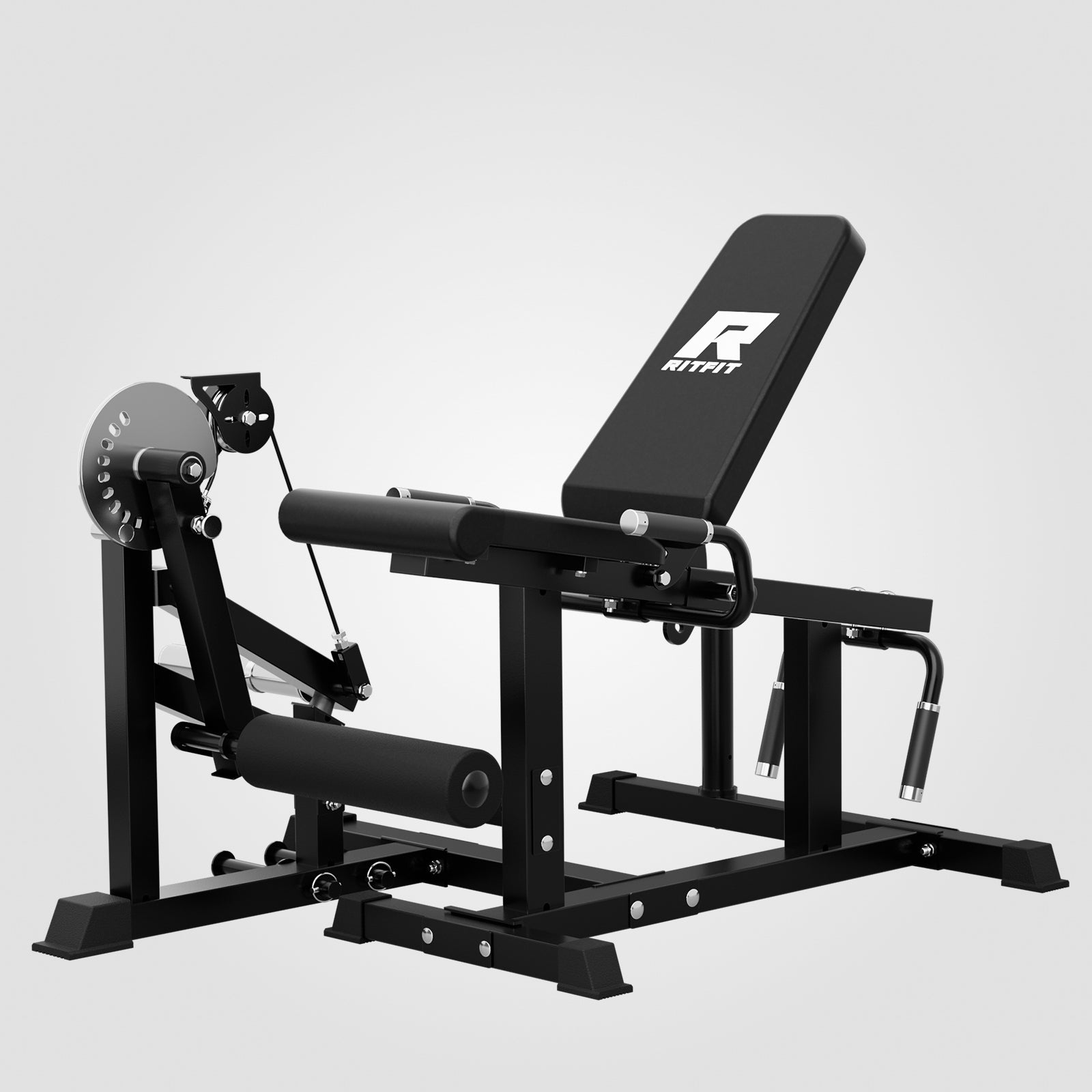
- Lower body growth: Add a leg press, hack squat, Smith machine squat option, or leg extension curl machine if space allows.
- Conditioning: Use kettlebells, battle ropes, plyo boxes, an exercise bike, or a rower for higher intensity work.
- Beginner training: Start with dumbbells, a bench, bands, and guided machines before expanding into heavier barbell work.
Equipment by Budget Level
Your budget should decide the order of equipment, not the quality of training. Start with pieces that support the most exercises, then expand only when your space, routine, and goals justify the upgrade.
Starter Setup: $200 to $500
A starter home gym should focus on versatile equipment that stores easily and supports full body workouts. Adjustable dumbbells, resistance bands, a pull up bar, and a quality exercise mat are usually enough to begin training consistently.
Intermediate Setup: $500 to $1,500
An intermediate setup should add a stable adjustable bench, heavier dumbbells, rubber flooring, and a barbell with plates. This level works well for lifters who want more structured strength training without filling the entire room.
Professional Setup: $2,000 to $5,000 Plus
A professional setup should include a rack or Smith machine, Olympic barbell, plates, adjustable bench, dumbbells, storage, and optional cable or leg training equipment. This level is best for serious lifters who want repeatable progressive overload at home.
Essential Strength Training Equipment
Strength equipment should cover pushing, pulling, squatting, hinging, lunging, and loaded carries. Research suggests that both machines and free weights can support resistance training adaptations when used with appropriate programming and consistency.[1]
- Smith machine or rack: Explore the RitFit Smith machine collection if you want a guided bar path, cable options, and home strength training versatility.
- Adjustable bench: A bench expands pressing, rowing, step up, split squat, and dumbbell training options. The RitFit GATOR adjustable weight bench is a strong fit for lifters who need multiple bench angles.
- Dumbbells: Dumbbells are essential for unilateral work, accessory training, and beginner friendly strength sessions. The RitFit hex rubber dumbbells work well for presses, rows, lunges, curls, and shoulder training.
- Barbell and plates: A barbell with plates supports squats, deadlifts, presses, rows, and progressive overload. Browse the RitFit barbells and weight plates collection if you are building a free weight zone.
How to Choose Between Free Weights, Machines, and Cables
The best home gym usually combines free weights, guided machines, and cable accessories. Training load research shows that strength and hypertrophy can be improved across different loading approaches, so equipment choice should also consider safety, comfort, space, and consistency.[2]
- Free weights: Choose dumbbells and barbells for versatile compound lifts, unilateral work, and natural movement control.
- Smith machines: Choose a Smith machine when you want a guided bar path, solo lifting confidence, and space efficient exercise variety.
- Cable systems: Choose cables for rows, pulldowns, face pulls, curls, triceps work, and smoother accessory training.
- Leg machines: Choose lower body machines when leg growth, controlled range of motion, or joint friendly training is a priority.
Recommended RitFit Setups by Home Gym Type
RitFit equipment should be matched by space type, training goal, and upgrade path. This keeps the home gym practical instead of turning it into a crowded storage room.
- Compact strength setup: Start with dumbbells, a bench from the RitFit benches collection, rubber flooring, and wall or corner storage.
- All in one strength setup: Build around a Smith machine package if you want barbell work, guided movement, and cable training in one area.
- Garage gym setup: Combine a rack or Smith machine with plates, dumbbells, storage, and enough clearance for loading and walking.
- Lower body focused setup: Add the RitFit GAZELLE PRO leg press and hack squat machine if lower body strength and machine based leg training are priorities.
- Full equipment upgrade path: Explore the RitFit strength machines collection when you want to expand beyond the basics.
Cardio and Conditioning Options
Cardio equipment should match your space, joints, and workout style. You do not need every machine, but one reliable conditioning option can improve consistency and round out a strength focused gym.
- Exercise bike: A bike is compact, lower impact, and useful for warmups or longer steady sessions.
- Rowing machine: A rower provides full body conditioning but needs more floor length when in use.
- Treadmill: A treadmill works well for walking and running but usually requires the largest footprint.
- Plyo box and kettlebells: These tools support conditioning circuits without requiring a large cardio machine.
Organization and Storage
A professional home gym should be easy to reset after every session. Good storage protects equipment, reduces tripping hazards, and makes workouts faster to start.
- Plate storage: Keep plates close to the rack or Smith machine so loading is efficient and safe.
- Dumbbell storage: Use a dumbbell rack to keep pairs visible and off the floor.
- Barbell storage: Store bars vertically or horizontally in a stable holder away from walkways.
- Accessory storage: Use hooks, bins, or pegboards for bands, handles, collars, straps, and small attachments.
Safety Checklist Before Installation
Safety should guide every home gym decision because heavy equipment, poor flooring, and tight clearance can increase training risk. Reviews of fitness center injuries emphasize the importance of appropriate exercise selection, instruction, and practical precautions.[3]
- Check ceiling height: Confirm that pull ups, overhead presses, cable movement, and tall machines fit your room.
- Check floor condition: Heavy equipment should sit on a stable surface that can handle repeated loading.
- Check walking clearance: Leave clear pathways around the rack, bench, plates, and storage areas.
- Check assembly instructions: Follow the product manual carefully and tighten hardware as instructed.
- Check training progression: Increase load gradually and use safety arms, collars, or spotter support when needed.
Common Home Gym Setup Mistakes
Most home gym mistakes happen before the first workout because users buy equipment before planning the room. Avoiding these issues can save money, improve safety, and make the gym easier to use.
- Buying too much too soon: Start with high use essentials before adding specialty machines.
- Ignoring ceiling height: Tall racks, pull up bars, and cable stations can become unusable in low rooms.
- Skipping flooring: Thin flooring can make heavy lifting louder, less stable, and harder on the floor.
- Poor storage planning: Plates, dumbbells, and bars left on the floor create clutter and safety issues.
- No training plan: Equipment only works when paired with a repeatable program and clear progression.
Smart Buying Tips for 2026
Buy equipment based on training value, not trend value. A strong home gym should support years of repeatable workouts, not just one exciting purchase.
- Prioritize compatibility: Choose benches, plates, attachments, and machines that work together in one layout.
- Choose upgrade paths: Start with a core setup that can grow with cable attachments, storage, and specialty machines.
- Look for bundles: Bundles can simplify equipment matching when the included pieces fit your goal.
- Use training content: Pair equipment purchases with exercise guides such as Smith machine workouts for full body training.
How to Progress After Your Home Gym Is Built
Progress comes from consistent training, planned overload, recovery, and exercise selection. Evidence based resistance training prescriptions show that many variables can improve strength and hypertrophy when the program is structured and performed consistently.[4]
- Track core lifts: Record weights, reps, sets, and how each session feels.
- Add load gradually: Increase resistance only when form and control remain solid.
- Rotate accessories: Use cables, dumbbells, machines, and bands to train weak points without overloading one pattern.
- Keep the room usable: Remove unused clutter and keep your main stations ready for training.
FAQs
How much space do you need for a professional home gym?
Most professional home gyms need enough space for safe lifting, storage, and walking clearance. A compact setup can start with a bench and dumbbells, while a rack or Smith machine area should leave room for bar movement, plate loading, and emergency exits.
What equipment should a professional home gym include first?
Start with equipment that supports your main training goal. Most lifters should prioritize flooring, an adjustable bench, dumbbells, a barbell and plates, and then add a rack, Smith machine, cable station, or leg machine when space and budget allow.
Can a Smith machine replace a full commercial gym?
No. A Smith machine cannot replace every commercial gym station, but it can cover many home strength needs. With the right bench, plates, and cable accessories, it can support squats, presses, rows, pulldowns, hip thrusts, and accessory work in one compact zone.
Is a home gym worth it in 2026?
Yes. A home gym can be worth it when you train consistently and choose equipment that matches your space. The value comes from convenience, privacy, long term equipment use, and fewer missed workouts, not from buying the most expensive machines first.
Which RitFit setup is best for a garage gym?
The best RitFit garage gym setup depends on your lifting style and available clearance. Many users can build around a Smith machine collection, adjustable bench, dumbbells, weight plates, and storage, then add leg press or cable accessories for more complete training.
Should beginners build a professional home gym?
Yes. Beginners can build a professional home gym when they start simple and expand carefully. The safest path is to choose stable flooring, easy to adjust weights, clear storage, and equipment with safety features before moving into heavier barbell or machine training.
Conclusion
A professional home gym in 2026 should be safe, efficient, goal driven, and easy to use consistently. Start with space, flooring, and essential strength equipment, then expand with RitFit machines, benches, dumbbells, plates, and storage that support your long term training plan.
Disclaimer: This guide is for general fitness and equipment planning only. Always review product manuals, measure your space, confirm floor and ceiling suitability, and consult a qualified professional if you have medical conditions, injury history, installation concerns, or uncertainty about safe training technique.
References
- Aerenhouts D, D’Hondt E. Using machines or free weights for resistance training in novice males? A randomized parallel trial. Int J Environ Res Public Health. 2020;17(21):7848. doi:10.3390/ijerph17217848
- Lopez P, Radaelli R, Taaffe DR, et al. Resistance training load effects on muscle hypertrophy and strength gain: systematic review and network meta analysis. Med Sci Sports Exerc. 2021;53(6):1206-1216. doi:10.1249/MSS.0000000000002585
- Bonilla DA, Cardozo LA, Vélez-Gutiérrez JM, et al. Exercise selection and common injuries in fitness centers: a systematic integrative review and practical recommendations. Int J Environ Res Public Health. 2022;19(19):12710. doi:10.3390/ijerph191912710
- Currier BS, McLeod JC, Banfield L, et al. Resistance training prescription for muscle strength and hypertrophy in healthy adults: a systematic review and Bayesian network meta analysis. Br J Sports Med. 2023;57(18):1211-1220. doi:10.1136/bjsports-2023-106807