Table of Contents
- What Is a Barbell Hip Thrust?
- Warm Up and Safety Tips Before Barbell Hip Thrusts
- How to Do a Barbell Hip Thrust the Right Way
- Barbell Hip Thrust Common Mistakes
- Muscles Worked in the Barbell Hip Thrust
- Barbell Hip Thrust Sets and Reps
- Benefits of Barbell Hip Thrusts
- How to Progress Your Barbell Hip Thrust Training
- Sample Glute Focused Workout with Hip Thrusts
- Barbell Hip Thrust Alternatives
How to Do a Barbell Hip Thrust Correctly for Stronger Glutes
Barbell hip thrusts are one of the most effective exercises for building stronger glutes when your setup, lockout, and tempo are correct. This guide explains proper form, common mistakes, muscles worked, programming, and practical setup tips so you can train the movement with more confidence.
Key Takeaways
- Barbell hip thrusts train the glutes hardest when you drive through your heels and finish with a controlled lockout.
- A stable bench, a padded barbell, and correct foot placement make the exercise safer and more effective.
- Most form problems come from over arching the lower back, poor bar placement, or unstable knee tracking.
- Hip thrusts fit well into strength, hypertrophy, and glute focused lower body programs.
- Dumbbell hip thrusts, glute bridges, and Smith machine hip thrusts are useful alternatives when your setup or equipment changes.
What Is a Barbell Hip Thrust?

A barbell hip thrust is a loaded hip extension exercise where your upper back rests on a bench and a barbell sits across your hips as you drive into a bridge. Systematic reviews of resistance training confirm that the barbell hip thrust is a premier movement for maximizing posterior chain hypertrophy, particularly because it applies peak resistance when the hips are fully extended (Neto et al., 2019). For a solid home setup, use a stable adjustable weight bench and an Olympic barbell and plates, plus a pad or folded mat for comfort.
Warm Up and Safety Tips Before Barbell Hip Thrusts
A short warm up makes hip thrusts feel smoother and helps you find your glutes before the bar gets heavy. Spend 5 to 10 minutes preparing your hips, hamstrings, core, and upper back before your working sets.
- Light cardio: Start with walking, cycling, or marching in place for a few minutes to raise your temperature and get blood moving. This makes your first few sets feel less stiff.
- Activation work: Do bodyweight glute bridges or light hip hinges before loading the bar. These drills can help you feel the right muscles sooner.
- Bar padding: Place a bar pad, folded mat, or thick foam over the bar where it touches your hips. Good padding improves comfort and helps you stay focused on the movement.
- Bench stability: Make sure the bench does not slide, wobble, or sit too high. A stable setup matters more than adding weight too soon.
- Pain check: The lift should challenge your muscles, not create sharp joint pain. If your hips, knees, or lower back feel pinched or unstable, stop and reassess your setup.
How to Do a Barbell Hip Thrust the Right Way
Good hip thrust form starts with the right setup and ends with a controlled lockout, not the highest possible hip position. Follow these five steps to keep the tension on your glutes and reduce sloppy reps.
Step 1: Set Up the Bench and Bar
Place a flat or low adjustable bench behind you and sit on the floor with your shoulder blades close to the bench edge. Roll the barbell into position so it sits just in front of your hips before you lean back.
Step 2: Position Your Upper Back and the Barbell
Lean back until the bench edge rests under your shoulder blades, then place the bar in the crease of your hips. Center the bar and use padding so the load feels stable instead of painful.
Step 3: Set Your Feet and Brace
Plant your feet about hip width apart and aim for nearly vertical shins at the top of the rep. Take a breath, brace your core, and keep your ribs down before you lift.
Step 4: Drive Up and Squeeze
Push through your heels and lift your hips until your body forms a straight line from shoulders to knees. Squeeze your glutes at the top without turning the rep into a lower back arch.
Step 5: Lower With Control
Lower your hips slowly until your glutes come close to the floor while keeping tension in the movement. Reset your breath and repeat with the same bench position and foot placement.
Helpful Coaching Cues
Simple cues can clean up your form fast when a set starts to drift. Use the same few cues every session so your setup becomes more repeatable.
- Drive through the heels: Think about pushing the floor away instead of throwing your chest up.
- Ribs down: Keep your torso stacked so the glutes finish the rep, not your lower back.
- Squeeze at the top: Pause briefly at lockout to make the glutes do the work.
Barbell Hip Thrust Common Mistakes
Most hip thrust mistakes come from poor setup, not a lack of effort. Fixing these small details can improve both comfort and glute tension.
- Over arching the lower back: This usually happens when you chase extra height instead of a clean lockout. Keep your ribs down and finish by squeezing the glutes, not by bending harder through the spine.
- Using the lower back to move the bar: If your lower back feels more tension than your glutes, the load or setup is probably off. Reduce the weight, reset your feet, and focus on heel drive and a controlled tempo.
- Bar placement that is too high: A bar that drifts toward the stomach feels awkward and can limit your range of motion. Keep it across the hip crease and use your hands to steady it, not to force it downward.
- Sliding or collapsing on the bench: Rounded shoulders and a loose upper back make the setup unstable. Pull the shoulder blades gently back into the bench to create a firmer base.
- Knees flaring or collapsing: Knee position should stay in line with the middle of the foot. Extreme movement inward or outward usually means you are losing balance or tension.
Muscles Worked in the Barbell Hip Thrust
The barbell hip thrust mainly trains the posterior chain, especially the muscles that extend the hips. It is best known as a glute exercise, but several other lower body and trunk muscles also support the movement.
Glutes, Especially the Gluteus Maximus

The glutes are the primary drivers of the barbell hip thrust because the lift is built around hip extension. The exercise loads them hard near the top, which is why many lifters use it to build glute size and strength.
Hamstrings

The hamstrings assist the glutes by helping extend the hips and stabilize the lower body during each rep. You will usually feel them more when the tempo is controlled and your feet are set correctly.
Quadriceps

The quadriceps are not the main target, but they help stabilize the knees and control your leg position. If your feet sit too close to your body, you may notice more quad involvement than usual.
Erector Spinae

The erector spinae help you hold posture and keep the torso organized against the bench. They should support the lift isometrically, not take over the movement.
Barbell Hip Thrust Sets and Reps

Your best sets and reps depend on whether you want more strength, more muscle, or a lighter glute finisher. Most lifters get solid results by training hip thrusts once or twice per week with steady progression.
- For strength: Use 3 to 5 sets of 5 to 8 reps with a heavy but controlled load. Rest about 2 to 3 minutes between sets.
- For hypertrophy: Use 3 to 4 sets of 8 to 12 reps and stop with 1 to 2 reps left in reserve. This range works well for most glute focused programs.
- For a high rep finisher: Use 2 to 3 sets of 15 to 20 reps with lighter weight and a strong pause at the top. This is useful when you want extra glute volume without another heavy lift.
- For beginners: Start lighter than you think you need and let technique lead the progression. A clean set with tension is more useful than a sloppy set with extra plates.
Benefits of Barbell Hip Thrusts
The barbell hip thrust is popular because it targets the glutes directly and fits many lower body training goals. It also works well in home gyms because the setup is simple once your equipment is stable.
- More glute strength: Hip thrusts train the muscles that drive powerful hip extension. Stronger glutes can support squatting, sprinting, jumping, and many everyday movement patterns.
- More glute size: The exercise keeps tension where many lifters want it most, especially near lockout. That makes it a strong choice for hypertrophy focused lower body training.
- Useful posterior chain work: The hamstrings and trunk also contribute to the lift. This gives you more than a single muscle isolation effect.
- Home gym friendly: With a bench and barbell, you can build a reliable setup in a relatively small training area. This makes hip thrusts practical for lifters who train at home instead of in a commercial gym.
- Easy to progress: You can add a little load, a few reps, or a pause at the top without changing the movement itself. That makes long term progression straightforward.
How to Progress Your Barbell Hip Thrust Training
Progression works best when you earn heavier loads with repeatable form. Build from simpler versions first if you are still learning how to feel your glutes.
- Start with glute bridges: Use bodyweight glute bridges on the floor until you can control 2 to 3 clean sets of 15 to 20 reps.
- Move to dumbbell hip thrusts: Use a light dumbbell or plate across the hips and focus on setup, pause, and tempo.
- Progress to barbell hip thrusts: Begin with an empty bar and padding, then add weight gradually as your form stays stable.
Simple 6 Week Progression
A short progression block makes the movement easier to measure and easier to improve. Keep the load only as heavy as your lockout and tempo allow.
- Weeks 1 and 2: 3 sets of 10 reps with a light, comfortable load.
- Weeks 3 and 4: 4 sets of 8 to 10 reps with a moderate load.
- Weeks 5 and 6: 4 sets of 8 reps with a heavier but still controlled load.
- Progression rule: Add 5 to 10 pounds or 1 to 2 reps when you can keep the same setup and clean lockout across all sets.
Sample Glute Focused Workout with Hip Thrusts
This lower body session uses hip thrusts as the main glute builder, then adds unilateral work and hinge work for balance. It fits well in a home gym with basic strength equipment.
- Barbell Hip Thrust: 4 sets of 8 to 10 reps
- Bulgarian Split Squat: 3 sets of 8 to 10 reps per leg
- Romanian Deadlift: 3 sets of 8 to 10 reps
- Side Lying or Standing Hip Abductions: 2 to 3 sets of 15 to 20 reps per side
Run this workout 1 to 2 times per week and leave at least one easier day between hard lower body sessions. Recovery matters as much as the load if you want consistent progress.
Barbell Hip Thrust Alternatives
Hip thrust alternatives are useful when your equipment changes, your space is limited, or you want a simpler progression step. The best substitute is the one that lets you keep strong hip extension mechanics and clear glute tension.
Dumbbell Hip Thrusts
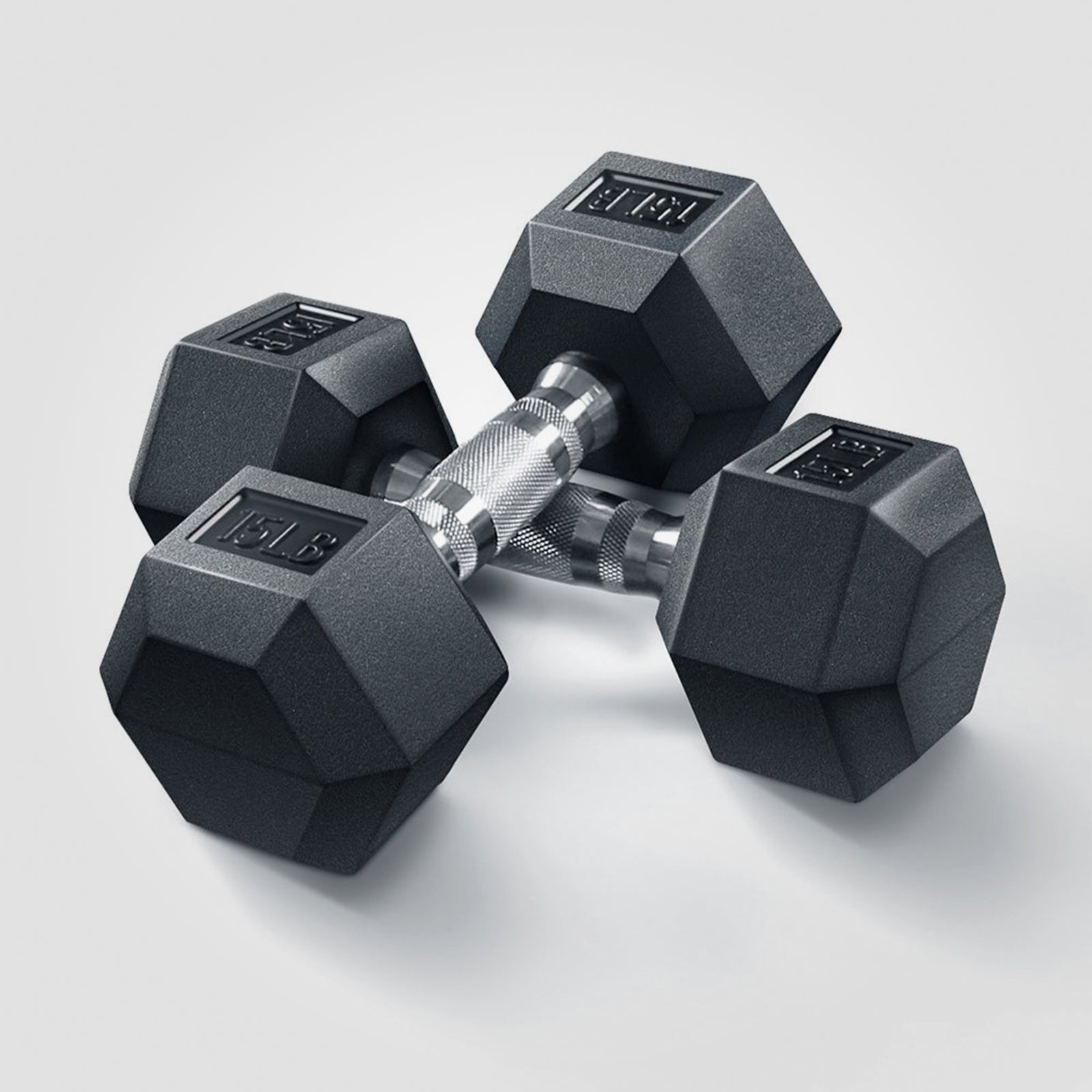
Dumbbell hip thrusts use the same basic setup with a dumbbell or plate across the hips instead of a barbell. They are often easier for beginners, lighter home gym setups, and higher rep glute work.
Glute Bridges
Glute bridges are performed on the floor, so they require less setup and less equipment than hip thrusts. They are a great entry point for beginners, warm ups, and lifters rebuilding the movement pattern.
Smith Machine Hip Thrusts
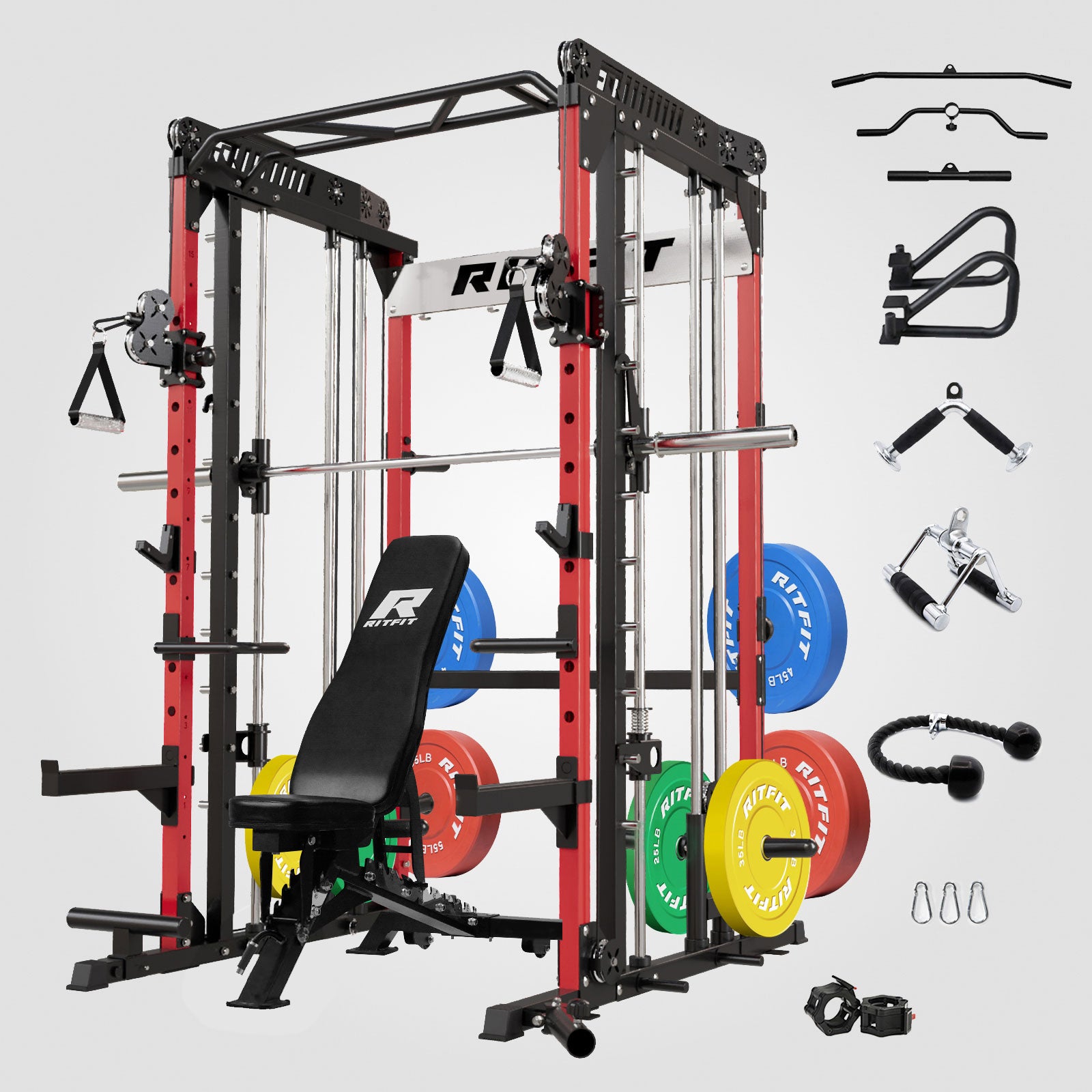
Smith machine hip thrusts provide a fixed bar path and can feel more stable for some lifters. If you want that option in a home setup, explore the RitFit Smith machine collection for related equipment.
Conclusion
The barbell hip thrust is one of the best glute focused lifts when your setup is stable, your lockout is controlled, and your progression is patient. Learn the movement well, fix the common mistakes early, and use the right bench, barbell, or alternative so the exercise keeps delivering results over time.
References
- Neto WK, Vieira TL, Gama EF. Barbell Hip Thrust, Muscular Activation and Performance: A Systematic Review. J Sports Sci Med. 2019;18(2):198-206. Published 2019 Jun 1.
Barbell Hip Thrust FAQs
Can you do a barbell hip thrust correctly for stronger glutes at home?
Yes. You can build stronger glutes using 1 stable bench and 1 Olympic barbell with plates. You must drive through your heels and finish with a controlled lockout. Good form requires squeezing your glutes at the top without over arching your lower back.
What equipment do I need for a barbell hip thrust?
You need 1 stable adjustable bench and 1 Olympic barbell with plates. You must also use 1 thick foam pad or folded mat across your hips for comfort. This basic setup allows you to train your posterior chain safely in your home gym.
Is it normal to feel barbell hip thrusts in the lower back?
No. Your glutes should do most of the work to extend your hips. If your lower back feels painful or highly tense, your setup or load is incorrect. You must reduce the weight and keep your ribs down to avoid arching your spine.
How many sets and reps should I do for barbell hip thrusts?
You should do 3 to 4 sets of 8 to 12 reps for muscle hypertrophy. If your goal is raw strength, use 3 to 5 sets of 5 to 8 reps with heavier loads. You should rest 2 to 3 minutes between heavy sets.
Are dumbbell hip thrusts good alternatives to barbell hip thrusts?
Yes. They are excellent alternatives for beginners or lifters with limited home gym equipment. You perform the exact same movement using 1 dumbbell or weight plate across your hips. They work perfectly for lighter glute training and learning the proper hip extension pattern.
Disclaimer: This article is for general educational purposes only. Stop if you feel sharp pain, numbness, or pinching, and speak with a qualified medical or rehab professional if you have a history of hip, knee, or lower back issues.