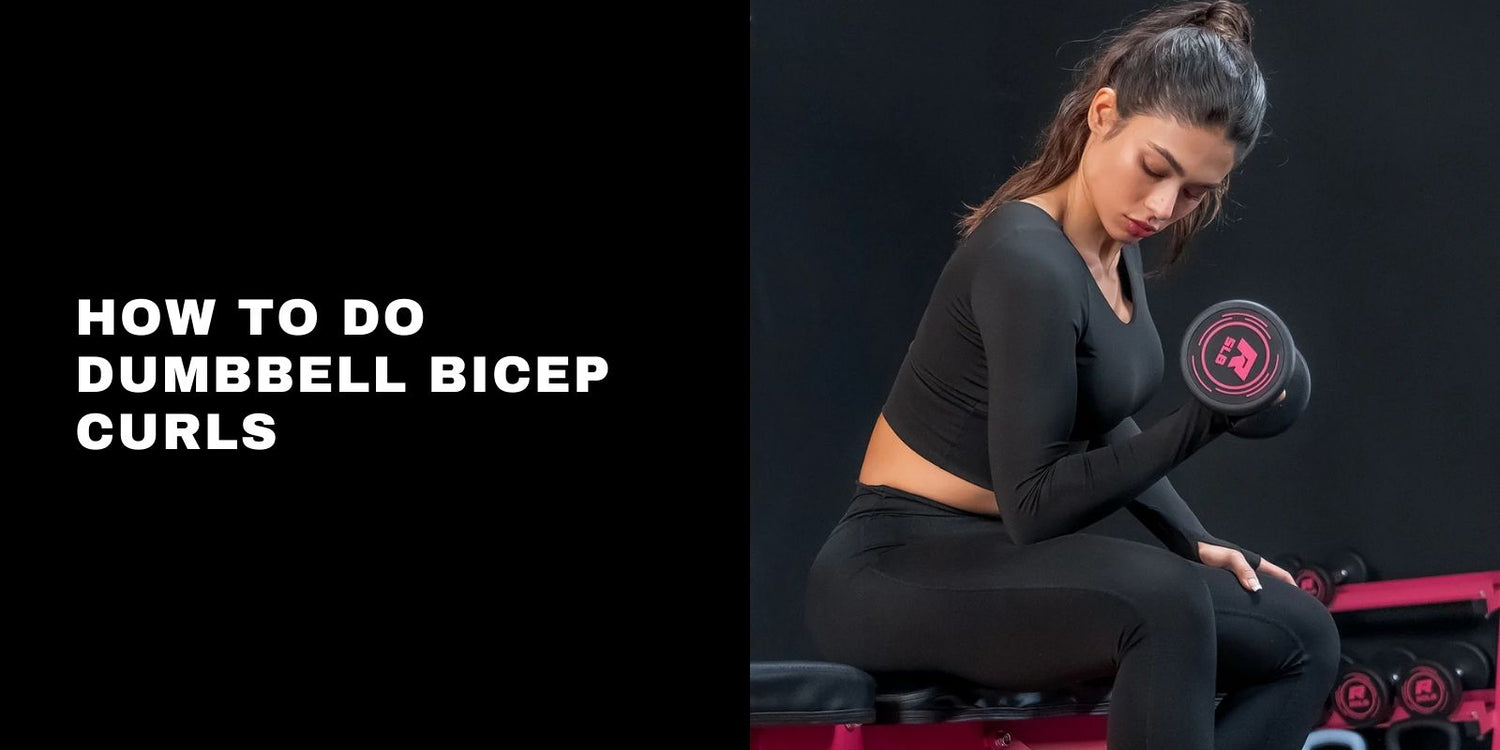
The dumbbell bicep curl is one of the most recognizable exercises in fitness. While often associated with building aesthetic arm muscles, this movement is crucial for functional upper-body pulling strength used in complex lifting tasks.
Whether you are a beginner setting up a home gym or an experienced lifter refining your technique, mastering the dumbbell curl ensures you get the most out of your training while minimizing the risk of joint strain.
Key Takeaways
- The dumbbell bicep curl primarily trains the biceps brachii and also hits the brachialis and brachioradialis.
- Keep elbows pinned close to your sides to keep tension on the biceps.
- Control the lowering phase to increase muscle activation and reduce joint stress.
- Choose a weight that lets you hit 8 to 12 reps without swinging.
- Use variations like hammer curls and incline curls to target the arms differently.
- If you feel sharp pain in the elbow shoulder or wrist, stop and adjust immediately.
Muscles Worked
Understanding which muscles are active helps you focus your mind-muscle connection during the lift.
- Primary Muscle: Biceps Brachii (both the short head and long head). This is the main muscle responsible for flexing the elbow.
- Secondary Muscles: Brachialis (located underneath the biceps) and Brachioradialis (forearm).
- Stabilizers: Forearm flexors and grip muscles work to hold the dumbbell securely, while the anterior deltoids and core stabilize the torso.
Equipment and Setup
To perform this exercise effectively, you need minimal equipment:
- Equipment: A pair of dumbbells (fixed weight or adjustable).
- Choosing the Right Weight: Select a weight that allows you to perform 8 to 12 repetitions with perfect form. The last 2 or 3 reps should feel challenging but manageable without swinging your body.
- Environment: Ensure you have enough floor space to stand comfortably. Standing in front of a mirror can be helpful for self-correcting form.
Step-by-Step Technique (Standing Dumbbell Bicep Curl)
- Step 1:Stand tall with feet about shoulder width and brace your core. Hold one dumbbell in each hand at your sides with palms facing your thighs.
- Step 2:Set your shoulders down and back and keep your elbows pinned close to your ribs. Keep your wrists straight and your torso quiet.
- Step 3:Curl the dumbbells up in a smooth motion while rotating your palms to face up (supination), which maximizes bicep recruitment[1]. Exhale as you lift and avoid letting your elbows drift forward.
- Step 4:Stop when the dumbbells reach near shoulder height and squeeze your biceps for one second. Keep your shoulders relaxed and do not shrug.
- Step 5:Lower the dumbbells slowly back to the start while inhaling, maintaining control over the eccentric phase to protect the connective tissues[2]. Return your palms to the neutral position and fully straighten your arms without hard lockout.
Common Mistakes and How to Fix Them
Even experienced lifters can fall into bad habits. Watch out for these errors:
-
Using Momentum (Swinging): Rocking the hips or heaving the torso allows you to lift heavier weights but removes tension from the biceps.
Fix: Reduce the weight, tighten your core, and keep your torso rigid. -
Elbow Drift: Letting elbows move forward during the curl shifts work to the front deltoids.
Fix: Keep your elbows glued to your sides throughout the rep. -
Shrugging Shoulders: Tensing the upper traps during the lift can cause neck strain.
Fix: Focus on keeping your shoulder blades pulled down and back. -
Incomplete Range of Motion: Stopping halfway down prevents full muscle lengthening.
Fix: Lower the weight until your arm is fully straight before starting the next rep. -
Wrist Flexion: Curling the wrist inward at the top shortens the lever arm and stresses the joint.
Fix: Keep wrists neutral and firm, as if punching the ceiling with your knuckles.
Breathing and Tempo
- Breathing: Exhale powerfully during the lifting phase (concentric). Inhale deeply during the lowering phase (eccentric).
- Tempo: Aim for a 1-0-2 tempo. Take 1 second to lift, pause briefly at the top squeeze, and take 2 full seconds to lower the weight, as the eccentric portion is a major driver of hypertrophy[3].
Variations of Dumbbell Bicep Curls
Once you master the standard curl, try these variations to target the arms differently:
- Seated Dumbbell Bicep Curls: Sitting down removes the ability to use leg drive or hip swing, forcing stricter form.
- Alternating Curls: Lifting one arm at a time allows you to focus all your energy on a single side, often permitting slightly heavier weights.
- Hammer Curls: Keep palms facing each other throughout the lift. This targets the brachialis and brachioradialis, adding thickness to the arm.
- Incline Dumbbell Curls: performed while lying back on an incline bench. This stretches the long head of the bicep for greater growth potential.
- Concentration Curls: performed seated with the elbow braced against the inner thigh to isolate the bicep peak.
Programming: Sets, Reps, and Frequency
- For Beginners: Perform 2–3 sets of 8–12 repetitions, 2 to 3 times per week.
- For Muscle Growth (Hypertrophy): Aim for 3–4 sets of 8–15 repetitions. Focus on feeling the muscle work rather than moving heavy weight.
- Rest Intervals: Rest 60–90 seconds between sets to allow recovery without cooling down completely.
- Placement in Workout: Bicep curls are isolation exercises. Place them at the end of a pull workout or upper-body session, after larger compound movements like rows or pull-ups.
Safety Tips and Modifications
- Warm-Up: Never start cold. Perform 5–10 minutes of light cardio or dynamic arm circles before lifting.
- Pain vs. Discomfort: Muscle burning is normal; sharp pain in the elbow or shoulder is not. If you feel sharp pain, stop immediately and check your form.
- Joint Issues: If you have a history of elbow tendonitis, consider using lighter weights with slower tempos or switching to hammer curls, which are often easier on the wrists and elbows.
- Progression: Use "Progressive Overload." When 12 reps feel easy, slightly increase the weight or slow down your tempo.
How to Track Progress
Tracking ensures you are actually moving forward rather than guessing.
- Logbook: Record the weight used, sets, and reps for every session.
- Form Check: Periodically video yourself from the side to check for swinging or elbow drift.
- Measurements: If your goal is size, measure your arm circumference (flexed) every 4–6 weeks using a tape measure.
Frequently Asked Questions
How often should I do dumbbell bicep curls for muscle growth
Most lifters get the best dumbbell bicep curl results by training biceps 2 to 3 times per week with at least one rest day between sessions. Keep volume moderate and add weight or reps gradually.
What weight should I use for dumbbell bicep curls as a beginner
Choose a dumbbell bicep curl weight you can lift for 8 to 12 reps with strict form and no swinging. The last 2 reps should feel hard but you should still be able to keep elbows pinned and wrists neutral.
How do I stop swinging during dumbbell bicep curls
To stop swinging in dumbbell bicep curls, lower the weight and brace your core so your torso stays quiet. You can also do seated dumbbell bicep curls or stand close to a wall to keep the movement strict.
Are hammer curls better than dumbbell bicep curls for elbow pain
Hammer curls can feel easier than dumbbell bicep curls for some people with elbow or wrist irritation because the neutral grip reduces stress. Use lighter weight, slow the lowering phase, and stay in a pain free range.
Should I do dumbbell bicep curls on back day or arm day
Doing dumbbell bicep curls on back day works well because rows and pull ups already warm up the biceps. If you have a separate arm day, place dumbbell bicep curls after heavier compound pulling movements.
Conclusion
The dumbbell bicep curl is simple in concept but requires discipline to execute perfectly. By prioritizing strict form, controlling the negative phase of the lift, and avoiding momentum, you will build stronger, more defined arms safely. Start with a weight you can control, stay consistent with your programming, and incorporate variations to keep your training effective and engaging.
References
- Lusk SJ, Hale BD, Russell DM. Grip width and forearm orientation effects on muscle activity during the lat pull-down. J Strength Cond Res. 2010;24(7):1895-1900. doi:10.1519/JSC.0b013e3181ddb0ab
- Arı U, Ulupınar S, Özbay S. Effects of resistance training with and without post-exercise aerobic activity on strength and body composition according to individual goals. BMC Sports Sci Med Rehabil. 2025;17(1):311. Published 2025 Oct 28. doi:10.1186/s13102-025-01256-6
- Wilk M, Zajac A, Tufano JJ. The Influence of Movement Tempo During Resistance Training on Muscular Strength and Hypertrophy Responses: A Review. Sports Med. 2021;51(8):1629-1650. doi:10.1007/s40279-021-01465-2