Table of Contents
- What Is a Push Press?
- Who Should and Should Not Do the Push Press
- Push Press Form and Technique
- Push Press Common Mistakes to Avoid
- Push Press Muscles Worked
- Benefits of the Push Press
- Push Press Variations
- Push Press Alternatives
- Safety and Precautions
- Push Press vs Overhead Press
- Beginner Friendly Push Press Workout Example
The push press is an overhead strength and power exercise that uses a short leg drive to move weight from the shoulders to a stable lockout. It trains coordinated force through the legs, trunk, and upper body, which is why it appears in both athletic training and practical home gym programming.[1]
This guide explains who should use the push press, how to do it safely, which muscles it trains, what mistakes to avoid, and how to fit it into a beginner plan with barbells, dumbbells, or a Smith machine.
Key Takeaways
- The push press is a power focused overhead press: It uses a short dip and leg drive to help move the load overhead, so it is not the same as a strict press.
- Good reps start with a vertical dip: If the knees shoot forward or the torso folds, the bar path usually drifts and the lift gets sloppy.
- The movement trains more than shoulders: Glutes, quads, triceps, core, and upper back all help create and stabilize the press.
- Beginners should start light: Clean timing and stacked lockout matter more than chasing a heavy top set too early.
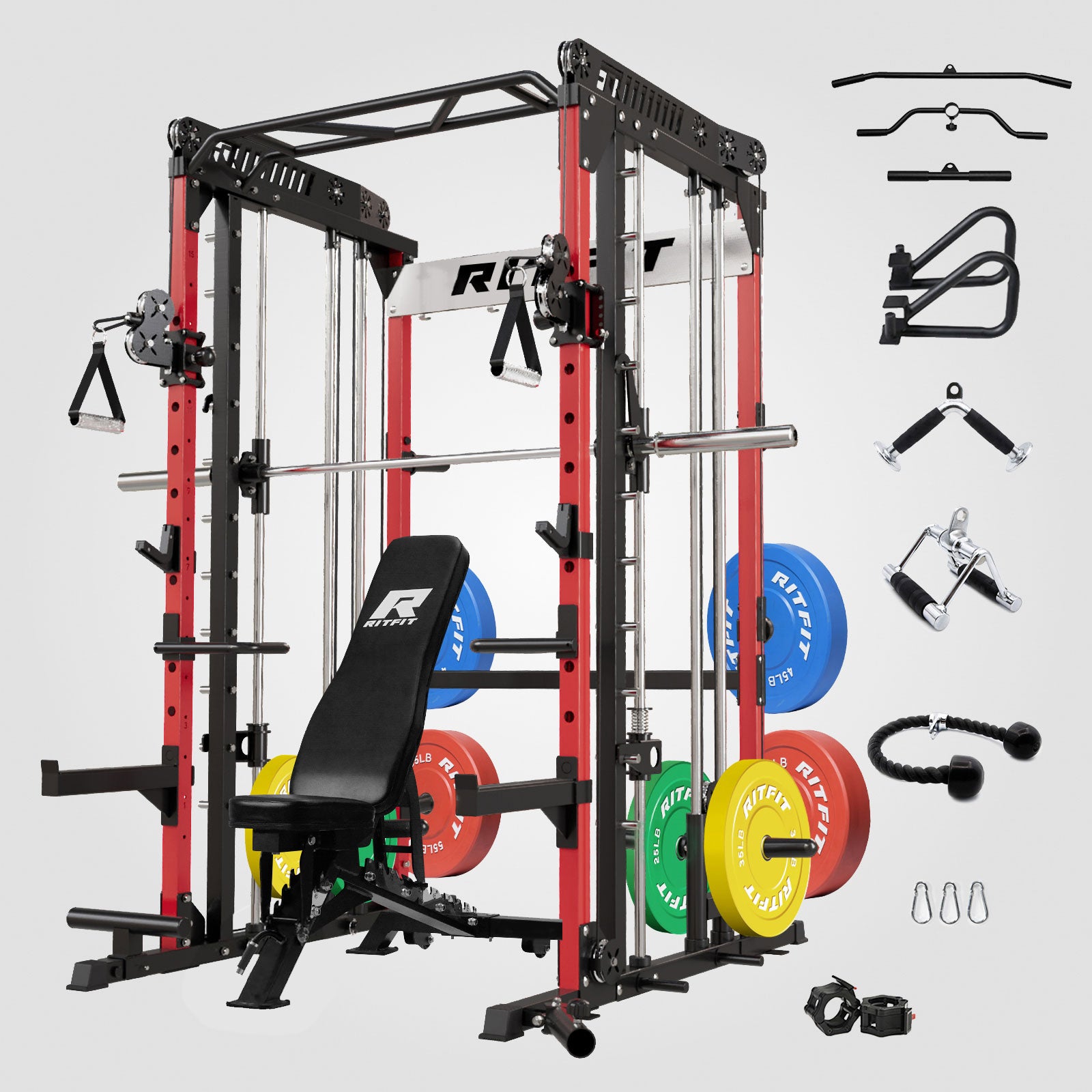
- The push press fits well into home gym training: You can perform it with a 7ft Olympic barbell, hex rubber dumbbells, or selected setups from the RitFit Smith Machine collection.
What Is a Push Press?
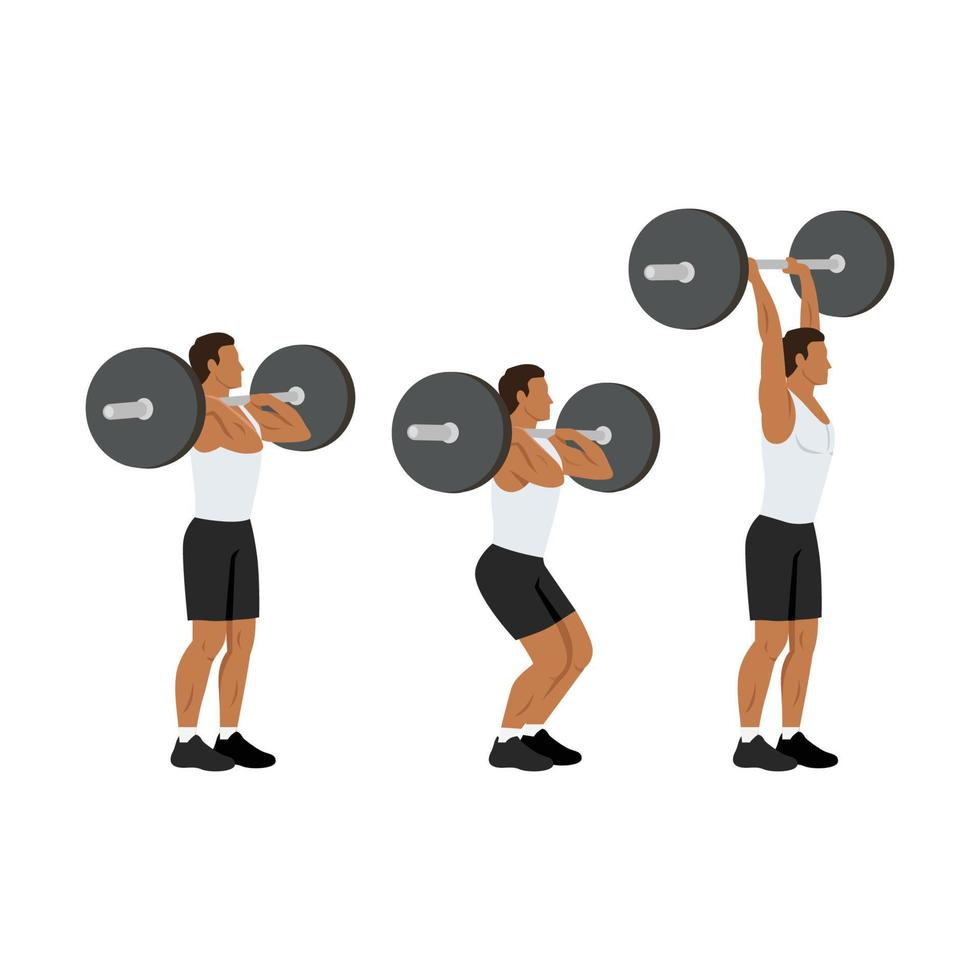
The push press starts with the load at shoulder height, then uses a shallow dip and aggressive leg drive to send the weight overhead. Compared with a strict press, it lets you use more load and train force transfer across the whole body.[1]
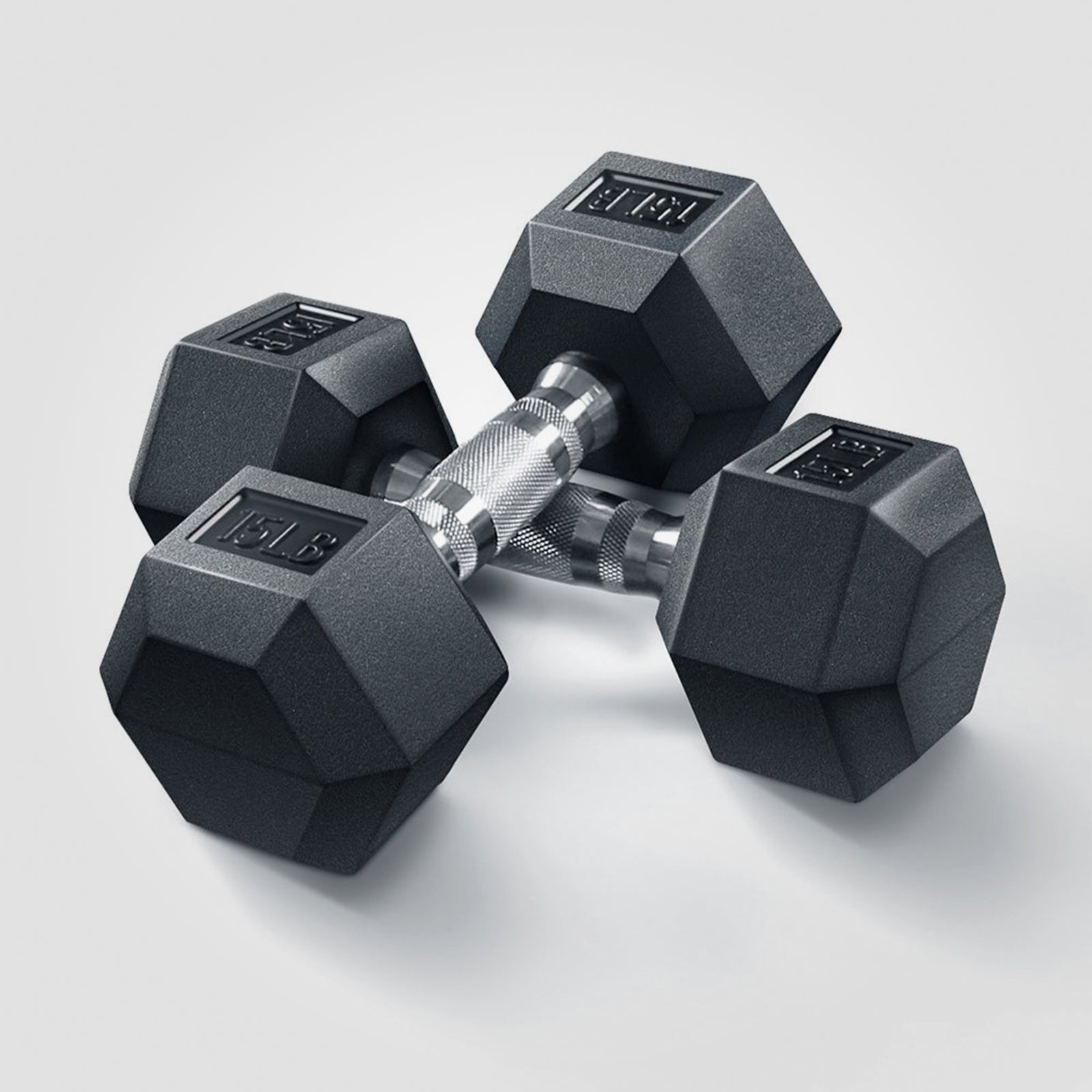
You can perform it with a barbell, dumbbells, kettlebells, or selected rack based setups, and the best option often depends on your space, skill level, and equipment from the RitFit barbells and weight plates collection or the RitFit dumbbells collection.
Who Should and Should Not Do the Push Press
The push press works best for lifters who already understand how to squat, brace, and press overhead with control. It is also useful for athletes who want more explosive upper body power and for home gym users who need one lift that trains several regions at once.
Who Should Try It
The push press is a strong fit for intermediate lifters, field and court athletes, and home gym users who can already press overhead without pain. It is also valuable for people who want a bridge between strict pressing strength and more explosive Olympic lift derivatives.
- Intermediate lifters: They usually have enough trunk control and shoulder awareness to learn timing instead of just surviving the rep.
- Athletes training power: The lift teaches fast force transfer from the floor to the hands, which can carry over to throwing, jumping, and contact sport preparation.
- Home gym users: It works well when you already own a barbell, plates, or RitFit Hex Rubber Dumbbells and want a simple overhead movement with high training value.
Who Should Use Caution
The push press is a poor starting point for anyone who cannot hold a stable front rack, lock out overhead without pain, or keep the rib cage stacked over the hips. In those cases, a lighter dumbbell press, landmine press, or machine variation is usually the smarter first step.
- Complete beginners: Learn basic shoulder pressing and front rack control before adding leg drive.
- Lifters with shoulder pain: Overhead work should stay pain free, especially near lockout and during lowering.
- Lifters with poor trunk control: If every rep turns into a back bend, the load is too heavy or the pattern is not ready.
- People returning from injury: Use a qualified coach or clinician if you have a history of shoulder, neck, back, hip, or knee problems.
Push Press Form and Technique
Warm Up Before You Start
A good warm up makes the push press safer because it prepares the shoulders, trunk, hips, and ankles for fast force production. Start with light cardio, dynamic shoulder and hip drills, and one or two easy press sets before you load the working sets.
How to Do the Push Press
Proper push press form depends on a vertical dip, a clean transfer from legs to arms, and a stacked overhead finish. Different overhead press setups can shift muscle emphasis, which is why bar path and implement choice both matter.[2]
- Step 1. Set your stance and rack position: Stand about shoulder width, place the bar on the upper chest and front delts, and keep the elbows slightly forward. If you use dumbbells, hold them at shoulder height with the wrists stacked and the grip comfortable.
- Step 2. Brace before the dip: Tighten the trunk, keep the ribs down, and squeeze the glutes lightly so the torso stays tall. Your head, rib cage, and pelvis should look stacked before the rep starts.
- Step 3. Dip straight down: Bend the knees and hips a small amount, like a controlled quarter squat, while keeping the heels planted. The dip should be quick and vertical, not long and not forward.
- Step 4. Drive and press overhead: Push through the floor hard, extend the knees and hips, and let that momentum carry into the press. Finish with the load over the midfoot and the biceps close to the ears.
- Step 5. Lower and reset: Bring the load back to the shoulders with control and soften the knees to absorb it. Reset your brace before the next repetition instead of rushing the descent into another dip.
Simple Coaching Cues
Most push press errors improve when you use a few simple cues instead of overthinking every joint angle. The best cues help you stay vertical, drive hard, and finish with stacked posture.
- Dip straight down: This keeps the bar path cleaner and protects the lower back from unnecessary drift.
- Drive through the whole foot: Midfoot pressure usually creates a smoother transfer than rocking to the toes too early.
- Punch up, then get under: Think about sending the body under the finished lockout instead of leaning back to reach it.
- Own the return: The lowering phase should be controlled enough that you can catch the next rack position without chaos.
Push Press Common Mistakes to Avoid
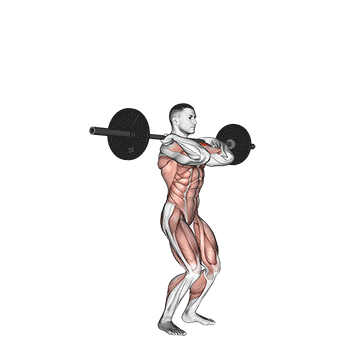
Most bad push press reps fail before the bar even leaves shoulder height. If the setup, dip, or brace is loose, the press usually turns into a messy overhead shove.
- Using too much weight: If you need a hard back lean to finish, you are not training the push press well anymore.
- Dipping too deep: A long squat style dip slows the transfer and makes timing harder.
- Letting the knees shoot forward: This often sends pressure to the toes and pushes the bar path away from the midline.
- Pressing only with the arms: The lift should begin from the floor, not from tired shoulders trying to save the rep.
- Crashing the load on the way down: A poor return can irritate the shoulders and destroy the next repetition.
Push Press Muscles Worked
The push press is a whole body press, not just a shoulder exercise. Dumbbell and overhead press research also shows meaningful shoulder complex activation, which supports using dumbbells when you want a friendlier learning option or a more self selected path.[3]
Glutes
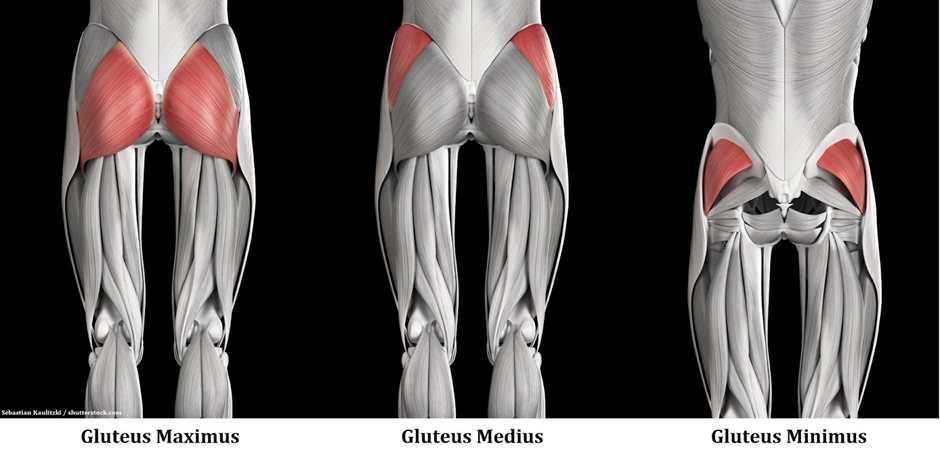
The glutes help create the upward drive that starts the lift and help keep the pelvis from tipping into an overarched finish. Strong glute contribution is one reason the push press feels more athletic than a strict overhead press.
Shoulders and Triceps
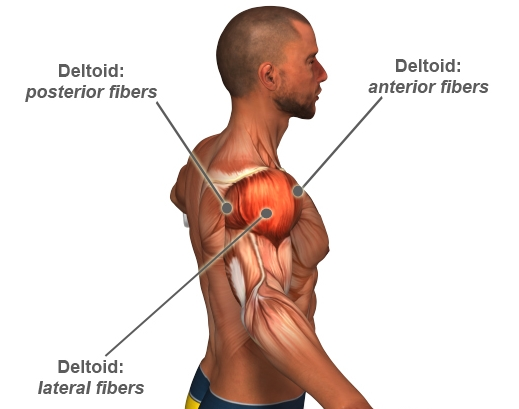
The deltoids and triceps finish the press after the legs create momentum. They matter most from the transition point upward to the locked out overhead position.
Quadriceps and Calves
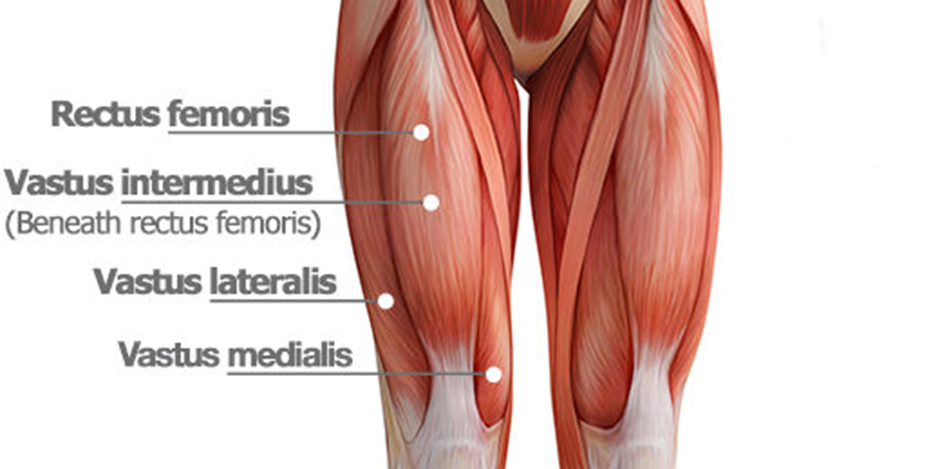
The quadriceps help reverse the dip and drive the body upward, while the calves help finish the aggressive push through the floor. They do not turn the exercise into a leg lift, but they are essential for timing and speed.
Core and Upper Back
The core keeps the trunk stacked and resists unwanted extension, while the upper back helps create a stable shelf in the front rack and a stable base at lockout. If either region is loose, the bar usually drifts and the rep becomes inefficient.
Benefits of the Push Press
The push press is valuable because it builds more than one quality at a time. It can improve overhead strength, whole body coordination, and fast force production in a single lift.
- Builds power: The lift teaches you to apply force quickly from the lower body into the upper body.
- Supports heavier overhead loading: Leg drive lets most lifters move more weight than they can in a strict press.
- Improves coordination: The exercise rewards timing, posture, and smooth transfer instead of just brute pressing effort.
- Fits athletic programming: Reviews of weightlifting style training show a useful role for these movements when the goal includes strength, power, and speed development.
- Works well in home gym planning: It pairs naturally with broader resources like this full body Smith machine exercises guide and this Smith machine with cable system complete workout guide.
Push Press Variations
Push press variations matter because the best version depends on your mobility, space, and equipment. Changing the implement can make the lift more stable, more forgiving, or more demanding.
- Barbell Push Press: This is the classic version for loading, power development, and direct carryover to other overhead barbell work.
- Dumbbell Push Press: This is often the best learning option because each arm can find a cleaner path with fewer compensation patterns.
- Kettlebell Push Press: The offset load challenges shoulder control and can feel very smooth for single arm training.
- One Arm Push Press: This version increases anti rotation demand and can highlight side to side differences quickly.
- Smith Machine Push Press: This can help some home gym users practice timing on a guided path, especially if they already train with the RitFit Smith Machine collection.
Push Press Alternatives
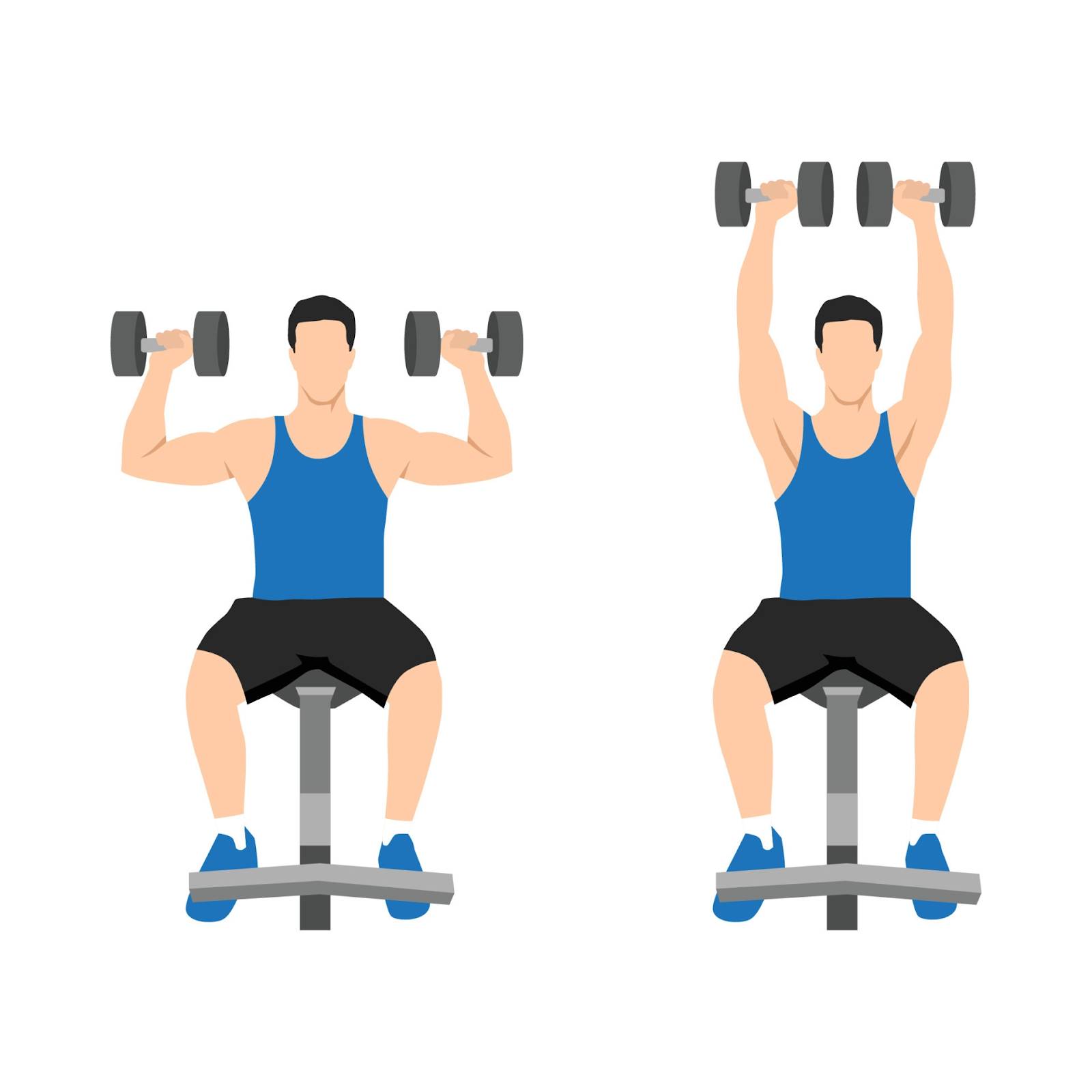
Push press alternatives are useful when you need less complexity, less loading, or a joint friendlier path. The best substitute depends on whether your main goal is muscle growth, power, or safer skill building.
- Seated Dumbbell Shoulder Press: This reduces lower body involvement and lets you focus more directly on shoulder and triceps work with equipment like RitFit dumbbells.
- Standing Overhead Press: This is the best choice when you want stricter pressing strength and better awareness of trunk position.
- Landmine Press: This often feels easier on sensitive shoulders because the pressing arc is angled instead of fully vertical.
- Seated Bench Supported Pressing: A setup with a RitFit Gator Adjustable Weight Bench can make overhead assistance work easier to organize in a home gym.
Safety and Precautions
The push press is safe for many lifters when the load is honest, the dip is controlled, and the shoulders can reach a pain free overhead position. Overhead athletes with mobility loss, cuff weakness, or poorly managed training load show higher shoulder risk, which is why pain, fatigue, and position quality all matter.[4]
- Never force sharp pain: Working muscles can burn, but sharp pain, tingling, or sudden instability is a stop signal.
- Start lighter than your ego wants: The first goal is repeatable technique, not a dramatic top set.
- Respect the lowering phase: Catching the load poorly on the shoulders can be more irritating than the press itself.
- Choose the right variation: If a barbell bothers you, use dumbbells, a landmine, or a lighter guided option before you give up on overhead training entirely.
Push Press vs Overhead Press
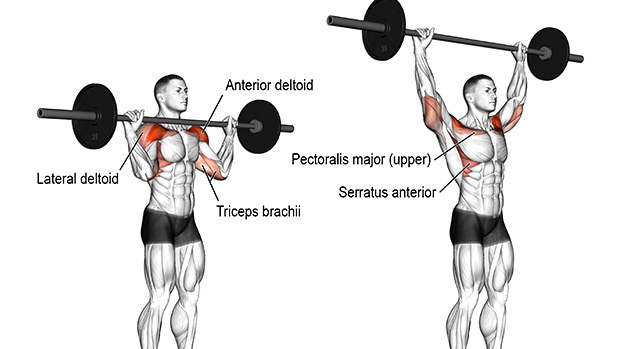
The push press and overhead press look similar, but they train different qualities. The overhead press is stricter and slower, while the push press is more explosive and usually allows more load.
| Category | Push Press | Overhead Press |
|---|---|---|
| Leg drive | Yes, short dip and drive | No, legs stay still |
| Main training quality | Power and coordinated force | Strict strength and control |
| Typical load | Usually heavier | Usually lighter |
| Best for | Athletic power and dynamic overhead work | Building pure pressing strength |
Beginner Friendly Push Press Workout Example
A beginner push press session should teach timing, not just create fatigue. Keep the main work crisp, then add simpler press, pull, and trunk work around it.
| Exercise | Prescription | Purpose |
|---|---|---|
| Push Press | 3 sets of 3 to 5 reps, light to moderate load, 60 to 90 seconds rest | Learn timing and force transfer |
| Standing Overhead Press | 2 to 3 sets of 6 to 8 reps | Build stricter shoulder strength |
| Dumbbell Row or Lat Pulldown | 3 sets of 8 to 10 reps | Balance pressing with pulling |
| Plank or Farmer Carry | 2 to 3 sets | Improve trunk stiffness and control |
If you train at home, a simple setup from the RitFit barbells and weight plates collection or the RitFit dumbbells collection is enough to run this plan well.
Push Press FAQs
What is the difference between a push press and a strict press?
The push press uses a shallow knee and hip dip to help start the weight overhead, while the strict press relies on upper body and trunk strength alone. That leg drive usually lets you move more load and train power, while the strict press is better for pure pressing control.
Is the push press good for beginners?
Yes. The push press can work for beginners if they first learn how to brace, dip straight down, and lock out overhead without pain. Most new lifters should start with light dumbbells or an empty bar, then add load only when every rep looks the same.
What muscles does the push press work most?
The push press mainly trains the front and side shoulders, triceps, glutes, quadriceps, and trunk stabilizers. It is not just an arm exercise, because the legs create the initial drive and the core and upper back help keep the bar path stable overhead.
How much weight should I use for the push press?
Use a load that lets you keep a vertical dip, smooth bar path, and solid overhead lockout for every rep. A practical starting point is a weight you could strict press cleanly for several reps, then use a lighter training load while you learn timing and control.
Can I do the push press with dumbbells instead of a barbell?
Yes. Dumbbells are a strong option for learning the push press because they let each arm find a comfortable path and can reduce compensation from side to side. They also work well in small home gyms where a full barbell setup is not always practical.
Why does my lower back hurt during the push press?
Lower back discomfort often appears when the ribs flare, the dip turns forward, or the weight is too heavy to finish overhead with stacked posture. Reduce the load, brace harder, squeeze the glutes, and stop if sharp pain continues instead of forcing more reps.
How often should I train the push press?
Most lifters do well with one or two push press sessions per week, especially when overhead work is already part of the program. That gives enough practice to improve timing and force production without letting shoulder and elbow fatigue build too quickly.
Should I use the push press for muscle growth or power?
The push press is most valuable for power, coordination, and heavier overhead loading, but it can also support muscle growth when programmed with enough total pressing volume. Pair it with stricter presses, rows, and upper back work if your main goal is overall shoulder development.
Summary
The push press is a whole body overhead lift that combines leg drive, trunk stiffness, and strong shoulder lockout. Start light, keep the dip vertical, press in a straight path, and treat clean reps as the real goal, then use barbells, dumbbells, or a Smith machine variation to build overhead strength and power over time.
Disclaimer: This article is for educational purposes only and does not replace medical or coaching advice. Stop any set that causes sharp pain, numbness, or loss of control, and work with a qualified clinician or coach if you have a history of shoulder, back, hip, or knee injury.
References
- Soriano MA, Suchomel TJ, Comfort P. Weightlifting overhead pressing derivatives: a review of the literature. Sports Med. 2019;49(6):867-885. doi:10.1007/s40279-019-01096-8
- Coratella G, Tornatore G, Longo S, Esposito F, Cè E. Front vs back and barbell vs machine overhead press: an electromyographic analysis and implications for resistance training. Front Physiol. 2022;13:825880. doi:10.3389/fphys.2022.825880
- Luczak J, Bosak A, Riemann BL. Shoulder muscle activation of novice and resistance trained women during variations of dumbbell press exercises. J Sports Med. 2013;2013:612650. doi:10.1155/2013/612650
- Tooth C, Gofflot A, Schwartz C, Croisier JL, Beaudart C, Bruyère O, Forthomme B. Risk factors of overuse shoulder injuries in overhead athletes: a systematic review. Sports Health. 2020;12(5):478-487. doi:10.1177/1941738120931764