The Swiss ball leg curl is a bodyweight hamstring exercise that trains knee flexion, hip stability, glute control, and core bracing at the same time. It is useful for home workouts because it needs only a stability ball, a clear floor space, and careful form.
This guide explains how to do the Swiss ball hamstring curl safely, what muscles it works, common mistakes, beginner progressions, advanced variations, and practical alternatives when you do not have a ball.
Key Takeaways
- The Swiss ball leg curl mainly targets the hamstrings: Your glutes and core work hard to keep your hips lifted and your spine stable.
- Form matters more than reps: Keep your hips high, ribs down, and heels pressing into the ball through every rep.
- Beginners should regress first: Bridge holds and short range curls are better than forcing full reps with poor control.
- Progression should be gradual: Add slower tempo, pauses, reduced hand support, or single leg curls only after the basic version feels stable.
- Good alternatives exist: Slider curls, Romanian deadlifts, hip thrusts, and leg curl machines can all train the posterior chain in different ways.
What Is a Swiss Ball Leg Curl?
A Swiss ball leg curl is a floor based hamstring curl performed with your heels on a stability ball. The ball rolls as you bend and straighten your knees, forcing your hamstrings, glutes, and core to control the movement.

The exercise trains two key hamstring functions, knee flexion and hip extension support. Because the ball moves easily, your trunk muscles must help stabilize your pelvis and spine during each rep.
Core stability training is commonly discussed for injury prevention because the trunk helps transfer force between the upper and lower body during athletic and strength movements.[1] This makes the Swiss ball curl more than a simple leg exercise.
Who Should and Should Not Do the Swiss Ball Leg Curl?
Most healthy lifters can use the Swiss ball leg curl as a light to moderate accessory exercise. It is especially useful for home gym users who want hamstring work without a dedicated leg curl machine.
- Good fit for home training: The movement needs little space and pairs well with bodyweight circuits, dumbbell workouts, and lower body strength days.
- Good fit for posterior chain support: It helps train the hamstrings and glutes that support running, jumping, hinging, squatting, and daily lifting.
- Good fit for desk workers: It can help inactive lifters reconnect with hip extension and hamstring control after long sitting periods.
- Use caution with pain or injury: Avoid this exercise if you have a recent hamstring strain, sharp knee pain, uncontrolled lower back pain, or balance concerns.
- Get guidance when needed: Ask a qualified medical professional or coach before using it if you are pregnant, recovering from surgery, or returning from a muscle tear.
Swiss Ball Leg Curl Muscles Worked
The Swiss ball leg curl mainly works the hamstrings while the glutes and core keep the hips lifted and the trunk stable. Smaller stabilizers around the hips, calves, and ankles help control the ball.
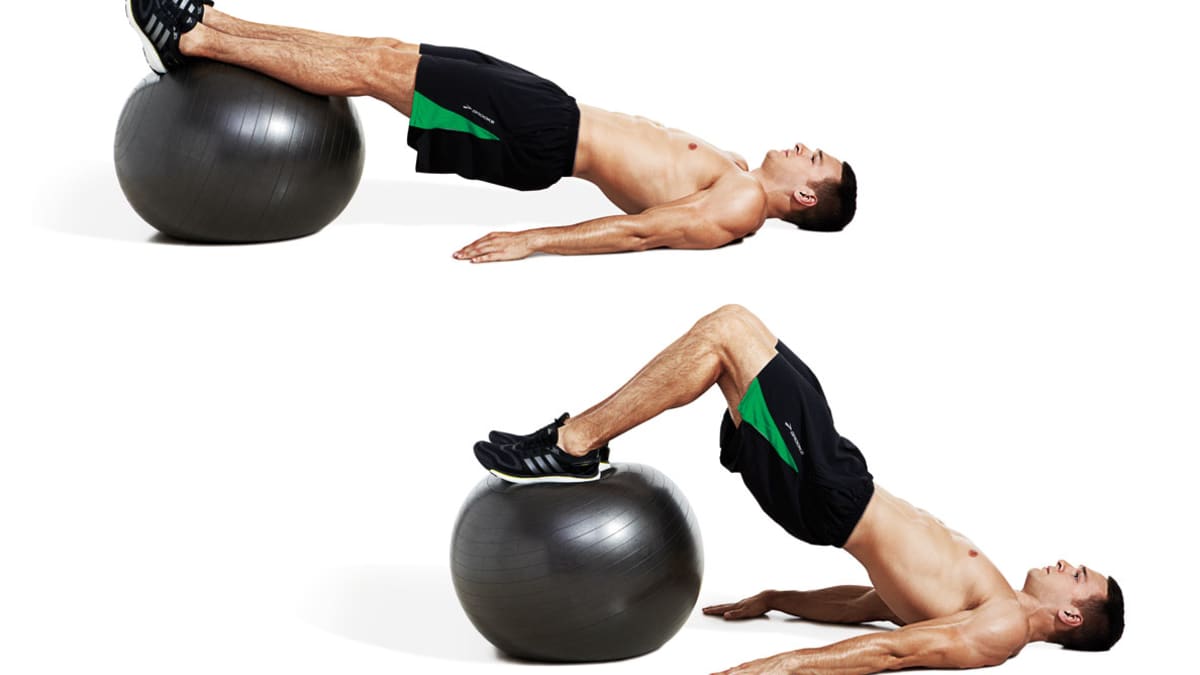
Hamstrings
The hamstrings are the main target because they bend the knees and help maintain hip extension. The biceps femoris, semitendinosus, and semimembranosus all contribute as you curl the ball toward your body.

Glutes
The glutes help keep your hips lifted so the hamstrings can work without your lower back taking over. The gluteus maximus is especially important because it supports hip extension during the bridge position.

Core
The core helps stop your ribs from flaring and your lower back from arching. A systematic review of core exercises notes that physical fitness movements can produce meaningful trunk muscle activity depending on body position and stability demands.[2]

For more posterior chain training ideas, review RitFit guides on the best gym machines for glutes and how to do Smith machine hip thrusts.
Swiss Ball Leg Curl Form and Technique
The goal is to curl the ball in and out while your hips stay lifted and your spine stays neutral. Move slowly enough that the ball never pulls you out of position.
How to Do a Swiss Ball Leg Curl
Start with your heels on the ball, lift your hips, curl the ball toward your body, then extend your legs under control. Stop the set when you can no longer keep your hips lifted and your knees tracking straight.
- Step 1: Lie on your back with your calves and heels on the Swiss ball. Place your arms at your sides with your palms down for support.
- Step 2: Lift your hips until your shoulders, hips, and knees form a straight line. Brace your core and squeeze your glutes before the ball starts moving.
- Step 3: Bend your knees and pull the ball toward your body by pressing your heels into it. Keep your hips high and avoid letting your knees cave inward or flare outward.
- Step 4: Pause briefly when the ball is close to you. This pause helps you feel the hamstrings instead of rushing through the rep.
- Step 5: Extend your legs slowly and roll the ball away under control. Lower your hips only after you finish the rep or need to reset.
Coaching cue: Think heels heavy, ribs down, glutes tight. A smaller controlled curl is better than a full range rep with sagging hips.
Recommended Warm Up Before Swiss Ball Leg Curls
A short warm up helps your hamstrings, glutes, hips, and trunk tolerate the unstable position. Use simple movements that raise temperature and prepare the posterior chain.
- Light cardio: Walk, cycle, or march in place for 3 to 5 minutes. This prepares your body without fatiguing the hamstrings.
- Glute bridges: Perform 10 to 15 bodyweight bridges before using the ball. Focus on lifting with the glutes rather than arching the lower back.
- Leg swings: Use 10 controlled leg swings per side. Keep them smooth and avoid forcing a deep stretch before strength work.
- Bridge hold on the ball: Hold the top position for 10 to 20 seconds before curling. This checks whether your hips and core can stay stable.
Swiss Ball Leg Curl Common Mistakes to Avoid
The biggest mistakes happen when lifters chase range of motion before they can control the bridge. Fix hip position first, then improve curl distance.
Letting the Hips Drop
Dropping the hips shifts tension away from the hamstrings and can make the lower back work too hard. Shorten the range, use fewer reps, or return to bridge holds if your hips cannot stay lifted.
Using Momentum
Swinging the ball in and out reduces hamstring tension and makes the exercise less controlled. Use a steady pace, pause briefly at the curl, and extend slowly.
Starting Too Close or Too Far From the Ball
A poor starting position can make the movement awkward before the first rep begins. Start with your legs almost straight, heels centered on the ball, and toes relaxed.
Letting the Knees Cave or Flare
Your knees should track in line with your hips and ankles. If they collapse inward or flare outward, reduce the range and focus on slow alignment.
Overarching the Lower Back
Excessive arching usually means the ribs are flaring and the core is not braced. Keep your ribs stacked over your pelvis and squeeze your glutes before curling.
Benefits of the Swiss Ball Leg Curl
The Swiss ball leg curl builds hamstring strength, hip stability, and trunk control with minimal equipment. It is most useful as an accessory exercise in a balanced lower body plan.
- Targets the hamstrings directly: The curl trains knee flexion, which many home programs miss when they rely only on squats and lunges.
- Challenges hip stability: Keeping the hips lifted teaches the glutes and hamstrings to work together during a bridge position.
- Builds core control: The ball creates instability, so your trunk must resist excessive arching and rotation.
- Fits small home gyms: A stability ball is easy to store and works well in spaces where machines are not available.
- Supports progressive training: Eccentric hamstring training has been linked with lower lower extremity injury rates in research, but it should be used as part of a broader plan rather than a single fix.[3]
If you want to build a fuller home lower body setup, compare Swiss ball curls with leg extension and curl machine options for home gyms and RitFit strength machines.
Swiss Ball Leg Curl Variations
Choose a variation based on your current control level, not your ego. You should be able to keep your hips lifted and your spine neutral before moving to harder versions.
Easier Regression: Bridge Hold With Ball Under Calves
Hold a bridge with your calves on the ball and your hips elevated for 20 to 30 seconds. This teaches hip position and core tension before you add the rolling curl.
Swiss Ball Single Leg Curl
The single leg version increases hamstring demand and balance difficulty. Keep your hips level and return to the double leg curl if your pelvis twists.
Swiss Ball Back Extension
This is not a direct leg curl variation, but it can train the lower back and posterior chain with the same ball. Use it as a separate accessory exercise rather than a replacement for hamstring curls.
Swiss Ball Hip Extension
The Swiss ball hip extension targets the glutes and lower back more than the hamstrings. It can work well as a warm up or finisher when paired with controlled leg curls.
Swiss Ball Bridge
The Swiss ball bridge trains hip extension and core stability without the knee curl. Use it when the full leg curl feels too hard or when you want a lighter activation drill.
Swiss Ball Leg Curl Alternatives
You can train similar muscles even without a Swiss ball. The best alternative depends on whether you want bodyweight control, loaded strength, or direct machine resistance.
Slider Curls
Slider curls are the closest home alternative because they train the hamstrings while your hips stay lifted. Use sliders, socks, or towels on a smooth floor and move slowly.

Romanian Deadlift
The Romanian deadlift trains the hamstrings and glutes through a hip hinge pattern. For a guided version, see how to do Smith machine Romanian deadlifts.
Glute Bridge or Hip Thrust
Glute bridges and hip thrusts focus more on the glutes, but the hamstrings still assist hip extension. Lifters who want a stable setup can explore RitFit weight benches for hip thrust and bridge support.
Leg Curl Machine
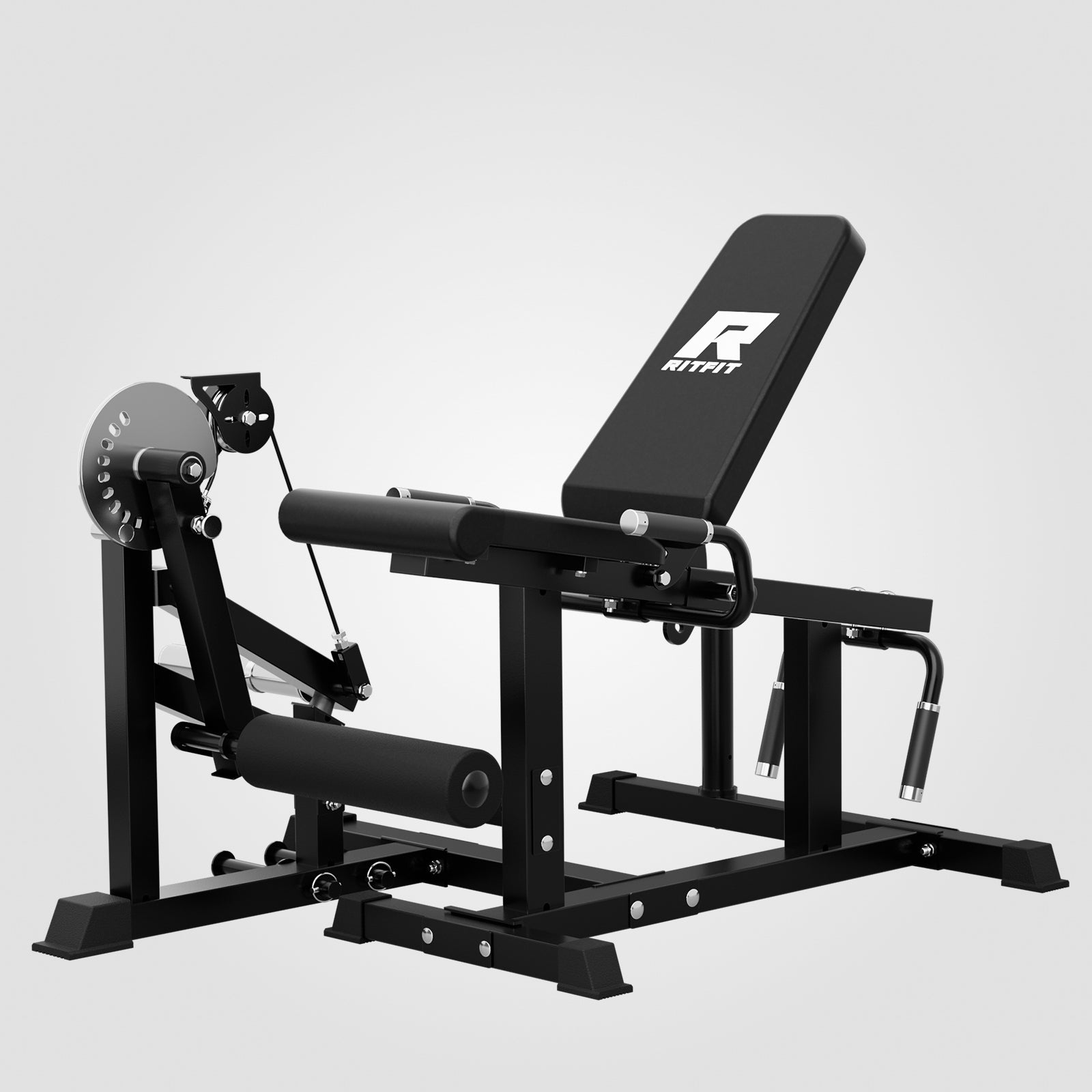
A seated or prone leg curl machine is the most direct machine based alternative. It isolates knee flexion more clearly than a Swiss ball curl and is easier to load over time.
Dumbbell Hamstring Work
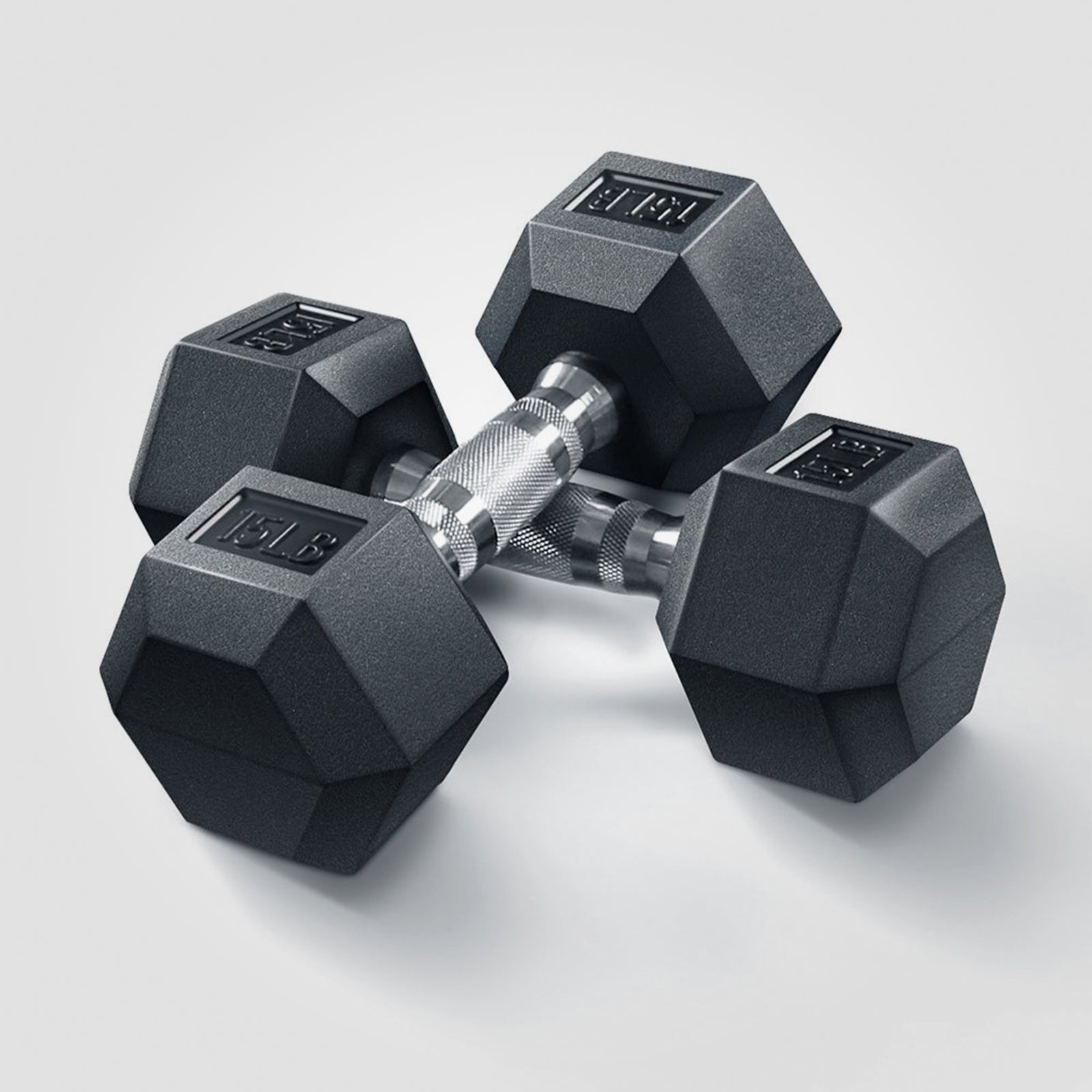
Dumbbells are useful for Romanian deadlifts, stiff leg deadlifts, and glute bridge loading. For a broader home setup, review RitFit dumbbells for home strength training and the ultimate dumbbell leg workout.
How to Program Swiss Ball Leg Curls
Use Swiss ball leg curls after your main lower body lift or as a light activation drill before training. They are best treated as controlled accessory work, not as a max effort movement.
- Beginner plan: Do 1 to 2 sets of 6 to 8 slow reps. Rest 60 to 90 seconds and stop before your hips drop.
- Intermediate plan: Do 2 to 3 sets of 8 to 12 reps. Add a short pause when the ball is curled in.
- Advanced plan: Do 3 to 4 sets of 8 to 12 reps or use single leg curls. Keep every rep strict and avoid twisting.
- Warm up use: Do 1 to 2 easy sets of 6 to 10 reps. The goal is activation, not fatigue.
- Strength day use: Place them after squats, deadlifts, hip thrusts, or leg press work. Research on resistance training suggests that a broad range of repetition zones can support strength and hypertrophy when effort and progression are managed well.[4]
For safer home strength planning, pair this guide with safe Smith machine training at home and RitFit home gym equipment for beginners.
Summary
The Swiss ball leg curl is a practical home exercise for training the hamstrings, glutes, and core with minimal equipment. The key is to keep your hips lifted, move slowly, and choose the right variation for your current control level.
Start with bridge holds or double leg curls, progress gradually, and use alternatives like slider curls, Romanian deadlifts, hip thrusts, or leg curl machines when they better match your training goal.
Disclaimer
This article is for general strength training education only and is not medical advice. Stop the exercise if you feel sharp pain in your hamstring, knee, hip, or lower back, and consult a qualified medical professional or certified coach if you have an injury, recent surgery, pregnancy related concerns, or ongoing pain.
Swiss Ball Leg Curl FAQs
How do you do a Swiss ball leg curl correctly?
Start by lying on your back with your heels on the ball, lift your hips, then curl the ball toward your body under control. Keep your ribs down, glutes tight, and knees tracking straight, then extend slowly without letting your hips drop.
What muscles does the Swiss ball leg curl work?
The Swiss ball leg curl mainly works the hamstrings, while the glutes and core help stabilize the hips and spine. Your calves and hip stabilizers also assist because the ball can move in several directions, making control as important as strength.
Are Swiss ball leg curls good for beginners?
Yes. Swiss ball leg curls can be good for beginners when the range of motion is controlled and the hips stay stable. New lifters should start with bridge holds or short curls, then progress only when they can move without cramping or lower back arching.
How many Swiss ball leg curl reps should I do?
Most lifters should start with 2 to 3 sets of 8 to 12 slow reps. Beginners can use 1 to 2 sets of 6 to 8 reps, while advanced lifters can add pauses, slower tempo, or single leg curls.
Can Swiss ball leg curls help prevent hamstring injuries?
They may support hamstring strength and control, but they should not be treated as a complete injury prevention plan. A stronger plan also includes progressive strength work, sprint preparation when relevant, mobility, warm up quality, and enough recovery between hard hamstring sessions.
What can I do instead of Swiss ball leg curls?
Good alternatives include slider curls, hamstring walkouts, Romanian deadlifts, glute bridges, hip thrusts, and leg curl machines. Choose slider curls for the closest home version, Romanian deadlifts for loaded hinge strength, and machine curls when you want more direct knee flexion work.
Should I do Swiss ball leg curls before or after deadlifts?
Do them after deadlifts if your main goal is strength, because tired hamstrings can reduce hinge control. Use them before deadlifts only as a light activation drill, keeping the reps easy and stopping well before fatigue affects your main lift.
References
- Huxel Bliven KC, Anderson BE. Core stability training for injury prevention. Sports Health. 2013;5(6):514-522. doi:10.1177/1941738113481200. PMCID: PMC3806175
- Oliva-Lozano JM, Muyor JM. Core muscle activity during physical fitness exercises: a systematic review. Int J Environ Res Public Health. 2020;17(12):4306. doi:10.3390/ijerph17124306. PMCID: PMC7345922
- Hu C, Du Z, Tao M, Song Y. Effects of different hamstring eccentric exercise programs on preventing lower extremity injuries: a systematic review and meta-analysis. Int J Environ Res Public Health. 2023;20(3):2057. doi:10.3390/ijerph20032057. PMCID: PMC9916392
- Schoenfeld BJ, Grgic J, Van Every DW, Plotkin DL. Loading recommendations for muscle strength, hypertrophy, and local endurance: a re-examination of the repetition continuum. Sports (Basel). 2021;9(2):32. doi:10.3390/sports9020032. PMCID: PMC7927075