You can strengthen your back at home by training horizontal pulls, vertical pulls, and hip hinges with consistent progression. RitFit bands, dumbbells, benches, racks, and pull up options make it possible to build stronger lats, a thicker upper back, and better spinal stability without a commercial gym.[1]
Building a stronger back at home is practical, effective, and easier than many people think. With the right RitFit setup, you can train posture, pulling strength, and posterior chain development in a small space while keeping your routine simple and repeatable.
Key Takeaways
- A stronger back at home starts with three core movement patterns, rows, pull based work, and hip hinges.
- Resistance bands are effective for beginners, posture work, and high quality volume when tension is challenging.
- Dumbbells, an adjustable bench, and a stable rack expand your exercise options and make progression easier.
- Desk workers benefit most from a mix of scapular control, upper back strength, and trunk stability work.
- Consistency matters more than complexity, two or three focused back sessions per week can deliver real results.
Understand Your Back Muscles
Your back works best when you train it as a system, not as a single muscle group. A balanced routine should target your upper back, lats, spinal erectors, and the supporting muscles that control your shoulder blades.
- Upper back: This area includes the traps, rhomboids, and rear delts, and it helps with posture, scapular retraction, and shoulder control.
- Lats and mid back: These muscles drive many pulling patterns and help create back width and thickness.
- Lower back and posterior chain: The erector spinae, glutes, and hamstrings support hip hinge strength and spinal stability during loaded movement.
- Scapular stabilizers: Lower traps and serratus function matter for clean pulling mechanics and better shoulder positioning during rows and pull based work.[4]
Safety First: Preparing to Train Your Back at Home
Good setup protects your back and improves training quality from the first rep. Warm up your shoulders, thoracic spine, hips, and trunk before loading any row, hinge, or pull pattern.
- Start with pain free ranges: Sharp pain, radiating symptoms, or loss of control are signs to stop and reassess.
- Brace your trunk: Core engagement helps you keep a stable torso and better spinal position during rows and hinges.[2]
- Progress gradually: Add tension, reps, or load slowly so your technique stays clean as the work gets harder.
- Choose stable equipment: Secure anchors, a stable bench, and a reliable rack matter more than chasing heavy loading too early.
Essential RitFit Equipment for Back Training at Home
You do not need a crowded gym to train your back well. A few versatile tools can cover most home back training needs, especially when they match your space, strength level, and training goals.
- Resistance bands: Great for pull aparts, pulldowns, face pulls, rows, and beginner friendly strength work.
- Dumbbells: Ideal for one arm rows, chest supported rows, and Romanian deadlifts, especially from the RitFit dumbbells collection.
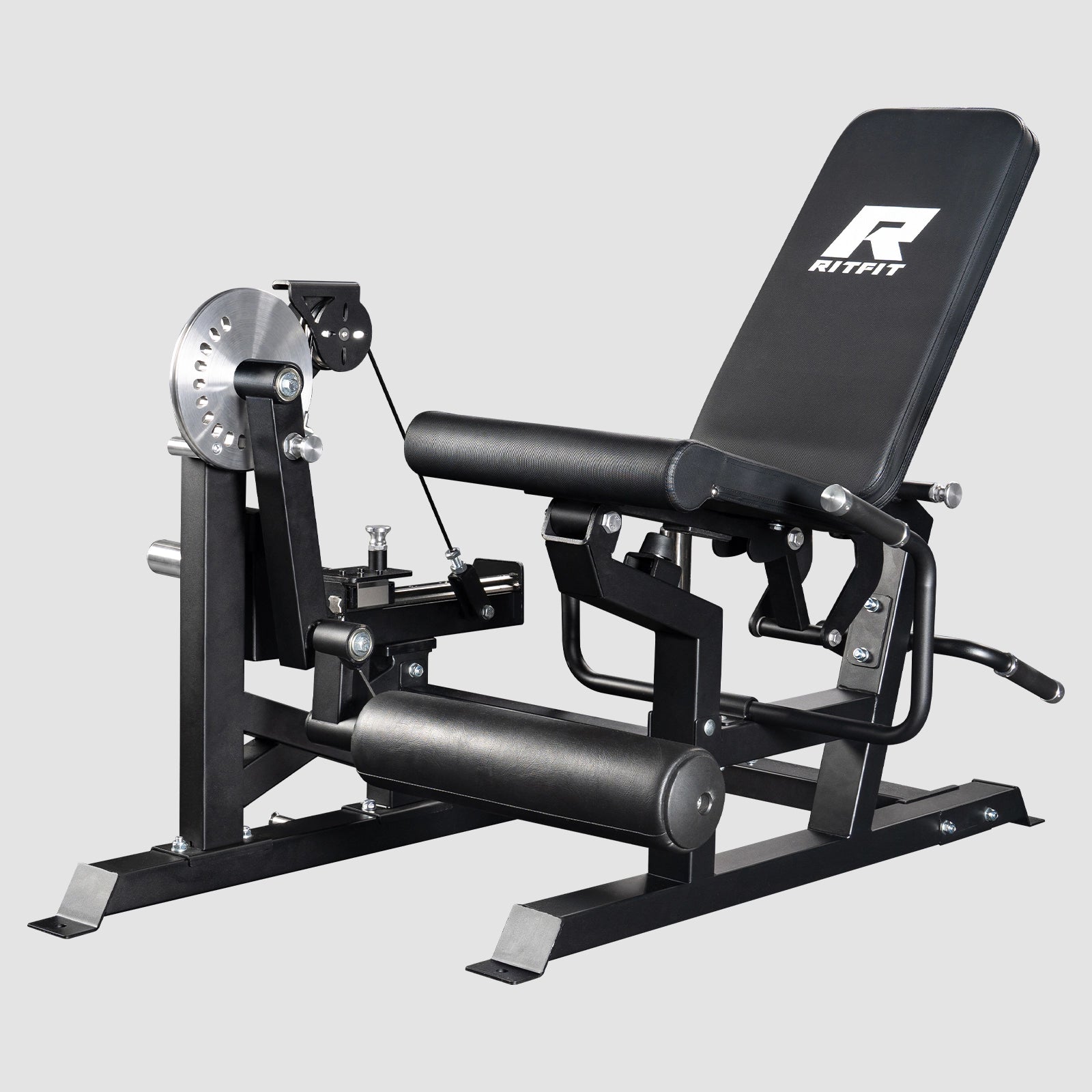
- Adjustable bench: A bench improves support, exercise variety, and comfort for rows, and the RitFit benches collection gives you flexible options for home training.
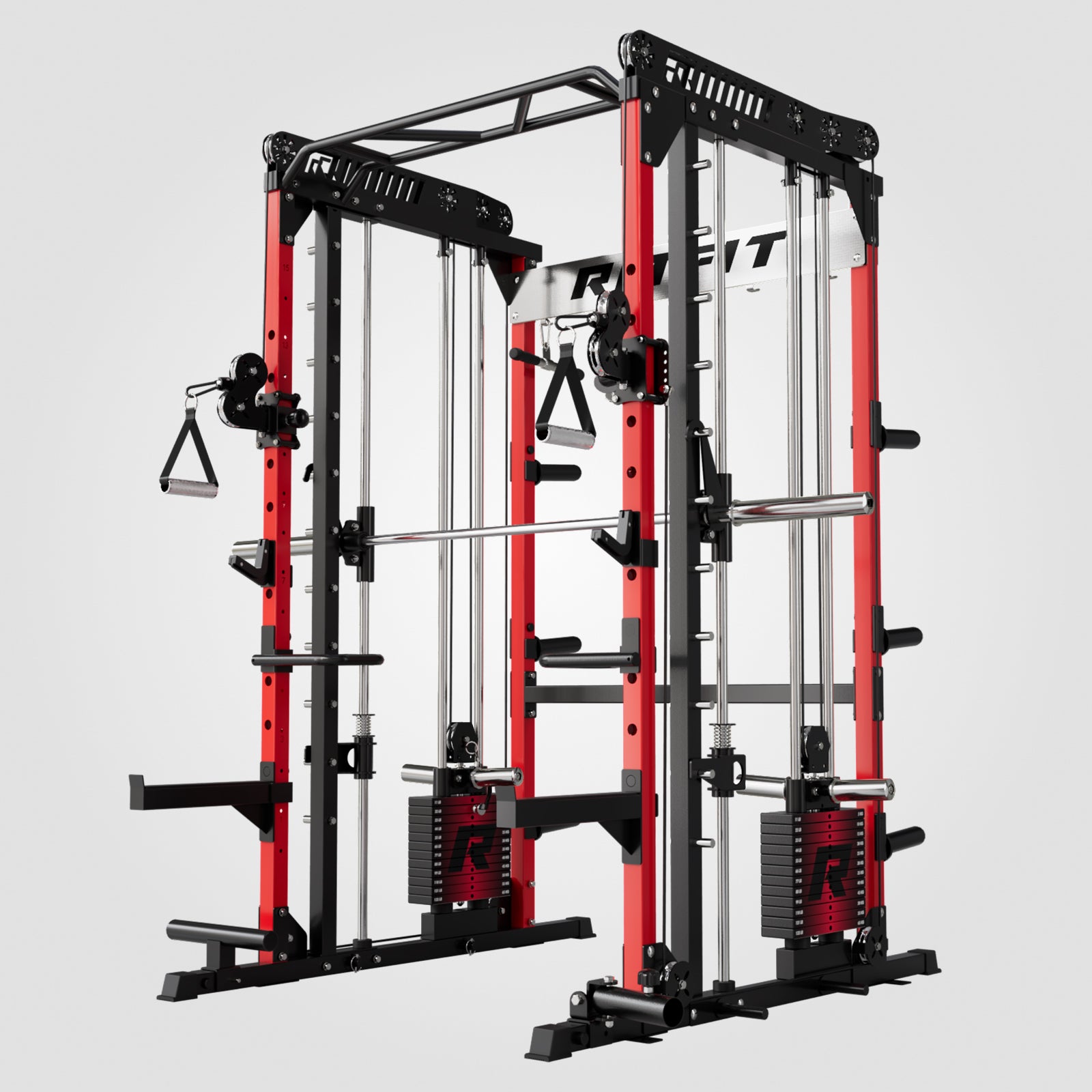
- Rack or pull up setup: Useful for rack rows, assisted pull ups, band anchoring, and more advanced pulling progressions.
- Home gym guidance: If you are still building your setup, this home gym equipment guide for beginners can help you prioritize the right pieces.
The 3 Back Movement Patterns You Need at Home
A complete at home back routine should not rely on one exercise category. It should include at least one horizontal pull, one vertical pull, and one hip hinge to cover strength, posture, and posterior chain development.
- Horizontal pull: Rows train the mid back, rhomboids, rear delts, and lats, and they are essential for back thickness and posture.
- Vertical pull: Pull ups, assisted pull ups, and pulldown variations emphasize the lats and improve overhead pulling capacity.
- Hip hinge: Romanian deadlifts, rack pulls, and band good mornings strengthen the spinal erectors, glutes, and hamstrings for full posterior chain support.
Foundational Back Exercises Using RitFit Equipment
Beginner Friendly Band Exercises
Resistance bands are one of the simplest ways to learn pulling mechanics at home. They are especially useful when your goal is better posture, more control, and enough tension to accumulate clean volume.
- Band pull apart: Pull the band apart with straight arms and keep your ribs down so the upper back does the work.
- Seated band row: Pull toward your lower ribs and think about moving your elbows back, not just your hands.
- Band lat pulldown: Use a secure overhead anchor and drive your elbows down to emphasize the lats instead of the upper traps.
- Band face pull: Pull toward your face with controlled scapular movement to train rear delts and upper back posture muscles.
- Band progression support: For readers comparing band only work with other options, this guide to back workouts at home pairs well with band based programming.
Bodyweight and Light Load Exercises
Bodyweight and light load work helps build control before you chase heavier rows or hinges. These exercises are also excellent for desk workers who need trunk stability and scapular awareness more than random volume.
- Assisted pull up: Use a band for assistance and focus on a full hang, controlled pull, and smooth lowering phase.
- Bird dog: Reach long through the heel and hand while keeping your torso still, which teaches stability more than speed.
- Band good morning: Hinge at the hips with a neutral spine and use a slow tempo so the lower back does not round.
- Scapular wall slide: Move slowly and keep your ribs stacked to train better shoulder blade control and overhead positioning.
Intermediate Free Weight Exercises with RitFit Gear
Once you control your basics, free weights give you more loading potential and better long term progression. An adjustable bench and quality dumbbells make these exercises easier to perform well at home.
- One arm dumbbell row: Support your body on a bench and row toward the hip to keep tension on the lats and mid back.
- Chest supported dumbbell row: This removes some trunk demand and helps you focus on clean scapular retraction and elbow path.
- Romanian deadlift: Use dumbbells or a barbell, push the hips back, and keep the load close to your legs to strengthen the posterior chain.
- Rack row or rack pull: These are useful when you want more load than band work allows and need a stable platform for progression.
- Bench selection help: If you want more support for rows and dumbbell work, this adjustable bench guide can help narrow your options.
Sample At Home Back Workouts with RitFit Equipment
Beginner Back Workout
This workout builds posture, pulling control, and foundational back strength without needing a large setup. Perform it two or three times per week and keep one or two reps in reserve on most sets.
- Band pull apart: 3 sets, 12 to 15 reps
- Seated band row: 3 sets, 10 to 12 reps
- Band lat pulldown: 3 sets, 10 to 12 reps
- Bird dog: 3 sets, 8 to 10 reps per side
Intermediate Back Workout
This workout adds more loading and a clearer hypertrophy stimulus for lats, upper back, and posterior chain. Perform it two times per week, or alternate it with a lighter posture focused day.
- Pull up or assisted pull up: 3 sets, 5 to 8 reps
- One arm dumbbell row: 3 sets, 8 to 10 reps per side
- Romanian deadlift: 3 sets, 8 to 10 reps
- Band face pull: 3 sets, 12 to 15 reps
Posture and Desk Worker Mini Routine
This short routine is best for people who sit often and need frequent upper back activation, not a long session. A posture correction style program can help reduce shoulder, mid back, and low back discomfort when done consistently.[3]
- Band pull apart: 2 sets, 15 to 20 reps
- Face pull: 2 sets, 12 to 15 reps
- Bird dog: 2 sets, 8 reps per side
- Thoracic extension on bench or foam roller: 2 sets, 6 to 8 reps
How to Keep Getting Stronger at Home
Progressive overload is still the rule, even when you train at home. Increase band tension, load, reps, tempo control, or total sets over time so your back keeps adapting.
- Add load first when form is stable: This works best for dumbbell rows, Romanian deadlifts, and supported pulling work.
- Add reps when equipment is limited: Higher rep work is useful for bands and lighter dumbbells when your form stays sharp.
- Slow the lowering phase: Longer eccentrics raise training difficulty without forcing sloppy progression.
- Track your sessions: A simple log helps you spot whether your rows, pulls, and hinges are actually progressing.
- Home based consistency matters: Progressive home based resistance training can improve strength and flexibility when performed consistently.[5]
Technique Tips and Common Mistakes
Back training improves fastest when your technique stays simple and repeatable. Most mistakes come from using the arms too much, losing spinal position, or choosing the wrong resistance level.
- Do not turn every row into an arm exercise: Think elbows back, chest quiet, and shoulder blades controlled.
- Do not round through the hinge: If your lower back rounds, reduce the load and shorten the range until control returns.
- Do not ignore vertical pulling: Rows alone are useful, but lats benefit from pulldown or pull up patterns too.
- Do not rush setup: Secure anchors and stable support matter for band work and pull based movement quality.
- Do not undertrain scapular control: Face pulls, pull aparts, and quality rows help keep upper back work balanced.[4]
Supportive Habits Beyond Training
Training is only one part of building a stronger back. Daily movement, recovery, and better positioning habits help your gym work show up in real life.
- Break up long sitting blocks: Short movement breaks often do more for stiffness than one large stretch session at night.
- Keep your weekly plan balanced: Back volume should not stay far below pressing volume for long periods.
- Sleep and hydration matter: Recovery quality affects tissue tolerance, training output, and long term consistency.
- Use supportive equipment well: A stable bench and the right handle choice improve comfort and exercise execution, especially when you are comparing options for a lat pulldown bar for back gains.
How to Build the Right RitFit Back Training Setup
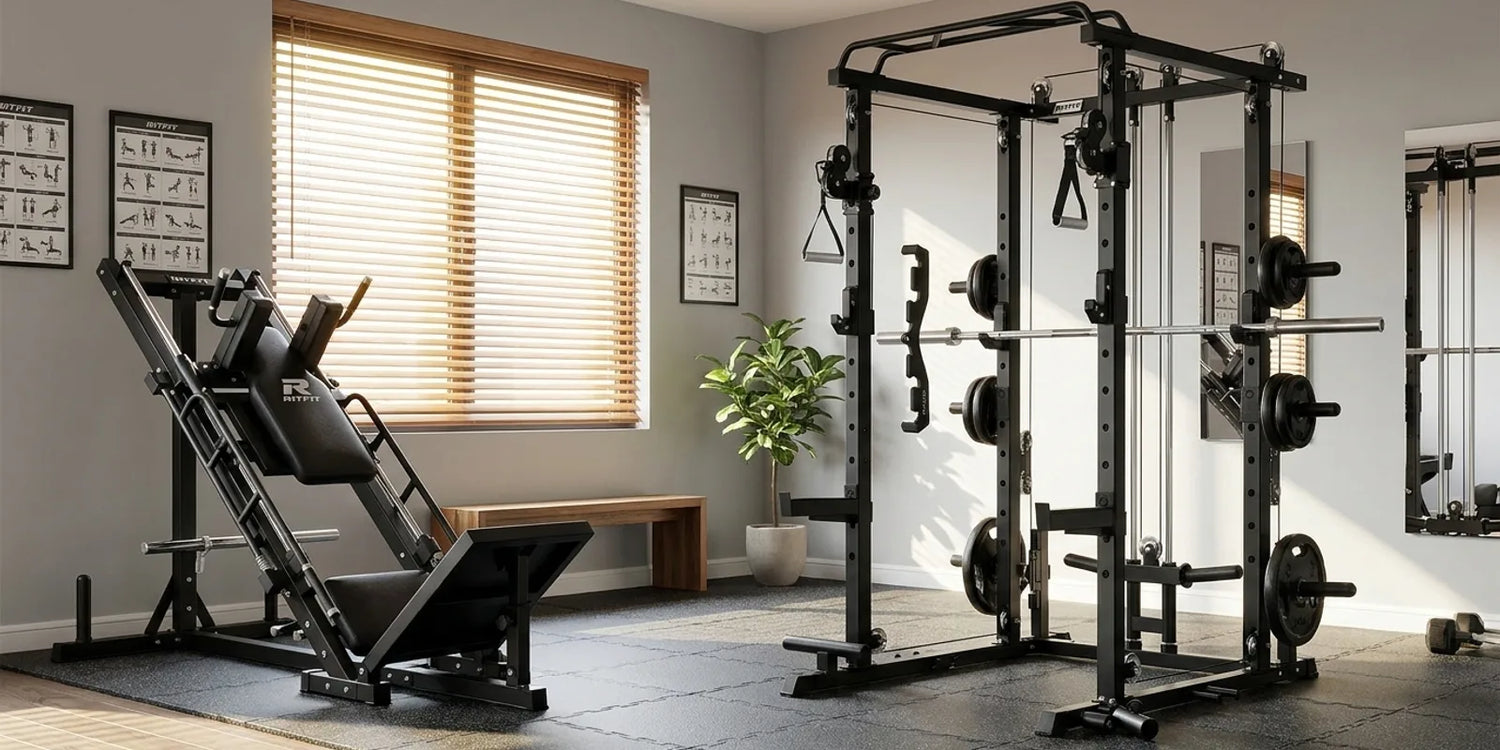
Your best setup depends on your space, budget, and training level. Most people do not need everything at once, they need a smart starting point that covers rows, vertical pulls, and hinges well.
- Minimal setup: Bands, one pair of dumbbells, and a bench cover a large share of effective back training.
- Small space setup: Choose compact tools first, then add a rack or pull up solution when your training volume grows.
- Strength focused setup: Add a stable rack, heavier dumbbells, and more pull based accessories as your lifting improves.
- Programming support: Readers building a fuller routine can pair this article with back and bicep workouts for muscle mass growth for extra volume planning.
FAQs
Can resistance bands build back muscle at home?
Yes. Resistance bands can build back strength and muscle when you use enough tension, train close to fatigue, and progress over time. They work especially well for rows, pulldowns, pull aparts, and face pulls, and they are useful when space, budget, or joint comfort matters most.
What RitFit equipment do you need for a back workout at home?
No. You can start with bands and one pair of dumbbells, then add a bench or pull up station as your training improves. A rack, adjustable bench, and more loading options simply expand exercise variety, progression, and comfort for heavier rows, hinges, and assisted vertical pulling work.
How often should you train your back at home?
Most people do best with two or three back sessions per week, as long as volume and recovery are balanced. That frequency gives you enough practice for rows, pulldowns, and hinges, while still leaving time for your lower body, pressing work, sleep, and tissue recovery.
Are pull ups required to strengthen your back at home?
No. Pull ups are useful, but they are not mandatory for building a stronger back at home. Band pulldowns, one arm rows, chest supported rows, rack rows, and Romanian deadlifts can train your lats, mid back, and posterior chain very effectively while you build pulling strength.
Which back exercises at home are best for posture?
The best at home back exercises for posture usually include face pulls, band pull aparts, rows, bird dogs, and controlled hip hinge work. These movements help train scapular control, upper back strength, and trunk stability, which matter more for posture than random stretching alone.
Should you train your lower back if you sit all day?
Yes. Lower back training can help if it is done with good form, appropriate loading, and no sharp pain. Hip hinges, Romanian deadlifts, bird dogs, and back extension patterns can support spinal stability and posterior chain strength, which is useful for many desk bound adults.
Conclusion
You can strengthen your back at home with a focused routine built around rows, pull based work, and hip hinges. Start with the RitFit equipment that fits your space, master clean form, and progress with patience so your posture, pulling strength, and posterior chain development improve together.
Disclaimer: This article is for general educational use only. It does not replace individualized medical advice, physical therapy, or coaching. Stop any exercise that causes sharp pain, numbness, or unusual weakness, and seek qualified care if symptoms persist or you have a prior back injury.
References
- Gordon R, Bloxham S. A systematic review of the effects of exercise and physical activity on non specific chronic low back pain. Healthcare. 2016;4(2):22. doi:10.3390/healthcare4020022
- Chang WD, Lin HY, Lai PT. Core strength training for patients with chronic low back pain. J Phys Ther Sci. 2015;27(3):619-622. doi:10.1589/jpts.27.619
- Kim D, Cho M, Park Y, Yang Y. Effect of an exercise program for posture correction on musculoskeletal pain. J Phys Ther Sci. 2015;27(6):1791-1794. doi:10.1589/jpts.27.1791
- Schory A, Bidinger E, Wolf J, Murray L. A systematic review of the exercises that produce optimal muscle ratios of the scapular stabilizers in normal shoulders. Int J Sports Phys Ther. 2016;11(3):321-336.
- Liu M, Li J, Xu J, Chen Y, Chien C, Zhang H, et al. Graded progressive home-based resistance combined with aerobic exercise in community-dwelling older adults with sarcopenia: a randomized controlled trial. Clin Interv Aging. 2024;19:1581-1595. doi:10.2147/CIA.S473081