You may be able to use HSA or FSA funds to buy exercise equipment when the purchase is medically necessary and properly documented. Most home gym equipment is not automatically eligible because it can be used for both medical treatment and general fitness.
This guide explains what HSA approved exercise equipment means, when a Letter of Medical Necessity is needed, and how qualified customers can shop RitFit equipment with fewer compliance risks.
Important Eligibility Note
Exercise equipment should not be purchased with HSA or FSA funds for general wellness alone. Always confirm your medical need, documentation, and plan administrator rules before using tax advantaged funds.
Key Takeaways
- Exercise equipment is not automatically HSA eligible: It usually needs a diagnosed condition and a Letter of Medical Necessity.
- General fitness does not qualify by itself: A goal like getting healthier, losing weight for appearance, or improving performance is usually not enough.
- The LMN must match the equipment: A provider should connect the recommended equipment type to your diagnosis and treatment goal.
- HSA and FSA rules are similar for this topic: Both accounts usually require medical necessity for dual purpose fitness products.
- RitFit equipment may qualify for eligible customers: Qualification depends on your condition, documentation, checkout path, and administrator review.
Can You Buy Gym Equipment with HSA or FSA Funds?
Yes, you may be able to buy gym equipment with HSA or FSA funds when the equipment is used to treat a diagnosed medical condition. The purchase should be supported by a Letter of Medical Necessity and should match your provider recommended exercise plan.
The IRS does not treat general wellness spending the same as medical care. For official guidance, review the IRS page on medical expenses related to wellness and general health.
What Makes Exercise Equipment HSA Eligible?
Exercise equipment becomes more likely to qualify when it is medically necessary, condition specific, and properly documented. The key question is whether the item supports treatment rather than general fitness.
| Eligibility Factor | What It Means | Why It Matters |
|---|---|---|
| Diagnosed condition | A provider identifies a specific medical condition | General health goals usually do not qualify |
| Medical necessity | The equipment supports treatment or prevention of a condition | This separates medical use from normal fitness use |
| Letter of Medical Necessity | A provider explains why the equipment is needed | Most dual purpose items need written support |
| Equipment match | The item fits the recommended treatment plan | A mismatch can lead to reimbursement problems |
| Administrator review | Your HSA or FSA provider applies plan rules | Approval can vary by account and documentation |
What Is a Letter of Medical Necessity?
A Letter of Medical Necessity is a provider document explaining why a product or service is needed for medical care. For exercise equipment, it should connect the equipment type to your condition, treatment goal, and expected use.
- Diagnosis: The letter should identify the condition being treated, such as diabetes, hypertension, obesity, joint rehabilitation, or chronic pain.
- Equipment type: The letter should name the recommended category, such as low impact cardio equipment, resistance training equipment, or rehabilitation tools.
- Medical purpose: The letter should explain how the equipment supports treatment, recovery, mobility, strength, or disease management.
- Use plan: The letter should include frequency, duration, or general treatment context when available.
- Provider details: The letter should include the provider name, credentials, signature, and date.
What Exercise Equipment May Be HSA or FSA Eligible?
Many equipment categories may qualify when they are tied to a documented medical need. The product category alone does not determine eligibility, because the reason for the purchase is what matters most.
Cardio Equipment
Cardio equipment may qualify when a provider recommends aerobic exercise for a diagnosed condition. Common examples include treadmills, walking pads, exercise bikes, rowers, and ellipticals.
Strength Training Equipment
Strength equipment may qualify when resistance training is part of a treatment plan for metabolic health, bone health, rehabilitation, or strength maintenance. People with type 2 diabetes are encouraged to engage in regular physical activity and reduce sedentary time, with safety adjustments when complications are present.[1]
Recovery and Therapy Equipment
Recovery tools may qualify when they are used for a specific medical purpose rather than routine post workout comfort. Examples may include foam rollers, stretching straps, massage tools, mobility tools, and physical therapy accessories.
Health Monitoring Devices
Health monitoring devices may qualify when they help manage a diagnosed condition. Examples may include heart rate monitors, blood pressure monitors, glucose related devices, and condition specific tracking tools.
Are Dumbbells HSA Eligible?
Yes, dumbbells may be HSA eligible when resistance training is medically necessary and documented. They are usually not eligible when bought only for general strength training, bodybuilding, convenience, or appearance goals.
Research supports resistance training as a useful strategy for adults with type 2 diabetes, including evidence that it can reduce HbA1c when performed consistently.[2] Your documentation should still connect the dumbbells to your personal medical need.
Are Weights HSA Eligible?
Yes, weights may be HSA eligible when a provider documents that resistance training is part of treatment. Weight plates, barbells, kettlebells, and resistance accessories should match the equipment type listed in your LMN.
If your provider recommends progressive resistance training, a set of weights may be easier to justify than unrelated equipment. If the letter only recommends low impact walking, weights may not match the claim.
Can HSA Pay for Gym Membership?
A gym membership may qualify only in limited cases where it is purchased for a specific medical purpose. The IRS states that a gym membership for general health is not a medical expense, even when exercise is beneficial.
Home equipment can be easier to document when the LMN clearly identifies the item category and the prescribed use. Even then, the purchase must still meet your administrator rules.
How to Match Your LMN to the Right Equipment
The safest purchase is the one that clearly matches your provider recommendation. Use the table below to avoid buying equipment that your administrator may view as unrelated.
| If Your LMN Recommends | Better Equipment Match | Higher Risk Purchase |
|---|---|---|
| Low impact cardio | Treadmill, walking pad, exercise bike, rower | Heavy strength system without a strength recommendation |
| Resistance training | Dumbbells, bench, cable system, Smith machine | Cardio equipment only |
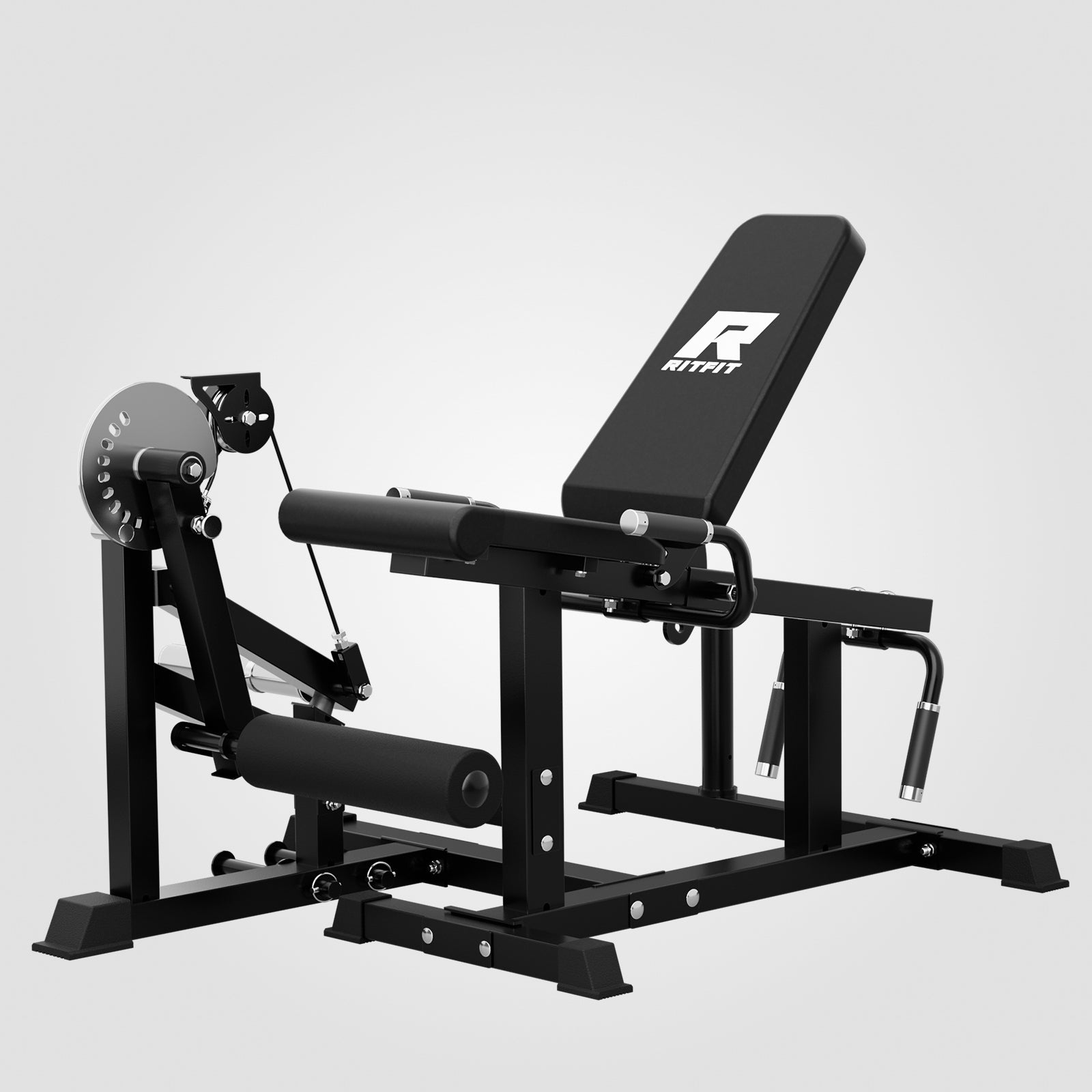
| Lower body strengthening | Leg press, leg curl, leg extension, bands | Upper body only equipment |
| Rehabilitation movements | Resistance bands, adjustable bench, mobility tools | Advanced equipment without provider approval |
| General wellness | Usually not eligible | Any HSA or FSA purchase without medical purpose |
RitFit Equipment That May Fit Qualified LMNs
RitFit equipment is not automatically HSA or FSA eligible for every customer. Qualified customers may be able to use eligible funds when their provider documentation and administrator rules support the purchase.
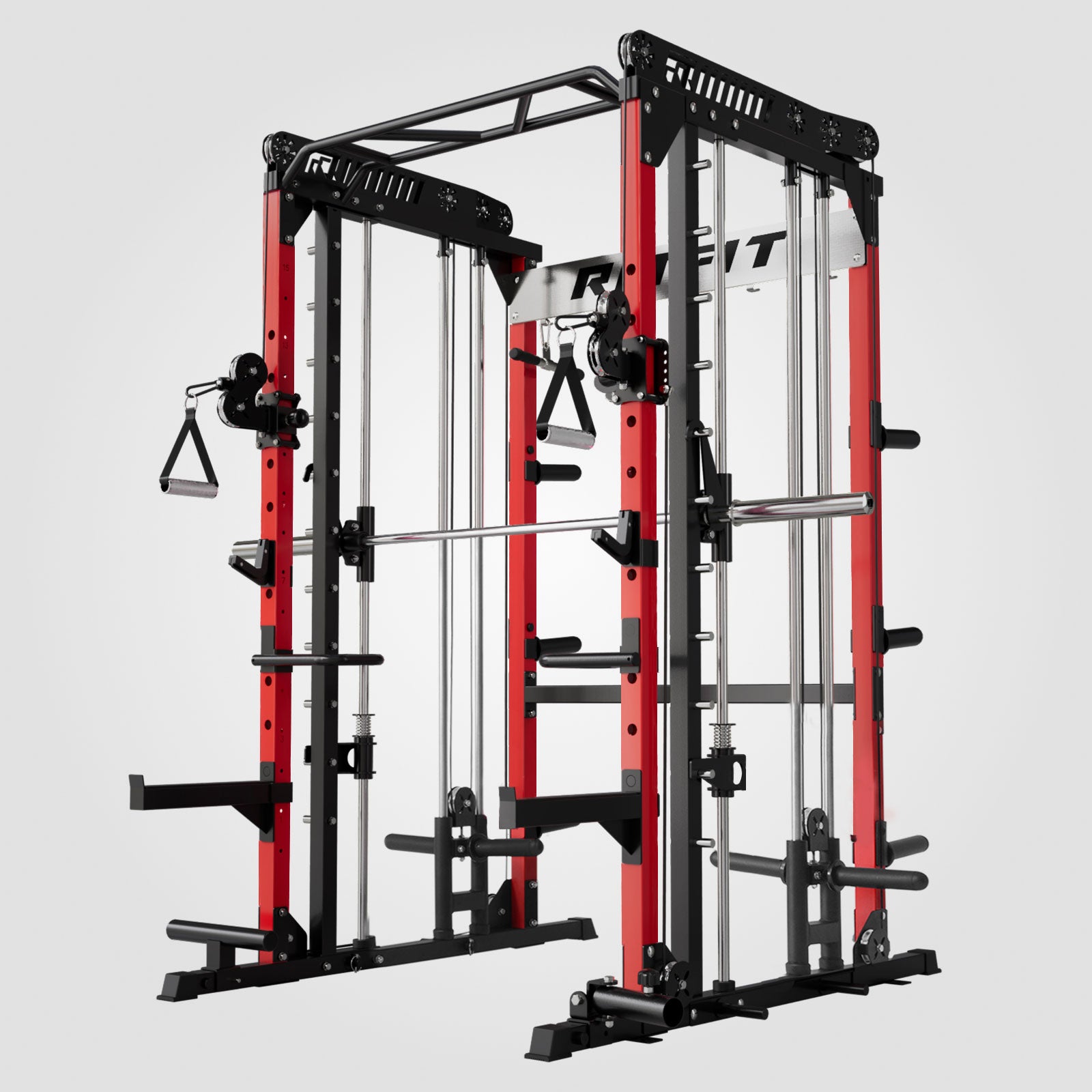
- For prescribed home strength training: Explore RitFit Smith machines and RitFit strength machines if your LMN recommends structured resistance training.
- For adjustable support exercises: Browse RitFit adjustable weight benches when your plan includes seated, incline, flat, or supported strength movements.
- For free weight training: Review RitFit dumbbells and RitFit barbells and weight plates when resistance training is documented.
- For lower body strengthening: Consider the RitFit GAZELLE PRO leg press and hack squat machine only when lower body strength work matches your provider guidance.
- For guided eligible shopping: Start with the RitFit Truemed eligible gym equipment collection to review products that may support qualified checkout paths.
How to Buy RitFit Equipment with HSA or FSA Funds
The best process is to document first and buy second. This reduces the chance of a denied claim or later audit issue.
- Confirm your medical need: Talk with your provider about the condition and whether exercise equipment is appropriate for your treatment plan.
- Request an LMN: Ask the provider to name the recommended equipment category and explain the medical purpose.
- Choose matching equipment: Select RitFit products that align with the LMN rather than choosing based only on preference.
- Check administrator rules: Ask your HSA or FSA provider whether pre approval, reimbursement forms, or specific receipts are required.
- Keep all records: Save the LMN, receipt, product page, payment proof, and administrator correspondence.
If you are comparing setups before purchase, this home gym equipment guide under 2000 can help you plan a practical setup before choosing products.
How Much Could You Save with HSA or FSA Funds?
Using HSA or FSA funds may reduce your effective out of pocket cost because eligible purchases are paid with pre tax dollars. Your exact savings depend on your tax rate, account type, state taxes, payroll taxes, and whether the expense is approved.
| Example Purchase | Estimated Combined Tax Savings Rate | Estimated Effective Savings |
|---|---|---|
| $500 eligible equipment purchase | 25 percent | About $125 |
| $1,000 eligible equipment purchase | 30 percent | About $300 |
| $2,000 eligible equipment purchase | 35 percent | About $700 |
These are simple examples, not tax advice. Always verify eligibility and savings with your administrator or tax professional.
HSA vs FSA for Exercise Equipment
HSA and FSA accounts can both reimburse eligible medical expenses, but they differ in ownership, rollover rules, and plan design. Your administrator rules matter as much as the equipment category.
| Account Type | Best For | Key Reminder |
|---|---|---|
| HSA | Planned purchases for qualified medical expenses | Usually tied to a high deductible health plan |
| FSA | Current year purchases through an employer plan | Funds may be subject to plan year deadlines |
Common Mistakes to Avoid
The biggest mistake is buying first and trying to justify the purchase later. Documentation should guide the purchase, not follow it as an afterthought.
- Buying without an LMN: Most exercise equipment is a dual purpose item and may need written medical support.
- Using general wellness language: Your documentation should mention a diagnosed condition and treatment purpose.
- Choosing mismatched equipment: Buy equipment that matches the category recommended by your provider.
- Ignoring administrator rules: Some plans require pre approval or specific claim forms.
- Not saving receipts: Keep records because you may need them after the purchase.
Why Exercise Equipment Can Support Medical Goals
Exercise equipment can support treatment goals when it helps people perform consistent, appropriate, and provider recommended physical activity. Strength training has been associated with lower type 2 diabetes and cardiovascular disease risk in large cohort research.[3]
Resistance training may also support diabetes prevention and therapy through effects on muscle metabolism, insulin action, and body composition.[4] These benefits do not make equipment automatically eligible, but they help explain why providers may recommend exercise as part of care.
FAQs About HSA Approved Exercise Equipment
Can you buy exercise equipment with HSA funds?
Yes. You may be able to buy exercise equipment with HSA funds when the purchase treats a diagnosed condition and is supported by a Letter of Medical Necessity. Equipment bought only for general fitness, appearance, or personal wellness usually does not qualify, even when exercise is healthy.
What exercise equipment is HSA eligible with an LMN?
Exercise equipment that matches a provider recommended treatment plan may be HSA eligible with an LMN. Common examples include treadmills, exercise bikes, resistance bands, dumbbells, benches, and strength machines, but the item should clearly match the diagnosis, treatment goal, and plan administrator rules.
Are dumbbells HSA eligible for home workouts?
Yes. Dumbbells may be HSA eligible when a provider documents that resistance training is medically necessary for a diagnosed condition. They are usually not eligible when purchased only for general strength, bodybuilding, weight loss, or convenience without a clear medical purpose.
Is a treadmill HSA eligible for cardio training?
Yes. A treadmill may be HSA eligible when it supports a medically necessary walking or cardio plan for a diagnosed condition. The LMN should connect the treadmill to the treatment goal, such as heart health, blood pressure management, diabetes support, rehabilitation, or weight related disease treatment.
Can you use FSA funds for home gym equipment?
Yes. You may be able to use FSA funds for home gym equipment under the same medical necessity logic as HSA funds. The main difference is that FSA funds are usually tied to the plan year, so you should confirm timing, documentation, and claim rules before buying.
Do you need a Letter of Medical Necessity for exercise equipment?
Yes. Most exercise equipment needs a Letter of Medical Necessity because it is usually considered a dual purpose item. The letter should name the condition, explain why the equipment is needed, identify the equipment type, and show how it supports treatment rather than general wellness.
Can HSA pay for a gym membership?
Sometimes. A gym membership may qualify only when it is purchased for a specific medical purpose, such as prescribed physical therapy or treatment of a diagnosed disease. General exercise, appearance goals, and routine wellness are usually not enough for HSA or FSA reimbursement.
Can I buy RitFit equipment with HSA or FSA funds?
Yes. Qualified customers may be able to buy RitFit equipment with HSA or FSA funds when the purchase is medically necessary and properly documented. Eligibility depends on your condition, provider documentation, checkout path, and administrator review, so confirm approval before purchasing.
Conclusion: Use HSA or FSA Funds Carefully
Exercise equipment may qualify for HSA or FSA reimbursement when it is medically necessary, documented, and approved under your plan rules. The safest approach is to get your LMN first, choose equipment that matches the recommendation, and keep complete records.
RitFit offers home gym options that may support qualified exercise plans, including strength machines, benches, dumbbells, and guided Smith machine setups. Confirm eligibility before purchase so your health investment stays compliant.
Disclaimer
This article is for general educational purposes only and is not medical, tax, legal, or financial advice. HSA and FSA eligibility depends on your medical condition, provider documentation, account rules, and administrator review. Always consult your healthcare provider, plan administrator, or tax professional before using HSA or FSA funds for exercise equipment.
References
- Kanaley JA Colberg SR Corcoran MH Malin SK Rodriguez NR Crespo CJ Kirwan JP Zierath JR. Exercise/physical activity in individuals with type 2 diabetes: a consensus statement from the American College of Sports Medicine. Med Sci Sports Exerc. 2022;54(2):353-368. doi:10.1249/MSS.0000000000002800
- Jansson AK Chan LX Lubans DR Duncan MJ Plotnikoff RC. Effect of resistance training on HbA1c in adults with type 2 diabetes mellitus and the moderating effect of changes in muscular strength: a systematic review and meta-analysis. BMJ Open Diabetes Res Care. 2022;10(2):e002595. doi:10.1136/bmjdrc-2021-002595
- Shiroma EJ Cook NR Manson JE Moorthy MV Buring JE Rimm EB Lee IM. Strength training and the risk of type 2 diabetes and cardiovascular disease. Med Sci Sports Exerc. 2017;49(1):40-46. doi:10.1249/MSS.0000000000001063
- Strasser B Pesta D. Resistance training for diabetes prevention and therapy: experimental findings and molecular mechanisms. Biomed Res Int. 2013;2013:805217. doi:10.1155/2013/805217