Yes, you may be able to use HSA or FSA funds for exercise equipment when the purchase is medically necessary and properly documented.
This guide explains what may qualify, what usually does not qualify, how a Letter of Medical Necessity works, and how RitFit customers can explore eligible home gym equipment through Truemed.
Key Takeaways
- Exercise equipment is not automatically eligible: HSA and FSA rules usually require a medical purpose, not a general fitness goal.
- Medical necessity matters most: A qualified provider may need to connect the equipment to a diagnosed condition or treatment plan.
- A Letter of Medical Necessity may be required: This document helps explain why the equipment is part of care, rehabilitation, mobility, strength, or chronic condition management.
- Plan rules can vary: Your HSA or FSA administrator may ask for receipts, provider documentation, approval details, or reimbursement forms.
- RitFit supports the process through Truemed: Qualified customers can explore eligible fitness equipment and complete a medical intake review before using benefits.
Understanding HSA and FSA Eligibility for Exercise Equipment
Exercise equipment may qualify for HSA or FSA use only when it is tied to medical care, not general wellness.
That means a treadmill, Smith machine, dumbbell set, bench, or strength machine should be connected to a specific health need, provider recommendation, or treatment goal before you rely on tax advantaged funds.
- Medical necessity: The purchase should support the diagnosis, treatment, management, mitigation, or prevention of a specific condition.
- Provider support: A healthcare provider or licensed clinician may need to recommend the equipment as part of your care plan.
- Documentation: Keep the LMN, receipt, order confirmation, reimbursement form, and any plan administrator messages.
- Plan review: Your HSA or FSA administrator has the final responsibility for accepting or denying documentation.
What the IRS Says About Fitness and Medical Expenses
The IRS generally treats general fitness, health improvement, and recreational exercise as personal expenses unless they are connected to medical care.
Before making a major purchase, review IRS Publication 502, IRS Publication 969, and your plan rules.
- General wellness is usually not enough: Buying equipment because you want to get fit, lose weight, or build muscle may not qualify by itself.
- Medical care is the key test: The expense should be primarily for a medical condition or provider directed treatment need.
- Records are essential: HSA users should keep documentation that shows the distribution was used for a qualified medical expense.
- FSA timing matters: FSA funds often follow plan year rules, grace periods, or carryover limits, so confirm deadlines before purchase.
When Exercise Equipment May Qualify
Exercise equipment may qualify when it supports a provider guided plan for a diagnosed health condition.
Common examples may include diabetes management, cardiovascular rehabilitation, obesity treatment, mobility work, osteoporosis related resistance training, post surgical rehabilitation, and chronic pain management.
Diabetes and Metabolic Health
Aerobic exercise and resistance training are commonly used in diabetes management because regular physical activity can support glycemic control and cardiometabolic health.[1]
Cardiovascular Health
Exercise based programs may support cardiovascular health, but people with heart disease, hypertension, or rehabilitation needs should follow provider guidance before choosing equipment.[2]
Bone Density and Strength
Resistance exercise can support bone and muscle health, which makes strength equipment relevant to discuss with a provider for osteoporosis, osteopenia, or age related strength loss.[3]
Chronic Back Pain and Rehabilitation
Exercise therapy is commonly studied for chronic low back pain, but equipment choice should match the care plan, movement tolerance, and provider guidance.[4]
What Types of Exercise Equipment May Be HSA or FSA Eligible?
The best equipment is not the most expensive option, it is the option that clearly supports the medical purpose documented by your provider.
Use the table below as a planning guide, not as a guarantee of eligibility.
| Equipment Category | Possible Medical Use Case | RitFit Shopping Path |
|---|---|---|
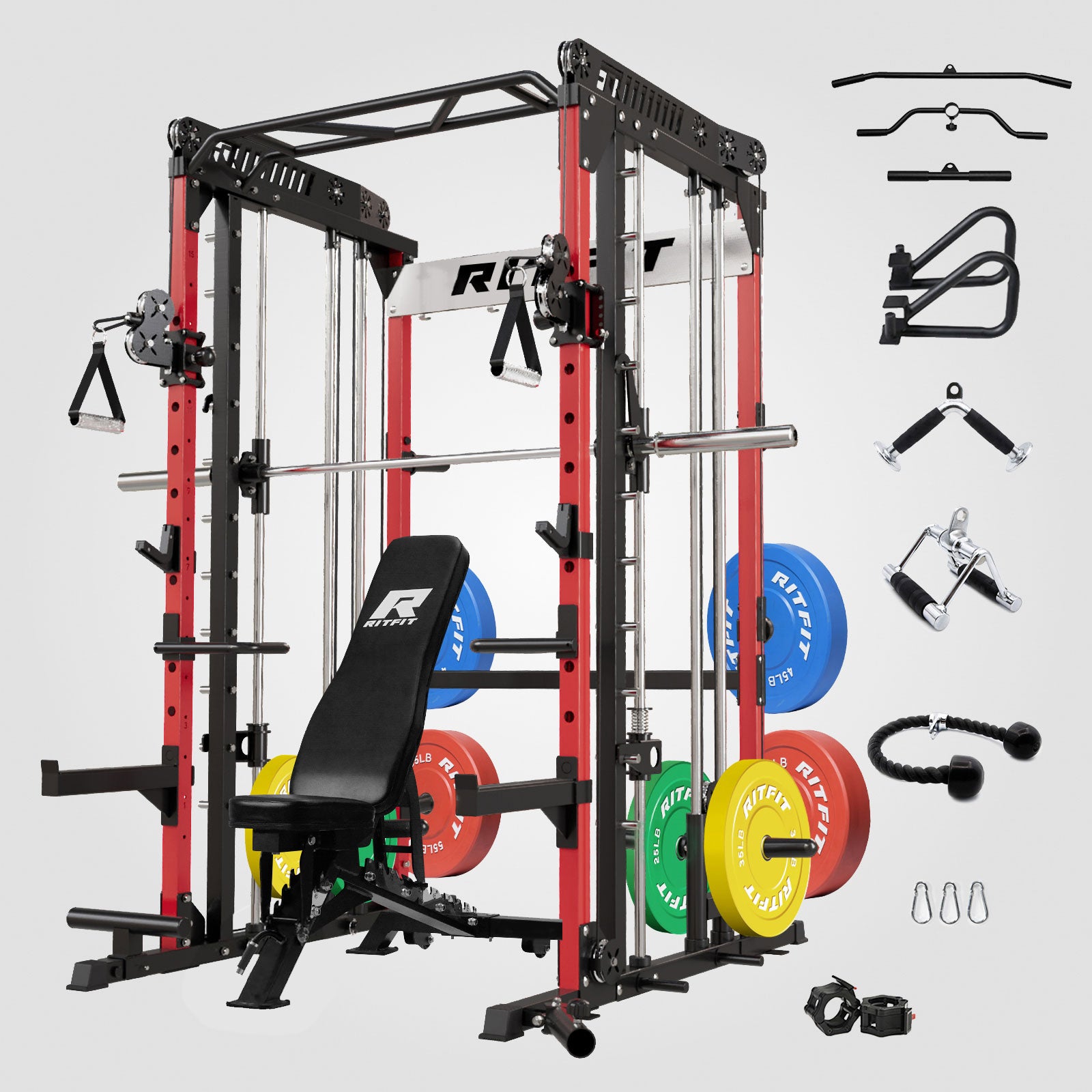
| Smith machines and gym racks | Guided strength training, controlled resistance, mobility supportive home training | Truemed eligible gym rack collection |
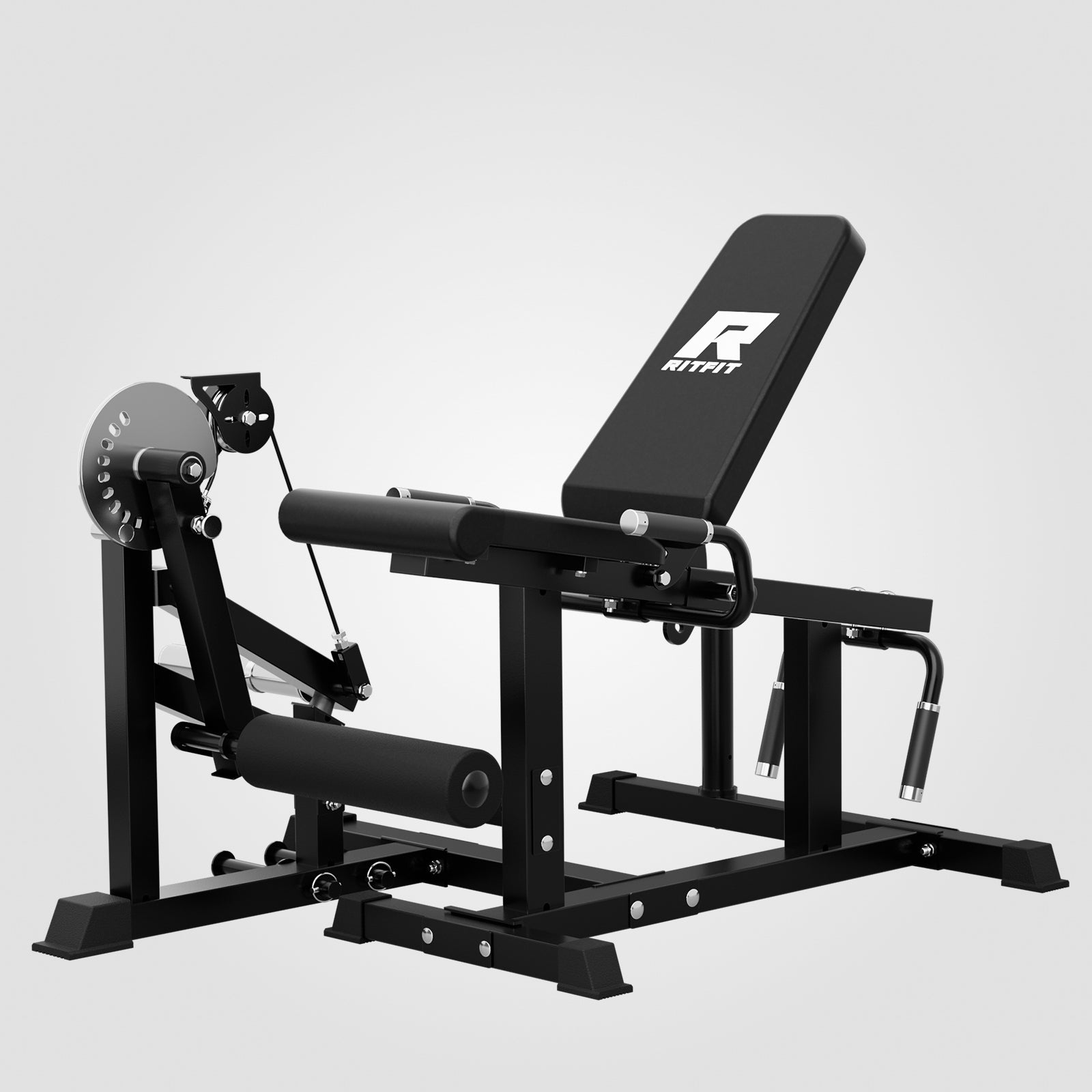
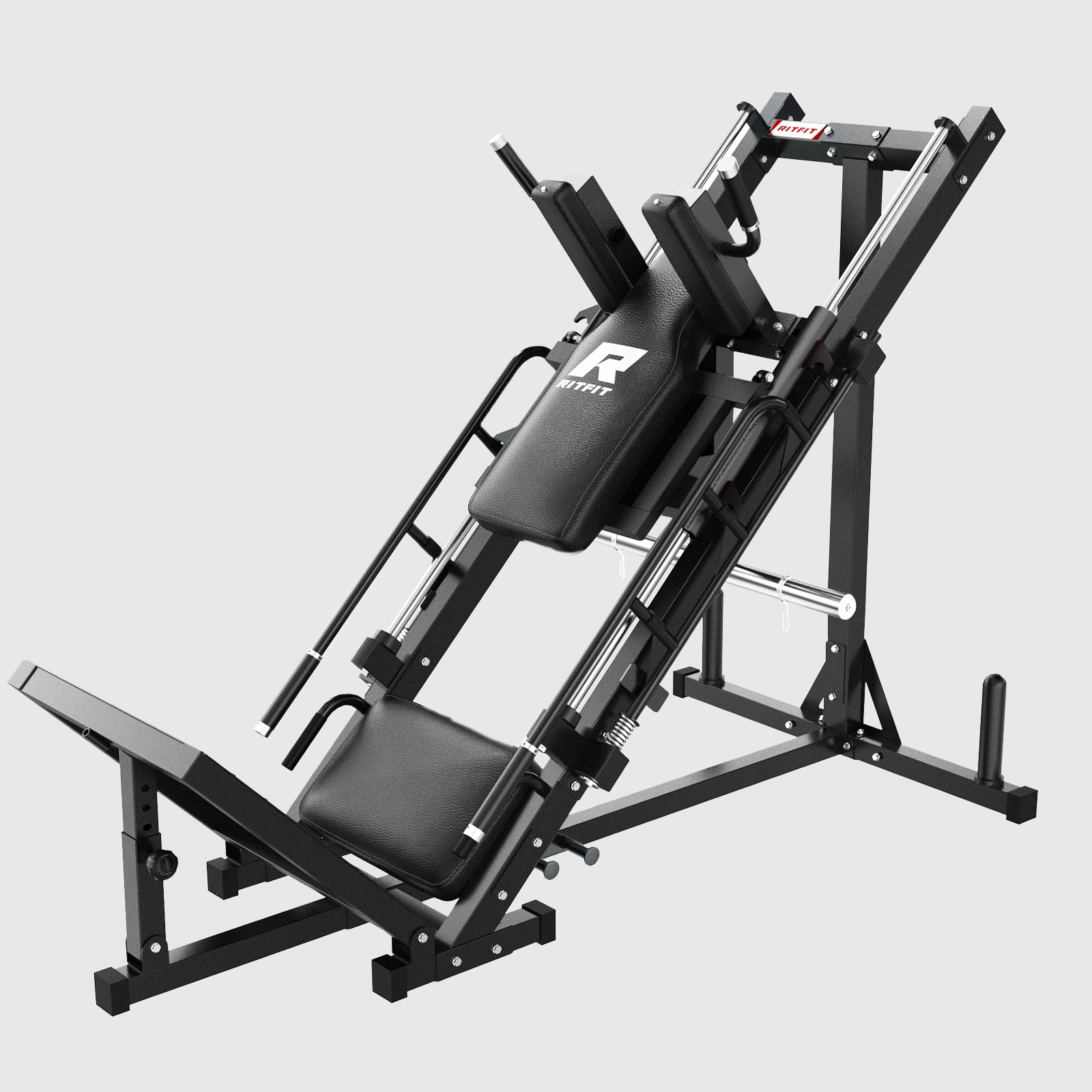
| Strength machines | Lower body strength, controlled resistance, rehabilitation supportive training | RitFit strength machines |
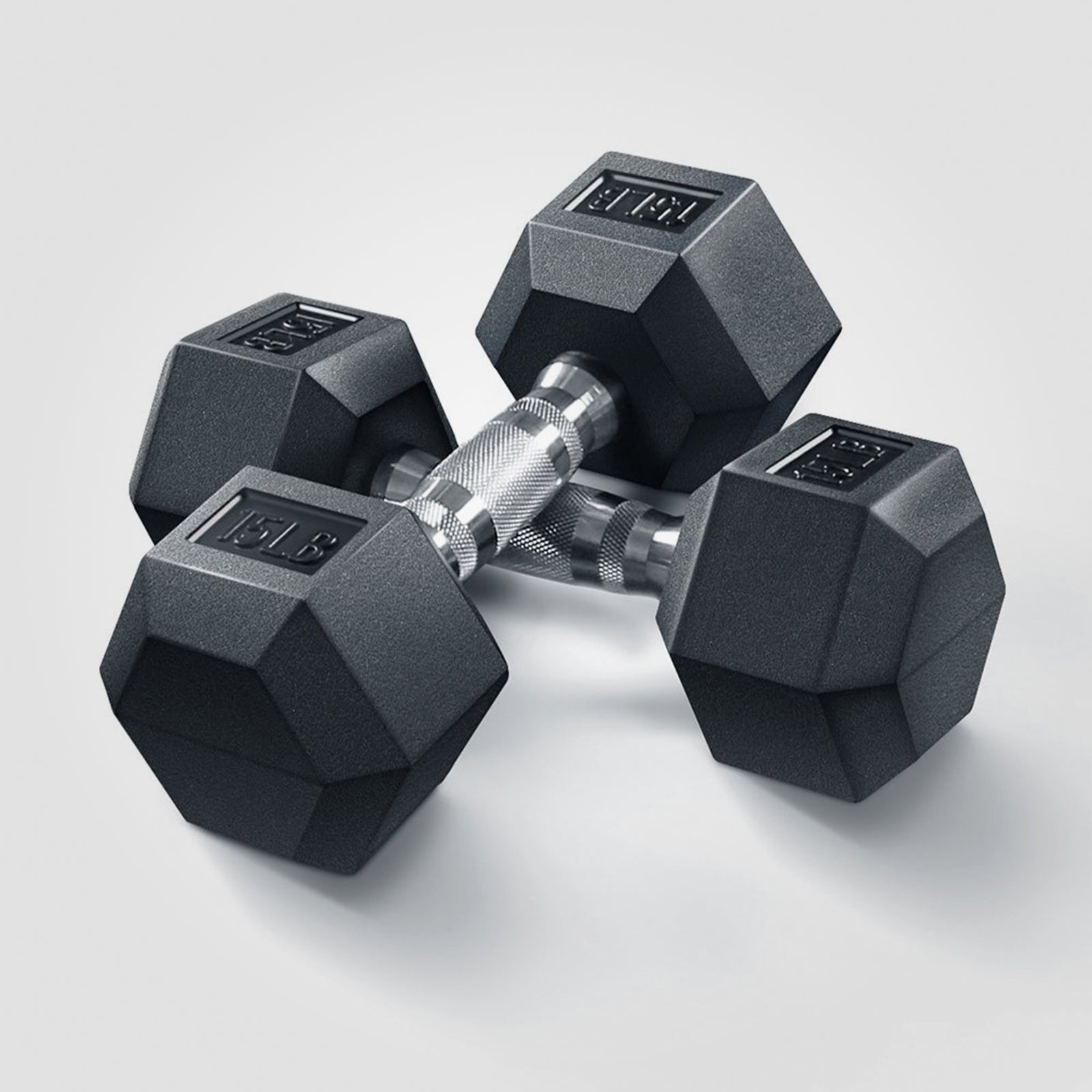
| Dumbbells and free weights | Progressive resistance training, muscle maintenance, home strength programs | RitFit dumbbells |
| Adjustable benches | Supported upper body training, seated resistance work, safe exercise positioning | RitFit adjustable benches |
| Cardio equipment | Heart health, weight management, low impact conditioning, provider guided activity | Confirm eligibility with your administrator before purchase |
Strength Training Equipment That May Support a Medical Plan
Strength equipment may be relevant when the goal is medically directed muscle maintenance, mobility, balance, bone health, or rehabilitation.
For home gym users, controlled loading, stable positioning, and repeatable movement paths can make equipment selection easier to explain in an LMN.
- Smith machines: A Smith machine can support guided bar path training for users who need controlled strength work at home. Explore RitFit Smith machines for home gyms when your plan includes resistance training.
- Power racks and gym racks: A rack can support squats, presses, rows, and other strength movements in one training zone. The RitFit Truemed eligible gym rack collection is the most relevant internal destination for this article.
- Dumbbells: Dumbbells are useful for adjustable unilateral training, light rehabilitation style progressions, and general strength work. Users can compare home gym dumbbells based on available space and loading needs.
- Benches: Adjustable benches can support seated, incline, flat, and supported exercises. Pairing a bench with provider approved resistance training may help make a home plan more practical.
How the Letter of Medical Necessity Process Works
A Letter of Medical Necessity explains why a product is medically appropriate for your condition and why it is part of care.
It should connect the product to a diagnosis, symptom, functional limitation, rehabilitation goal, or health management plan.
Step 1: Discuss Your Health Goal With a Provider
Start by explaining the condition, your current limitations, your exercise goal, and why home equipment may be safer or more practical than other options.
Step 2: Identify the Equipment Clearly
The LMN should name the equipment type, such as a gym rack, dumbbell set, adjustable bench, or strength machine, rather than using vague wording like fitness gear.
Step 3: Keep All Purchase Records
Save the LMN, itemized receipt, order confirmation, product page, reimbursement form, and any communication from your HSA or FSA administrator.
Step 4: Submit or Store Documentation
Some plans require pre approval, while others allow purchase first and documentation later, so follow the workflow required by your specific administrator.
How to Use HSA or FSA Funds for RitFit Equipment Through Truemed
RitFit works with Truemed to help qualified customers determine whether certain fitness equipment purchases may qualify as medically necessary expenses.
Start with the RitFit HSA/FSA Program, then complete the required intake process if prompted at checkout.
- Choose relevant equipment: Select equipment that matches your medical goal, such as strength, mobility, conditioning, or chronic condition support.
- Complete the Truemed intake: Truemed may ask health related questions to determine whether a purchase qualifies for LMN support.
- Use HSA or FSA payment if approved: Qualified customers may be able to pay with an HSA or FSA card, depending on the checkout path and plan rules.
- Submit for reimbursement when needed: If you pay with a credit card, keep the LMN and receipt for possible reimbursement submission.
Where to Buy HSA or FSA Eligible Exercise Equipment
The best place to buy depends on whether the seller supports documentation, eligible product routing, and clear receipts.
For RitFit customers, the most direct starting point is the HSA/FSA program page and the eligible gym rack collection.
- Direct from RitFit: Buying direct can make product selection, receipts, warranty questions, and home gym compatibility easier to manage.
- Through Truemed supported flow: Truemed can help qualified customers connect eligible health purchases to LMN documentation.
- From medical or wellness retailers: Some retailers mark eligible products, but eligibility still depends on your plan and medical documentation.
- From general marketplaces: Marketplace purchases may require extra documentation because product eligibility and receipt detail can vary.
What Usually Does Not Qualify
Most general fitness purchases do not qualify when they are made for recreation, appearance, convenience, or general wellness.
Do not assume a product is eligible just because it improves health or can be used for exercise.
- General fitness equipment: Equipment bought only to work out, build muscle, or stay in shape may not qualify.
- Recreational sports gear: Items used mainly for hobbies, games, or sports performance are usually harder to justify as medical expenses.
- Gym memberships: General memberships are often not eligible unless tied to a specific medical treatment need and accepted by the plan.
- Apparel and accessories: Shoes, clothing, bags, towels, and general accessories usually do not qualify as medical expenses.
- Unclear purchases: Products with no diagnosis, no LMN, and no provider connection are at higher risk of denial.
Common Mistakes to Avoid
The biggest mistake is buying first and trying to justify the purchase later.
For expensive home gym equipment, confirm the documentation process before relying on HSA or FSA funds.
- Using the phrase HSA approved too broadly: Eligibility depends on the user, the plan, the product, and the medical reason.
- Skipping the LMN: Many fitness equipment purchases need medical necessity documentation before reimbursement is accepted.
- Ignoring plan administrator rules: Your provider may support the purchase, but the administrator still controls claim processing.
- Losing receipts: Keep complete records because HSA users may need to prove that distributions were used for qualified medical expenses.
- Choosing equipment without a clear use case: A product that directly supports the care plan is easier to document than a broad fitness wish list.
Documentation Checklist Before You Buy
Use this checklist before purchasing high value exercise equipment with HSA or FSA funds.
It helps reduce claim friction and creates a clearer record for reimbursement or tax documentation.
- Medical diagnosis or health condition: Document the condition that the equipment is intended to support.
- Provider recommendation: Ask whether the provider can explain why this equipment is medically necessary.
- Letter of Medical Necessity: Confirm whether an LMN is required before purchase, after purchase, or during checkout.
- Itemized receipt: Make sure the receipt shows the product, date, seller, price, and payment method.
- Product page copy: Save or print the product page so the equipment description is available if requested.
- Administrator confirmation: Contact your HSA or FSA administrator when the purchase is expensive or uncertain.
Best RitFit Pages to Continue Your Research
If your provider recommends home strength training, use RitFit category pages to compare equipment by training goal, space, and setup style.
These pages also create a clearer shopping path from medical need to product category.
- For benefit eligibility: Visit the RitFit HSA/FSA Program.
- For rack based strength training: Explore Truemed eligible gym racks.
- For guided bar path training: Compare Smith machines for home gyms.
- For lower body strength: Browse strength machines.
- For compact resistance training: View dumbbells for home gyms.
- For safer training positions: Shop adjustable benches.
- For safe Smith machine training: Read the safe Smith machine training guide.
FAQs
Can I use HSA funds for exercise equipment?
Yes. You may be able to use HSA funds for exercise equipment when the purchase is medically necessary and supported by proper documentation. General fitness goals usually are not enough, so confirm the requirement with your provider and HSA administrator before buying.
Can I use FSA funds for home gym equipment?
Yes. FSA funds may be used for home gym equipment when the product is connected to a qualified medical need and accepted by your plan. Because FSA rules and deadlines vary, check your administrator before making a large purchase.
What is a Letter of Medical Necessity for exercise equipment?
A Letter of Medical Necessity explains why exercise equipment is needed for a medical condition or treatment plan. It usually identifies the condition, recommended product type, expected health purpose, provider details, and the period of medical need.
Is a Smith machine HSA or FSA eligible?
Maybe. A Smith machine may qualify only when it is medically necessary and properly documented. It may be easier to justify when the provider recommends controlled strength training for mobility, strength maintenance, rehabilitation, or chronic condition management.
Are dumbbells HSA or FSA eligible?
Maybe. Dumbbells may qualify when they are part of a documented treatment plan rather than a general workout purchase. Your provider should explain how resistance training supports the condition, and your plan administrator should confirm the required documentation.
Does Truemed approve RitFit HSA and FSA purchases?
Truemed helps determine whether qualified customers may use HSA or FSA funds for eligible RitFit purchases. The process may include a health intake form and clinician review, and approved customers may receive documentation for payment or reimbursement.
What documents should I keep after buying HSA or FSA exercise equipment?
Keep the LMN, itemized receipt, order confirmation, product page, reimbursement submission, and any administrator messages. These records help show that the equipment was purchased for a qualified medical purpose and not only for general fitness.
Should I ask my HSA or FSA administrator before buying fitness equipment?
Yes. You should contact your administrator before buying expensive fitness equipment because documentation rules can vary by plan. A quick check may prevent claim denial, missing paperwork, wrong payment method, or timing problems with FSA funds.
Conclusion
Exercise equipment can be a smart health investment, but HSA and FSA eligibility depends on medical necessity, documentation, and plan rules.
Before buying, connect the equipment to a clear care goal, confirm the LMN process, and use RitFit and Truemed resources to choose a product path that fits your health needs and home gym plan.
Disclaimer
This article is for general educational purposes only and is not medical, tax, legal, or benefits advice. HSA and FSA eligibility depends on your health condition, provider documentation, account rules, and administrator review. Always consult your healthcare provider, tax professional, and HSA or FSA administrator before making purchase or reimbursement decisions.
References
- Kanaley JA, Colberg SR, Corcoran MH, Malin SK, Rodriguez NR, Crespo CJ, et al. Exercise/physical activity in individuals with type 2 diabetes: a consensus statement from the American College of Sports Medicine. Med Sci Sports Exerc. 2022;54(2):353-368. doi:10.1249/MSS.0000000000002800
- Pinckard K, Baskin KK, Stanford KI. Effects of exercise to improve cardiovascular health. Front Cardiovasc Med. 2019;6:69. doi:10.3389/fcvm.2019.00069
- Hong AR, Kim SW. Effects of resistance exercise on bone health. Endocrinol Metab (Seoul). 2018;33(4):435-444. doi:10.3803/EnM.2018.33.4.435
- Hayden JA, Ellis J, Ogilvie R, Malmivaara A, van Tulder MW. Exercise therapy for chronic low back pain. Cochrane Database Syst Rev. 2021;9:CD009790. doi:10.1002/14651858.CD009790.pub2