Table of Contents
- Overview: Home Gym vs. Gym Membership
- Cost Comparison: Upfront vs. Ongoing
- Convenience and Time Investment
- Workout Quality and Equipment Variety
- Motivation, Discipline, and Experience
- Space, Noise, and Lifestyle Constraints
- Hygiene, Safety, and Comfort
- Who Should Choose a Home Gym?
- Who Should Choose a Gym Membership?
- The Hybrid Approach: The Best of Both Worlds
- Decision Checklist: Home Gym vs. Gym Membership
For many people, buying home gym equipment is worth it if convenience, time savings, privacy, and long-term value matter more than having endless machine options. A gym membership still makes more sense for beginners who want coaching, people with limited space, or anyone who stays motivated by classes, community, and a dedicated training environment.
Key Takeaways
- A home gym is often worth it for consistent exercisers who want faster, more flexible workouts at home.
- A gym membership is often better for beginners, apartment renters, and people who need variety or coaching.
- Home gym equipment has a higher upfront cost but lower long-term ongoing costs.
- Commercial gyms offer more machines, classes, and social motivation, but they also require travel and recurring fees.
- The best choice depends on your budget, space, training goals, personality, and how likely you are to stay consistent.
Overview: Home Gym vs. Gym Membership
The home gym vs. gym membership decision comes down to one core question: Which option makes it easier for you to train consistently over time?
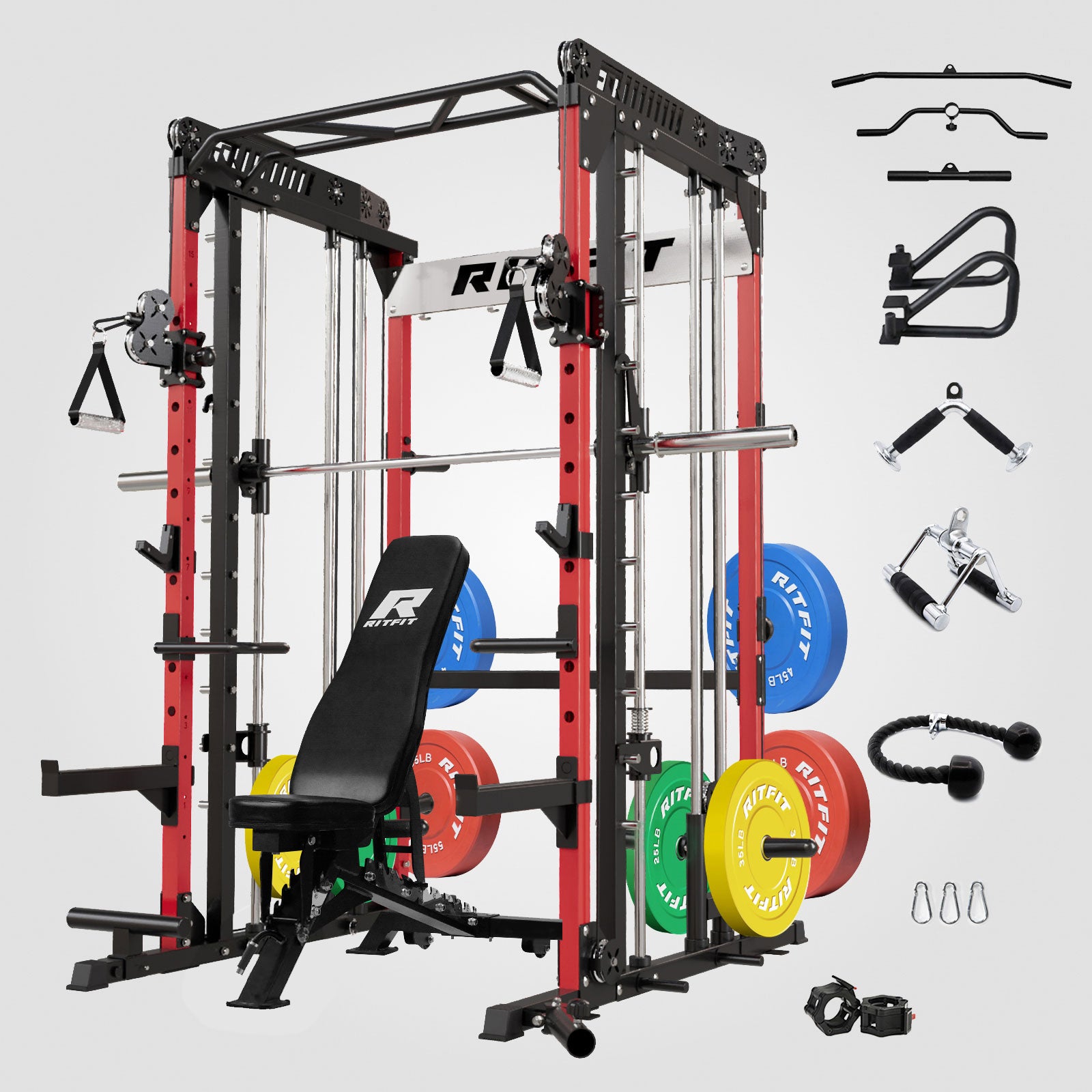
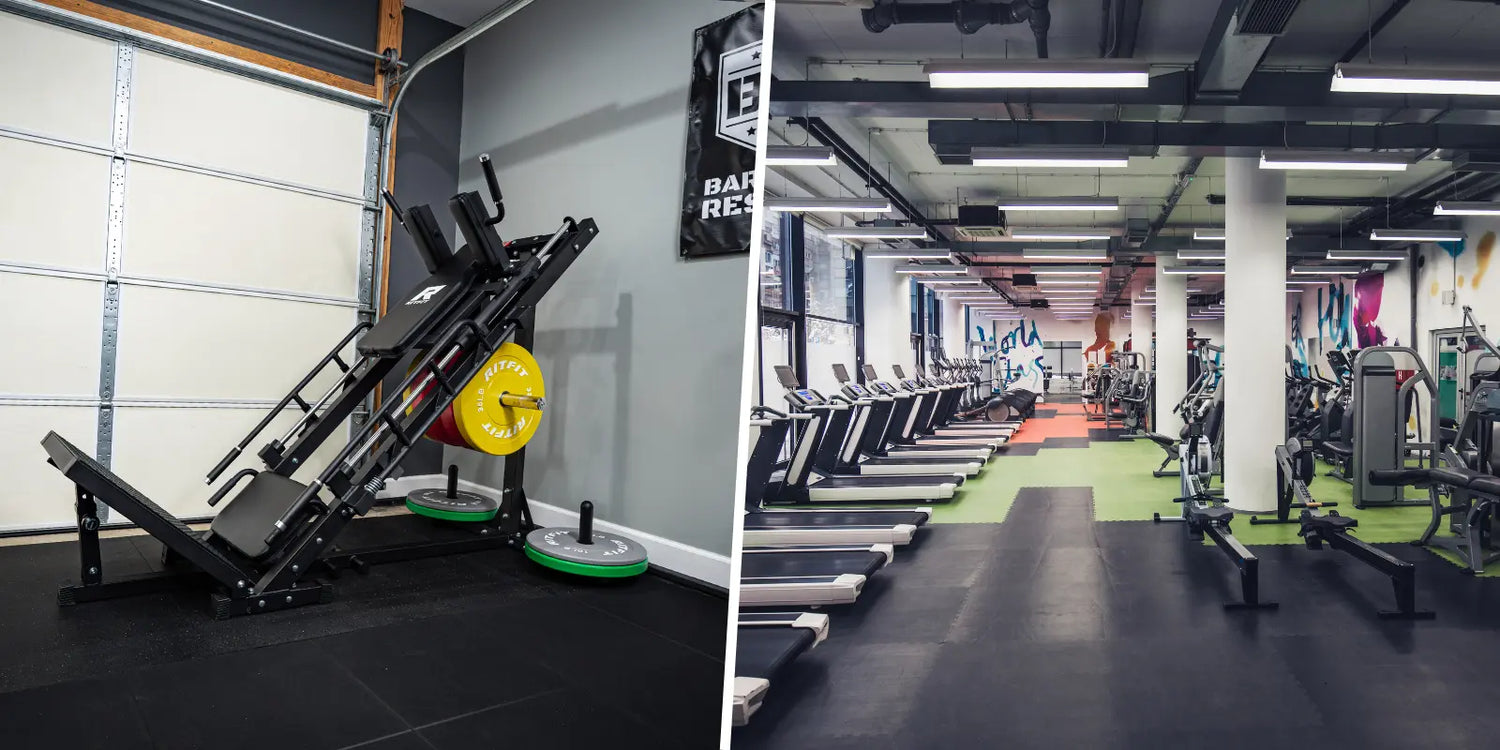
A home gym can be as simple as a yoga mat, resistance bands, adjustable dumbbells, and a bench in a spare corner. It can also be a more complete setup with a power rack, barbell, weight plates, flooring, cardio equipment, and storage in a garage or basement.
A gym membership gives you access to a commercial training space with strength machines, free weights, cardio equipment, cable stations, classes, trainers, and amenities that most homes cannot match.
In simple terms, a home gym offers ownership, privacy, and convenience. A commercial gym offers equipment variety, built-in structure, and a training atmosphere that many people find energizing.
Cost Comparison: Upfront vs. Ongoing
Initial Costs
The biggest drawback of a home gym is the upfront investment. Even a practical beginner setup may include adjustable dumbbells, a bench, resistance bands, flooring, and storage. A more advanced home gym may add a rack, barbell, plates, cable system, or cardio machine, which can quickly increase the total cost.
A gym membership is easier to start from a cash flow perspective. Most people only need to pay a signup fee, monthly dues, and possibly an annual maintenance fee.
Ongoing Costs
This is where home gym equipment often becomes more attractive over time. Once you own the equipment, your ongoing costs are usually limited to maintenance, occasional upgrades, or optional fitness app subscriptions.
A gym membership creates recurring expenses month after month. In addition to membership fees, there may be class costs, locker fees, parking, gas, public transit, or the indirect cost of time spent commuting.
Break Even Calculation
If you are asking whether a home gym is worth it financially, the break-even point matters.
A small home gym setup may pay for itself relatively quickly when compared with a monthly membership. A more complete home gym may take longer, but it can still become the cheaper option if you train consistently for years.
Here is a practical way to think about it:
| Setup Type | Estimated Upfront Cost | Typical Gym Membership Equivalent | Approximate Break Even |
| Minimal setup with bands, mat, and dumbbells | Low | Budget gym membership | Often within the first year |
| Strength focused setup with bench, adjustable dumbbells, and barbell basics | Moderate | Mid tier gym membership | Often within 1 to 2 years |
| Full garage gym with rack, plates, bench, and cardio equipment | High | Premium gym membership | Often within 18 to 24 months or longer |
The exact number depends on your local membership price, how often you train, and whether more than one person in your household uses the equipment.
Convenience and Time Investment
Accessibility and Schedule
A home gym gives you immediate access whenever you want to train. You do not need to commute, pack a bag, wait for a machine, or plan your day around peak gym hours.
A commercial gym adds more friction. Even a short workout can turn into a much longer time block once travel, parking, check-in, and waiting for equipment are included.
Time Efficiency
For busy adults, students, and parents, convenience can be the deciding factor.
A home gym makes it easier to train in shorter windows. You can lift before work, do a quick lunchtime session, or finish a workout late at night without leaving the house. That time efficiency often improves workout consistency more than people expect.
If your biggest fitness problem is not knowledge but lack of time, buying home gym equipment may be worth it for that reason alone.
Workout Quality and Equipment Variety
Equipment Range
This is where commercial gyms usually win.
A gym membership gives you access to more equipment than most homes can support, including selectorized machines, cable towers, specialty bars, cardio machines, and multiple options for training the same movement patterns.
A home gym is limited by budget and square footage, so most people prioritize versatile equipment such as adjustable dumbbells, a bench, resistance bands, a squat rack, a Smith machine, or a barbell and plates.
Training Options and Progression
A commercial gym makes exercise variety easier. You can use machines for targeted hypertrophy work, shift between cable movements, and access heavier loading options without buying additional equipment.
A home gym can still support excellent progress, especially for strength training fundamentals like squats, presses, rows, deadlifts, split squats, pull-ups, and progressive overload. The tradeoff is that you may need to be more intentional with exercise selection and more creative when adding variety.
For many intermediate lifters, a well-planned home setup is enough. For people who love machine-based bodybuilding, specialized cable work, or multiple cardio formats, a commercial gym may still offer better long-term variety.
Guidance and Coaching
A gym membership can provide built-in support through trainers, classes, and staff guidance. That matters for beginners who need feedback on form, structure, and exercise programming.
At home, your progress depends more on self-direction. You may rely on online coaching, workout apps, video instruction, or your own training experience to stay on track.
Motivation, Discipline, and Experience
Environment and Social Factors
Some people train better in a commercial gym because the environment creates momentum. The energy of other lifters, the availability of classes, and the sense of being in a dedicated training space can all increase effort.
Other people prefer the comfort of home. They do not want crowds, noise, waiting, unwanted attention, or the pressure of a busy weight room.
Accountability and Habit Formation
Your personality matters more than most comparison articles admit.
A home gym works best for people who are self-directed, private, and ready to train without external pressure. A gym membership works better for people who need structure, social accountability, or the simple act of leaving the house to switch into workout mode.
If you often skip workouts because getting to the gym feels inconvenient, a home gym can remove a major barrier. If you often skip workouts because you lose focus at home, a gym membership may protect your routine better.
Space, Noise, and Lifestyle Constraints
Space Requirements
A home gym always requires some level of dedicated space. That may be a garage, basement, spare bedroom, or a compact apartment corner with foldable or multifunctional furniture.
Before buying anything, you need to think about floor space, ceiling height, storage, and movement clearance. This matters even more for racks, cable systems, benches, barbells, and cardio machines.
A gym membership removes that burden completely. You do not need to give up living space, manage layout, or store heavy equipment at home.
Noise, Neighbors, and Household Factors
Home gym equipment can affect the people around you. Weights can be noisy, treadmills create vibrations, and even simple workouts can disrupt neighbors or family members in shared spaces.
This is especially important for apartment renters, households with sleeping children, and anyone training early in the morning or late at night.
Aesthetics and Home Value
Some people love the look and function of a clean home gym. Others do not want fitness equipment to dominate their living environment.
That lifestyle preference matters. Even if home equipment is financially smart, it may not feel worthwhile if it makes your home feel cramped, cluttered, or less comfortable.
Hygiene, Safety, and Comfort
Cleanliness and Germ Exposure
A home gym offers much more control over cleanliness. You decide how often equipment is cleaned, who uses it, and how the space is maintained.
A commercial gym means sharing benches, bars, machines, and locker rooms with many other people. For some users, that is a minor issue. For others, it is a major quality of life factor.
Safety and Injury Risk
Safety is different in each environment.
At home, you are fully responsible for setup, maintenance, flooring, weight storage, and safe lifting practices. If you train alone with a barbell, you need the right safety equipment and enough experience to use it correctly.
A commercial gym provides more support around you, but that does not automatically make it safer. Poor form, crowding, and rushing through workouts can still create risk. In both settings, smart equipment choices, proper technique, and appropriate loading matter more than location alone.
Comfort and Privacy
Privacy is one of the strongest reasons many people choose a home gym.
Training at home can feel more comfortable for beginners, women, introverts, and anyone who dislikes being watched, waiting for equipment, or feeling judged while learning new exercises. That comfort can improve adherence, which is often more important than having access to every possible machine.
Who Should Choose a Home Gym?
A home gym is usually the better choice for:
- People who already train consistently and want to save time
- Households where multiple people will use the same equipment
- Lifters who prioritize privacy, convenience, and long-term ownership
- People with enough space for a safe and practical setup
- Strength-focused users who can get excellent results from versatile core equipment
Who Should Choose a Gym Membership?
A gym membership is usually the better choice for:
- Beginners who want coaching, structure, and easier exercise guidance
- People who enjoy classes, community, and a motivating training environment
- Renters or frequent movers with limited room for equipment
- Lifters who want many machines, cable options, and specialty training tools
- Anyone who is not ready for the upfront investment of home equipment
The Hybrid Approach: The Best of Both Worlds
You do not always have to choose one side completely.
A hybrid approach works well for many people. You can keep a simple home setup with bands, adjustable dumbbells, or a bench for short weekday workouts, then use a gym membership for heavier lifting, machine work, cardio variety, or classes.
This option makes sense if you want flexibility without fully building out a garage gym. It also reduces the pressure to buy too much equipment too soon.
Decision Checklist: Home Gym vs. Gym Membership
Before you decide, ask yourself these questions:
- Budget:Can you comfortably handle the upfront cost of equipment, or is a monthly payment easier to sustain right now?
- Space:Do you actually have enough room for the equipment you want to buy and the exercises you plan to do?
- Time:Will removing the commute make you more consistent, or do you already have easy access to a good gym?
- Motivation Style:Do you train well on your own, or do you perform better with outside structure and social energy?
- Training Goals:Can a simple home setup support your goal, or do you need broader machine variety and specialty tools?
- Lifestyle Stability:Are you staying in your current home long enough to make equipment ownership worthwhile?
FAQs
Is a home gym cheaper than a gym membership long term?
Yes, a home gym is cheaper over time. You pay a high upfront cost for equipment but eliminate monthly fees. Your break even point depends on your setup. A basic setup pays off within a year while a full garage setup takes about two years to beat commercial gym costs.
Will I lose motivation if I choose a home gym versus a gym membership?
No, you will not necessarily lose motivation. Home gyms offer unmatched convenience that helps busy people train consistently without commuting. Some people do miss the social energy and structured classes of a commercial gym. You must decide if privacy or social accountability drives your daily workout habits better.
What equipment do I need for a home gym versus a gym membership?
You only need a few versatile items to start training at home. A yoga mat, adjustable dumbbells, and a bench provide a solid foundation. A commercial gym membership offers vast rows of specialized machines. You must evaluate your available floor space and specific training goals before buying bulky items.
Can I combine a home gym and a gym membership?
Yes, a hybrid approach offers excellent flexibility for many lifters. You can keep basic resistance bands and adjustable dumbbells at home for quick weekday workouts. You then visit your commercial facility for heavy lifting and specialty machines. This strategy prevents you from spending too much money on large home equipment.
Conclusion
Buying home gym equipment is worth it for many people, but not for everyone. If you value convenience, privacy, time savings, and long-term cost control, a home gym can be an excellent investment. If you need coaching, equipment variety, or community or have limited space, a gym membership may still be the better fit. The best option is the one that helps you train safely, consistently, and realistically within your daily life.