Short term fitness goals are the small actions you plan to complete soon, while long term fitness goals are the bigger outcomes you want to reach over months or years.
Both matter because short term goals build consistency, and long term goals give your training a clear direction.
Key Takeaways
- Short term fitness goals: These focus on actions you can complete within days, weeks, or a few months.
- Long term fitness goals: These define larger outcomes that usually take six months or more.
- Best use: Short term goals help you build habits, while long term goals help you stay focused.
- Planning method: The most effective plan connects yearly goals, quarterly milestones, monthly targets, and weekly actions.
- Safety rule: Fitness goals should match your current ability, recovery, schedule, and health status.
What Are Short Term Fitness Goals?
Short term fitness goals are specific targets you aim to complete in the near future, usually within a few days to three months.
They work best when they focus on controllable behaviors, such as workout frequency, daily steps, mobility practice, or meal consistency.
- Workout example: Complete three 30 minute workouts per week for the next four weeks.
- Cardio example: Walk 8,000 steps per day for the next 30 days.
- Strength example: Add one extra rep to each main lift over the next month.
- Mobility example: Stretch for 10 minutes after every workout for four weeks.
What Are Long Term Fitness Goals?
Long term fitness goals are bigger outcomes that usually take six months to several years to achieve.
They help you decide what kind of training, recovery, equipment, and weekly habits should matter most.
- Strength example: Perform 10 strict unassisted pull ups within 12 months.
- Cardio example: Run a half marathon within one year after building a safe base.
- Body composition example: Improve body composition over 12 months through training, nutrition, sleep, and consistency.
- Lifestyle example: Maintain a regular workout routine for a full year.
Short Term vs Long Term Fitness Goals at a Glance
The main difference is that short term goals guide what you do now, while long term goals define where those actions should lead.
This comparison makes it easier to build a plan that feels realistic today and meaningful over time.
| Category | Short Term Fitness Goals | Long Term Fitness Goals |
|---|---|---|
| Timeframe | A few days to three months | Six months to several years |
| Main purpose | Build habits and create momentum | Define the larger outcome |
| Level of detail | Specific weekly or monthly actions | Broad performance, health, or lifestyle result |
| Review frequency | Weekly or monthly | Every three to six months |
| Example | Train three times per week for four weeks | Build a consistent strength routine for one year |
What Is the Difference Between Short Term and Long Term Fitness Goals?
The difference comes down to timeframe, purpose, scope, motivation, and flexibility.
Short term goals keep your daily routine clear, while long term goals keep your effort connected to a bigger reason.
- Timeframe: Short term goals focus on the next few days, weeks, or months. Long term goals usually require six months or more.
- Purpose: Short term goals help you act consistently. Long term goals help you choose the right direction.
- Scope: Short term goals are narrow and action based. Long term goals are broader and outcome based.
- Motivation: Short term goals provide quick wins. Long term goals provide deeper purpose when progress feels slow.
- Flexibility: Short term goals are easier to adjust week by week. Long term goals should stay stable enough to guide your plan.
How Short Term and Long Term Goals Work Together
Short term goals are the building blocks that make long term fitness goals realistic.
A long term goal without weekly actions often feels overwhelming, while a short term goal without direction can become random.
- Start with the outcome: Choose one long term goal that matters enough to guide your next several months.
- Break it down: Divide the long term goal into quarterly milestones, monthly targets, and weekly tasks.
- Match the tools: Choose exercises, equipment, and tracking methods that support the same goal.
- Review often: Keep the long term goal steady, but adjust the short term steps when life, recovery, or progress changes.
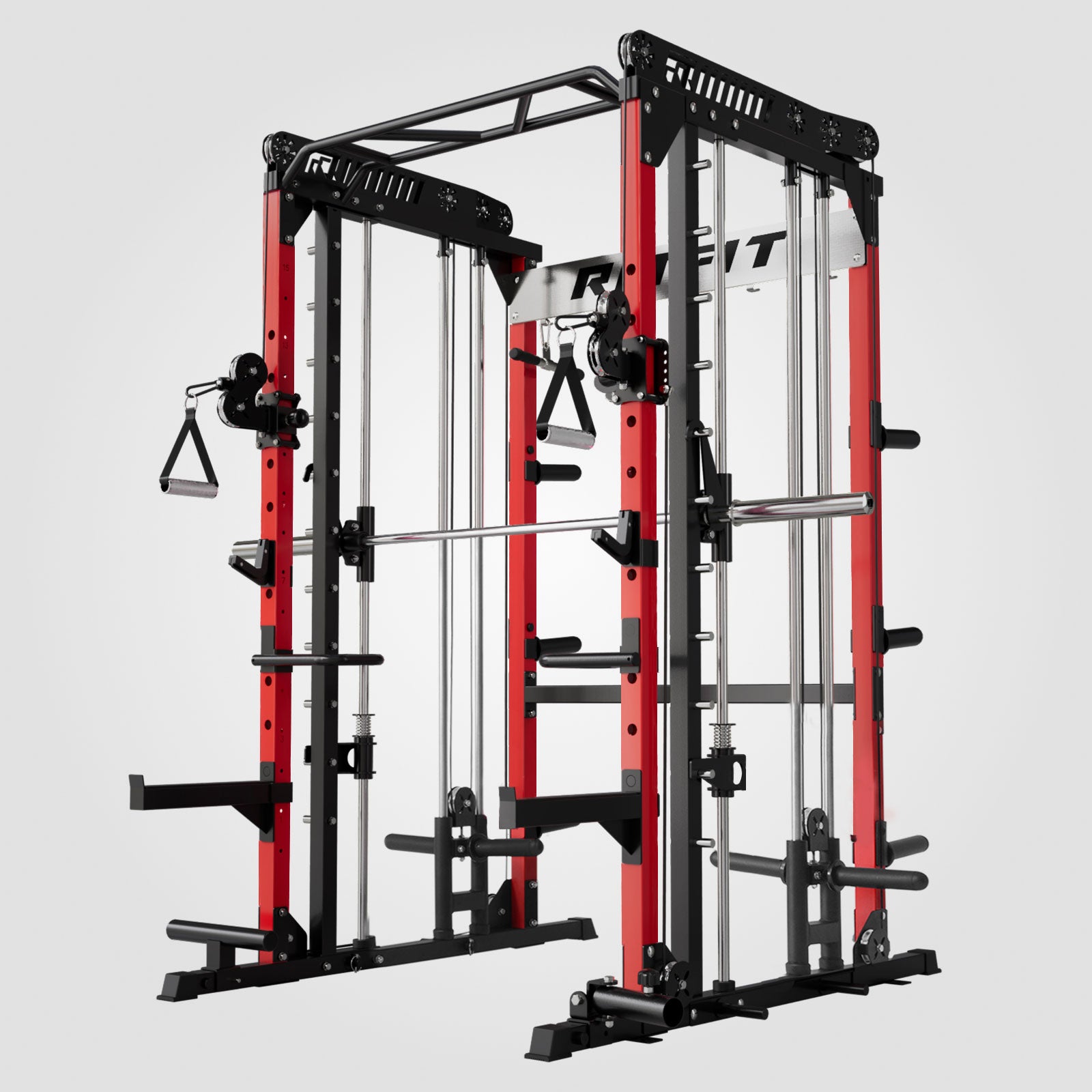
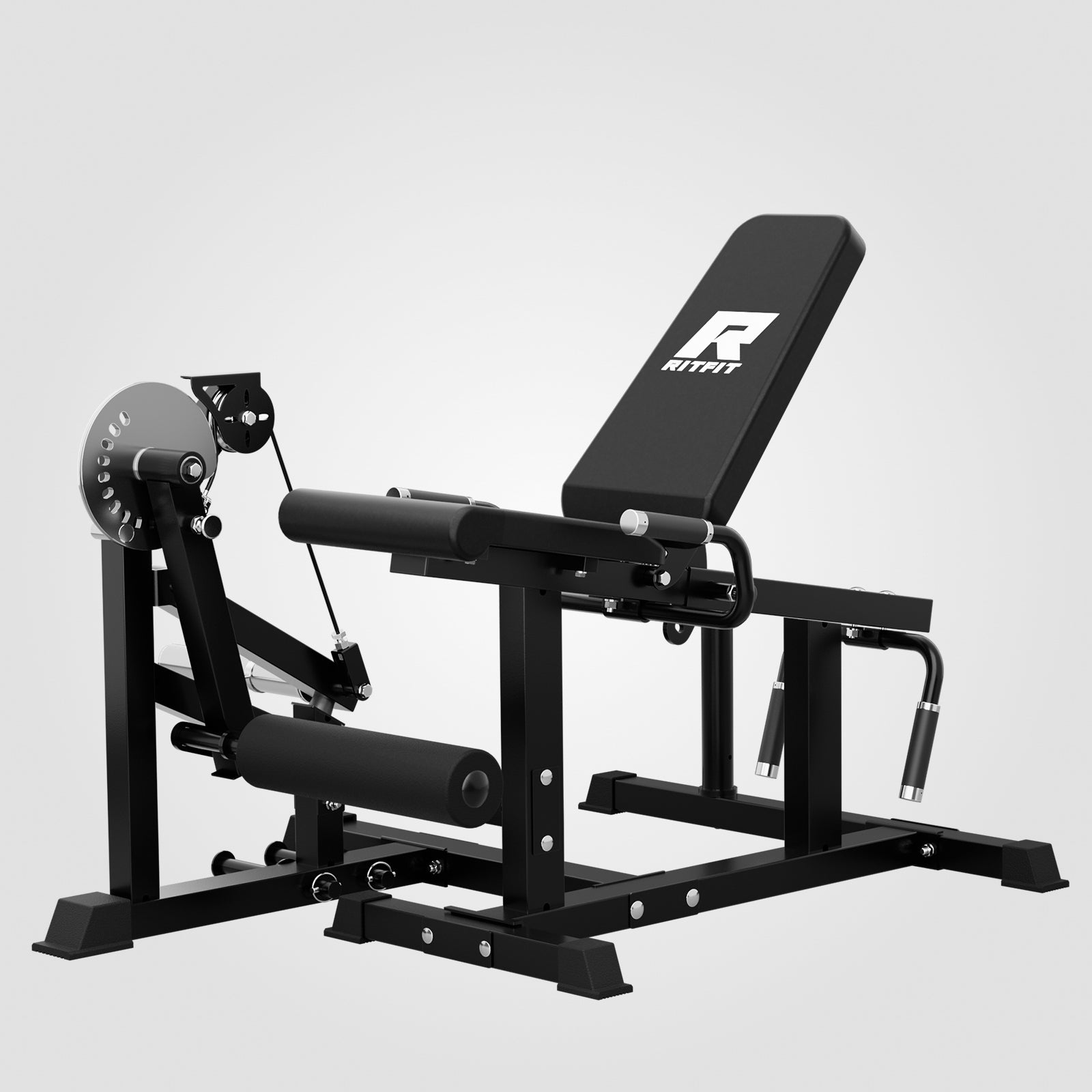
If your goal is to build strength at home, your weekly actions may include full body workouts, progressive overload, and consistent practice with basic equipment such as dumbbells, a stable weight bench, or compact strength machines.
How to Set SMART Fitness Goals
SMART fitness goals are specific, measurable, achievable, relevant, and time bound.
They are easier to act on when paired with action planning, because behavior change improves when the goal explains what you will do, when you will do it, and how progress will be checked.[1]
- Specific: Say exactly what you will do. Replace get fit with complete three full body workouts per week.
- Measurable: Choose a number you can track. Use workouts completed, steps taken, reps added, or minutes trained.
- Achievable: Match the target to your current ability. A beginner should choose a goal that feels challenging but repeatable.
- Relevant: Connect the short term goal to the long term outcome. A strength goal should support strength, not just general activity.
- Time bound: Set a clear deadline. A weekly, monthly, or quarterly review point keeps the goal from becoming vague.
A practical short term SMART goal is to complete three 45 minute strength workouts per week for the next four weeks.
A practical long term SMART goal is to follow a progressive strength plan for 12 months and improve performance in your main lifts.
Examples of Short Term and Long Term Fitness Goals
The best examples match the user, training level, and main outcome.
Use the examples below as templates, then adjust the timeline and difficulty to fit your current fitness level.
| Goal Type | Short Term Goal | Long Term Goal |
|---|---|---|
| Beginner fitness | Complete two full body workouts per week for six weeks | Build a consistent exercise routine for one full year |
| Weight management | Track meals four days per week for one month | Improve body composition over 12 months with sustainable habits |
| Strength training | Add one set to two main lifts over the next four weeks | Perform 10 strict push ups or pull ups within one year |
| Cardio fitness | Walk 20 minutes after dinner five days per week | Complete a 5K, 10K, or half marathon after progressive training |
| Home gym training | Train with a home setup three times per week for one month | Create a sustainable home gym routine that supports strength, cardio, and recovery |
For home strength goals, users often start with a simple setup such as hex rubber dumbbells, an adjustable weight bench, or a Smith machine when they want guided bar movement for structured lifting.
SMART goal setting has also been studied in training contexts, including a 12 week core strength program that combined SMART goals with structured exercise in adolescents.[3]
Sample 12 Month Fitness Goal Plan
A 12 month goal works best when it is broken into smaller checkpoints.
The example below shows how one long term goal becomes quarterly, monthly, weekly, and daily actions.
| Planning Level | Example Goal |
|---|---|
| Long term goal | Build a consistent strength and cardio routine over 12 months |
| Quarterly milestone | Complete three workouts per week for the first three months |
| Monthly target | Finish 12 planned workouts by the end of month one |
| Weekly action | Train Monday, Wednesday, and Friday for 30 to 45 minutes |
| Daily habit | Pack workout clothes, prepare water, and record each session |
If your long term goal includes barbell training, plan your equipment around the movements you will repeat most often, such as squats, presses, rows, and loaded carries with barbells and weight plates.
Common Fitness Goal Setting Mistakes
The most common mistake is setting a big outcome without a clear weekly action plan.
A strong goal should tell you what to do next, not only what you hope to achieve later.
- Setting only long term goals: A goal like get stronger is too broad without weekly targets.
- Setting only short term goals: Random weekly goals may not lead to a meaningful long term result.
- Using unrealistic timelines: Fast timelines can increase frustration, reduce consistency, and raise injury risk.
- Tracking too many things: Start with a few useful metrics, such as workouts completed, steps, reps, weight used, or sleep.
- Ignoring recovery: More exercise is not always better if sleep, soreness, stress, or joint comfort are poor.
- Copying someone else: Your goals should match your schedule, fitness level, equipment, and health needs.
How to Track Your Fitness Goals
Track fitness goals with a simple workout log, calendar, mobile app, or training journal.
Goal setting, monitoring, and feedback may improve adherence to physical activity recommendations, especially when the plan is structured and easy to review.[4]
- Weekly review: Check whether you completed your planned workouts, steps, or mobility sessions.
- Monthly review: Look for trends in strength, endurance, energy, soreness, and schedule consistency.
- Quarterly review: Compare your current progress with the long term goal and adjust the next phase.
- Simple metrics: Track workouts completed, sets, reps, load, time, steps, and perceived effort.
- Equipment log: Record which exercises work best with your space, routine, and available equipment.
Many physical activity apps include goal specificity and goal timeframe, but goal difficulty, action planning, and goal review are often less complete.[2]
If you train at home, browsing popular home gym equipment can help you match your goals to the tools you will actually use.
FAQs
What is the difference between short term and long term fitness goals?
Short term fitness goals focus on actions you can complete soon, while long term fitness goals define the bigger result you want later. The best plan uses short goals to build habits, measure progress, and create steady momentum toward a larger fitness outcome.
How long should short term fitness goals last?
Short term fitness goals usually last from a few days to about three months. This window is long enough to practice consistent habits, but short enough to adjust your plan quickly when your schedule, recovery, or starting fitness level changes.
How long should long term fitness goals last?
Long term fitness goals usually last six months or longer. They may include major outcomes such as completing a race, improving strength, changing body composition, or maintaining a routine for a full year after reaching the first milestone.
Can short term fitness goals help with weight loss?
Yes. Short term fitness goals can support weight loss when they focus on controllable behaviors. Helpful examples include completing weekly workouts, increasing daily steps, improving meal consistency, sleeping better, and reviewing progress without relying only on the scale.
Should beginners set short term or long term fitness goals first?
Beginners should set both, but the first action should be short term and easy to start. A long term goal gives direction, while a small weekly goal lowers friction and helps build confidence through repeated wins.
How do I turn a long term fitness goal into weekly actions?
Break the long term goal into quarterly milestones, then convert the first milestone into monthly and weekly actions. For example, a one year strength goal can start with three weekly workouts, basic movement practice, and a simple workout log.
What are realistic fitness goals for beginners?
Realistic beginner fitness goals are specific, repeatable, and matched to your current ability. Good examples include walking twenty minutes five days per week, completing two full body workouts weekly, or learning proper squat, hinge, push, and pull patterns.
How often should I review my fitness goals?
Review short term fitness goals weekly or monthly, and review long term goals every three to six months. Frequent reviews help you notice patterns, adjust workload, protect recovery, and keep your plan connected to the bigger outcome.
Conclusion
Short term fitness goals tell you what to do now, and long term fitness goals tell you where those actions should lead.
To get started, write down one long term goal, then choose three short term actions you can complete this week.
Disclaimer
This article is for general fitness education only and is not medical advice. If you have a medical condition, are returning from injury, are pregnant, or plan major changes to exercise, weight loss, heart rate, or nutrition goals, speak with a qualified healthcare professional before starting.
References
- Bailey RR. Goal Setting and Action Planning for Health Behavior Change. Am J Lifestyle Med. 2019;13(6):615-618. doi:10.1177/1559827617729634
- Baretta D, Bondaronek P, Direito A, Steca P. Implementation of the goal-setting components in popular physical activity apps: review and content analysis. Digit Health. 2019;5:2055207619862706. doi:10.1177/2055207619862706
- Lu Y, Yu K, Gan X. Effects of a SMART Goal Setting and 12-Week Core Strength Training Intervention on Physical Fitness and Exercise Attitudes in Adolescents: A Randomized Controlled Trial. Int J Environ Res Public Health. 2022;19(13):7715. doi:10.3390/ijerph19137715
- Peiris CL, Gallagher A, Taylor NF, McLean S. Behavior Change Techniques Improve Adherence to Physical Activity Recommendations for Adults with Metabolic Syndrome: A Systematic Review. Patient Prefer Adherence. 2023;17:689-697. doi:10.2147/PPA.S393174