Leg extension machine weight increments are the smallest jumps you can make when increasing resistance, usually ranging from 5 lb to 20 lb depending on the machine. Smaller increments are often better for quad isolation because they help you progress without forcing your knees, form, or connective tissue to absorb a sudden load jump.
This guide explains common increment sizes, how to progress when the next plate feels too heavy, and how to use reps, tempo, micro loading, and smart machine selection to keep quad training productive.
Key Takeaways
- Most leg extension machines increase in 5 lb to 20 lb jumps, depending on whether the machine is selectorized, plate loaded, or built for compact home gyms.
- A 10 lb jump can be too large at lighter loads because the percentage increase is much higher for beginners.
- Use double progression by reaching the top of your rep range first, then increasing by the smallest available weight increment.
- If the next weight causes knee pain, swinging, or a major rep drop, progress with reps, tempo, sets, pauses, or micro loading instead.
- Home gym users should look for stable positioning, smooth resistance, small plate compatibility, and adjustable pads before chasing maximum load.
Table of Contents
- Understanding the Leg Extension Machine
- What Are Weight Increments?
- How Weight Increments Affect Your Training
- Typical Weight Increment Patterns by Machine Type
- How to Progress Weight on the Leg Extension
- Using Micro Loading on Leg Extensions
- Programming Leg Extensions with Smart Increments
- 4 Week Progression Example
- Safety, Form, and Knee Health
- Home Gym Buying Tips
- Special Cases and Goals
- Practical Tips
Understanding the Leg Extension Machine
A leg extension machine trains the quadriceps by extending the knee against external resistance. Unlike squats or leg presses, it is a single joint exercise, which makes the size of each weight jump more noticeable.
Basic Anatomy of a Leg Extension Machine
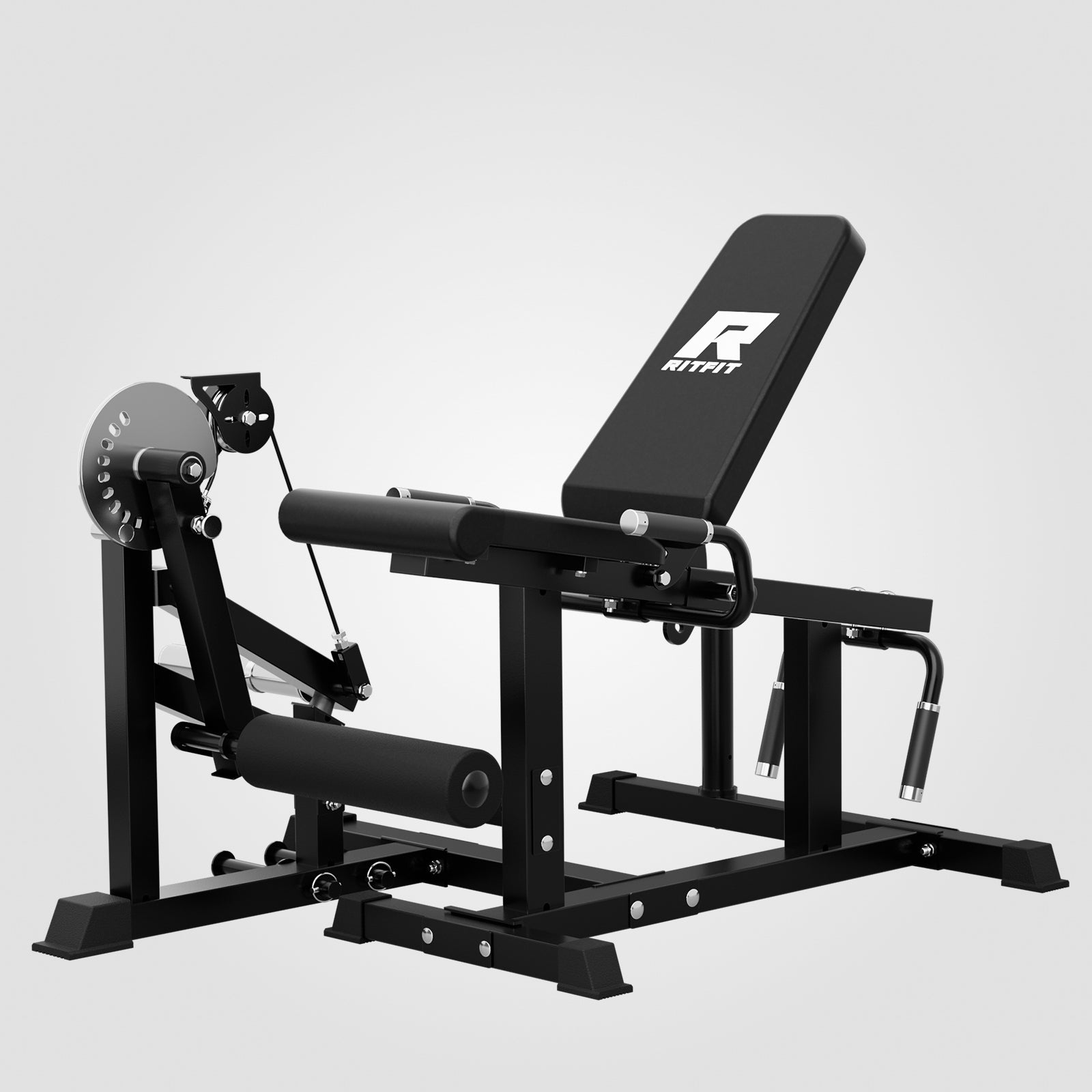
A standard leg extension machine includes a seat, backrest, pivoting lever arm, shin pad, and resistance system. The knee should line up close to the machine pivot so the quad can work through a controlled path without unnecessary joint irritation.
Types of Leg Extension Machines
The main types are selectorized machines, plate loaded machines, and compact home gym leg extension curl units. Selectorized machines use a pin and weight stack, while plate loaded models depend on the smallest plates you own.
Research comparing single joint and multi joint lower body exercises shows that knee extension can target the rectus femoris differently from leg press patterns, which helps explain why precise loading matters on this movement.[1]
What Are Weight Increments?
A weight increment is the smallest increase in resistance you can make on the machine. On a leg extension, that might mean moving from 40 lb to 50 lb on a stack or adding one small plate to a loading peg.
Definition
The increment is not the same as the total working weight. A lifter using 50 lb with a 10 lb jump is facing a much bigger relative increase than a lifter using 200 lb with the same 10 lb jump.
Common Increment Sizes
Commercial selectorized machines commonly use 10 lb, 15 lb, or 20 lb stack jumps, while some machines include a smaller add on weight. Plate loaded machines can progress more smoothly if you own 1.25 lb, 2.5 lb, or 5 lb plates.
| Machine Type | Typical Increment | Best For | Watch Out For |
|---|---|---|---|
| Selectorized stack | 5 lb to 20 lb | Fast setup and commercial gym use | Large fixed jumps that may stall beginners |
| Plate loaded leg extension | Based on smallest plate | Home gyms and flexible progression | Different lever arms can change how heavy the load feels |
| Bench attachment | Based on available plates | Compact spaces and basic quad work | Stability and pad alignment can vary |
| Leg extension curl machine | Based on plate selection | Dedicated lower body accessory training | Needs careful setup for knee comfort |
How Leg Extension Weight Increments Affect Your Training
Weight increments affect leg extensions more than many compound lifts because the movement isolates a smaller muscle group and joint action. A jump that looks small on paper can feel aggressive when the quad is already near fatigue.
Progressive Overload
Progressive overload means gradually increasing training demand over time. A study comparing load progression with repetition progression found that both approaches can support muscular adaptations, which means adding reps can be a valid progression when the next plate is too heavy.[2]
Strength Levels and Relative Increments
The same 10 lb jump affects lifters differently because percentage increase matters. Moving from 40 lb to 50 lb is a 25 percent jump, while moving from 200 lb to 210 lb is only a 5 percent jump.
| Current Weight | Next Weight | Increase | Training Meaning |
|---|---|---|---|
| 40 lb | 50 lb | 25 percent | Very aggressive for most beginners |
| 80 lb | 90 lb | 12.5 percent | Moderate to large jump |
| 100 lb | 110 lb | 10 percent | Manageable only if reps are strong |
| 200 lb | 210 lb | 5 percent | Smaller relative jump |
Muscle Hypertrophy vs Joint Stress
Leg extensions can be effective for quad hypertrophy, but pushing heavy jumps too quickly can increase knee discomfort for some lifters. Reviews on resistance training load suggest muscle growth can occur across a range of loads when effort is appropriate, so very heavy low rep leg extensions are not required for most users.[3]
Typical Weight Increment Patterns by Machine Type
Different machines create different progression experiences even when the number on the stack looks similar. Friction, lever length, pulley setup, seat angle, and pad position can all change how a given load feels.
Commercial Gym Selectorized Machines
Selectorized leg extension machines are convenient, but the stack jump may be too large for smooth isolation progress. If the machine has a built in add on weight, use it before moving to the next full plate.
Plate Loaded Leg Extension Machines
Plate loaded machines give you more control over increments because you choose the plates. For smoother progression, pair the machine with small plates such as 1.25 lb or 2.5 lb increments when available.
Home and Compact Leg Extension Options
Home gym leg extension options can work well when the machine is stable, the pad is adjustable, and the load path feels smooth. If you are building a lower body setup, a dedicated leg extension curl machine for home gyms can be easier to progress than an improvised attachment.
How to Progress Weight on the Leg Extension
The best way to progress on leg extensions is to earn the weight increase before taking it. Build clean reps first, then increase by the smallest available increment only when form and knee comfort stay consistent.
Step by Step Progression Strategy
Choose a weight you can lift for 3 sets of 10 to 12 controlled reps with about 1 to 2 reps in reserve. When all sets reach the top of the range with clean form, increase by the smallest available increment.
- Start With Control: Use a weight that lets you lift smoothly without swinging. The shin pad should move because the quads extend the knee, not because your hips leave the seat.
- Build Reps First: Add reps until every working set reaches the top of your target range. This makes the next load jump less abrupt.
- Add the Smallest Increment: Move up only when form stays strict. If reps fall sharply, the jump was probably too large.
- Repeat the Cycle: Work back up through the rep range at the new load. This is the core of double progression.
RPE and RIR Guidelines
Most lifters should finish leg extension sets with about 1 to 3 reps in reserve. Training to absolute failure is not required every session, especially when knee comfort or technique starts to degrade.
When Increments Feel Too Big
If your reps drop from 12 to 5 after a weight increase, the increment was probably too large. Return to the previous load and progress with reps, pauses, slower tempo, or a small external weight instead.
| Problem | What It Means | Better Progression Option |
|---|---|---|
| Reps drop by more than 30 percent | The jump is too large | Add reps first or use micro loading |
| Knee pain appears immediately | Load or setup may be unsuitable | Lower weight and check alignment |
| Hips lift off the seat | Momentum is replacing quad tension | Reduce weight and slow the tempo |
| Only the first set feels strong | Fatigue is too high | Use longer rest or reduce volume |
Using Micro Loading on Leg Extensions
Micro loading means adding very small amounts of resistance to bridge the gap between standard machine jumps. It is especially useful for isolation movements because small muscles and single joint patterns often need smaller progressions.
What Is Micro Loading?
Micro loading usually means adding 1 lb to 2.5 lb at a time. This lets you keep strict form while still increasing training demand.
Tools and Techniques
Magnetic stack weights, fractional plates, and small Olympic plates are the most practical tools. For plate loaded lower body machines, pairing your setup with small Olympic weight plates for gradual progression can make leg extension training much easier to manage.
Who Benefits Most from Micro Increments
Beginners, smaller lifters, advanced trainees, and people returning carefully after knee irritation benefit most from smaller jumps. These groups often notice form breakdown when a machine only allows large stack increases.
Programming Leg Extensions with Smart Increments
Smart programming keeps the leg extension useful without turning it into a joint stress test. Most lifters should treat it as an accessory exercise for quad development, not a maximum strength lift.
Volume and Rep Ranges
Leg extensions usually fit best in the 10 to 20 rep range because the exercise is controlled, isolated, and easy to load progressively. A broad loading review suggests hypertrophy can be developed across multiple rep zones when sets are performed with sufficient effort.
Weekly and Monthly Progression Examples
A beginner may progress weekly at first, while an intermediate lifter may need several sessions to earn a small increase. If you train quads twice per week, alternate a slightly heavier 10 to 12 rep day with a lighter 12 to 20 rep day.
Combining Load Increases and Rep Increases
Use load increases and rep increases together instead of treating them as competing methods. For example, build from 3 sets of 10 to 3 sets of 15, then add a small increment and rebuild from 10 again.
4 Week Progression Example
This 4 week plan helps you move from being stuck between plates to making controlled progress. It works best when the starting weight feels challenging but does not cause sharp knee pain.
| Week | Target | Progression Rule |
|---|---|---|
| Week 1 | 3 sets of 10 to 12 reps | Choose a load that leaves about 2 reps in reserve |
| Week 2 | 3 sets of 12 to 15 reps | Stay at the same load and add clean reps |
| Week 3 | 3 sets of 10 to 12 reps | Add the smallest increment or micro load |
| Week 4 | 3 sets of 12 to 15 reps | Rebuild reps before increasing again |
Safety, Form, and Knee Health with Increment Changes
Knee comfort is the main limiter when increasing leg extension weight. Muscle burn is expected, but sharp pain around the kneecap, tendon, or joint line is a signal to reduce load and reassess setup.
Proper Leg Extension Technique
Set the machine so your knees align near the pivot and the pad rests above the ankle, not on the foot. Keep your hips down, extend under control, pause briefly near the top, and lower without letting the stack slam.
Warm Up Sets and Ramp Up Increments
Warm up with lighter sets before your working weight. A simple ramp is 50 percent of work weight for 10 reps, then 75 percent for 6 to 8 reps, then your first work set.
Managing Pain and Discomfort
Open chain knee extension can increase patellofemoral demand near terminal knee extension in some contexts, so people with knee pain should be cautious and guided by qualified professionals when needed.[4]
- Good Signal: The quads burn and fatigue while the joint feels stable. This usually means the muscle is doing the work.
- Warning Signal: Sharp pain appears during the rep or lingers after the set. Reduce load and check setup before continuing.
- Programming Fix: Use lighter weight, slower reps, and a pain free range of motion. Do not force heavy increments through joint pain.
Home Gym Buying Tips for Better Weight Progression
For home gym users, the best leg extension setup is not always the one with the highest listed load. The better choice is often the machine that lets you set up consistently, progress in smaller jumps, and train the quads without unstable movement.
What to Look For in a Home Leg Extension Machine
Look for stable seating, adjustable pads, smooth lever movement, plate compatibility, and enough space for safe loading. If you also want compound lower body work, a leg press and hack squat machine for quad training can complement isolation work.
- For Quad Isolation: Choose a dedicated leg extension curl machine if you want focused knee extension and hamstring curl work in one station.
- For Full Leg Training: Consider a full leg workout package with leg press and leg extension options if you want both isolation and compound training.
- For Bench Based Training: A strong adjustable bench can support many accessory movements. See the RitFit GATOR adjustable weight bench if your setup also includes dumbbell and barbell accessories.
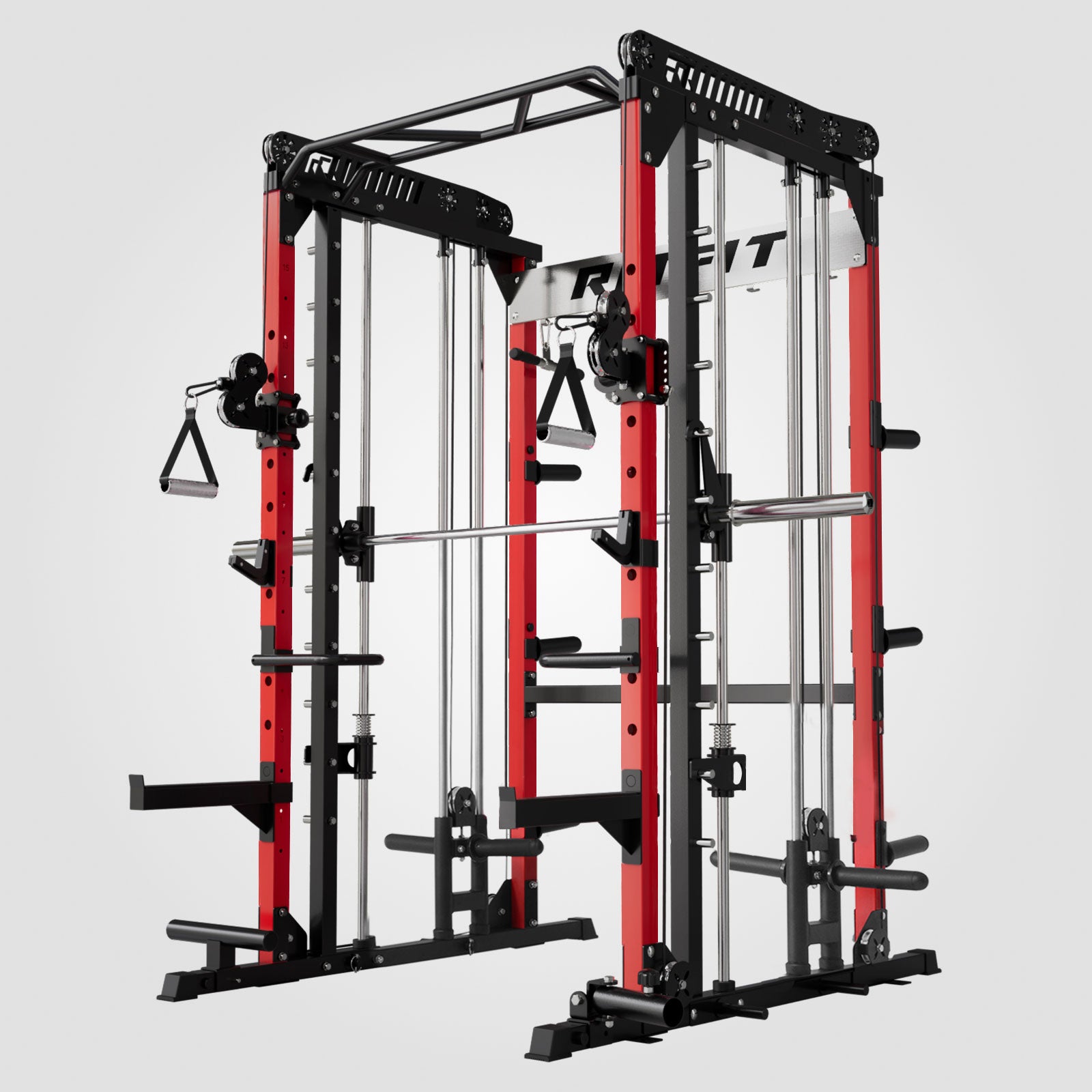
- For All In One Training: If you need cables, pressing, squatting, and attachments in one station, compare an all in one Smith machine home gym package.
- For Broader Equipment Planning: Browse plate loaded leg press and hack squat equipment when your main goal is heavier lower body training.
Special Cases and Goals
Different lifters should use different increment strategies because the goal changes the risk and reward. Bodybuilders, strength athletes, and return to training users should not progress the leg extension the same way.
Bodybuilding Focus
Bodybuilders often use leg extensions to isolate the quads after compound work. Use moderate to high reps, controlled pauses, and small increments to keep tension on the target muscle.
Strength and Power Athletes
Strength athletes should use leg extensions as accessory volume, not as a lift to max out. Conservative increments help support squats, pulls, and sprint training without creating unnecessary knee fatigue.
Return to Training
If you are returning after knee pain, surgery, or medical treatment, use professional guidance before loading aggressively. Tempo manipulation can change training stimulus, and resistance training tempo reviews support using controlled movement as a programming variable rather than relying only on heavier load.[5]
Practical Tips to Get More From Your Leg Extension Machine
The best progression system is the one you can repeat accurately. Track the machine, seat setting, pad setting, weight, reps, tempo, and knee response after each session.
- Keep a Training Log: Write down the exact machine and settings. Different machines can feel very different at the same labeled weight.
- Do Not Chase the Stack: A heavy stack number means little if you are swinging or lifting your hips. Clean tension matters more than ego loading.
- Use Small Plates When Possible: Small plates make home gym progression smoother. They are especially helpful when a standard jump feels too large.
- Pair Isolation With Compound Work: Use leg extensions alongside squats, leg presses, lunges, or hack squats. This builds a more complete lower body program.
- Respect Knee Feedback: Mild quad burn is normal. Sharp pain, swelling, or next day joint irritation means you should reduce load and reassess.
Frequently Asked Questions
What are typical leg extension machine weight increments?
Most leg extension machine weight increments range from 5 lb to 20 lb. Selectorized machines often use fixed stack jumps, while plate loaded machines depend on the smallest plates available, which makes home gym progression easier when you own small plates.
How much should I increase weight on leg extensions?
Increase leg extension weight by the smallest available increment after you can complete your target reps with clean form. For most lifters, 2.5 lb to 5 lb is smoother than a large stack jump, especially when training in the 10 to 20 rep range.
Is a 10 lb jump too much for leg extensions?
Yes. A 10 lb jump can be too much if you are using lighter weights or your reps drop sharply. Build more reps first, slow the tempo, or use micro loading before moving to the next full stack plate.
How can I progress when the next leg extension plate is too heavy?
Progress by adding reps, slowing the lowering phase, adding a short top pause, or using a small external weight. These methods increase training demand without forcing a load jump that may break form or irritate the knees.
Should I use micro loading on a leg extension machine?
Yes. Micro loading is useful when standard machine jumps feel too large. Magnetic stack weights, fractional plates, and small Olympic plates help you add resistance gradually while keeping strict quad tension and better knee comfort.
Why does leg extension weight feel different on every machine?
Leg extension weight feels different because machines use different lever arms, seat angles, friction levels, cable systems, and resistance curves. Track the exact machine and settings instead of assuming that the same listed weight equals the same training stimulus.
Can leg extensions hurt your knees if you increase weight too fast?
Yes. Fast weight increases can irritate the knees if form changes, the pad is misaligned, or the load exceeds your current tolerance. Reduce weight, control the tempo, and stop if sharp pain appears during the movement.
Which is better for leg extension progress, more reps or more weight?
Both can work, but reps should usually come first on leg extensions. Build clean reps within your target range, then increase weight by the smallest available increment once your form, tempo, and knee comfort remain consistent.
Conclusion
Leg extension machine weight increments matter because isolation exercises punish oversized jumps more than many compound lifts. Use double progression, micro loading, clean setup, and knee feedback to build stronger quads while keeping each increase controlled and repeatable.
Disclaimer
This article is for general educational purposes only and is not medical advice. If you have knee pain, recent injury, surgery history, swelling, or a diagnosed joint condition, consult a qualified medical professional before using heavy leg extension training or changing your rehabilitation plan.
References
- Stien N Saeterbakken AH Andersen V. Electromyographic comparison of five lower limb muscles between single and multi joint exercises among trained men. J Sports Sci Med. 2021;20(1):56-61. doi:10.52082/jssm.2021.56
- Plotkin D Coleman M Van Every D Maldonado J Oberlin D Israetel M Feather J Alto A Vigotsky AD Schoenfeld BJ. Progressive overload without progressing load? The effects of load or repetition progression on muscular adaptations. PeerJ. 2022;10:e14142. doi:10.7717/peerj.14142
- Lopez P Radaelli R Taaffe DR Newton RU Galvão DA Trajano GS Teodoro JL Kraemer WJ Häkkinen K Pinto RS. Resistance training load effects on muscle hypertrophy and strength gain: systematic review and network meta analysis. Med Sci Sports Exerc. 2021;53(6):1206-1216. doi:10.1249/MSS.0000000000002585
- Kaya D Doral MN Callaghan M. How can we strengthen the quadriceps femoris in patients with patellofemoral pain syndrome? Muscles Ligaments Tendons J. 2012;2(1):25-32.
- Wilk M Zajac A Tufano JJ. The influence of movement tempo during resistance training on muscular strength and hypertrophy responses: a review. Sports Med. 2021;51(8):1629-1650. doi:10.1007/s40279-021-01465-2