Weight lifting includes several training styles, and the best one depends on whether your main goal is strength, muscle size, power, conditioning, or better daily movement. This guide explains the main lifting types, the equipment they use, and how to choose the right fit for your experience level, recovery capacity, and training setup.[1][2]
Key Takeaways
- Strength training: Best for increasing force production and improving major compound lifts.
- Hypertrophy training: Best for building muscle size through higher total training volume.
- Powerlifting and Olympic weightlifting: Best for lifters who want sport specific progression and technical mastery.
- Power, functional, and circuit based training: Best for athleticism, daily movement, and time efficient conditioning.
- The right style is personal: Your goal, equipment, skill level, recovery, and available space matter more than trends.
Quick Comparison of the Main Lifting Styles
| Type | Best For | Skill Demand | Main Tools |
|---|---|---|---|
| Strength training | Raw strength and compound lift progress | Low to moderate | Barbells, racks, plates, benches |
| Hypertrophy training | Muscle size and body composition | Low to moderate | Dumbbells, cables, machines, barbells |
| Powerlifting | Max strength in squat, bench press, and deadlift | Moderate | Barbells, racks, benches, plates |
| Olympic weightlifting | Explosive power and technical lifting skill | High | Barbells, plates, platform space |
| Power training | Explosiveness and athletic performance | Moderate | Lighter loads, jumps, throws, dynamic lifts |
| Functional or circuit training | General fitness, conditioning, daily movement | Low to moderate | Kettlebells, dumbbells, machines, bodyweight |
Weight Lifting Basics for All Levels
What Is Weight Lifting?
Weight lifting is the practice of using external resistance to challenge muscles, improve movement quality, and build physical capacity. In everyday use, many people use the term as shorthand for resistance training, which can include barbells, dumbbells, kettlebells, machines, cables, and even bodyweight progressions.
Key Training Concepts
All lifting styles rely on sets, repetitions, rest, effort, and progressive overload. Progress can come from adding load, adding repetitions, increasing total work, or improving performance quality over time.[3]
Safety and Form
Good technique matters because the best program still fails if movement quality breaks down under fatigue. Beginners should learn stable setups first, while advanced lifters should keep technique strict as loads, speed, or volume rise.
Types of Lifting by Primary Goal
Strength Training
Strength training is built around getting stronger in foundational patterns such as the squat, press, hinge, row, and pull. It usually favors heavier loading, lower to moderate repetitions, and fuller rest so force output stays high across sets.[1][2]
- Best for: Raw strength, compound lift performance, and long term strength development.
- Typical methods: Squats, deadlifts, presses, rows, and pull ups with structured progression.
- Common setup: Full body or upper lower plans with about 3 to 6 working sets of 3 to 8 reps.
Hypertrophy Training
Hypertrophy training is designed to maximize muscle growth through enough hard volume, solid exercise selection, and repeatable progression. Research supports muscle growth across a broad loading spectrum when effort is high and programming is well structured.[1][2]
- Best for: Muscle size, body recomposition, and physique focused training.
- Typical methods: A mix of compound and isolation lifts using barbells, dumbbells, cables, and machines.
- Common setup: About 3 to 5 sets of 6 to 15 reps, with some work going lower or higher based on the exercise.
Powerlifting
Powerlifting is a strength sport centered on the squat, bench press, and deadlift. Training is highly specific, and most programming is built around improving one rep max performance, technical efficiency, and weak point management.
- Best for: Lifters motivated by measurable strength milestones and sport style progression.
- Typical methods: Heavy competition lifts, variations, pause work, and accessory work.
- Common setup: About 3 to 6 sets of 1 to 5 reps on main lifts, followed by targeted assistance work.
Olympic Weightlifting
Olympic weightlifting is a technical barbell sport built around the snatch and the clean and jerk. It develops explosiveness, coordination, mobility, and overhead control, but it also demands more coaching and more movement skill than most general lifting styles.
- Best for: Athletes and experienced lifters who want speed and high skill barbell work.
- Typical methods: Full lifts, pulls, power variations, front squats, and overhead support work.
- Common setup: Low repetition sets with close attention to bar path, timing, and recovery between efforts.
Power and Athletic Performance Training
Power training focuses on producing force quickly, not just moving the heaviest possible load. In pooled research on older adults, power training shows a modest advantage over traditional strength training for physical function, which helps explain its value when speed of movement matters.[4][5]
- Best for: Jumping, sprinting, change of direction, and faster force production.
- Typical methods: Jump squats, medicine ball throws, dynamic lifts, and lighter explosive work.
- Common setup: Low repetition sets with full recovery so speed stays high instead of turning into fatigue work.
Functional Training
Functional training aims to improve movement quality, balance, joint control, and strength that transfers well to daily life. It is often a smart entry point for beginners, older adults, and anyone who values practical movement over sport specific lifting numbers.
- Best for: General fitness, resilience, and movement confidence.
- Typical methods: Carries, split squats, hinges, presses, pulls, and core stability work.
- Common setup: Moderate loads, controlled tempo, unilateral work, and simple full body sessions.
High Intensity Functional Training
High intensity functional training combines strength, power, and conditioning inside the same session. It appeals to people who like variety and pace, but it also requires careful exercise selection so fatigue does not overwhelm technique.
- Best for: People who want variety, community energy, and time efficient sessions.
- Typical methods: Timed rounds, mixed modality circuits, and moderate load movement combinations.
- Common setup: Short work intervals or rounds with clear movement standards and controlled exercise order.
Circuit Training and Metabolic Resistance Training
Circuit based lifting strings several exercises together with limited rest to increase training density. It works well for busy schedules and conditioning goals, but absolute load is usually lower than in pure strength focused programs.
- Best for: Short workouts, conditioning, and general calorie demanding training.
- Typical methods: Full body circuits, timed stations, dumbbell complexes, or machine circuits.
- Common setup: About 4 to 8 movements performed in sequence for rounds instead of long isolated rest periods.
Bodyweight Strength Training and Calisthenics
Bodyweight strength work sits under the broader resistance training umbrella and builds strength through leverage, tension, and movement control. It is useful for home training, skill development, and gradual progression when equipment is limited.
- Best for: Minimal equipment setups and movement mastery.
- Typical methods: Push ups, pull ups, dips, lunges, squats, rows, and advanced lever progressions.
- Common setup: Progressive variations, added pauses, slower control, or extra range of motion.
Types of Lifting by Equipment
Barbell Training
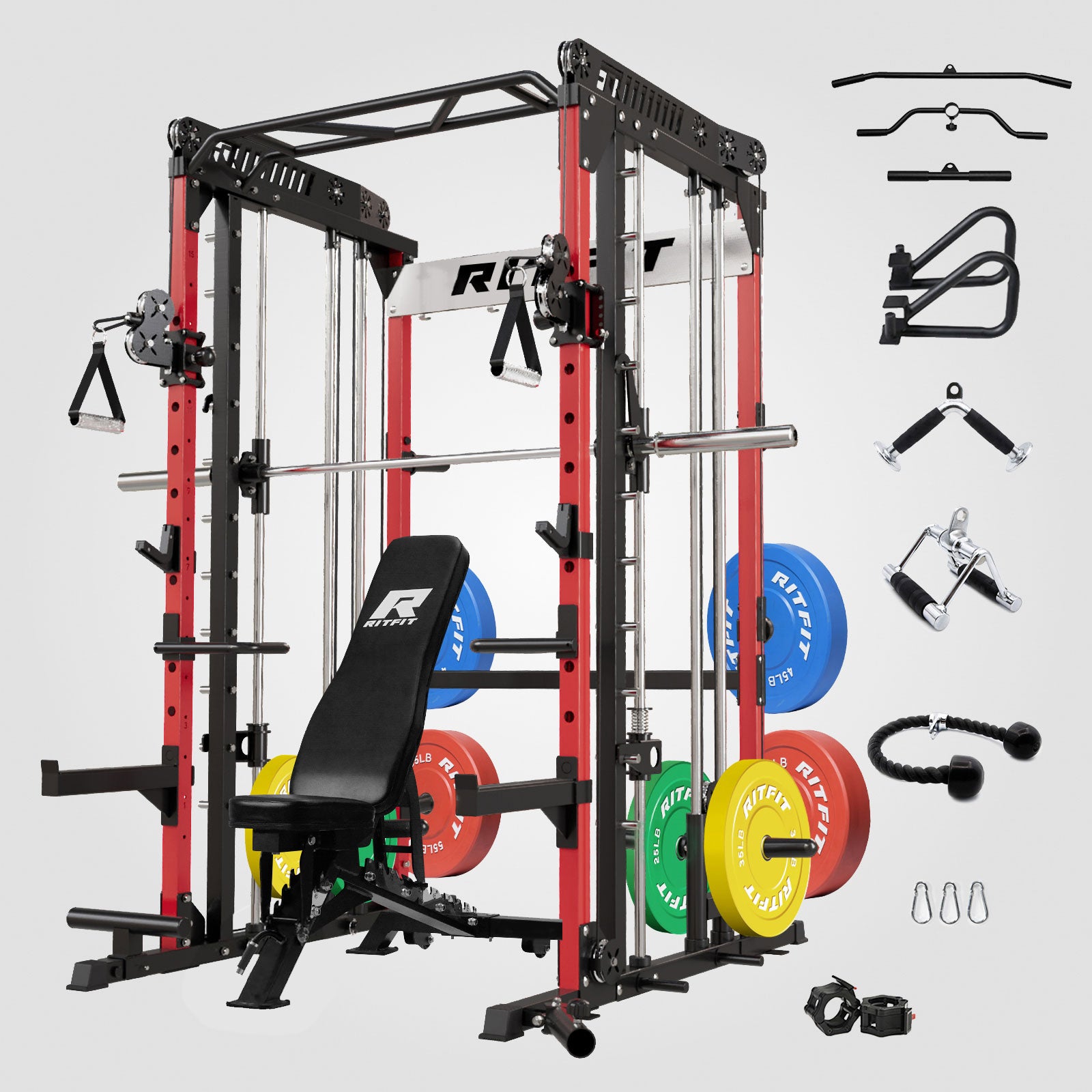
Barbells are the standard tool for absolute strength, classic compound lifting, and both powerlifting and Olympic lifting. If your goal is heavier bilateral work, a solid setup of barbells and weight plates gives you the most direct path.
Dumbbell Training
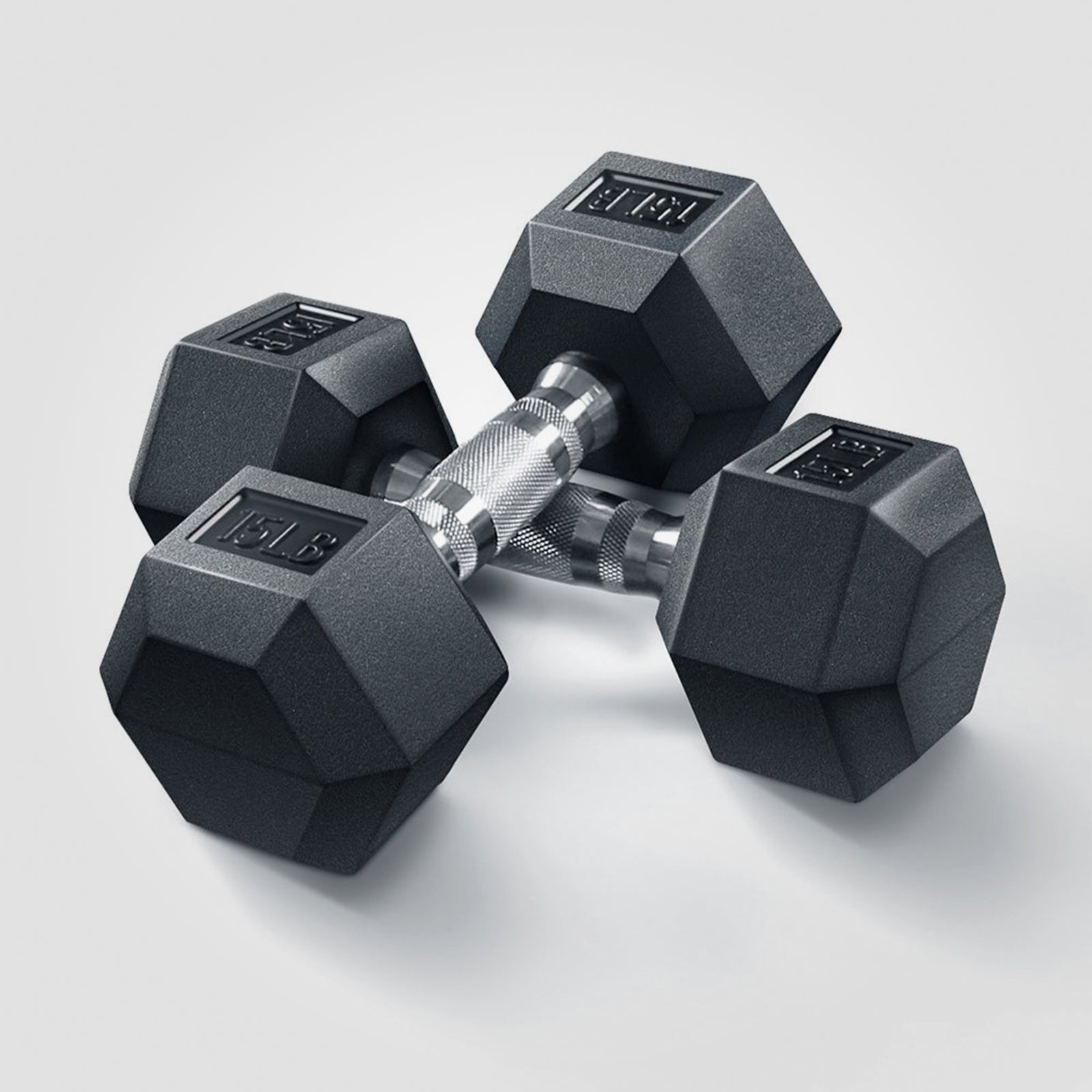
Dumbbells are excellent for muscle building, unilateral work, longer ranges of motion, and home gym flexibility. They pair especially well with adjustable weight benches and a dedicated dumbbell setup when you want versatile upper and lower body training at home.
Kettlebell Training
Kettlebells are effective for swings, carries, unilateral patterns, and trunk stability. They fit best when your goal is fluid movement, conditioning, and practical strength rather than maximal barbell performance.
Machine Based Lifting
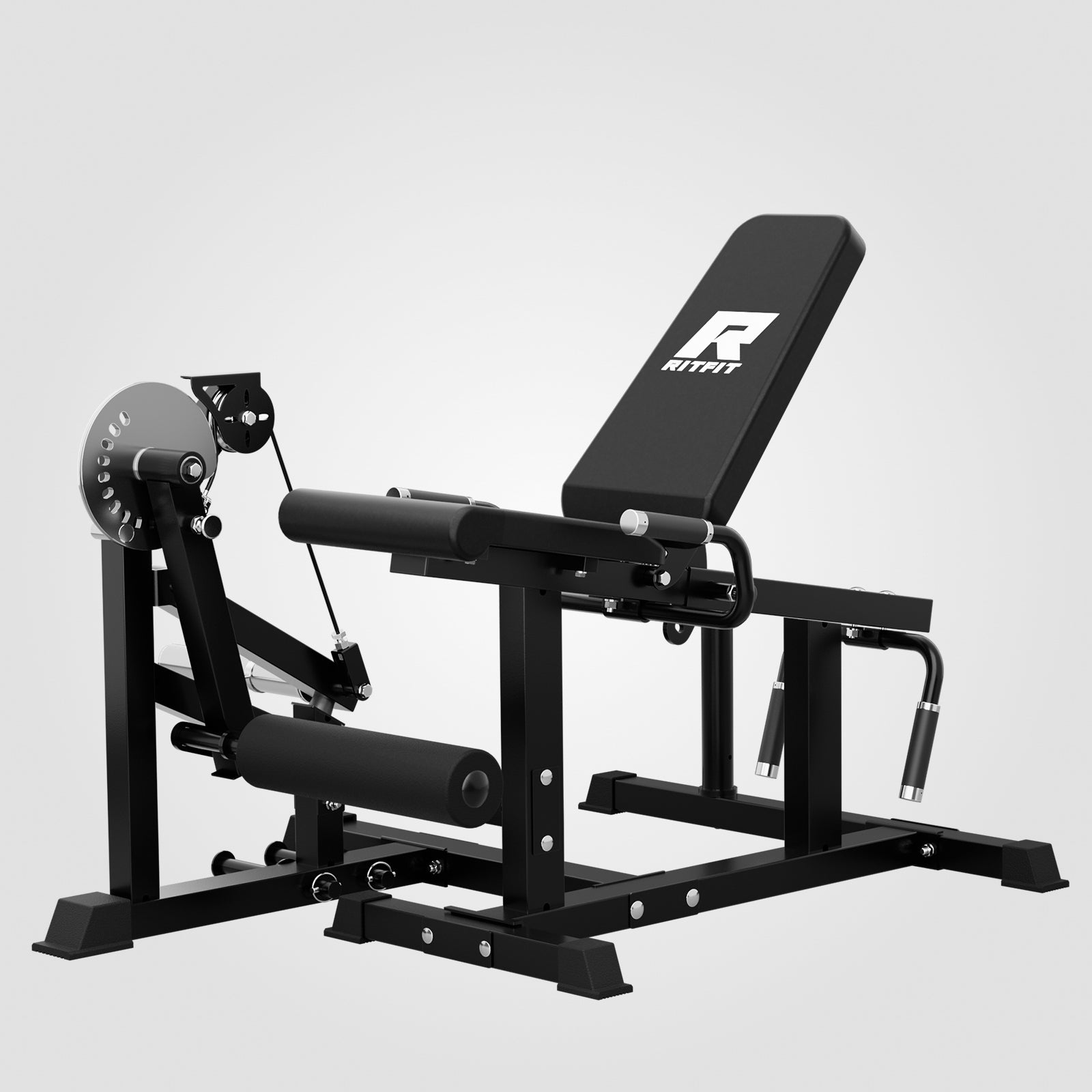
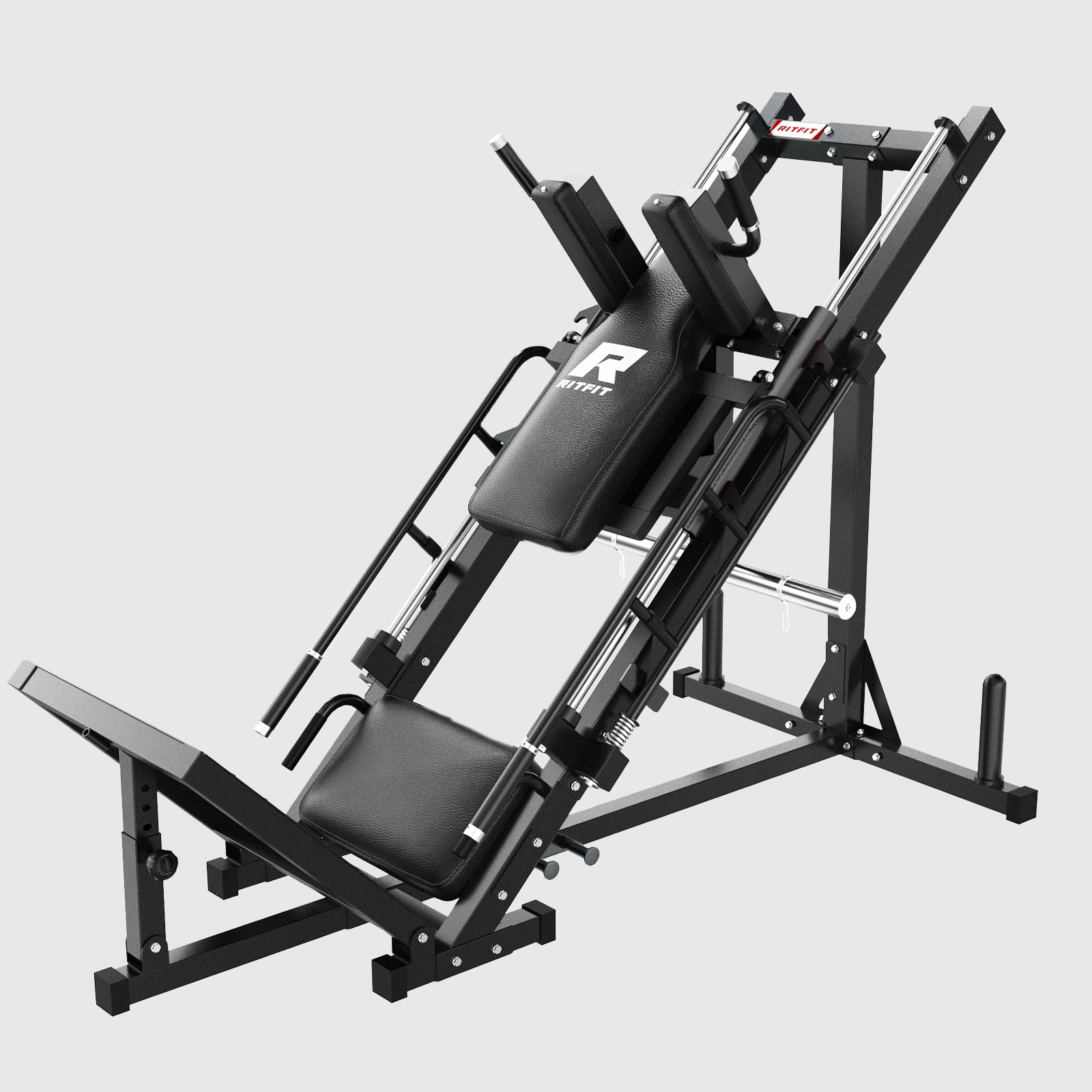
Machines make setup easier, add stability, and help lifters train close to fatigue with less balance demand. That makes them especially useful for hypertrophy work, newer lifters, and anyone building a home setup around strength machines or Smith machines.
Resistance Bands and Cables
Cables and bands add smooth resistance, easy angle changes, and joint friendly accessory work. They are useful for isolation work, warm ups, rehabilitation progressions, and filling gaps in a barbell or dumbbell based program.
Home Gym Versus Commercial Gym Setups
A commercial gym gives you more variety, but a home gym can still support strength, hypertrophy, and functional training if your equipment matches your goal. Dumbbells, a bench, a rack, or a multifunctional machine usually cover the widest range of lifting styles with the least friction.
Matching Types of Lifting to Fitness Levels
For Beginners
Beginners usually do best with basic strength training, machine supported lifting, or simple full body hypertrophy work. The main goal is to learn stable patterns, build confidence, and practice progression without chasing complexity too early.
For Intermediate Lifters
Intermediate lifters can usually handle more structured upper lower or push pull legs programming and can begin specializing with clearer intent. This is often the stage where lifters decide whether they care most about strength, muscle size, power, or general performance.
For Advanced Lifters
Advanced lifters benefit most from tighter specialization, better fatigue management, and more deliberate exercise sequencing. At this level, progress often depends less on doing more and more on matching the right style to the right recovery budget.
Choosing the Right Type of Lifting for Your Goals
Clarify Your Primary Goal
Your main goal should decide your lifting style before social media trends do. If you care most about strength, bias strength work, and if you care most about muscle size, bias hypertrophy work rather than blending everything into one vague plan.
Account for Constraints and Preferences
Your best program must fit your real life, not a perfect training week that never happens. Time, space, equipment, injury history, confidence level, and whether you train alone should all shape your lifting choice.
Use This Simple Decision Path
The easiest way to choose is to match the style to the outcome you want most right now. Start simple, stay consistent for several weeks, and then specialize only after you know what your body responds to best.
- If you want maximum strength: Choose basic strength training or powerlifting style programming.
- If you want more muscle size: Choose hypertrophy training with enough weekly volume.
- If you want more speed and explosiveness: Choose power focused training or Olympic lift progressions.
- If you want general fitness and easier daily movement: Choose functional training, circuit lifting, or a balanced full body plan.
- If you train at home with limited equipment: Choose dumbbell, bodyweight, or machine based lifting that you can repeat consistently.
Example Weekly Training Templates
Beginner Full Body Strength
Train 2 to 3 nonconsecutive days per week and focus on a squat, hinge, push, pull, and core pattern each session. This layout builds technical skill fast because you repeat key movements often without overwhelming total volume.
Intermediate Upper and Lower Split
Train 3 to 4 days per week with upper body and lower body sessions that separate volume more evenly across the week. This setup works well for both strength and hypertrophy because it improves recovery and makes exercise selection easier to organize.
Powerlifting Focused Week
Train around the squat, bench press, and deadlift, then use accessory work to strengthen weak points and keep total fatigue under control. This is best when your success metric is performance on those three lifts rather than broad exercise variety.
Hypertrophy Focused Week
Use a push, pull, legs split or an upper lower hypertrophy split with enough hard sets for each muscle group. This works best when you want better muscular development, more exercise variation, and room for both compound and isolation work.
Simple Home Gym Plan
Use bodyweight, dumbbells, cables, or a multifunctional machine for 3 full body sessions each week. This is often the most sustainable starting point because it reduces setup friction and makes progression easier to track.
Common Mistakes Across All Types of Lifting
Most lifters do not fail because they picked the wrong label, but because they mismatch intensity, volume, and recovery. The biggest mistakes are usually simple and repeated.
- Trying to train every goal at once: A vague program creates vague progress.
- Adding load before mastering position: Better numbers do not help if movement quality falls apart.
- Ignoring progressive overload: Both load progression and repetition progression can work, but neither can be random.[3]
- Doing too much junk volume: More sets only help when they are productive and recoverable.
- Neglecting sleep and nutrition: A strong training plan still depends on recovery behavior outside the gym.
Recovery, Nutrition, and Lifestyle
Training results come from the combination of stimulus and recovery, not stimulus alone. Heavier strength work usually creates higher neural demand, while higher volume hypertrophy plans often create more local muscular fatigue, so your recovery habits should match your training style.[1][2]
- Protein: Eat enough daily protein to support repair and adaptation.
- Sleep: Treat sleep as a core training variable, not an optional extra.
- Hydration: Stay hydrated enough to maintain performance quality across sessions.
- Rest days: Schedule them before recovery debt builds up.
When to Seek Professional Help
Professional support becomes valuable when pain, technical complexity, or repeated plateaus make self coaching less reliable. Olympic lifting, maximal barbell work, and training around injury usually improve faster with qualified feedback.
- Seek coaching for: Bar path problems, unstable positions, or repeated technique breakdown.
- Seek medical clearance for: Persistent pain, dizziness, post surgery training, or major health conditions.
- Seek program help for: Plateaus that continue after improving sleep, recovery, and consistency.
Frequently Asked Questions
What is the best type of weight lifting for beginners?
Basic strength training or simple hypertrophy training is usually best because it teaches stable patterns without unnecessary complexity. Machine based lifting and dumbbell work are also excellent when confidence, balance, or space are limiting factors.
Is bodybuilding the same as hypertrophy training?
Bodybuilding relies heavily on hypertrophy principles, but not all hypertrophy training is bodybuilding. Many lifters use hypertrophy work simply to build more muscle, support strength progress, or improve body composition without competing.
Is Olympic weightlifting good for general fitness?
It can help general fitness, but it is usually not the easiest first choice for most people because the skill demand is high. If your main goal is general strength and health, simpler strength or hypertrophy work is often more practical.
Can you build muscle without barbells?
Yes, you can build muscle with dumbbells, cables, machines, and bodyweight progressions when effort, exercise selection, and progression are strong enough. Barbells are useful, but they are not the only path to hypertrophy.[1][2]
Conclusion
The different types of weight lifting are best understood as tools, not tribes. Choose the style that matches your main goal, your equipment, your skill level, and the training routine you can sustain, then progress it with patience and clear intent.
Disclaimer: This guide is for educational purposes only and does not replace medical care, rehabilitation, or in person coaching. If you have pain, injury, balance limitations, or a health condition, get clearance from a qualified clinician and adjust exercise selection, load, and technique to your current ability.
References
- Currier BS, McLeod JC, Banfield L, et al. Resistance training prescription for muscle strength and hypertrophy in healthy adults: a systematic review and Bayesian network meta analysis. Br J Sports Med. 2023;57(18):1211-1220. doi:10.1136/bjsports-2023-106807
- Schoenfeld BJ, Grgic J, Van Every DW, Plotkin DL. Loading recommendations for muscle strength, hypertrophy, and local endurance: a re examination of the repetition continuum. Sports. 2021;9(2):32. doi:10.3390/sports9020032
- Plotkin D, Coleman M, Van Every D, et al. Progressive overload without progressing load? The effects of load or repetition progression on muscular adaptations. PeerJ. 2022;10:e14142. doi:10.7717/peerj.14142
- Balachandran AT, Steele J, Angielczyk D, et al. Comparison of power training vs traditional strength training on physical function in older adults: a systematic review and meta analysis. JAMA Netw Open. 2022;5(5):e2211623. doi:10.1001/jamanetworkopen.2022.11623
- Liu CJ, Latham NK. Progressive resistance strength training for improving physical function in older adults. Cochrane Database Syst Rev. 2009;(3):CD002759. doi:10.1002/14651858.CD002759.pub2