The best gym is the one that matches your training goals, equipment needs, schedule, and budget. This guide helps you shortlist strong options in active US cities and shows what to check before you join.
Key Takeaways
- Choose function before branding: A gym with the right racks, barbells, platforms, and open space will serve you better than a trendy room with limited training utility.
- City context matters: Commute time, parking, crowd levels, and floor layout can affect consistency just as much as equipment quality.
- Serious strength training needs the basics: Strong free weight zones, stable power racks, and room for functional movement are usually the clearest quality signals.
- Recovery and convenience support progress: Clean facilities, reasonable peak hour traffic, and useful recovery amenities make it easier to train well week after week.
- Home training can close the gap: If local access is limited, a compact home gym setup can give you more control over safety, timing, and consistency.
East Coast Excellence: Precision and Power
Many East Coast lifters need gyms that combine serious strength equipment with efficient layouts and reliable access. In dense, high traffic cities, a well planned floor and a strong free weight section matter as much as the membership price.
- Hoboken, NJ: Hoboken rewards gyms that make smart use of limited space without sacrificing barbell work or functional training flow. Explore our guide to the 15 best gyms in Hoboken, NJ for options with practical layouts and strong training value.
- Boston, MA: Boston lifters often look for a mix of strength equipment, coaching quality, recovery support, and consistent facility standards. See the 15 best gyms in Boston to compare gyms that fit everyone from beginners to experienced lifters.
- Philadelphia, PA: Philadelphia is a strong market for powerlifting, bodybuilding, and no nonsense strength training culture. Browse the 15 best gyms in Philadelphia, PA to find facilities with robust platforms, heavy duty racks, and useful recovery features.
Southern Strength: Heat, Hustle, and Heavy Weights
Southern training culture often favors bigger spaces, heavier equipment, and more room for hybrid workouts. In Texas especially, the best gyms usually stand out through layout scale, ventilation, turf space, and barbell readiness.
- Austin, TX: Austin works well for lifters who want strength training, athletic movement space, and a modern fitness environment in one place. Start with the 15 best gyms in Austin, TX if you want a shortlist that balances equipment quality and training versatility.
- Houston, TX: Houston is a strong fit for people who want heavy duty machines, serious free weights, and enough space for sleds, carries, and conditioning work. Check the 15 best gyms in Houston, TX to compare gyms built for bigger training demands.
The Active West: Altitude, Variety, and Specialized Training
Western cities often combine strength training with endurance culture, outdoor performance, and movement quality. The best facilities here usually succeed by offering smarter programming support, better recovery options, and more specialized equipment mixes.
- Denver, CO: Denver athletes often need gyms that support strength work, conditioning, and recovery in an altitude influenced training environment. Use our list of the 15 best gyms in Denver, CO to narrow your search.
- Boulder, CO: Boulder tends to favor facilities that blend endurance support, functional strength, and mobility friendly layouts. See the 15 best gyms in Boulder, Colorado if you want a better fit for balanced performance training.
- Los Angeles, CA: Los Angeles offers one of the widest gym ranges in the country, from hardcore bodybuilding rooms to private performance studios. Explore the 15 best gyms in Los Angeles to find the setup that best matches your training style and budget.
What to Look for When Choosing a Gym
Choose a gym based on training function first, not just polished design. The right facility should make it easier to lift safely, move freely, and stay consistent over time.
- Flooring and platforms: Look for dedicated deadlift platforms or dense rubber flooring that can handle repeated impact. Good flooring protects joints, equipment, and training quality during heavy sessions.
- Equipment quality: Prioritize sturdy power racks, well maintained barbells, enough plate inventory, and a free weight zone that does not feel cramped. A serious gym should make heavy basics easy, not frustrating.
- Space for functional movement: Open floor area or turf matters if you do warm ups, carries, sled work, mobility drills, or athletic conditioning. Tight layouts can limit movement quality even when the equipment list looks strong on paper.
- Hours and traffic flow: Check peak hour congestion before signing up. A good gym should still let you access key stations without spending half your session waiting.
- Contract clarity and convenience: Review cancellation terms, guest rules, parking, showers, and commute practicality before committing. The best gym is the one you can realistically use week after week.
Bring the Elite Gym Experience Home
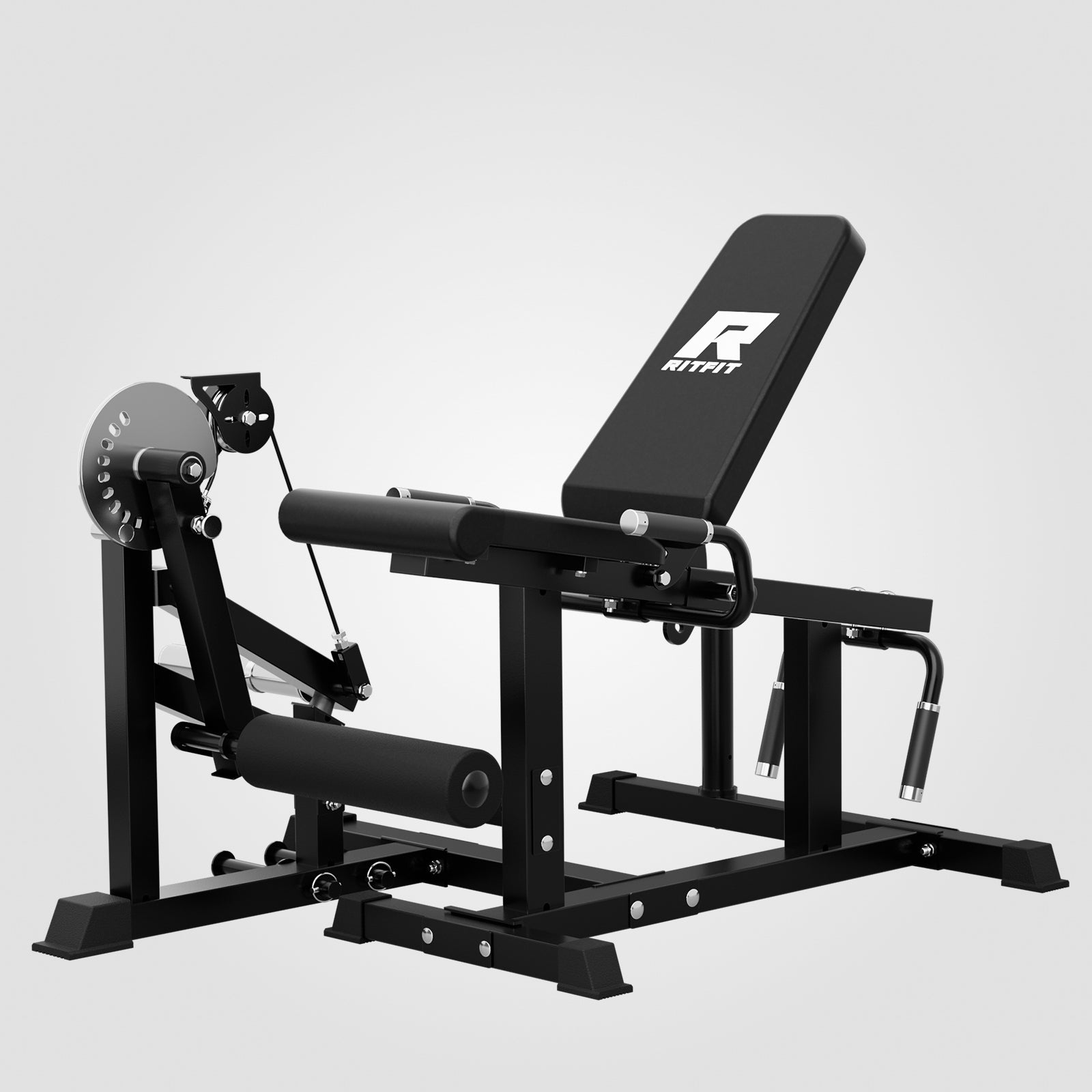
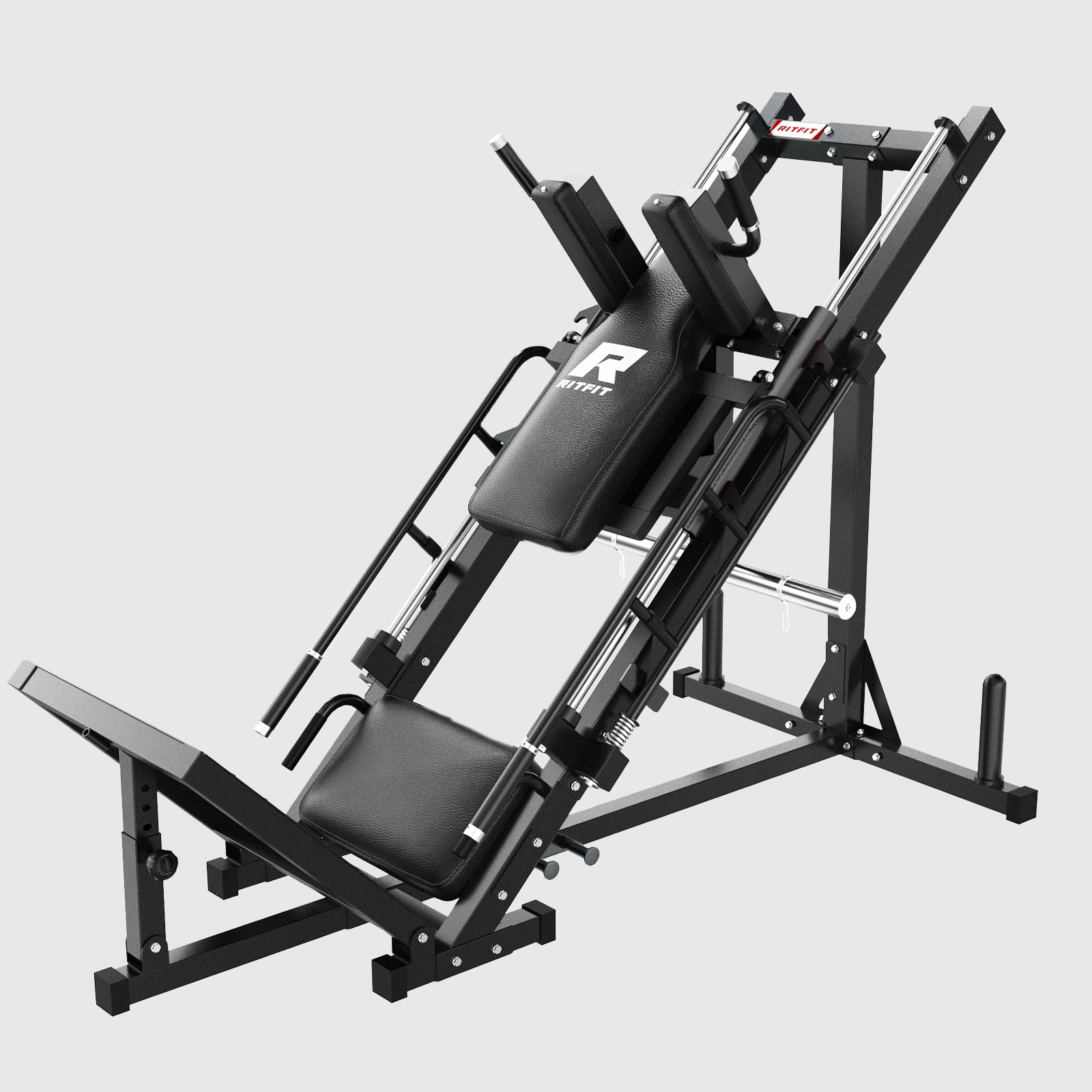
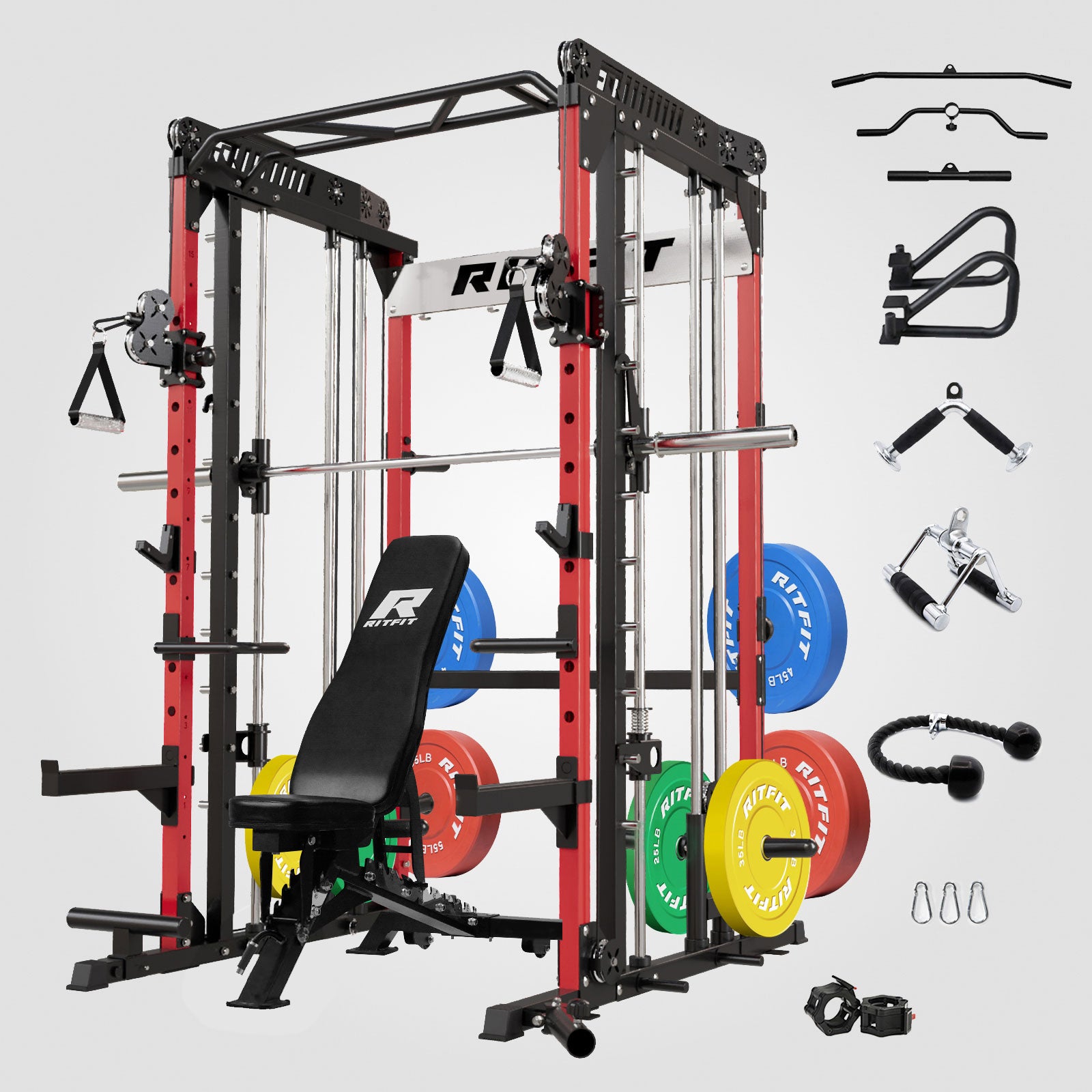
A great local gym can elevate your training, but a home setup gives you more control over timing, privacy, and consistency. RitFit Sports offers space aware strength equipment designed to help home users build a safer and more efficient training environment.