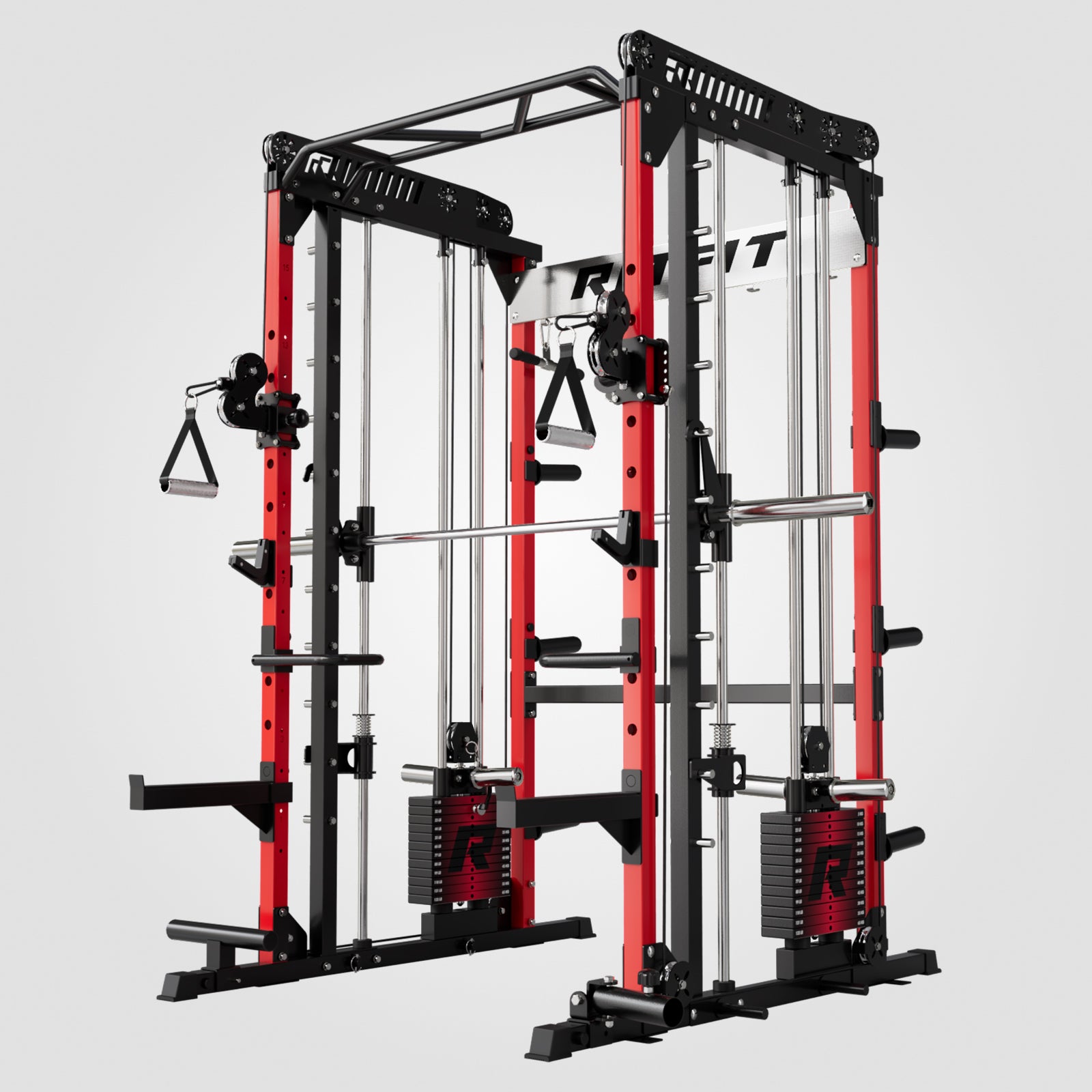
The vertical leg press on the Smith machine is a practical way to build strong, well-developed legs when a dedicated leg press machine is not available. This guide explains how to perform the exercise safely and effectively at home or in the gym.
You will learn the correct setup, step-by-step technique, common mistakes, safety rules, and programming guidance for your leg day. Follow the setup and safety steps before adding any weight.
Quick Answer: The vertical leg press on the Smith machine is a guided, floor-based leg exercise where you push the bar upward with your feet while lying on your back. Set the safeties just below your bottom position, keep your feet flat and shoulder-width apart, and press with controlled reps. It builds quads and glutes with minimal lower back stress.
Key Takeaways
- Safe setup: Set the safety stops just below your bottom position and keep firm foot contact before you unrack the bar.
- Controlled tool: Treat the vertical leg press as a controlled hypertrophy and accessory movement, not a max-out lift, unless you are experienced.
- Muscle focus: A mid-height, shoulder-width stance keeps the quads working, while higher foot placement shifts more load to the glutes.
- Pain signal: Stop and adjust your stance, depth, or load if you feel any knee, hip, or lower back pain.
- Bailout plan: Know exactly where the bar will land on the safeties before every set so you always have a clear escape.
What Is a Vertical Leg Press on the Smith Machine?
The vertical leg press on the Smith machine is a guided, floor-based lower body exercise where you lie on your back and press the machine's bar upward with your feet. Instead of pushing a sled, you use the fixed, linear path of the bar, which makes the movement highly controlled and simple to set up.
The vertical press direction keeps your spine supported against the floor or bench, which limits the shear force placed on the lower back during the movement[1]. This makes it a solid option for high-volume quad and glute training when a dedicated leg press machine is not available, such as in a home gym.
Compared with angled machines, the guided path lets you focus on the quads and glutes without complex balance demands. A leg press machine from a dedicated lineup still provides a smoother sled, but the Smith machine version closely matches its muscle activation.
Is This Exercise a Good Fit for You?
The vertical leg press on the Smith machine suits lifters who can set reliable safeties and control their reps without bouncing.
- Good candidates: People who can keep stable foot contact, control the descent, and set the safeties close to their bottom position.
- Consider alternatives first: Beginners to strength training, lifters who cannot position the safeties near the bottom of the movement, or anyone with knee, hip, or back pain.
- Safer substitutions: Smith squats to a box, goblet squats, split squats, step-ups, and dedicated leg press machines.
Which Muscles Does the Vertical Leg Press on the Smith Machine Work?
The vertical leg press on the Smith machine mainly targets the quadriceps and glutes while the hamstrings, calves, and core act as stabilizers. You can shift the emphasis by changing your foot height and stance width.
EMG research indicates that the guided bar path lets you focus on quad recruitment without the balance demands of free weights[2]. Keeping your spine supported against the floor or bench converts shear stress into more manageable axial compression, which protects the intervertebral discs[3].
Primary Muscles
The quadriceps receive the most direct loading, with the glutes adding hip extension during the drive upward.
- Quadriceps: All four heads work together to extend the knee and press the bar away.
- Glutes: The gluteus maximus, medius, and minimus engage hardest at the bottom of the movement and during the initial push.
Secondary Muscles
The secondary muscles stabilize the knees, feet, and spine without acting as the primary movers.
- Hamstrings: Assist knee flexion and hip extension and add stabilizing support.
- Calves: The gastrocnemius and soleus keep the feet stable on the bar.
- Core and stabilizers: Brace the torso against the floor or bench to protect the spine.
"There's no better machine for the quads. The tilted foot plate promotes normal biomechanics at the knee and hip."
Jeff Cavaliere, MSPT, CSCS, Physical Therapist and Strength Coach, former Head Physical Therapist for the NY Mets, Athlean-X
How Do You Set Up the Smith Machine for a Vertical Leg Press?
To set up the Smith machine for a vertical leg press, position the bar so your feet reach it with knees bent near 90 degrees, set the safety stops just below your lowest point, and lie centered under the bar with your head away from it. Clear the surrounding floor of any trip hazards before you start.
Bar Height and Safety Stoppers
Set the bar so your feet can press it comfortably with your knees near a 90-degree bend, and place the safeties just below your lowest intended position.
Choosing the Right Bench or Floor Position
Press from the floor or a flat bench, with your head away from the bar and your body centered beneath it.
A bench slightly elevates the hips, which can allow a deeper range of motion for some lifters.
Foot Placement on the Bar
Place your feet shoulder-width apart, and choose the height on the bar based on your target muscles.
Higher foot placement emphasizes the glutes and hamstrings, while a lower placement biases the quadriceps[2]. Adding a foot plate for the leg press can create a wider, more comfortable contact surface.
Grip and Hand Position
Grip the Smith machine frame or uprights just above your head to brace your upper body and prevent shifting during the set.
Safety Focus
Three setup rules protect you before the bar ever leaves the hooks.
- Always use safeties: They are your primary safeguard, so never skip them.
- Keep the bar from rolling off your feet: Maintain even pressure and a stable foot position.
- Clear the area: Remove all trip hazards before you start your set.
For home gym owners, a multi-functional Smith machine combines this movement with other pressing exercises in one station.
How Do You Perform the Vertical Leg Press Step by Step?
To perform the vertical leg press on the Smith machine, brace your core, unrack the bar, lower it under control for two to three seconds, and press it back up through your heels and the balls of your feet without locking your knees. Rotate the bar to lock it on the hooks after your final rep.
Step 1: Starting Position
Lie flat on your back with your hips under the bar, feet shoulder-width apart, and heels planted on the bar.
Step 2: Bracing and Unracking the Bar
Take a deep breath, brace your core, and extend your legs to unrack the bar before rotating it to unlock it.
Step 3: Eccentric Phase
Lower the weight under control for two to three seconds.
Controlled negatives are a primary driver for tendon health and muscle thickness[4].
Step 4: Depth Guidelines
Go as deep as your mobility allows without your lower back lifting off the floor or bench and without your hips rising excessively.
Most lifters aim for at least a 90-degree bend at the knee, if not deeper.
Step 5: Concentric Phase
Drive through your heels and the balls of your feet simultaneously, pressing the bar up and squeezing your quads and glutes.
Extend fully at the top while keeping a soft micro-bend in the knees.
Step 6: Reracking the Bar Safely
After your last rep, press the bar to near full extension and rotate it to re-engage the safety hooks.
Breathing Pattern
Breathe in rhythm with the movement to keep your core braced throughout the set.
- Inhale as you lower the weight.
- Exhale forcefully as you press the weight back up.
What Common Mistakes Should You Avoid?
The most common vertical leg press mistakes are letting the lower back lift off the floor, using poor foot placement, letting the knees cave inward, bouncing off the safeties, and skipping the safety stops. Each of these increases injury risk or reduces the benefit of the movement.
- Lower back lifting or arching: Signals weak core engagement or excessive depth, so press the lower back into the floor or bench.
- Feet too low or too high on the bar: Feet too low stress the knees, while feet too high reduce quad involvement and limit the range of motion.
- Knees collapsing inward or flaring: Knee-to-toe alignment is a key factor for preventing ligament stress and protecting patellofemoral health[5].
- Using too much weight and bouncing: Bouncing off the safeties removes the benefits of controlled reps and raises injury risk.
- Incorrect safeties or bar height: Skipping the safeties is dangerous, and a poor bar height makes unracking difficult and compromises your start position.
What Safety Considerations Matter Most?
The most important safety consideration for the vertical leg press on the Smith machine is setting the safety stops just below your bottom position so the bar catches you if you fail a rep. Always wear grippy shoes and keep firm, non-slippery foot contact with the bar.
- Safety stops: Set them just below your lowest position as your insurance policy against failure.
- Stable foot contact: Wear athletic shoes with grip, and use a pad or stable board if the bar feels slick.
- Progressive loading: Start light, master the form, and add load gradually as strength improves.
- When to avoid: Consult a professional before attempting this movement if you have existing knee, hip, or lower back issues.
- Solo versus spotting: Rely on correctly set safeties when training alone, and add a spotter for extra reassurance on heavy sets.
What Variations and Modifications Can You Use?
You can vary the vertical leg press on the Smith machine by changing foot height and stance width, pressing from the floor or a bench, and adding a pad or board to the bar for a wider, more comfortable surface. Adjust your depth to your mobility and any pain considerations.
Foot Placement Variations
Your foot position changes which muscles lead the movement.
- High versus low on the bar: Higher feet emphasize the glutes and hamstrings, while lower feet bias the quadriceps.
- Narrow versus wide stance: A narrow stance targets the outer quads, and a wider stance engages the adductors and glutes more.
Equipment Variations
Small equipment changes can improve comfort and range of motion.
- Floor versus flat bench: A bench elevates the hips slightly and can allow a deeper range of motion for some lifters.
- Pad or board on the bar: A sturdy pad or small flat board creates a wider, more comfortable surface for the feet.
Range-of-Motion Modifications
Choose a pain-free range of motion over an aggressive stretch that compromises your back.
How Should You Program the Vertical Leg Press on the Smith Machine?
Program the vertical leg press on the Smith machine as an accessory after your main compound lifts, using three to four sets of eight to fifteen reps with a controlled tempo. In a home gym it can also serve as a primary leg movement when a squat rack is not available.
Where to Place It in a Workout
Its best position depends on the equipment available in your gym.
- As an accessory: Place it after barbell squats or deadlifts to add quad and glute volume without more spinal loading.
- As a main movement: Use it as a primary leg builder in a home gym or when no squat rack is available.
Recommended Sets, Reps, and Intensity
Choose your rep range based on your training goal.
- Hypertrophy: Do 3-4 sets of 8-15 reps with a controlled tempo and a strong mind-muscle connection.
- Strength focus: Use 3-5 sets of 5-8 reps with heavier loads and perfect form.
- Beginner versus intermediate: Start with 2-3 sets of 10-12 reps at a light weight, then add volume as skill improves.
Example Leg Day Including This Exercise
Use one of these sample structures to integrate the movement.
- Barbell back squats: 3 sets x 5-8 reps
- Romanian deadlifts: 3 sets x 8-12 reps
- Vertical leg press on Smith machine: 3 sets x 10-15 reps
- Leg curls: 3 sets x 12-15 reps
- Vertical leg press on Smith machine: 4 sets x 8-12 reps
- Dumbbell lunges: 3 sets x 10-12 reps per leg
- Glute ham raises or good mornings: 3 sets x 10-15 reps
- Calf raises on Smith machine: 3 sets x 15-20 reps
What Are the Benefits and How Does It Compare to Alternatives?
The main benefits of the vertical leg press on the Smith machine are minimal equipment needs, a controlled bar path, and direct quad and glute loading with less spinal stress than free-weight squats. It is especially useful when no dedicated leg press machine is available.
Key Benefits
The movement delivers consistent tension to the quads and glutes with low equipment demands.
- Minimal equipment: A single Smith machine replaces a dedicated vertical leg press for home or commercial gyms.
- Controlled path: The guided bar reduces balance demands so you can focus on muscle contraction.
- Quad and glute builder: Direct, consistent tension builds mass in both muscle groups.
Comparison with Alternatives
Each alternative offers a slightly different loading angle and support profile.
- Traditional vertical leg press machine: Provides a smoother sled and heavier loads with less setup, but the Smith machine version closely matches its activation pattern.
- Regular Smith squats: Both use a guided path, but the vertical leg press changes the force vector and reduces lower back demand.
- Hack squats and leg press machines: These offer fixed ranges of motion with different body angles and foot platforms.
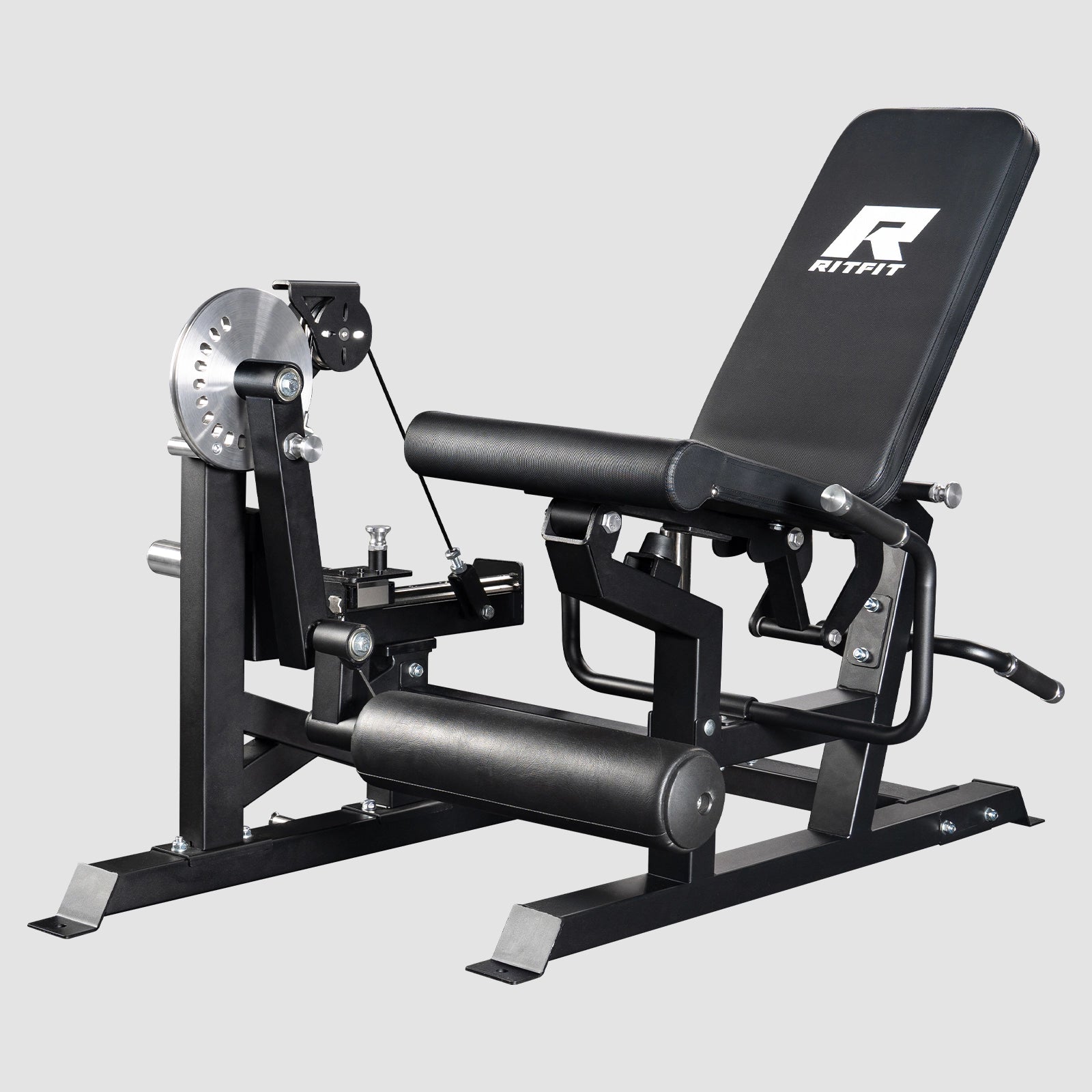
If you are choosing between movements, our leg press vs. Smith machine guide explains the key differences. A 3-in-1 leg press and hack squat machine or a Gazelle Pro leg press and hack squat machine provides a dedicated platform for this pressing pattern.
What Tips Help You Get Better Results?
To get better results from the vertical leg press on the Smith machine, apply progressive overload, slow down the eccentric phase, pause briefly at the bottom, and pair the movement with other quad and glute exercises. Track your sets and reps so progress stays measurable.
- Progressive overload: Increase weight, reps, sets, or tempo control over time to keep challenging the muscles.
- Time under tension: Slow the lowering phase and add a brief pause at the bottom to boost activation.
- Combine with other exercises: Use lunges, step-ups, and Romanian deadlifts for balanced development, and add other Smith machine leg workouts.
- Track performance: Keep a workout log and occasionally video your form to catch technique issues.
FAQs About the Vertical Leg Press on the Smith Machine
Is it safe to do vertical leg presses on a Smith machine?
Yes, it can be very safe when you set the safety stops correctly, choose an appropriate load, and keep your lower back pressed into the floor or bench. The guided bar path adds stability compared with free weights, and the safeties catch the bar if you fail a rep. Start light and master foot placement before adding weight.
Can beginners use this variation?
Yes, beginners can use the vertical leg press on the Smith machine because the guided path removes most balance demands. Start with a very light load, set the safety stops just below your bottom position, and practice controlled reps. Master foot placement and depth before increasing the weight, and stop if you feel any discomfort.
How heavy should you go?
Always prioritize form over load. Begin with a weight you can press for 10 to 12 controlled reps through a full range of motion, then add weight in small steps over several sessions. Avoid bouncing off the safeties or locking your knees at the top, and reduce the load if your lower back lifts or your knees cave inward.
Does it replace squats or leg press machines?
It supplements rather than fully replaces other leg movements. Free-weight squats build more stabilizing strength, and dedicated leg press machines allow heavier loads, but the Smith machine version provides a controlled pressing pattern that suits home gyms. Use it alongside squats, lunges, and Romanian deadlifts for balanced leg development.
What if you feel pain in your knees or lower back?
Stop immediately and check your foot placement, depth, and lower back position. Keep your shins close to perpendicular at the bottom and avoid letting your knees cave inward. If pain persists after adjusting load and range of motion, consult a qualified professional before continuing the exercise.
How often should you do this exercise?
Most lifters can perform the vertical leg press on the Smith machine two to three times per week with at least 48 hours of rest between sessions. Treat it as a quads and glutes accessory after your main lower body lifts, and adjust frequency and volume based on your recovery and training experience.
Can you build muscle with this exercise?
Yes, the vertical leg press on the Smith machine can build muscle in the quads and glutes when you apply progressive overload. Increase weight, reps, or sets over time and keep the lowering phase controlled. Pair it with squats and lunges for well-rounded lower body development.
Conclusion
The vertical leg press on the Smith machine is an accessible and effective way to build strong, muscular legs without a dedicated leg press machine. Its guided bar path keeps the movement controlled, and correct foot placement lets you emphasize the quads and glutes while protecting your lower back.
Start with a light load, set the safety stops correctly, and progress your weight gradually. Pair it with squats, lunges, and Romanian deadlifts, and explore RitFit equipment to build out your home gym.
Disclaimer
This article is for general educational purposes only and is not medical advice, and the vertical leg press on the Smith machine may not suit everyone. Consult a qualified clinician before starting if you have knee, hip, or lower back conditions, a recent injury or surgery, or any unexplained pain, and stop any exercise that causes sharp pain.
References
1. Shaner AA, Vingren JL, Hatfield DL, Budnar RG Jr, Duplanty AA, Hill DW. The acute hormonal response to free weight and machine weight resistance exercise. J Strength Cond Res. 2014;28(4):1032-1040. doi:10.1519/JSC.0000000000000317
2. Escamilla RF, Fleisig GS, Lowry TM, Barrentine SW, Andrews JR. A three-dimensional biomechanical analysis of the squat during varying stance widths. Med Sci Sports Exerc. 2001;33(6):984-998. doi:10.1097/00005768-200106000-00019
3. Stokes IA, Iatridis JC. Mechanical conditions that accelerate intervertebral disc degeneration: overload versus immobilization. Spine (Phila Pa 1976). 2004;29(23):2724-2732. doi:10.1097/01.brs.0000146049.52152.da
4. Docking SI, Cook J. How do tendons adapt? Going beyond tissue responses to understand positive adaptation and pathology development: A narrative review. J Musculoskelet Neuronal Interact. 2019;19(3):300-310.
5. Lee JH, Shin KH, Han SB, Hwang K, Lee SJ, Jang KM. Prospective comparative study between knee alignment-oriented static and dynamic balance exercise in patellofemoral pain syndrome patients with dynamic knee valgus. Medicine (Baltimore). 2022;101(37):e30631. doi:10.1097/MD.0000000000030631