A general strength training program includes primary lifts, balanced movement patterns, a workable weekly schedule, planned sets and reps, progressive overload, and enough recovery to repeat the work well. When those pieces fit together, the routine becomes easier to follow, safer to progress, and more effective for long term strength.
Key Takeaways
- Build around movement patterns: A strong general plan should cover squat, hinge, push, pull, and core work every week.
- Keep frequency realistic: Two to four sessions per week is enough for most adults to build strength consistently.
- Use clear working ranges: Main lifts usually respond well to moderate to heavy loading, while accessories can use slightly higher reps.
- Progress slowly and deliberately: Add small amounts of weight or reps only when technique stays stable.
- Recovery is part of the program: Sleep, rest periods, and manageable volume are not optional if strength is the goal.
Core Components of a General Strength Training Program
Exercise Selection
The foundation of a general strength plan should come from compound lifts that train multiple joints and muscle groups at once. Accessory work should support weak points, add practice volume, and keep the program balanced rather than turn it into a long list of random exercises.
- Compound lifts: Squats, deadlift patterns, presses, rows, and pull ups give the biggest return for time and effort.
- Accessory work: Lunges, leg curls, calf raises, lateral raises, curls, and triceps work can improve symmetry and support the main lifts.
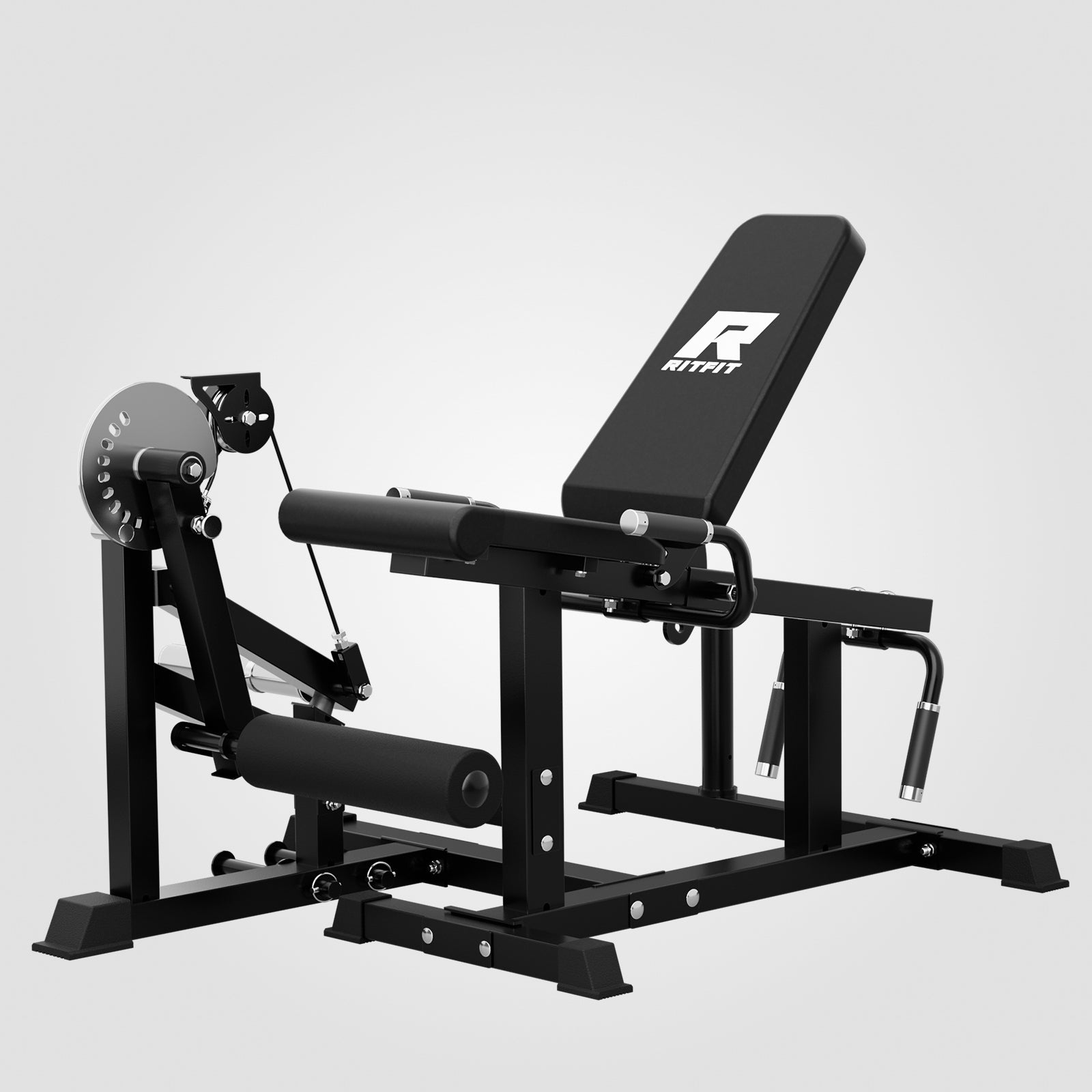
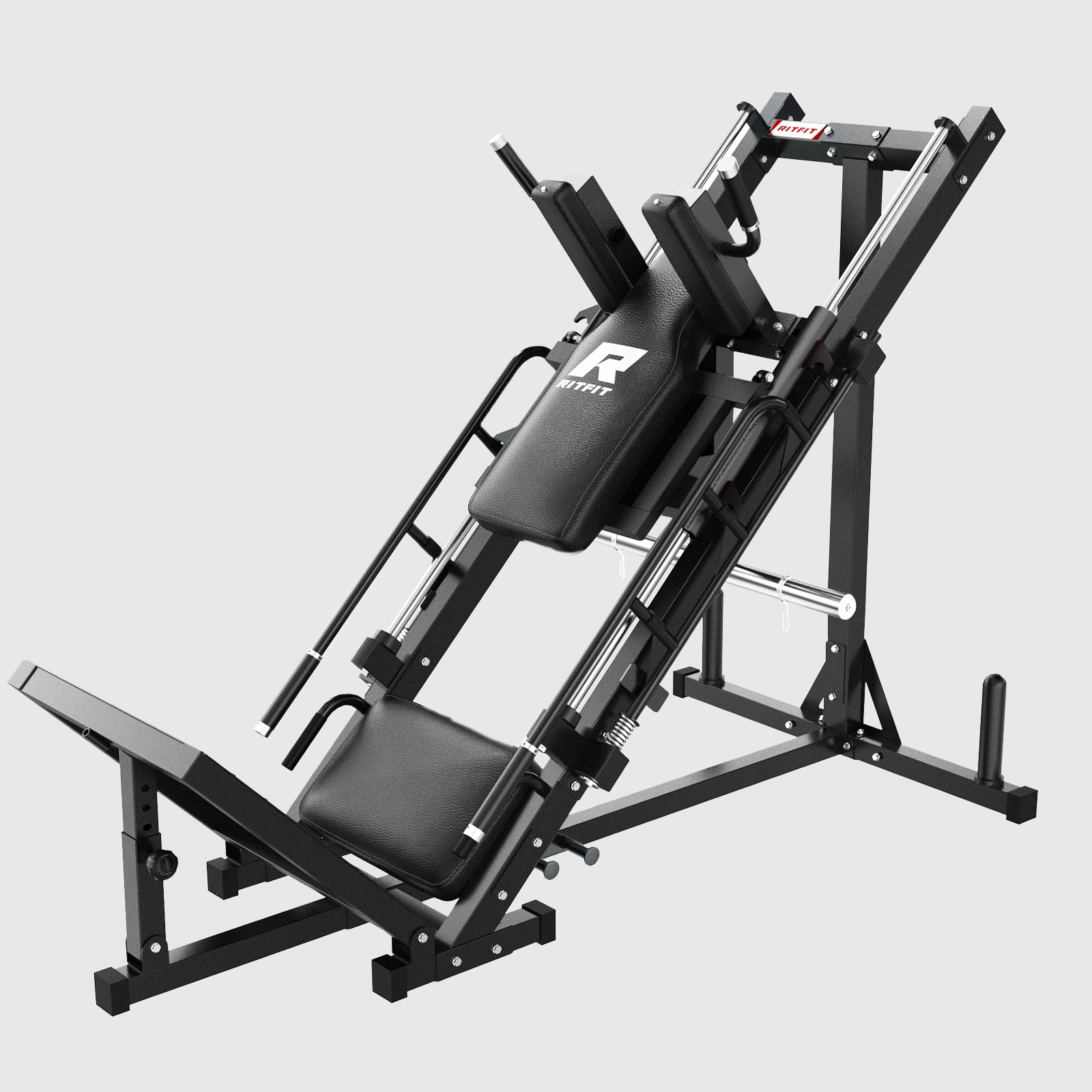
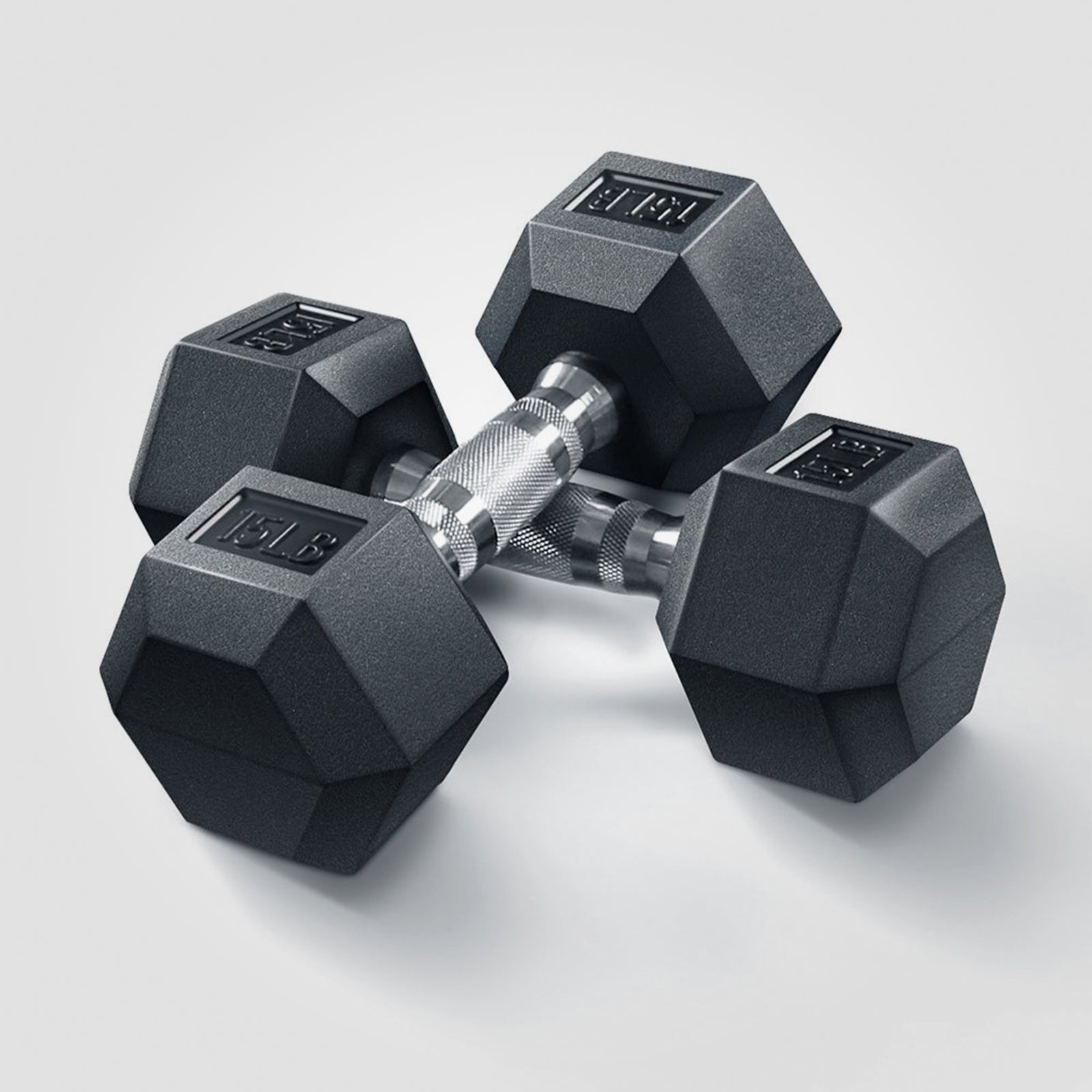
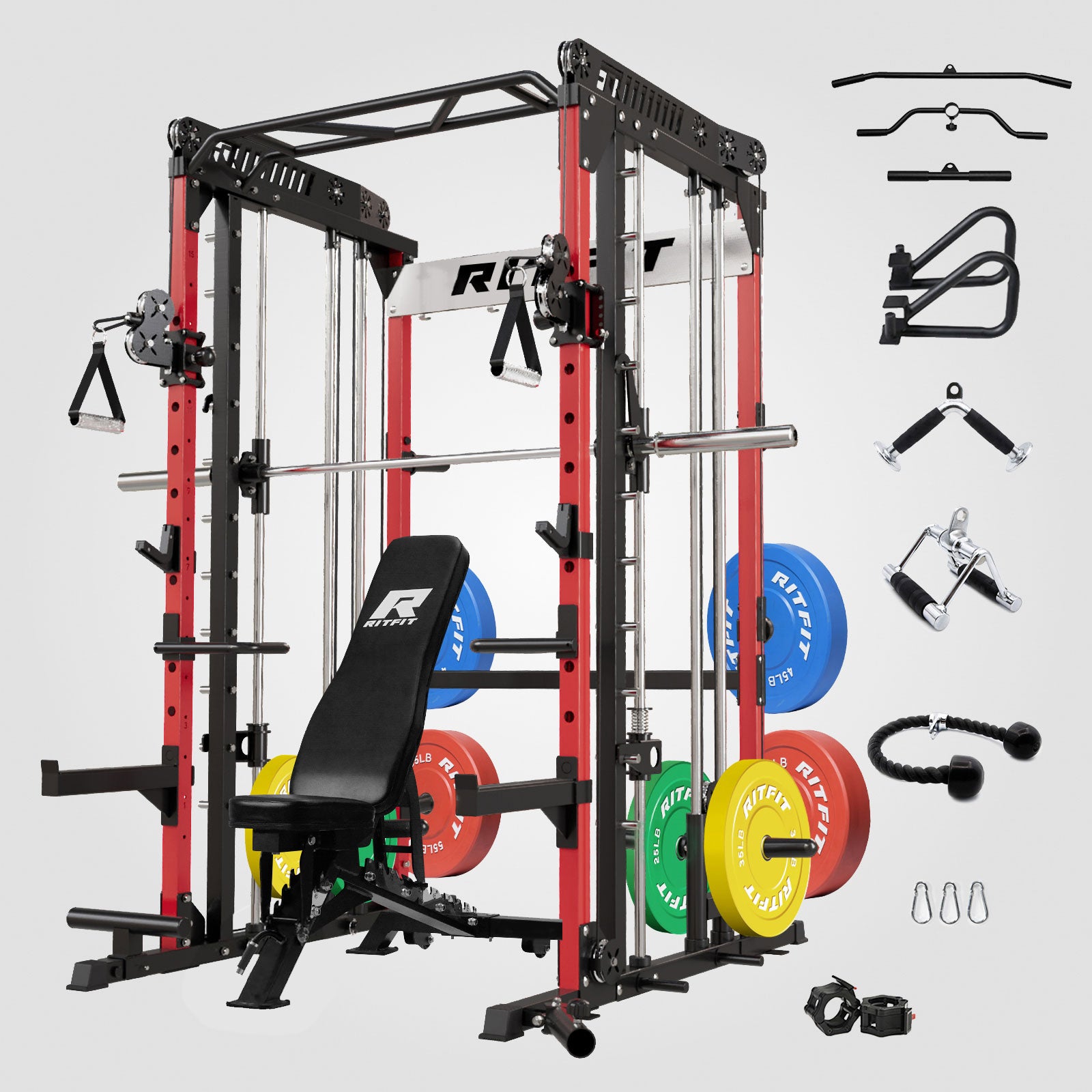
- Equipment options: A home setup with dumbbells, barbells and weight plates, and adjustable benches can cover most general strength needs.
Training Frequency and Split
For general strength, most people do best with two to four weekly sessions that they can repeat consistently for months, not just for one motivated week. Training more often can work, but the right split is the one that fits your schedule, skill level, and recovery capacity.
- Two to three days: Full body training is usually the simplest and most reliable starting point for beginners and busy adults.
- Four days: An upper lower split works well when you want a bit more volume per session without pushing each workout too long.
- What research suggests: When total volume is matched, increasing frequency from two to four sessions does not automatically create superior strength gains in trained men, which is why program fit still matters.[1]
Sets, Reps, and Intensity
A general strength training program should use working sets that are challenging enough to drive adaptation while leaving room for quality technique. Main lifts usually benefit from lower to moderate rep ranges, while accessories can sit slightly higher to build practice volume and tissue tolerance.
- Main lift target: Two to four working sets of about four to eight reps is a practical range for general strength.
- Accessory target: Two to four sets of about eight to twelve reps works well for movements that support the main pattern.
- Loading principle: Heavier loading is especially useful for maximizing strength, although a broad loading spectrum can still support muscular development when sets are performed hard enough.[2]
Progression Strategy
A strength program works only when it includes a repeatable way to progress. The easiest method is to keep the main lifts stable for several weeks and add a small amount of weight or a rep when all prescribed sets are completed with good form.
- Add load slowly: Small jumps usually keep technique cleaner and make progress more sustainable.
- Add reps before load when needed: If the next weight jump is too aggressive, earn it by filling out the top of the rep range first.
- Track every session: A training log removes guesswork and shows whether the plan is actually moving forward.
Supporting Elements of the Program
Warm Up and Cool Down
A proper warm up should raise body temperature, prepare the joints you are about to use, and improve movement quality before heavy work starts. A cool down does not need to be elaborate, but a few minutes of easy movement after training can help the session end more smoothly.
- General warm up: Five to ten minutes of easy cycling, rowing, walking, or similar movement is usually enough.
- Specific preparation: Add lighter ramp up sets and a few mobility or activation drills that match the first main lift.
- Cool down: Light walking, breathing work, or gentle mobility is enough if it helps you leave the session feeling better.
Rest Periods and Recovery
Rest periods should be long enough to let performance stay high on the next set, especially for compound lifts. Recovery outside the gym matters just as much, because poor sleep and excessive weekly volume can stall progress even when the exercise selection looks perfect.
- Main lifts: About two to three minutes of rest is a practical range for most general strength work.
- Accessory lifts: About sixty to ninety seconds often works well when the exercise is less demanding.
- Time efficient planning: Reviews support simple full body sessions built around a small number of multi joint lifts when time is limited, which makes recovery and consistency easier to manage.[3]
Technique and Safety
Technique should always determine the load, not the other way around. A general strength program should make you stronger without forcing sloppy repetitions, rushed progression, or unnecessary pain during normal training.
- Use stable setups: Adjust safeties, bench height, and foot position before the working sets start.
- Choose the right entry point: Beginners can learn patterns with strength machines or smith machines if those options improve control and confidence.
- Respect pain signals: Sharp pain, sudden loss of control, or repeated breakdown in form is a reason to stop, reduce load, or change the exercise.
Balancing the Muscles and Movement Patterns
Movement Patterns to Include
A good strength plan should train movements, not just isolated muscles. When the week includes balanced patterns, the program is easier to recover from and less likely to create obvious gaps in strength or posture.
- Push: Include both horizontal and vertical pressing over the course of the week.
- Pull: Include both horizontal and vertical pulling to balance pressing volume.
- Squat and hinge: Use one knee dominant pattern and one hip dominant pattern as the lower body base.
- Core: Train bracing, anti rotation, and loaded stability rather than relying only on high rep crunches.
Example Exercise Categories
Once the movement patterns are clear, exercise selection becomes much easier. You do not need every variation at once, but you do need enough coverage to train the whole body with purpose.
- Lower body: Squat, front squat, split squat, Romanian deadlift, hip thrust, and leg press variations can all fit.
- Upper push: Bench press, incline press, overhead press, push ups, and machine press variations all work.
- Upper pull: Row, chest supported row, pull up, lat pulldown, and cable row variations cover most needs.
- Core: Planks, dead bugs, carries, and anti rotation presses provide practical trunk training.
Example General Strength Training Program
Sample 3 Day Full Body Layout
A three day full body routine is one of the most practical templates for general strength because it gives enough frequency without making the week hard to recover from. It also keeps the main lifts in regular rotation, which helps beginners build skill faster.
- Day 1: Squat, bench press, barbell row, split squat, plank.
- Day 2: Romanian deadlift, overhead press, lat pulldown, hip thrust, dead bug.
- Day 3: Front squat or goblet squat, incline press, seated cable row, lunge, farmer carry.
Practical Set and Rep Guide
The sample plan should stay simple enough that you can remember it without checking your notes between every set. A repeatable structure makes progression easier than constantly changing exercises, rep targets, or weekly volume.
- Main lifts: Perform three working sets of five to eight reps.
- Secondary lifts: Perform two to three working sets of six to ten reps.
- Accessory and core work: Perform two to three sets of eight to twelve reps, or thirty to sixty seconds for holds and carries.
Nutrition and Lifestyle Basics
What Supports Strength Outside the Gym
Training results depend heavily on what happens between sessions, not just inside them. Adequate protein, hydration, and regular sleep support performance, recovery, and long term progress far better than constant program hopping.
- Protein: Daily protein intake should be high enough to support recovery and adaptation, especially when training volume is rising.[4]
- Hydration: Even mild dehydration can reduce training quality and make hard sessions feel harder than they should.
- Sleep: Consistent sleep is one of the simplest ways to improve recovery, effort, and repeat performance.
Adjusting the Program to the Individual
How to Make the Plan Fit Real Life
A general template should be flexible enough to match the person using it. The best version of the program is not the most advanced one, but the one you can recover from, repeat each week, and progress for a long enough block to matter.
- Beginners: Start with lower exercise variety, moderate volume, and stable movement patterns.
- Busy adults: Use shorter full body sessions instead of a split that regularly gets skipped.
- Returning lifters: Rebuild technique and tolerance before pushing heavy loading too aggressively.
- Older adults: Keep exercise selection practical, prioritize control, and progress load more slowly.
Common Mistakes in General Strength Training Programs
What Usually Slows Progress
Most people do not fail because strength training is too complicated. They fail because the program changes too often, the weekly workload is unrealistic, or the technique standard drops as soon as the load gets challenging.
- Skipping the warm up: Going from cold to heavy work often lowers movement quality and raises injury risk.
- Overvaluing mirror muscles: Too much chest and arm work with too little back and leg work creates obvious imbalance.
- Using too much volume: More exercises and more sets do not help when recovery cannot keep up.
- Changing the plan too early: A program needs enough repetition to let you improve the actual lifts.
- Ignoring progression: Repeating the same weights, reps, and effort forever leads to flat results.
FAQs
What does a general strength training program include?
A general strength training program includes compound lifts, balanced movement patterns, planned sets and reps, progressive overload, and recovery. It should also match your schedule, training age, and equipment, so you can improve consistently without making the routine too complex to follow.
How many days a week should you follow a general strength training program?
Most people do well with two to four strength sessions per week. Two or three full body workouts suit beginners and busy adults, while four sessions can work well for an upper lower split when recovery, schedule, and exercise skill are all in a good place.
Is a full body routine better than an upper lower split for general strength?
Yes. A full body routine is usually better for beginners and anyone with limited training days, because it keeps frequency high and exercise practice consistent. An upper lower split can work just as well when you can train four days each week and recover well between sessions.
What rep range is best in a general strength training program?
For general strength, lower to moderate rep ranges often work best on the main lifts. Sets of about four to eight reps with challenging loads are practical for building strength, while slightly higher reps on assistance work can help add volume, joint tolerance, and movement quality.
How do you progress in a general strength training program without stalling?
Progress by adding a small amount of weight, an extra rep, or an extra set only when your form stays solid. Keeping a training log, repeating the same core lifts long enough to improve them, and respecting sleep and rest days will reduce random plateaus and rushed load jumps.
Can beginners start a general strength training program with machines or dumbbells?
Yes. Beginners can start with machines or dumbbells if those options help them learn positions, build confidence, and train safely. The best starting point is the one that lets you practice squat, hinge, push, pull, and core patterns with control before chasing heavier barbell loading.
Conclusion
A strong general program does not need to be complicated to work. Build it around a few repeatable movement patterns, train them consistently, add load or reps gradually, and recover well enough to come back stronger the next session.
Disclaimer: This article is for general education only and does not replace medical advice, diagnosis, or individualized coaching. If you have pain, an injury, a medical condition, or long term movement limitations, consult a qualified clinician or coach before changing your training plan.
References
- Johnsen E, van den Tillaar R. Effects of training frequency on muscular strength for trained men under volume matched conditions. PeerJ. 2021;9:e10781. doi:10.7717/peerj.10781
- Schoenfeld BJ, Grgic J, Van Every DW, Plotkin DL. Loading recommendations for muscle strength, hypertrophy, and local endurance: a re-examination of the repetition continuum. Sports (Basel). 2021;9(2):32. doi:10.3390/sports9020032
- Iversen VM, Norum M, Schoenfeld BJ, Fimland MS. No time to lift? Designing time-efficient training programs for strength and hypertrophy: a narrative review. Sports Med. 2021;51(10):2079-2095. doi:10.1007/s40279-021-01490-1
- Jäger R, Kerksick CM, Campbell BI, et al. International Society of Sports Nutrition position stand: protein and exercise. J Int Soc Sports Nutr. 2017;14:20. doi:10.1186/s12970-017-0177-8